

How PRP Works and Why Aftercare Matters
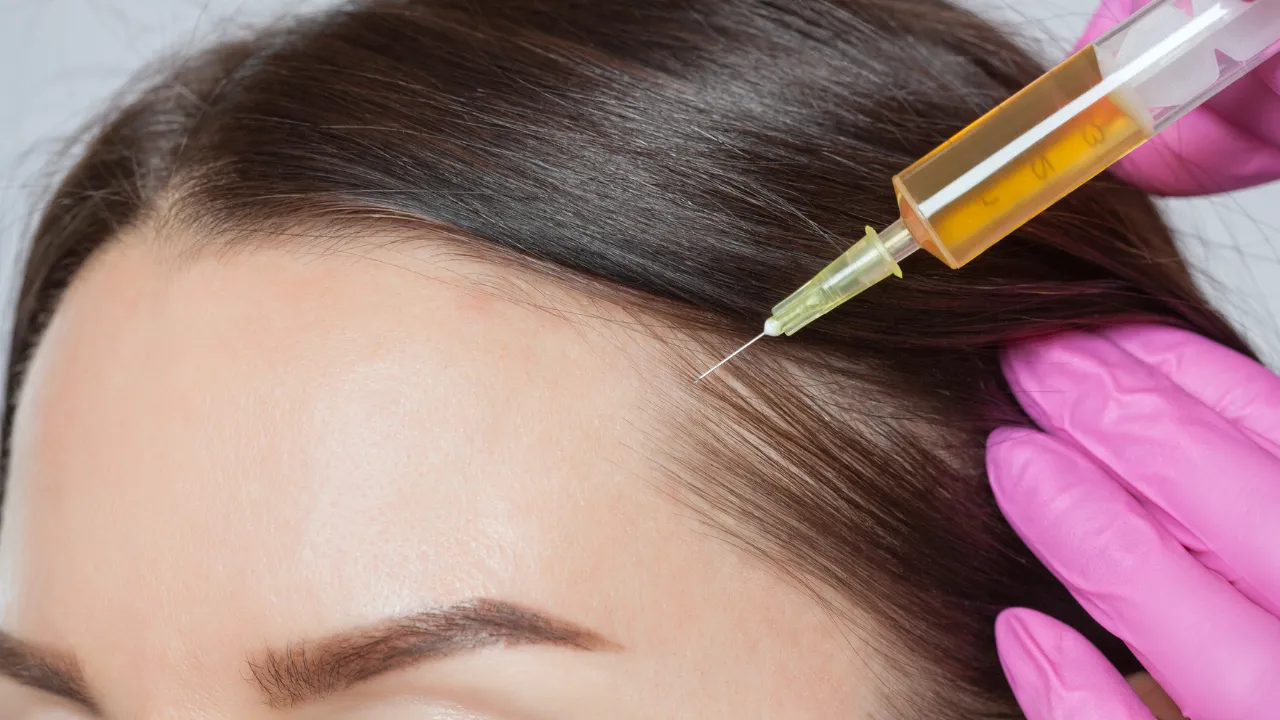
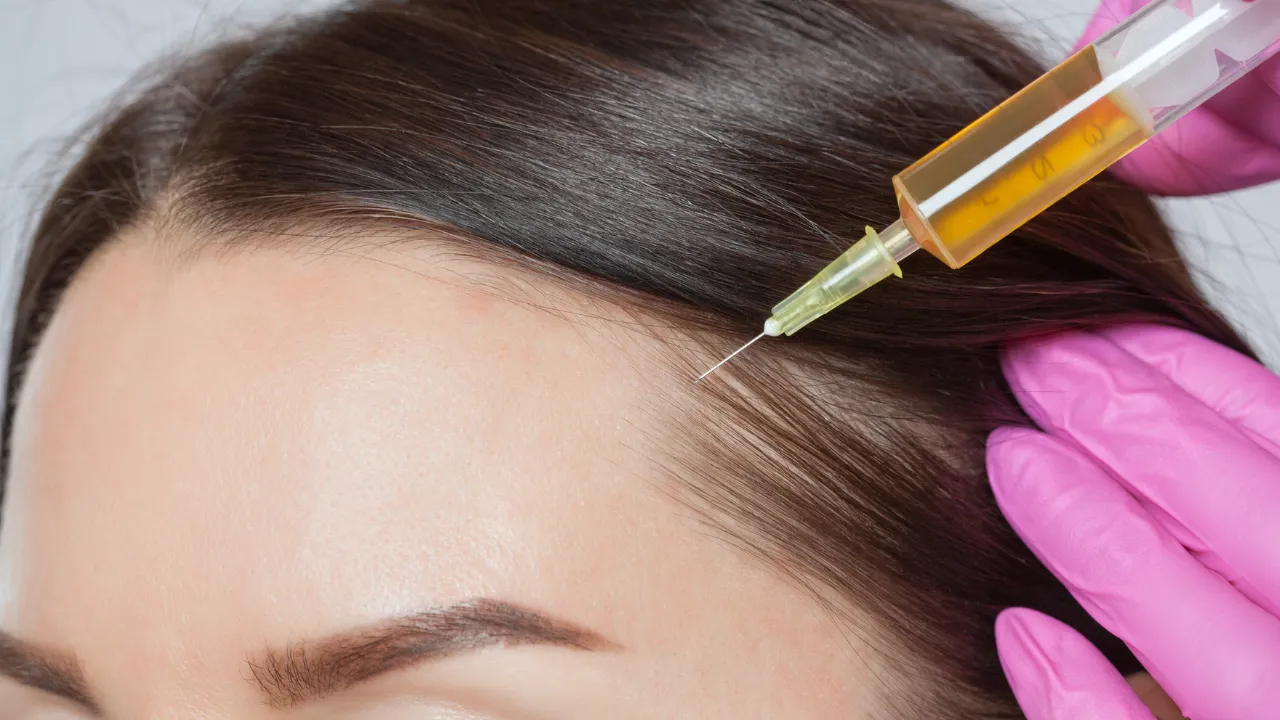
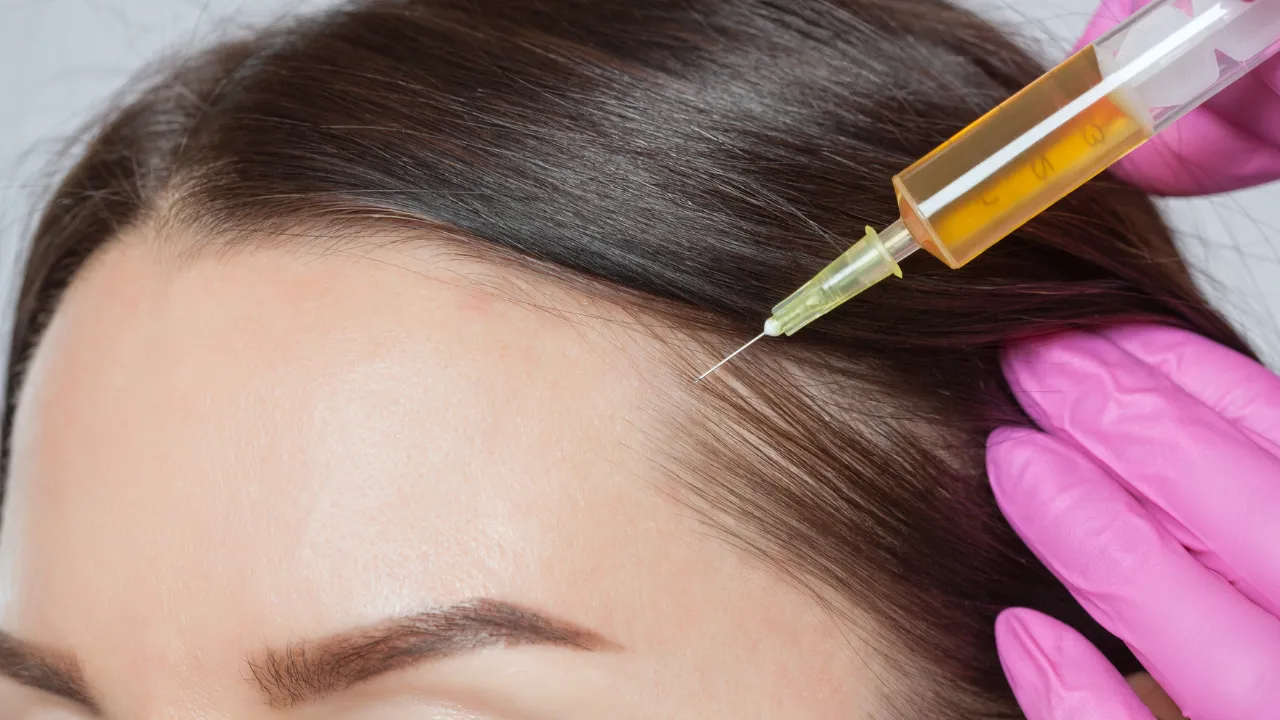
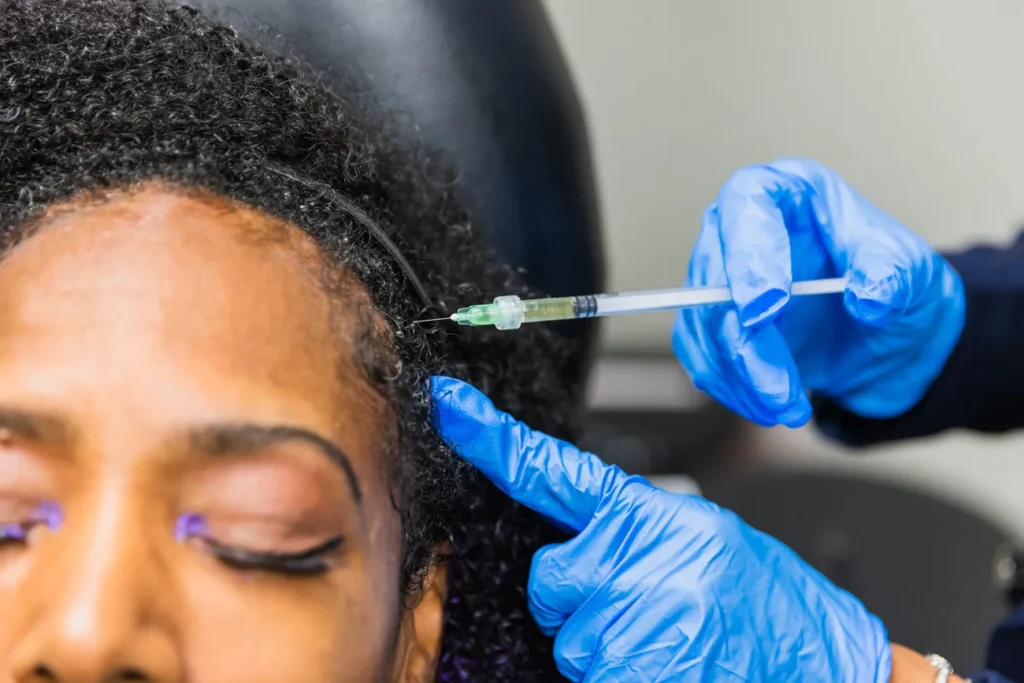
PRP starts with a blood draw, which is spun in a centrifuge to separate and concentrate the platelets. Those concentrated platelets are injected back into the scalp, where they release growth factors including PDGF (platelet-derived growth factor), VEGF (vascular endothelial growth factor), and TGF-β (transforming growth factor beta).
A 2015 randomized controlled trial published in BioMed Research International found that PRP injections significantly increased hair count and hair thickness compared to placebo after three treatment sessions, with results attributed to the growth factor activity of activated platelets.
These growth factors signal dermal papilla cells inside hair follicles to extend the anagen (growth) phase and improve local blood supply. That regenerative signal depends on a brief, controlled inflammatory response right after injection.
A 2019 systematic review in the Journal of Cutaneous Medicine and Surgery found that platelet concentration and post-injection care protocols consistently influenced outcomes across PRP studies for androgenetic alopecia.
Anything that suppresses inflammation (NSAIDs, prolonged ice, heavy alcohol) blunts that signal. Anything that disturbs the injection site (sweat, friction, harsh chemicals, heat) can disrupt platelets before they finish recruiting healing cells to the follicles.
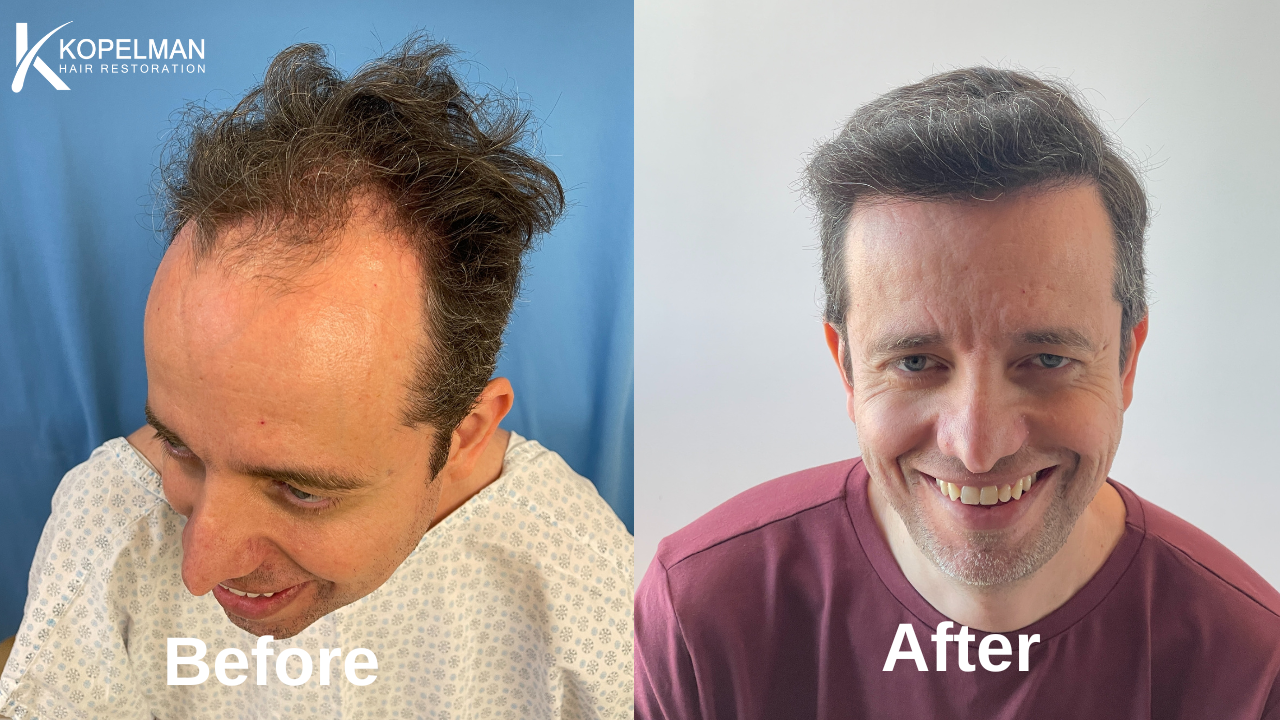
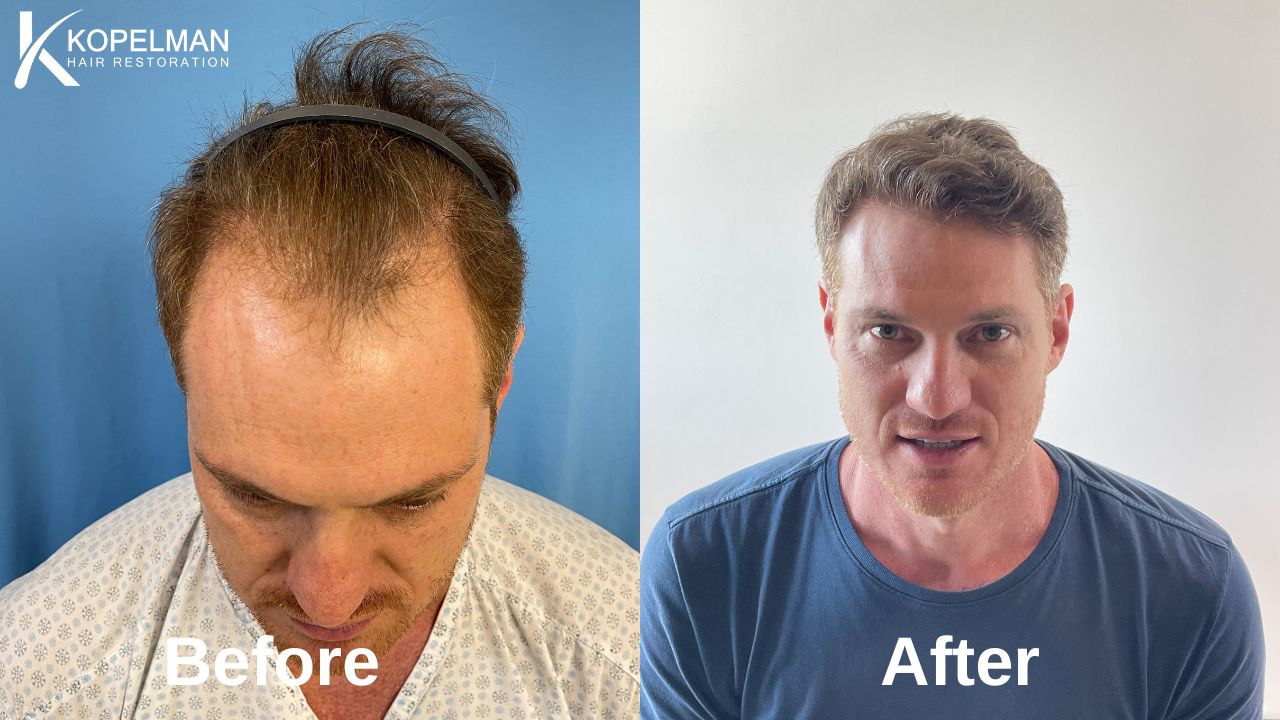
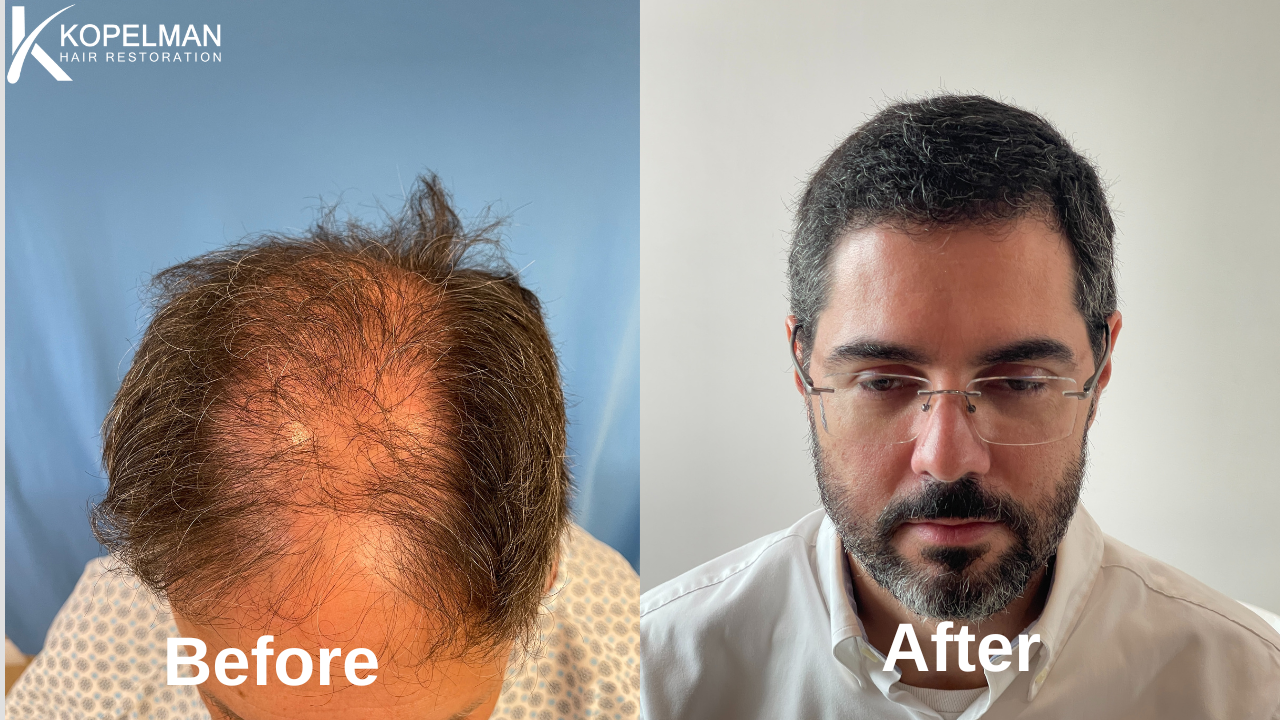
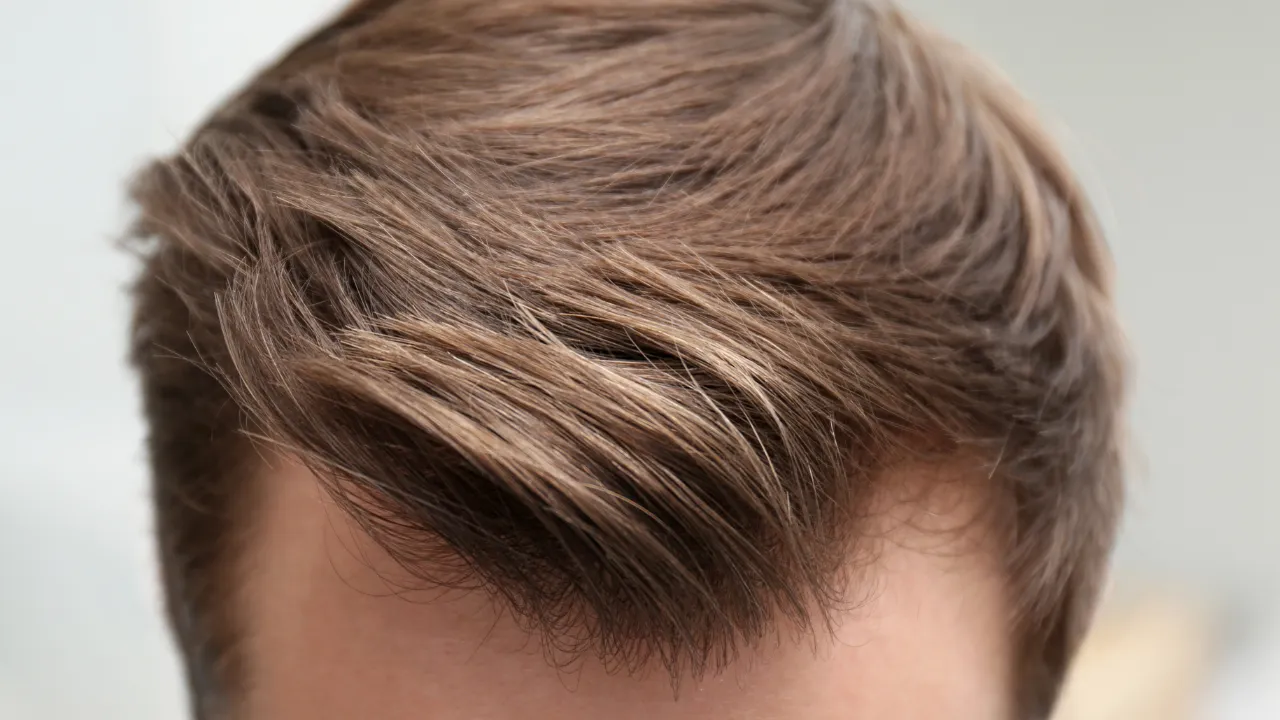
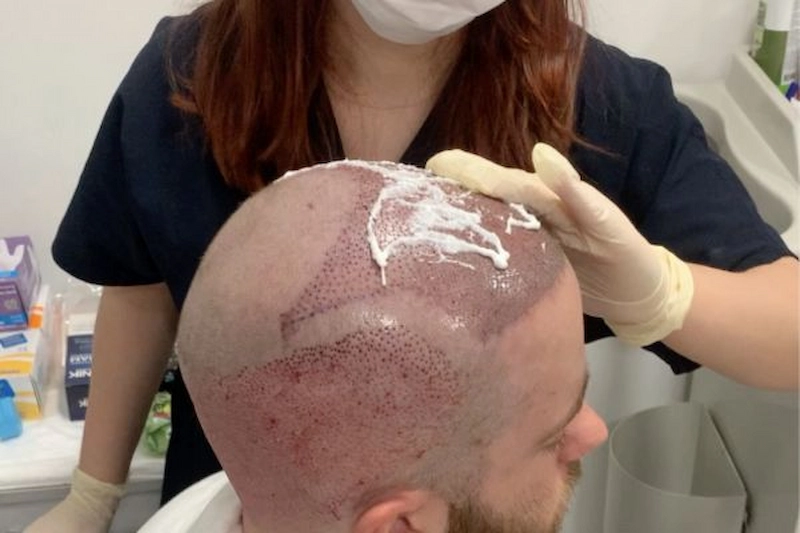
Patients often look at PRP before and after results to understand what kind of improvements they can expect, but the outcome depends heavily on following proper aftercare guidelines.
What Is the Best Thing to Do After PRP?
The best thing you can do after this type of treatment is rest. Give your body the opportunity to heal. Avoid touching or washing the scalp too soon, and drink plenty of water to stay hydrated.
Sleeping well, eating an anti-inflammatory diet, and protecting the scalp from heat and friction support the healing process. These choices help the growth factor cascade do its work during the most active healing window.
Day-by-Day PRP Recovery Timeline
First 24 Hours
No hair washing, no exercise, no alcohol, no NSAIDs, and no touching the scalp. Sleep with your head slightly elevated using two pillows to reduce mild forehead and scalp swelling.
Use a clean pillowcase that night and for the next two to three nights. Pillowcases collect oils and bacteria, and a fresh one lowers the chance of irritation at the injection sites.
Days 2 to 3 (24 to 72 Hours)
You can wash your hair gently on day 2 using a sulfate-free, fragrance-free shampoo and lukewarm water. Pat the scalp dry; no rubbing or vigorous towel-drying.
Light walking is fine; skip cardio, lifting, hot yoga, saunas, and steam rooms. Continue avoiding alcohol and direct sun. Mild scalp soreness is normal and usually responds to Tylenol if needed.
Days 4 to 7
Most patients can resume light exercise around day 4 or 5 if cleared by their provider. Hold off on cardio and weight training until at least day 7, and skip chemical hair services (dye, bleach, perms, relaxers, keratin).
For sun exposure, wear a loose, breathable hat outdoors and apply SPF 30 or higher to exposed scalp areas. Continue using a gentle shampoo for the rest of the week.
Week 2 and Beyond
Resume normal styling and most regular routines. Hair dye, bleach, and chemical services can typically resume after 14 days, but confirm with your provider based on your specific plan.
Maintain hydration, sleep, and an anti-inflammatory diet to support continued follicle response. Follow-up sessions are typically scheduled every 4 to 6 weeks during the initial series.
Activity and Movement Restrictions
How Long to Wait to Exercise After PRP
Rest for the first 48 hours, with no exercise of any kind. Light walking is fine after that. Cardio, weight training, swimming, and contact sports should wait 5 to 7 days, sometimes longer for more aggressive treatment plans.
Heavy physical stress raises blood pressure, increases scalp sweating, and can shift the injected plasma before platelets have settled into position.
Can I Walk or Fly After PRP Injections?
You can walk short distances within a few hours of the procedure. Keep walking light and avoid long outdoor walks in heat for the first 24 hours.
Flying is generally allowed but can worsen scalp swelling due to cabin pressure changes. If you can avoid air travel the same day, your first 24 hours will be more comfortable.
What to Avoid After PRP Treatment
Foods to Eat and Avoid
Reduce processed sugar, fried foods, and red meat for several days. These promote inflammation and may slow your response to treatment.
Lean toward anti-inflammatory choices: leafy greens, berries, fatty fish (salmon, sardines), olive oil, walnuts, turmeric, and plenty of water. Pineapple contains bromelain, which may help reduce bruising and mild swelling.
Alcohol, Smoking, and Caffeine
Avoid alcohol for at least 72 hours. Alcohol dilates blood vessels, increases inflammation, and impairs platelet function, which works against what PRP is trying to accomplish.
Smoking and vaping should be paused for at least 7 days if possible. Nicotine constricts small scalp vessels and reduces the oxygen supply follicles need to respond.
How long to avoid caffeine after PRP injections: light coffee or tea is fine the day after treatment, but keep intake moderate (one cup) for the first 48 hours. Heavy caffeine intake can dehydrate you and slightly raise blood pressure, which may worsen mild swelling at the injection sites.
Hot Showers, Saunas, and Sun Exposure
Skip saunas, steam rooms, hot tubs, hot yoga, and very hot showers for 48 to 72 hours. Heat raises scalp blood flow in a way that can disrupt healing at the injection sites.
Limit direct sun for 3 to 5 days. Wear a loose hat outdoors and apply SPF 30 or higher to any exposed scalp areas, especially if your hair is sparse on top.
Hair Treatment After PRP: What to Avoid
For the first 3 to 5 days, skip styling products, sprays, gels, oils, and serums on the scalp. Don’t use heated tools directly on the scalp (high-heat blow dryers, flat irons).
Hair dye, bleach, relaxers, perms, and keratin treatments should wait at least 14 days. These chemicals are harsh on healing follicles and can interfere with the regenerative response. Treatments like plasma hair for hair loss have become increasingly popular due to their regenerative effects and minimal downtime.
Can You Wash Your Hair After PRP Injections?
Wait at least 24 hours before the first wash. The scalp is still sensitive and pressure or shampoo can cause irritation.
When you do wash, use a gentle, sulfate-free, fragrance-free shampoo and lukewarm water. Pat dry with a clean towel instead of rubbing. If irritation develops, check with your provider before continuing.
Medication and Supplement Guidelines
What Medications Should You Not Take After PRP?
Avoid NSAIDs like ibuprofen, naproxen, and aspirin for at least 7 days. They block the inflammatory signal PRP relies on to recruit healing cells to the follicles.
Tylenol (acetaminophen) is the safer option for headache or soreness, but confirm with your doctor first. Always check before stopping prescription medications, especially blood thinners.
Can I Take Edibles After PRP?
It’s best to avoid THC edibles for at least 24 to 48 hours after PRP. Cannabis can affect platelet function and the inflammatory response that PRP relies on, and the higher, longer-lasting concentrations in edibles make timing less predictable.
CBD products are usually fine in small doses, but confirm with your provider, particularly if you take them daily or at higher concentrations. When in doubt, wait the full 48 hours and reintroduce slowly.
Can I Take Multivitamins or Magnesium After PRP?
Most multivitamins are safe. Pause blood-thinning supplements like fish oil, garlic, ginkgo, ginger capsules, and high-dose vitamin E for 3 to 5 days.
Magnesium is usually fine and may help with muscle recovery and sleep. To be safe, confirm any supplement use with your provider before resuming.
Managing Side Effects and Recovery
Worse Pain After PRP Injection: What It Means
Mild soreness and scalp tenderness for 24 to 72 hours is normal. It’s part of the inflammatory response that drives the result.
If pain worsens after day 3, lasts longer than a week, or comes with fever, drainage, or spreading redness, contact your provider. These signs are uncommon but should be evaluated quickly.
When to Resume Normal Activities
Most patients return to desk work and light daily activity within 24 hours. Wait 5 to 7 days for cardio, weight training, swimming, and contact sports.
If your job involves heavy physical labor or significant scalp sweating, ask your provider for site-specific guidance at your appointment.
Long-Term Lifestyle Tips
Recovery extends beyond the first week. Stay hydrated, sleep consistently, manage stress, and lean on an anti-inflammatory diet to support continued follicle activity.
Small lifestyle adjustments compound over a treatment series. Patients who follow through tend to see better, more consistent results across follow-up sessions.
When Should You Contact Your Doctor After PRP?
Reach out if you notice spreading redness, fever, drainage or pus, severe pain that worsens past day 3, or any sign of infection at the injection sites. These are uncommon but warrant a quick call.
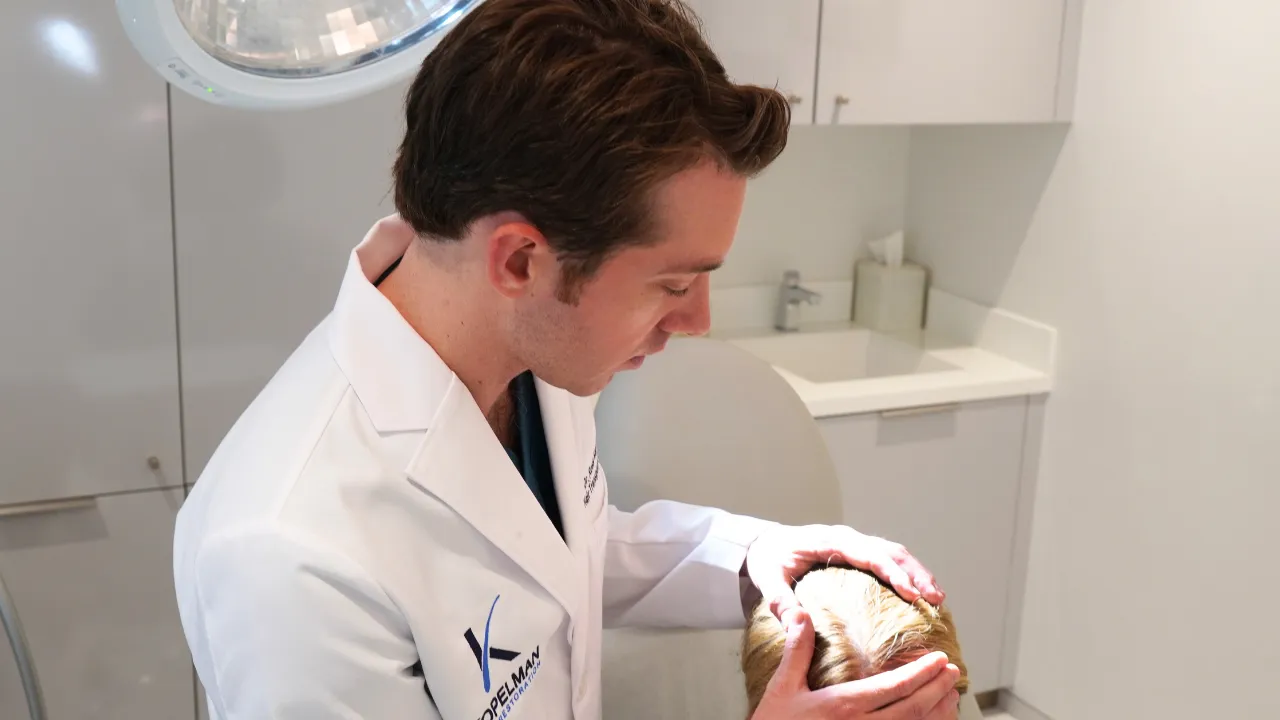
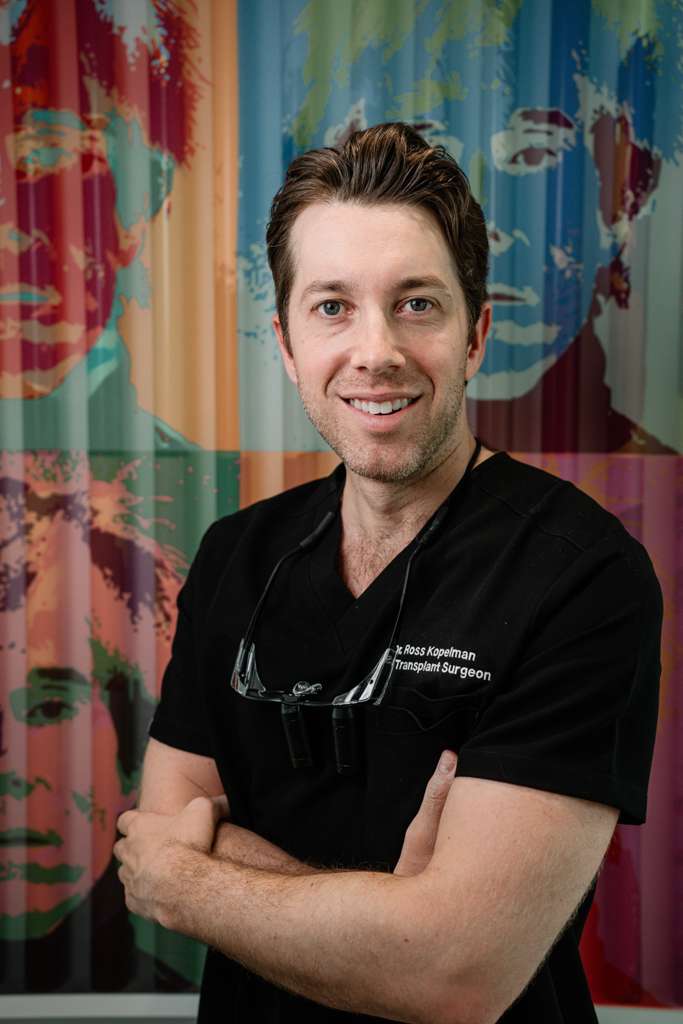
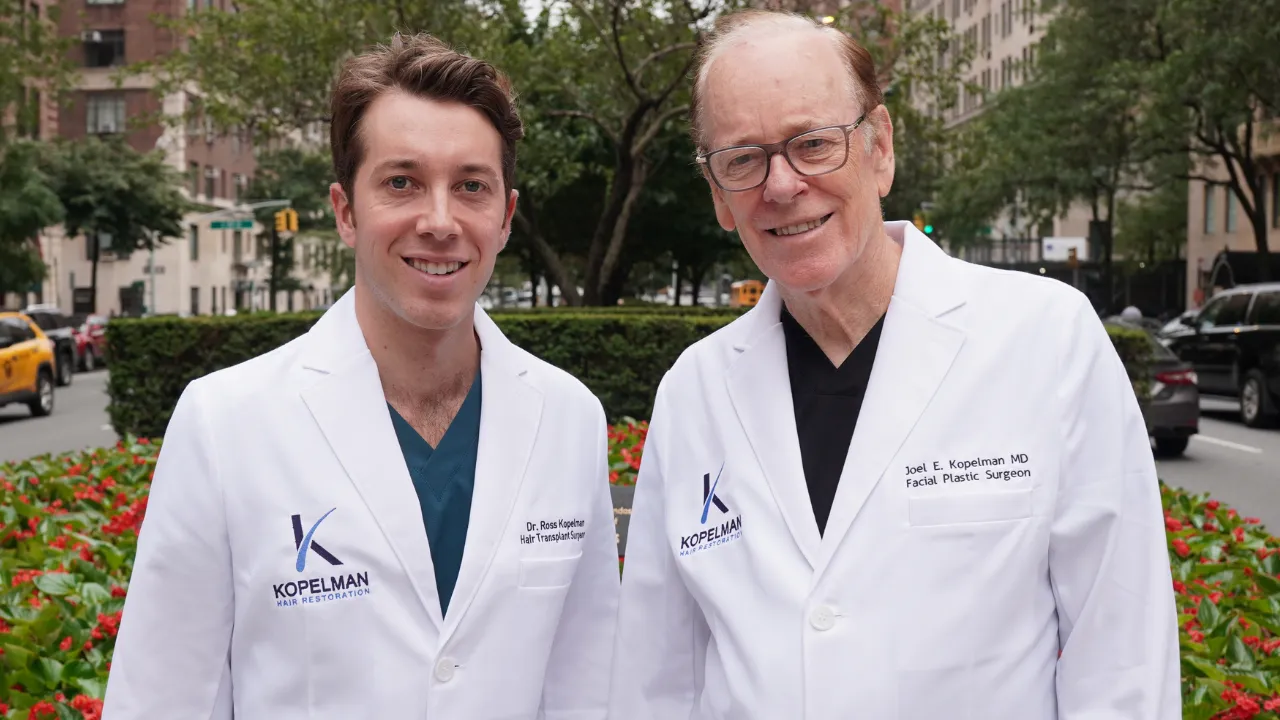
Dr. Kopelman reminds patients that asking early is better than risking complications. A quick response protects your recovery and the final outcome.
Results vary based on your overall scalp health and treatment plan. You can see how PRP compares with mesotherapy for hair restoration here.
PRP Aftercare FAQs
How long does swelling last after PRP injections?
Most scalp swelling resolves within 24 to 48 hours. A few patients notice slight forehead puffiness the morning after treatment, which usually settles by day 2.
When can I exercise after PRP?
Skip exercise entirely for the first 48 hours. Light walking is fine after that. Cardio and weight training should wait 5 to 7 days.
How long should I avoid caffeine after PRP injections?
Light caffeine (one cup of coffee or tea) is fine the day after treatment. Keep intake moderate for the first 48 hours and stay well hydrated.
Can I take edibles after PRP?
Avoid THC edibles for at least 24 to 48 hours. Cannabis can affect platelet function and the inflammatory response that PRP relies on. CBD is usually fine in low doses, but confirm with your provider.
How long do PRP results last?
Most patients see results lasting 6 to 12 months from a full treatment series. Maintenance sessions every 4 to 6 months help keep the response active.
Can I wash my hair the same day as PRP?
No. Wait at least 24 hours, then use a sulfate-free shampoo and lukewarm water. Pat dry instead of rubbing.
What if I feel worse the day after PRP?
Mild aches, scalp tenderness, and a tight sensation are normal for 24 to 72 hours. If pain worsens after day 3 or you develop fever, drainage, or spreading redness, contact your provider.
Are there any risks?
PRP is generally well tolerated since it uses your own blood. Possible side effects include bruising, mild swelling, transient soreness, and (rarely) infection at the injection sites.
Final Thoughts on PRP Post Care
Proper PRP aftercare protects the investment you’ve already made in your hair. The first 72 hours matter most: no NSAIDs, no heavy sweating, no alcohol, no scalp friction.
From there, gentle handling for the rest of the first week gives the platelets the conditions they need to do their job, so your body can fully benefit from PRP’s growth factors and the regeneration that follows.
If you’re still evaluating PRP as a treatment option in your area, our guide to local PRP hair treatment breaks down how the procedure works and who benefits most.
At Kopelman Hair, we support patients before, during, and after their procedures. With expert guidance from Dr. Kopelman, you can recover safely and protect the benefits of your PRP treatment. Schedule your consultation now.