
This educational guide, prepared by Kopelman Hair, explains whether eyebrow transplants last forever, how transplanted hair behaves over time, and the limitations, including maintenance, risks, and long-term care.
Key Takeaways
- Eyebrow transplants are often described as a permanent solution because transplanted follicles usually survive long term, though aging and health factors can still affect appearance.
- An eyebrow hair transplant uses hair grafts from a stable donor area, and long-term success depends on technique, the healing process, and proper care.
- Transplanted eyebrow hair can continue to grow, which means trimming is often needed to maintain balance with natural facial features.
- Eyebrow transplants offer long-term solutions for some patients, but results vary based on skin health, medical history, and the cause of eyebrow hair loss.
Do Eyebrow Transplants Last Forever?
Yes, in most cases, transplanted eyebrow hair lasts a long time because it comes from scalp areas that are resistant to hair loss. Once the follicles establish a blood supply in the eyebrow area, they usually remain active.
This does not mean the eyebrows will look the same forever. Aging, skin changes, and general health can affect thickness and shape over time. The procedure offers durability, not a promise of unchanged appearance for life.
Are Eyebrow Transplants Permanent?
Another common question is whether eyebrow transplants are permanent. Permanent refers to follicle survival, not the absence of future changes. When the procedure is performed correctly, transplanted follicles often remain active for many years.
Dr. Kopelman explains that donor hair selection is critical in hair transplant procedures. Hair taken from stable scalp zones maintains its resistance to shedding after relocation, supporting permanent results in many patients.
How an Eyebrow Transplant Works
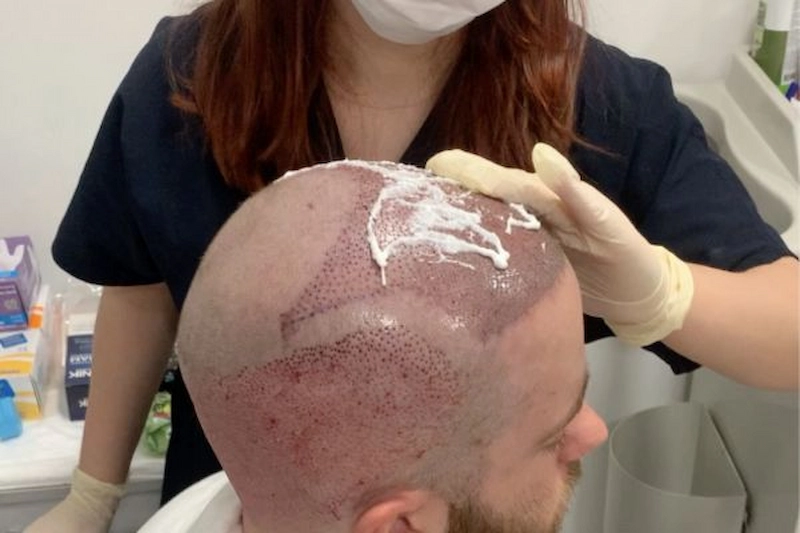
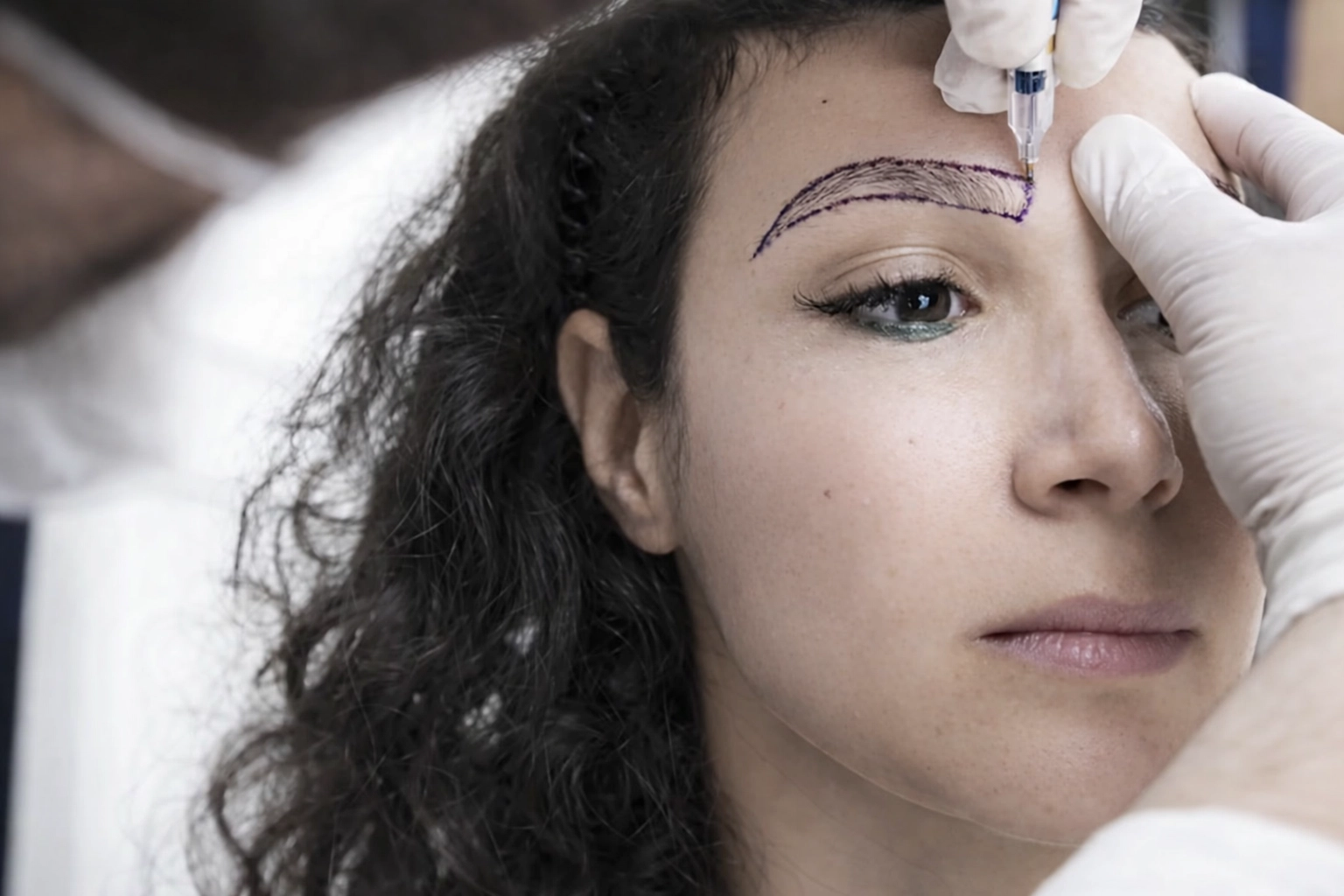
An eyebrow hair transplant in NYC involves moving individual hair grafts from a donor area to the eyebrow region. The donor site typically comes from the scalp, where hair growth is more predictable. Each graft is placed at a precise angle to match the natural direction of the eyebrow.
Many surgeons use Follicular Unit Extraction (FUE) to harvest grafts one at a time. This method allows for controlled placement and minimal scarring. Careful positioning helps the brows blend naturally with surrounding facial features.
Pre-Procedure Medical Evaluation
Before surgery, a medical evaluation helps determine whether the procedure is appropriate. The doctor reviews the donor hair supply, skin condition, and medical history. These factors affect safety and long-term outcomes.
This evaluation also helps identify whether eyebrow hair loss is linked to a medical condition, eyebrow scarring, or other causes. Understanding the cause supports realistic expectations and long-term solutions.
Eyebrow Growth and Maintenance
After surgery, transplanted eyebrow hairs usually shed within the first few weeks. New growth often starts around three to four months and improves gradually over the first year as the healing process continues. This pattern reflects how transplanted hair grows after relocation.
Because the hair comes from the scalp, it grows longer than natural eyebrow hair and does not stop at eyebrow length, as explained in more detail in our guide on do eyebrow transplants keep growing. Ongoing maintenance usually includes regular trimming, light shaping, and basic grooming. With proper care, the eyebrows can remain neat and balanced with the rest of the facial features.
Downsides and Long-Term Risks
Eyebrow transplantation has limits that should be understood. Ongoing grooming is a key commitment, especially since hair continues to grow. Some patients may find this inconvenient over time.
Long-term risks after an eyebrow transplant are uncommon but possible. Some patients may experience uneven growth, differences in hair texture, or changes in direction over time. These issues can affect appearance but are usually manageable.
Can an Eyebrow Transplant Fail?
Failure is rare, but it can happen. Poor graft survival, infection, or improper placement can affect outcomes. These risks increase if technique or aftercare guidelines are not followed.
Most issues relate to technical or healing factors rather than the idea of transplantation itself. Careful planning and proper care help reduce these risks.
Are Eyebrow Transplants Permanent for Everyone?
Results are not identical for all patients. Hair type, skin quality, and healing response all influence long-term appearance. Even with permanent results, changes over time are possible.
A medical evaluation helps decide whether an eyebrow transplant aligns with a patient’s goals. This step supports safety and realistic expectations.
Who Is Not a Good Candidate for an Eyebrow Transplant?
Some people are not good candidates for eyebrow transplantation. Certain health or skin issues can raise risk or reduce predictability. These limits should be reviewed before surgery.
An eyebrow transplant requires sufficient healthy donor hair and stable skin. You may not be a good candidate if you have:
- An active skin infection or inflammatory condition
- An uncontrolled autoimmune medical condition
- Poor healing response or limited donor hair
A medical consultation helps determine whether surgery or alternatives to eyebrow transplant are better suited to managing eyebrow hair loss.
If you want to learn whether an eyebrow transplant is appropriate for you, a medical consultation can provide clarity. Scheduling a visit allows for an individualized evaluation and discussion of next steps.