
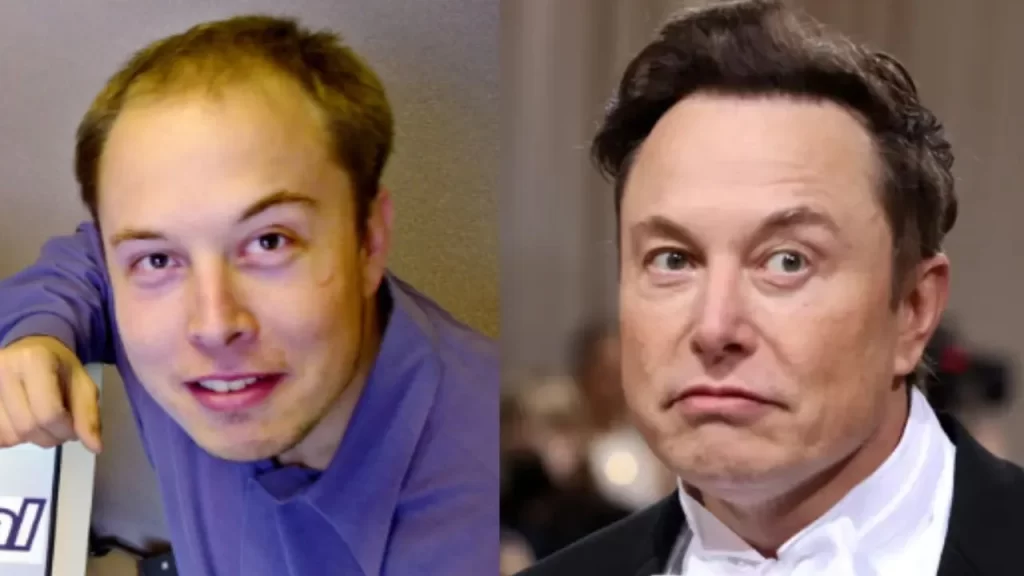
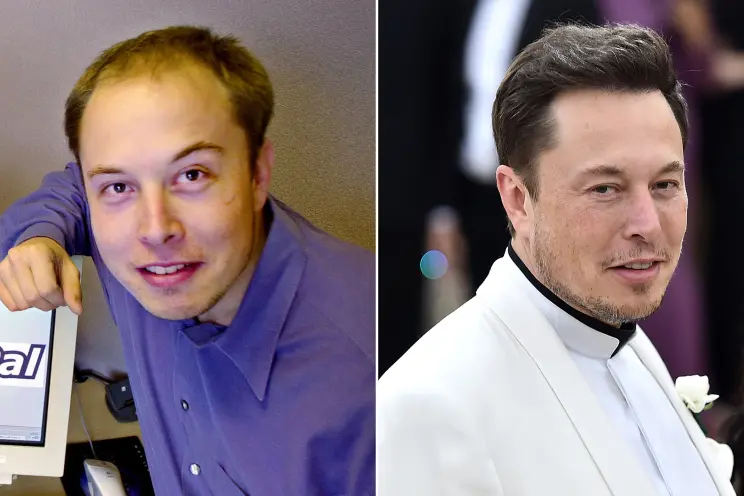
The significant improvement in Musk’s hairline over the years, from a visibly receding hairline to a full and dense hairline, strongly suggests that he had hair restoration surgery.
Key Takeaways
- Musk has never confirmed any surgical procedure, but his transformation between the late 1990s and today is consistent with what specialists see after a well-planned transplant.
- The visible linear scar along the side of his scalp indicates FUT (strip surgery), the dominant technique in the early 2000s, when his change began.
- Restoring his frontal scalp and density likely required around 5,000 to 5,500 grafts, probably spread across two procedures.
- Costs at the time were likely in the $20,000 to $40,000 range, though premium U.S. clinics can run higher depending on graft volume and surgeon experience.
- Medication alone (Finasteride, Minoxidil) rarely produces this degree of frontal regrowth in advanced cases, which is why most specialists rule it out as a sole explanation.
- Results vary by patient. Donor density, age, scalp laxity, and the surgeon’s planning all influence outcomes.
Elon Musk’s Hair Transformation
Teenage Years
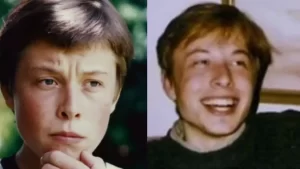
As a teenager, Musk had a typical thick head of hair with no obvious recession. Compared to his younger brother Kimbal, however, his coverage already looked slightly thinner across the forehead, hinting at the earliest stage of androgenetic alopecia.
As Dr. Ross Kopelman explains, “Subtle frontal thinning in adolescence is one of the most under-recognized signs of pattern baldness. By the time a patient notices it in photos, the miniaturization process has often been underway for years.”
This kind of subtle change is easy to miss in real time but becomes obvious when comparing images from different decades.
The Late 90s: The PayPal Years
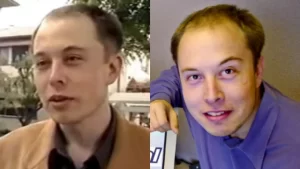
From rumors of Elon Musk’s baldness to talk of Elon Musk’s hair plugs, the billionaire’s transformation has fueled years of speculation. Photographs from the PayPal era show marked frontal thinning extending into the mid-scalp, classic for male pattern baldness, with the crown still mostly intact.
On the Norwood Scale, which classifies the stages of progressive male pattern baldness from I to VII, Musk’s temples at this point read roughly as a Norwood 3 to 4. His donor area at the back and sides looked dense, an important factor for any future surgical candidate.
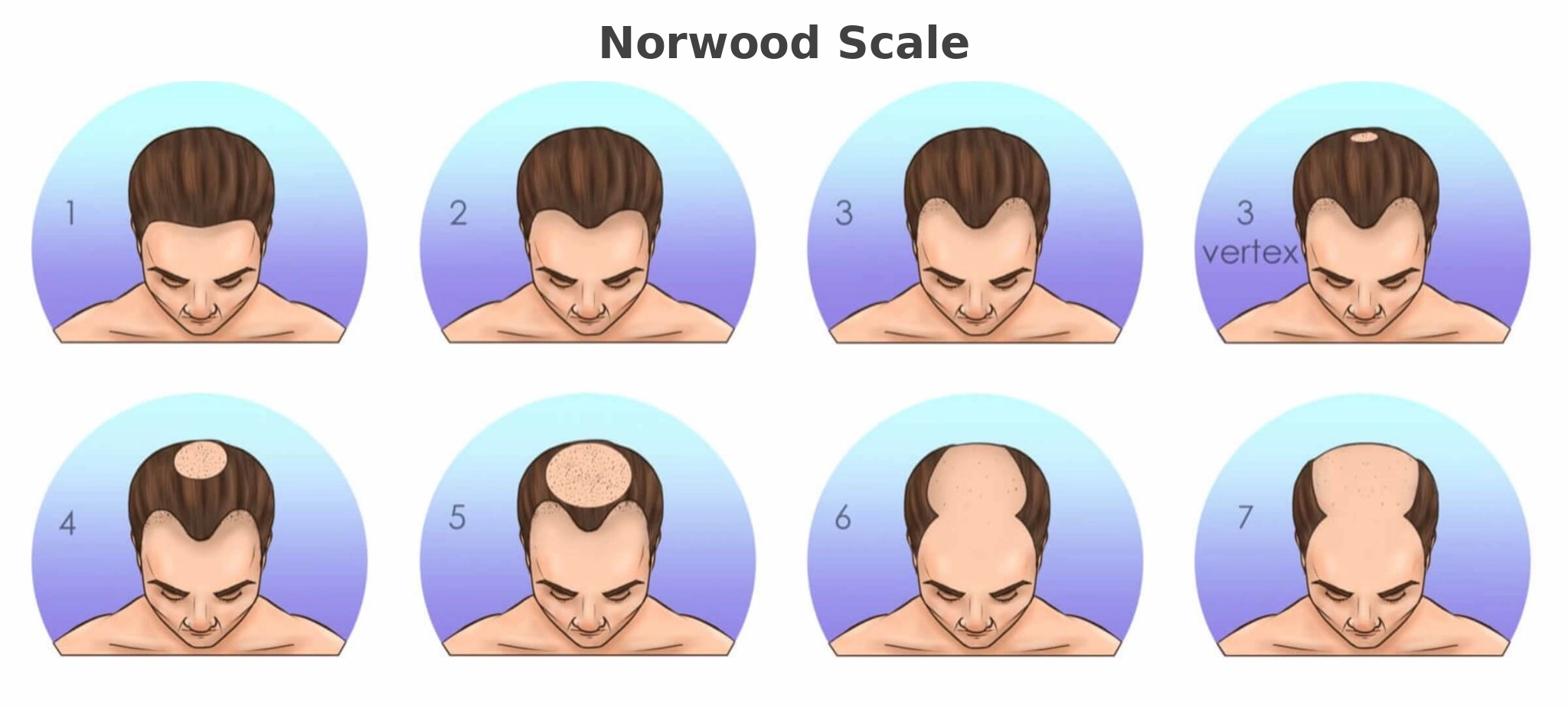
The thinning was noticeable enough to affect his public appearance, likely prompting what many now refer to as Elon Musk’s hair treatment.
Early 2000s
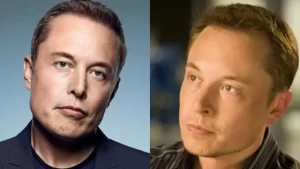
By the early 2000s, his frontal coverage looked noticeably stronger, with precise angulation and placement suggesting a well-designed surgical plan. The initial groundwork was likely supported by Minoxidil or Finasteride, which slows shedding and improves density in still-living follicles.
Dr. Ross Kopelman notes, “When I look at the 2002 to 2007 stretch, the changes are too consistent and too localized to the frontal scalp to be explained by drugs. That pattern, frontal recovery with a stable crown, is what we see after a planned hairline procedure.”
By 2007, the density gains were more pronounced than those typically produced by medication alone, suggesting a first surgical session within this window.
2010-2020
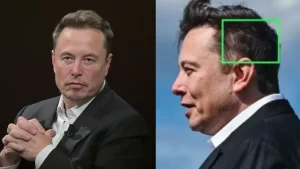
Through this decade, his hairline stayed remarkably stable, which is itself a clue. Without ongoing medical therapy, transplanted follicles can survive, but the native follicles surrounding them often continue to miniaturize. Long-term stability over a 10-year span usually points to consistent maintenance with prescription medication or office-based therapies.
A side-by-side comparison with his brother Kimbal, who has clearly receded over the same period, highlights how much the trajectories diverge once a patient commits to a planned program. Musk’s results over this decade are a textbook example of surgical work combined with medical maintenance.
Modern Day
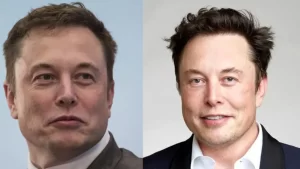
Today, his coverage looks straighter and denser than it has in any previous decade, prompting renewed speculation about a second procedure. The current density is hard to reconcile with a single early-2000s session, especially given the extent of the visible frontal recovery.
The most plausible explanation is at least two surgical sessions supported by a long-term medical maintenance routine.
What Type of Procedure Did Elon Musk Likely Have?
Did Elon Musk get Hair Plugs?
It is highly unlikely Musk had old-style plugs. That outdated method, popular through the 1980s, used large punch grafts that produced the unnatural, doll-like look people often picture when they think of older procedures.
His results show none of those telltale signs, which is one reason modern surgical work is often compared to his case.
FUT Was the Most Likely Method
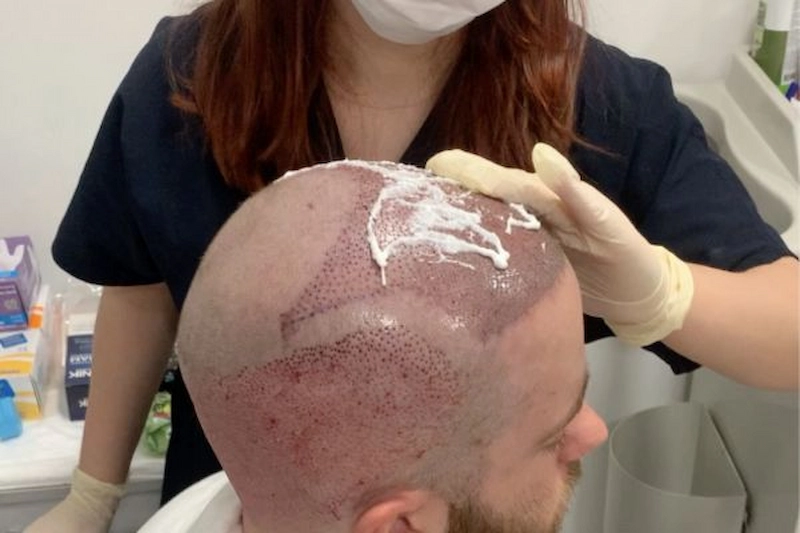
Based on what is visible in photos, Musk most likely had Follicular Unit Transplantation (FUT), often called strip surgery. The technique removes a thin strip of skin from the donor area at the back and sides of the scalp, which is then dissected under microscopes into individual follicular units for placement.
Photos from certain angles show what appears to be a long, linear scar consistent with this method, a feature confirmed by several surgeons who have publicly reviewed his images.
FUT was the dominant choice through the early 2000s, before Follicular Unit Extraction (FUE) became widely available with reliable instrumentation. The timing of his first apparent procedure aligns with that era. Today, most patients prefer FUE for its faster recovery and dot-pattern scarring, but FUT can still be the right answer when very large graft counts are needed in a single session.
FUE vs. FUT: Quick Comparison
| Factor | FUT (Strip) | FUE |
|---|---|---|
| Donor scarring | Linear scar along the back of the scalp | Tiny dot scars, easier to hide with short cuts |
| Single-session graft count | Higher capacity, often 3,000+ | Lower per session, depending on the donor |
| Recovery time | Around 10 to 14 days for the incision | Around 7 days for healing |
| Cost band (U.S.) | Often lower per graft | Typically higher per graft |
| Common era | Standard in the early 2000s | Modern standard since the mid-2010s |
How Many Grafts Did Musk Likely Receive?
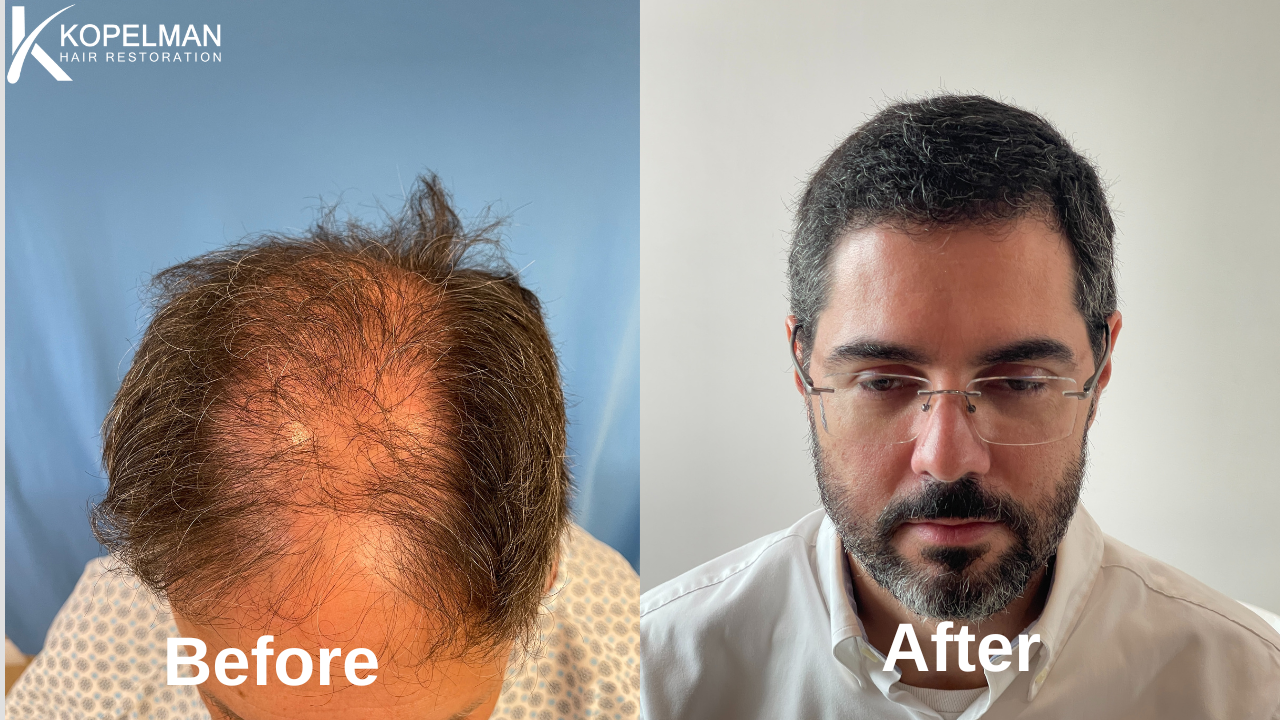
Looking at Elon Musk’s hair before and after, it’s clear that his hairline has been restored with thousands of grafts. Considering the extent of his initial hair loss and the fullness of his current hair, Musk likely received between 5,000 and 5,500 hair grafts across multiple procedures.
The significant improvement in hair density and coverage suggests that these grafts were strategically placed to achieve a natural-looking hairline and overall density. The number of grafts required would depend on the degree of hair loss, the desired density, and the size of the recipient area.
How Much Did Elon Musk Spend on His Hair Surgery?
Public estimates of Musk’s spending range from roughly $20,000 to $50,000 across both sessions, depending on the source. The wide range reflects how much pricing varies across clinics, cities, techniques, and graft counts.
At top U.S. clinics, premium results in this graft range commonly fall in the $25,000 to $40,000 band per session. Independent reporting from Page Six cited surgeon estimates that supported figures in this range.
Despite the high cost, these results can be achieved at more affordable prices, depending on the clinic and location. For someone of Musk’s financial standing, investing in high-quality hair restoration to maintain his public image would be a reasonable expense.
Where Was the Procedure Likely Performed?
Although the specific clinic and surgeon remain unknown, it is likely that Musk chose an exclusive Los Angeles clinic known for serving high-profile clients. The skill required to achieve such natural-looking results points to a top-tier hair transplant surgeon.
Los Angeles is home to many renowned hair restoration clinics and surgeons who specialize in treating celebrities and high-profile individuals, ensuring privacy and excellent results.
Check Out These Other Celebrity Stories
- Andrew Garfield Hair Transplant
- Brendan Fraser
- Joe Rogan Hair Transplant
- Kirk Cousins Hair Loss
- Floyd Mayweather Beard Transplant & Hair Transplant
- Conor McGregor Hair Transplant
- Steve Carell Hair transplant
- Justin Beiber Hair Transplant
- Matthew McConaughey Hair Restoration
- Donald Trump
Why Cosmetic Procedures Like This Matter
Hair loss, especially at a young age, can significantly impact a person’s confidence and self-esteem. Elon Musk’s before-and-after hair transplant photos remain among the most widely shared examples of celebrity hair restoration online.
For someone like him, whose public appearances and media presence are frequent, maintaining a youthful, robust hairline would enhance his overall image and personal confidence.
A hair transplant not only restores lost hair but also helps individuals feel more confident and positive about their appearance, which can be crucial for public figures. Research published by the American Academy of Dermatology outlines how surgical and medical options work together for long-term management of pattern baldness.
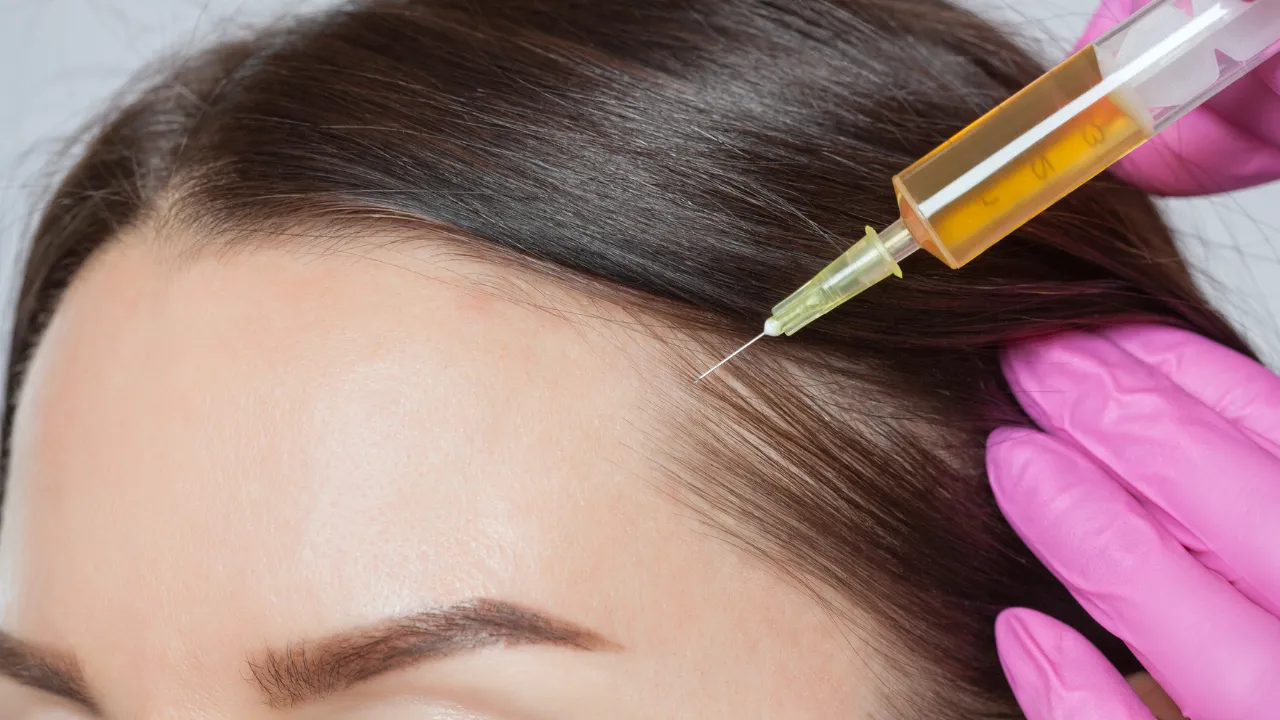
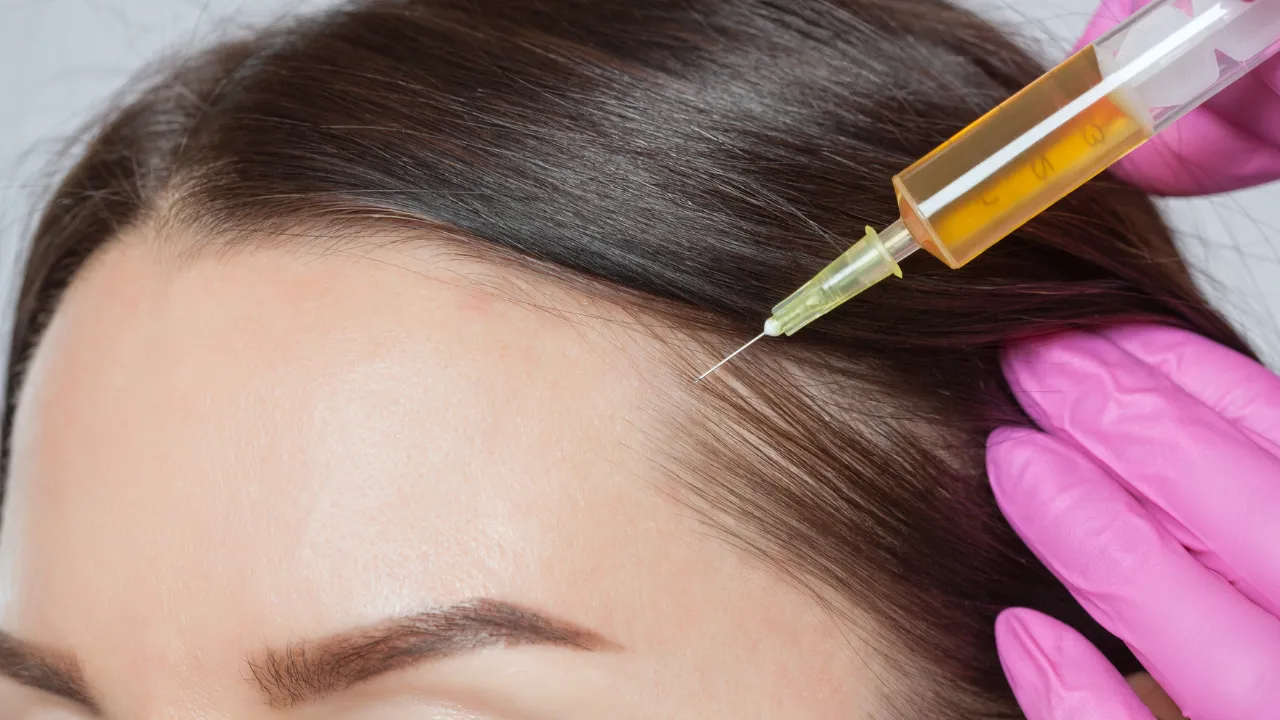
Maintaining the results of a hair transplant requires ongoing care. It’s likely that Elon Musk follows a rigorous hair care regimen to preserve his hairline. This could include the continued use of hair restoration medications like Minoxidil and Finasteride, regular consultations with hair specialists, and possibly even advanced treatments such as PRP (Platelet-Rich Plasma) therapy to boost hair growth and health.
Considering Your Own Procedure?
At Kopelman Hair Restoration, our surgeons are among the most experienced and skilled in the field. We provide personalized consultations and a range of hair restoration treatments tailored to your unique needs.
Our prices are competitive, and our results speak for themselves. We use the latest techniques and technologies to ensure that our patients receive the best possible care and achieve natural-looking results.
Book a consultation with our team to discuss your hair loss and get the hairline you’ve always wanted. To learn more, take a look at our before-and-after gallery and read our hair transplant clinic reviews. Achieve the confidence and appearance you deserve with Kopelman Hair Restoration.