
Table of Contents
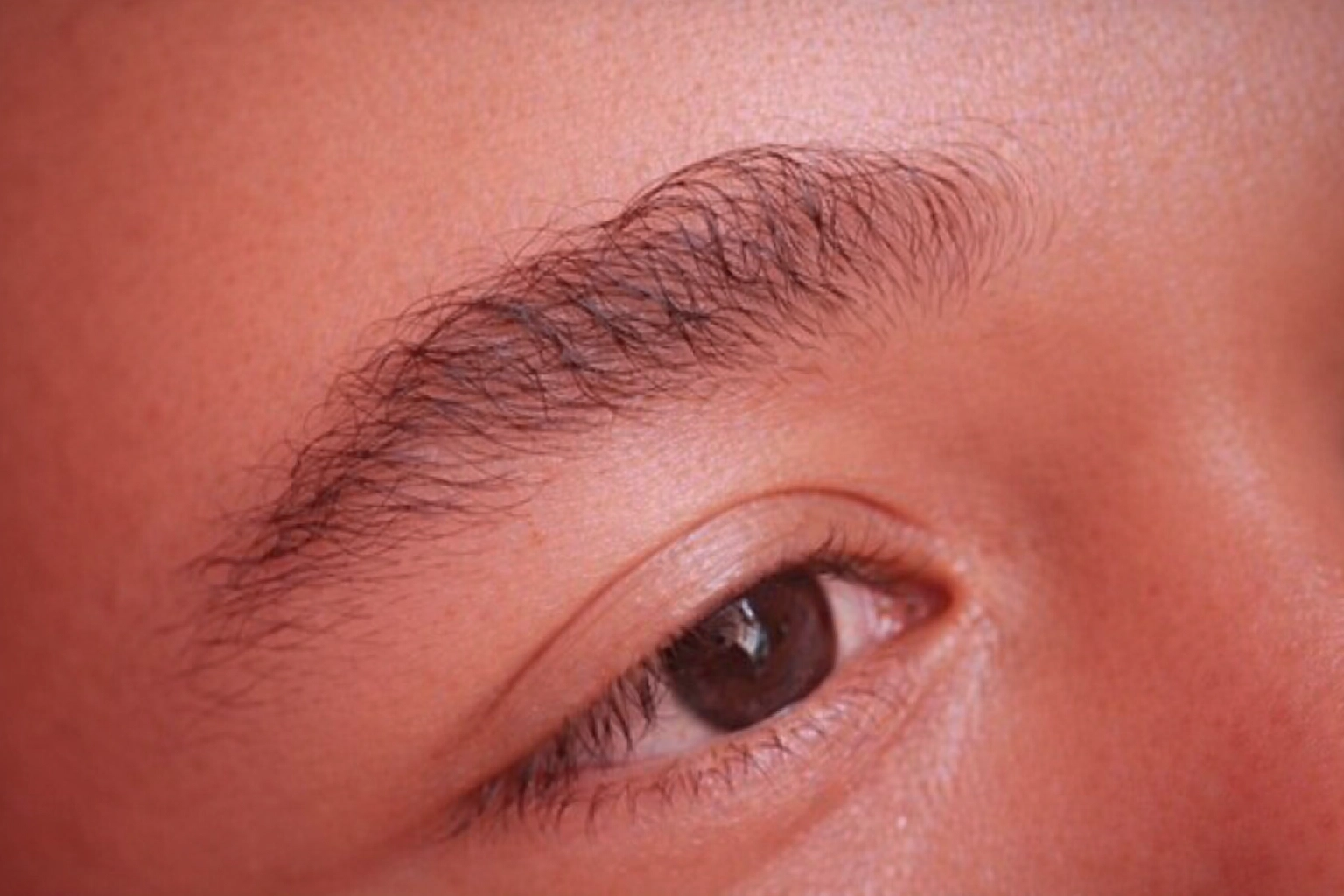
ToggleYes, an eyebrow transplant is possible after microblading in many cases. Getting an Eyebrow Transplant After Microblading depends on factors such as skin healing, pigment depth, and the condition of the eyebrow area. Microblading places pigment in the skin, while a transplant places individual hair follicles beneath the surface, so the two do not automatically conflict.
A qualified surgeon evaluates timing, existing pigment, and remaining hair to determine whether removal is helpful or optional. With proper planning, a transplant can restore real hair while working around or over previous microblading.
This article explains whether an eyebrow transplant is possible after microblading, how timing and pigment affect planning, and what realistic outcomes look like.
The information reflects current clinical understanding and references practices such as Kopelman Hair in a strictly educational context.
Key Takeaways
- Eyebrow transplants can be performed after microblading because pigment sits in the skin while transplanted hair follicles are placed beneath the surface.
- Removing microblading before a transplant is not always required and depends on pigment color, placement, and how well the skin has healed.
- Timing matters, as older microblading that has partially or fully faded often allows more accurate planning and easier integration of transplanted hairs.
- Results develop gradually and require maintenance, since transplanted eyebrow hairs grow like scalp hair and need regular trimming.
- Costs vary by complexity, surgeon experience, and location, with eyebrow transplants in the United States often around $15,000.
Yes, an Eyebrow Transplant Is Possible
An eyebrow hair transplant can be performed after microblading in many cases. Microblading places pigment in the skin, while transplantation surgery places individual hair follicles beneath the surface. Because these methods work at different skin levels, they do not automatically interfere with one another.
This form of hair restoration relies on careful planning rather than removing all existing pigment. Surgeons assess skin quality, pigment depth, and eyebrow hair loss patterns before deciding how to proceed. The goal is to work with the existing base while restoring actual hair.
Transplanting Over Existing Microblading
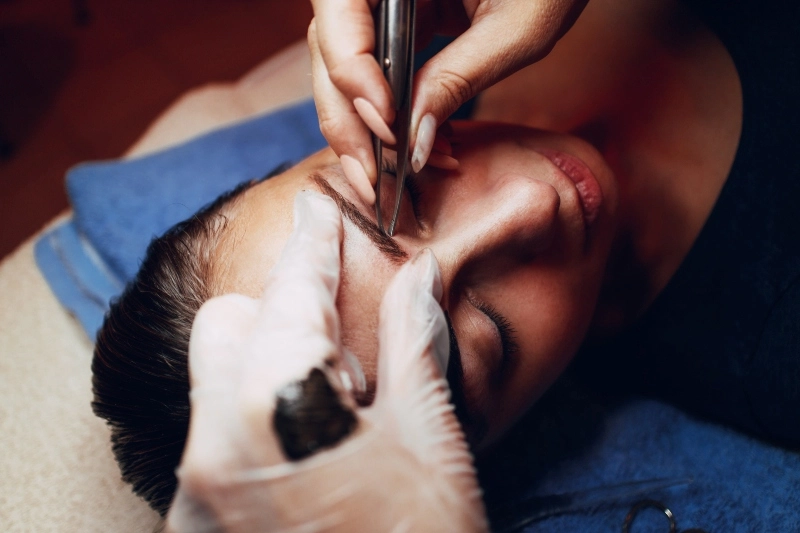
Transplanting over microbladed skin is often feasible when the pigment is stable and the skin has healed. The transplantation procedure places donor hairs at precise angles so transplanted hairs align with natural brows. This allows new growth to sit naturally over the pigmented area.
Each hair graft is placed to follow the natural direction of eyebrow hairs. Over time, these donor hairs continue to grow like normal brow hair. This approach can reduce reliance on cosmetic camouflage.
How Hair Grafts Conceal Pigment
Hair grafts create visual density that can soften the appearance of older microblading. As natural hairs fill in, they break up solid pigment and create a more textured look. This helps eyebrows appear less flat or artificial.
Because transplanted hairs are real hair, they move and reflect light differently than pigment. With proper placement, they can blend the underlying color into a more natural pattern. This effect develops gradually as hair growth progresses.
Do You Need to Remove Microblading First?
Removing microblading is not always required before an eyebrow hair transplant. The decision depends on pigment color, placement, and whether the shape matches the desired brow design. In some cases, leaving pigment in place simplifies planning.
That said, removal may be advised when pigment has shifted color or extends beyond the intended brow line. Surgeons weigh the benefit of a clean base against the risks of skin irritation. Timing between treatments is critical.
When Removal Improves Results
Removal can help when pigment is very dark, uneven, or poorly positioned. Clearing excess pigment allows the surgeon to create natural eyebrows without visual interference. This can be helpful when a custom designed shape is planned.
Removal also allows better visibility of natural hairs that may still be present. This helps determine how many donor hairs are truly needed. Fewer grafts may be required in these cases.
Laser Removal Risks and Color Changes
Laser removal can sometimes cause pigment to shift to red or gray tones. These changes may persist and complicate surgical planning. Skin inflammation from laser treatment also requires healing time before any transplantation procedure.
For these reasons, surgeons often recommend spacing treatments several months apart. Rushing removal and surgery can increase the risk of poor healing. Careful sequencing protects the donor area and recipient skin.
Timing After Microblading
Timing affects how well an eyebrow transplant can be planned after microblading. Pigment fades gradually, and the skin continues to change over time, which is why waiting often improves assessment. Factors such as pigment type, skin sensitivity, and prior aftercare influence when surgery is appropriate.
Microblading After 3 Years
After three years, microblading often shows partial fading, with softer pigment but visible outlines. The skin is usually stable enough at this stage to allow accurate placement of transplanted hairs over remaining pigment.
Microblading After 5 Years
At five years, pigment is often lighter or uneven, with some areas fully faded. This can make hair transplantation more effective, as long term fading often reduces the need for pigment removal and allows more balanced density planning.
Can Eyebrows Grow Back After Microblading?
Eyebrow hairs can grow back after microblading if hair follicles remain intact. While microblading does not directly target follicles, repeated treatments may affect growth in some areas. If follicles are inactive, surgical options may be considered after evaluation.
Microblading vs Eyebrow Transplant
Microblading and eyebrow transplant address different problems. Microblading adds visual shape, while transplantation adds real hair. Understanding the difference helps set expectations.
Neither option is universally better. The choice depends on hair presence, skin condition, and desired permanence. Some people combine both approaches at different stages.
If You Still Have Eyebrow Hair
When natural hairs are present, microblading may enhance shape without surgery. This works best when density is mild to moderate. Natural hairs provide texture that supports pigment.
An eyebrow hair transplant may still be considered for gaps. Adding donor hairs can create a more permanent solution. This reduces dependence on repeated cosmetic treatments.
If You Have No Eyebrows
When eyebrows are largely absent, pigment alone often looks flat. Microblading cannot replace real hair movement or texture. In these cases, transplantation surgery is often discussed.
Donor hairs are taken from a donor site, usually behind the ear. These hairs are chosen for similar thickness. They continue to grow and can be trimmed like natural brows.
Downsides and Risks of Eyebrow Transplants
- Eyebrow transplants have specific limitations that patients should understand before treatment.
- Risks mainly relate to hair growth behavior and how the skin heals after surgery.
- Results are not uniform for every patient and can vary based on surgical technique and individual skin response.
- Following proper care guidelines affects how well transplanted hairs settle and grow.
- Realistic expectations are essential when evaluating potential outcomes.
Growth Direction and Maintenance
Transplanted hairs continue to grow like scalp hair. Regular trimming is needed to maintain eyebrow length. Direction must be carefully planned to avoid misalignment.
Improper angling can affect appearance. This is why surgeon experience matters. Growth patterns settle gradually over several months.
Healing Limits and Expectations
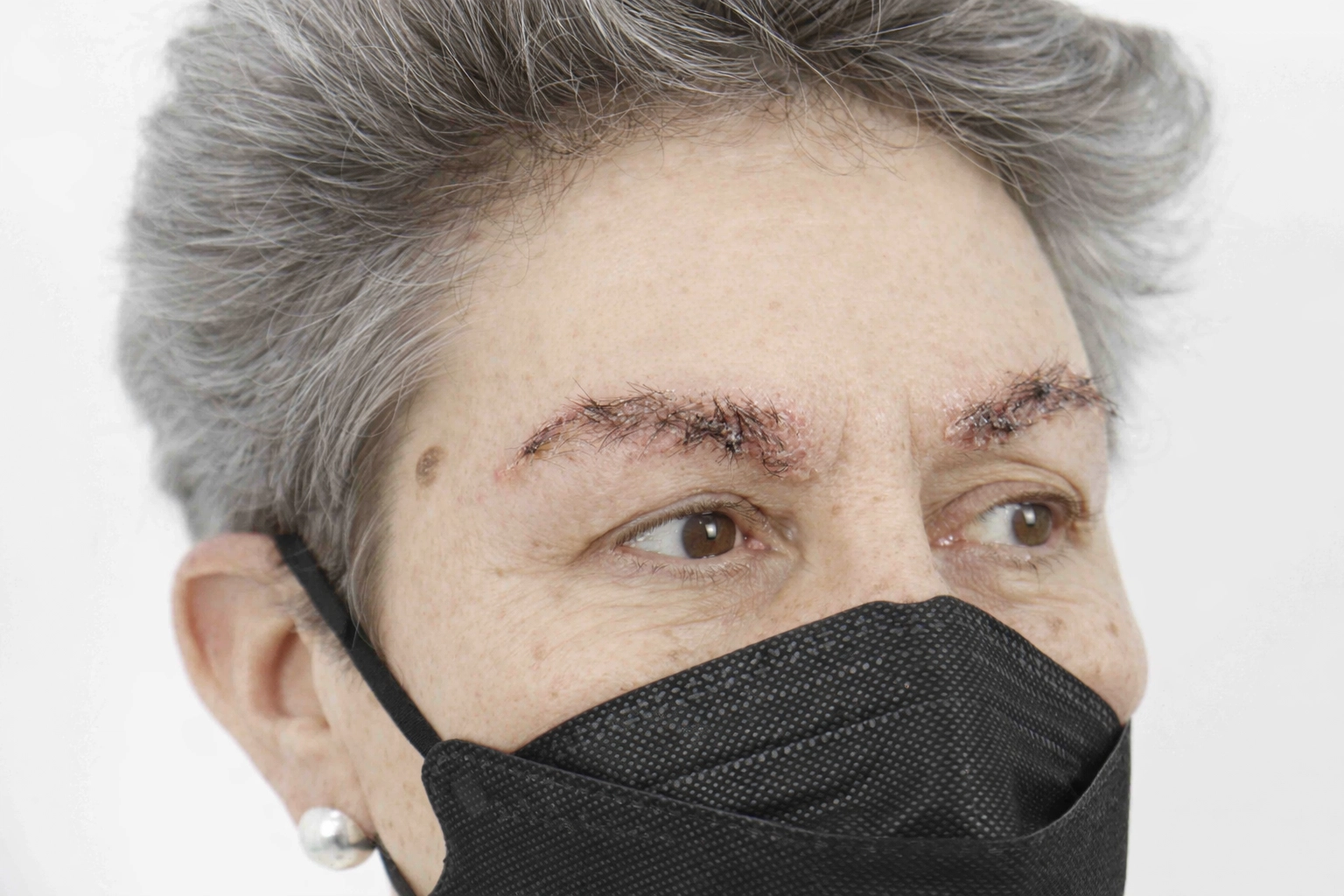
Healing involves temporary redness and shedding. Some donor hairs may not survive, which can affect density. This is discussed during planning.
Final appearance develops slowly as hair growth stabilizes. Results should be judged over the long term, not in early weeks. Patience is part of the process.
Eyebrow Transplant Cost in the US
Cost varies widely across the United States, but an eyebrow hair transplant is often around $15,000. Pricing reflects complexity rather than a flat rate and differs from scalp procedures due to the precision involved. Factors include the number of grafts needed, surgical time, and the level of detail required.
Geographic location can also influence the final cost. Clear discussion of fees helps set realistic expectations before treatment.
What Affects Pricing
- The number of hair grafts required, since more extensive eyebrow hair loss needs more donor hairs.
- The condition and availability of the donor area, which must be evaluated carefully.
- Surgical planning time, including detailed design and placement strategy.
- Aftercare instructions and follow up visits that may be included in the treatment plan.
- Overall procedure complexity, which directly influences total cost.
Why Surgeon Experience Matters
Experience affects graft survival and natural appearance. Precision is critical in eyebrow work. Small errors can change symmetry.
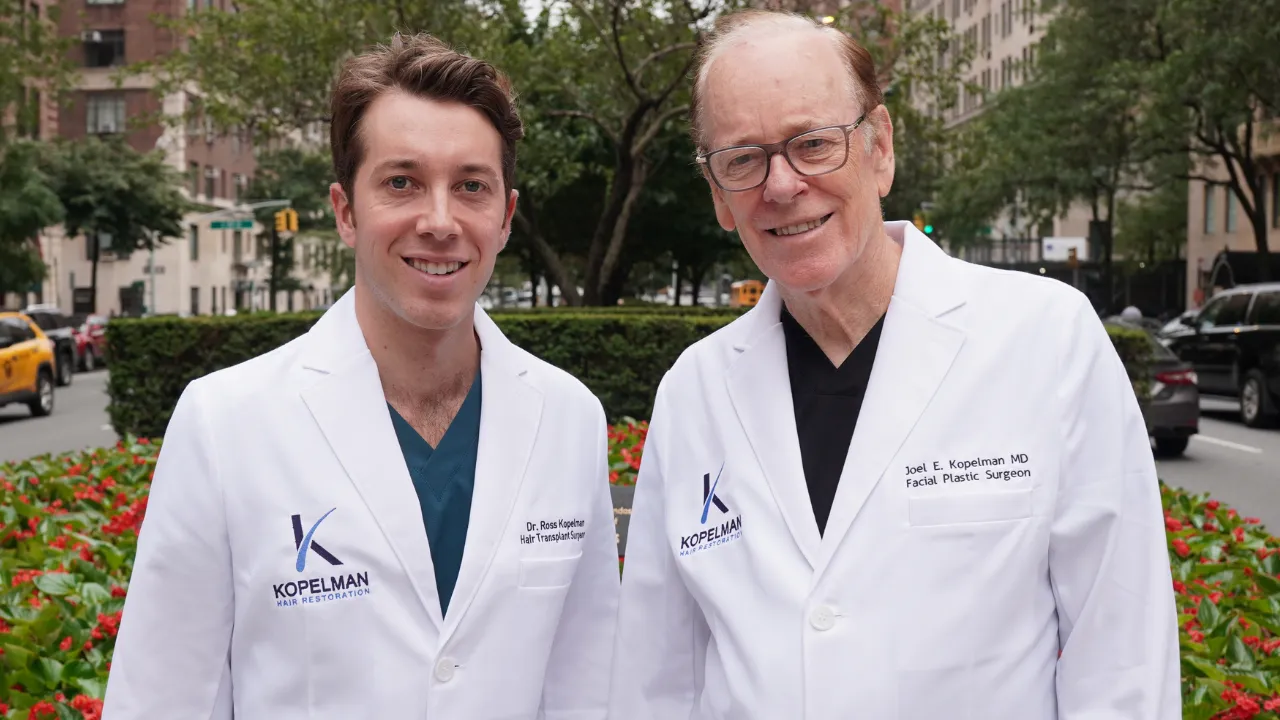
Dr. Ross Kopelman and similar specialists emphasize controlled placement and conservative planning. Expertise supports safer outcomes. This is especially relevant in delicate areas like the brows.
Finding an Eyebrow Transplant Near You
Choosing a provider involves more than location. Credentials and experience matter more than proximity. Research helps reduce risk.
Consultations allow discussion of goals and limitations. Patients should feel informed, not rushed. Clear communication supports trust.
What to Look for in a Surgeon
- Experience with eyebrow procedures, not only scalp transplants.
- Clear explanation of donor site selection and control of hair angle and direction.
- Consistent, realistic before and after examples reviewed critically.
- Confirmation that the procedure is a medical hair restoration service, not a cosmetic technique.
- Proper medical training, which helps reduce complications and supports consistent outcomes.
Questions to Ask at Consultation
Ask how donor hairs are selected and placed. Discuss healing time and maintenance needs. Clarify what aftercare instructions are required.
Understanding the process helps align expectations. Informed patients tend to feel more confident. This improves satisfaction.
Symmetry and Natural Appearance
If you want to understand whether an eyebrow transplant can improve balance and achieve a natural appearance in your specific case, a professional evaluation is the next step. Careful planning based on your existing pigment, hair pattern, and skin condition helps set realistic expectations.
A personalized assessment can clarify what level of symmetry is achievable and how long-term care affects the final outcome.