
Table of Contents
ToggleHair stroke eyebrows refer to replicate the look of natural brow hair using fine pigment strokes. This article explains how the hairstroke method works, who it may suit, and where its limits exist. The goal is to explain hair and eyebrow restoration, using medical facts and clinical terms used by Kopelman Hair.
Key Takeaways
- Hair stroke eyebrows use pigment to copy the look of individual hair on the skin. They do not create real hair or change how hair grows.
- The technique works best when you already have some natural eyebrow hair. Existing hair helps the strokes blend and look more natural.
- Results are temporary and cosmetic. The pigment fades over time and needs touch-ups based on your skin type and daily habits.
- Manual and machine methods change how precise the strokes look and how long they last. Neither method replaces real hair follicles.
- If eyebrow loss comes from scarring or missing follicles, hairstroke techniques have limits. Medical eyebrow restoration may be a better option.
Wich is the process of Hairstroke eyebrows?
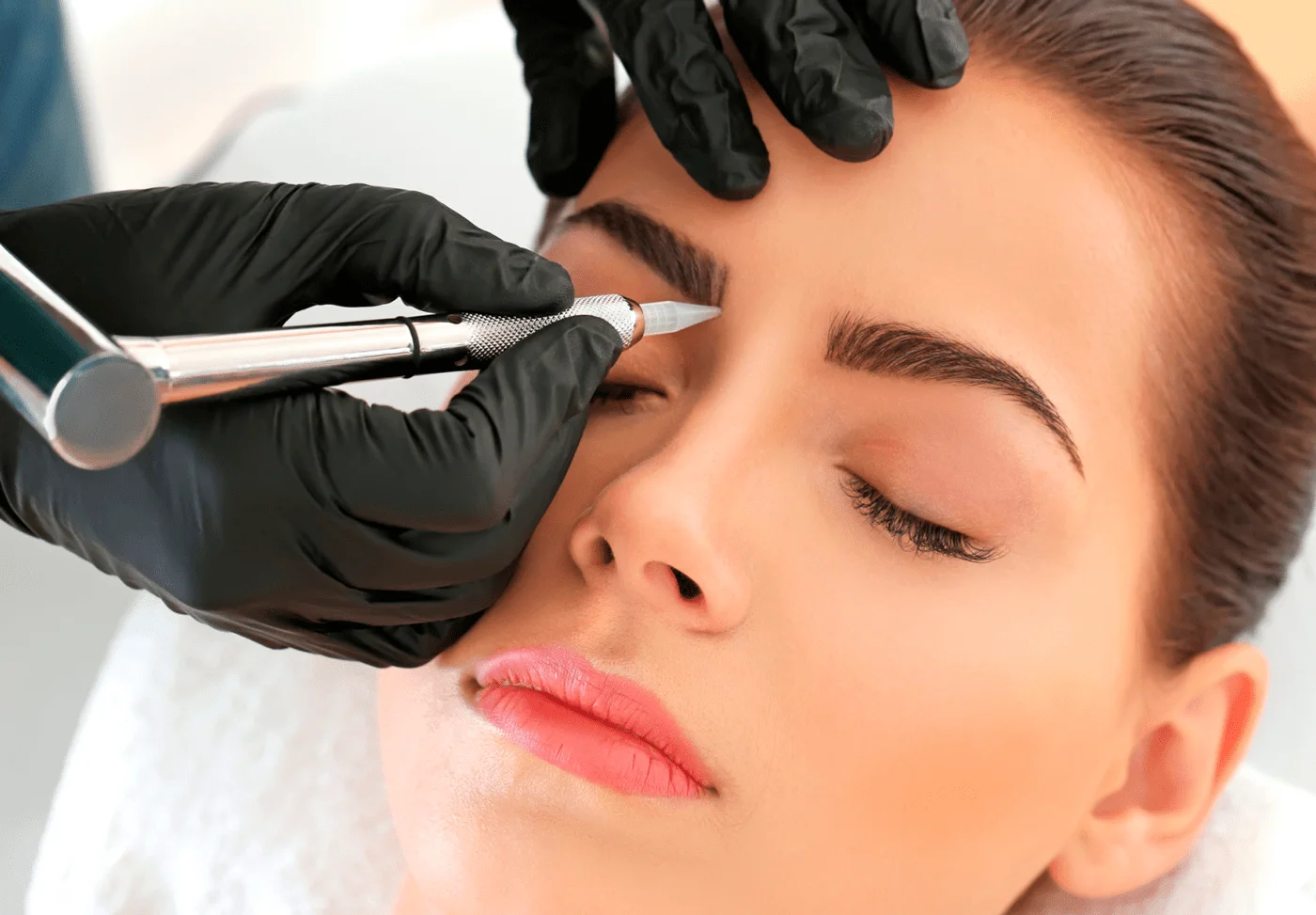
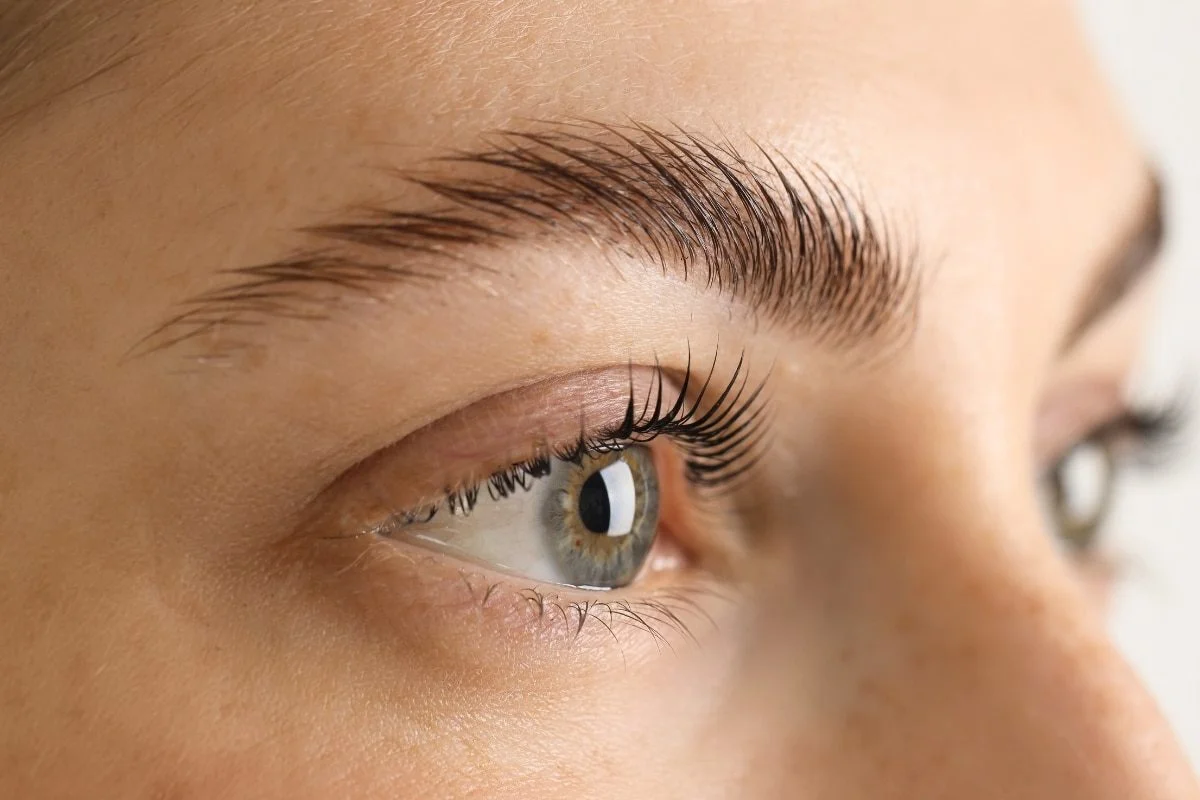
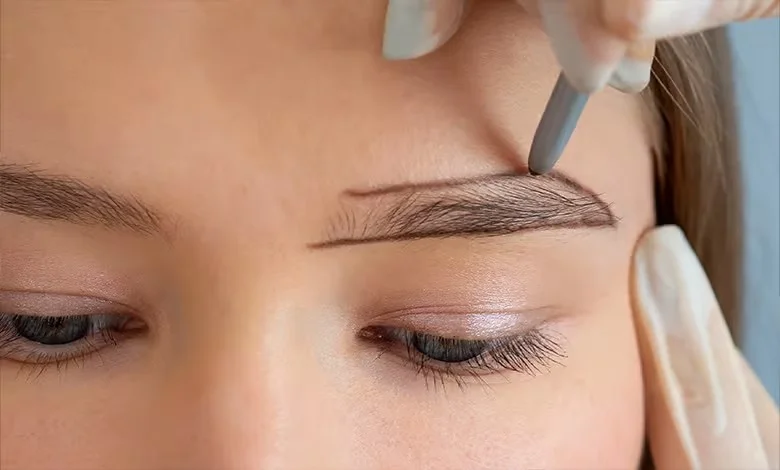
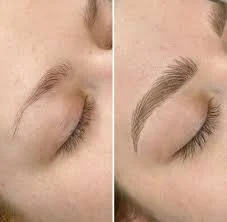
Hair stroke eyebrows are a type of semi-permanent makeup. The practitioner draws fine lines to look like real eyebrow hairs. This technique follows the natural pattern of your brows to blend seamlessly with any hair you already have. It’s important to know this does not create new hair or make your hair grow.
IInstead, the practitioner places pigment in the top layers of the skin to copy natural hair. When done well, the strokes can look like real eyebrow hairs and create a soft, natural appearance.. The technique aims to enhance the shape of a natural brow rather than replace it.
How the Hairstroke Technique Works
The hairstroke technique relies on controlled pigment placement using fine needles. These needles deposit pigment in thin lines that follow the angle and flow of natural hair.
Practitioners adjust depth and spacing based on skin type and brow structure. The method focuses on visual realism, not on altering hair density or producing real hair. The outcome depends on technique, skin response, and aftercare.
Machine vs manual hairstroke methods
Manual hairstroke methods often resemble microblading and use hand tools to place pigment. Machine-based approaches, sometimes associated with nano brows, rely on digital devices that offer consistent movement and pressure. Machine methods may suit certain skin types, including oily skin, where manual strokes may blur more easily.
Both approaches aim to create defined brows that follow natural brow patterns. The choice depends on skin behavior, pigment retention, and practitioner experience rather than better form.
Who Hairstroke Eyebrows Are Best For?
Hairstroke eyebrows may suit individuals with sparse eyebrow hair, uneven brow shape, or areas of thinning. They are often considered when real hair is present but lacks uniform density. This method works best when there is existing natural hair to support a natural eyebrow appearance.
People with significant scarring or complete eyebrow loss may see limited benefit. In such cases, cosmetic pigment cannot replace real hair or restore function. Understanding candidacy helps set realistic expectations.
Results, Longevity, and Maintenance
- Results are visual, not biological
- Pigment creates the appearance of individual hair
- Hair growth patterns do not change
- No new hair follicles are created
- Pigment fades as the skin renews
- Regular maintenance is required to keep shape and clarity
- Touch-ups may be needed over time
- Skin response affects pigment retention
- Pigment type influences fading speed
- Lifestyle factors can impact longevity
- Long-term results vary between individuals
How long hairstroke eyebrows last?
Hairstroke eyebrows typically last between one and three years. Longevity depends on skin type, pigment quality, sun exposure, and aftercare habits. Oily skin may experience faster fading due to increased skin turnover.
Fading occurs gradually rather than suddenly. This allows adjustments over time but also requires ongoing maintenance to retain definition.
Do hairstroke eyebrows look natural?
When executed properly, hairstroke eyebrows can resemble real eyebrow hairs. The strokes follow the direction of natural hair and avoid uniform patterns. This helps support natural looking eyebrows rather than a drawn-on effect.
Results depend on technique, pigment choice, and how well the strokes align with existing natural hair. The goal is a natural brow that complements facial features without appearing artificial.
Hairstroke vs microblading
Microblading uses manual blades to do superficial cuts in the skin, while hairstroke techniques use machines or fine needles. Microblading can create bold lines but may blur over time, especially on oily skin.
Hairstroke methods often aim for finer strokes that better mimic natural hair. Both approaches are cosmetic and rely on pigment, not real hair or follicle restoration.
Hairstroke vs eyebrow transplant
An eyebrow transplant involves relocating real hair follicles to the brow area. Unlike hairstroke eyebrows, this approach produces real hair that grows and behaves like natural eyebrow hair.
Dr. Kopelman, as a physician specializing in hair restoration, emphasizes that transplantation addresses permanent hair loss rather than visual enhancement. Hairstroke techniques cannot replace real hair when follicles are absent or damaged.
Safety, Risks, and Limitations of Hairstroke Eyebrows
- Skin penetration is required during the procedure
- Irritation may occur during healing
- Pigment can migrate if depth control is inconsistent
- Uneven fading may appear as the skin renews
- Infection risk increases when hygiene standards are not followed
- Skin type affects how pigment settles and ages over time
- Pigment only creates a visual effect
- It cannot copy the texture or movement of real hair
- It does not replace individual hair or restore follicles
- Overuse can lead to unnatural density
- Poor technique may cause blurred strokes or loss of definition over time
When Medical Eyebrow Restoration Is Needed
Cosmetic approaches have clear boundaries. When eyebrow loss is due to scarring, trauma, or medical conditions, pigment alone may not provide a practical solution. In these cases, medical evaluation is important.
If eyebrow thinning continues despite cosmetic care, a medical evaluation can clarify whether hair follicles are no longer viable. Dr. Kopelman assesses eyebrow hair loss to determine when eyebrow transplantation may be appropriate. This step helps you decide when cosmetic enhancement is no longer enough and when medical restoration should be explored.