
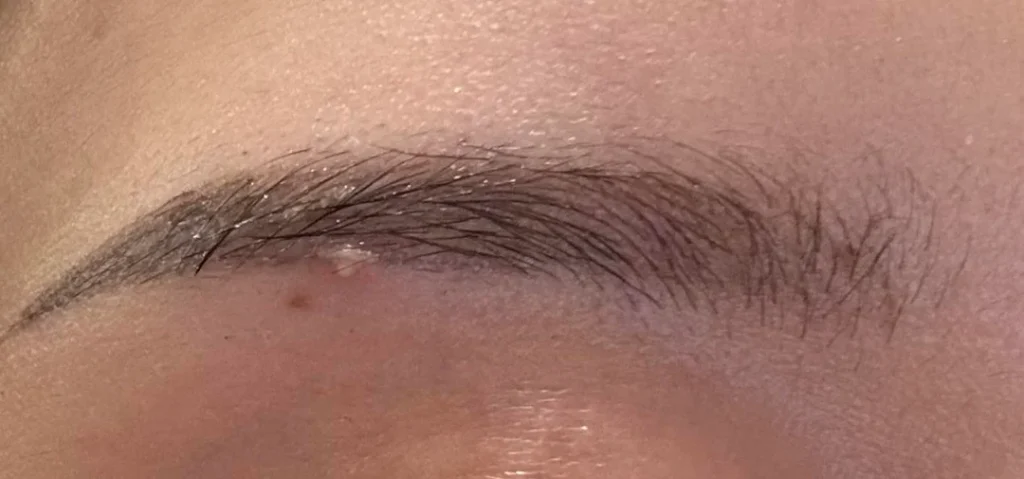
At Kopelman Hair, post-procedure care is considered a key part of achieving consistent, natural results. Dr. Kopelman explains that temporary skin reactions like pimples can occur as new hairs grow, and proper aftercare helps minimize irritation and support healing.
A structured recovery plan ensures the grafts develop correctly and the final outcome looks natural.
Key Takeaways
- Mild eyebrow transplant pimples and small red bumps are common during healing and usually resolve without affecting hair grafts.
- Blocked follicles, ingrown hairs, and temporary inflammation can occur post-hair transplant as part of the normal growth cycle.
- Folliculitis after an eyebrow transplant is uncommon; however, when it occurs, early evaluation helps protect transplanted follicles.
- Popping pimples is not recommended because it may interfere with healing in the transplanted area and increase the risk of infection.
- Careful follow-up after eyebrow transplant surgery helps ensure early detection of complications and a stable recovery.
- Are Pimples Normal After an Eyebrow Transplant?
Yes, small bumps can be normal after an eyebrow transplant or scalp procedure. The immune system reacts to newly placed hair grafts with mild inflammation. This response is part of the healing process following an eyebrow hair transplant. In most cases, these bumps improve without treatment.
Pimples often appear several weeks post eyebrow transplant when transplanted hairs begin to grow. As hair pushes through the skin, the follicle opening may narrow briefly. A skin cell and natural oils can block the pore, forming small red bumps. This is a well-known side effect of healing in some patients undergoing eyebrow transplantation.
Most eyebrow transplant pimples are temporary. They typically do not affect long-term outcomes. Understanding this helps reduce unnecessary concern during recovery.
What Early Healing Looks Like
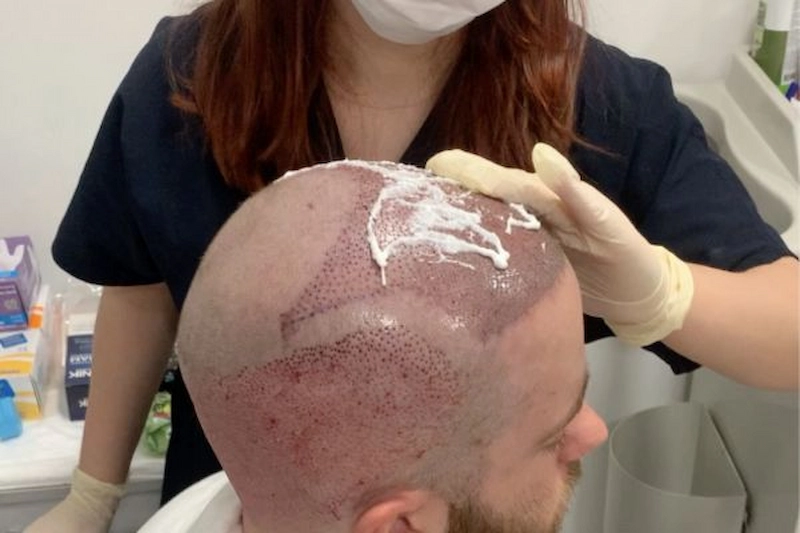
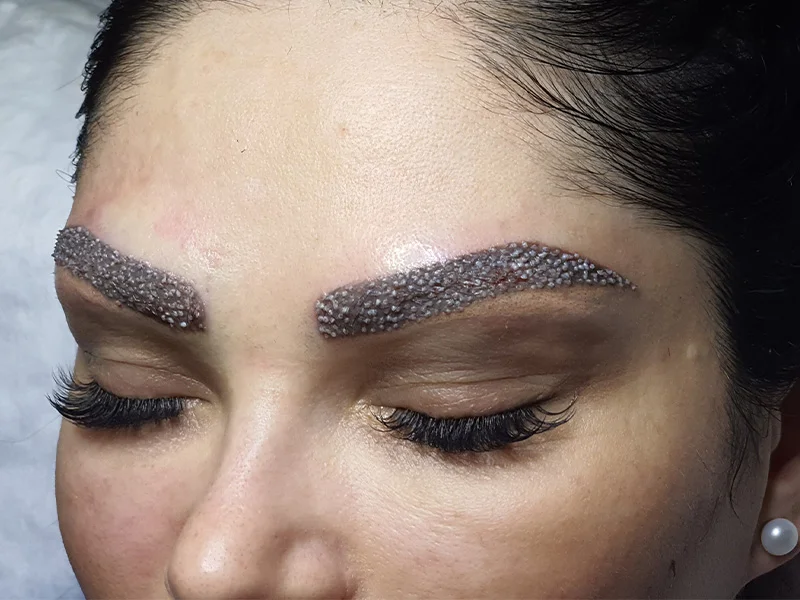
In the first week after eyebrow transplant surgery, the transplanted area may show redness and mild swelling. Small scabs form around each graft site. This occurs in both donor and recipient areas and reflects normal healing.
After scabs fall away, the skin may appear pink for a short time. This fades gradually. Sensitivity in the transplanted area is common but should improve steadily.
Small White Bumps During Regrowth
Small white bumps may appear when transplanted hairs begin growing. These bumps resemble acne but often represent trapped hairs or mild inflammation in the recipient areas.
As the hair grows outward, the bump usually resolves. Patients should avoid squeezing or picking at these spots. Pressure can disturb hair grafts and slow healing.
Why Eyebrow Transplant Pimples Develop
Eyebrow hair transplant pimples develop as follicles move into a new growth cycle. During this phase, the immune system responds to minor irritation around the graft. This reaction may cause swelling in the transplanted area.
Oil and dead skin cell buildup can block the follicle opening. When this happens, a small raised bump forms. The process is similar to acne but occurs around healing hair grafts.
Blocked Follicles and Ingrown Hairs
A blocked follicle traps the hair beneath the skin surface. The hair may curl inward and create an ingrown hair. This leads to redness and localized inflammation.
Ingrown hairs are more common in curved or fine hair, such as eyebrows. Most improve naturally as the hair emerges from the skin.
Inflammation During Hair Growth
Inflammation is part of normal recovery after hair restoration surgery. As new hairs begin to grow, the surrounding tissue may react. This may produce mild tenderness or visible swelling.
Healing varies among eyebrow transplant patients. Some may notice more bumps than others. In most cases, the inflammation resolves without medical treatment.
Folliculitis After a Hair Transplant
Folliculitis after an eyebrow transplant refers to infection or deeper inflammation of the follicle. It differs from typical eyebrow transplant-related pimples because symptoms may be more pronounced. Pain, warmth, and spreading redness may develop.
Doctors classify folliculitis as superficial or deeper involvement. Superficial cases affect the upper follicle and often improve quickly. Deeper cases may require prescription treatment.
Post-hair transplant infection is uncommon. When folliculitis occurs, it typically affects a limited number of hair grafts. In cases, folliculitis becomes more severe, prompt care helps prevent further complications, and early medical evaluation is recommended when infection is suspected.
Signs of Infection
Signs of infection include increasing pain and expanding redness in the transplanted area. The area may feel warm and may produce drainage. Fever is uncommon but possible.
Normal healing bumps usually:
- Cause mild tenderness
- Remain localized
- Improve within several days
Infection may:
- Cause stronger pain
- Spread beyond the original site
- Produce drainage or warmth
Understanding these differences helps patients with eyebrow transplants know when to seek evaluation.
If symptoms worsen rather than improve, medical review is necessary. Dr. Kopelman examines the transplanted area to determine whether infection is present and to guide treatment.
How Long Does Folliculitis Last?
Mild folliculitis often resolves within one to two weeks. Some cases require antibiotics. Duration depends on severity and timing of treatment.
Severe, untreated infection may affect graft survival. Early treatment reduces this risk and protects hair grafts. Most patients recover fully when managed early.
When to Contact Your Surgeon
Patients should contact their surgeon if pain increases or redness spreads. Persistent drainage or swelling also requires evaluation. Symptoms that return after initial improvement should not be ignored.
Medical assessment ensures accurate diagnosis. Dr. Kopelman advises early communication to protect the transplanted area and support safe healing after eyebrow transplant surgery.
Regular follow-up appointments allow doctors to monitor healing closely. This structured approach reduces the risk of complications.
How to Treat Eyebrow Transplant Pimples
Treatment depends on whether the bump reflects normal healing or infection. Most eyebrow transplant pimples are mild and improve with conservative care. The priority is to protect hair grafts in the transplanted area while allowing the skin to recover.
Eyebrow transplant patients should continue gentle cleansing once daily with a mild cleanser approved after the eyebrow transplant procedure. Use lukewarm water and avoid friction. Do not apply heavy creams or acne products unless approved, as they may irritate the recipient areas.
Is It OK to Pop Pimples After an Eyebrow Transplant?
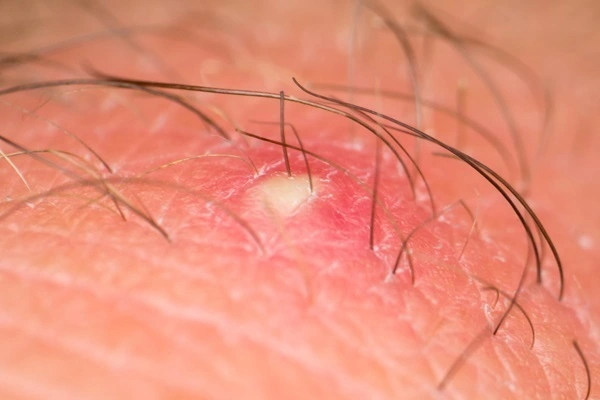
It is not recommended to pop pimples after an eyebrow transplant procedure. Squeezing can damage hair grafts and introduce bacteria. This increases infection risk.
Even minor pressure may worsen inflammation. If there is uncertainty, medical evaluation is safer than self-treatment.
Safe Home Care
Gently clean the transplanted area with a mild cleanser. Use lukewarm water and avoid harsh products. This helps prevent further irritation.
A warm compress may reduce mild swelling. Keep hands clean and limit contact with healing skin.
Medical Treatment Options
If infection develops, a physician may prescribe topical or oral antibiotics. Treatment decisions depend on clinical findings.
Dr. Kopelman bases management on careful examination rather than assumption. Most cases respond well to short-term therapy.
Doctors often follow a stepwise plan:
- Observation and hygiene for mild symptoms
- Topical medication if inflammation continues
- Oral antibiotics when infection is confirmed
This approach keeps treatment appropriate to symptom severity.
Donor Area Pimples Treatment
Pimples may also develop in the donor area. These bumps often result from hair regrowth at extraction sites.
Donor area pimples treatment involves gentle cleansing and observation. Most clear without long-term problems.
How to Prevent Future Breakouts
Prevention begins with proper aftercare. Clean recipient areas as directed after the procedure. Avoid heavy makeup or skin products early in recovery.
Maintain clean pillowcases and limit unnecessary touching. Gradually return to normal skincare routines to reduce irritation.
Temporary bumps are a known side effect in some patients after hair restoration surgery. Recognizing this helps set realistic expectations. Seek medical advice if symptoms appear unusual or persist longer than expected.
Eyebrow transplant pimples are usually part of the healing process. However, monitoring for folliculitis after an eyebrow hair transplant remains important. With careful follow-up and proper care, most hair transplant patients recover safely and maintain healthy graft growth.
If you notice ongoing redness, pain, or unusual bumps, a medical evaluation can help clarify the cause. Scheduling a visit allows a physician to assess the transplanted area and guide appropriate care.