Male Hair Transplant Before and After: Patient Results

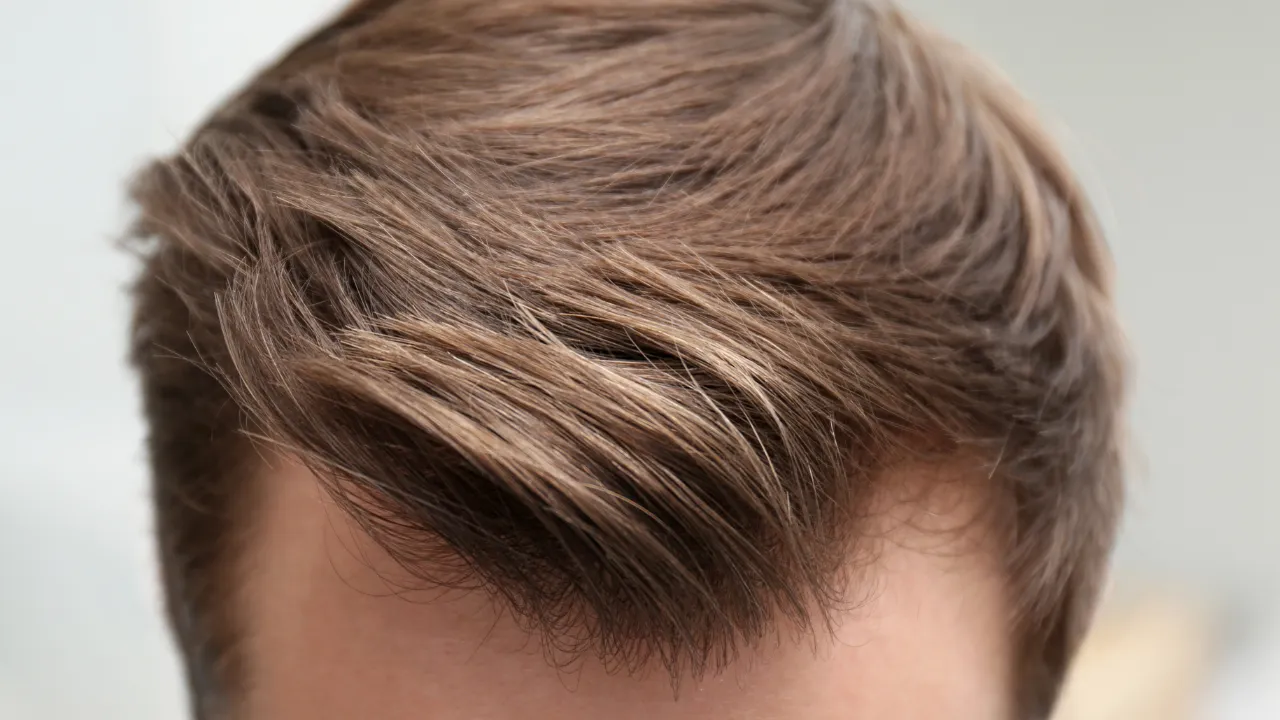
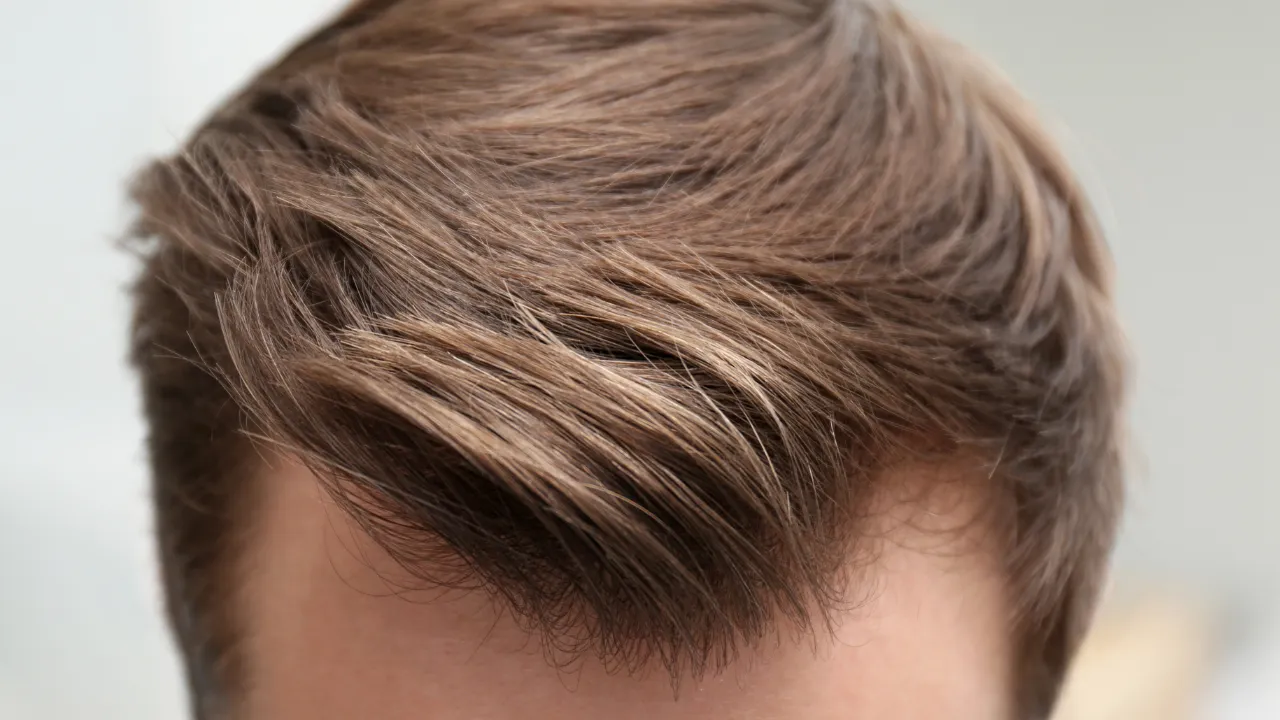
Male hair transplant before-and-after results show how hairlines, density, and overall coverage improve following hair transplant surgery.
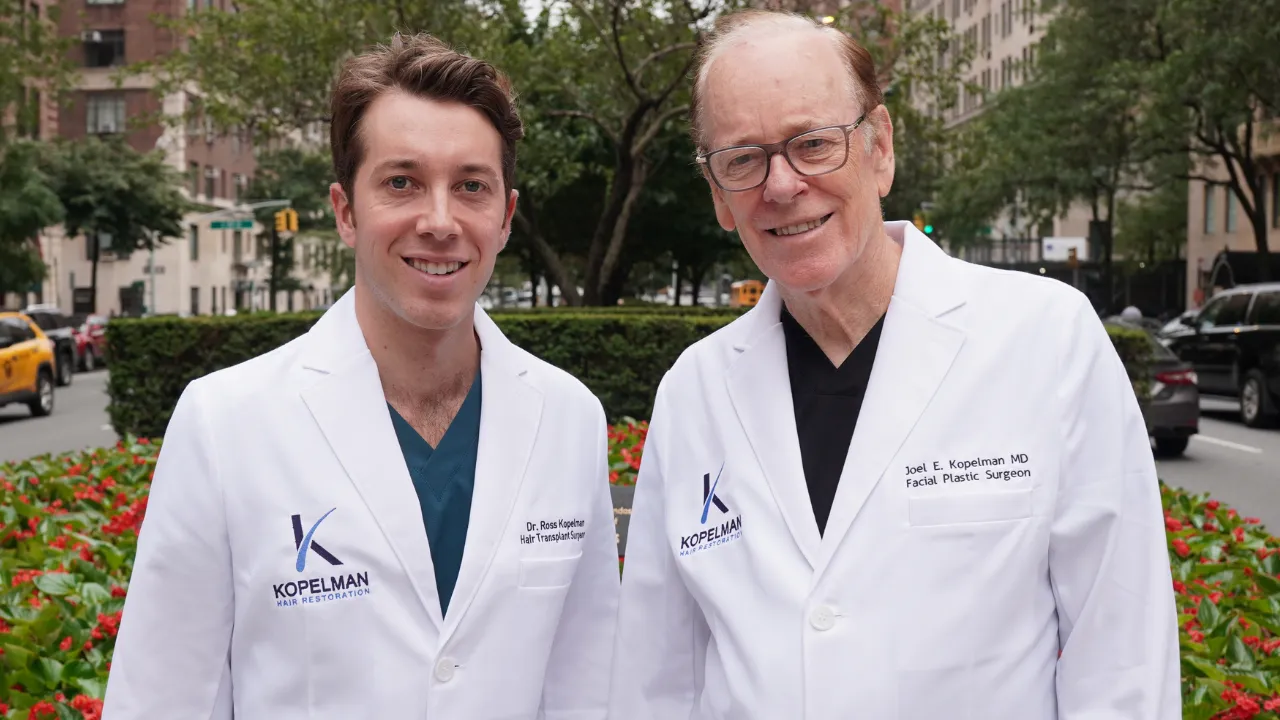
At Kopelman Hair, patients can review real outcomes that reflect natural hair growth, proper planning, and long-term balance. Dr. Ross Kopelman, a board-certified hair restoration expert, oversees each case with a focus on safety, precision, and results that look natural at every stage.

What These Results Mean for You

Before-and-after images help illustrate what is possible, but each patient’s situation is different. At Kopelman Hair, results are reviewed in relation to hair type, hair loss pattern, and long-term goals. This helps patients understand which outcomes are realistic for them.
Patients with a receding hairline often focus on restoring the front while keeping a natural shape. Patients with thin hair may benefit more from careful placement than a high number of grafts. Understanding these differences helps patients compare results with more confidence.
For added context on hair loss patterns, patients may find it helpful to review our article on the Norwood scale.

Result Progression Over Time

Many patients want to understand how results change over time. To support this, select hair transplant before-and-after photos labeled by stage. These stages often include early healing, active growth, and final results.
Common image groupings may include:
These comparisons help patients see how transplanted hairs develop. They also explain why full results take time to appear.

How to Review Results Effectively

Looking at results can feel overwhelming without guidance. Focusing on a few key details makes comparison easier. This approach helps patients review results with more confidence.
Important details to check include:
This method helps patients judge quality without overthinking each case.

Real Patient Transparency

All images shown are from actual Kopelman Hair patients. Results vary based on hair type, treatment plan, and healing response. These images are shared to inform, not to promise identical outcomes.
One patient shared that reviewing real cases helped him feel more confident. Seeing how his receding hairline could improve over time made the process feel transparent and honest. Many patients report feeling happy with the results once growth is complete.

Male Hair Transplant Before and After Cost

Cost is one of the most common questions when reviewing male hair transplant before-and-after results. At Kopelman Hair, pricing is based on the number of grafts required and the complexity of the case. Clear ranges help patients compare options without guesswork.
For most patients, pricing typically falls within these ranges:
Cost of 3,000 hair grafts: $15,000 to $18,000
Cost of 5,000 hair grafts: $25,000 to $30,000
The final price depends on factors such as hair loss pattern, donor strength, and the chosen hair transplantation method. Patients with thin hair or a receding hairline may need fewer grafts than expected when careful placement is planned.
Higher graft counts do not automatically mean better results. Strategic placement of follicular units often creates natural density without unnecessary graft use. During consultation, the expected number of grafts and the total cost are clearly reviewed so patients can make an informed decision.

Real, Natural Male Before and After Results
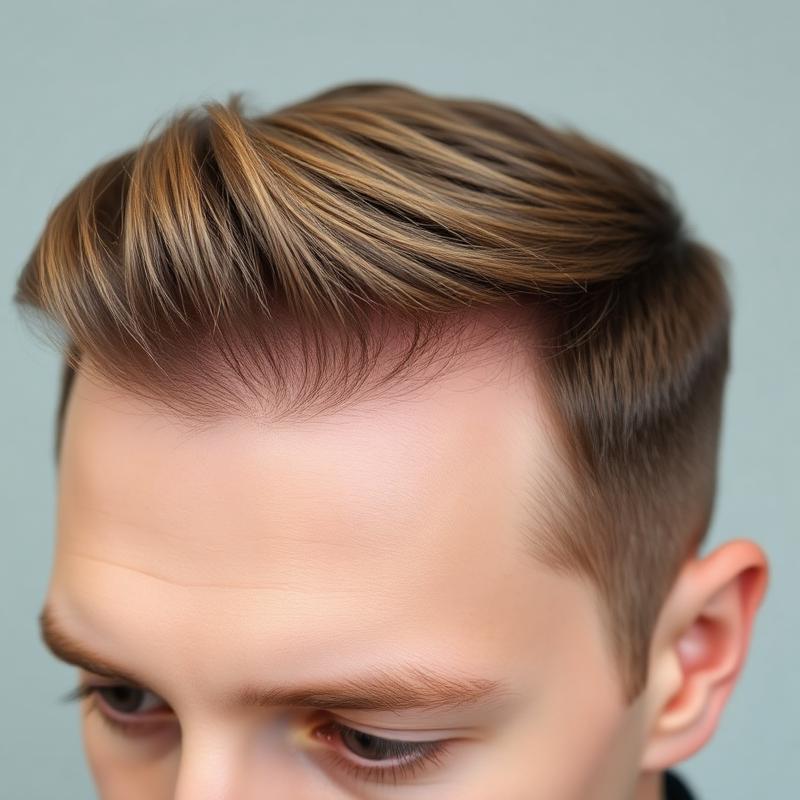
Choosing a clinic starts with proof. Patients want to see precise results from real people, not stock images or exaggerated examples. At Kopelman Hair, results are shown through hair transplant before-and-after pictures that highlight hairlines, density changes, and donor area healing.
These hair transplant before-and-after photos reflect careful planning and surgeon-led placement. Each case shows how transplanted hairs grow and blend over time. The goal is steady improvement that fits the patient’s face and age.
Images after hair transplant procedures are shown from multiple angles. This helps patients review hairline shape, density balance, and growth patterns. These images support realistic expectations and confident decisions.
Some patients also review celebrity hair transplant before-and-after examples to better understand how natural results can look in public-facing roles.

Why Men Choose Kopelman Hair

Choosing the right provider matters. Kopelman Hair focuses on medical judgment, experience, and personal planning. Clinical standards, not automated systems, guide each step. The practice is led by a father–son team with more than 30 years of combined experience. This background supports careful decisions and consistent outcomes. Patients benefit from long-term focus on male hair restoration.
Over time, Kopelman Hair has treated a large number of men with different hair loss patterns. This experience improves planning for hair follicles, donor areas, and future hair loss. Long-term practice supports safety and predictability.
Key reasons men choose Kopelman Hair include:

Hairlines designed for face shape and age

Direct involvement from Dr.Ross Kopelman

Density planning focused on appearance

This approach lowers risk and improves long-term results. Patients receive care based on their needs, not a preset formula.

Why Surgeon Experience Matters More Than Technique

Many clinics focus on promoting a specific hair transplantation method. In practice, outcomes depend more on experience than on the name of the technique. The surgeon’s judgment guides the use of each method.
Follicular unit extraction and other approaches are tools, not guarantees. Planning, angle control, and donor protection shape the final result. These decisions come from experience and oversight.
Some patients ask about specific techniques, such as DHI hair transplant, but outcomes depend more on planning and surgical judgment than on the method itself.
Choosing a clinic means deciding who will plan and oversee your care. This perspective helps patients focus on long-term results rather than marketing terms.

Donor Area Results and Healing

Many patients focus on the hairline but also worry about the donor area. Donor healing plays a significant role in overall satisfaction after hair transplant surgery. At Kopelman Hair, donor areas are planned to heal evenly and remain discreet.
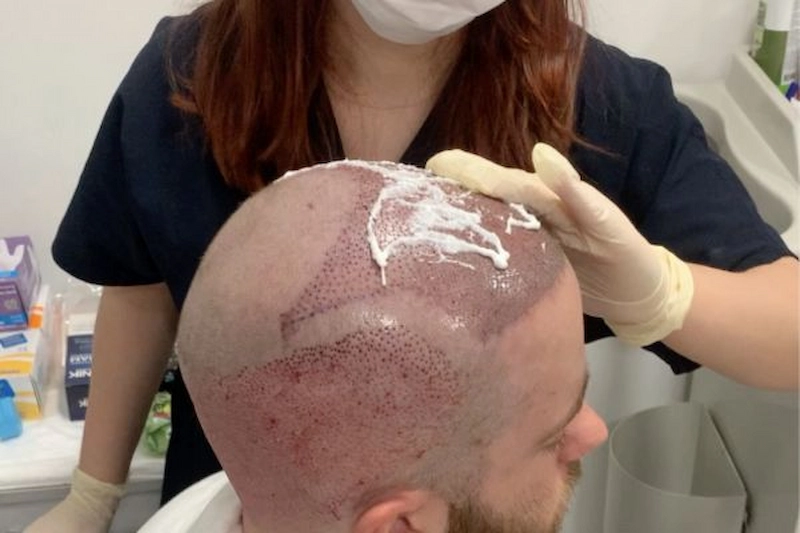
Images after hair transplant procedures often include views of the donor zone. These images help patients see how hair follicles are preserved and how density is maintained. Proper spacing supports natural healing and long-term appearance.
Careful donor management also protects future treatment options. This planning supports both cosmetic results and scalp health over time.

Results by Hairstyle

Many men care about how the results look with their haircut. Results should look natural in daily life, not only in photos. This makes male hair transplant before-and-after male hairstyles an essential factor.

Short Hairstyles and Fades

Short styles show details more clearly. Poor angles or uneven density stand out when hair is worn short. Kopelman Hair plans follicular units carefully to support smooth transitions.

Medium and Longer Styles

Longer styles depend on flow and balance. Hair must grow in the right direction to blend well. Proper spacing of follicular units allows flexible styling once growth is complete.
This planning helps results look natural across styles. Patients can change their haircut without concern.

How Surgeons Plan Graft Placement

Natural results depend on planning before hair transplant surgery begins. Surgeons review hair loss patterns, donor strength, and future thinning before deciding the number of grafts. This planning helps protect donor hair and improve outcomes.
Each graft contains follicular units that must be placed at the correct angle and in the correct direction. Proper spacing allows transplanted hairs to blend with existing hair. This reduces the risk of uneven density or unnatural growth.

Results for Different Hair Types

Hair texture affects how results look and heal. Planning must match hair type to avoid unnatural outcomes. Kopelman Hair adjusts technique based on individual hair characteristics.
Patients with thin or fine strands often benefit from strategies discussed in hair transplant with fine hair, where placement matters more than volume.

Curly and Coarse Hair Patterns

Hair transplant before and after cases in Black men require specific planning. Curl shape affects angle, spacing, and coverage. When done correctly, curly transplanted hairs create strong visual density.
Related procedures, such as African American beard transplant, follow similar principles of curl pattern, angle control, and natural density.

Natural Hairline Shapes

Hairlines should match natural patterns. Straight or sharp lines often look artificial. For textured hair, hair follicles are placed in varying positions to support a natural look.
Adjusting technique by hair type improves results and lowers risk. This approach supports consistent outcomes across patients.

Your Personalized Treatment Plan

Each patient has different goals and hair loss patterns. Treatment plans are built around medical review and patient priorities. Kopelman Hair does not follow a fixed approach.

Candidacy Review

Candidacy is reviewed first. Donor hair, scalp health, and hair loss stage are assessed. This ensures the procedure is safe and appropriate.

FUE vs FUT Decision

Procedure choice depends on individual needs. Hair type, donor area, and styling goals matter. Many patients choose follicular unit extraction as a modern option. FUE hair transplant surgeries are often recommended when minimal scarring and quicker recovery are priorities.

Doctor Oversight

Medical oversight continues throughout treatment. Planning, surgery, and follow-up remain under the doctor's supervision. This improves safety and consistency.

Who This Treatment Is Best For

This treatment is best for men with a clearly defined hair loss pattern and a stable donor area. Patients with a receding hairline or thinning in the frontal and mid-scalp regions often see the most visible improvement. Adequate donor density is required to achieve natural coverage without overharvesting.
Men with thin hair can still be good candidates when graft placement is planned carefully. Strategic use of follicular units can improve appearance without relying on very high graft counts. This approach helps maintain a natural look while protecting the donor area.
Age and future hair loss are also considered. Younger patients require conservative planning to avoid unnatural results later. Older patients may benefit from targeted restoration that improves appearance without unnecessary graft use.
Medical review is essential before moving forward. Scalp health, hair characteristics, and long-term goals are evaluated during consultation. This process helps confirm candidacy and supports safe, predictable results.

Medical Safety and Surgical Standards

Hair transplantation is a medical procedure that requires proper oversight. At Kopelman Hair, safety standards guide each stage of treatment. This includes patient screening, sterile technique, and follow-up care.
Dr. Kopelman remains involved in planning and outcome review. This ensures the selected hair transplantation method fits the patient’s needs. Medical oversight reduces risk and supports consistent results.

What Life Looks Like After Final Results

Once final results are reached, most patients describe the change as subtle but meaningful. Hair becomes easier to style, and attention shifts away from hair loss. This often improves daily confidence.
Transplanted hairs behave like natural hair. Patients can cut, style, and groom them normally. Results are designed to fit into everyday routines.
This realistic framing helps patients think beyond photos. It supports decisions based on lifestyle and long-term comfort.

Common Questions Before You Decide

Many patients share similar concerns. Clear answers help reduce doubt. This section addresses common questions.

Growth usually starts a few months after surgery. Results improve steadily over time. Final results often appear within about 1 year.

Will it look natural with short hair? Yes, when hair follicles are placed correctly. Proper angles and spacing support discreet results.

Is it worth the cost? For many patients, yes. Patients often report being happy with the results when expectations are clear, and planning is done correctly. The goal is long-term confidence, not temporary coverage.

Book Your Consultation

The next step is a personal consultation with Kopelman Hair. Patients can choose in-person or virtual visits. Each consultation focuses on goals, safety, and expected results.
During the visit, patients review options and receive a clear plan. The expected number of grafts and recommended hair transplantation method are discussed in detail. This helps patients understand what to expect before moving forward.
Booking a consultation provides clarity and direction. It is the best way to determine whether treatment is appropriate for you and to plan the next steps.