
Table of Contents
Toggle
This article explains the main differences between eyebrow microblading and similar cosmetic techniques. It covers the information you need to know, including how these procedures work, who they may be appropriate for, and where their limitations lie. It also explains what you should consider before choosing a cosmetic option. Kopelman Hair is referenced as a medical hair restoration clinic that evaluates eyebrow concerns from a clinical perspective rather than a cosmetic one.
- Eyebrow microblading and hairstroke techniques are cosmetic methods that add pigment to the top layers of the skin to make brows look fuller. They do not create real hair or change how hair grows.
- Results can look different depending on your skin type, the method used, and how your skin heals. The pigment fades over time, so regular touch-ups are needed.
- These cosmetic tattooing methods cannot bring back missing hair follicles or fix eyebrow hair loss caused by scars or medical conditions.
- Safety depends on proper tools, clean practices, and good aftercare. Common issues include fading or mild skin irritation, not permanent damage.
- If eyebrow thinning is due to lost follicles or long-term changes, medical hair restoration may be a better option than cosmetic treatment
What Is Eyebrow Microblading?
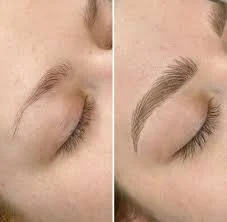
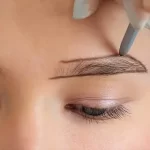
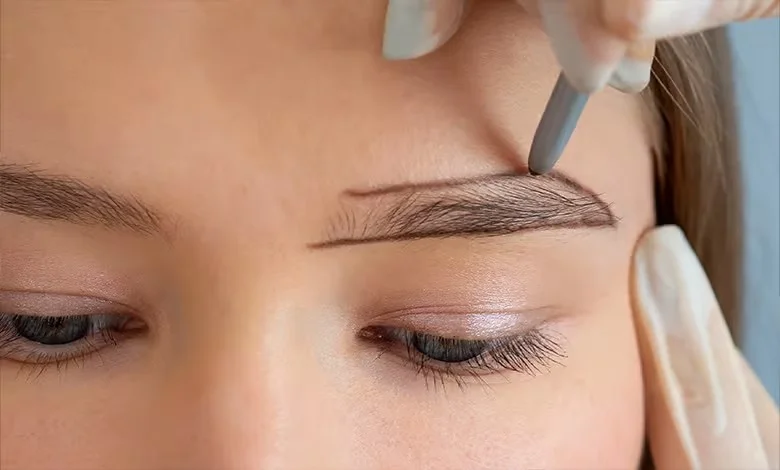
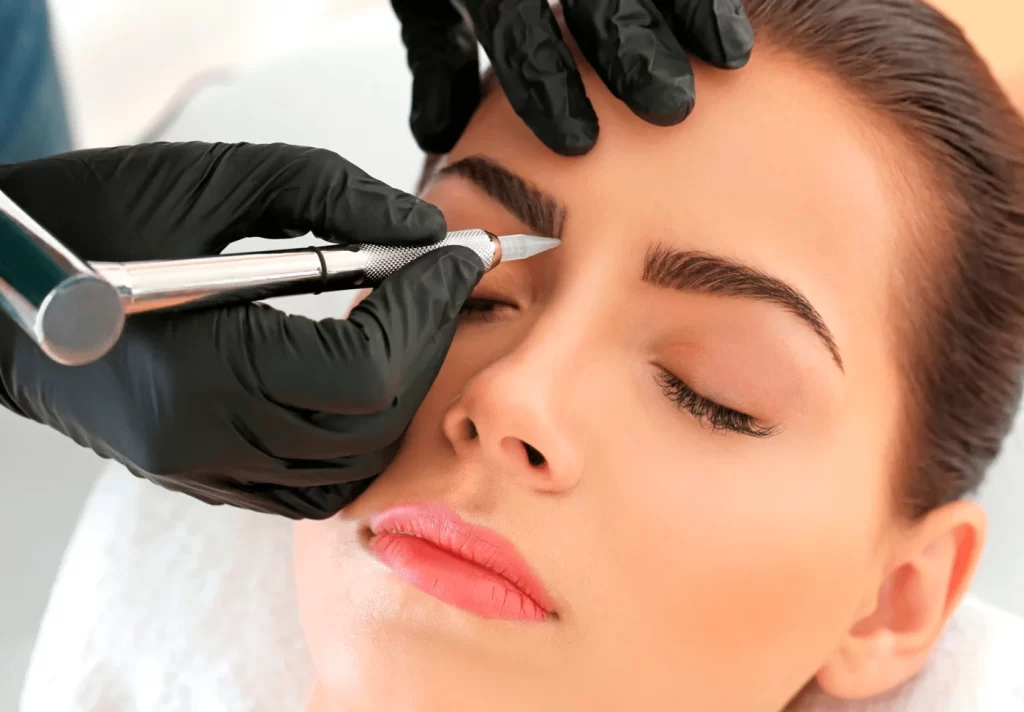
Eyebrow microblading is a cosmetic procedure where a hand held tool places pigment into the top layer of the skin to improve the look of the eyebrows. The goal is creating the illusion of natural brows by mimicking individual hair strands. This method does not stimulate the hair growth cycle or restore follicles affected by hair loss.
Microblading is often grouped with microblading and eyebrow tattooing, though the depth and technique differ. Unlike permanent eyebrow tattoos, microblading places pigment more superficially. This distinction affects how colors over time fade and how long results remain visible.
How Hairstroke Eyebrows Works
Hairstroke eyebrows rely on needles to create hair like strokes that resemble natural hair. The practitioner focuses on stroke direction and spacing to support a natural brow shape. This approach aims to improve visual balance rather than add real hair.
The process involves depositing pigment into the upper skin layers to create an illusion of fuller brows. Because this technique does not involve hair follicles, it cannot change how hair grows or reverse eyebrow thinning caused by aging or medical conditions.
Eyebrows vs Microblanding: Key Differences in Results
- Technique and visual detail. Hairstroke methods use finer strokes, while
microblading can create bolder lines depending on how the skin reacts.
- Both methods are forms of cosmetic tattooing. They add pigment to the skin but do not create real hair.
- Results vary in how long they last and how clear they look. Microblading may blur faster on some skin types.
- Hairstroke techniques often allow more controlled pigment placement. Neither method changes the cause of eyebrow hair loss.
Is Eyebrow Microblading Safe?
Practitioners generally consider eyebrow microblading safe when they follow proper hygiene and training standards. Skin condition and aftercare play a significant role in healing.
Many patients later report concerns they wish they understood earlier, such as fading patterns and maintenance needs. These outcomes vary based on technique, pigment choice, and how the skin heals after a cosmetic procedure.
What Do Eyebrows Look Like After Microblading?
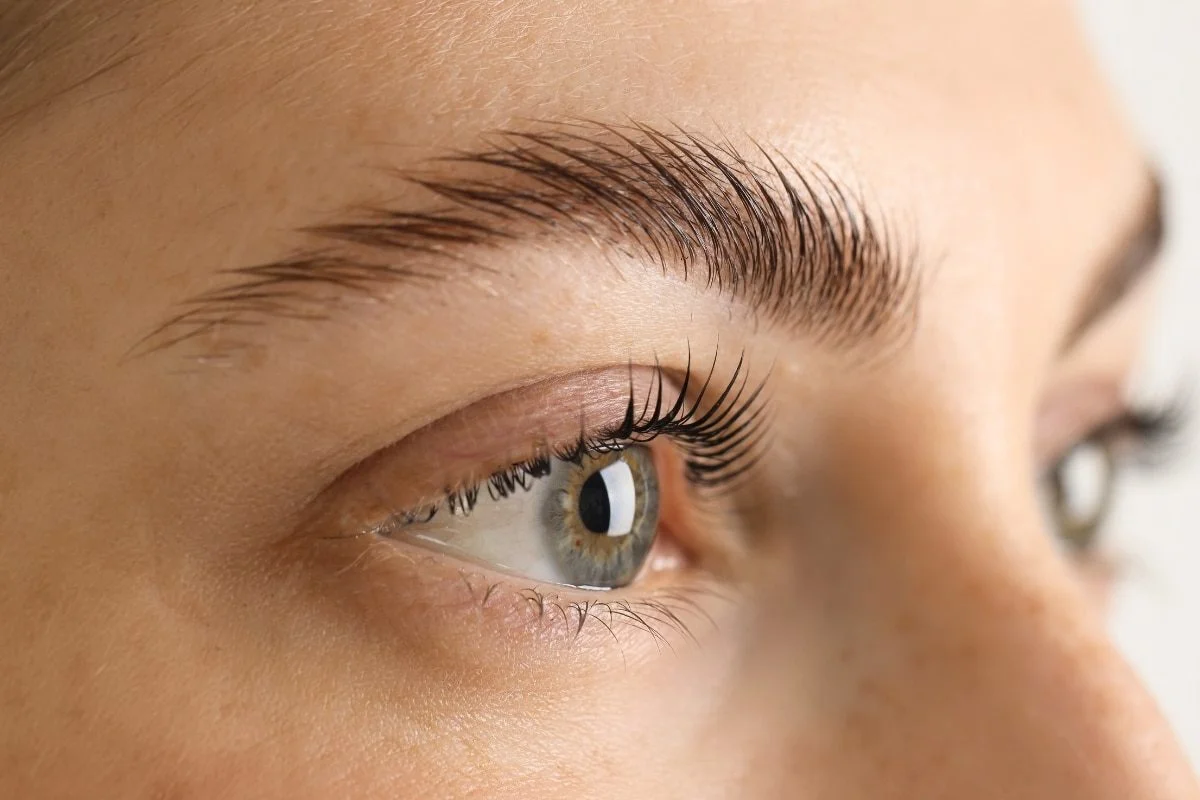
Immediately after microblading, eyebrows often appear darker and more defined than expected. This effect is temporary and related to superficial skin trauma and fresh pigment placement. Swelling or redness may also be present during early healing.
As healing progresses, the appearance softens and pigment lightens. The final look depends on skin response, stroke placement, and how well the pigment settles within the skin.
Who Is a Good Candidate for Microblading?
Microblading may suit people with sparse but existing eyebrow hair who want visual enhancement. It works best when natural hair is present to support blending and stroke realism. Age alone does not exclude someone, and many ask whether older adults can undergo this method safely.
However, individuals with extensive scarring, active skin conditions, or complete follicle loss may see limited benefit. In these cases, cosmetic pigment cannot replace missing hair or restore structure.
What Is the Most Natural Looking Eyebrow Procedure?
The most natural looking eyebrow procedure depends on the cause of thinning. Cosmetic options rely on surface pigment to simulate hair, while medical approaches focus on restoring follicles. The distinction becomes important when realism over the long term is the goal.
Eyebrow transplantation differs from microblading vs eyebrow tattooing because it relocates living hair follicles. According to Dr. Kopelman, medical restoration addresses follicle absence rather than visual camouflage.
Results, Longevity, and Maintenance
- Results from microblading and hairstroke methods are temporary. The pigment fades over time and needs maintenance to keep the brows defined.
- The long term appearance depends on factors like skin turnover, sun exposure, and the type of pigment used.
- Touch-ups are common and expected as the color fades.
- These procedures do not adjust to facial changes or aging skin, which can affect how the strokes look over time.
Beauty Treatments vs Medical Hair Restoration
Beauty treatments focus on surface appearance and visual balance. They work within cosmetic limits and do not address follicle health or growth. This difference becomes clear when eyebrow thinning results from trauma or medical causes.
Medical hair restoration evaluates follicle and blood supply. In clinical practice, doctors consider eyebrow transplantation when cosmetic tattooing does not provide functional or visual improvement
When to See a Hair Restoration Specialist
A hair restoration specialist may be helpful when eyebrow thinning progresses despite cosmetic care. A medical evaluation clarifies whether follicles remain active or if replacement is needed. This step supports informed decisions rather than trial-and-error treatments.
If you want more than surface-level cosmetic guidance, consider a medical evaluation. A specialist can assess follicle loss and explain whether medical restoration options make sense for your eyebrows.