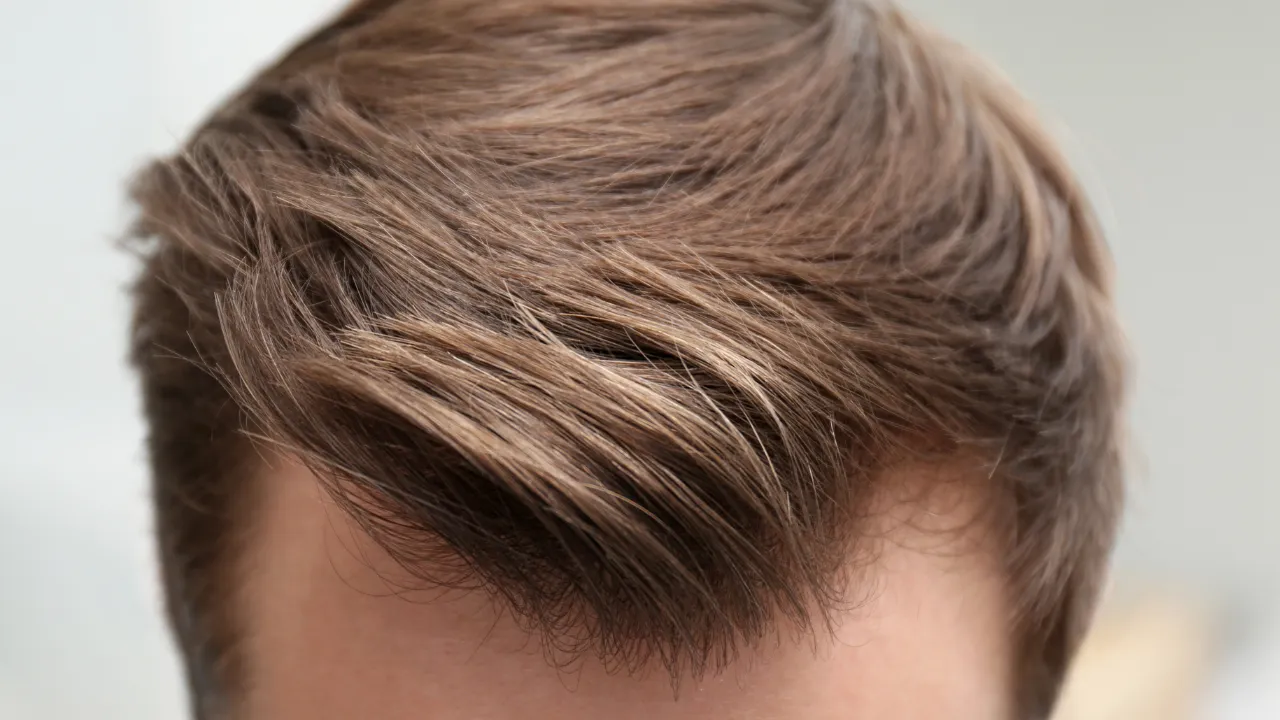
Hair Loss Basics
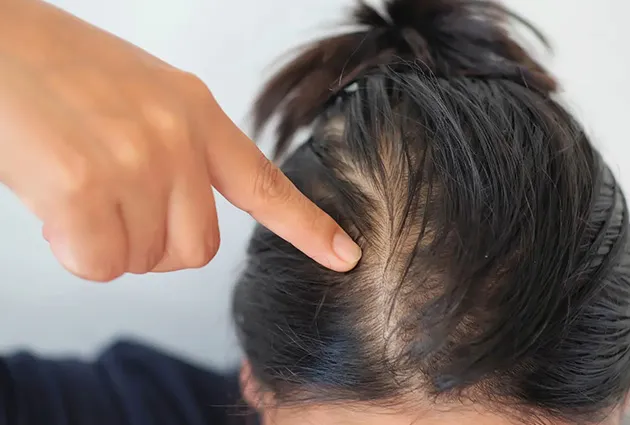
Hair loss, a condition that affects individuals of all ages and backgrounds, is more than just a cosmetic issue; it can be a significant source of emotional distress. Known medically as alopecia, hair loss occurs in various patterns and intensities, from slight thinning to complete baldness.
Hair loss has multiple causes and manifestations, necessitating a broad understanding for effective management. By grasping the fundamentals of hair loss, you can better recognize its signs, seek appropriate treatments, and handle its psychological impacts with greater resilience and knowledge.
The importance of understanding hair loss cannot be overstated, as it plays a crucial role in early detection and intervention. Early identification of hair loss types and causes enables individuals to seek timely medical advice, potentially halting or reversing the progression of hair loss. This understanding also empowers you to make informed decisions about your hair health, choosing treatments and lifestyle changes that align with their specific condition and overall health goals.
What Our Patients are Saying
Posted on
Causes of Hair Loss
- Genetics: A significant factor, especially in androgenetic alopecia.
- Hormonal Changes: Such as those during pregnancy, menopause, or due to thyroid problems.
- Medical Conditions: Including scalp infections, skin disorders, and diseases like lupus.
- Medications and Treatments: Cancer treatment, antidepressants, and other medications can lead to hair loss.
- Nutritional Deficiencies: Lack of essential nutrients can impact hair health.
- Stress and Trauma: Both physical and emotional stress can trigger hair loss.

Types of Hair Loss
Androgenetic Alopecia: The most common form of hair loss, often referred to as male pattern baldness or female pattern hair loss. It’s typically hereditary and characterized by a predictable pattern of balding in men and thinning hair in women.
Alopecia Areata: An autoimmune disorder that causes sudden, patchy hair loss on the scalp and other body parts.
Telogen Effluvium: A temporary condition often triggered by stress, illness, or hormonal changes, resulting in diffuse hair thinning.
Scarring Alopecia: Involves permanent hair loss due to inflammation that destroys hair follicles and replaces them with scar tissue.
Traction Alopecia: Caused by repeated stress on the hair follicles, often due to tight hairstyles.
Diagnosis and Evaluation
The process of diagnosing hair loss usually involves a combination of medical history, physical examination, and laboratory tests. A thorough evaluation helps identify the type of hair loss and its underlying causes. This might include blood tests to check for nutritional deficiencies, hormonal imbalances, or markers of autoimmune diseases. In some cases, a scalp biopsy is necessary to closely examine the hair follicles and determine the presence of scarring or other abnormalities. Understanding the diagnosis process can help individuals navigate their hair loss journey with clarity and purpose.
Accurate diagnosis is vital for effective treatment. It helps in ruling out serious underlying health conditions and ensures that the chosen treatment path is well-suited to the specific type of hair loss. For many, this diagnostic journey also brings a sense of relief and direction, as it demystifies the often overwhelming experience of losing hair.
Treatment Options
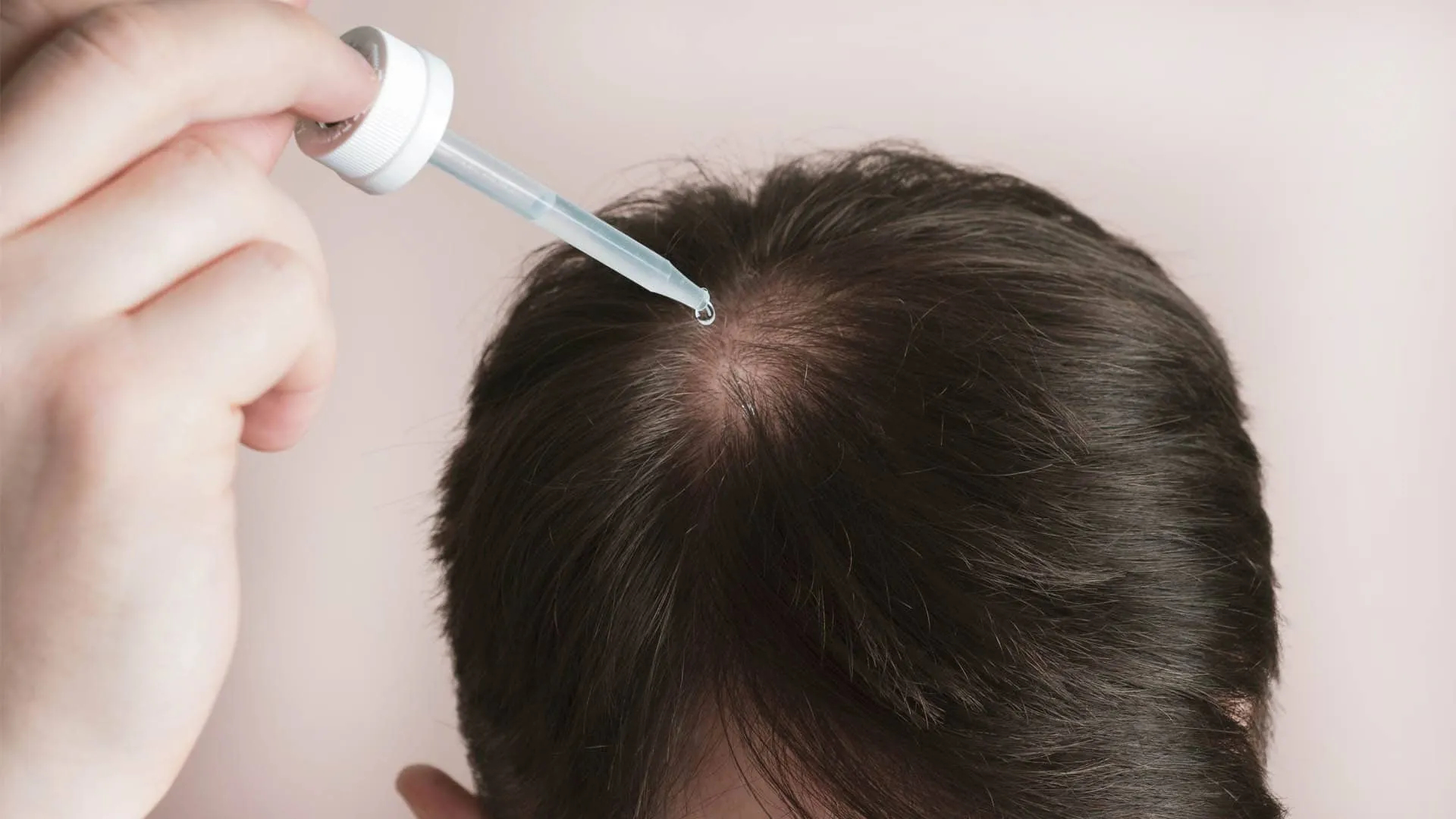
- Medications: Minoxidil and Finasteride are commonly used to treat androgenetic alopecia.
- Hair Transplant Surgery: A surgical option for restoring hair in balding areas.
- Lifestyle Modifications: Stress management, improved nutrition, and avoiding harsh hair treatments can help.
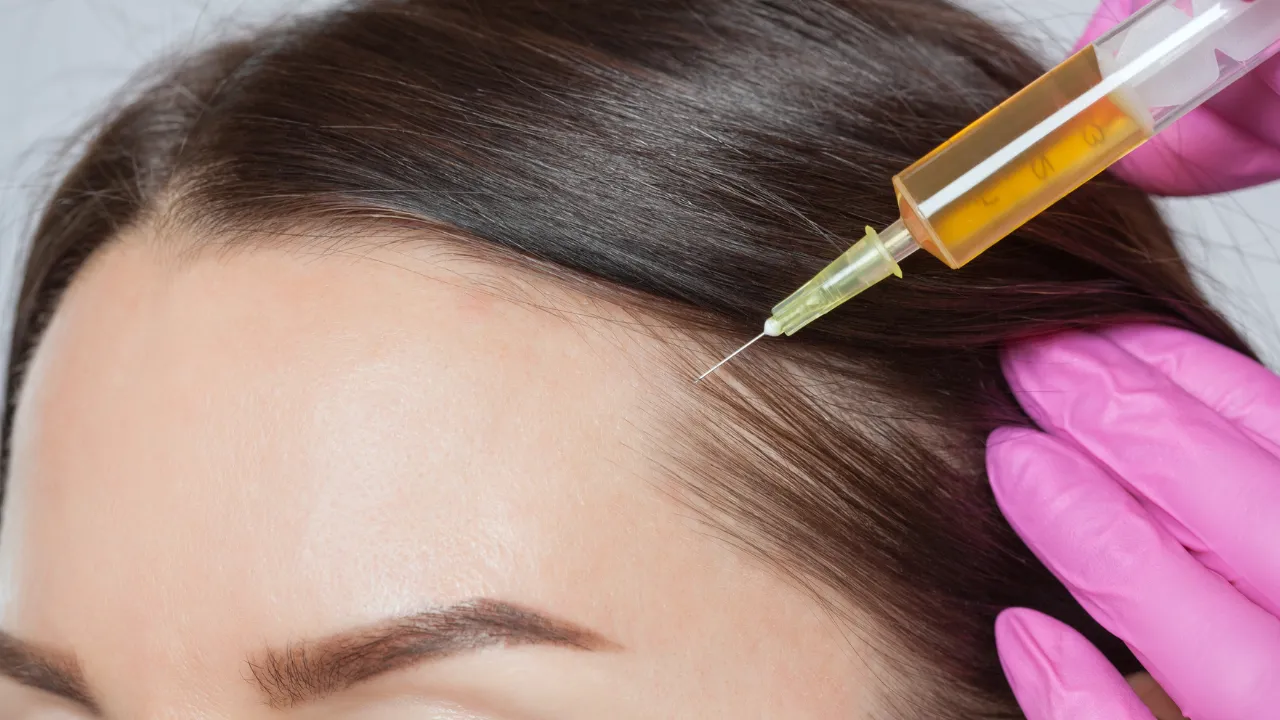
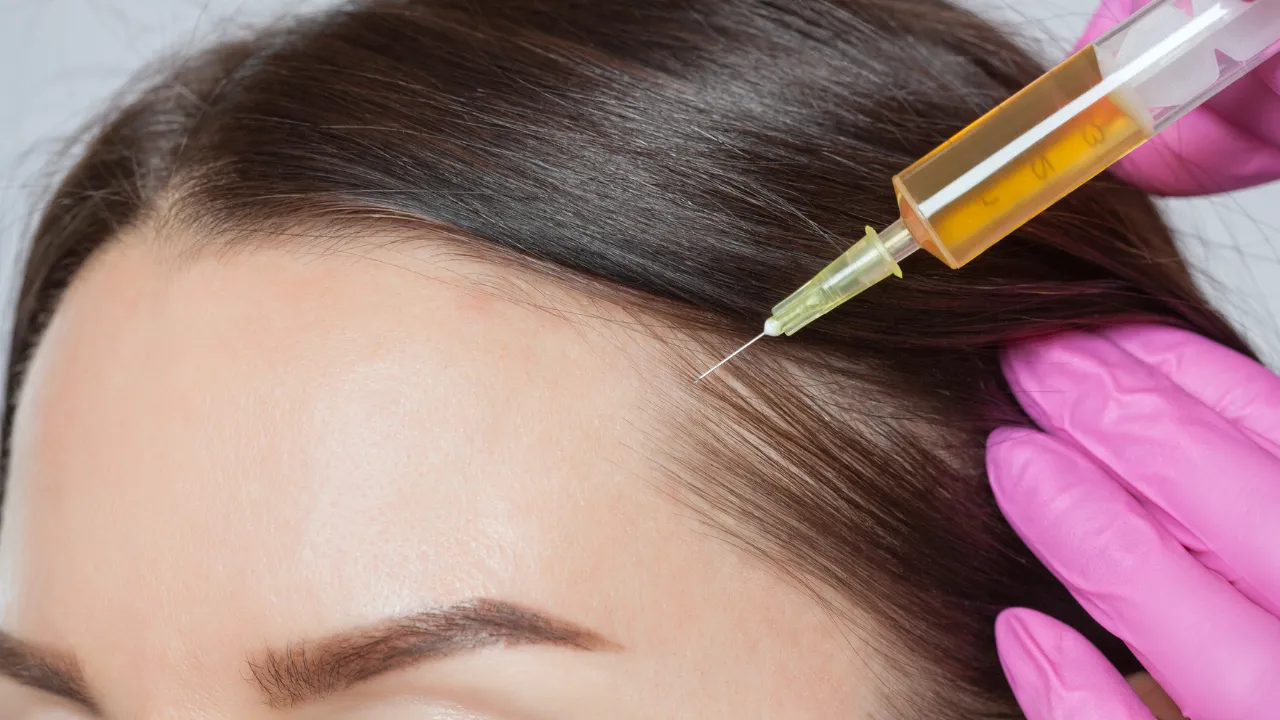
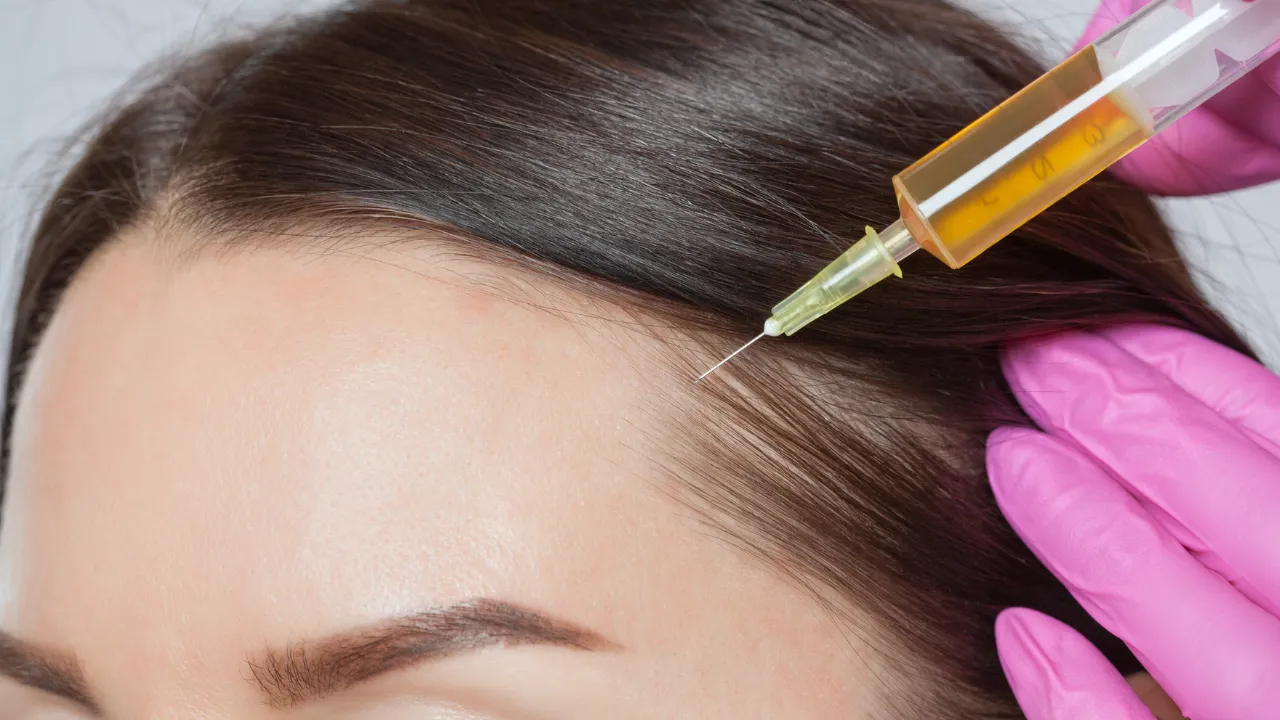
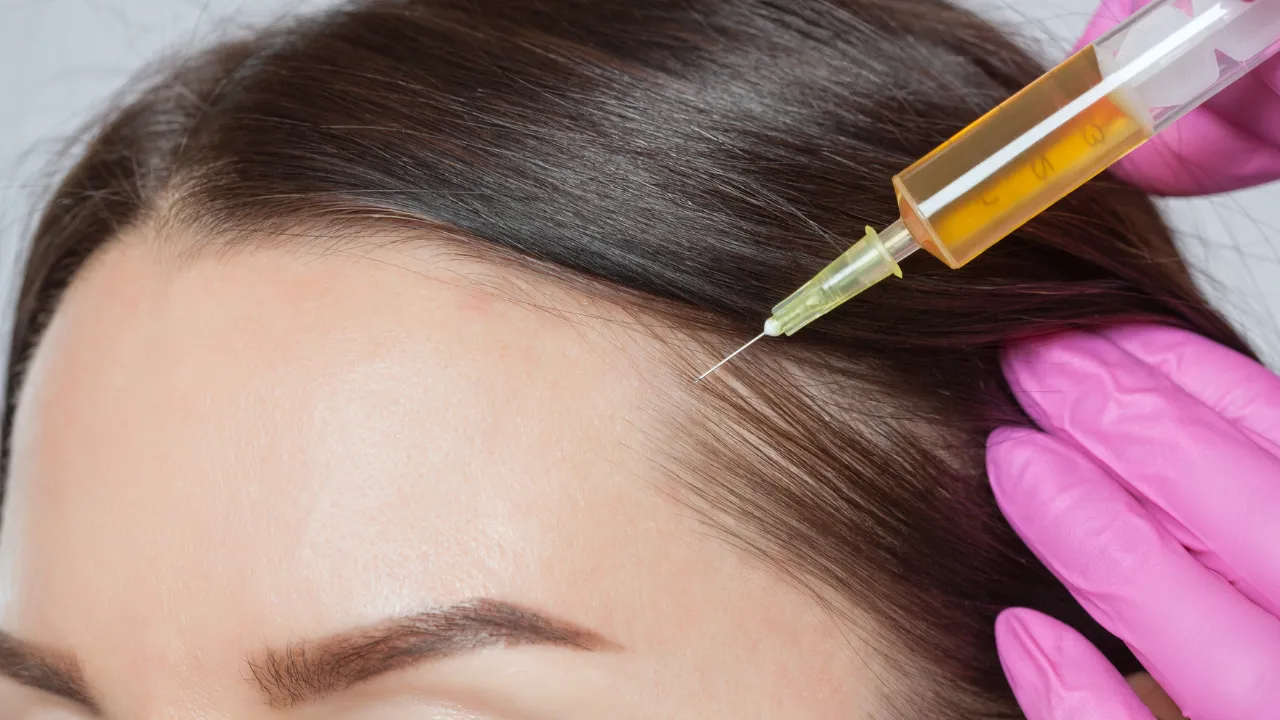
- Alternative Therapies: Low-level laser therapy, vitamins, and platelet-rich plasma (PRP) therapy.
Coping with Hair Loss
The emotional impact of hair loss is often as significant as the physical aspect. It can affect self-image, confidence, and overall well-being. Seeking support from counseling, support groups, or online communities can be immensely beneficial. Sharing experiences and learning from others who are navigating similar challenges can provide comfort and practical advice. It’s important to remember that hair loss is a common issue, and there are many resources available for support and guidance.
Accepting and adapting to hair loss can be a challenging but vital part of the journey. Exploring different styling options, wigs, or hairpieces can offer a sense of control and help in maintaining a positive self-image. The key is to find a coping mechanism that resonates personally and allows for a healthy emotional response to hair loss.
Navigating the world of hair loss requires a blend of medical knowledge, emotional resilience, and an understanding of the various treatment options available. It’s a journey that many embark on, and while it can be challenging, it also offers an opportunity for growth and learning. With the right information and support, managing hair loss becomes a more navigable and less daunting experience. Remember, you’re not alone in this, and with the advancements in medical science and supportive communities, there are many paths to managing and embracing this aspect of your health and life.
Frequently asked questions about
Hair Loss Basics
Can lifestyle changes significantly impact hair loss?
Is it possible to reverse hair thinning naturally?
How do I know if my hair loss is temporary or permanent?
Are there any specific vitamins or supplements known to improve hair hair?
Can lifestyle changes significantly impact hair loss?
Yes, lifestyle changes can have a notable impact on hair health. Regular exercise, a balanced diet rich in proteins, vitamins, and minerals, and adequate hydration can improve hair strength and reduce hair loss. Additionally, reducing stress through practices like meditation, yoga, or counseling can help in managing conditions like telogen effluvium.
Is it possible to reverse hair thinning naturally?
In some cases, hair thinning can be reversed naturally, especially if it's due to reversible causes like nutritional deficiencies, stress, or hormonal imbalances. Improving diet, managing stress, and addressing hormonal issues can help restore hair growth. However, for genetic conditions like androgenetic alopecia, natural reversal is less likely, and medical treatments may be more effective.
How do I know if my hair loss is temporary or permanent?
Determining whether hair loss is temporary or permanent often depends on the underlying cause. Temporary hair loss, such as from stress or nutritional deficiencies, typically resolves once the cause is addressed. Permanent hair loss, like androgenetic alopecia or scarring alopecia, involves gradual, irreversible loss of hair follicles.
Are there any specific vitamins or supplements known to improve hair health?
Yes, certain vitamins and supplements can promote hair health. Vitamins like Vitamin D, Iron, and Zinc are often linked to improved hair strength and growth. Omega-3 fatty acids and antioxidants can also support scalp health and prevent hair thinning.
Yes, lifestyle changes can have a notable impact on hair health. Regular exercise, a balanced diet rich in proteins, vitamins, and minerals, and adequate hydration can improve hair strength and reduce hair loss. Additionally, reducing stress through practices like meditation, yoga, or counseling can help in managing conditions like telogen effluvium.
In some cases, hair thinning can be reversed naturally, especially if it's due to reversible causes like nutritional deficiencies, stress, or hormonal imbalances. Improving diet, managing stress, and addressing hormonal issues can help restore hair growth. However, for genetic conditions like androgenetic alopecia, natural reversal is less likely, and medical treatments may be more effective.
Determining whether hair loss is temporary or permanent often depends on the underlying cause. Temporary hair loss, such as from stress or nutritional deficiencies, typically resolves once the cause is addressed. Permanent hair loss, like androgenetic alopecia or scarring alopecia, involves gradual, irreversible loss of hair follicles.
Yes, certain vitamins and supplements can promote hair health. Vitamins like Vitamin D, Iron, and Zinc are often linked to improved hair strength and growth. Omega-3 fatty acids and antioxidants can also support scalp health and prevent hair thinning.
Schedule a Consultation
Call Today (212) 470-4076
To schedule a private consultation with Kopelman Hair Restoration,
please call the office or request an appointment online.
We welcome your visit.
We welcome your visit.