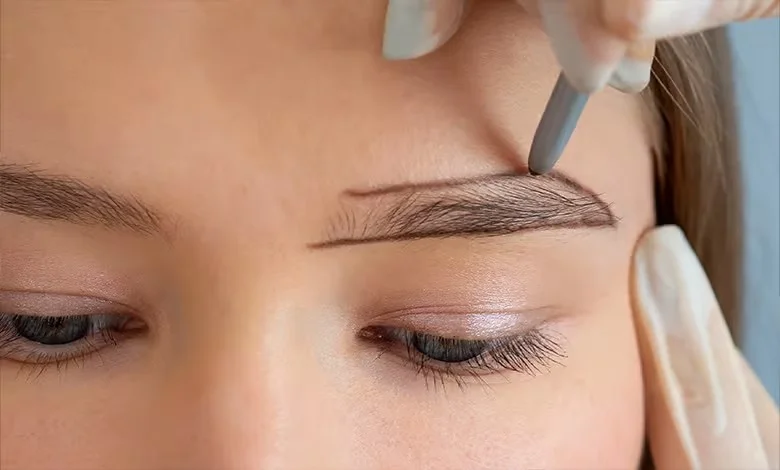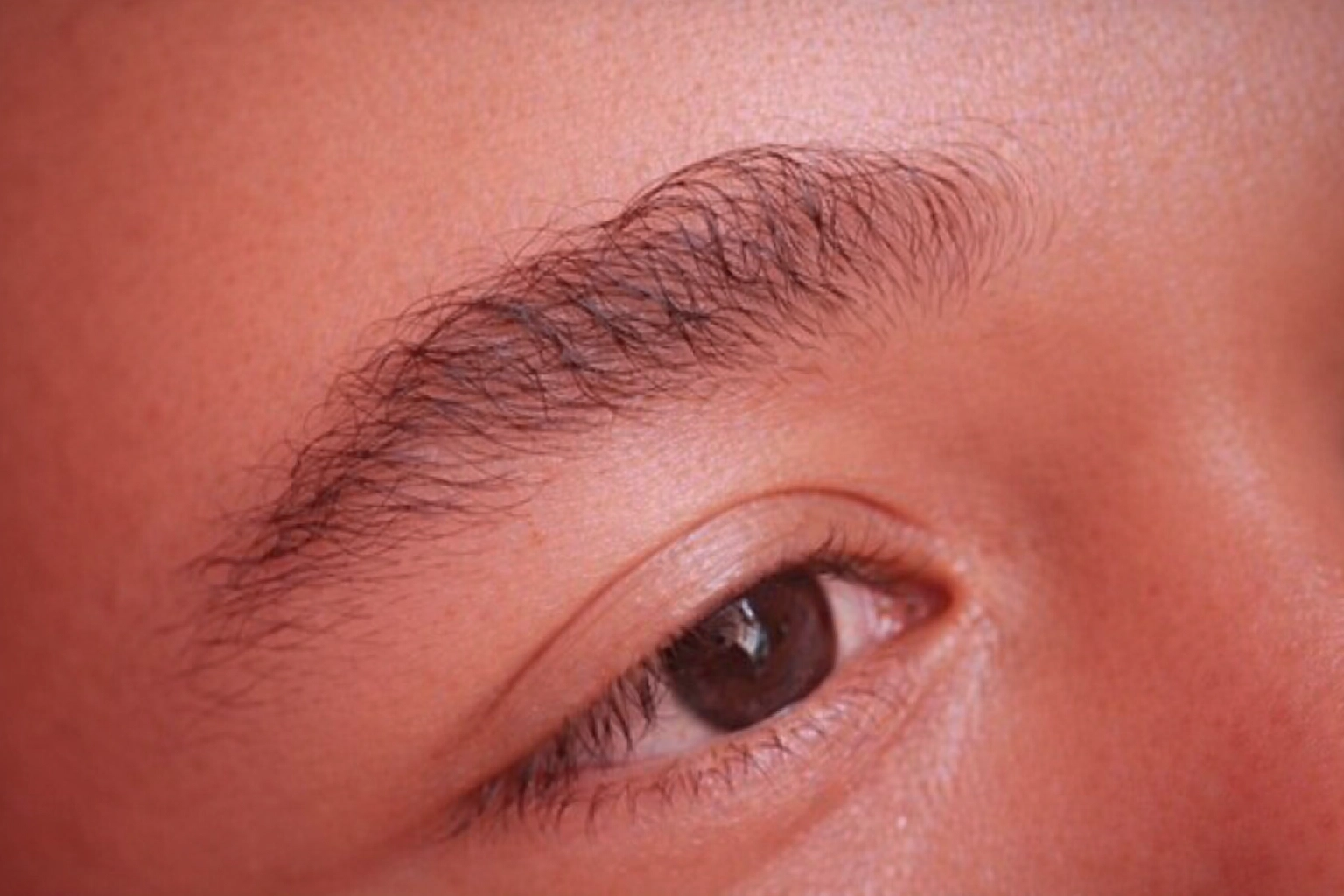

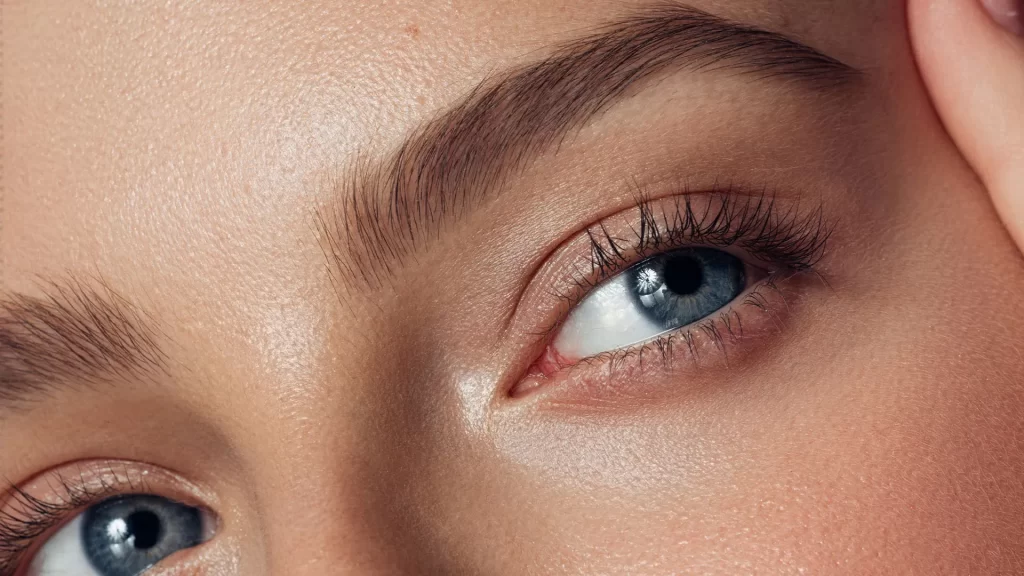
Do eyebrow transplants look natural? Yes, eyebrow transplants can look natural when carefully planned and performed by an experienced facial plastic surgeon using proper technique. Eyebrow hair loss can affect facial balance and expression, especially in people with thin or sparse eyebrows.
Many patients consider an eyebrow hair transplant a form of hair restoration, but worry about whether the results will look realistic.
Understanding how results develop over time helps set realistic expectations. Clear information supports better decisions about hair restoration for thinning eyebrows.
Key Takeaways
- Eyebrow transplants can look natural when an experienced facial plastic surgeon carefully plans hair angle, direction, and donor hair selection.
- Natural-looking results develop gradually as hair growth progresses, with final outcomes usually visible around one year after surgery.
- A natural eyebrow transplant uses real hair from a donor area, allowing the eyebrows to grow and move naturally instead of relying on pigment.
- Eyebrow transplants offer a long-term solution for thin or sparse eyebrows, but results require regular grooming and realistic expectations during the recovery period.
Common Concerns About Looking Unnatural
Many patients worry that transplanted eyebrows may look fake or overly sharp. This concern often comes from seeing poor cosmetic work. In most cases, unnatural results are caused by incorrect placement.
When eyebrow anatomy is respected, results tend to blend naturally with facial features. Careful design reduces the risk of stiff-looking brows. Early understanding helps build confidence.
How a Natural Eyebrow Transplant Is Achieved
A natural eyebrow transplant depends on planning and precision. Surgeons focus on eyebrow shape, symmetry, and how the brows frame the eyes. Each decision affects the final look.
The goal of eyebrow hair restoration is balance rather than density alone. Overfilling can appear unnatural. Subtle placement leads to better outcomes.
Hair Angle, Direction, and Density
Eyebrow hairs grow in changing directions across the brow. Each graft must follow this pattern to appear natural. Incorrect angles can make hair stand out.
Density also matters, as overly dense placement can look artificial. Surgeons space grafts to mimic natural eyebrows. This improves blending.
Donor Hair Selection
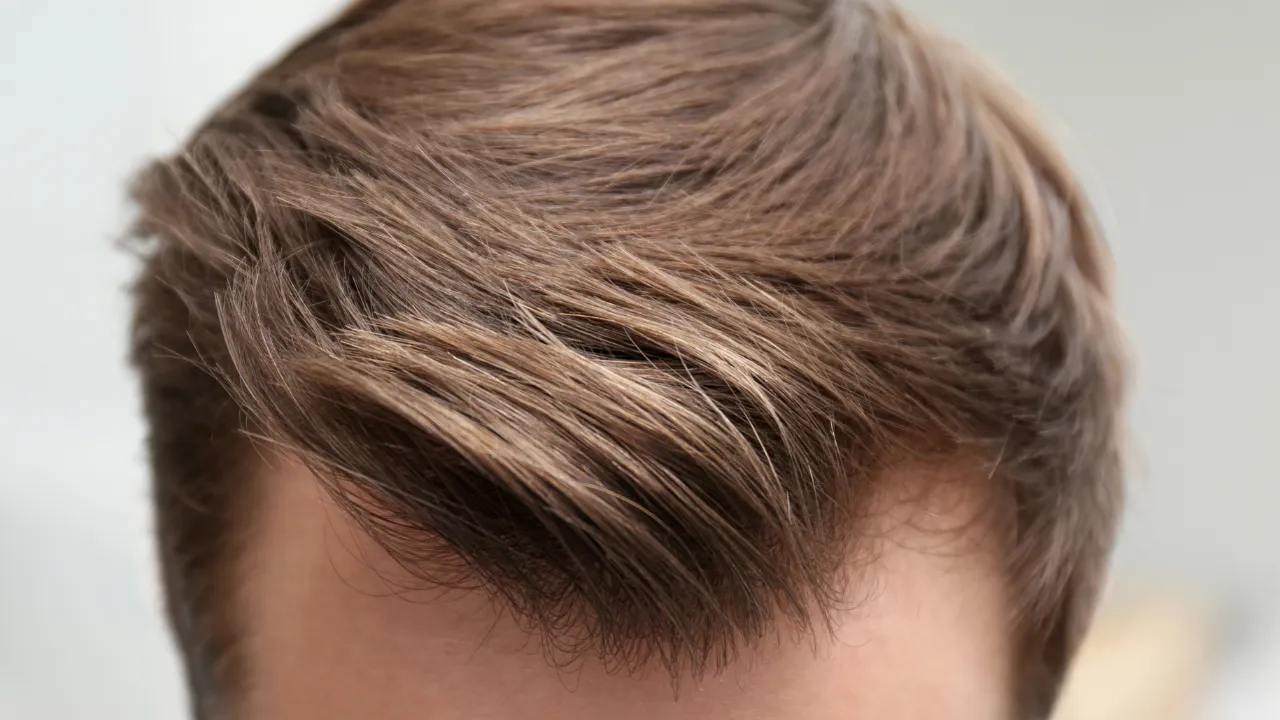
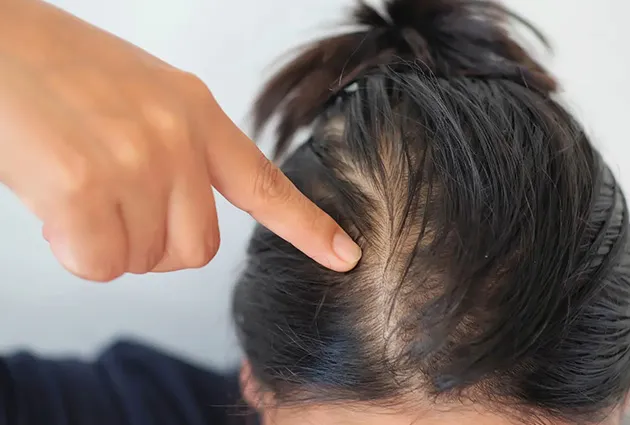
Hair used in an eyebrow hair transplant is taken from a donor area on the scalp. The donor area is chosen based on texture, thickness, and hair growth behavior. Proper selection supports a natural match.
Scalp hair grows faster than eyebrow hair. This affects long-term grooming and hair growth management. Regular trimming is expected.
What Happens During an Eyebrow Transplant Procedure
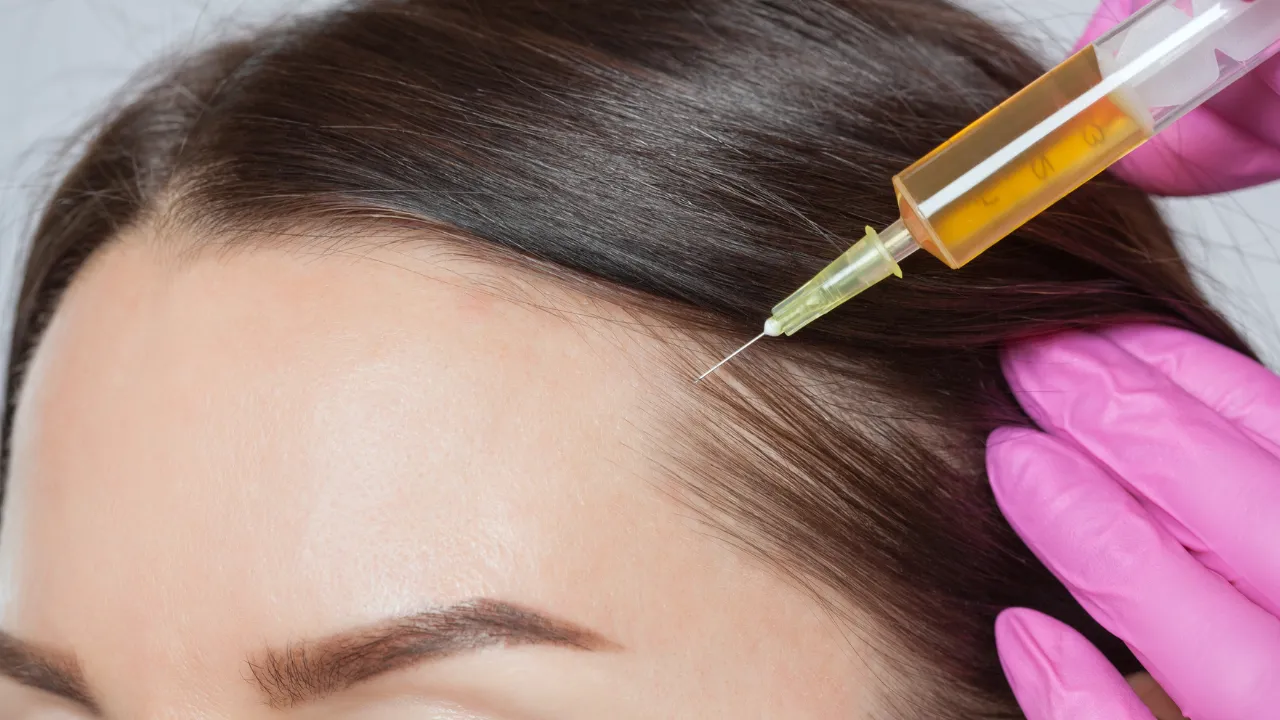
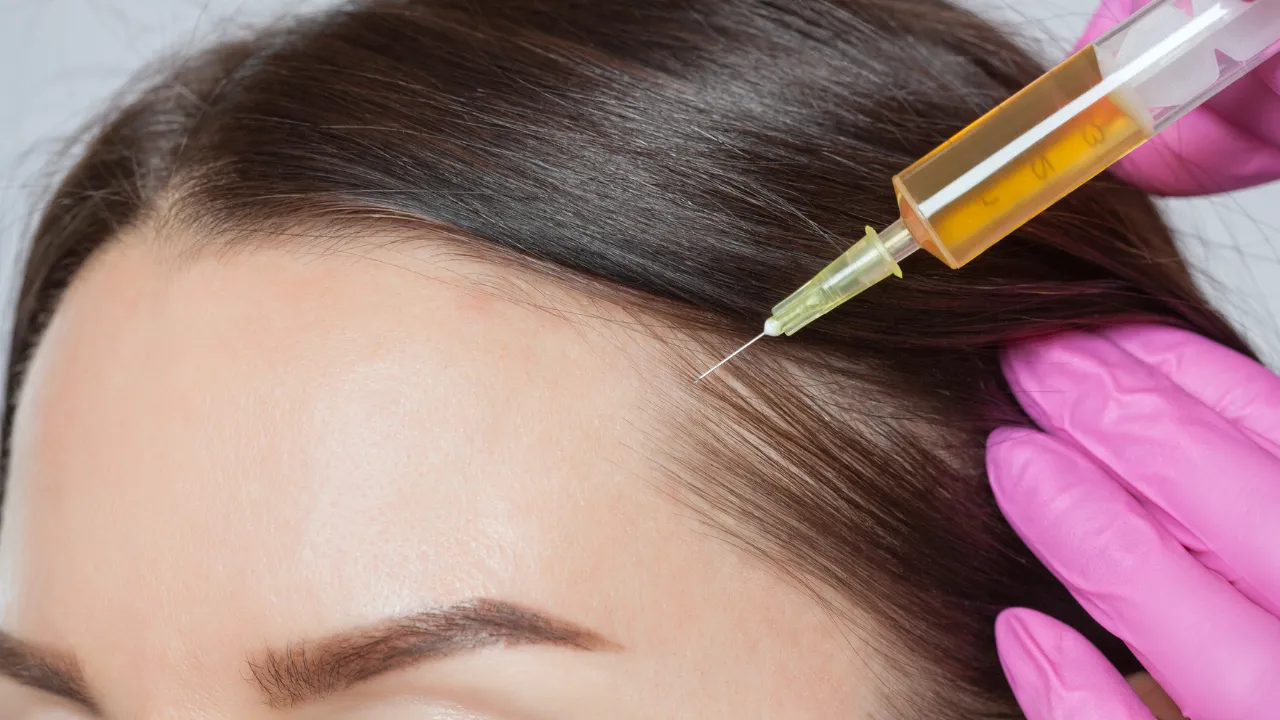
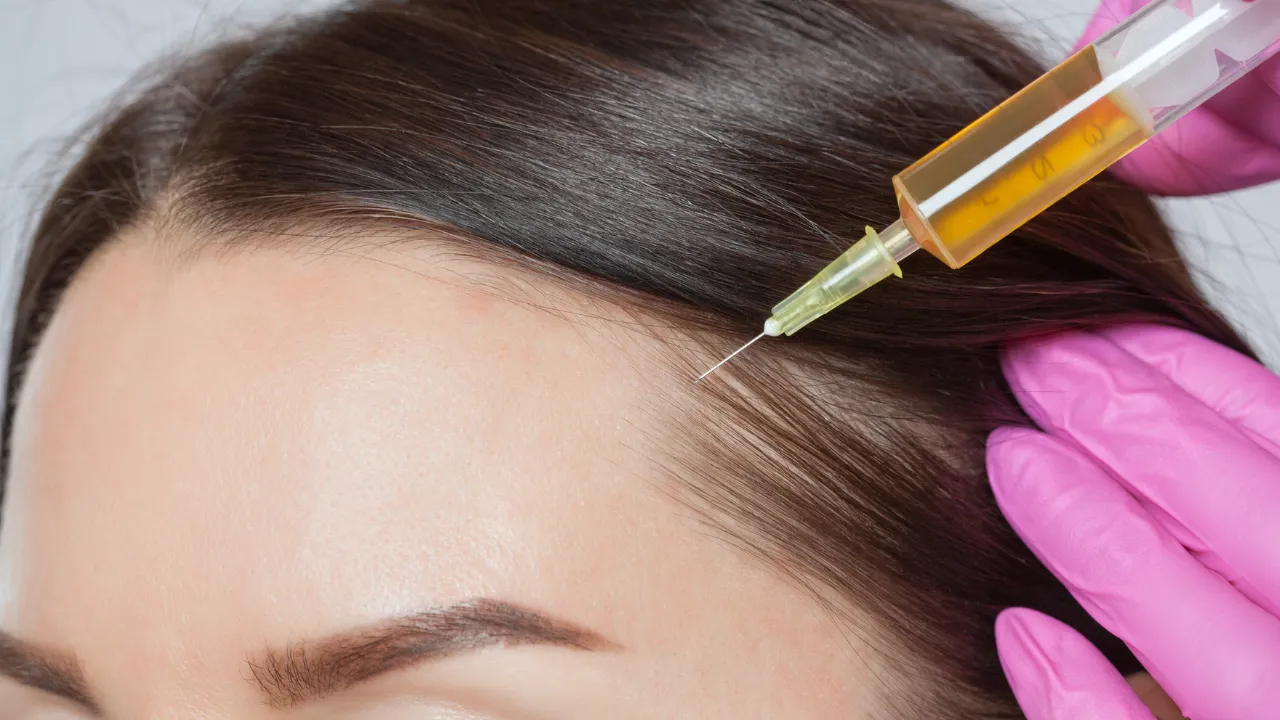
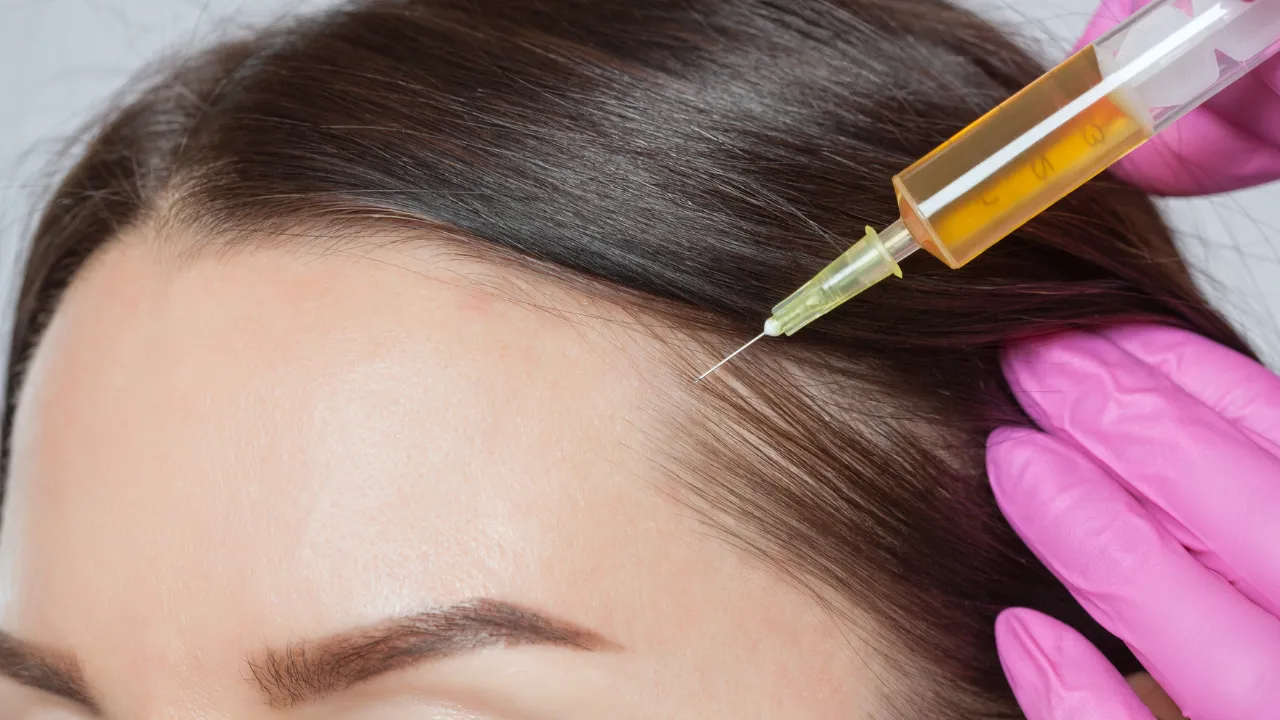
An eyebrow hair transplant is an outpatient procedure performed under local anesthesia. A facial plastic surgeon selects a donor area on the scalp and extracts individual hair follicles that closely match eyebrow hair.
Tiny recipient sites are created in the eyebrow area, and hair grafts are placed one by one to follow the natural direction of hair growth. The procedure usually takes 2 to 4 hours, and patients begin the recovery period the same day, with factors such as the risk of an eyebrow scar varying by technique and aftercare.
Eyebrow Transplant Before and After Results
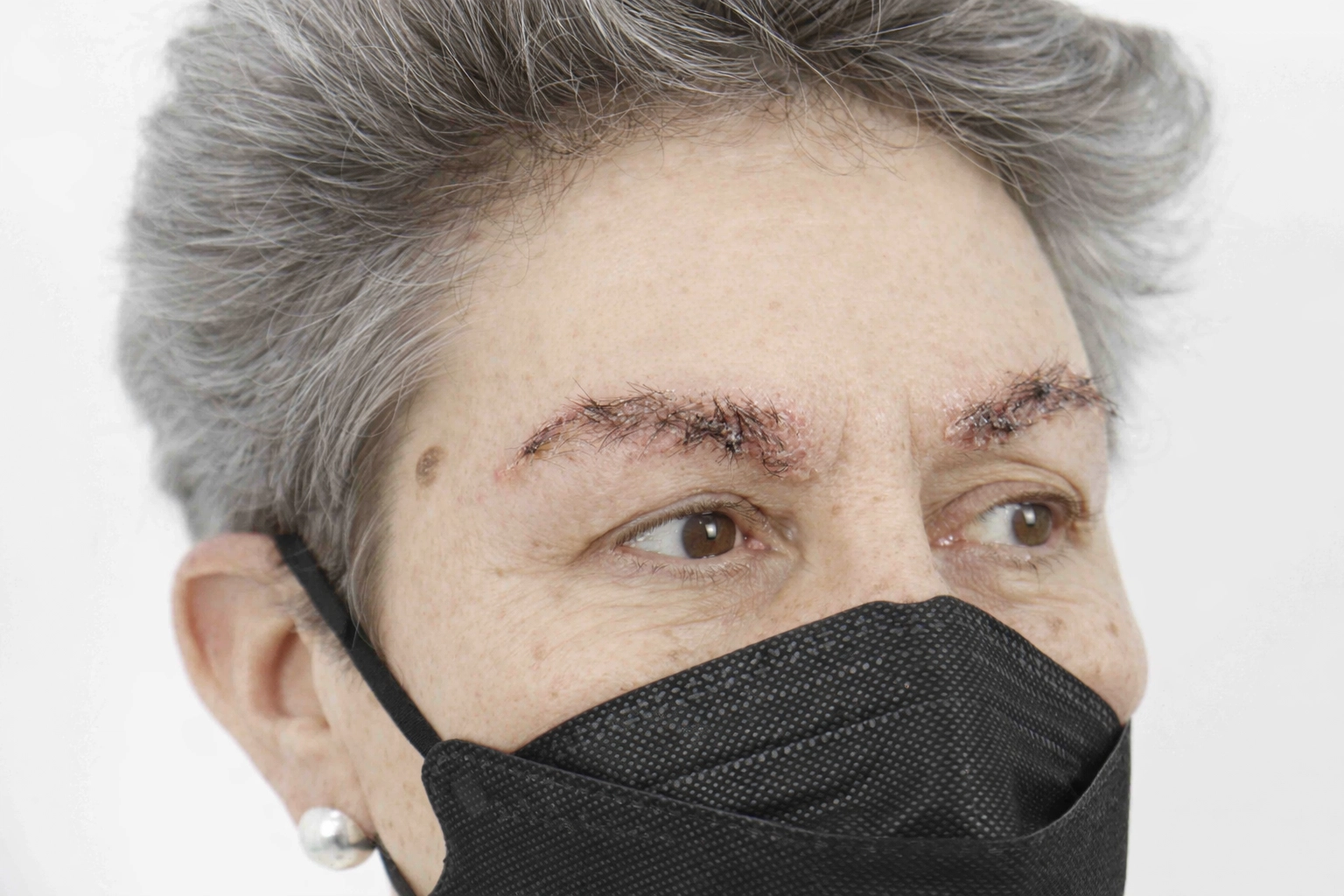
Results appear gradually rather than immediately. Transplanted hairs often shed before new hair growth begins. This phase is normal.
Visible improvement continues as hair regrows and matures, with permanence further explained in the eyebrow hair transplant permanent article. Understanding the recovery period helps reduce concern during healing.
How Results Look Over Time
At three months, transplanted hairs usually begin growing again. Brows may look uneven at first. This stage is temporary.
By six to twelve months, hair growth becomes more consistent, and eyebrows look natural. Grooming habits affect the final appearance. Patience matters.
What Is the Most Natural-Looking Eyebrow Procedure?
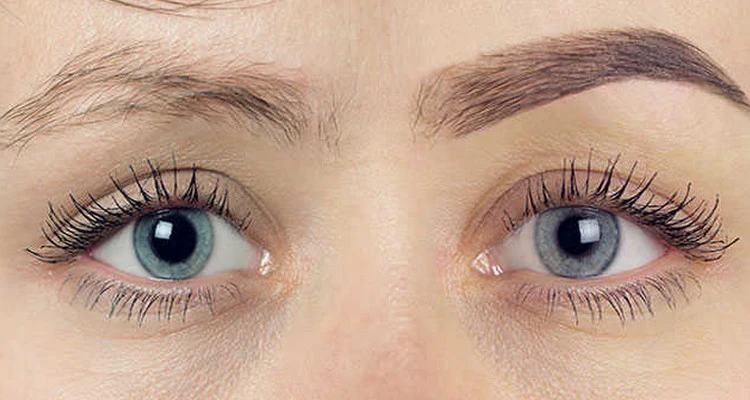
Eyebrow procedures vary in realism and longevity. Some rely on pigment, while others use real hair. This difference affects long-term results.
Procedures using real hair adapt better to facial movement. This supports long-term hair restoration.
Eyebrow Transplant vs Microblading
Microblading places pigment in the skin to mimic hair strokes. The pigment fades and often needs touch-ups. Shape and color can change.
An eyebrow hair transplant uses living hair from a donor area. The transplanted hair grows naturally and responds to facial movement. This supports lasting realism.
What Are the Downsides of an Eyebrow Transplant?
Eyebrow transplants require ongoing grooming. Transplanted eyebrow hair continues to grow and must be trimmed. Some patients find this adjustment unexpected.
The recovery period may include temporary redness or swelling. These effects usually resolve within weeks. Aftercare supports healing.
Who Gets the Most Natural Results
Patients with mild to moderate eyebrow hair loss often achieve the most natural results. Those with thin or sparse eyebrows, rather than complete loss, usually need fewer hair grafts and benefit from easier blending with existing hair. Stable hair growth patterns also improve predictability compared with more advanced cases.
Hair texture and donor area quality play an important role in outcomes across hair transplant procedures. Patients whose donor hair closely matches eyebrow thickness and curl tend to see better realism. A facial plastic surgeon evaluates these factors during consultation to determine candidacy and set accurate expectations.
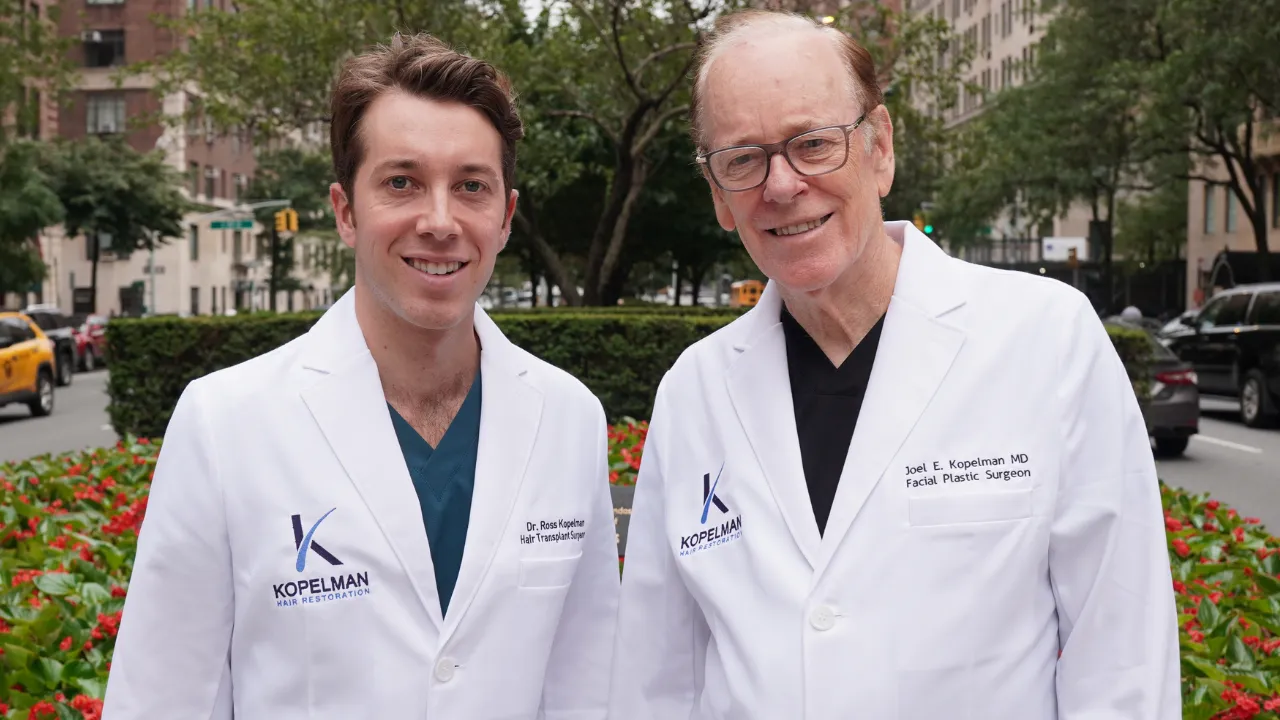
If you are considering an eyebrow hair transplant and want to understand what results are realistic for you, scheduling a consultation for an eyebrow transplant in NYC is the next step. A personalized evaluation allows a specialist to review your goals, donor area, and expectations in detail. This helps determine whether an eyebrow transplant is the right option for your hair restoration needs.