
A second eyebrow transplant is a revision surgery that fixes problems from a prior eyebrow hair implant. Some patients consider this option after an initial eyebrow transplant procedure does not look natural.
This guide explains when revision is possible, why problems happen, how correction works, and what risks to expect. Kopelman Hair reviews each case as part of a careful plan for hair restoration.
Key Takeaways
- A second eyebrow transplant can fix poor direction, uneven density, or scarring from a prior eyebrow hair implant, but it depends on skin health and donor hair supply.
- Surgeons typically recommend waiting 9 to 12 months before revision to allow for healing and full hair growth.
- Correction may include removing unsatisfactory hair grafts or placing 50 to 250 new grafts in a single session.
- Scar tissue and low donor supply may limit results, so clear goals are important.
- Transplanted eyebrow hair will continue to grow, and patients must trim it regularly.
Can You Have a Second Eyebrow Transplant?
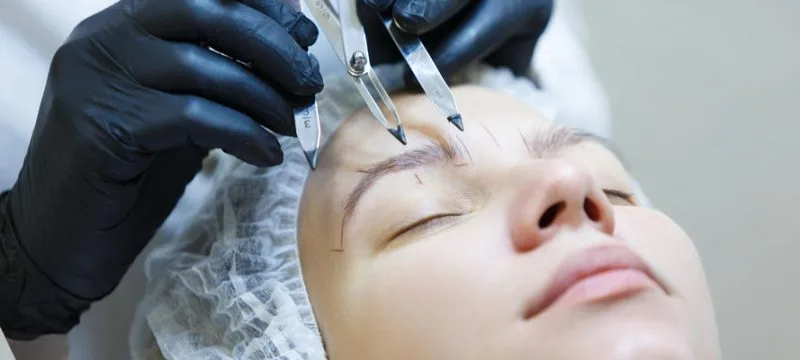
Many people can have a second eyebrow transplant, but not everyone qualifies. The surgeon first assesses the skin, scar tissue, and donor hair follicles. A revision eyebrow transplant surgery is more complex than the first surgery because old hair grafts change the brow area. A full exam helps decide if another hair transplant procedure is safe.
When Revision Surgery Is Possible
Revision may be possible if healthy donor hair follicles are still available. The brow skin must have good blood flow to support new hair grafts. Patients with uneven density or wrong hair direction may benefit. The surgeon confirms the area can support new hair growth.
How Long to Wait Before a Second Procedure
Most surgeons recommend waiting 9 to 12 months after the first eyebrow hair transplant. This allows time for the skin to heal and for the hair growth cycle to complete. Results must settle before planning another hair transplant procedure. Surgery too soon may lead to poor correction.
When a Second Procedure Is Not Advised
Revision may not be safe if there is severe scarring. It may also not work if donor hair follicles are limited. Some medical problems can slow healing. In these cases, further eyebrow transplant surgery may not be recommended.
Why Eyebrow Hair Implants Fail
Understanding why the first surgery failed informs revision planning. Failure does not always mean the hair follicles died. Many problems come from poor placement, not true hair loss.
Incorrect Hair Angle or Direction
Eyebrow hair lies flat and changes direction across the brow. If hair grafts are placed upright, the result looks unnatural. This may require removal and repositioning during a second eyebrow transplant procedure.
Poor Density or Shape Planning
Eyebrows must match face shape. Uneven density or poor design can look artificial. Adding more hair grafts alone does not fix this. Careful reshaping is often needed.
Donor Overharvesting and Scarring
Removing too many grafts can thin the donor area. Scar tissue in the brow can lower blood flow. Low blood flow may affect new hair growth. Careful planning improves safety in hair restoration.
How a Second Eyebrow Transplant Corrects Failed Results
Correction aims to restore natural direction and even density. The plan depends on the problem found during the exam.
Removing or Redistributing Grafts
Poorly placed hair grafts may be removed or relocated. Some hair follicles can be placed at a better angle. This protects prior hair restoration work.
Correcting Hair Direction and Flow
Hair grafts are placed very close to the skin. Each graft is set to match the orientation of individual hairs. Dr. Kopelman explains that even a single hair placed at the wrong angle can change the look.
Use of Follicular Unit Extraction (FUE)
Most eyebrow hair transplant procedures use follicular unit extraction FUE. This method removes individual hair follicles without a long eyebrow scar. FUE allows the surgeon to choose grafts that contain a single hair. This helps create natural hair growth in the brows.
Typical Graft Numbers and Session Planning
Revision may use 50 to 250 hair grafts. The surgery often takes two to four hours under local anesthesia. Smaller sessions may improve control and protect donor hair follicles.
Second Eyebrow Transplant Before and After Results
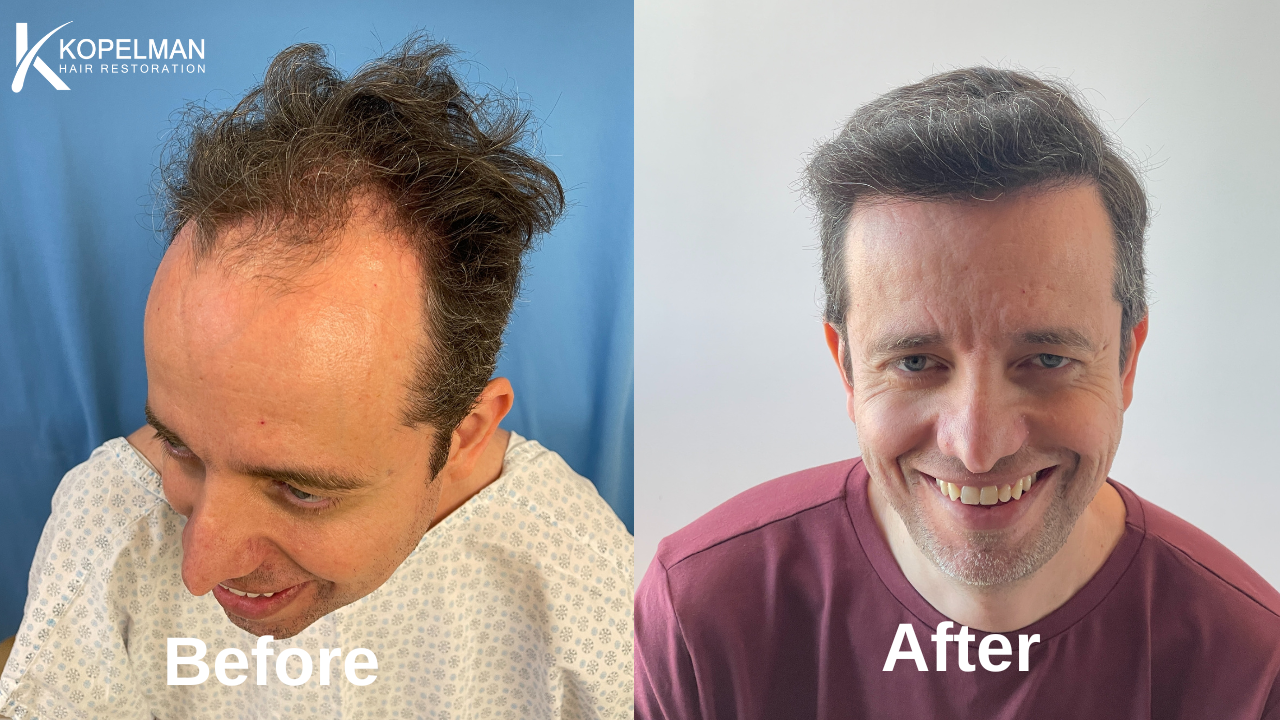
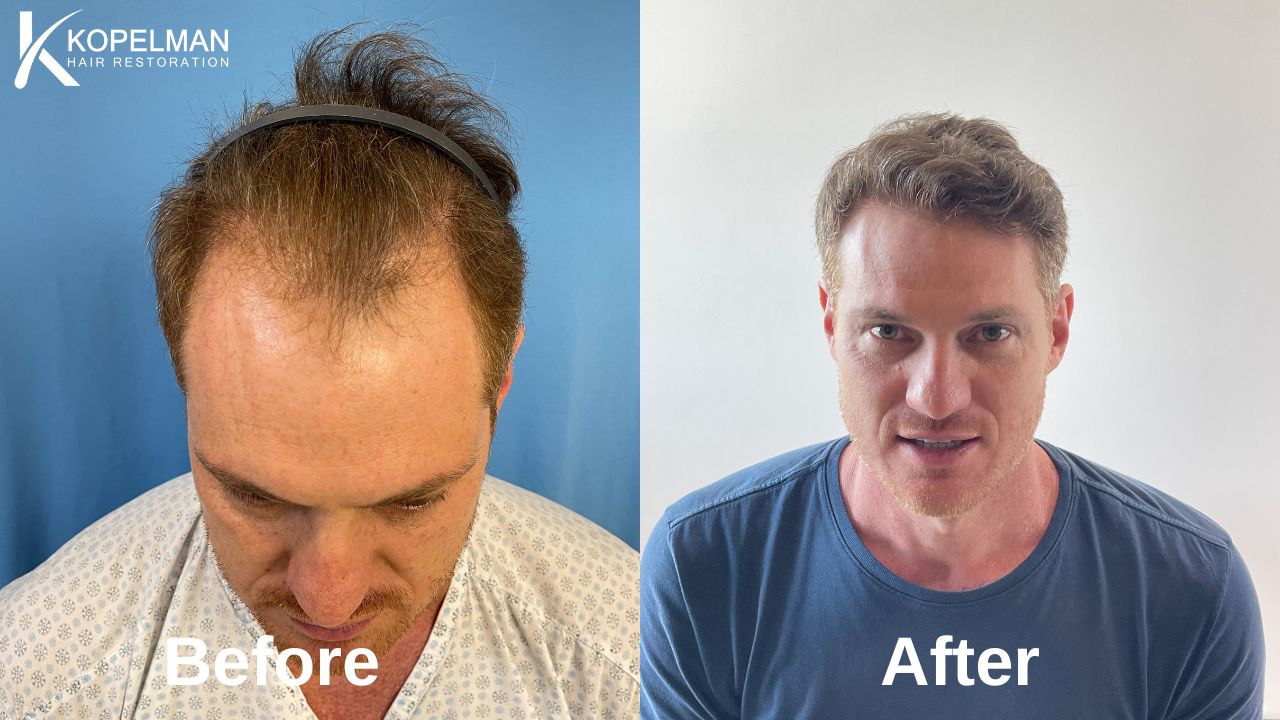
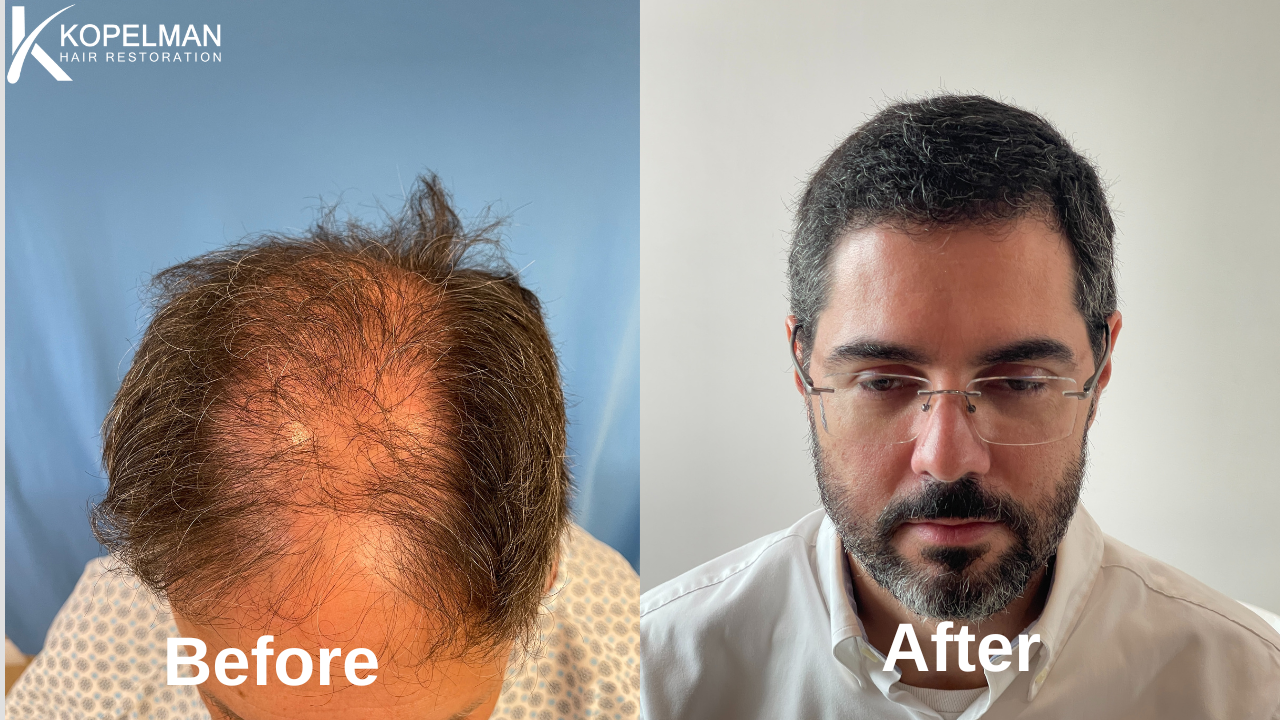
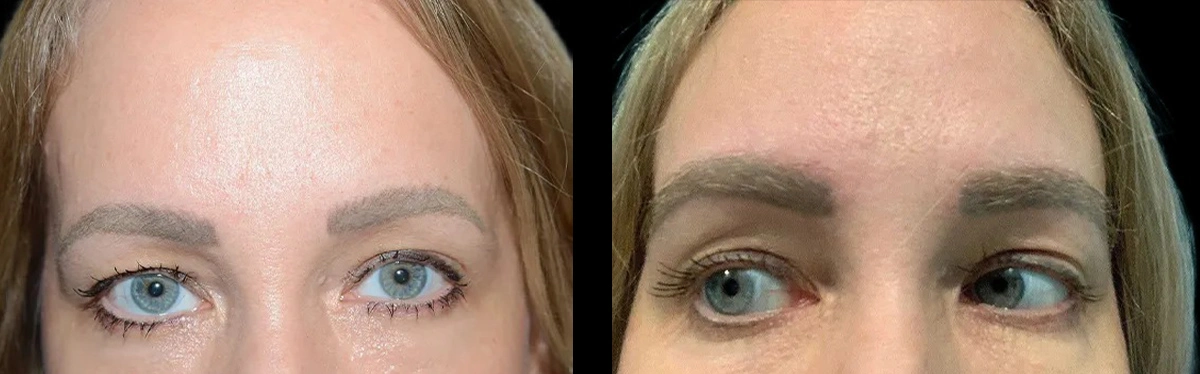
Before-and-after photographs help show what to expect. Improvement usually means better alignment and smoother density.
What Improvements Are Realistic
Patients may see improved direction and balance. Transplanted hairs continue to grow like scalp hair. Over time, the hairs grow in a more natural pattern when placed correctly. Regular trimming is needed to maintain brow length.
Limits of Revision Surgery
Scar tissue may limit the placement of new grafts. Low donor supply may also reduce options. A second eyebrow transplant cannot erase all past changes.
Setting Realistic Expectations
Revision surgery improves problems but does not create perfection. Scar tissue and donor limits affect the results of hair restoration. Natural eyebrows are not perfectly equal on both sides.
Is a Second Hair Transplant Worth It?
The choice depends on dissatisfaction and safety, and reviewing the eyebrow transplant pros and cons can help patients make an informed decision.; benefits must outweigh risks and costs.
Second Eyebrow Transplant Cost Factors
The cost of an eyebrow transplant typically ranges from $20,000 to $25,000. The price depends on the complexity of the correction, not only on the number of hair grafts.
Removing poorly placed grafts and working around scar tissue makes revision eyebrow transplant surgery more technical than a first eyebrow hair transplant.
Recovery, Risks, and Regrowth Timeline
Healing after a second eyebrow transplant is similar to that after the first surgery, and patients can consult detailed information on eyebrow hair transplant recovery to better understand the healing timeline. Swelling and redness usually improve within days.
What to Expect on Procedure Day
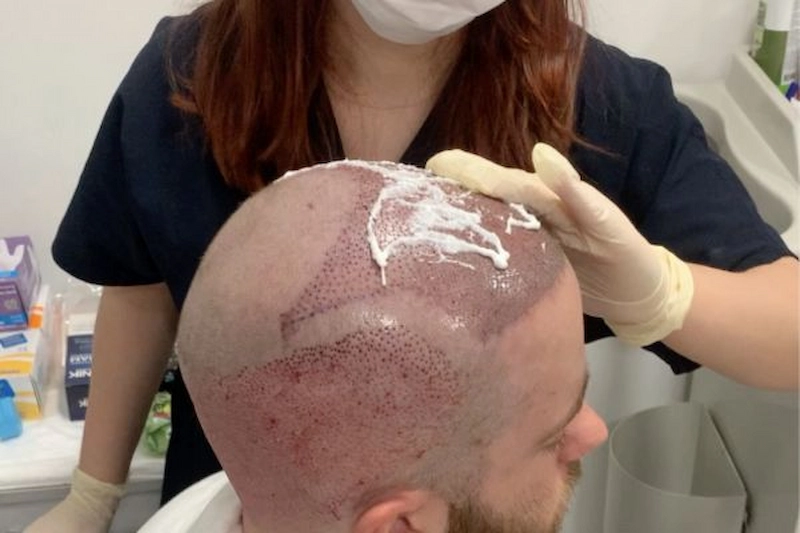
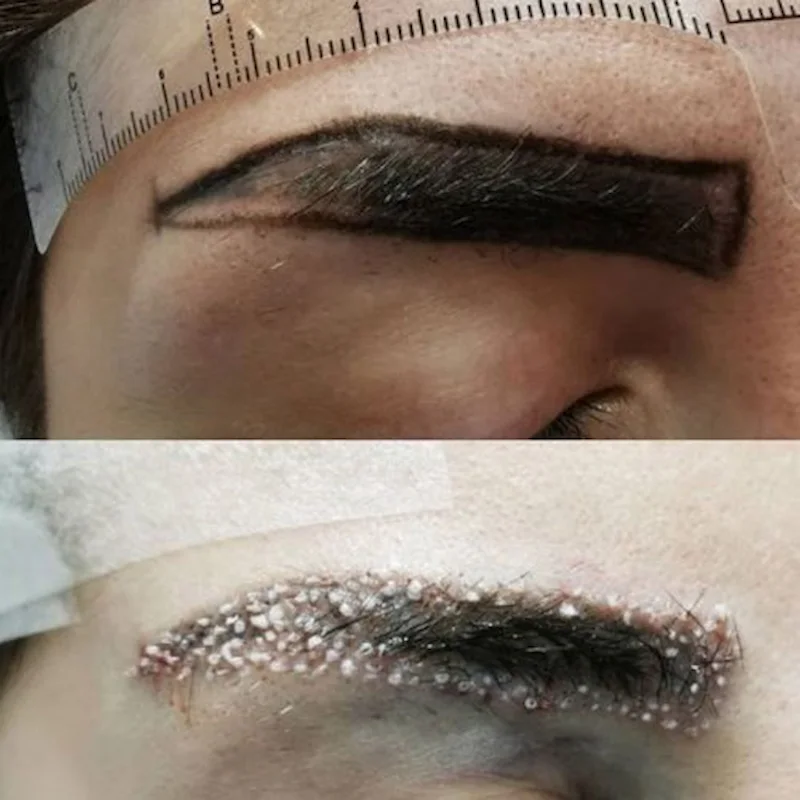
The surgery uses local anesthesia. Patients go home the same day. Small red dots appear at hair graft sites and fade as healing occurs.
Healing After Revision Surgery
Small crusts fall off within a week. Transplanted hairs may shed in the first month. New hair growth usually starts after three to four months.
Transplanted eyebrow hair will continue to grow like scalp hair. Patients must trim it often because the hairs grow continuously. Some hairs may grow unevenly at first before settling.
Choosing an Experienced Revision Surgeon
Revision surgery needs skill and care. A second eyebrow transplant involves changed anatomy.
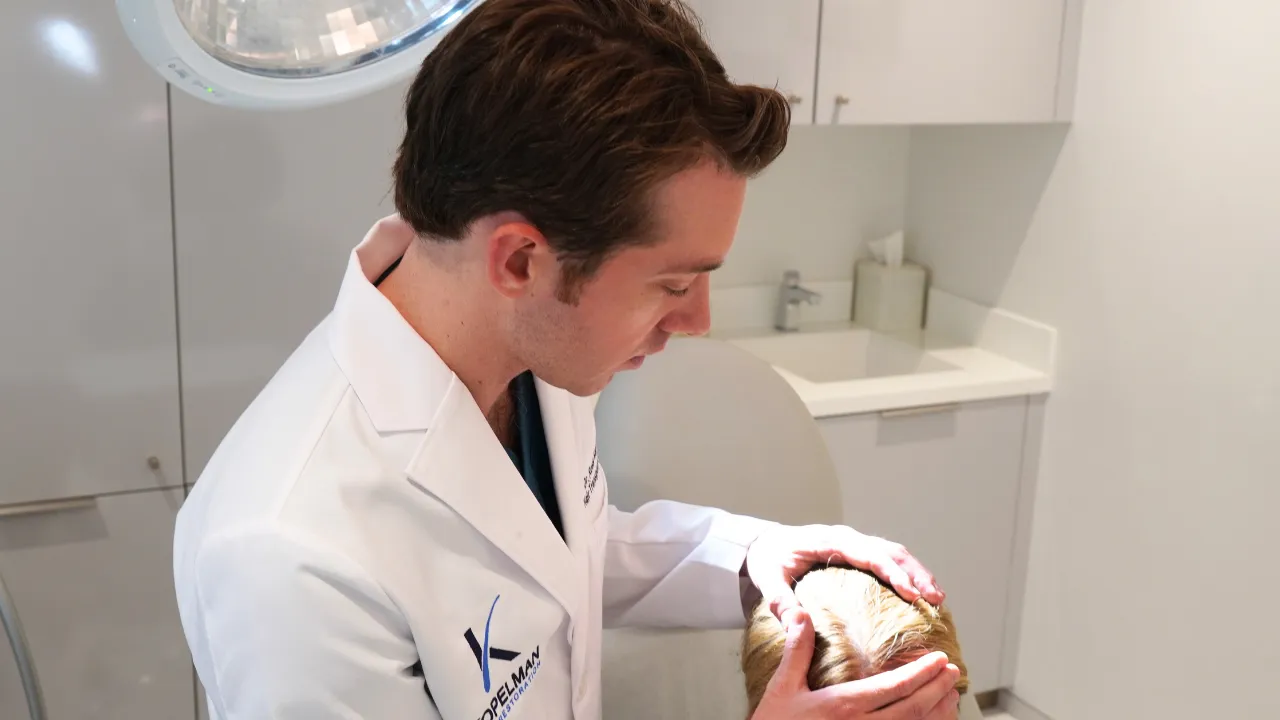
Revision cases require direct surgeon planning and placement. Angle control and density work are key in eyebrow transplant surgery. Dr. Kopelman uses careful medical evaluation when planning revision hair restoration.
This approach helps patients understand the purpose and limits of corrective eyebrow restoration. Schedule a consultation to determine if a second eyebrow transplant is appropriate for you. A detailed evaluation will clarify your options and next steps.