

As a hair restoration surgeon, one of the most common things I hear from patients is, “I’ve tried everything.” In reality, most people have not tried everything. They have tried random things inconsistently, without a strategy, and often without understanding why certain treatments work and others do not.
Hair growth is not magic and it is not guesswork. It is biology. When you understand the biology, the treatment plan becomes much clearer.
In my practice, I approach hair loss the same way I approach surgery. Evidence comes first. Personalization comes second. Consistency is always essential. There are five major categories I rely on to help patients preserve hair, improve density, and in many cases regrow hair. Some are medications. Some are procedures. Some are supportive therapies. All of them serve a specific role.
This article breaks down how I think about minoxidil, finasteride and dutasteride, spironolactone, mesotherapy, and saw palmetto, and how I decide when each one makes sense.
Understanding the Problem: Why Hair Is Lost in the First Place
Before talking about treatment, it is critical to understand the cause.
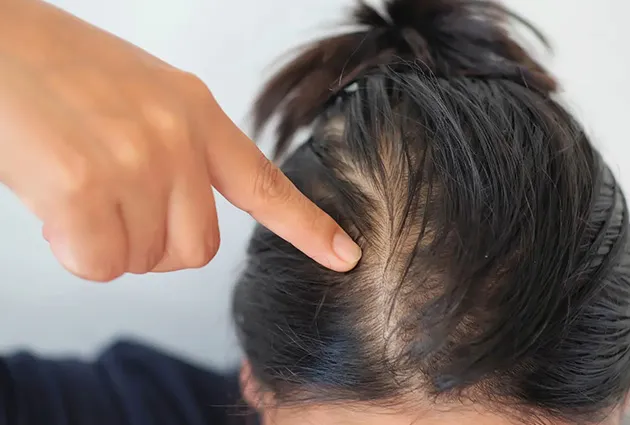
Most hair loss in both men and women is driven by androgen sensitivity, specifically to dihydrotestosterone, or DHT. DHT binds to genetically susceptible hair follicles and causes gradual miniaturization. Over time, hairs become thinner, shorter, and grow for less time until they eventually stop growing.
At the same time, many patients also have poor follicular signaling, reduced blood flow, inflammation, or hormonal imbalance that further impairs growth. Effective treatment plans address multiple pathways at once rather than relying on a single intervention.
Minoxidil: The Foundation for Hair Growth
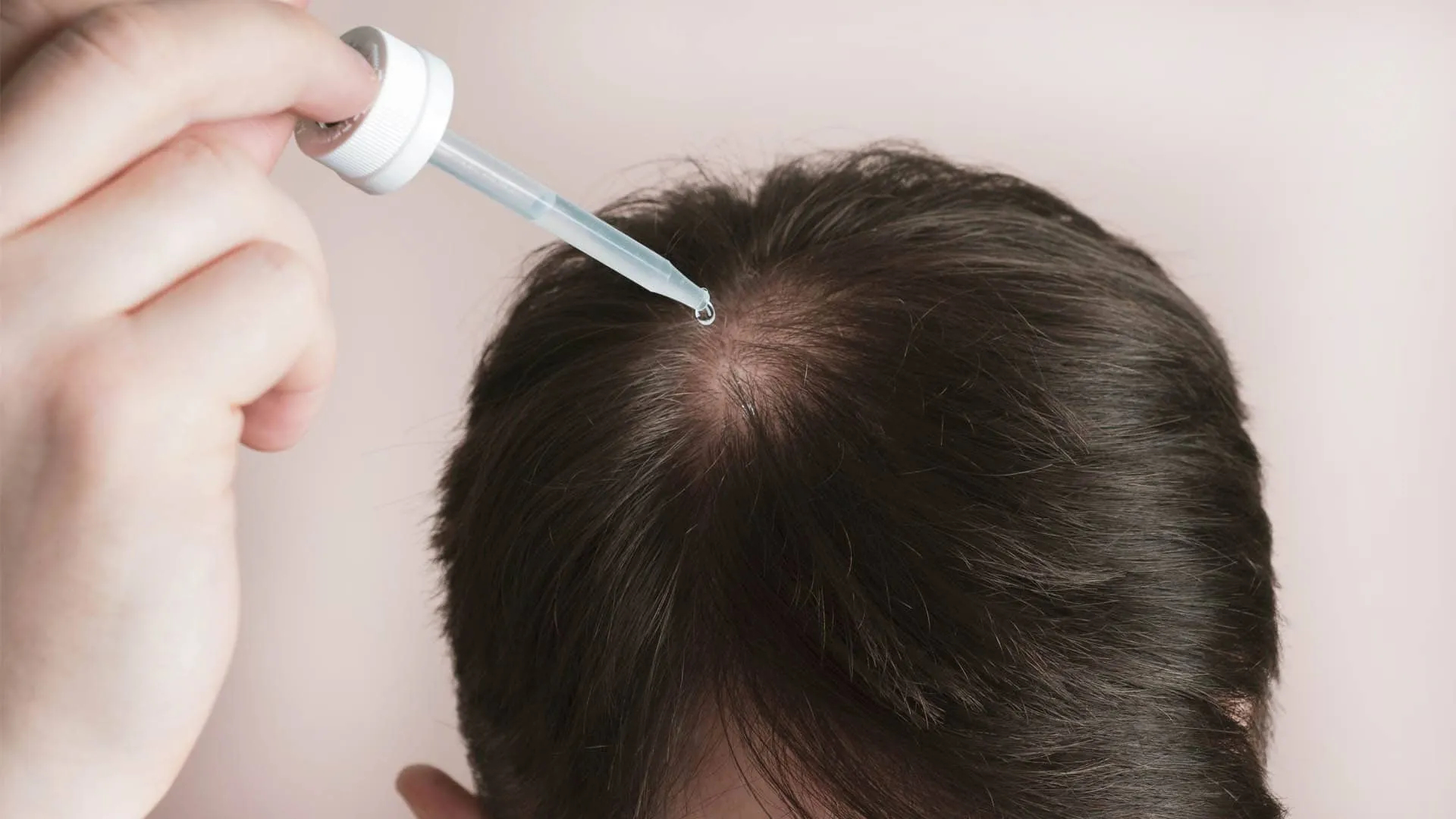
Minoxidil remains one of the most reliable tools we have for hair growth and is often the first treatment I introduce.
Minoxidil works by prolonging the anagen, or growth phase, of the hair cycle and by improving blood flow and cellular signaling to the follicle. Despite common misconceptions, minoxidil does more than simply maintain hair. It can stimulate new growth, especially in early or moderate hair loss.
I use minoxidil in both men and women, and in either topical or oral form depending on the patient. What matters most is consistency. Hair follicles respond slowly, and meaningful results are measured in months, not weeks.
Minoxidil does not block DHT. That distinction is important. It is a growth stimulator, not a protector. This is why many patients require additional therapies that address the hormonal component of hair loss.
Finasteride and Dutasteride: Protecting the Follicle
If minoxidil stimulates growth, finasteride and dutasteride protect the follicle.
These medications work by inhibiting the conversion of testosterone into DHT, the hormone responsible for progressive follicular miniaturization. Finasteride blocks type II five alpha reductase, while dutasteride blocks both type I and type II, making it more potent.
I use both medications in my practice depending on the severity of hair loss, patient tolerance, and long term goals.
An important point I emphasize is that both men and women can use these medications under medical supervision. However, anyone planning a pregnancy, whether male or female, should stop treatment at least three months prior to conception.
These medications do not create new follicles. Their value lies in preserving existing hair and preventing further loss, which is often the most important factor in long term success.
Spironolactone: An Anti-Androgen Tool Especially for Women
Spironolactone plays a unique role in hair restoration, particularly for women with androgen driven hair loss.
It works by blocking androgen receptors and reducing the effect of circulating androgens at the follicle level. I commonly prescribe spironolactone for women with female pattern hair loss, hormonal acne, or signs of androgen sensitivity.
Although it is used most often in women, spironolactone can be used selectively in men as well, provided there is appropriate counseling and monitoring.
What I value about spironolactone is that it targets hormonal signaling directly rather than just DHT production. In the right patient, it can significantly improve density and slow progression when other treatments alone are not enough.
Mesotherapy With Dutasteride or Minoxidil: Targeted and Consistent Delivery
One of the most effective non surgical advancements in hair restoration is mesotherapy, particularly when combined with dutasteride or minoxidil.
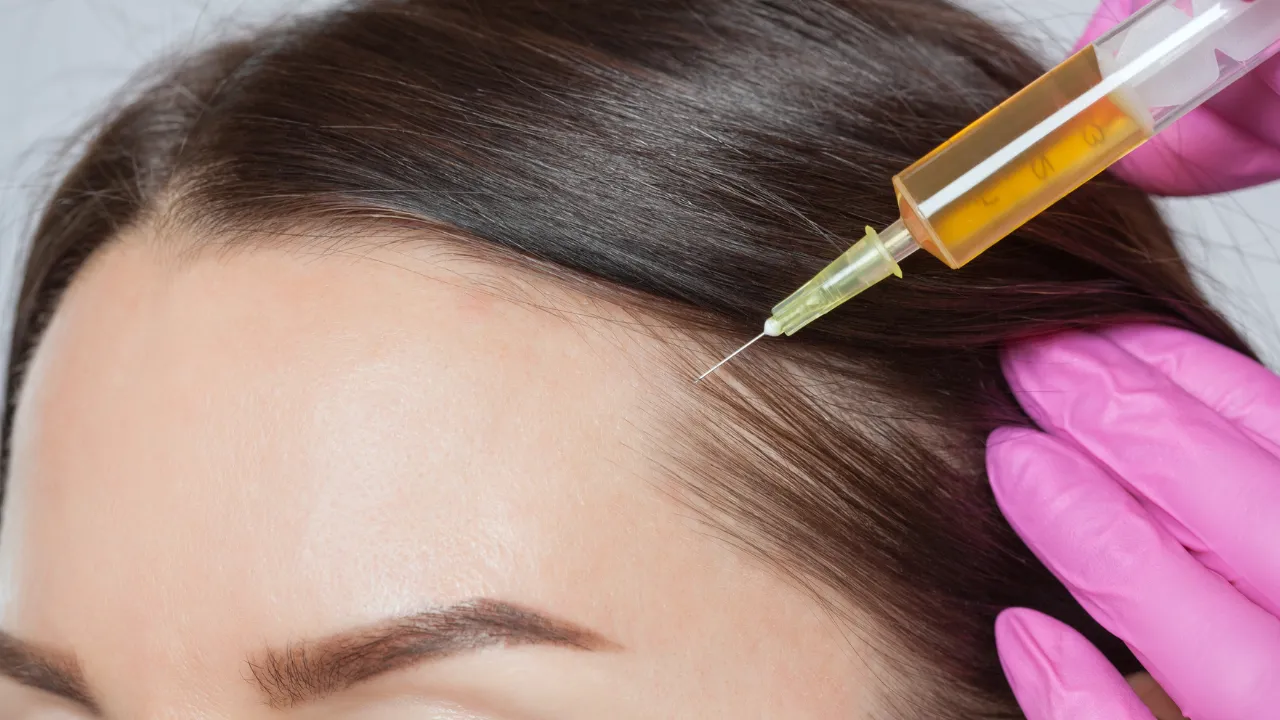
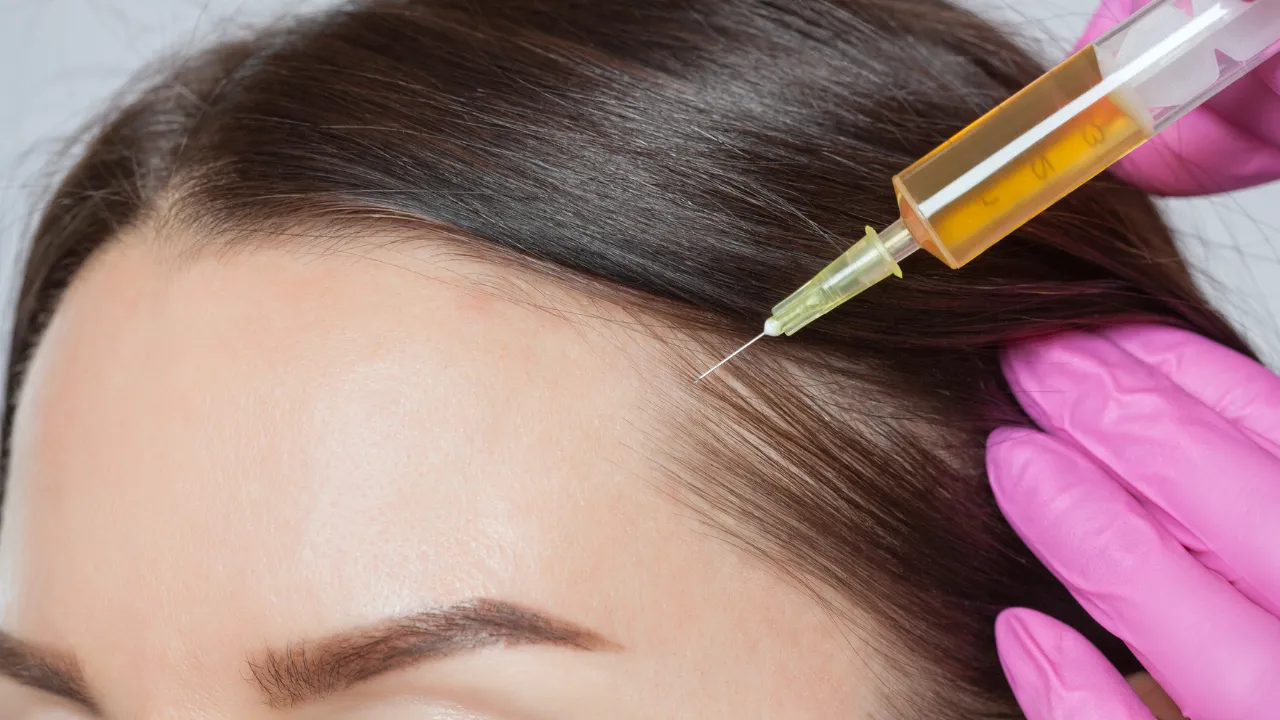
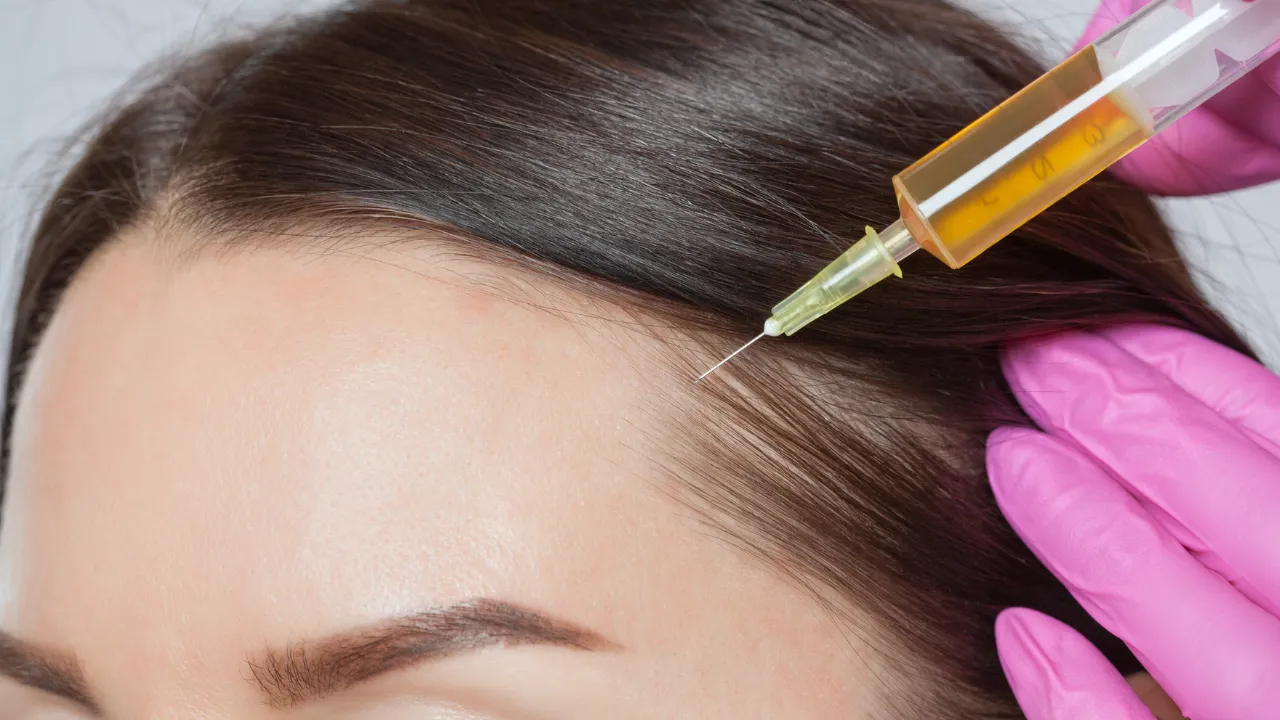
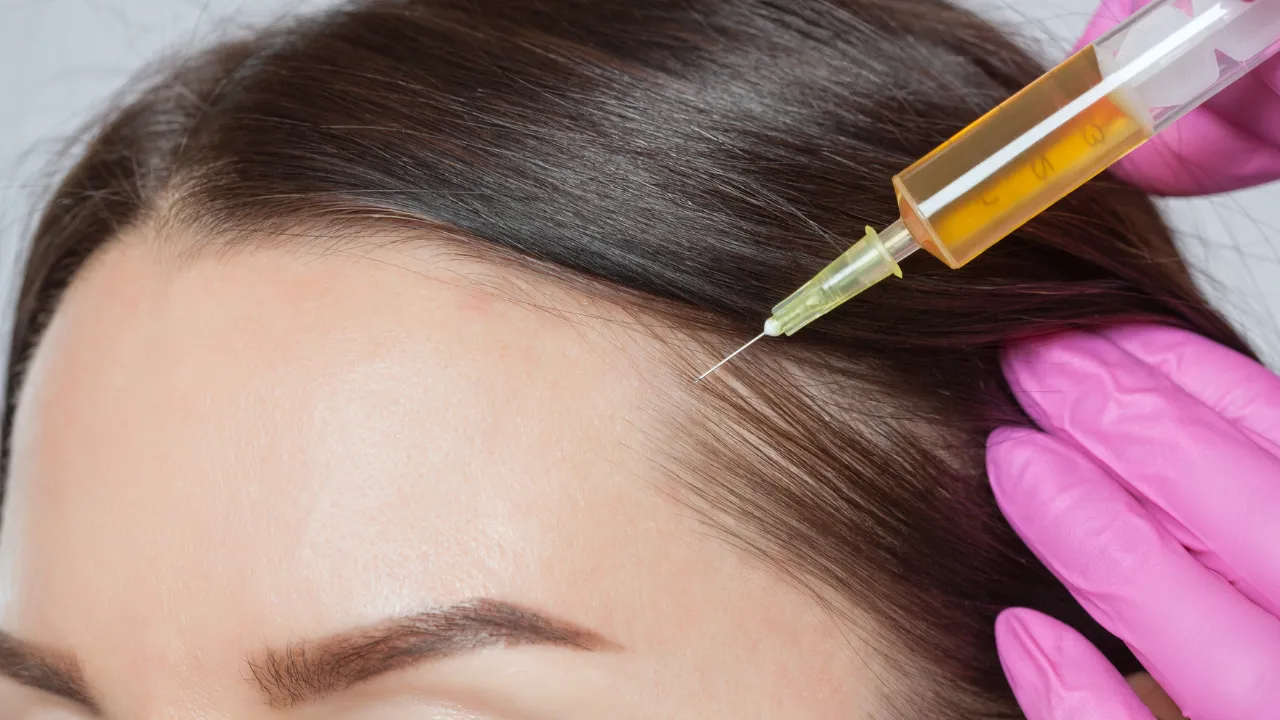
Mesotherapy involves delivering medication directly into the scalp via microneedling or microinjections. This allows for targeted follicular exposure while minimizing systemic absorption.
In my experience, mesotherapy provides more consistent and predictable results than PRP because the medication concentration is controlled. With PRP, platelet and growth factor levels vary widely between patients and even between treatment sessions.
Mesotherapy delivers a known quantity of active medication directly to the hair follicle. For patients who want a procedure based option without surgery, or for those who cannot tolerate systemic medications, this approach can be extremely effective.
Saw Palmetto: My Favorite Natural DHT Blocker
Saw palmetto is a plant based compound that functions as a mild natural DHT inhibitor. While it is not as potent as finasteride or dutasteride, it still plays a role.
I often recommend saw palmetto for patients who prefer a more natural approach, for those who cannot tolerate prescription medications, or as a supportive therapy layered into a comprehensive plan.
It is important to be realistic. Saw palmetto alone is unlikely to reverse advanced hair loss. However, it can slow thinning, reduce DHT signaling at the follicle level, and complement medical therapies when used appropriately.
Putting It All Together: Hair Growth Is a Strategy
The most common mistake I see is the search for a single solution. Hair loss does not work that way, and neither does hair growth.
The most successful plans combine growth stimulation through minoxidil, hormonal protection through finasteride, dutasteride, or spironolactone, targeted delivery when appropriate through mesotherapy, and supportive adjuncts like saw palmetto.
Every patient is different, and not everyone needs every treatment. What matters is having a coherent, evidence based strategy.
Hair growth is slow. It requires patience, consistency, and realistic expectations. When patients understand the biology and commit to a plan that actually addresses it, the results can be meaningful and long lasting.
That is why I always tell my patients that the more you know, the better.