
Table of Contents
ToggleAt Kopelman Hair, we often see patients concerned about the link between alopecia and skin rash. Understanding how these conditions overlap helps guide accurate diagnosis and effective treatment. This article explains the key causes, symptoms, and care options for those experiencing alopecia with skin rash.
Key Takeaways
- Alopecia and skin rash can appear together due to autoimmune conditions, allergies, or nutritional deficiencies.
- Identifying the type of hair loss and associated skin symptoms is key to accurate diagnosis and effective treatment.
- Hair regrowth often begins within 8 to 12 weeks when the underlying cause is properly addressed.
- Dr. Kopelman provides personalized care using advanced diagnostics to treat both hair and skin issues comprehensively.
- Daily scalp care and trigger management can help reduce flare-ups and support long-term hair and skin health.
Causes and Connections
Can allergies cause alopecia with skin rash?
Yes. Allergic reactions to hair products or food allergies may lead to scalp inflammation, which can result in hair loss. These reactions can damage the hair follicle, resulting in alopecia with skin symptoms. If symptoms follow a change in diet or product use, allergies could be the trigger.
What role does autoimmune disorder play?
An autoimmune disorder causes the immune system to attack healthy cells. In alopecia areata, this results in sudden patchy hair loss. Other autoimmune diseases like lupus and psoriasis may also affect the scalp and skin, creating overlapping symptoms.
Types of alopecia and what they affect
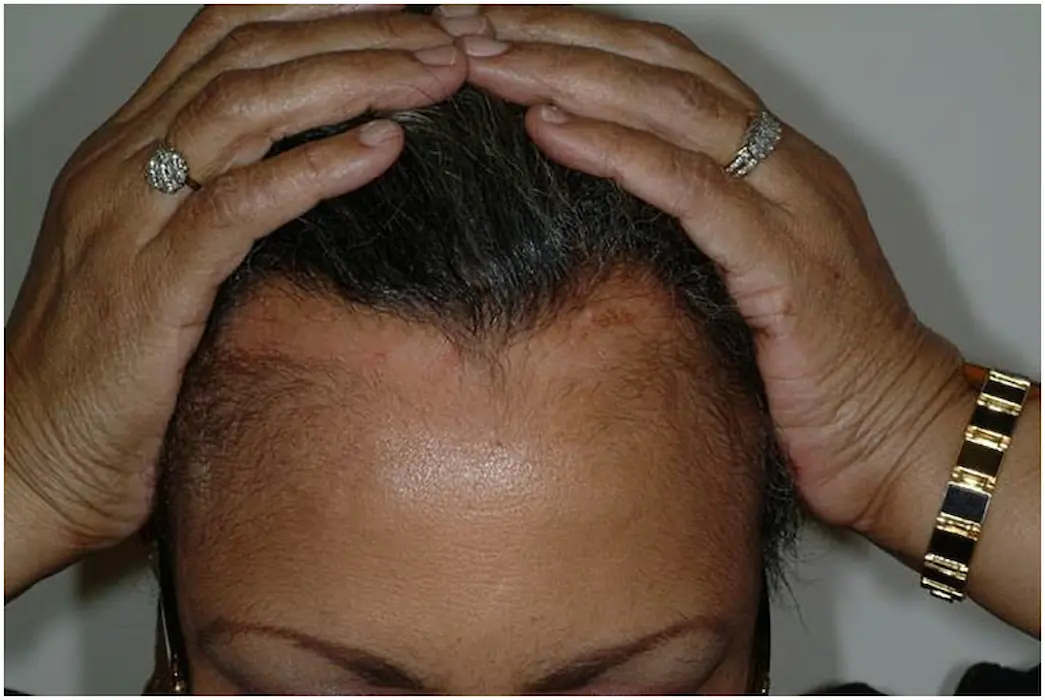
Alopecia areata usually appears as round bald patches. Androgenetic alopecia is common in both men and women, known as male or female pattern baldness. Traction alopecia results from tension and may involve redness. Some types can lead to permanent hair loss if not treated early.
What else can cause both symptoms?
Some systemic conditions are known to cause both rashes and hair loss:
- Lupus erythematosus
- Thyroid disorders
- Psoriasis or seborrheic dermatitis
These conditions require evaluation to confirm the cause and begin the right care plan.
Can deficiencies be involved?
Low levels of zinc, biotin, or B vitamins can damage both skin and hair. Deficiency-related causes of hair loss include thinning, dry skin, or scaly patches. Blood tests can help confirm the issue and guide supplementation.
Signs and Symptoms
What do alopecia spots look like?
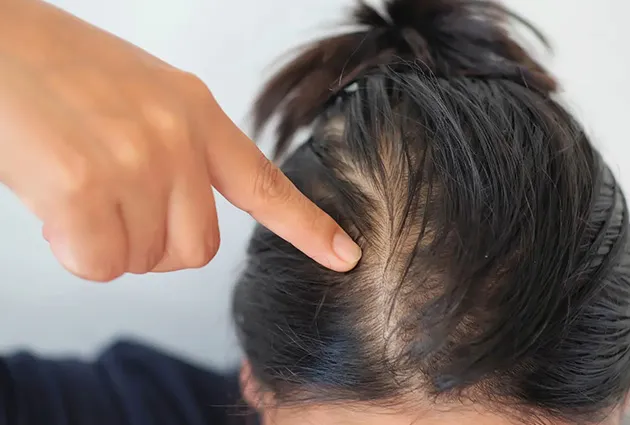
They’re usually smooth, round, and hairless, with no redness. Unlike rashes, alopecia doesn’t usually itch or hurt. This distinction helps doctors make a clear diagnosis.
What if both appear at once?
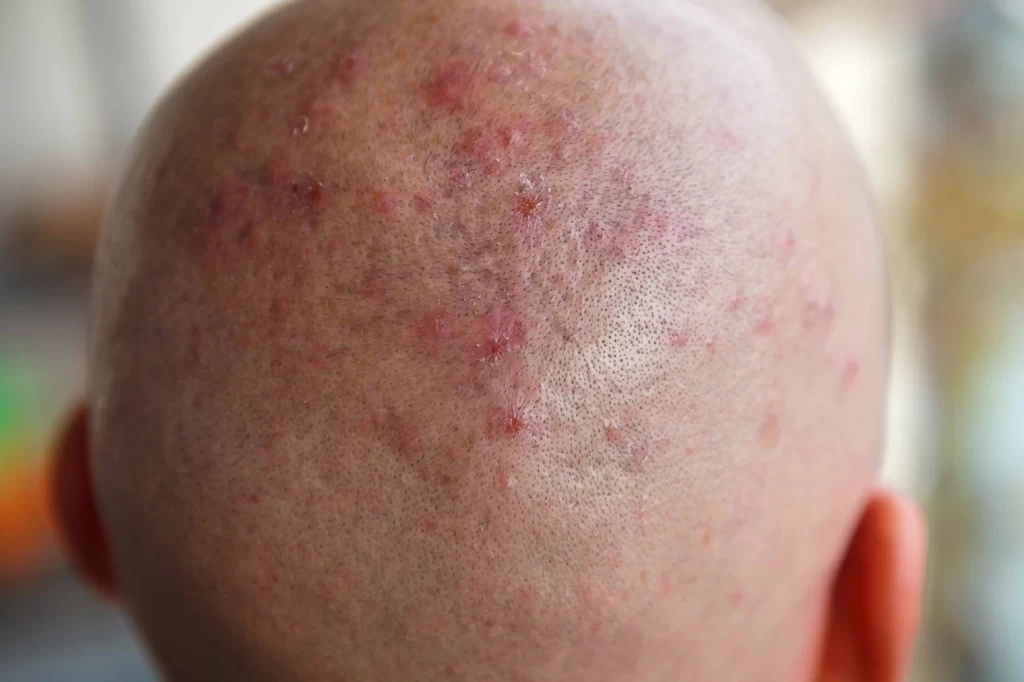
Experiencing hair loss and skin rash at the same time may signal autoimmune activity or allergic reactions. Early medical advice helps address both symptoms before they progress.
How does hair regrowth start?
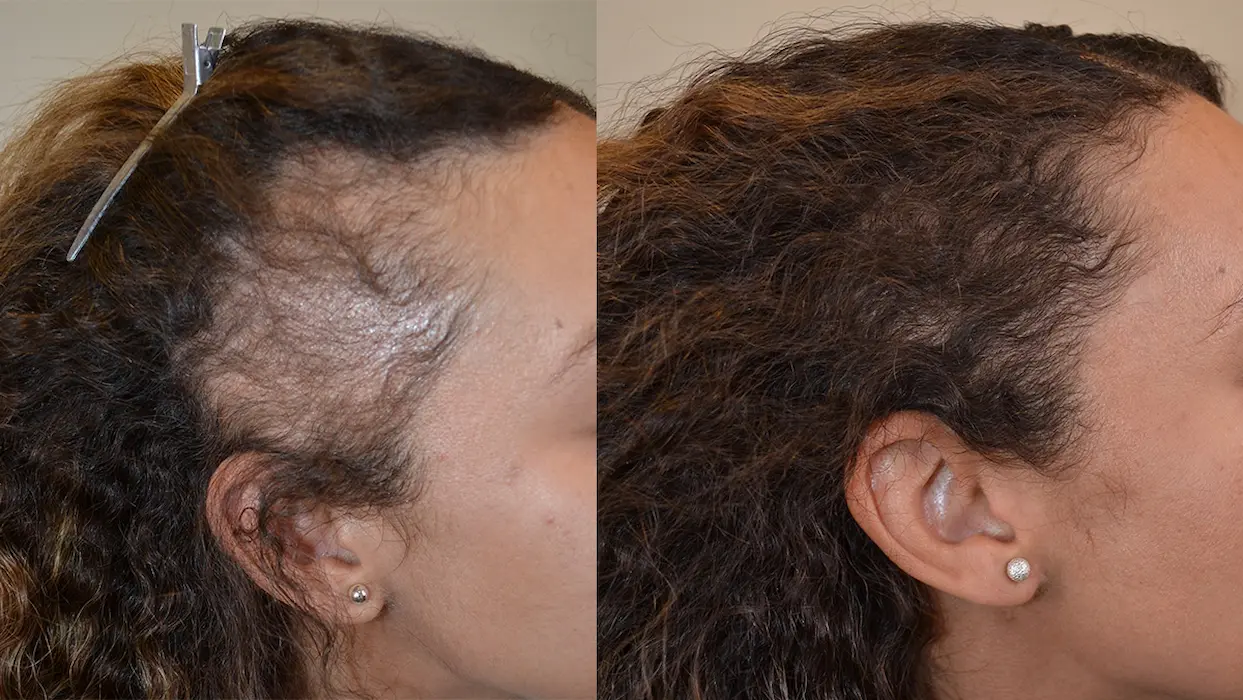
Regrowth begins with fine, pale hairs that thicken over time. This often happens within 8 to 12 weeks of treatment. Dr. Kopelman uses imaging tools to track recovery and adjust treatment if needed.
How to Tell If It’s Alopecia or a Skin Condition
Understanding the difference is key:
When in doubt, a scalp exam can clarify whether the root issue is hair-related or skin-driven.
Diagnosis and Evaluation
When should you see a doctor?
If hair loss and rash are sudden or worsening, consult a specialist. Early evaluation allows for accurate diagnosis and treatment before the condition spreads or leads to lasting damage.
What tests are done?
Standard tests include blood work, scalp biopsies, and a physical exam. These help doctors diagnose and treat autoimmune, allergic, or deficiency-based causes. Your history and lifestyle factors also guide the assessment.
What concerns do patients often raise?
- Will the hair grow back?
- Is it permanent?
- Is it contagious?
Most cases are reversible if caught early. Kopelman Hair addresses these questions directly in every consultation.
Treatment and Management
What medications are used?
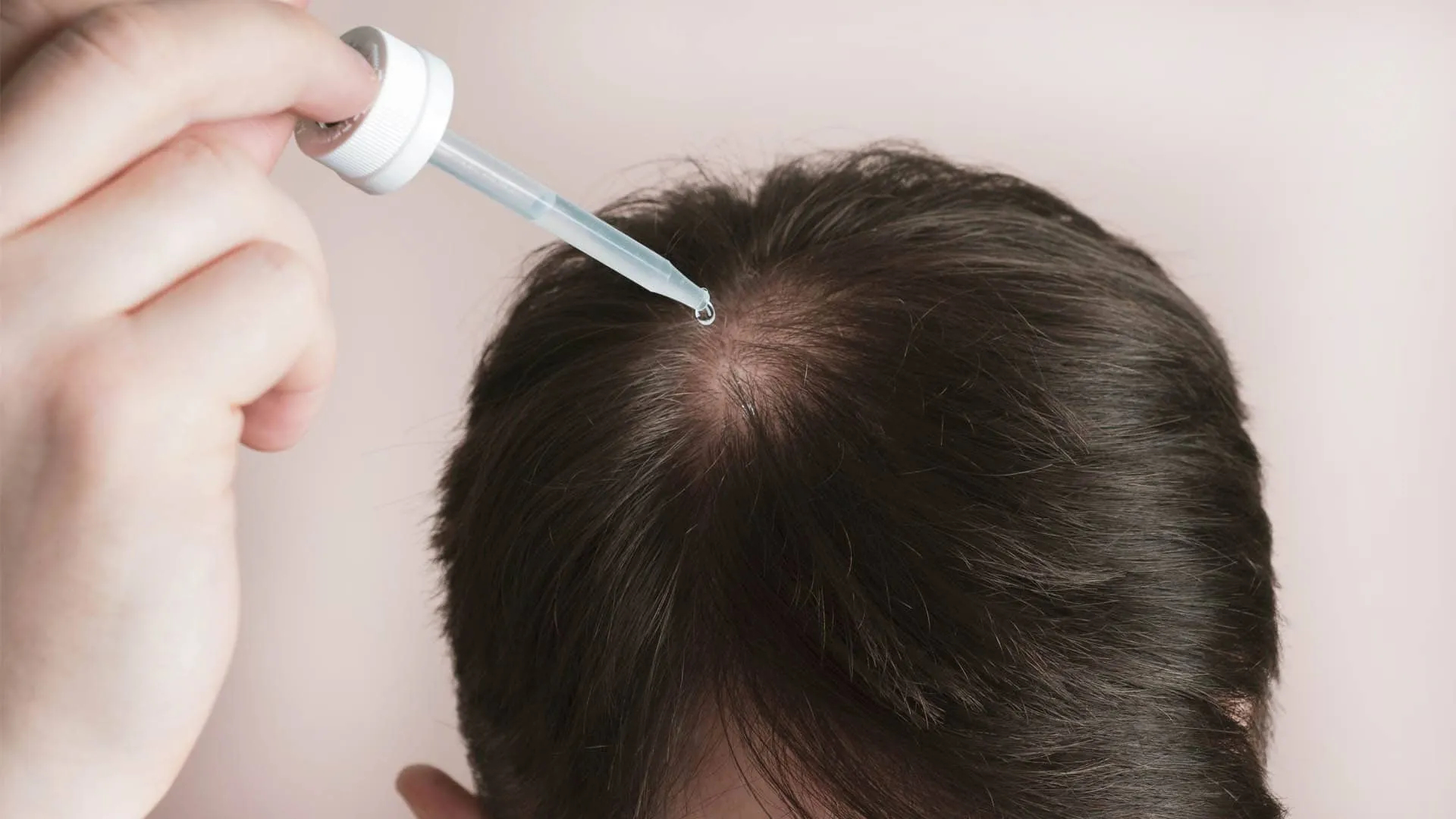
Topical steroids, antifungal creams, or immunotherapy are commonly prescribed. In some cases, oral treatments are necessary. Doctors will discuss potential side effects based on the specific diagnosis.
How are autoimmune or allergic cases managed?
Autoimmune flare-ups are treated with immune-modulating drugs. Allergic triggers are identified and removed. Supportive medications help relieve discomfort and restore scalp balance.
What are the treatment options for hair and skin?
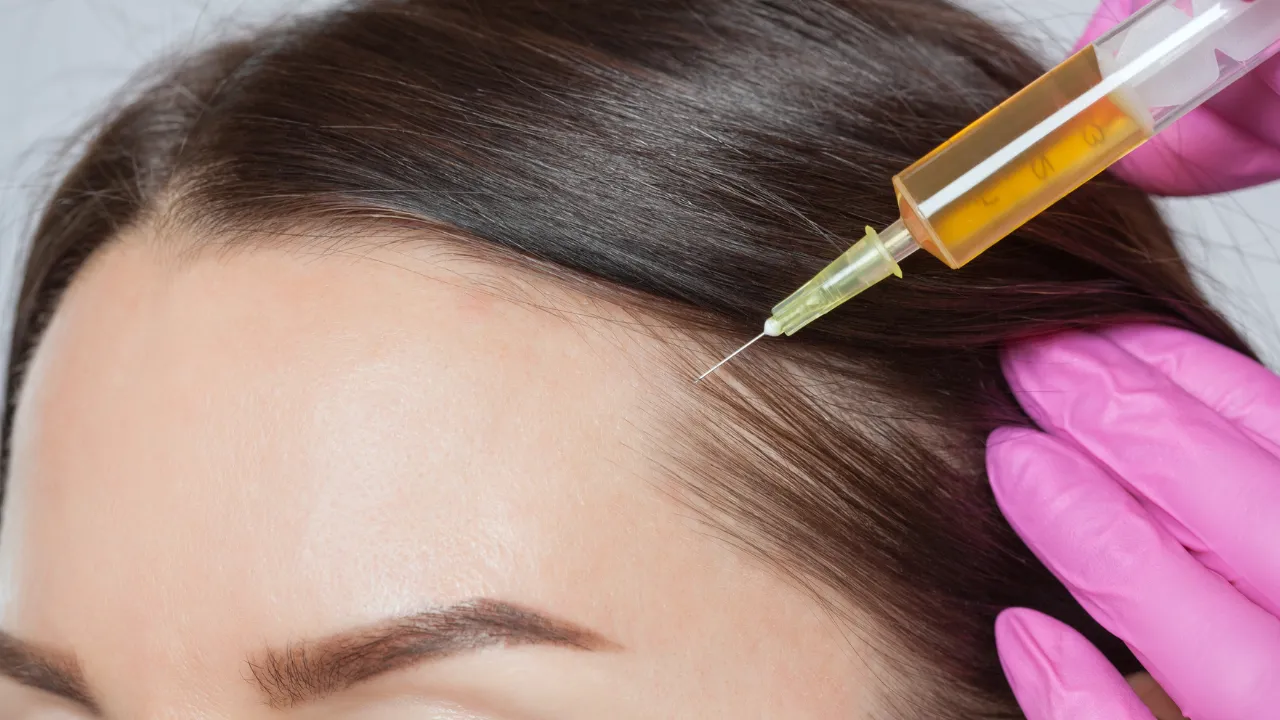
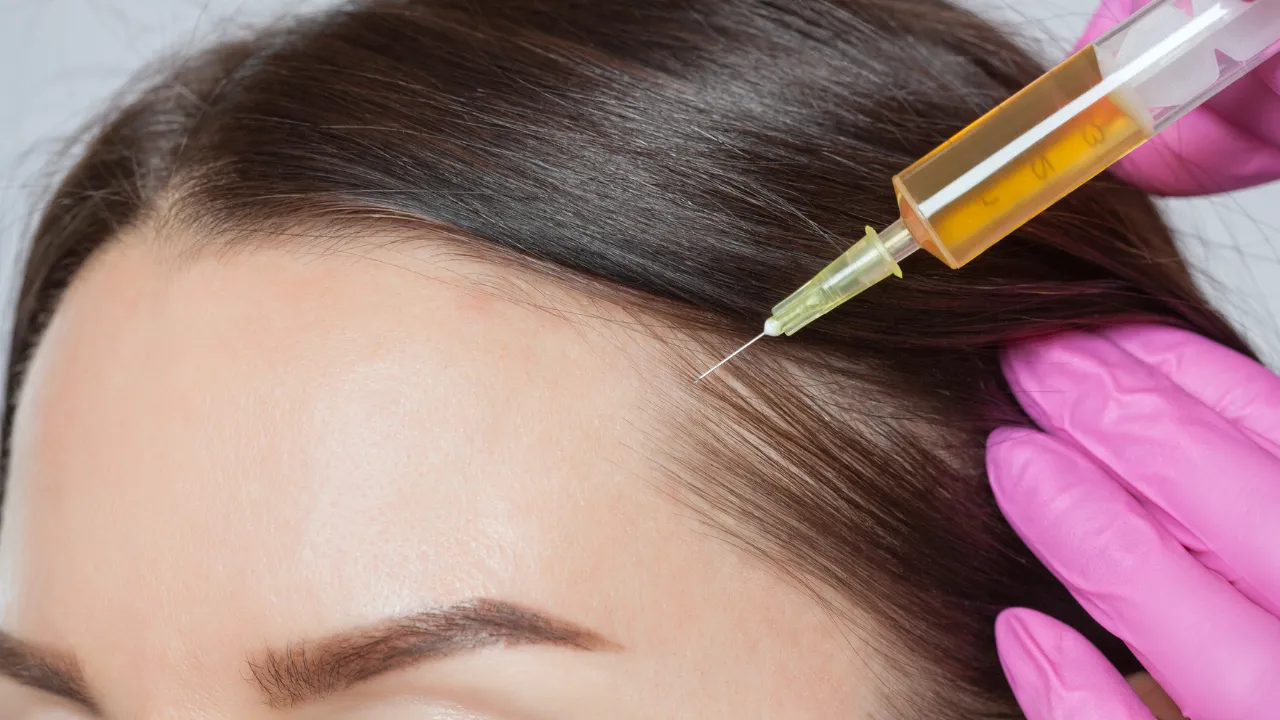
Kopelman Hair offers various treatment options depending on the cause—ranging from supplements and topical therapy to immune-based medications and cosmetic procedures. Your treatment is tailored to both symptom type and severity.
What helps at home?
Supplements like biotin or zinc can support recovery. Fragrance-free shampoos and barrier creams protect the scalp. Proper care supports the natural hair growth cycle and reduces flare-ups.
How Kopelman Hair Can Help
Our treatment approach
Dr. Kopelman takes a clinical approach to diagnose and treat hair and skin symptoms. Plans are based on your personal history, test results, and type of alopecia. In some cases, a hair transplant may be an option if follicle damage is irreversible.
Supporting long-term health
We help you build a lasting plan, including checkups and care routines. The goal is not only to treat symptoms but also to prevent recurrence. Lifestyle adjustments, maintenance care, and medical support all play a role.
If you’re experiencing alopecia and a skin rash, don’t wait for symptoms to get worse. Schedule a consultation with Dr. Kopelman today to get a personalized evaluation and expert treatment plan. At Kopelman Hair, we’re committed to helping you restore both your hair and confidence—with medical care you can trust.