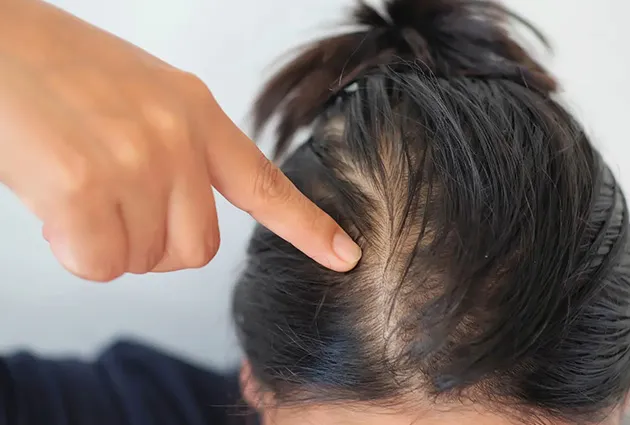

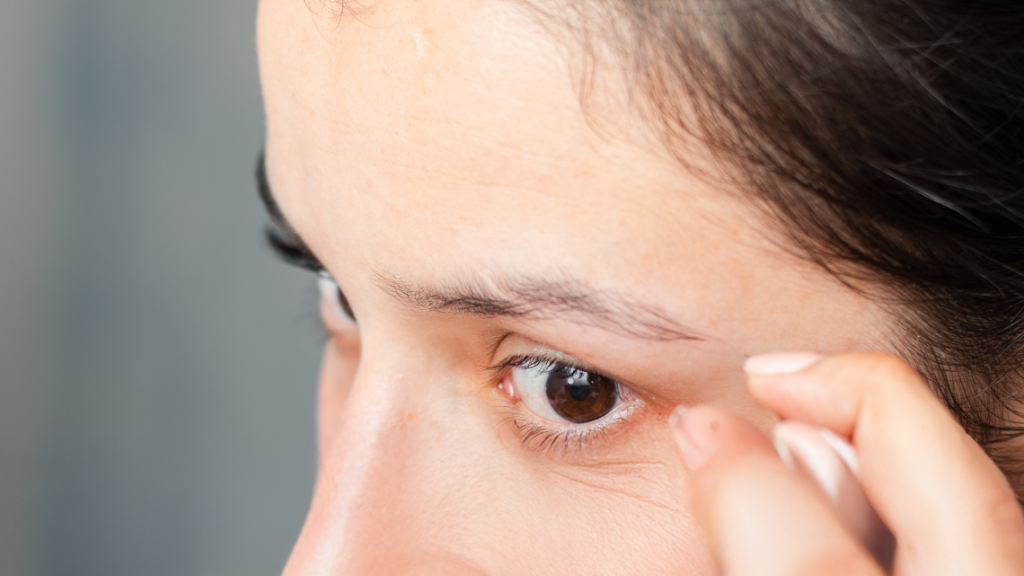
Eyebrow hair pulling is a behavior in which a person repeatedly removes eyebrow hair, either consciously or unconsciously, and can range from a mild habit to a diagnosable mental health condition. When the behavior is recurrent, difficult to control, and causes distress or hair loss, it may be linked to trichotillomania.
This article explains why eyebrow hair pulling occurs, how to recognize its symptoms, and the available treatment options.
Key Takeaways
- Eyebrow hair pulling can be a temporary habit or a medical condition, and understanding the difference helps guide proper care.
- Trichotillomania is a psychiatric disorder linked to anxiety disorders and obsessive-compulsive disorder (OCD), defined by repeated urges and loss of control.
- Hair regrowth depends on follicle health and the duration of pulling, with early intervention improving recovery.
- Treating trichotillomania focuses on behavioral therapy and medical evaluation when the behavior becomes distressing or persistent.
What Is Eyebrow Hair Pulling?
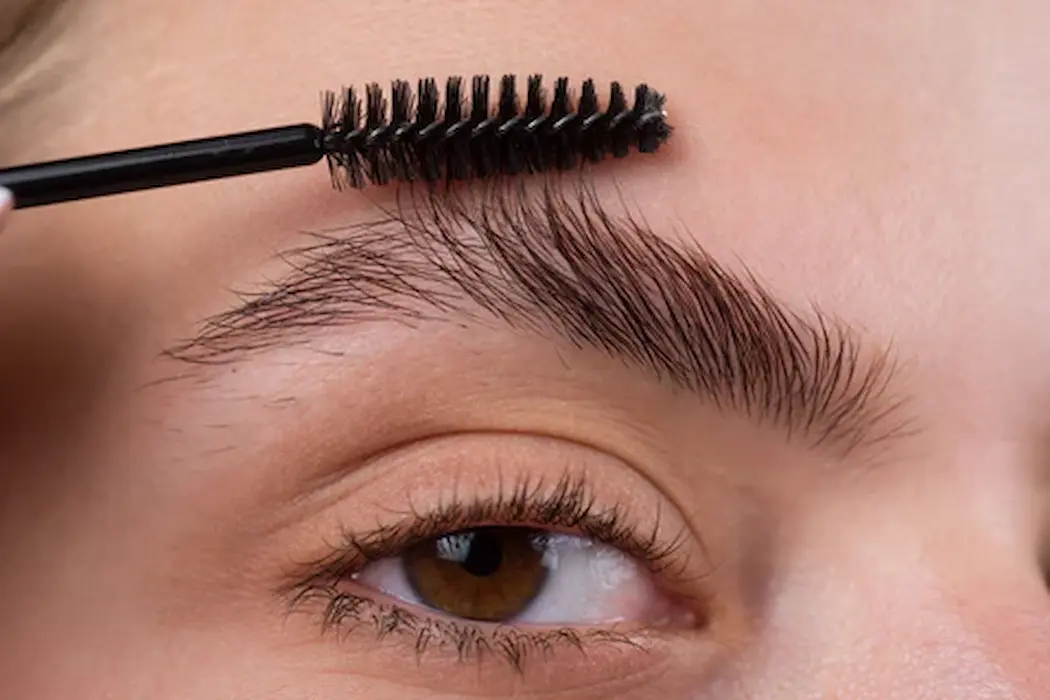
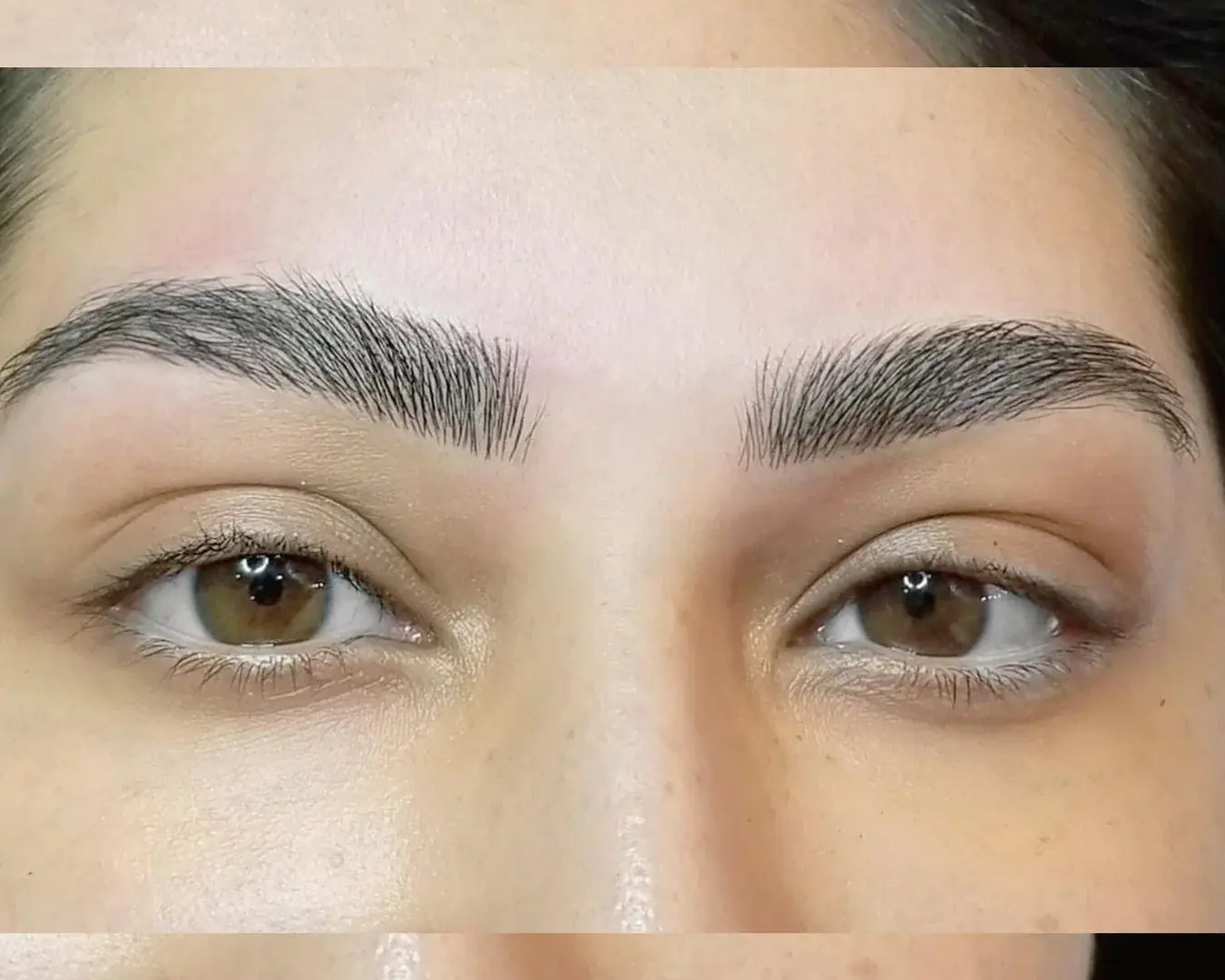
Eyebrow hair pulling involves repeatedly removing eyebrow hairs by hand or tools. Some people do this intentionally, while others do it without full awareness. Over time, this behavior can lead to eyebrow thinning, bald patches, or an uneven eyebrow shape. Severity varies between individuals.
This behavior is often grouped under body-focused repetitive behaviors, which include actions like skin picking or nail biting. These behaviors commonly involve an increasing sense of tension before the action and relief afterward. Not all cases are tied to underlying medical conditions.
Is it trichotillomania or a habit?
Not all eyebrow hair pulling is trichotillomania. A habit usually occurs in certain situations and stops when the trigger ends. Trichotillomania involves repeated urges, loss of control, and distress. Medical evaluation helps tell the difference. It is treated as a health condition, not a personal failing.
Is Trichotillomania a Mental Health Condition?
Trichotillomania is classified as a mental health condition and a psychiatric disorder related to obsessive-compulsive disorder (OCD). It involves repeated urges to pull hair from the eyebrows, scalp, or eyelashes. The behavior continues even when a person wants to stop.
This condition is often associated with anxiety disorder patterns and is recognized by the American psychiatric community. Diagnostic criteria focus on behavior patterns rather than hair loss alone. Professional evaluation supports accurate diagnosis and safe care.
Why is it considered a hair-pulling disorder?
It’s considered a disorder because the behavior is repetitive and difficult to control. Pulling often leads to visible hair loss and emotional discomfort. Some people avoid social situations due to changes in appearance. Diagnosis focuses on behavior patterns rather than cosmetic results.
The term trichotillomania is used in clinical settings to describe this condition. It emphasizes the behavioral nature of the disorder and helps guide treatment.
Why People Pull Out Eyebrow Hair
People pull out eyebrow hair for many reasons, and no single cause explains every case. Emotional stress, habits, and sensory feedback all play a role. Many describe a repeated cycle during stress or quiet moments.
Pulling eyebrow hair when stressed
Stress is a common trigger. Pulling can feel calming during anxiety or overwhelm. Over time, the brain links stress relief with the behavior.
Why does pulling hair feel good?
Some people feel brief relief after pulling their hair. This response is linked to short-term changes in brain chemistry. The relief reinforces the behavior.
Emotional and behavioral triggers
Triggers may include boredom, fatigue, frustration, or focused tasks. Certain routines can increase urges. Identifying triggers is an essential step in treating trichotillomania.
What deficiency causes trichotillomania?
No nutrient deficiency directly causes trichotillomania. Research on iron, zinc, and vitamin D remains inconclusive. In some cases, people with trichotillomania may swallow hair, which can affect the digestive tract and require medical care.
Eyebrow Hair Pulling Symptoms
Symptoms include physical changes and behavioral signs. Uneven or missing eyebrow hair is common. Some people develop bald patches that worsen over time.
The symptoms of trichotillomania may also include repeated urges, difficulty resisting pulling, and emotional relief afterward. Many people report an increasing sense of tension before pulling begins.
In some cases, repeated pulling or picking can lead to skin damage or an eyebrow scar, affecting the appearance of the area.
Thinning, gaps, and hair loss patterns
Hair loss often appears in uneven patches. The skin may look normal or mildly irritated. Long-term pulling increases the risk of lasting hair loss.
Eyebrow picking behaviors
Some people repeatedly rub or inspect their eyebrows. This may occur with or without pulling hair. Picking can irritate the skin and delay healing.
Why Eyebrow Hair Pulls Out Easily
Eyebrow hair has a shorter growth cycle than scalp hair. It produces fewer strands and is easier to damage. Repeated pulling weakens follicles over time.
Damage from repeated pulling
Repeated trauma damages follicle structure. Early damage may recover, while long-term damage reduces regrowth.
Eyebrow Hair Pulling in Adults
Eyebrow hair-pulling affects both children and adults. In adults, patterns often last longer. This can increase emotional impact and make changes harder to hide.
Eyebrow Hair Pulling Treatment Options
Treatment depends on severity and individual needs. Most plans focus on reducing pulling behavior and protecting hair follicles. Medical guidance supports safe care.
How to fix trichotillomania eyebrows
Behavioral therapy is often the first step. Habit reversal training helps replace pulling with safer actions. Cognitive-behavioral therapy (CBT) is also used to address thought patterns associated with pulling. These approaches are central to treating trichotillomania.
Therapy, medication, and support
Some people benefit from medication for anxiety or compulsive urges. Support groups reduce isolation. Clinical experience shared by Dr. Kopelman shows care works best when behavioral and medical needs align.

How Doctors Evaluate Eyebrow Hair Pulling
Doctors review behavioral patterns, areas of hair loss, and skin health. They also assess stress levels and mental health history. This helps rule out other medical conditions.
Common factors evaluated include:
- Frequency of pulling
- Difficulty resisting urges
- Emotional relief after pulling
- Hair loss and regrowth patterns
- Impact on daily life
Can Eyebrow Hair Grow Back?
Regrowth depends on how long the pulling has occurred. Many people see improvement after stopping. Others see partial regrowth.
When regrowth is possible
If follicles remain healthy, hair may regrow over several months. Early care improves recovery chances. Some people also explore gentle care approaches or home remedies for eyebrow hair loss, though these should not replace medical evaluation.
When hair restoration may help
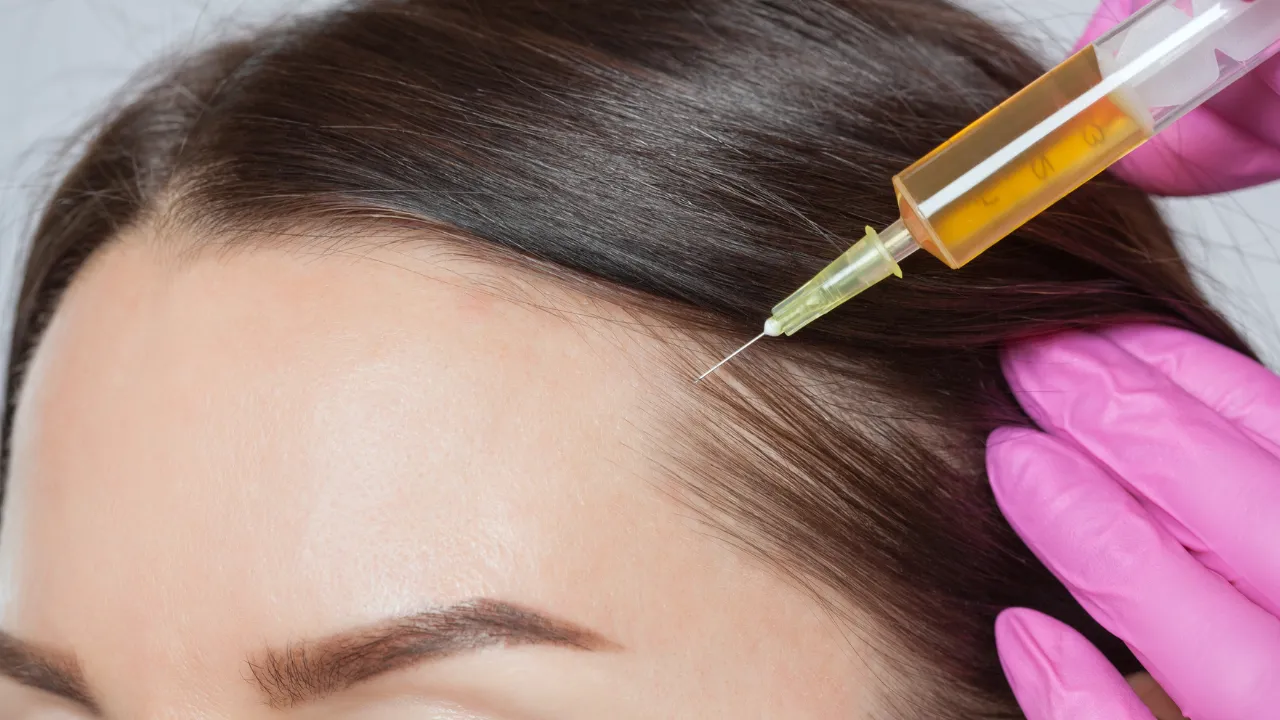
If follicles are damaged, regrowth may not occur naturally. Medical hair restoration may be considered after behavior stabilizes.
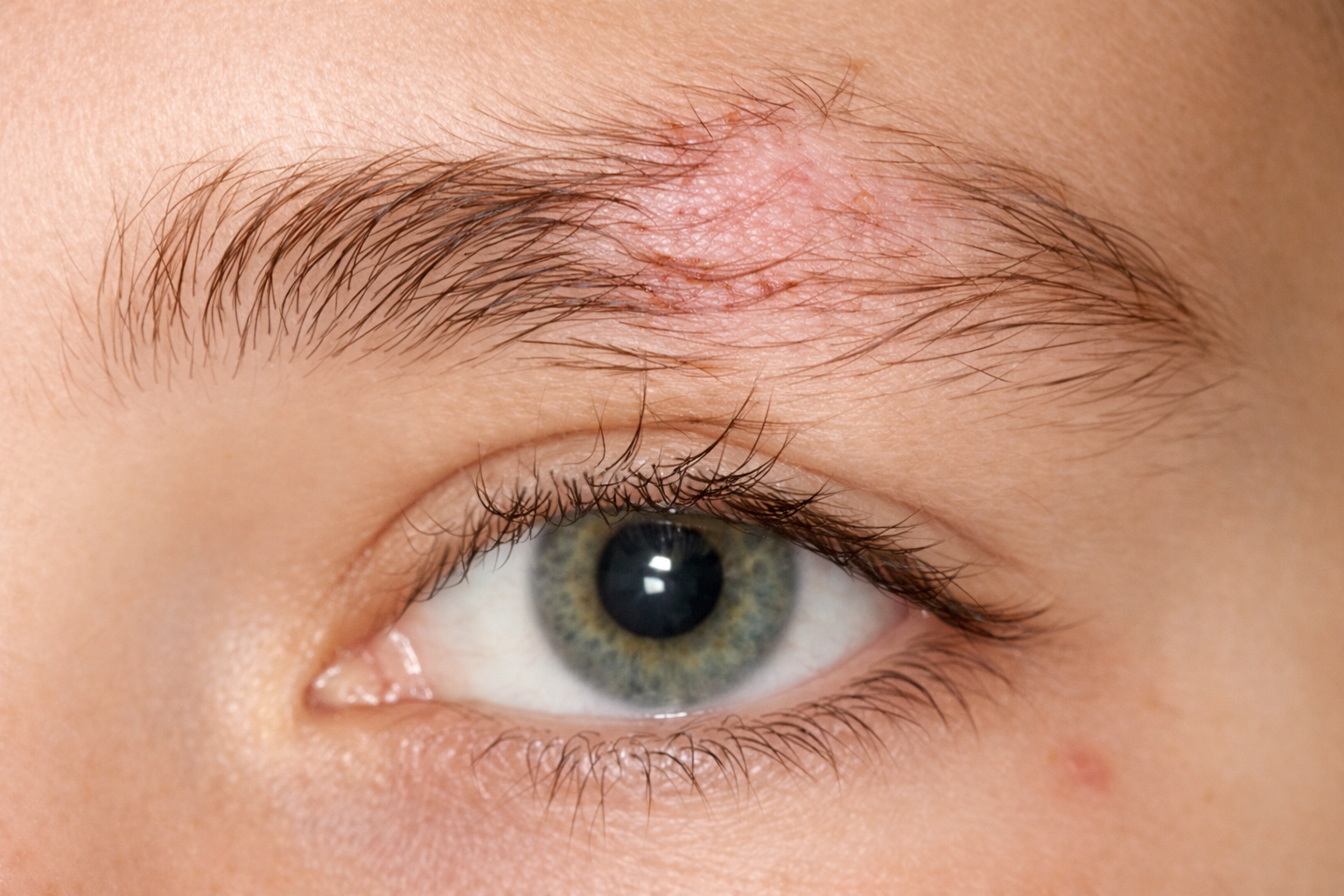
In these situations, an eyebrow transplant may be discussed as a cosmetic option once pulling behavior is under control. Evaluation is required.
When to Seek Professional Help
Professional help is advised when eyebrow hair pulling causes distress or loss of control. Mental health evaluation supports appropriate therapy. Medical assessment addresses hair and skin health. Early care improves long-term outcomes.
If eyebrow hair pulling is affecting your daily life, scheduling a consultation can help clarify next steps and available options, including evaluation for eyebrow transplant in NYC when appropriate.