

What Causes Hair Thinning on One Side?
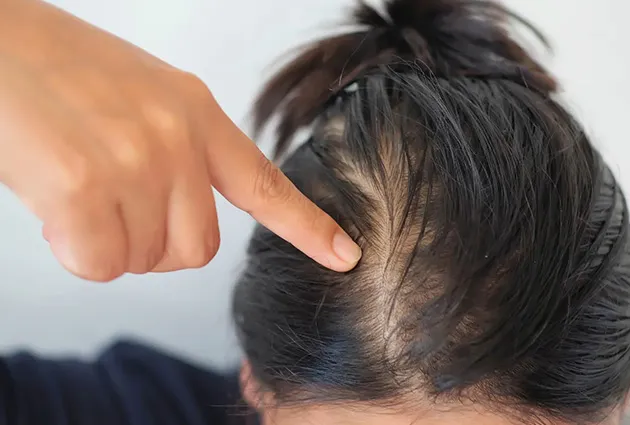
Causes can be medical or behavioral. Often, it’s not about why hair is falling out, but why it’s falling out unevenly.
Common causes include:
- Traction alopecia: Tension from tight ponytails, braids, or buns can pull more on one side. The hairline is often the first place it shows, and prolonged pulling can leave shiny skin where strands no longer grow back, according to AAD guidance on tight hairstyles.
- Sleeping position: Always resting on the same side adds pressure and friction to that part of the scalp. Research is limited, but it is a common pattern, and it can explain hair thinning on the right side of the head or the left, depending on the favored side.
- Styling tools and chemicals: Heat and chemical products used more on one side can cause damage.
- Alopecia areata: An autoimmune condition that targets specific areas and often begins as a round or oval bald patch, according to the AAD overview of alopecia areata.
- Scalp infections or injuries: Can lead to localized hair loss.
- Neurological or circulatory issues: Rarely, uneven thinning may signal nerve or blood flow problems.
Other possible causes:
- Scarring alopecia: Inflammation that destroys hair follicles, and the skin may look smooth or shiny.
- Hair shaft breakage: Heat or chemicals can mimic thinning.
- Tinea capitis: A fungal scalp infection seen more in children. It responds poorly to topical treatment alone and needs an oral antifungal, as described in this tinea capitis case report.
In women, thinning often occurs near the temples or part line, and hormones or stress can play a part. Styles like braids or extensions that pull can trigger traction alopecia.
Female pattern hair loss can also begin unevenly, although it mainly thins the top of the scalp and usually starts with a widening part, per the AAD’s guidance on hair loss in women.
In men, androgenetic alopecia can start unevenly, which can look like balding on one side before the other side catches up. Starting treatment early works better, before bald spots develop.
One-sided loss often has a local cause, so it can respond well to early treatment. If you’re asking, “why is my hair thinning on one side?”, the cause often lies in habits or medical factors. If thinning appears suddenly or becomes visibly patchy, it’s time for an evaluation.
Hair Thinning on Sides of the Head: When Both Sides Are Affected
Thinning on both sides usually follows a pattern rather than a one-time trigger. Androgenetic alopecia is a common cause, often starting as recession at the temples. Telogen effluvium, a shedding phase set off by metabolic stress, hormonal changes, or medication, can also make the sides look thinner, as this StatPearls review of telogen effluvium explains.
In women, hair loss at sides often comes from female pattern hair loss or from menopause or postpartum shifts.
Marginal alopecia affects the edges of the hairline and includes traction alopecia and frontal fibrosing alopecia. The latter is a scarring condition that recedes the frontal or temporal hairline and usually takes the eyebrows too, per this frontal fibrosing alopecia review.
Sideburn thinning is worth watching because ponytails, braids, and tight headbands pull on that edge of the scalp. Smooth or shiny skin there can signal scarring alopecia, which needs prompt evaluation.
How to Diagnose the Root Cause
Correct diagnosis is key to selecting the right treatment, especially when density looks uneven.
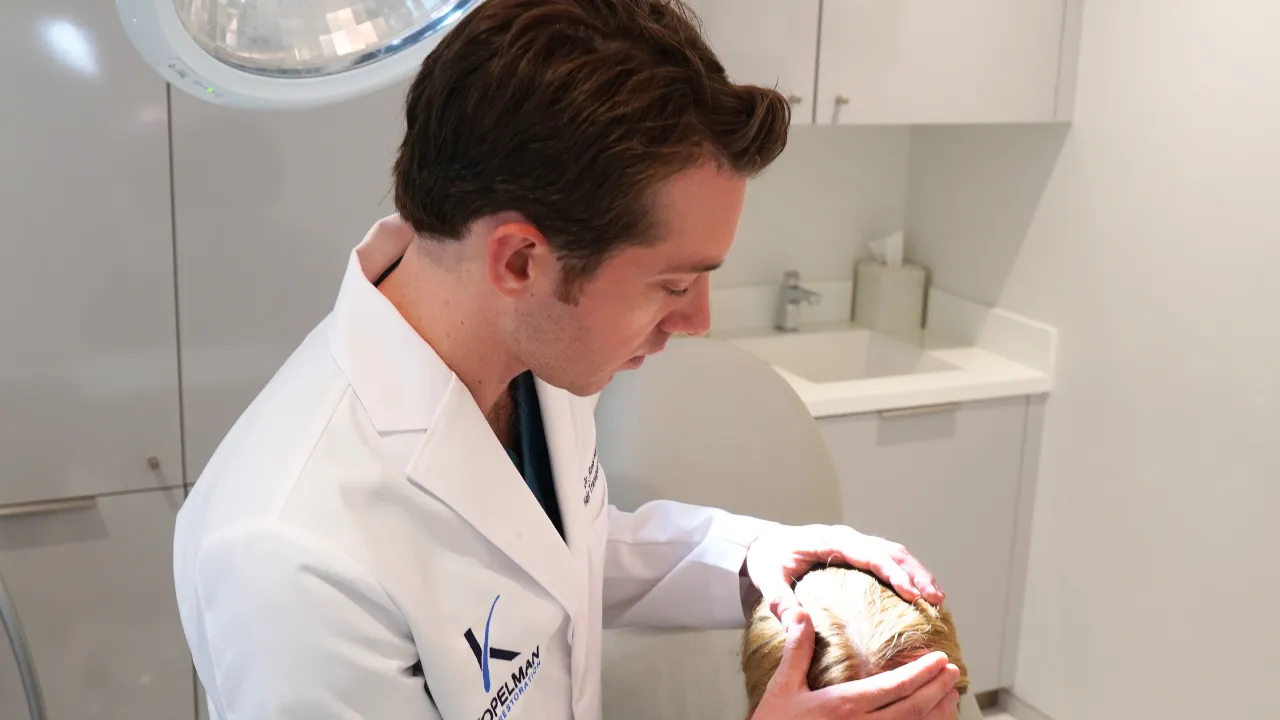
A scalp assessment at Kopelman Hair includes:
- Visual exam: Checks for irritation or pattern loss.
- Trichoscopy: Magnifies the scalp with a dermatoscope to assess follicle health.
- Medical history: Reviews conditions, medications, or stress.
- Blood tests: May uncover deficiencies or thyroid issues, including low iron or vitamin levels, per the AAD guide to diagnosing alopecia areata.
Consult a specialist if:
- Thinning progresses rapidly.
- You notice itching, redness, or pain.
- One area looks visibly thinner than the rest.
Dr. Kopelman advises early diagnosis to preserve follicles.
Is It Hair Loss or Natural Asymmetry?
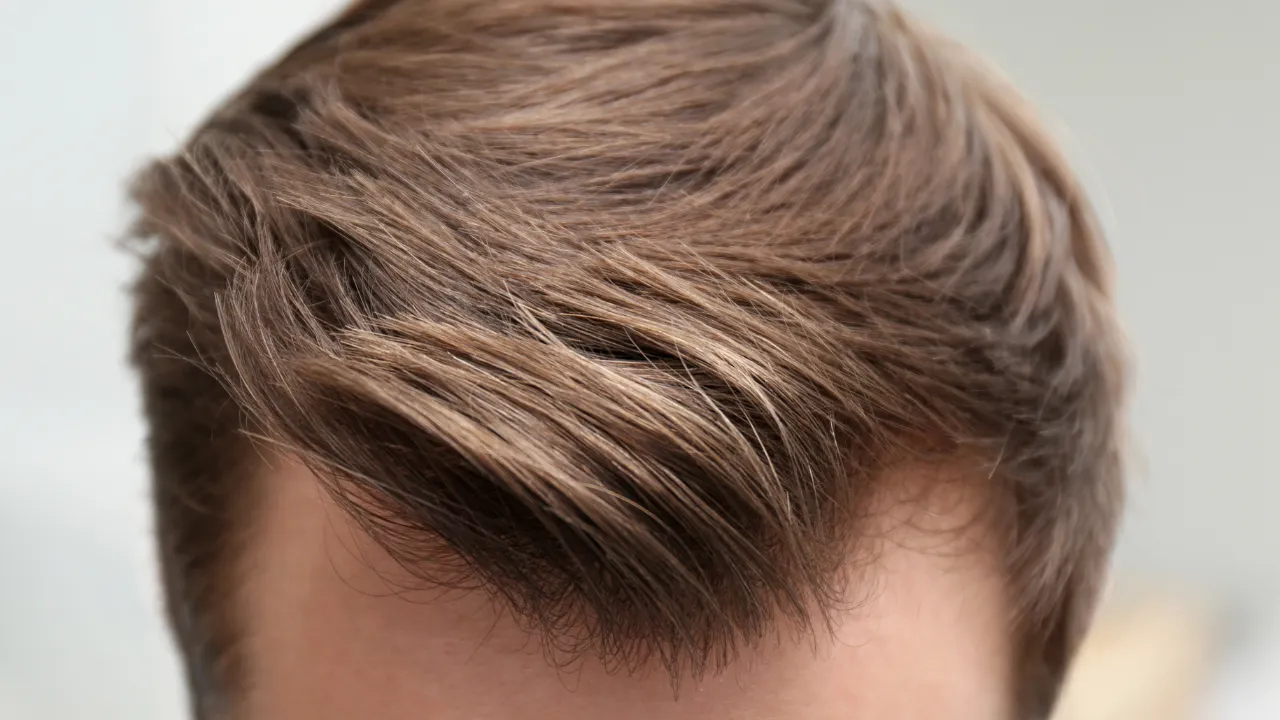
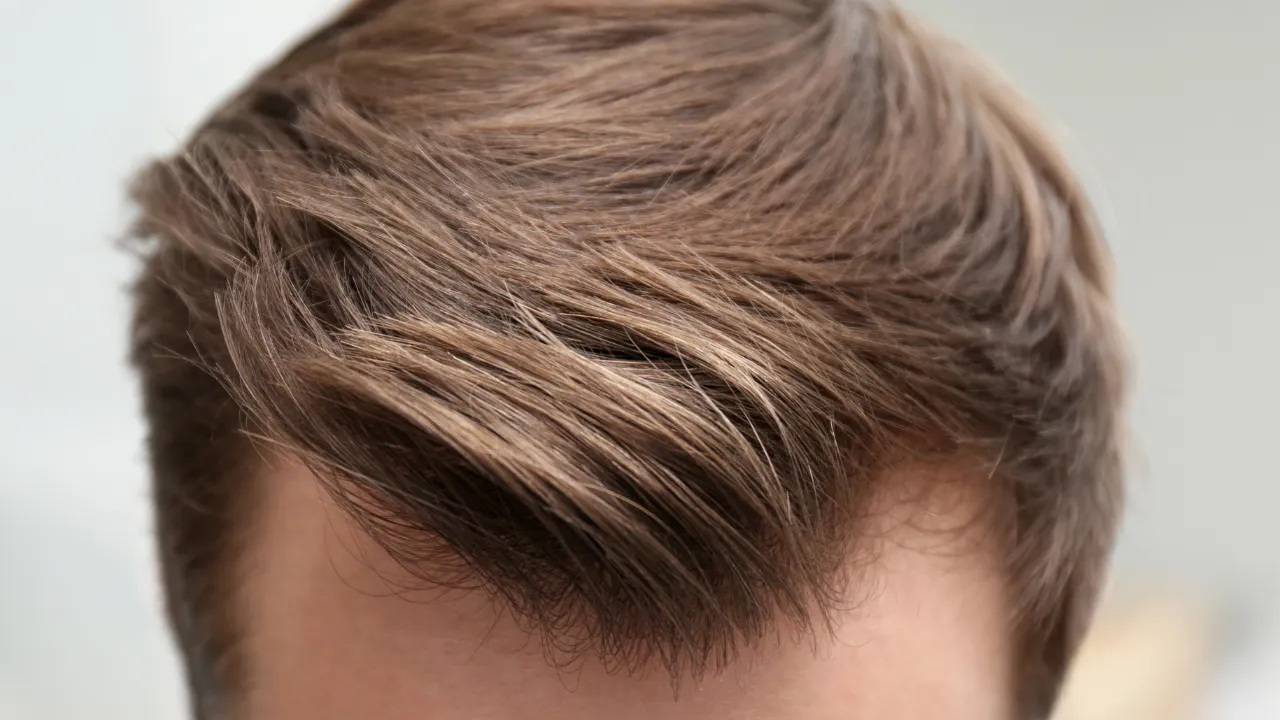
Many people ask why they have less hair on one side of the head, and the answer is not always hair loss. Most scalps are slightly uneven because of the part, cowlicks, and growth direction. Sleeping or combing the same way can make one side look flatter.
True thinning shows up as a wider part, more visible scalp, increased shedding, or a change that developed over weeks or months. Photos taken in the same light every few weeks make the difference easier to judge.
Hair Thinning on One Side: Treatment Options
Options range from habit changes to medical and surgical care:
Lifestyle and Behavioral Changes
These changes may prevent further loss:
- Switch sleeping positions regularly.
- Avoid tight hairstyles or try looser options.
- Use heat protectants and limit styling.
- Manage stress and avoid hair-pulling.
Topical and Medical Treatments
These aim to reduce inflammation and stimulate growth:
- Minoxidil (Rogaine): A topical treatment shown in clinical trials to reduce loss and stimulate growth. It can take up to 6 to 12 months to see results, per the AAD on male pattern hair loss treatment.
- Finasteride: For men with androgenetic alopecia, this FDA-approved prescription medication can be used alone or with minoxidil.
- Corticosteroids: Used for autoimmune-related hair loss, such as alopecia areata.
- Ketoconazole shampoo: Can ease flaking and surface scalp irritation. A fungal infection such as tinea capitis still needs an oral antifungal prescribed by a doctor.
Platelet-Rich Plasma (PRP) Therapy
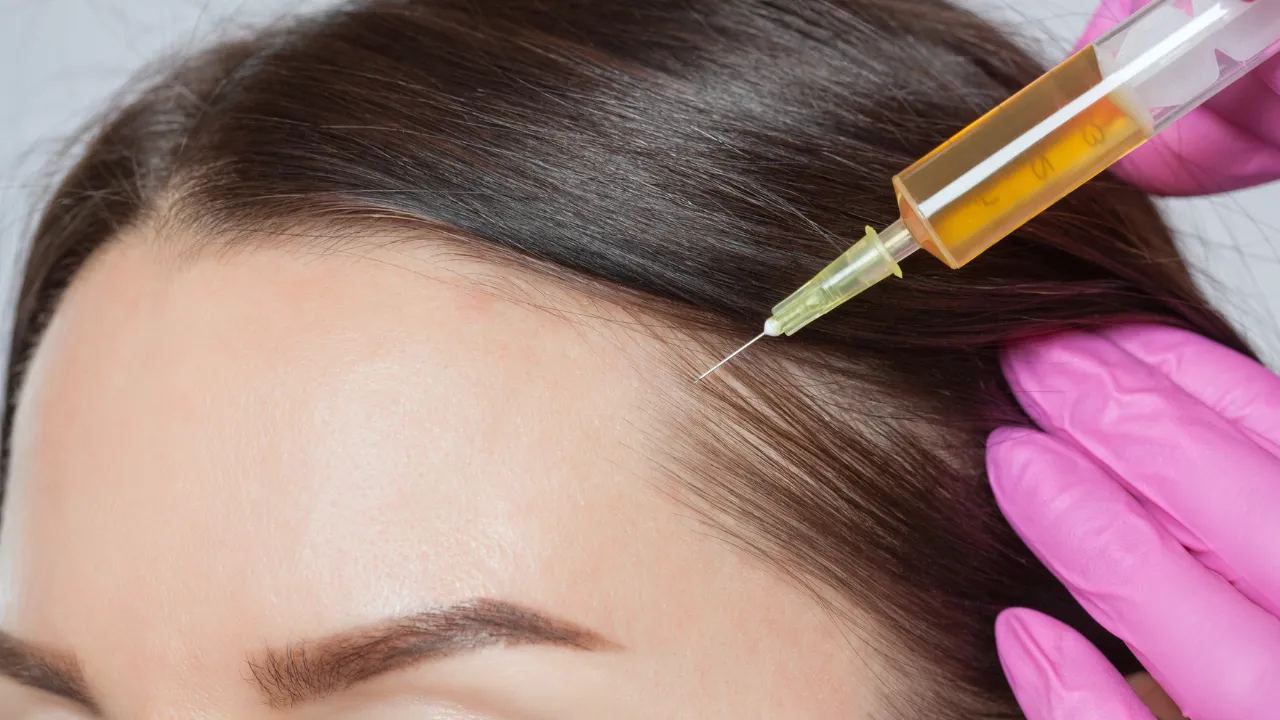
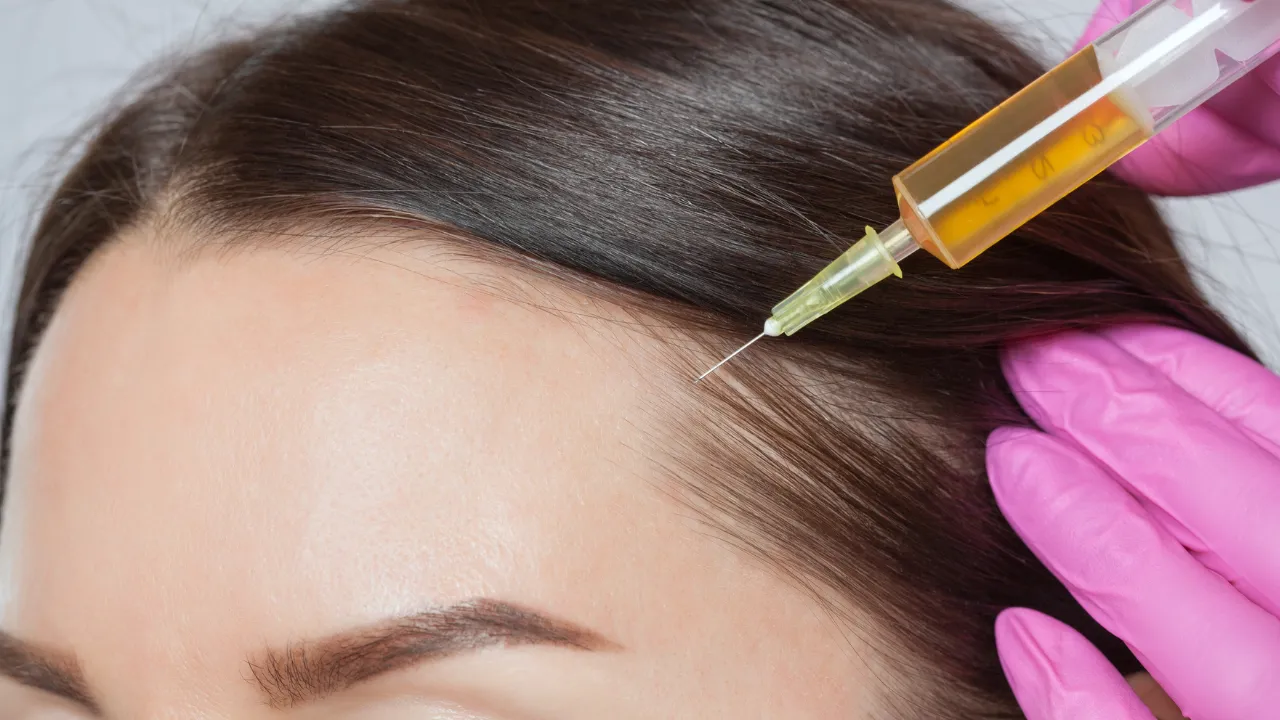
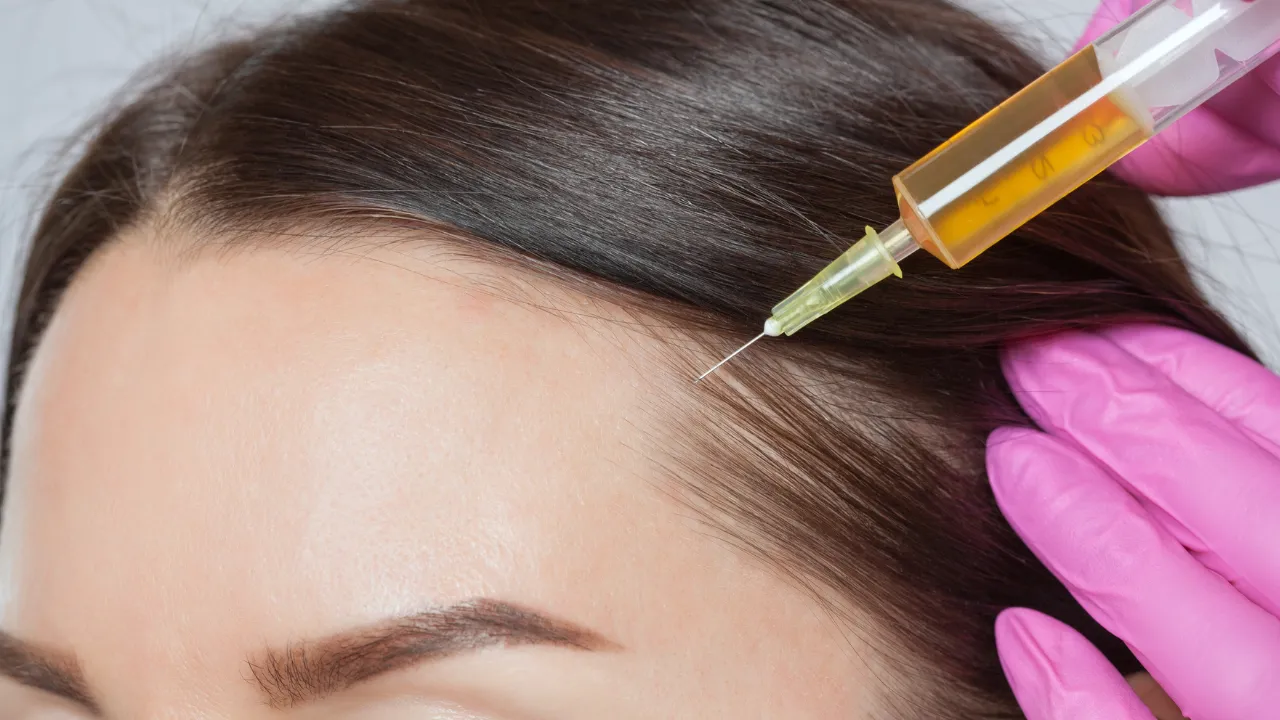
PRP uses your blood platelets to support follicle recovery. It’s often used for localized thinning. Its effectiveness is still being studied, and the FDA has not approved PRP for androgenetic alopecia, as this systematic review comparing PRP with topical minoxidil notes.
Hair Transplant Surgery
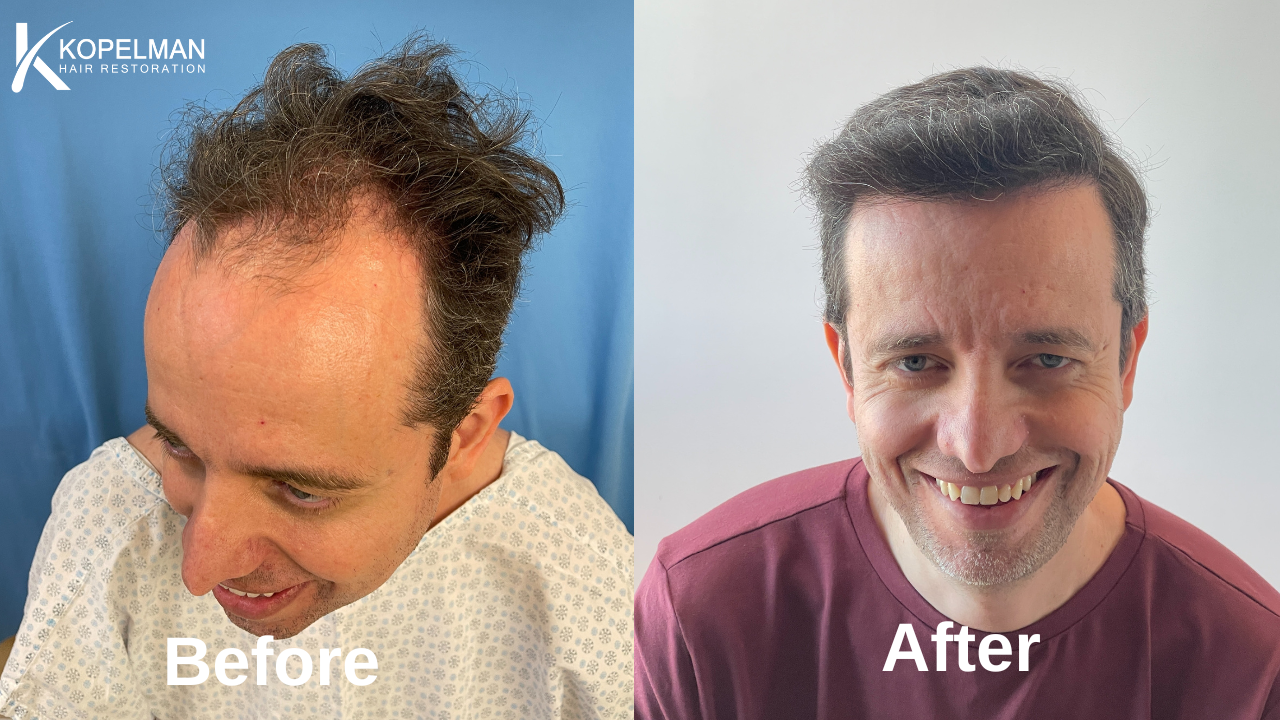
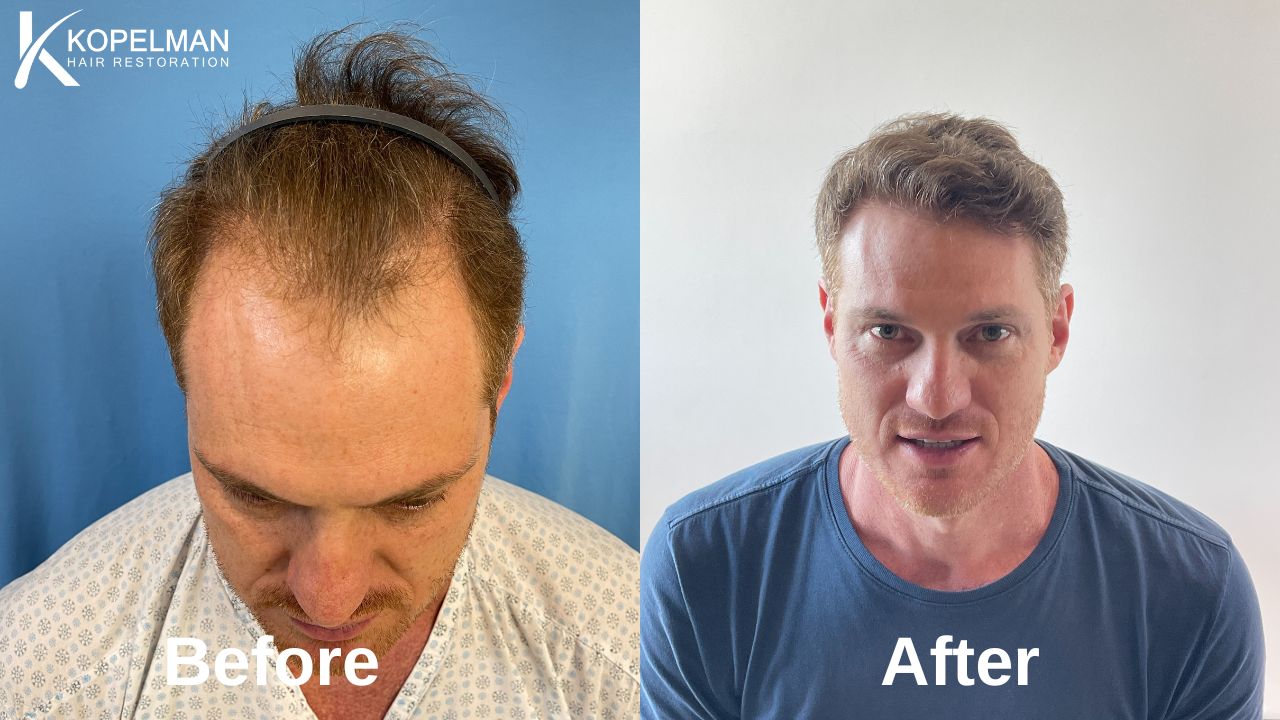
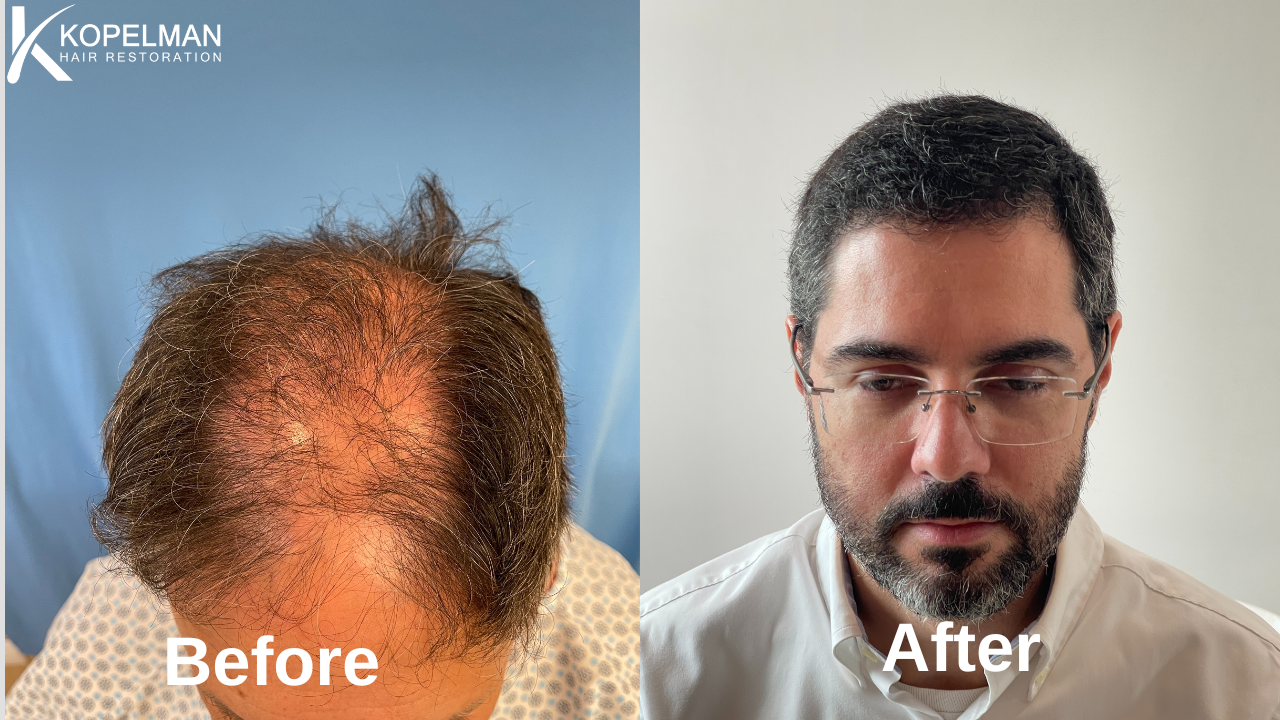
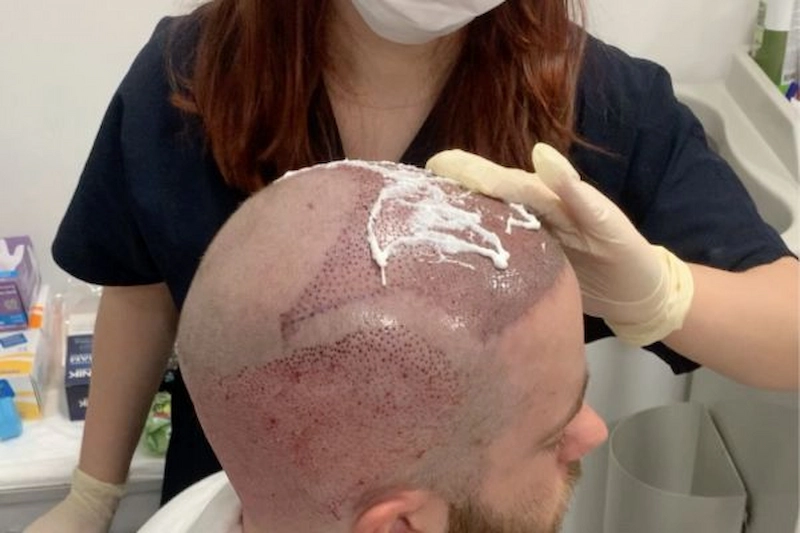
In permanent cases, transplant surgery may restore density. Dr. Kopelman uses microsurgery to achieve natural, balanced results.
Not every case needs surgery, and not every patient is a candidate. Pattern hair loss is the most common reason for transplant surgery, yet suitability is assessed case by case, as this review of hair transplant candidacy explains.
Not sure where to start?
Book a consultation with Dr. Kopelman for a personalized hair restoration plan.
What to Expect During and After Treatment
During treatment:
- Some initial shedding from minoxidil is normal; these minoxidil before-and-after results show what regrowth looks like.
- PRP involves multiple sessions.
- Transplants need about a week of initial healing, and this hair transplant recovery timeline shows what comes after.
After treatment:
- Early regrowth often appears over 3 to 6 months, and full results take longer.
- Regrowth on the thinner side may take longer to even out.
Kopelman Hair focuses on visual symmetry.
How to Prevent Thinning from Worsening
- Change your part and avoid high-tension styles.
- Try a satin or silk pillowcase to reduce friction.
- Limit heat tools and harsh brushing.
- Watch for irritation or inflammation.
- Avoid tight headwear.
- Get evaluated if thinning persists beyond three months.