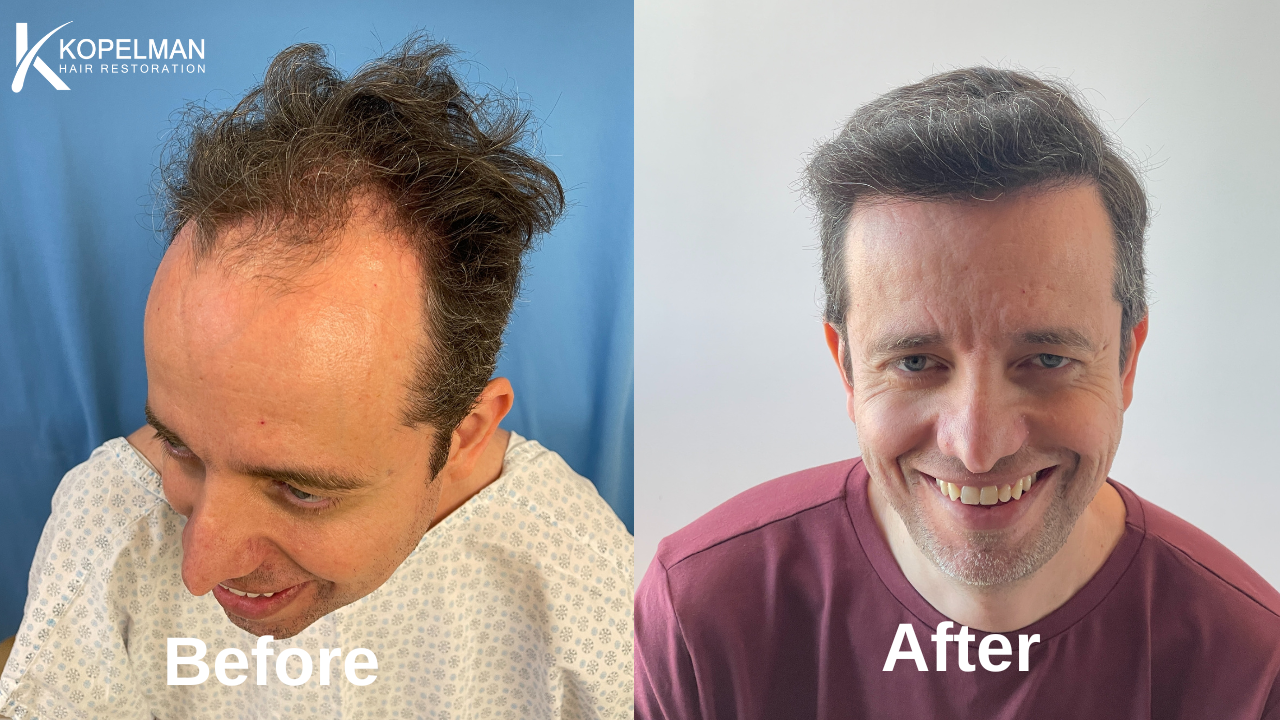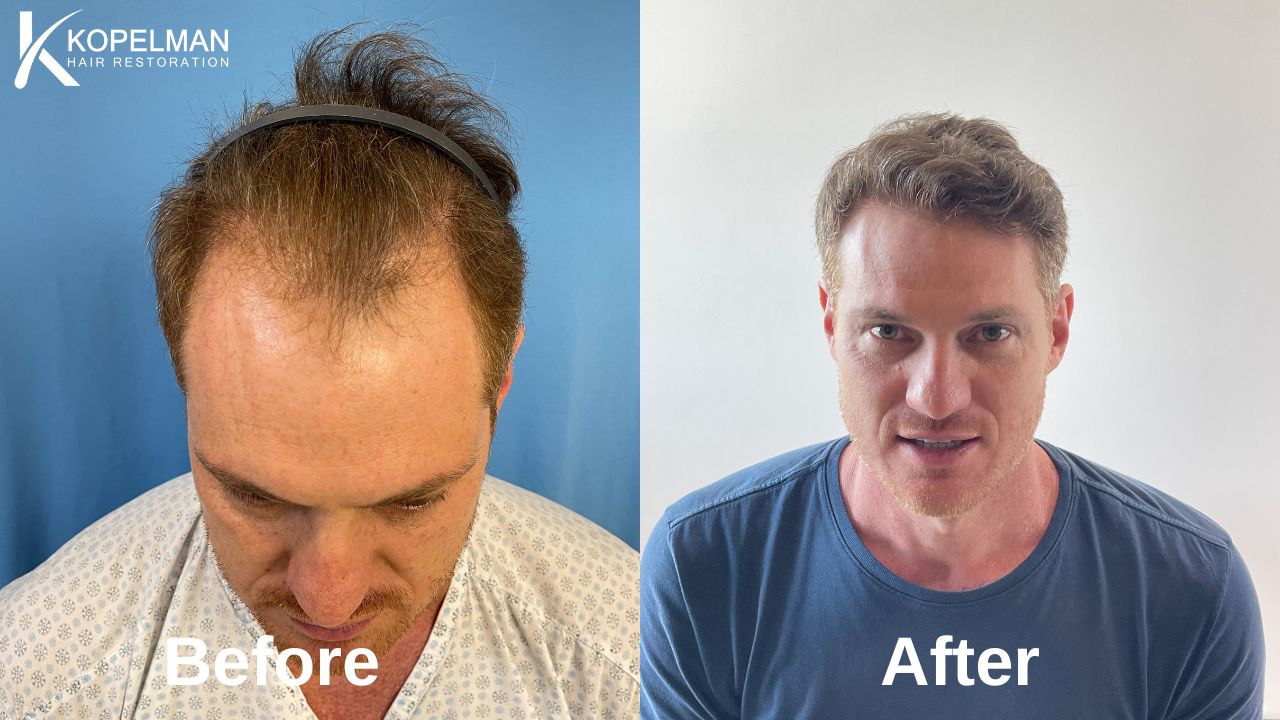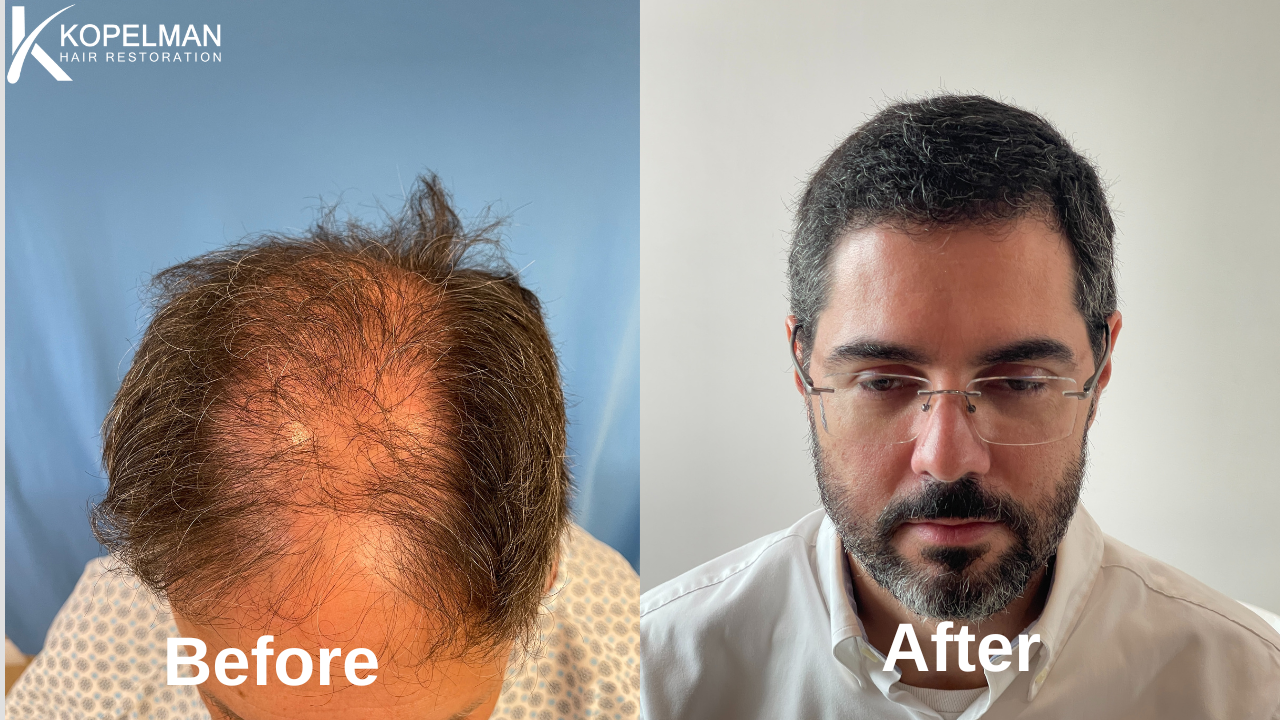

Published evidence consistently shows meaningful regrowth in carefully selected patients. In Abell and Munro’s controlled study, 62% of patients showed regrowth at 12 weeks after three sessions of intralesional triamcinolone, compared with 7% in the saline control group.
An earlier review reported 71% regrowth after injections every two weeks for three sessions, and a Saudi Arabian series reported 63% regrowth at four months with monthly injections (Kubeyinje, 1994).
Steroid shots for alopecia tend to work best when started early. Initial regrowth typically appears 4 to 8 weeks after the first session. Outcomes are strongest in patients with fewer than five patches, each smaller than 3 cm, and lesions less than one month old.
Children and patients with active disease signs, such as exclamation-point hairs, also tend to respond well.
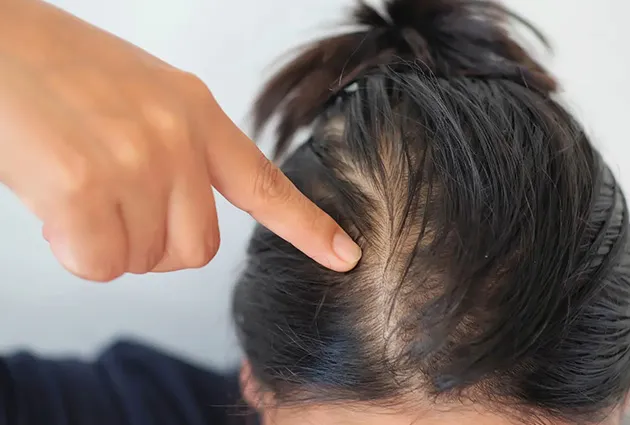
Alopecia Areata
This treatment is one of the most trusted non-surgical options for inflammation-driven alopecia. It works best on small, localized patches. Some patients need repeat sessions to maintain stable regrowth, and the disease itself may recur in the same or a new area later.
Who Should Consider Cortisone Injections?
Cortisone shots are best suited for adults with localized alopecia areata covering less than 50% of the scalp, where an overactive immune response is the cause. The American Academy of Dermatology considers intralesional corticosteroids the first-line therapy in this group.
They are also used for eyebrow and beard involvement, lichen planopilaris, frontal fibrosing alopecia, and discoid lupus. If topical creams or foams have not produced results, steroid injections are often the next step.
This therapy is not right for everyone. It is not effective for male- or female-pattern baldness, telogen effluvium, or advanced traction alopecia. It is also avoided when the scalp is infected or the skin is already thin.
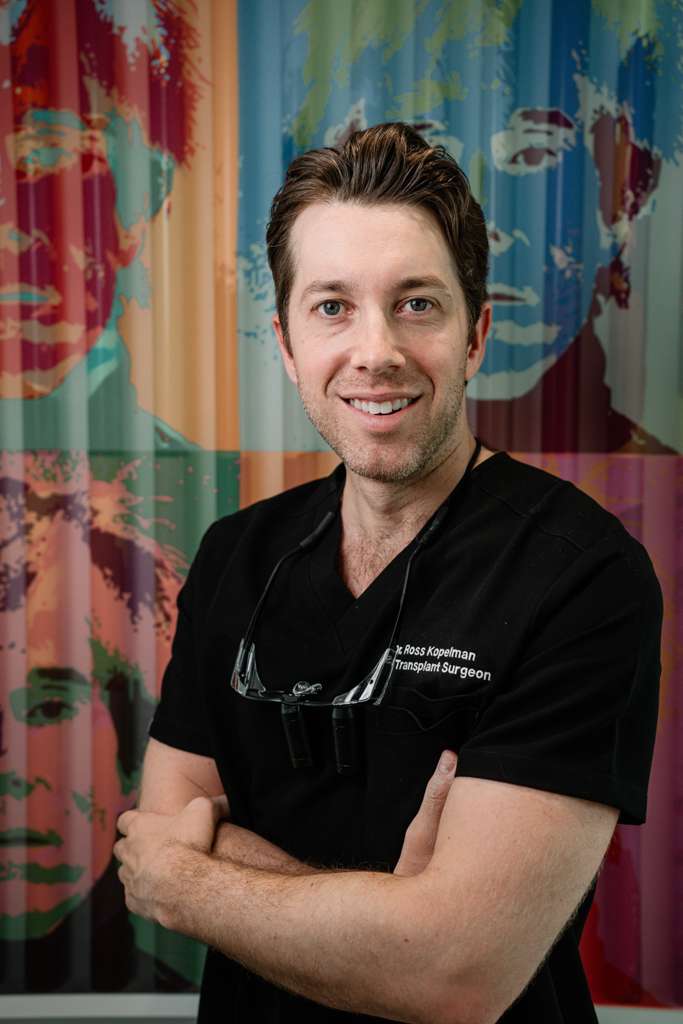
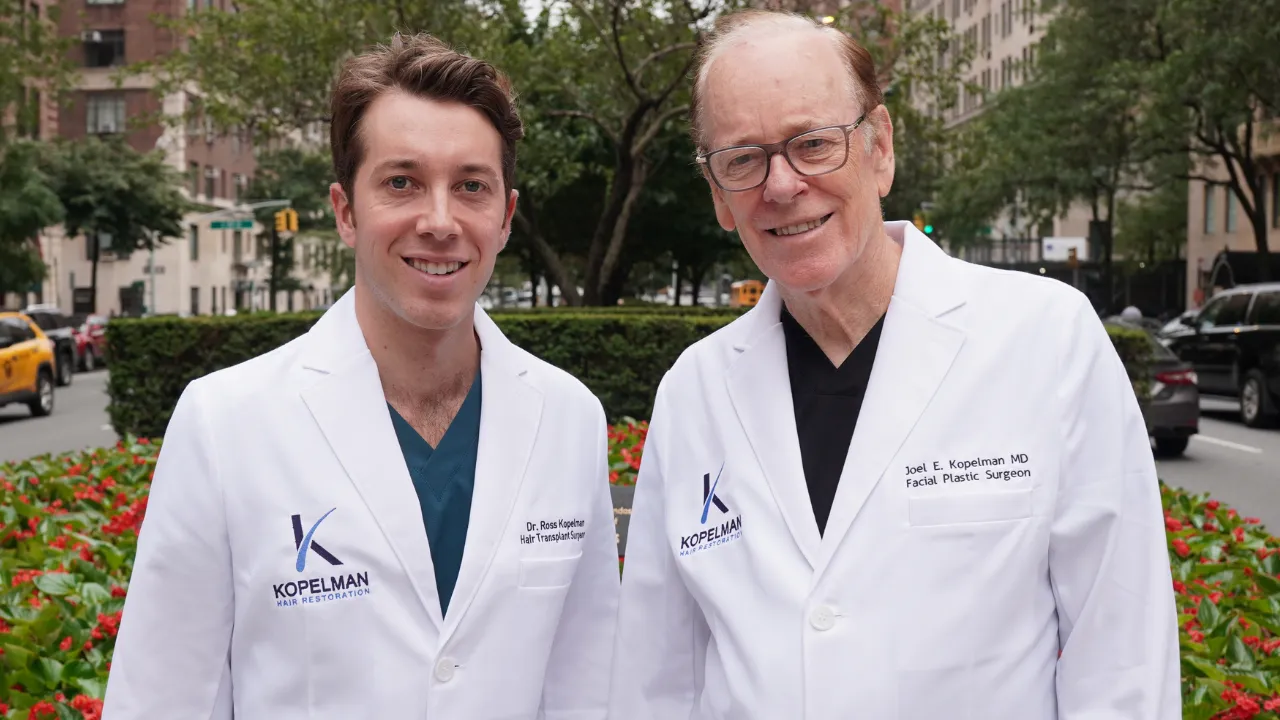
Patients with rapidly progressive disease or alopecia totalis and universalis usually respond poorly. At Kopelman Hair, Dr. Kopelman carefully evaluates each patient to ensure this treatment is the right fit.
What Happens During Treatment
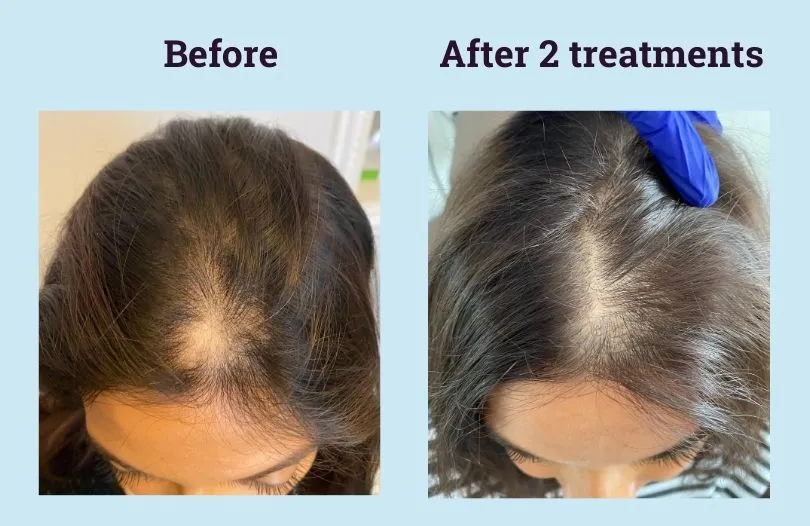
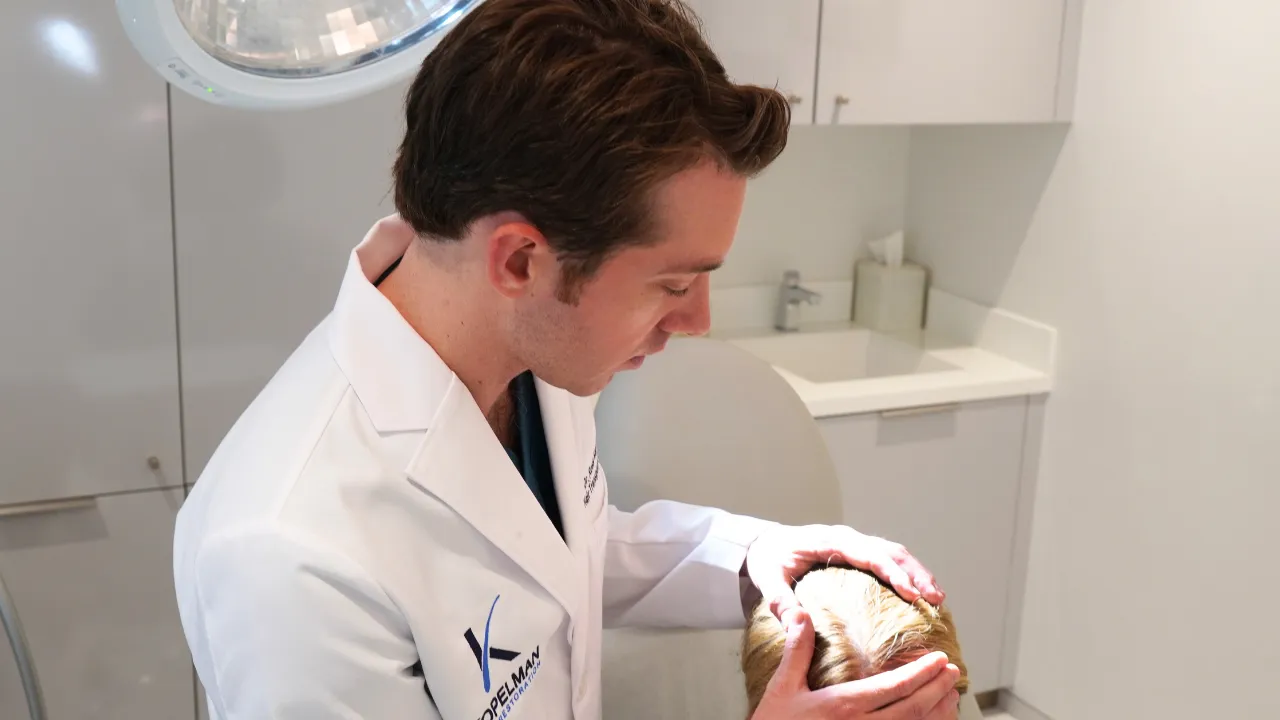
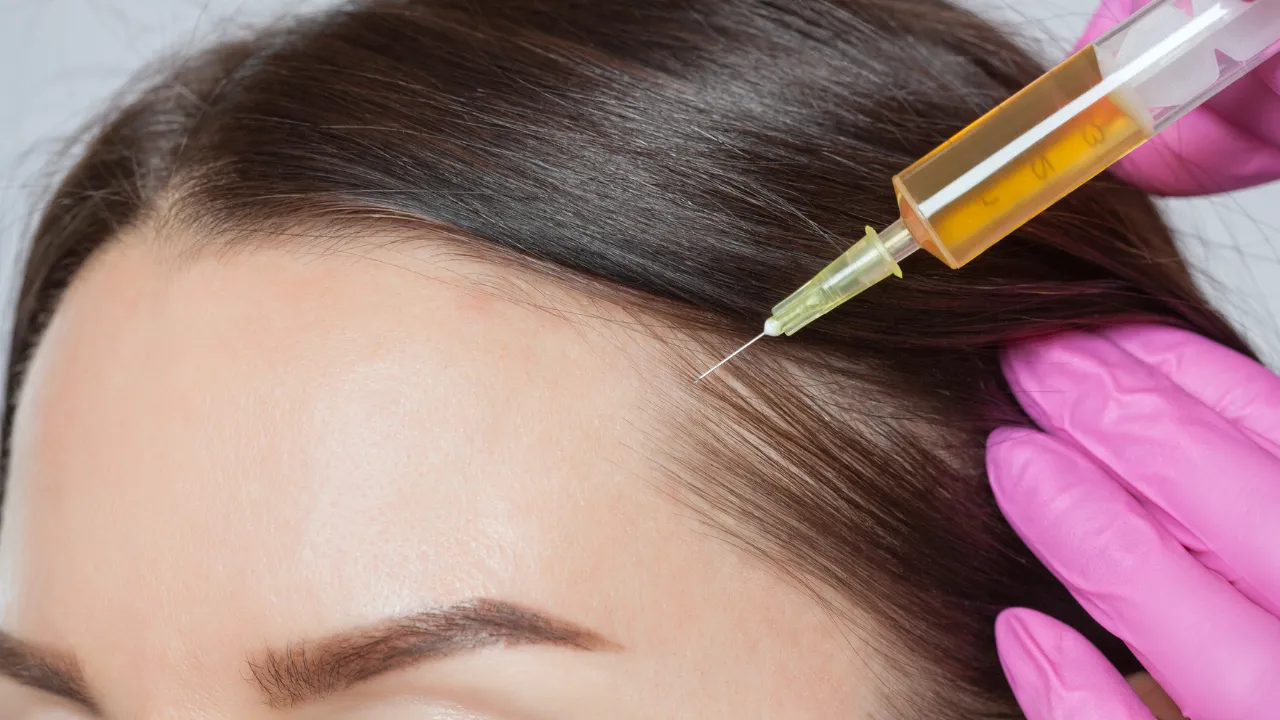
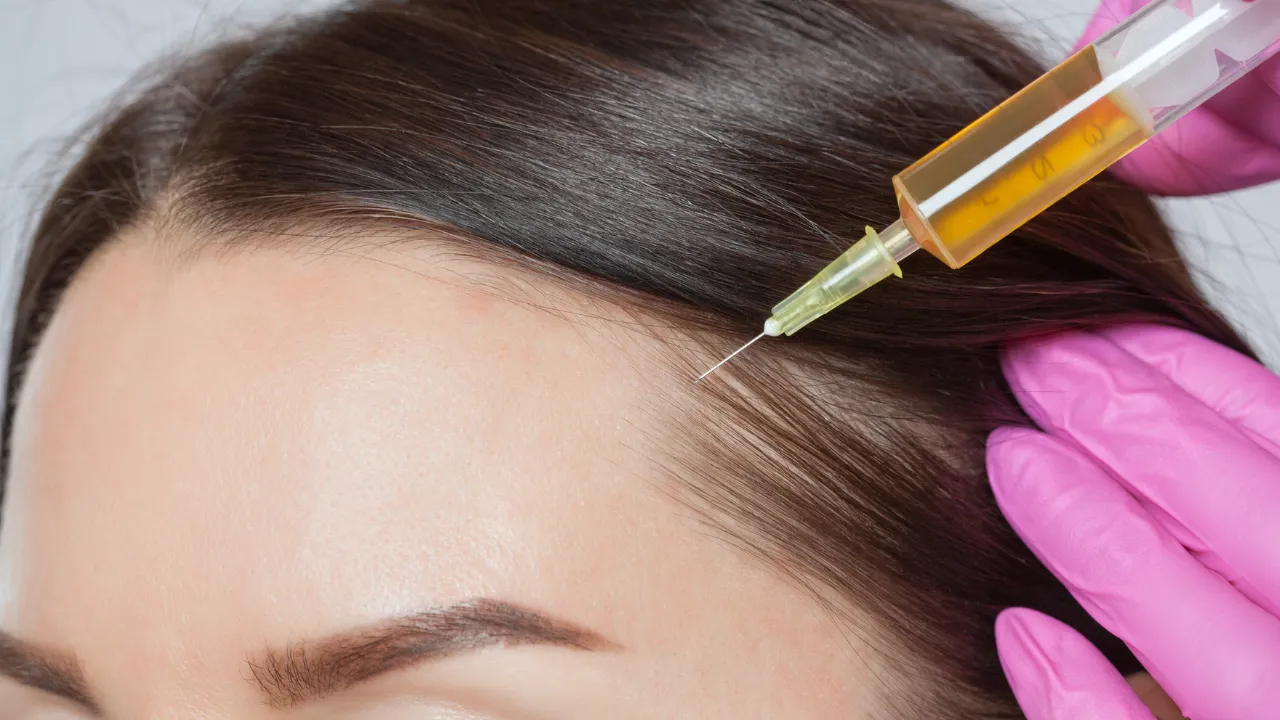
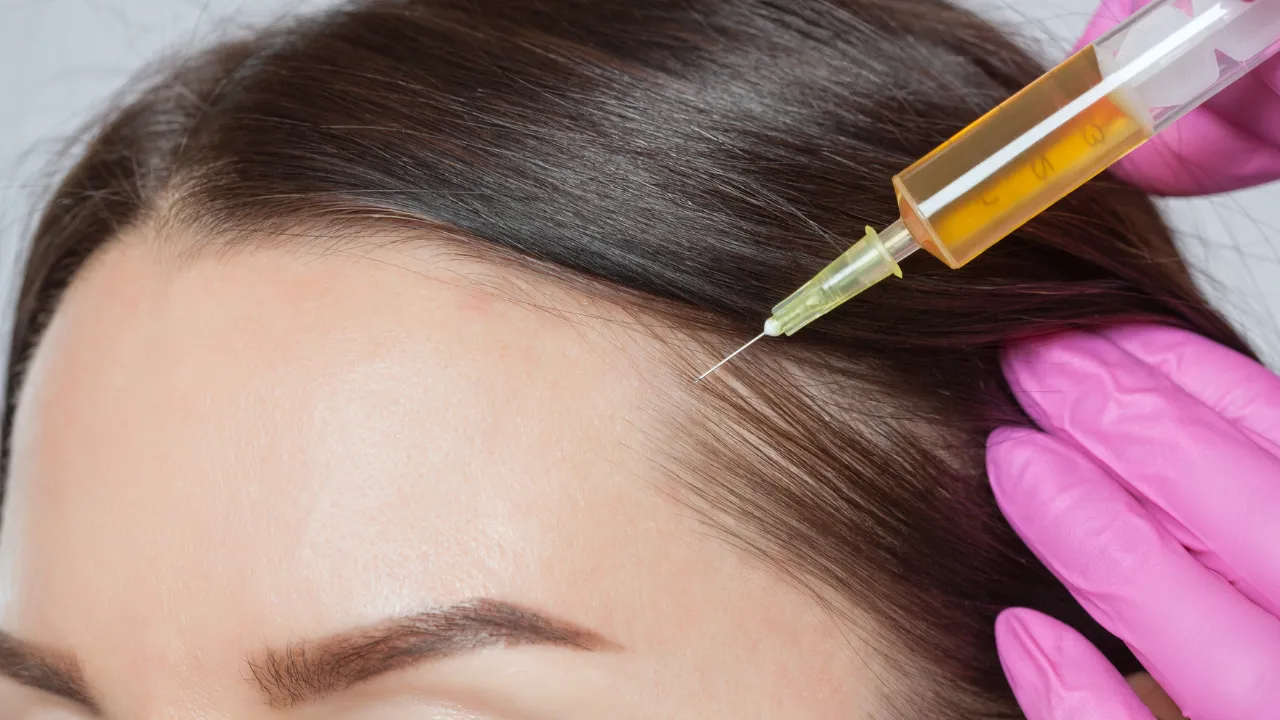
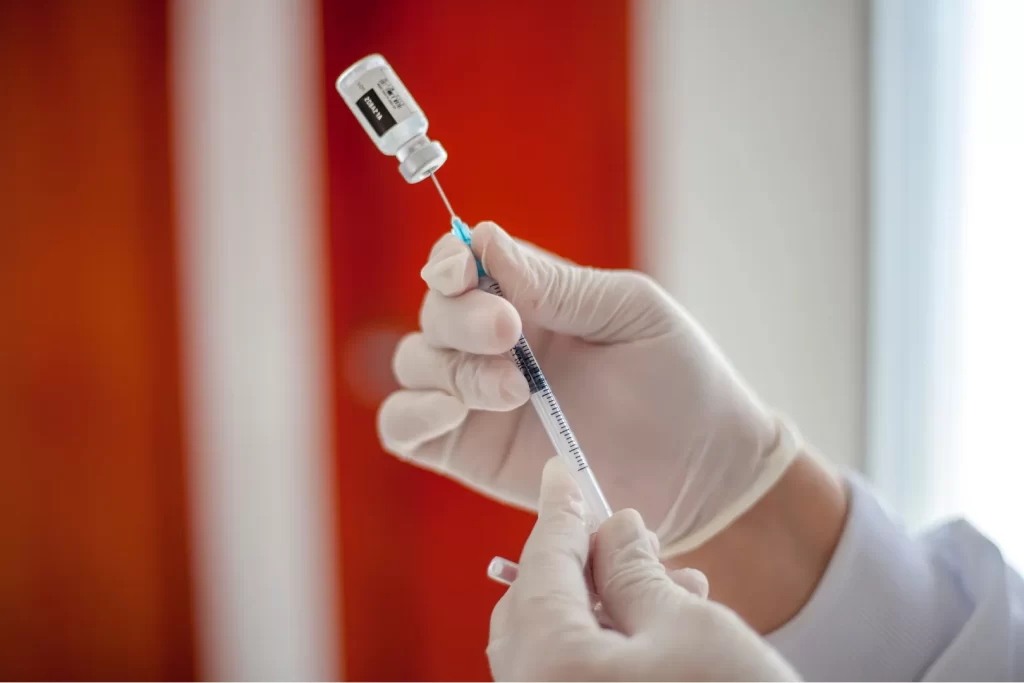
Each session takes 5 to 10 minutes. The scalp is cleansed with an antiseptic, and a fine 30-gauge needle is used to deliver multiple small 0.1 mL injections about 1 cm apart across the patch.
The preferred concentration of triamcinolone acetonide for the scalp is 5 mg/mL, with a maximum of 3 mL per session. For the brow and face area, a lower concentration of 2.5 mg/mL is used.
A patch measuring 5 by 5 cm typically requires 10 to 15 micro-injections. An eyebrow needs 6 to 8. Discomfort is brief, and most patients do not need an anesthetic, although a topical numbing cream can be applied 30 to 60 minutes beforehand if requested.
Treatments are repeated every 4 to 6 weeks. If there is no measurable improvement after six months, the treatment is stopped rather than continued indefinitely.
Costs and Insurance Coverage
The cost of corticosteroid injections depends on the size of the treated area and the number of sessions required. A single session typically ranges from $300 to $600. Mild cases may need only one or two appointments, while more extensive involvement may require the full course of four to six sessions.
Most insurance plans do not cover cosmetic procedures. However, when alopecia areata is documented as a medical diagnosis, some insurers will partially cover intralesional corticosteroid therapy. Always confirm coverage with your provider before scheduling.
Topical Steroids vs. Intralesional Injections
Topical steroids are creams or foams applied directly to the scalp. They are easy to use and reasonable for mild patches, but they do not penetrate deeply enough to address active follicular inflammation. They are often the preferred option for children under 10, who may not tolerate injections well.
Intralesional injections deliver the medication beneath the surface, where the immune attack is occurring. They are stronger than topical formulations and are usually superior in localized adult disease (Alkhalifah et al., 2010). Injections are typically chosen for patients with discrete patches or those whose topical therapy has not produced regrowth.
Alternative Treatments for Thinning
Not every patient is a candidate for steroid injections. There are several other options worth considering. One widely used method is PRP therapy, which uses your own blood. The sample is centrifuged to concentrate growth factors, which are then injected back into the scalp. This is known as platelet-rich plasma (PRP) therapy.
PRP works best for patients with early thinning rather than for those with complete bald patches. Other options include topical or oral minoxidil, scalp injections with vitamins and peptides, and surgical restoration in select cases. Many patients combine therapies to improve results.
For patients with gradual thinning rather than patchy loss, scalp injections with nutrients can offer a less invasive option. These typically contain vitamins, peptides, or growth factors that support weak follicles. They are a good fit for patients who do not qualify for steroid injections but still want to improve density.
When thinning is not autoimmune in origin, these scalp nutrient injections can serve as a first step before more advanced treatments. Some patients combine them with PRP or topical corticosteroids over time. Sessions are usually spaced a few weeks apart and tailored to severity.
For severe autoimmune cases, JAK inhibitors are an emerging option. The FDA approved baricitinib for adults with severe alopecia areata in 2022, followed by ritlecitinib in 2023 for patients 12 and older. These oral medications quiet the immune signals driving the condition and have helped patients who did not respond to other therapies.
At Kopelman Hair, each patient receives a personalized evaluation to determine the right approach. Dr. Kopelman may recommend a tailored plan based on your condition, goals, and prior treatments. With the right care, many patients can slow further shedding and support steady regrowth.
Kopelman Hair: Expert Care Backed by Experience
With over 40 years of combined practice, Dr. Kopelman provides advanced care for patients facing alopecia and thinning. He uses therapies such as triamcinolone acetonide, PRP injections, and complementary tools to give each patient the best chance of a measurable result.
At Kopelman Hair, every plan is tailored to your needs. Whether you are considering corticosteroids for alopecia areata or exploring other options, you will receive safe, evidence-based care backed by real outcomes.