
An eyebrow hair transplant is considered permanent because the transplanted hair follicles usually survive long-term once they establish a blood supply in the eyebrow area. The procedure involves moving hair from a donor area of the scalp that is resistant to hair loss, which allows the follicles to continue growing after transplantation.
At Kopelman Hair, this topic is approached from an educational perspective, focusing on how permanence works in practice and what limitations patients should understand.
Key Takeaways
- An eyebrow hair transplant is considered a permanent solution because transplanted follicles usually survive long-term once they establish a blood supply, even though the hair continues to grow like scalp hair rather than natural eyebrow hair.
- Temporary shedding during the first few weeks after transplantation surgery is expected, and new growth typically begins months later, with final density developing gradually.
- Transplanted eyebrow hair requires ongoing trimming since it retains the growth characteristics of the donor scalp hair.
- Natural-looking results depend heavily on the precise placement of hair grafts, the correct hair angle, and careful density planning.
How Permanent Are Eyebrow Hair Transplants?
An eyebrow hair transplant is a surgical transplantation procedure in which individual hair grafts are relocated from a donor area of the scalp to the eyebrow region. From a medical standpoint, permanence refers to the long-term survival of these grafts once they establish a blood supply in their new location. It does not mean the hair will behave exactly like natural eyebrow hair.
In most cases, transplanted eyebrow hairs are considered permanent because donor follicles are taken from areas of the scalp that are resistant to hair loss. Once implanted successfully, these follicles tend to persist long-term.
A permanent eyebrow hair transplant does not eliminate the need for maintenance. Transplanted hairs retain their original growth cycle, which explains why trimming is usually required. Understanding this distinction helps set realistic expectations.
Does Hair Grow Back After an Eyebrow Transplant?
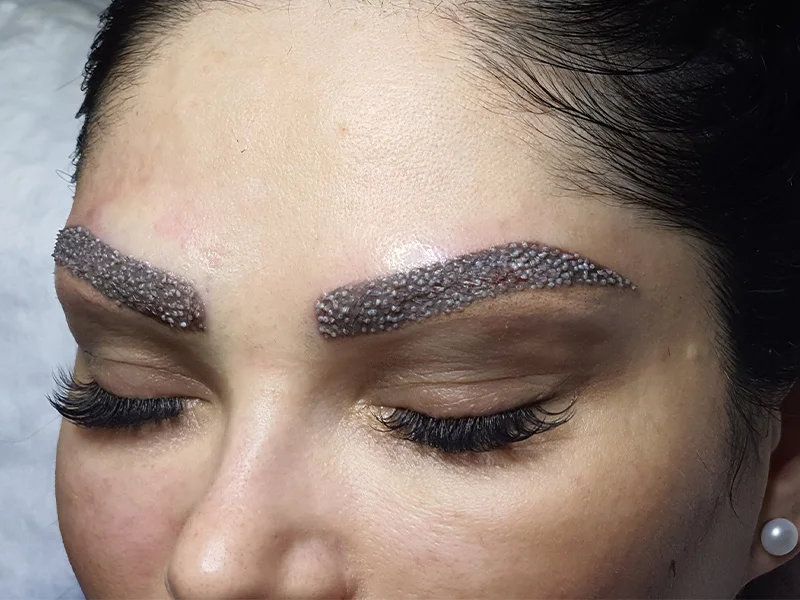
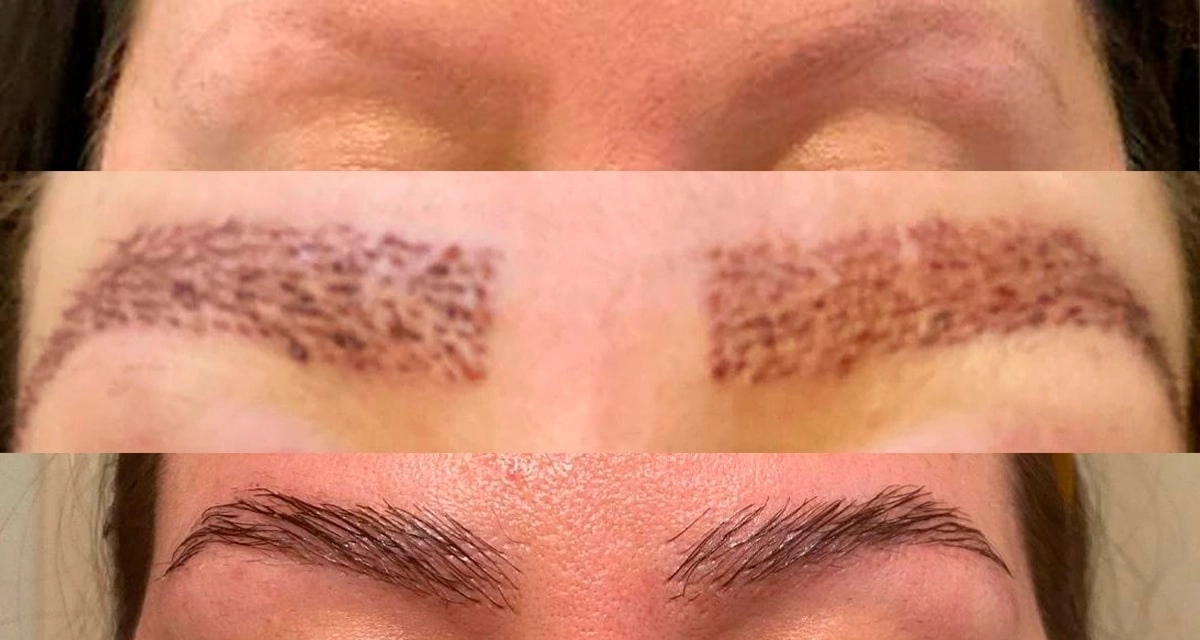
Transplanted hairs often shed within the first few weeks after surgery. This shedding phase is normal and does not indicate transplant failure. The hair grafts remain intact beneath the skin and enter a temporary resting phase.
New hair growth usually begins a few months later. Over time, these hairs grow in cycles similar to scalp hair, which affects length and ongoing care.
How an Eyebrow Hair Transplant Works
An eyebrow transplant is one of several specialized hair transplant procedures used in modern hair restoration. The transplant includes harvesting and placing individual hair grafts in a pattern that follows the natural direction and density of the eyebrows. Because the eyebrow area is highly visible, precision during placement is essential.
Eyebrow transplantation differs from scalp hair restoration because eyebrow hairs grow at flatter angles and follow specific directional patterns. Dr. Kopelman explains that even small deviations in placement angle can affect how natural the result appears, which is why eyebrow-focused techniques are preferred over standard scalp methods.
Where Donor Hair Comes From
Donor hair is most commonly taken from the back of the scalp. This area provides consistent natural hair that adapts well to eyebrow transplantation.
In some cases, hair from near the ears may be selected if it better matches eyebrow texture. Donor selection plays a key role in achieving balanced results.
When Final Results Are Visible
Early growth usually appears within several months, while full results may take up to a year. Density improves gradually as grafts enter active growth phases.
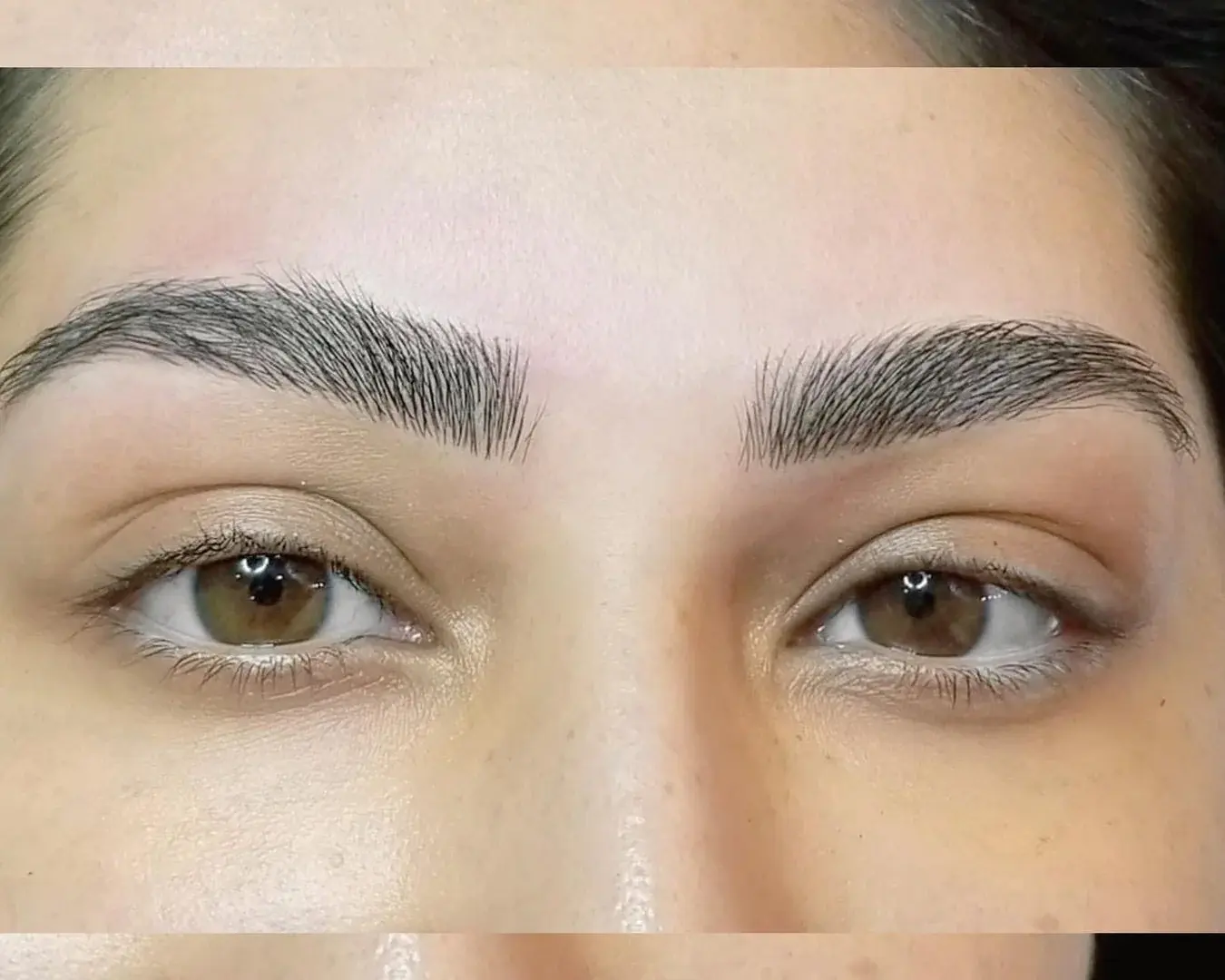
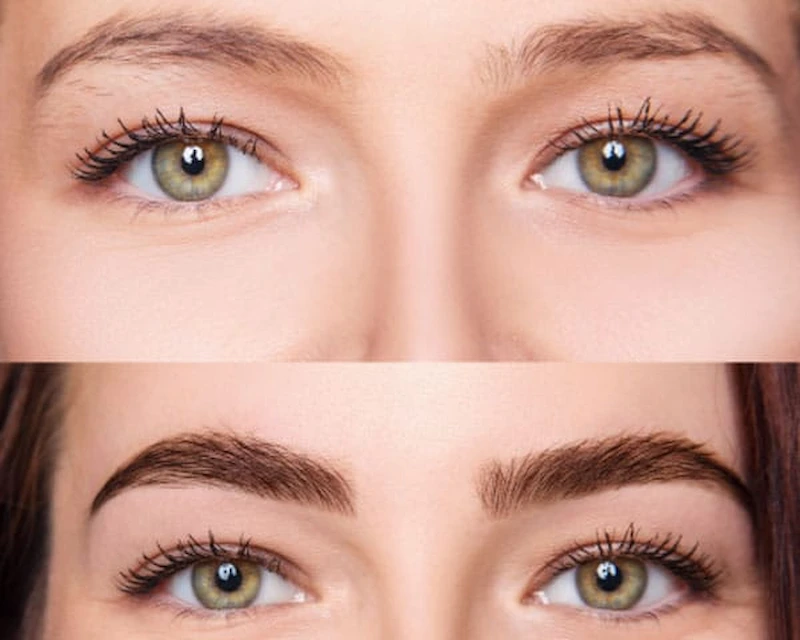
As healing progresses and growth stabilizes, eyebrows appear fuller and more defined, as seen in eyebrow transplant before-and-after results. Early unevenness is common and often resolves naturally with time.
Downsides and Risks to Consider
Like all hair transplant procedures, eyebrow transplantation carries potential side effects. These may include temporary redness, swelling, or uneven growth during the healing process. Understanding these limitations helps patients make informed decisions.
Most concerns relate to technique rather than graft survival.
- Incorrect hair direction if grafts are placed at improper angles
- Ongoing trimming due to scalp-like growth patterns
- Mild asymmetry during early growth stages
When an Eyebrow Transplant Goes Wrong
Poor planning or a lack of experience can result in an unnatural appearance or patchy density, a common concern in cases of eyebrow transplant regret. In rare cases, corrective hair restoration work may be needed.
Careful technique and realistic expectations reduce these risks.
Can Eyebrow Transplants Look Natural?
Natural appearance depends on careful planning and execution, especially for patients seeking an eyebrow hair transplant in NYC performed with eyebrow-specific techniques. Eyebrow hairs grow at specific angles that must be accurately replicated during transplantation surgery.
When hair grafts are placed correctly, transplanted hair blends well with existing brow hair and facial features. This allows the result to mimic the look of natural hair rather than a permanent cosmetic tattoo or pigment.
Eyebrow Transplant vs Microblading
Eyebrow transplants and microblading address eyebrow thinning in different ways. One relies on actual hair growth, while the other is a form of permanent cosmetic treatment that uses pigment rather than hair.
Choosing between them depends on the cause of eyebrow hair loss, long-term goals, and tolerance for maintenance, especially for those who have tried home remedies for eyebrow hair loss without success.
- Eyebrow transplants create real, lasting hair growth
- Microblading fades over time and requires repeat treatments
- Transplants require trimming, while microblading requires touch-ups
For patients whose eyebrow hair loss is linked to genetics, overplucking, or a medical condition, a permanent eyebrow hair transplant is often considered a long-term option rather than a cosmetic fix.
Recovery, Anesthesia, and Daily Activity
Eyebrow transplantation surgery is typically performed using local anesthesia, which minimizes discomfort during the procedure. Most patients experience mild swelling or redness that resolves within days. Many can return to work shortly after treatment, depending on individual healing and comfort levels.
If you are considering an eyebrow hair transplant, scheduling a consultation can help clarify whether it is the right option for your needs and expectations.