Female Hair Transplant: Before and After Photos (Gallery)
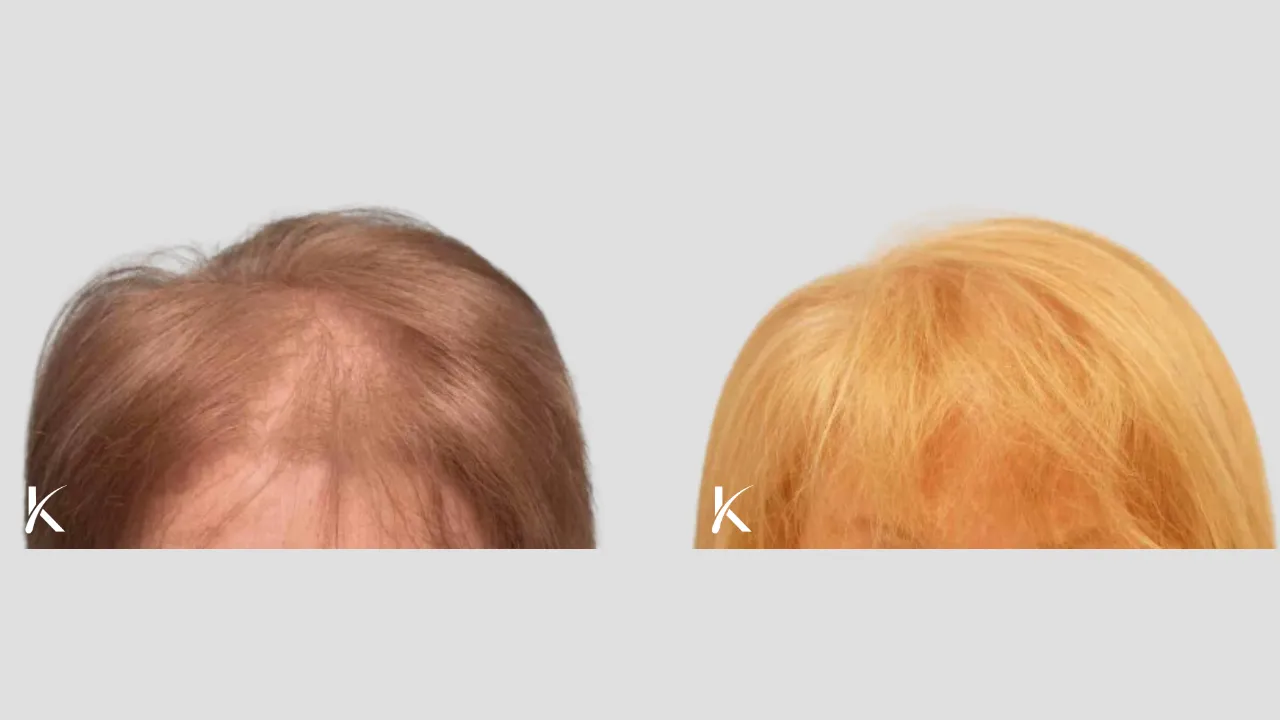
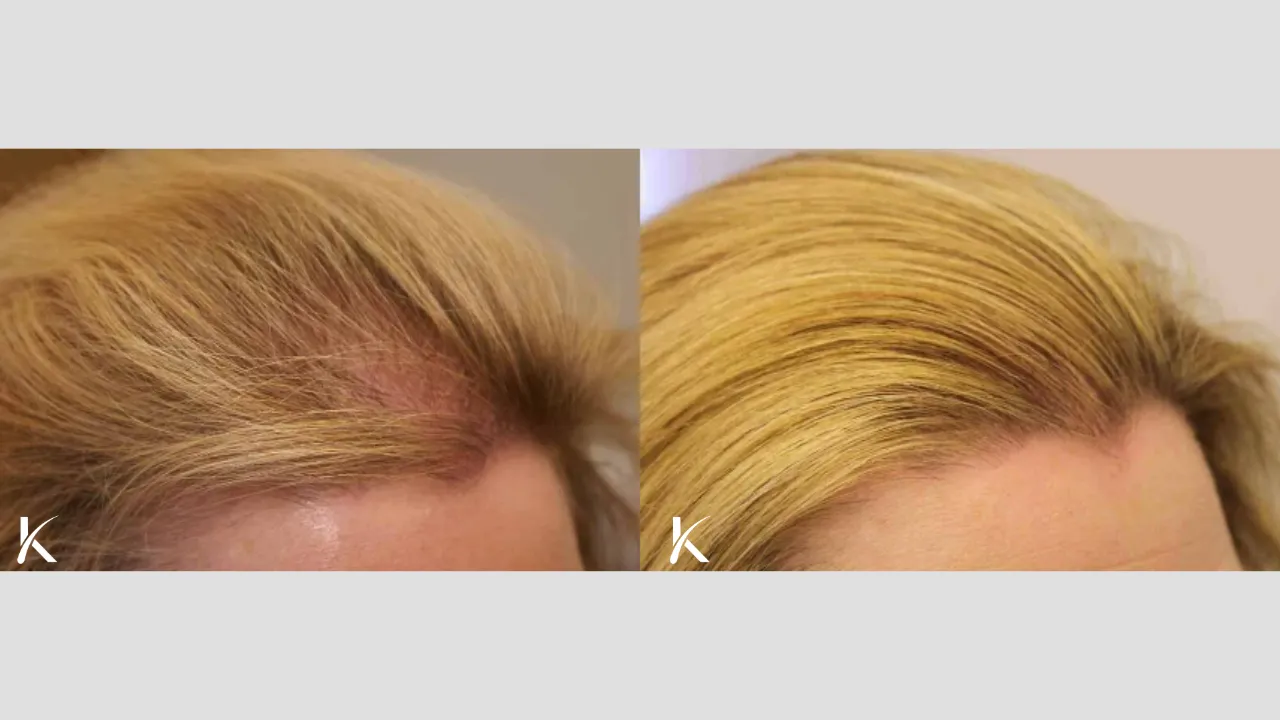
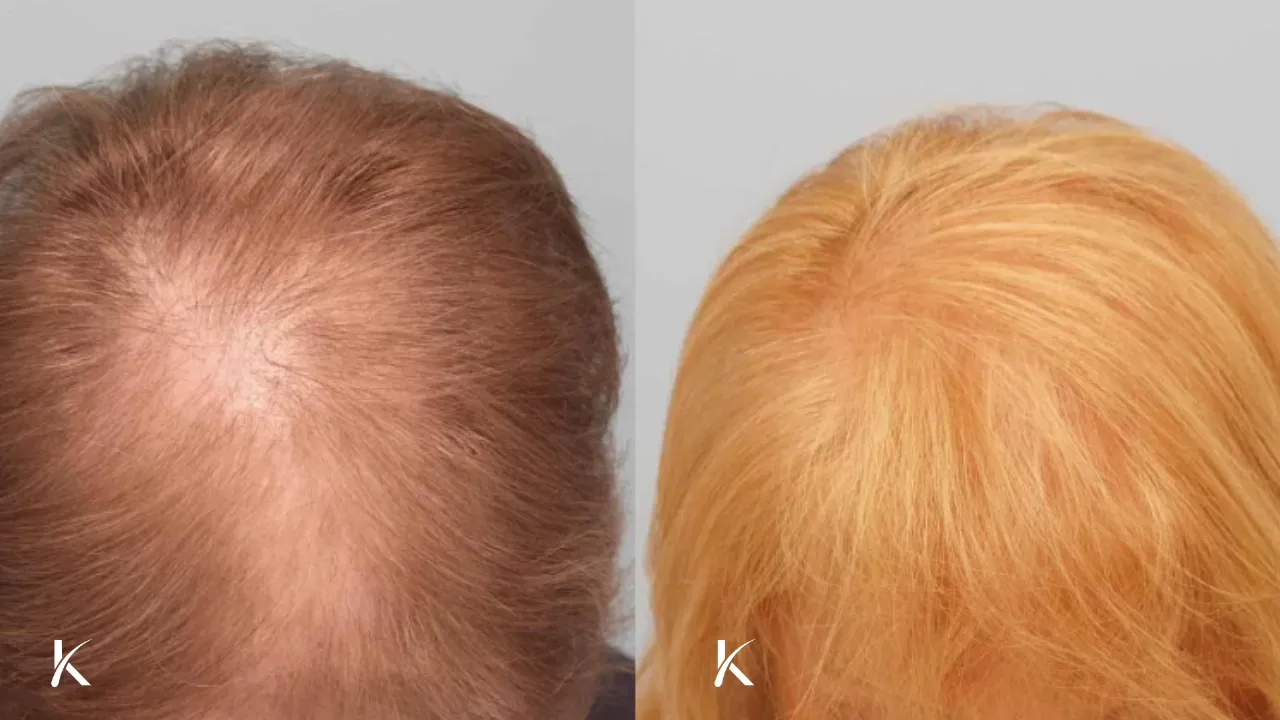
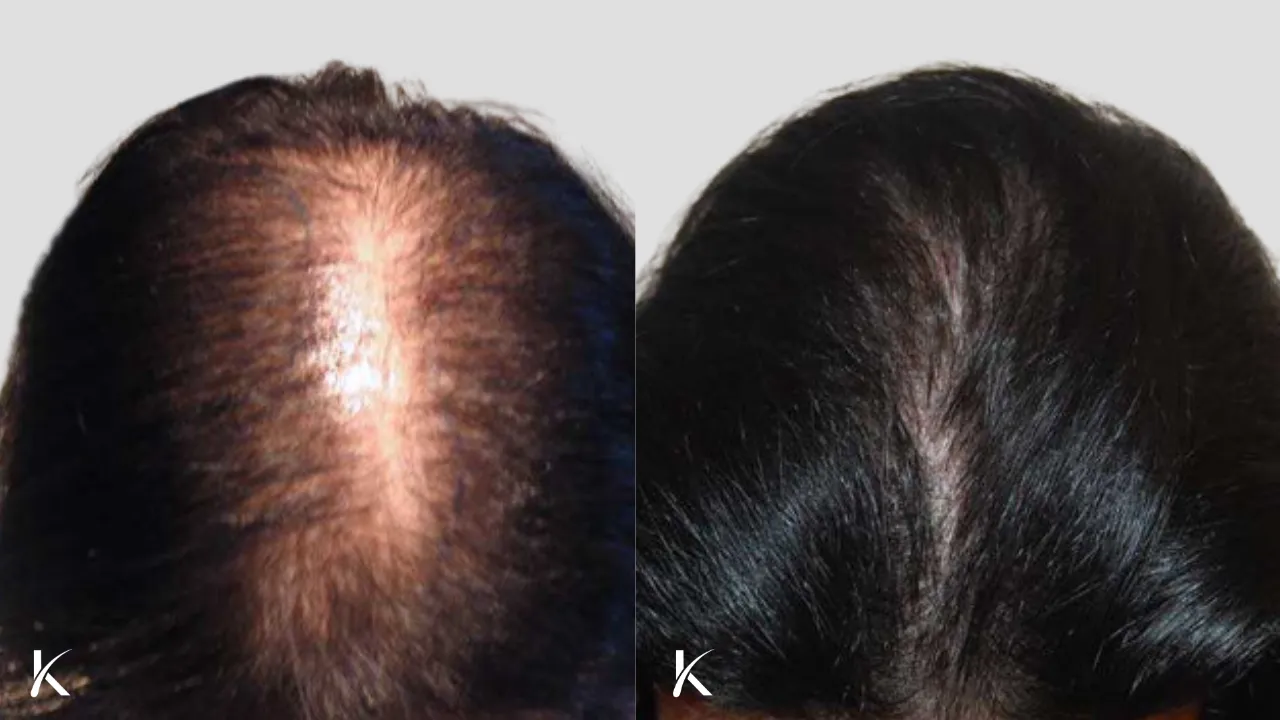
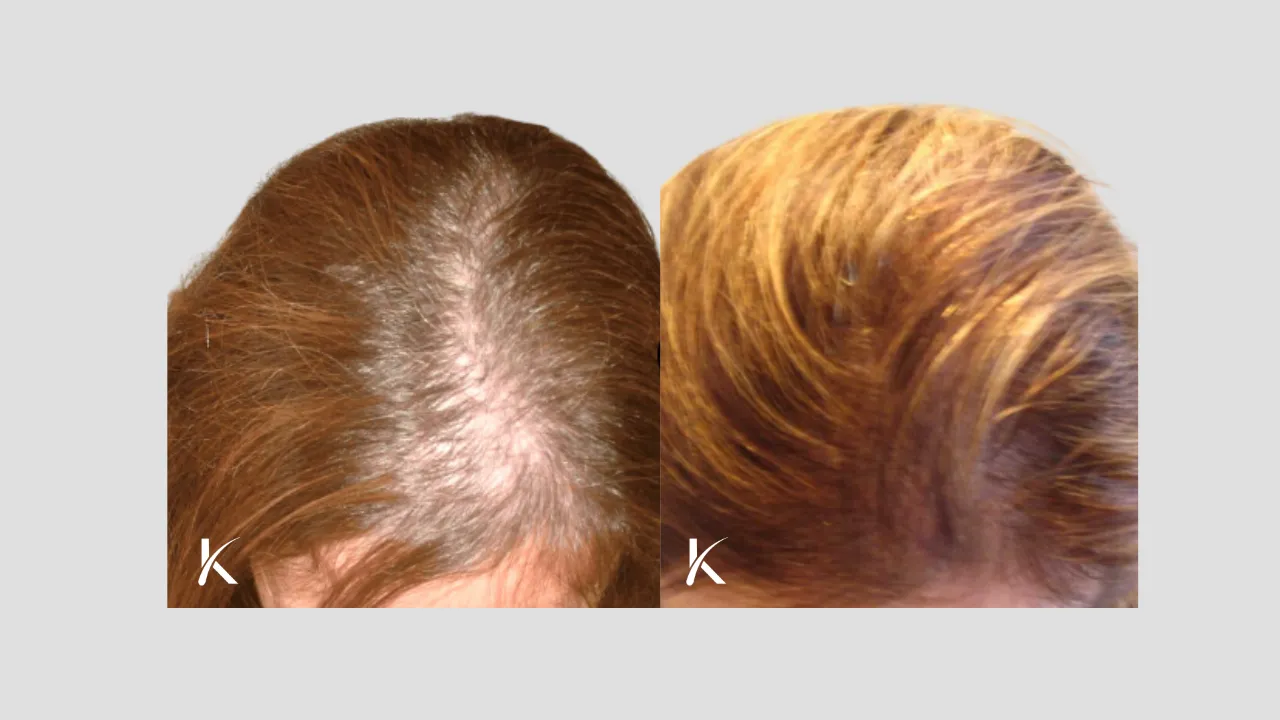
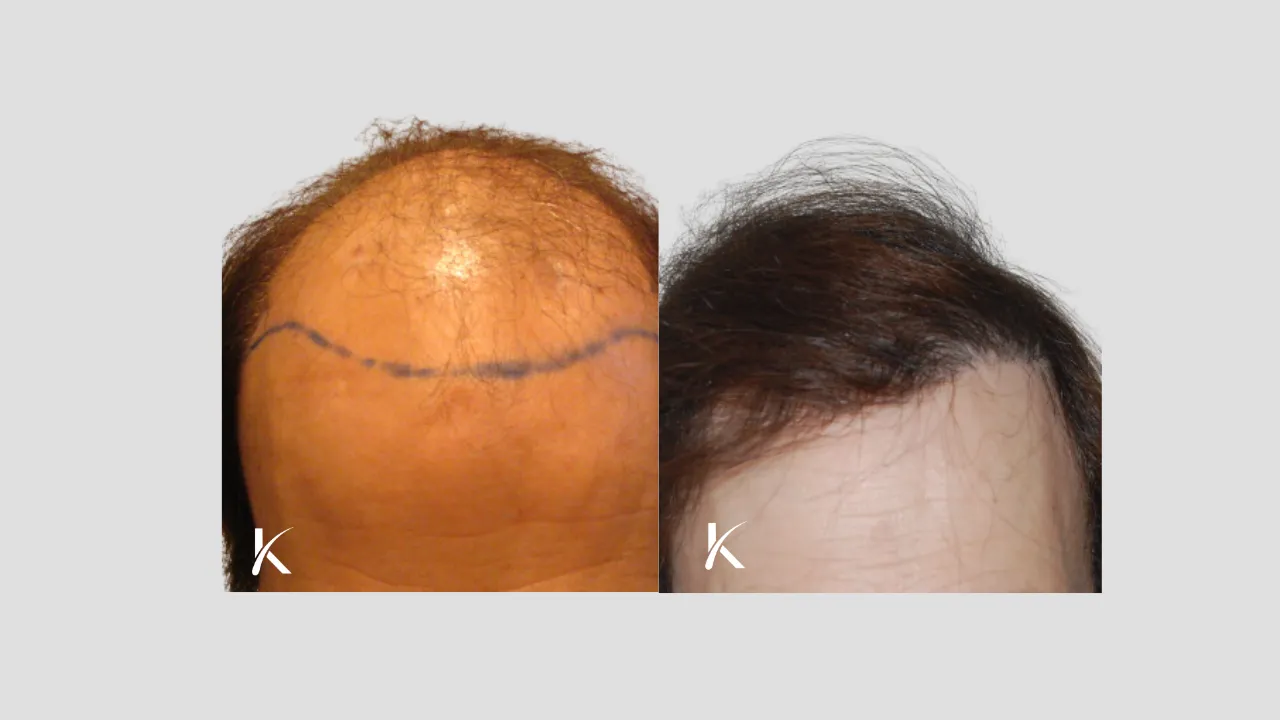
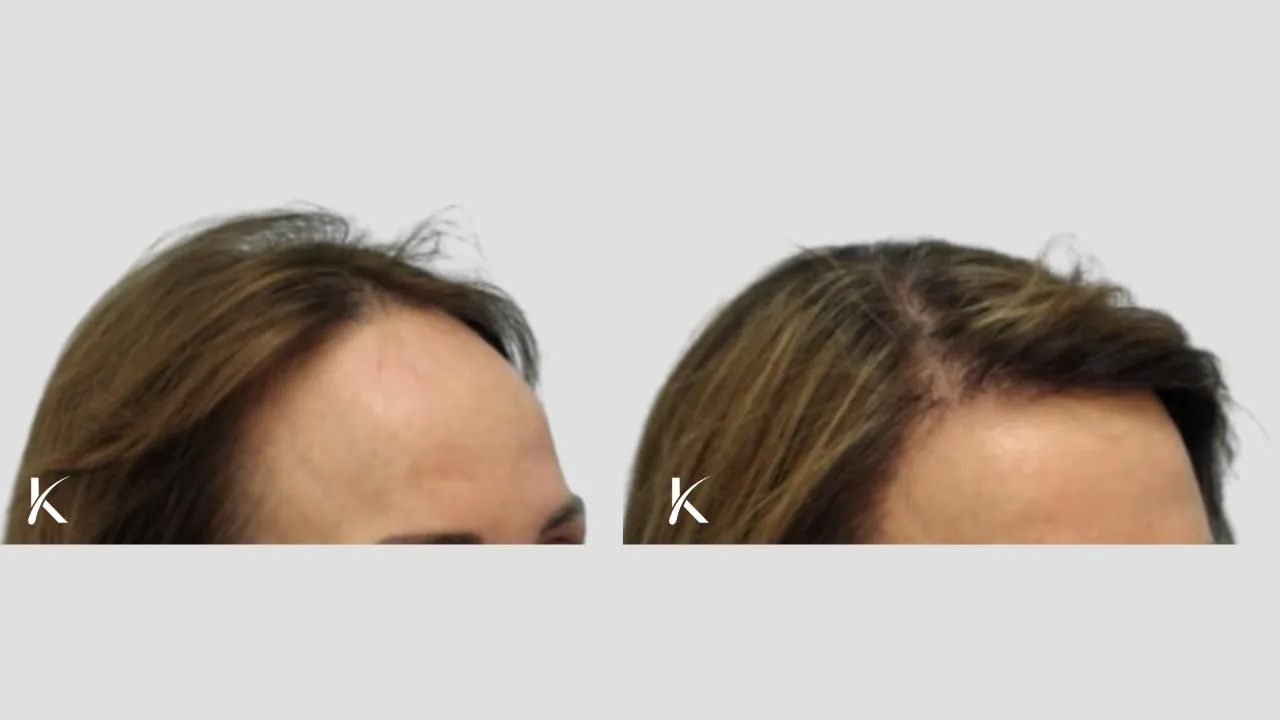
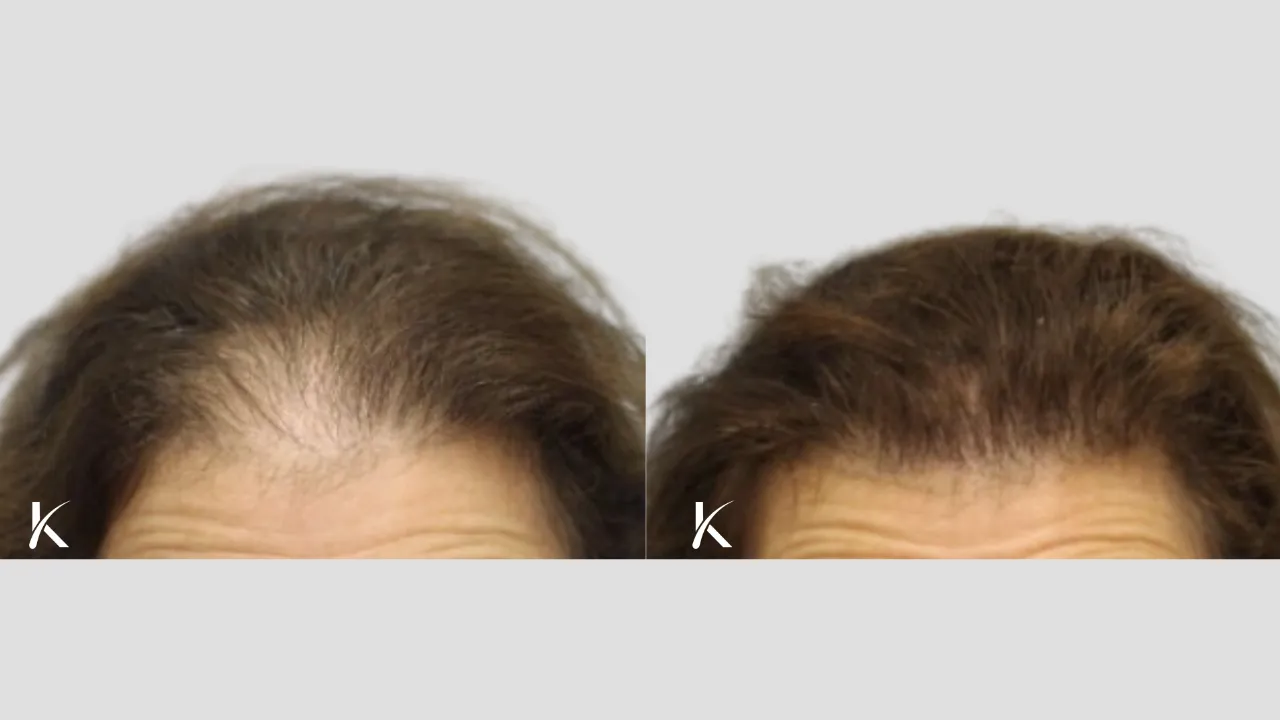
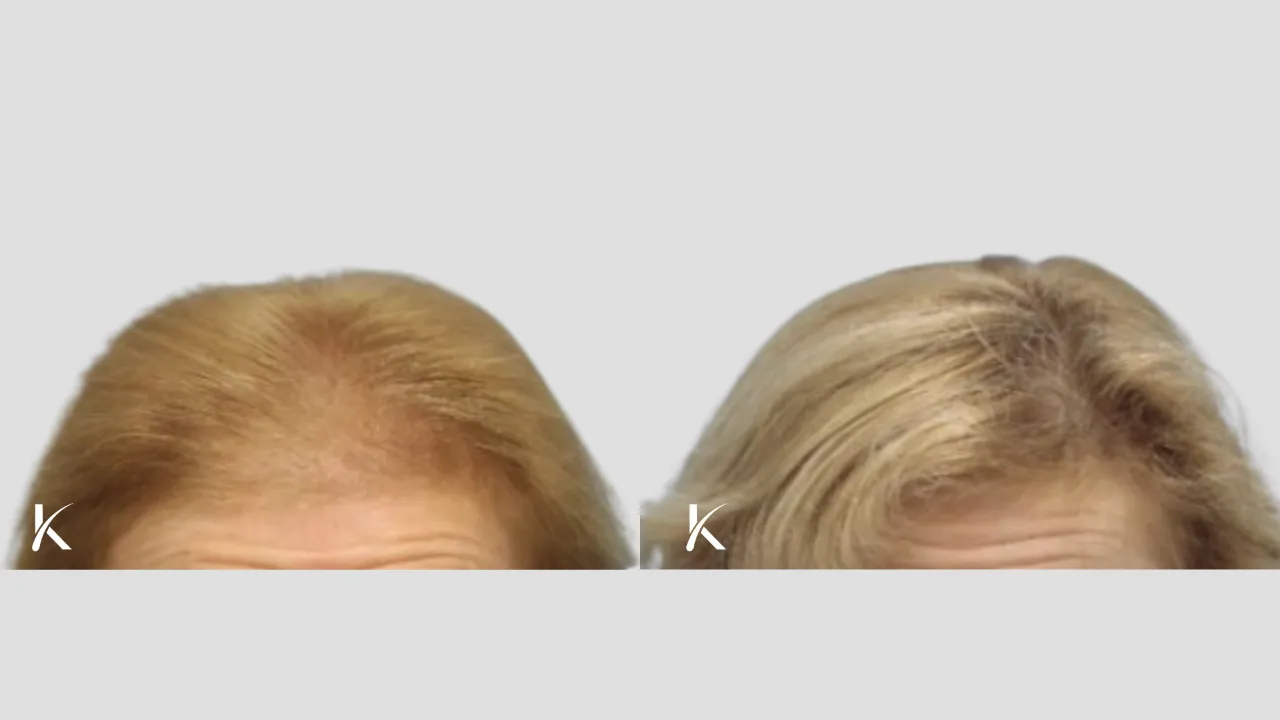
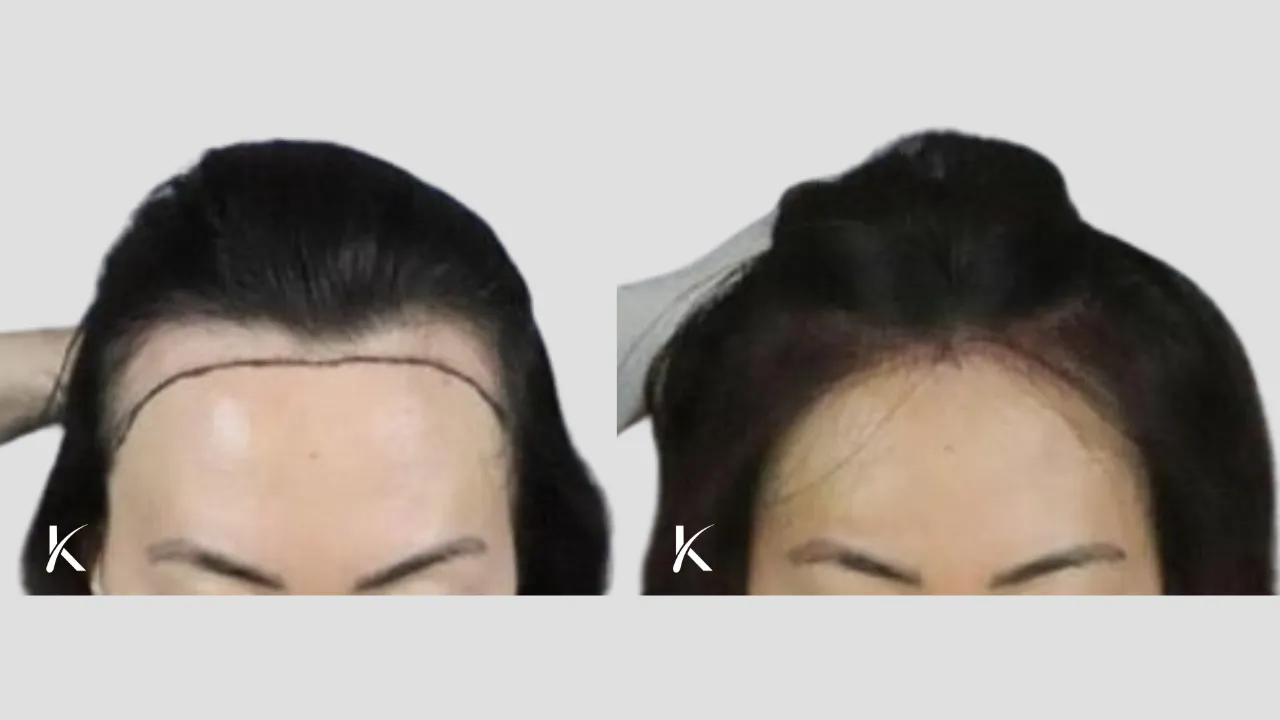
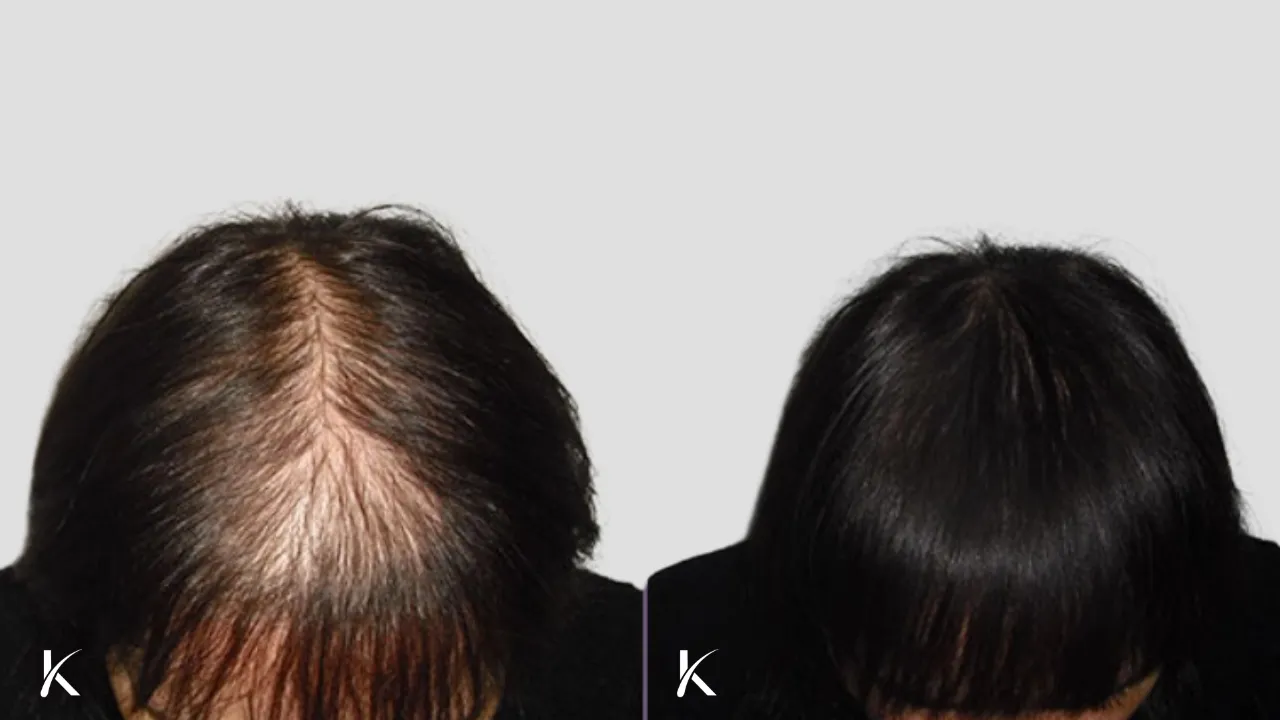
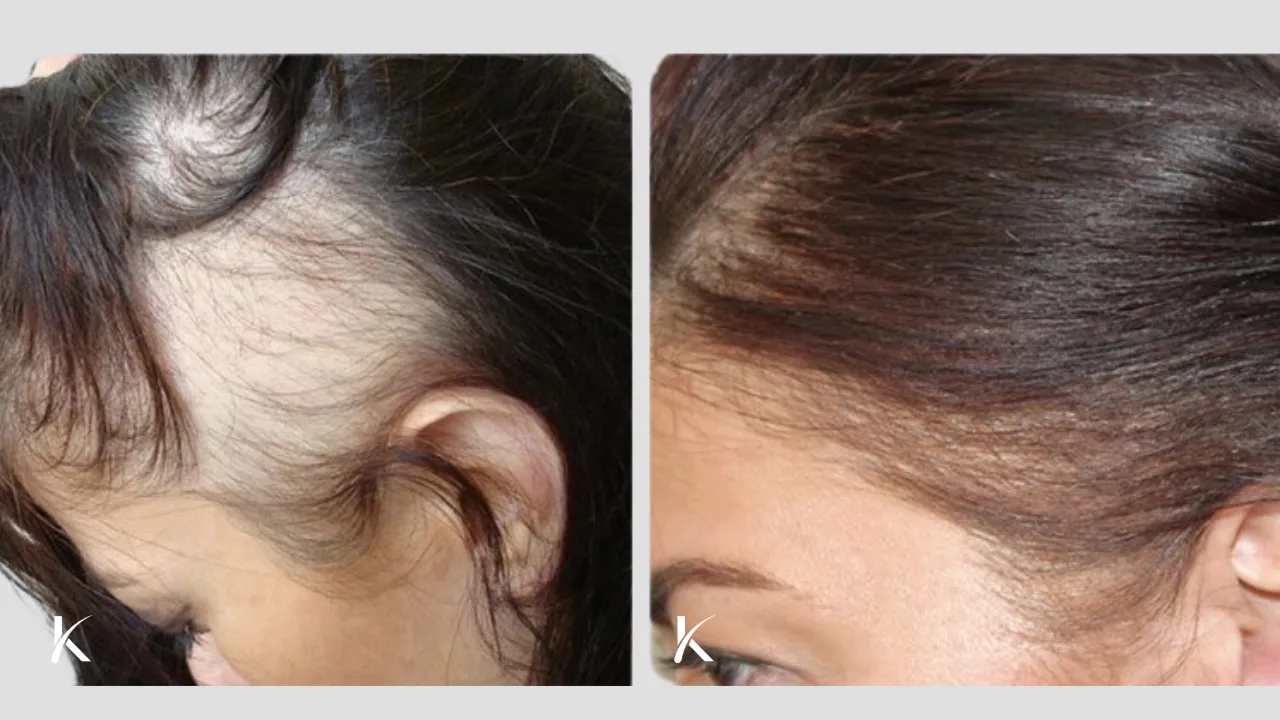
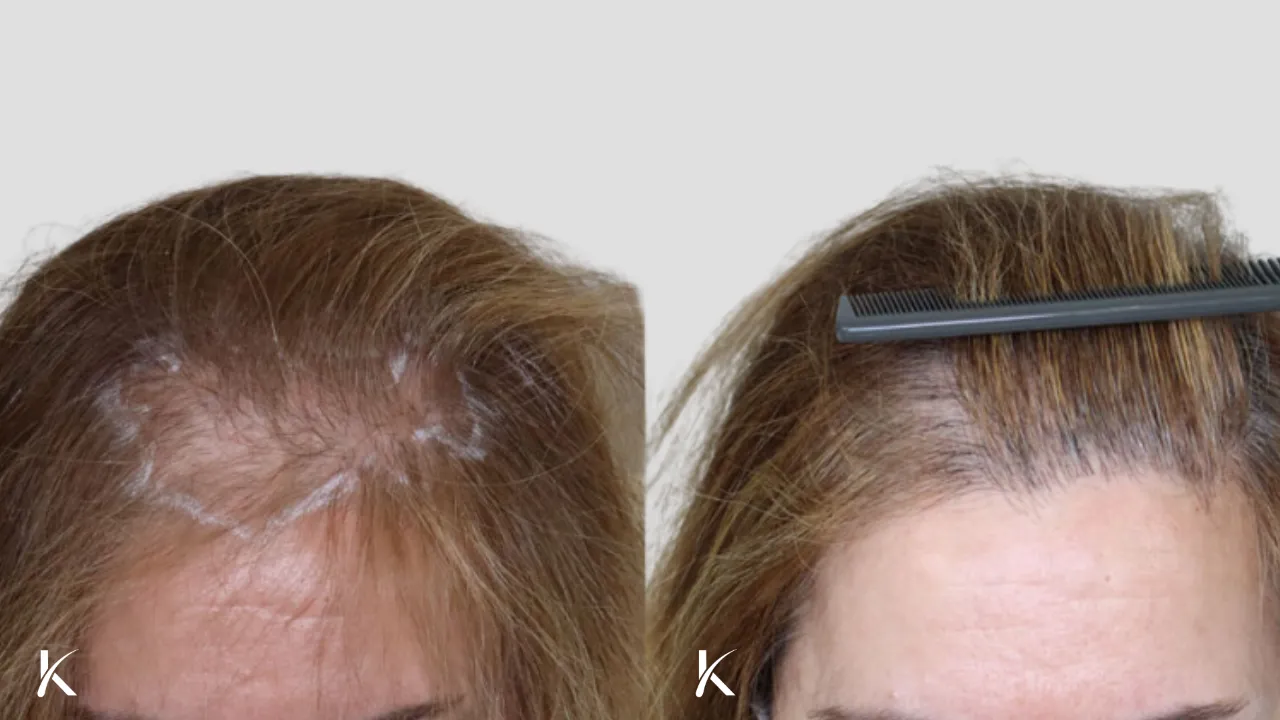
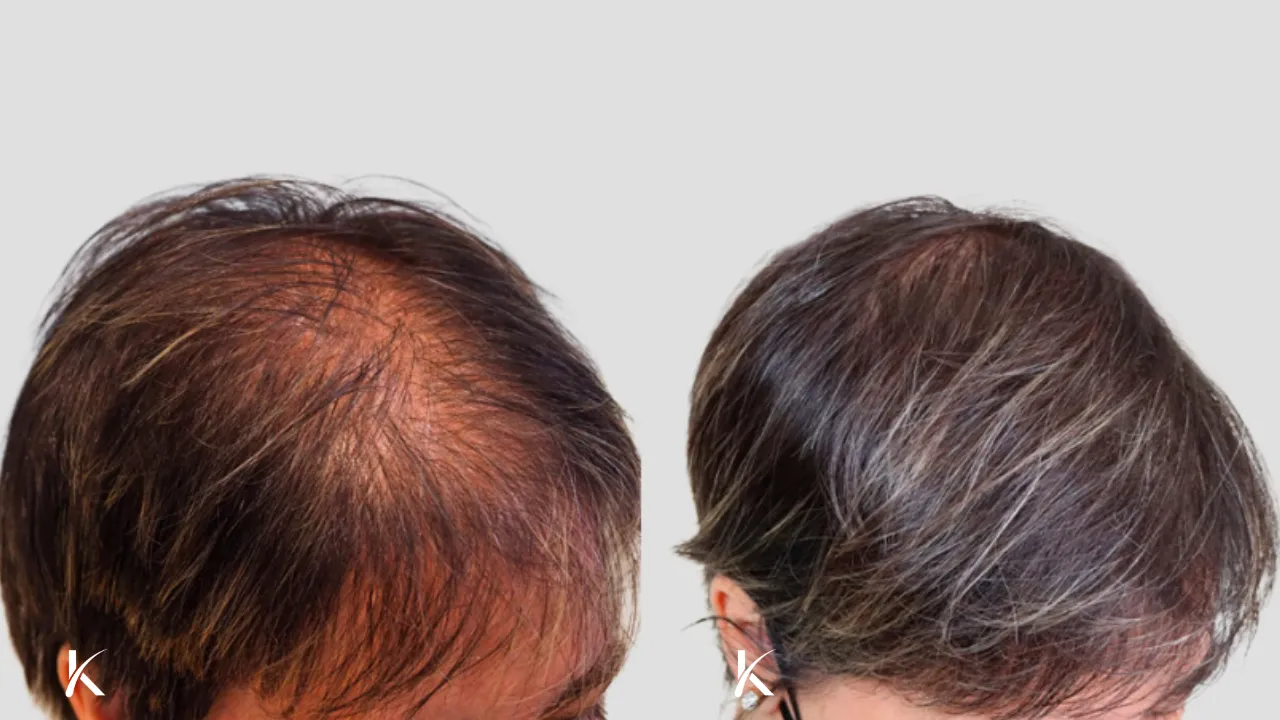
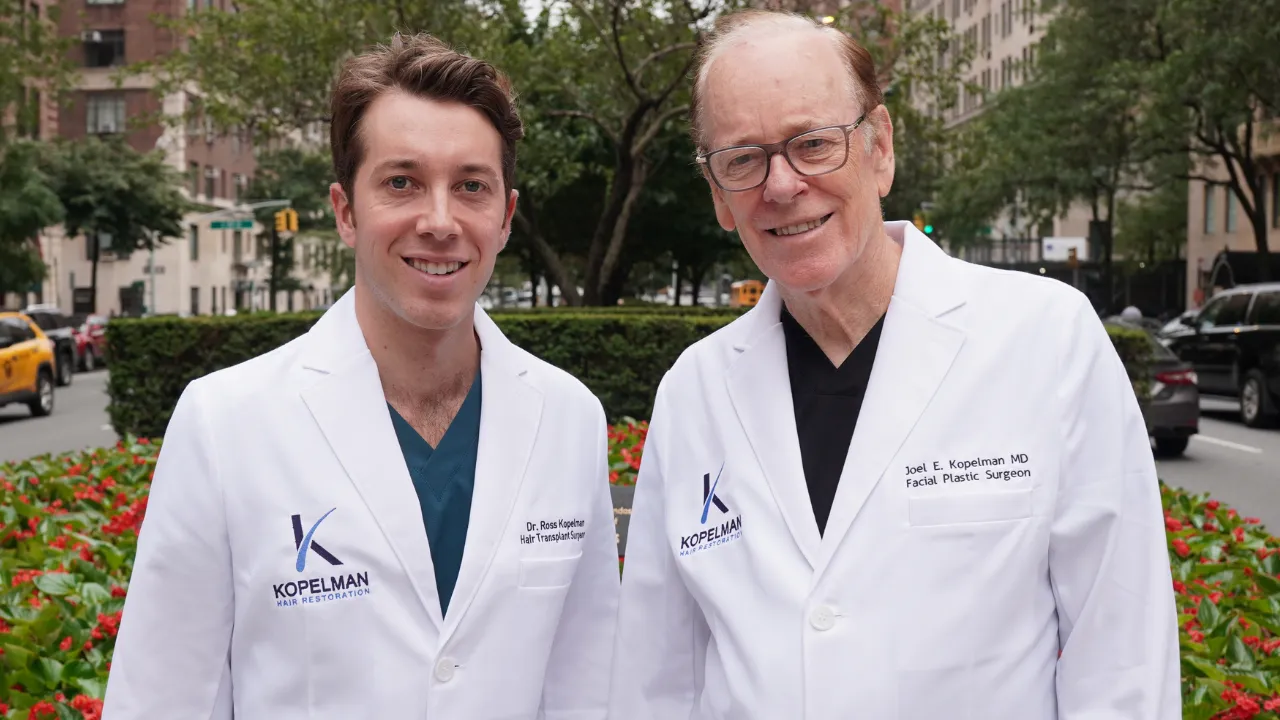
Our female hair transplant before-and-after gallery features real patient transformations performed by Dr. Ross Kopelman and Dr. Joel Kopelman at Kopelman Hair Restoration. Each case below shows the progression from thinning or recession to restored density, so you can see what surgical hair restoration looks like on women with a range of ages, loss patterns, and hair types.
Browse the results below, then keep reading for a closer look at what causes female hair loss, who qualifies for the procedure, and what to realistically expect from your own outcome.
Understanding Female Hair Loss
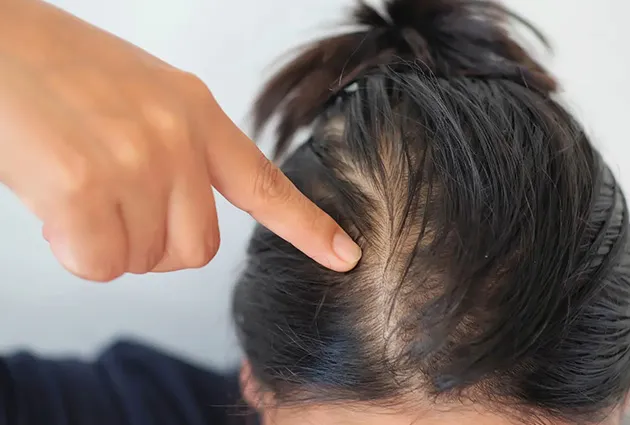
Hair loss in women presents differently than it does in men. Rather than a receding hairline or bald crown, most women experience diffuse thinning along the part line, temples, or across the top of the scalp. This pattern, known as female pattern hair loss, affects roughly 40% of women by age 50 and can begin as early as the mid-20s.
Common Causes
Hormonal shifts are one of the most frequent triggers. Pregnancy, menopause, thyroid imbalances, and polycystic ovary syndrome (PCOS) can all accelerate thinning by altering the hair growth cycle. Genetics also play a significant role; women with a family history of thinning are more likely to experience it themselves.
Medical conditions such as alopecia areata, lupus, and iron-deficiency anemia can contribute to noticeable shedding. Traction alopecia, caused by years of tight braids, ponytails, or extensions, is another common cause, particularly along the hairline and temples. Chronic stress, crash dieting, and nutritional gaps in iron or vitamin D can worsen existing thinning or trigger temporary shedding known as telogen effluvium.
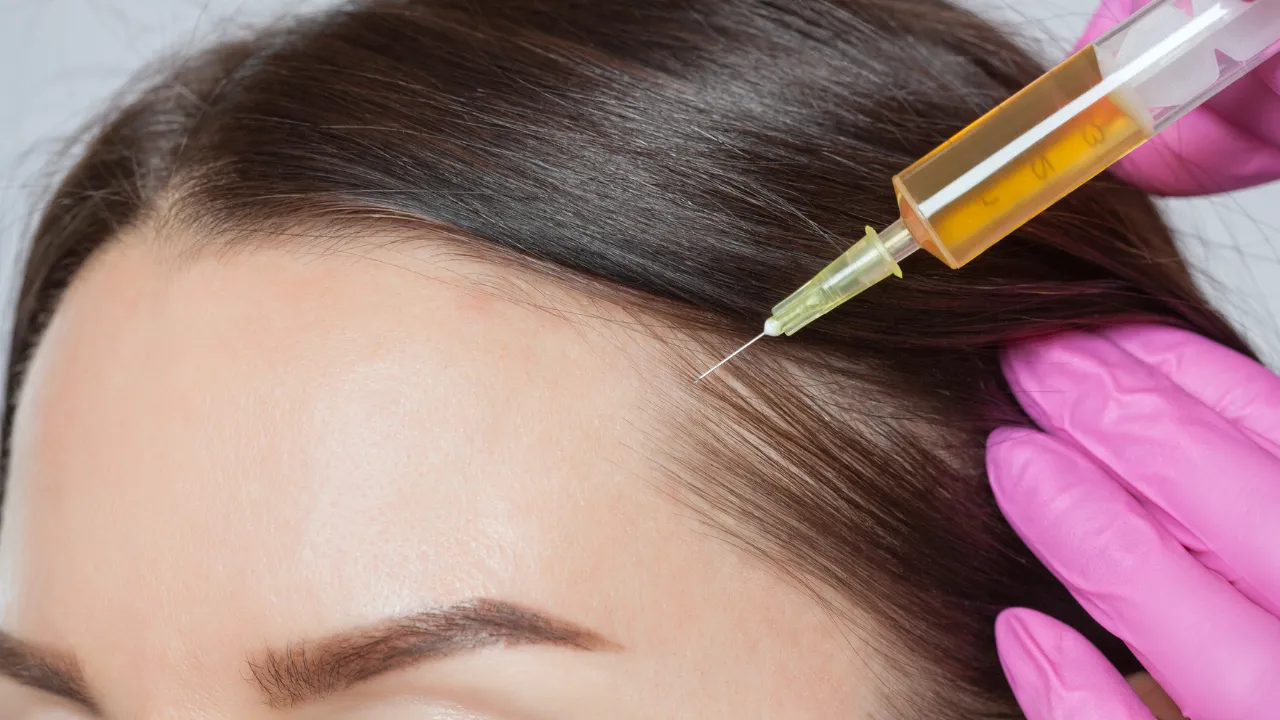
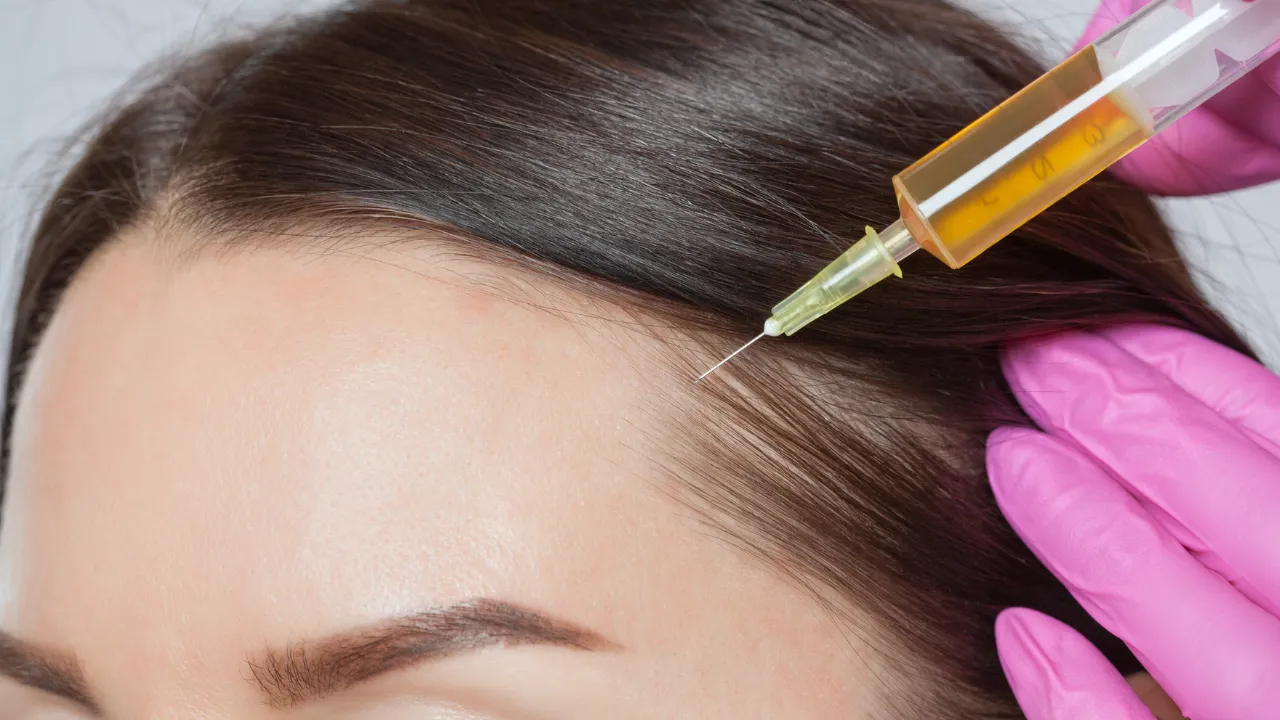
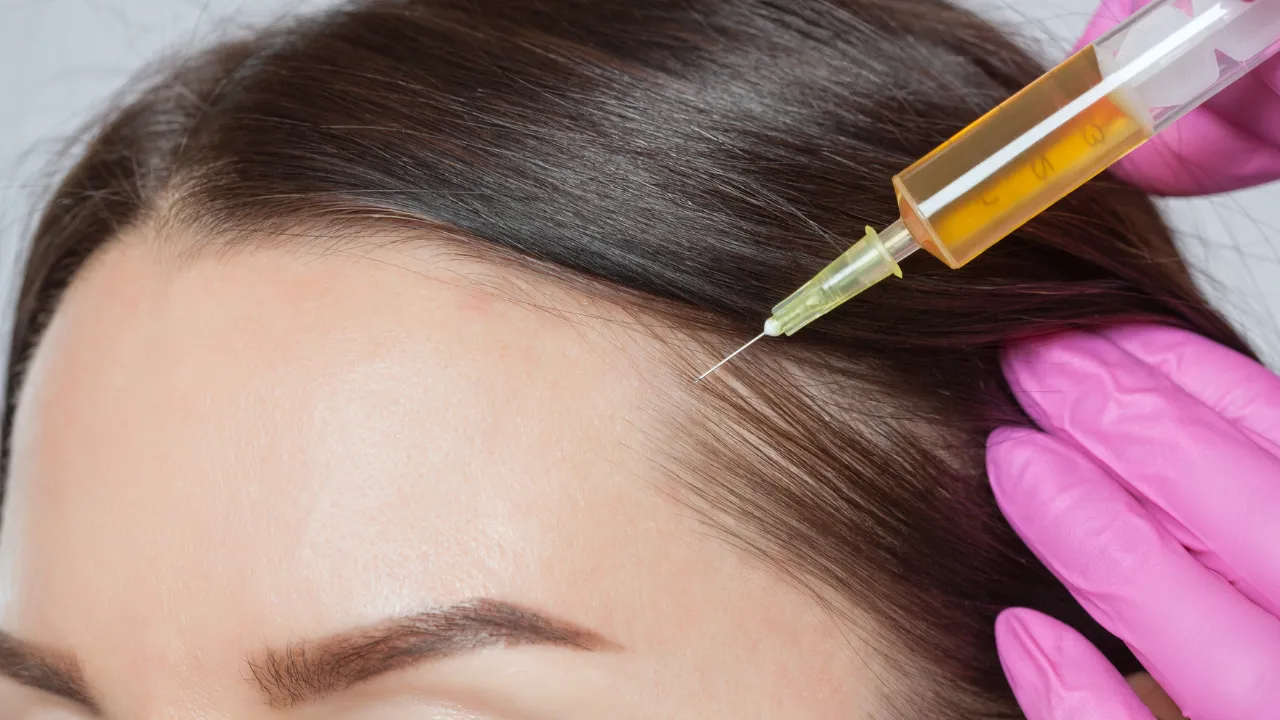
Understanding the root cause is essential before pursuing surgical restoration. A thorough evaluation helps determine whether a woman’s thinning will respond best to a surgical approach, a non-surgical option like PRP therapy or mesotherapy, or a combination of both.
Who Is a Good Candidate for Female Hair Restoration
Not every woman experiencing thinning is an ideal surgical candidate. The best outcomes occur in patients who meet a few key criteria.
A stable loss pattern is the most important factor. Women whose thinning has progressed gradually and plateaued tend to respond better than those with rapidly advancing or unpredictable shedding. This stability allows the surgeon to plan graft placement with confidence that the surrounding native hair will remain.
Adequate donor supply is equally critical. Follicles are typically harvested from the back and sides of the scalp, areas that are usually resistant to hormonal miniaturization. However, women with diffuse thinning sometimes have compromised donor zones as well. A close examination of follicle density in the donor area, often using trichoscopy, confirms whether enough healthy grafts are available to achieve meaningful coverage.
Realistic expectations matter too. Surgical restoration can significantly improve density and framing, but a single session may not replicate the fullness of pre-loss hair. During a consultation, Dr. Ross Kopelman or Dr. Joel Kopelman will walk through projected graft counts, expected coverage, and whether a second session might be beneficial down the line.
Women with underlying medical conditions such as uncontrolled thyroid disease or active autoimmune alopecia should stabilize those issues first. Addressing the medical trigger helps ensure that newly transplanted follicles thrive and that native hair loss does not continue to outpace the restoration.
Surgical Techniques for Women
Two primary approaches are used for female hair restoration, each with distinct advantages depending on the patient’s hair type, loss pattern, and styling preferences.
FUE involves extracting individual follicular units directly from the donor area using a small punch tool. Each unit is then placed into tiny recipient sites in the thinning zone. The technique leaves no linear scar, only small dot-sized marks that heal quickly and are virtually undetectable.
For women, a major benefit of FUE is the option for a no-shave approach. The surrounding donor hair remains at its existing length, making it easier to conceal the procedure during the healing period. FUE is well suited for patients who need targeted density work along the hairline, temples, or part line.

FUT removes a narrow strip of tissue from the donor area, which is then dissected under magnification into individual follicular units. The donor site is closed with sutures, leaving a thin linear scar that is typically hidden beneath surrounding hair.
FUT can yield a higher number of grafts in a single session, which makes it a strong choice for women with more advanced thinning who need broader coverage. Because the strip is removed from a concentrated donor zone, it also avoids the scattered extraction pattern of FUE, preserving overall donor density more evenly.
Some women seek restoration not because of thinning but because they were born with a naturally high or asymmetric hairline. Hairline lowering surgery uses transplanted grafts to bring the frontal hairline forward or reshape the temples, creating a softer, more feminine frame around the face. Several patients in the gallery above underwent this type of procedure.
What to Expect from Your Results
The results shown in our gallery represent outcomes at various stages of growth.
Recovery Timeline
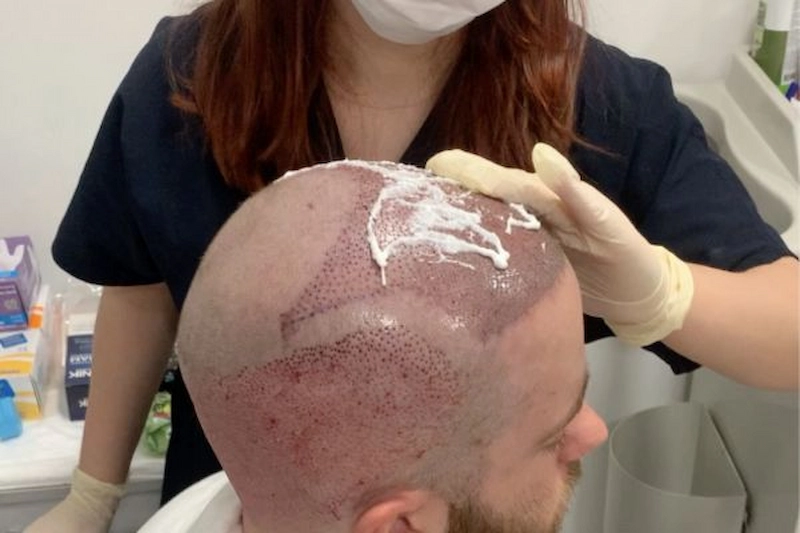
Most patients return to desk-based work within a few days. Tiny crusts form around the transplanted grafts and typically shed within 7 to 14 days. Mild redness in the recipient area fades over the following weeks. Strenuous exercise and direct sun exposure should be avoided for at least two to three weeks to protect the healing grafts.
When Results Become Visible
Transplanted follicles go through a normal shedding phase during the first two to four weeks. This is expected and does not mean the grafts have failed. New growth begins emerging around months three to four, initially as fine, wispy strands that gradually thicken over time.
Most patients see noticeable improvement by month six, with continued maturation through months 10 to 14. The full outcome, including final density and texture, is typically visible around the one-year mark. In some cases, particularly those involving coarser or curlier hair, improvement continues beyond 12 months.
Comparing your own progress to the female hair transplant before-and-after cases in our gallery can help you gauge where you are in the growth cycle. Each patient page includes the timeframe at which the post-procedure photo was taken.
Frequently Asked Questions
Graft counts vary widely based on the extent of thinning and the area being treated. Hairline refinement or temple work may require 800 to 1,500 grafts, while broader density restoration across the midscalp and crown can range from 1,500 to 3,000 or more. Your surgeon will provide a personalized estimate during your consultation.
Local anesthesia is used to numb the donor and recipient areas, so most patients feel only mild pressure during the session. Post-procedure discomfort is generally minimal and managed with over-the-counter pain relievers.
Yes. Kopelman Hair Restoration regularly works with women who have naturally curly, coily, or textured hair, including patients with traction alopecia common in African American women. Curly hair can actually create the appearance of greater coverage per graft because each strand occupies more visual space.
Transplanted follicles are harvested from areas genetically resistant to the hormones that cause thinning. Because of this resistance, the restored hair is permanent in most cases. Maintaining the health of surrounding native hair with medical therapies, when recommended, helps preserve the overall density achieved by the procedure.
When performed by an experienced surgeon, the transplanted hair grows in a natural direction, angle, and density pattern that blends seamlessly with existing hair. The goal is a result that looks like your own hair, not a procedure.