
At Kopelman Hair, many patients ask what causes hair to break and why their hair is prone to breakage. The answer often lies in a mix of daily habits and overall health.
Understanding these causes helps prevent damage and breakage, giving patients the opportunity to restore healthier, stronger hair with the right care.
Key Takeaways
- Hair breakage can be caused by heat styling, tight hairstyles, harsh products, or underlying medical and nutritional issues.
- Early signs include split ends, uneven hair strands, and hair breakage at the crown. Breakage is different from hair fall.
- Prevention strategies include gentle handling, a balanced diet, protective hairstyles, and avoiding products that can cause damage.
- Professional treatments, such as PRP, keratin care, and prescription shampoos, can be beneficial when home remedies are not enough.
- Medical advice is important when breakage is severe, sudden, or linked with bald patches, illness, or fatigue.
What Causes Hair Breakage?
There are many common causes of hair breakage, and most people experience more than one at the same time. Breakage can occur in all hair types, although curly and fine hair are often more susceptible to breakage. People ask, “why is my hair breaking?” or “what causes hair to break?” The answer is a mix of daily habits, nutrition, and health.
Daily Habits and Styling Damage
Heat tools, chemical treatments, and tight styles put stress on the hair shaft. Using hair ties too tightly or wearing your hair pulled back every day adds tension that leads to hair breakage. Allowing your hair to air dry instead of blow-drying can reduce stress on fragile strands.
Health-Related Causes and Deficiencies
Health strongly affects hair strength. Deficiencies in iron, zinc, or vitamin D reduce resilience, while eating disorders may limit nutrients that hair needs to grow. Medical conditions, such as thyroid disease or autoimmune disorders, also impact the growth cycle and can cause breakage. A balanced diet helps keep hair strong.
What Illnesses Can Cause Hair Breakage?
Thyroid disorders, anemia, and lupus affect how hair grows and breaks. Illnesses can disrupt the growth cycle, causing strands to weaken. High fevers and infections may also lead to temporary breakage or hair fall.
What Deficiency Causes Hair Breakage?
Low levels of iron, zinc, vitamin D, or biotin weaken the hair. Without these nutrients, the scalp cannot support healthy hair strands.
Foods that help include:
- Eggs for protein and biotin.
- Spinach for iron.
- Fatty fish for omega-3s and vitamin D.
- Nuts and seeds for zinc.
Reasons for Hair Breakage in Women
Hormones also affect hair. Many women see damaged hair after pregnancy, during menopause, or while taking certain medications. Stress-related hormone shifts can make hair more prone to breakage.
Types of Hair Breakage
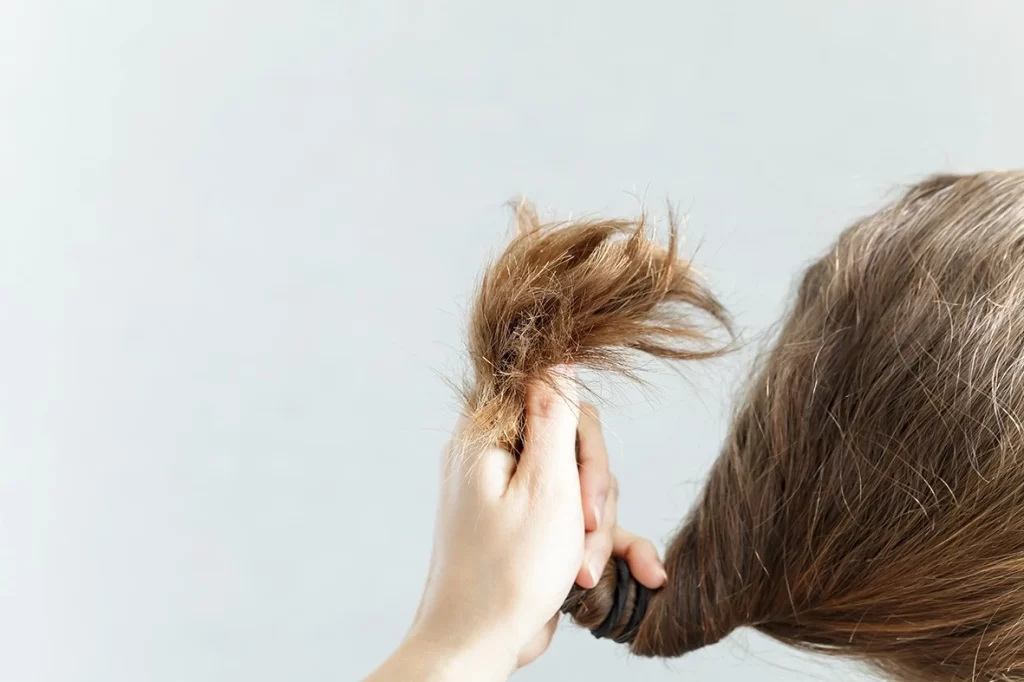
Breakage takes different forms. Split ends often result from heat styling and the use of chemicals. Mid-shaft breakage occurs when hair strands snap in the middle due to repeated brushing or the use of tight hair ties. Crown breakage shows at the top of the head, while hairline breakage often comes from wearing your hair in tight ponytails.
Severe Hair Breakage, Thinning, and Loss
Breakage that is not managed may progress into thinning or hair fall. Weak roots and repeated stress reduce density. This stage often requires professional treatments to restore strength.
Is Hair Breakage the Same as Hair Loss?
Breakage and hair loss are not the same. Breakage happens along the hair shaft, while loss begins at the follicle. Understanding the difference helps people decide between adjusting habits or seeking medical help.
Signs and Symptoms of Hair Breakage
How to Recognize Hair Breakage
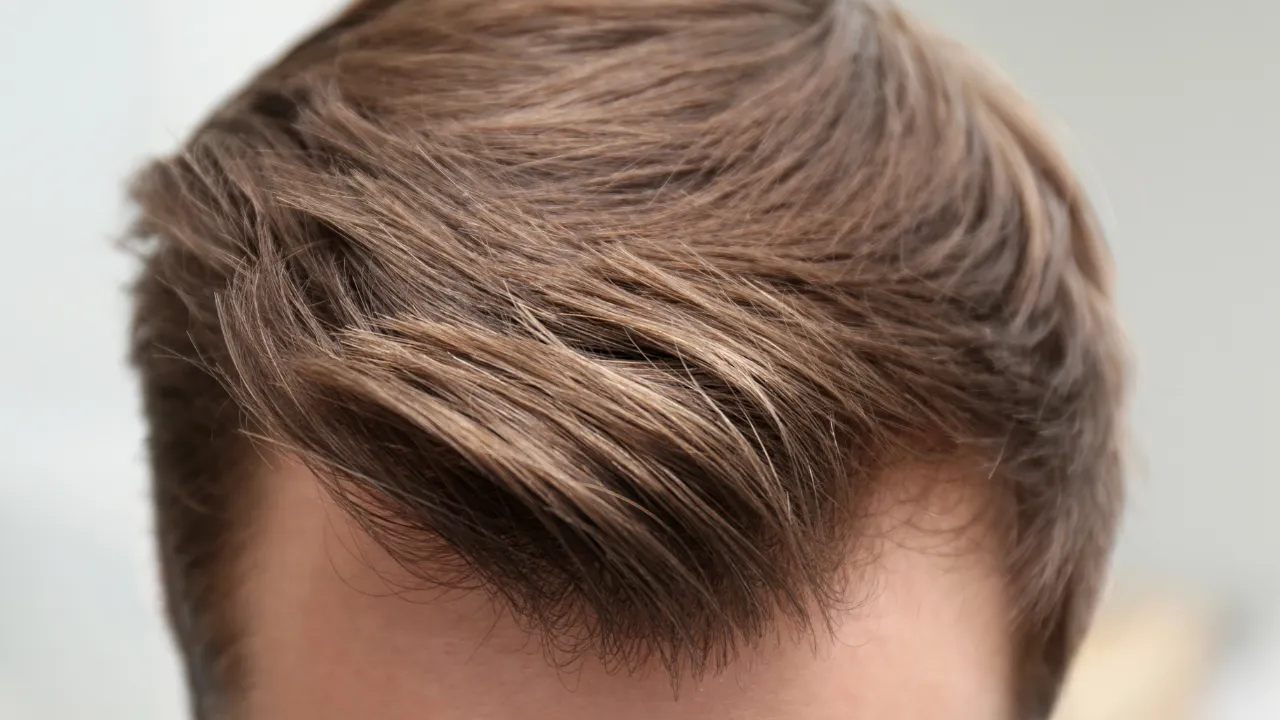
Signs include uneven hair strands, frizz, and split ends. These show that the protective layer of the strand is weakened.
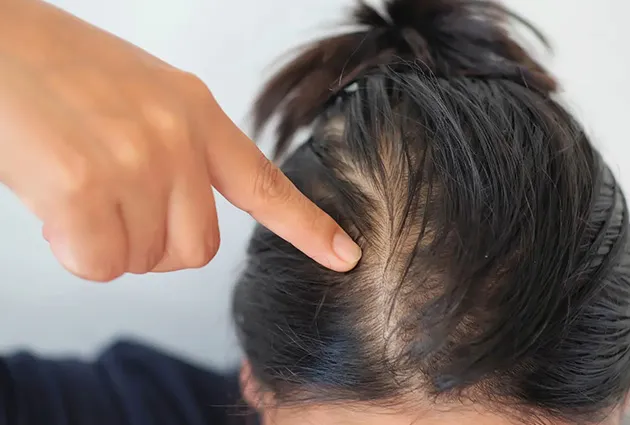
My Hair Is Breaking Off at the Top
Crown breakage occurs due to direct heat or tension. Changing styles and letting hair air dry can reduce damage.
Is Hair Breakage Normal?
Some breakage is normal. The concern starts when breakage is frequent or when large amounts of hair become damaged and snap daily.
How to Stop and Prevent Hair Breakage
Patients often ask, “how do I stop breakage in hair?” The answer is to protect fragile strands while treating the root causes.
How to Stop Hair Breakage
Tips to strengthen hair:
- Limit heat styling and chemical treatments.
- Avoid pulling hair back with tight hair ties.
- Trim split ends often.
- Sleep on silk pillowcases.
Do’s and Don’ts to Prevent Hair Breakage
Do’s:
- Comb wet hair with a wide-tooth comb.
- Use heat protectant before styling.
- Choose silk or satin pillowcases.
Don’ts:
- Use hot tools daily.
- Keep wearing your hair in tight ponytails.
- Skip regular trims.
How to Stop Hair Breakage Naturally
Natural care helps repair damaged hair. Oils like coconut and argan hydrate hair strands, while aloe vera masks smooth the cuticle. Rinsing with cool water and letting hair air dry also prevent more stress.
Gentle Care and Nutrition Tips
A balanced diet is key to stronger hair. Proteins, leafy greens, and vitamins A, D, and biotin all support the growth cycle. Gentle drying and avoiding rough brushing protect strands that are prone to breakage.
Best Hairstyles to Prevent Hair Breakage
Protective styles lower tension on the scalp. Loose buns, braids, or styles with soft scrunchies give strands time to recover. Avoid tight styles that put too much stress on fragile curly hair or fine hair.
Hair Breakage Treatment Options
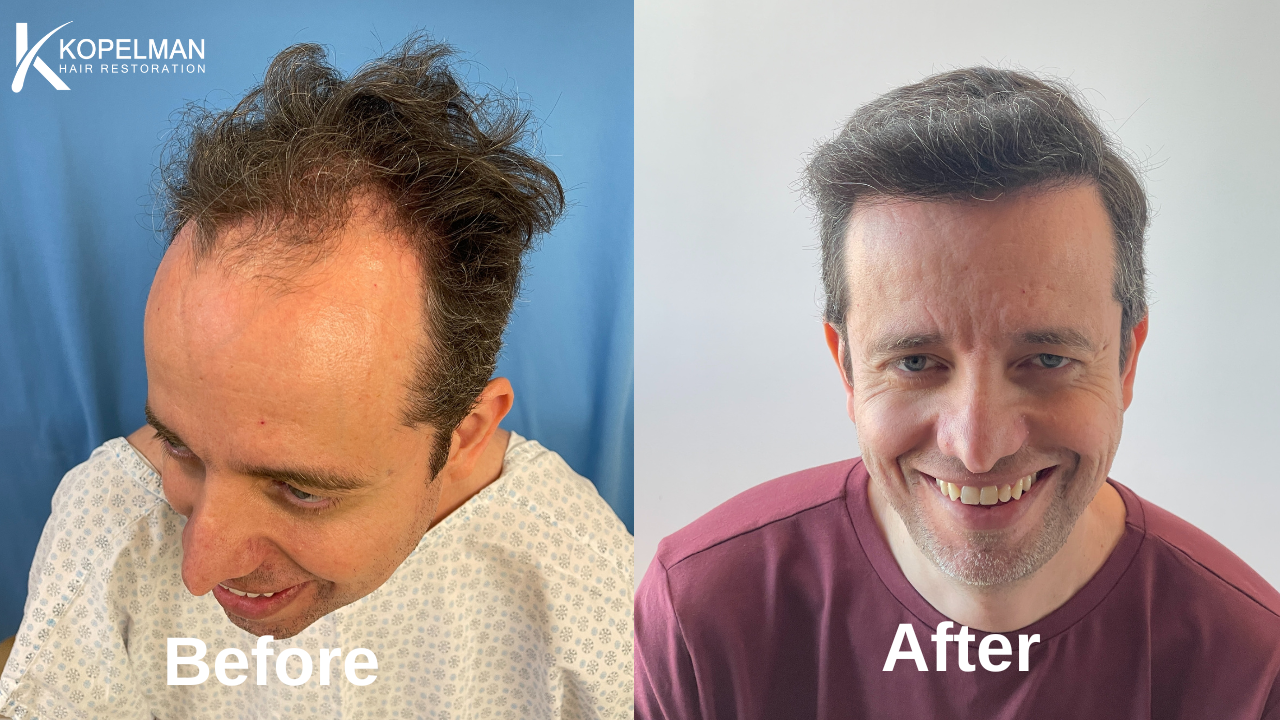
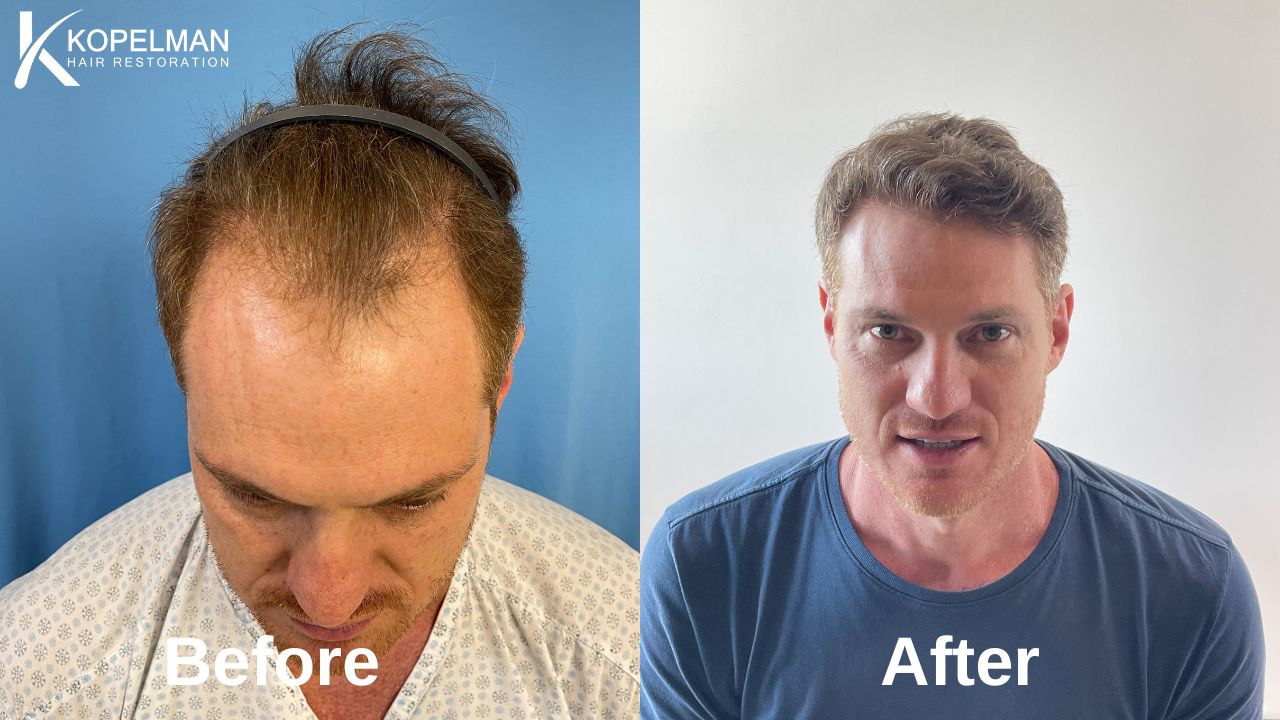
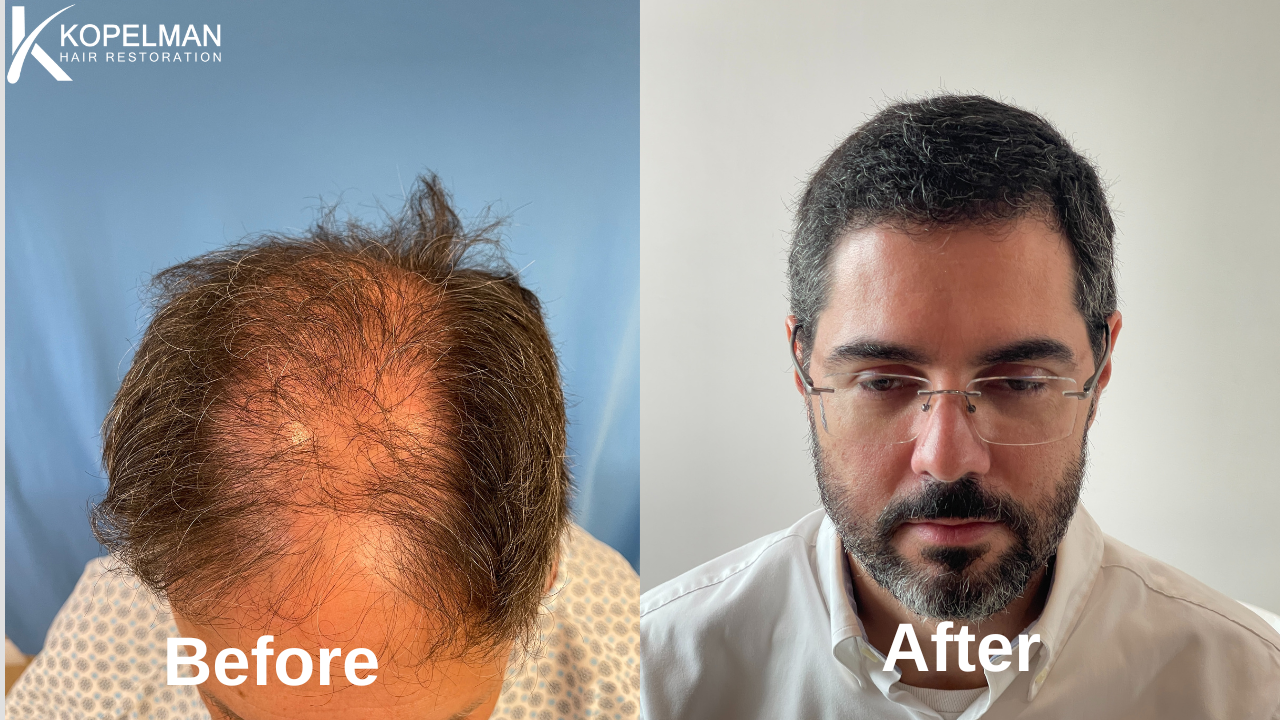
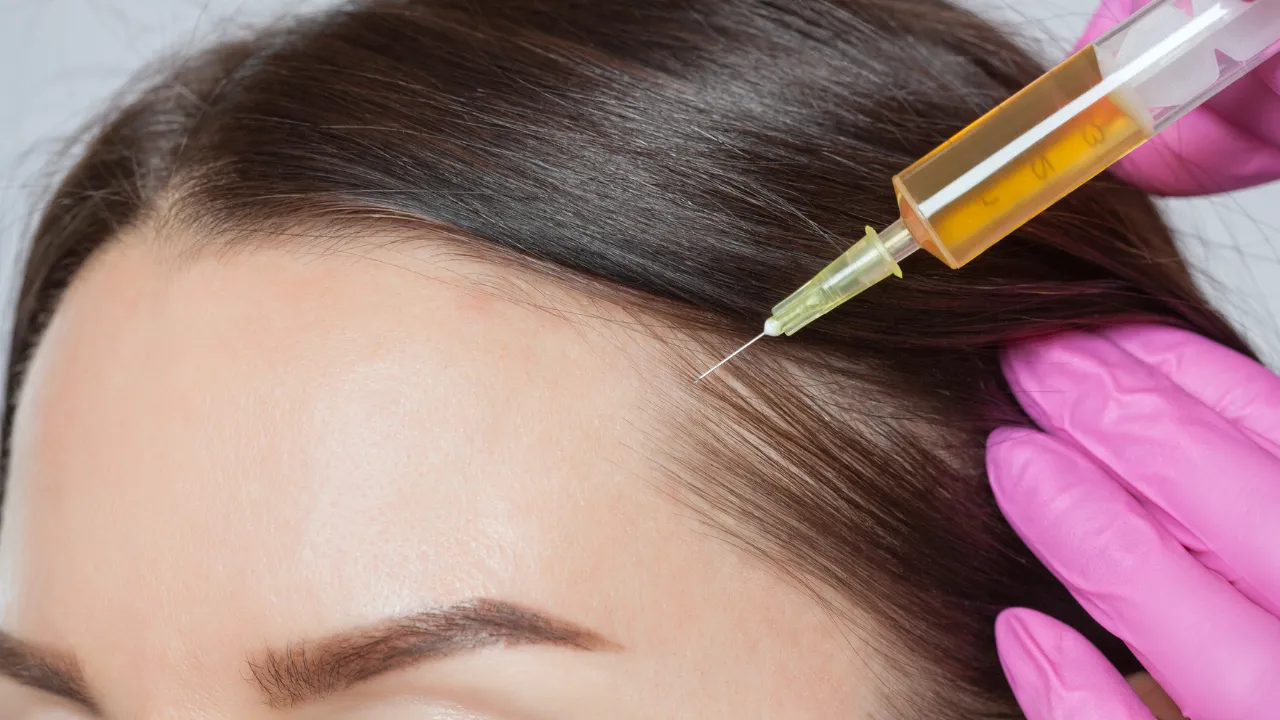
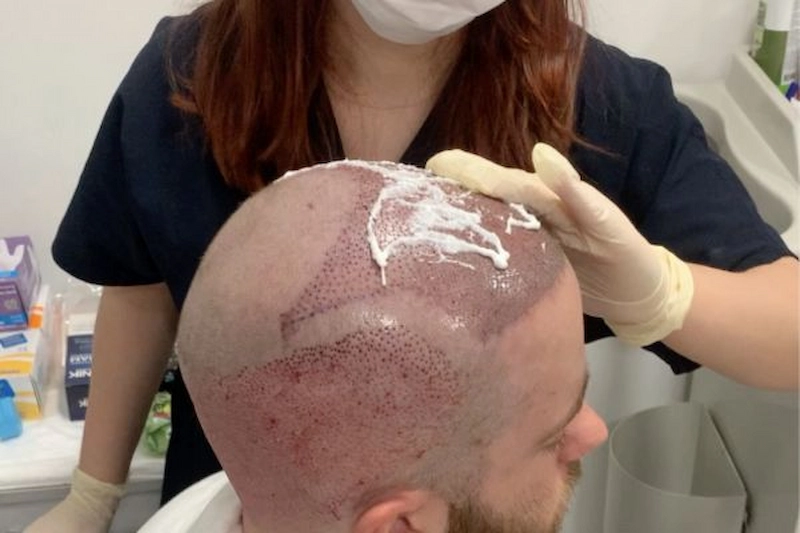
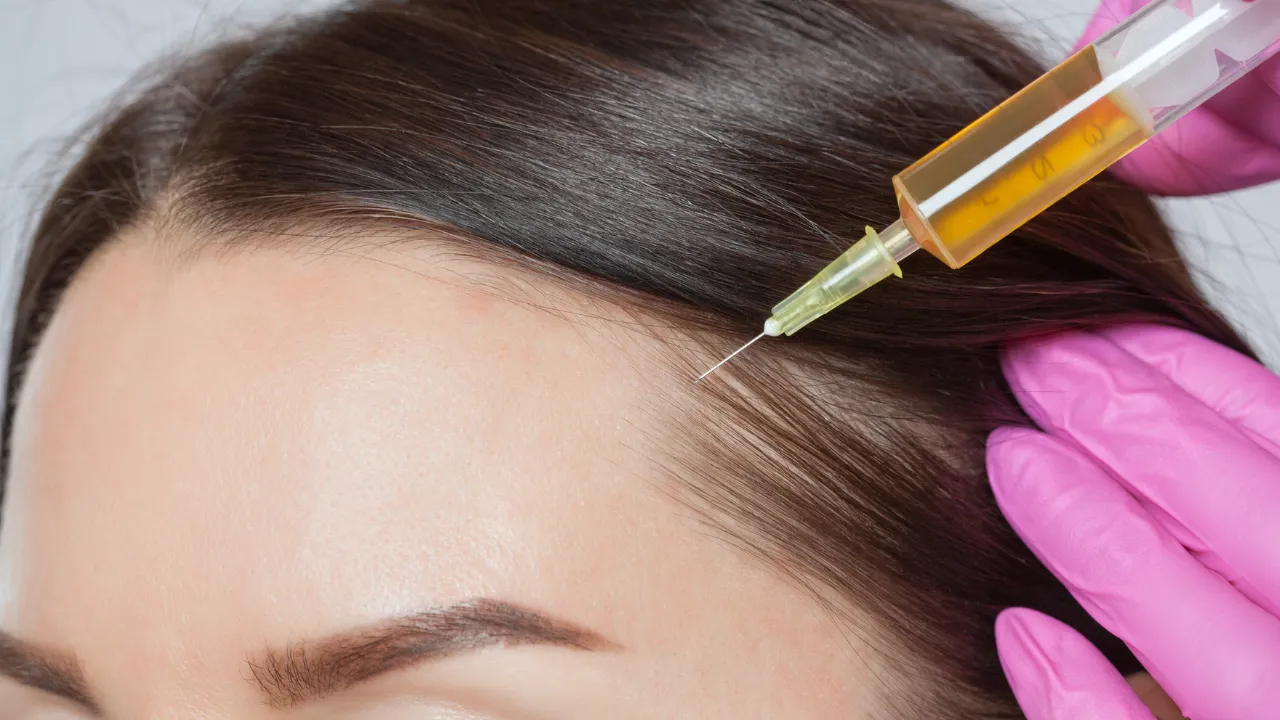
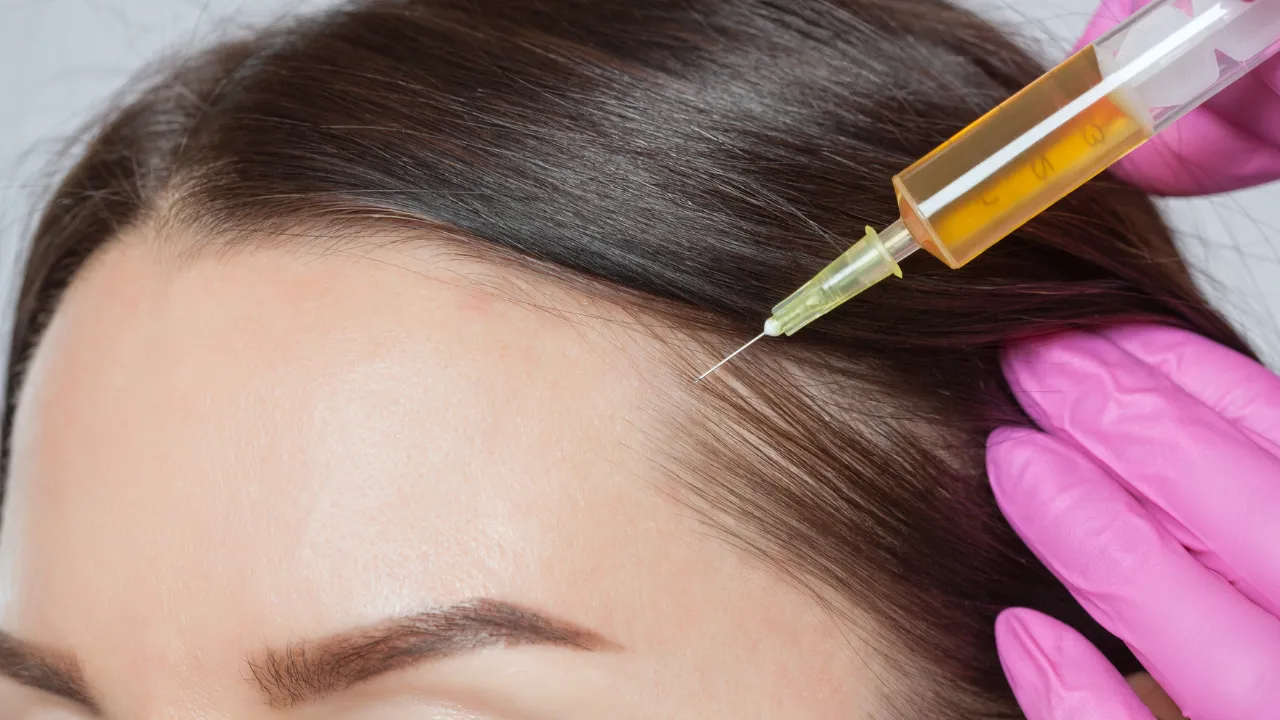
When home remedies are not enough, professional options are available. Treatments include PRP therapy, keratin treatments, and prescription shampoos.
The American Academy of Dermatology confirms that PRP and protein-based products strengthen the hair shaft and reduce breakage. These approaches are beneficial when lifestyle changes alone are not enough.

Products to Avoid That Increase Breakage
Sulfate shampoos strip oils, while alcohol-based sprays dry out strands. Both cause damage and breakage. Choosing gentle products lowers the risk of future problems.
Products That Help Reduce Breakage
Sulfate-free shampoos, deep conditioners, and leave-in serums protect weak hair. These products hydrate and reduce friction on fragile hair strands.
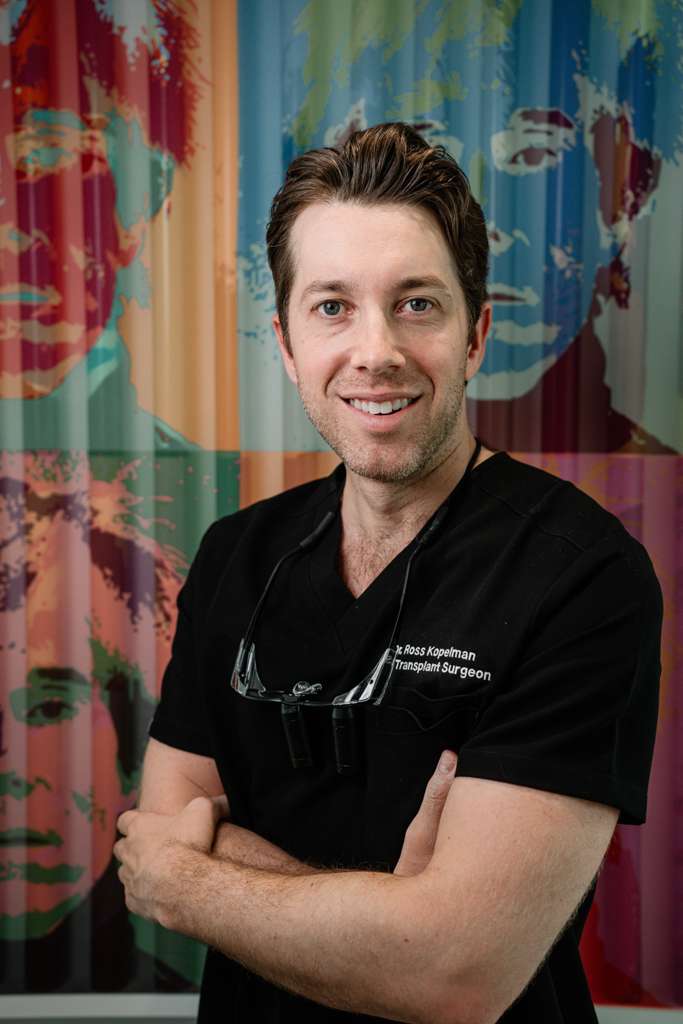
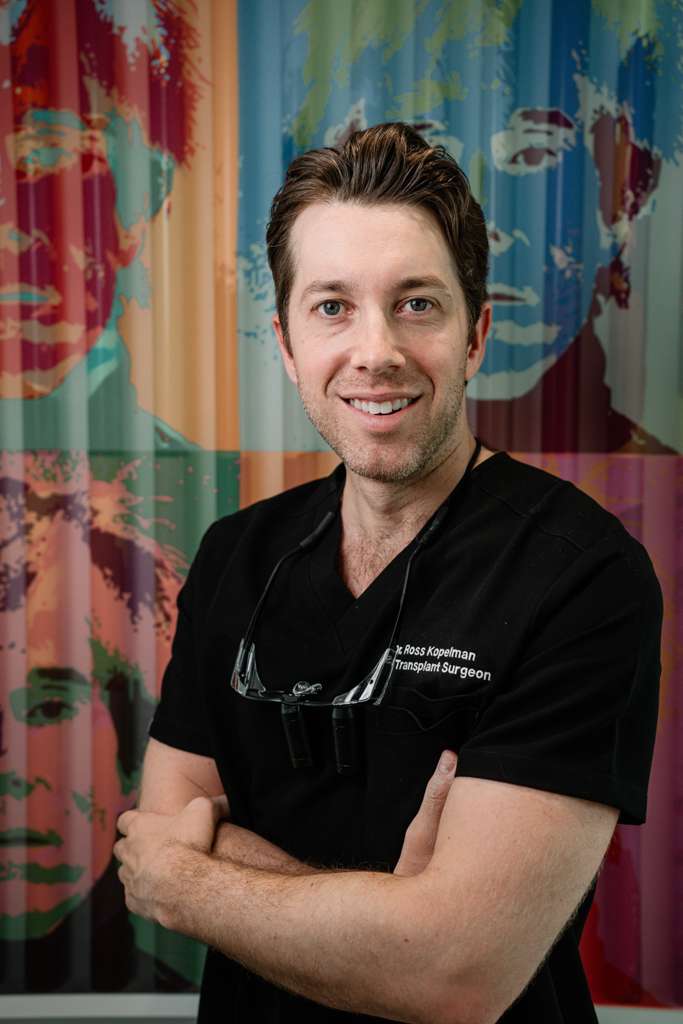
Expert Insight from Dr. Kopelman
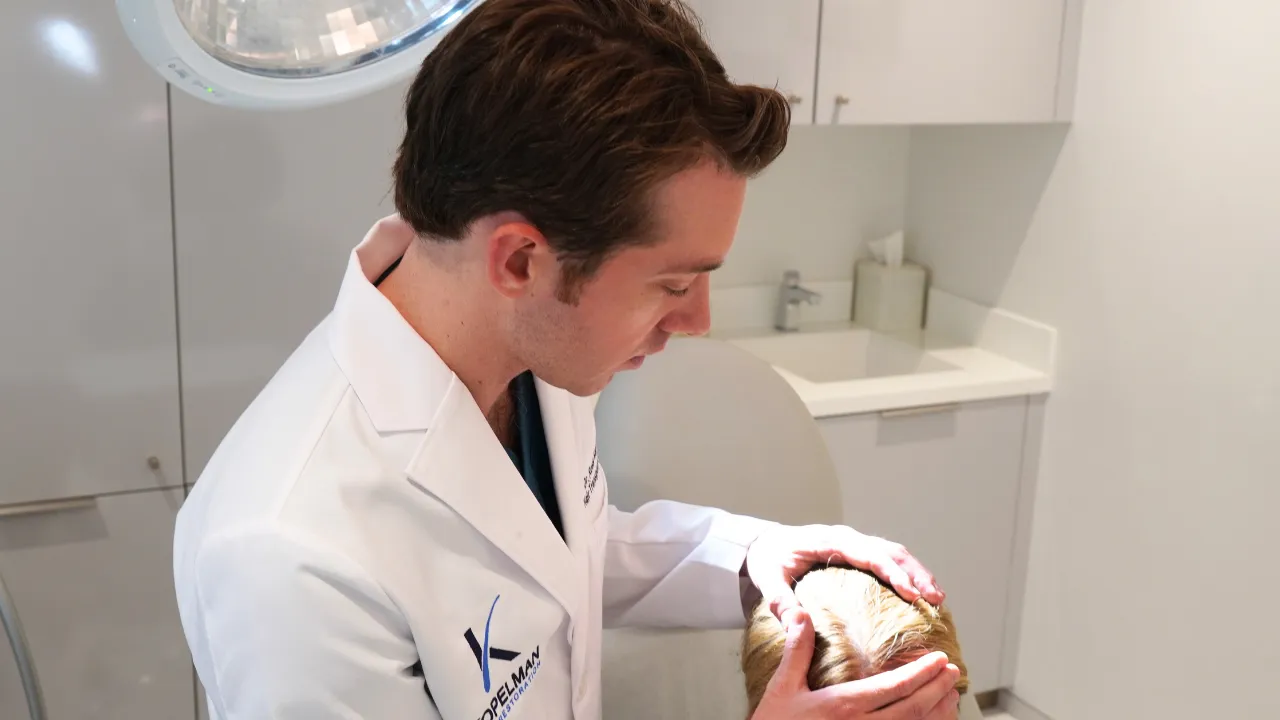
Dr. Kopelman advises acting early when breakage appears. He stresses the importance of examining both daily habits and health issues that may contribute. With proper care and treatment, most patients can reverse damage and breakage.
His decades of experience demonstrate that solutions must be tailored to individual needs. Every hair type benefits from care tailored to its unique needs.