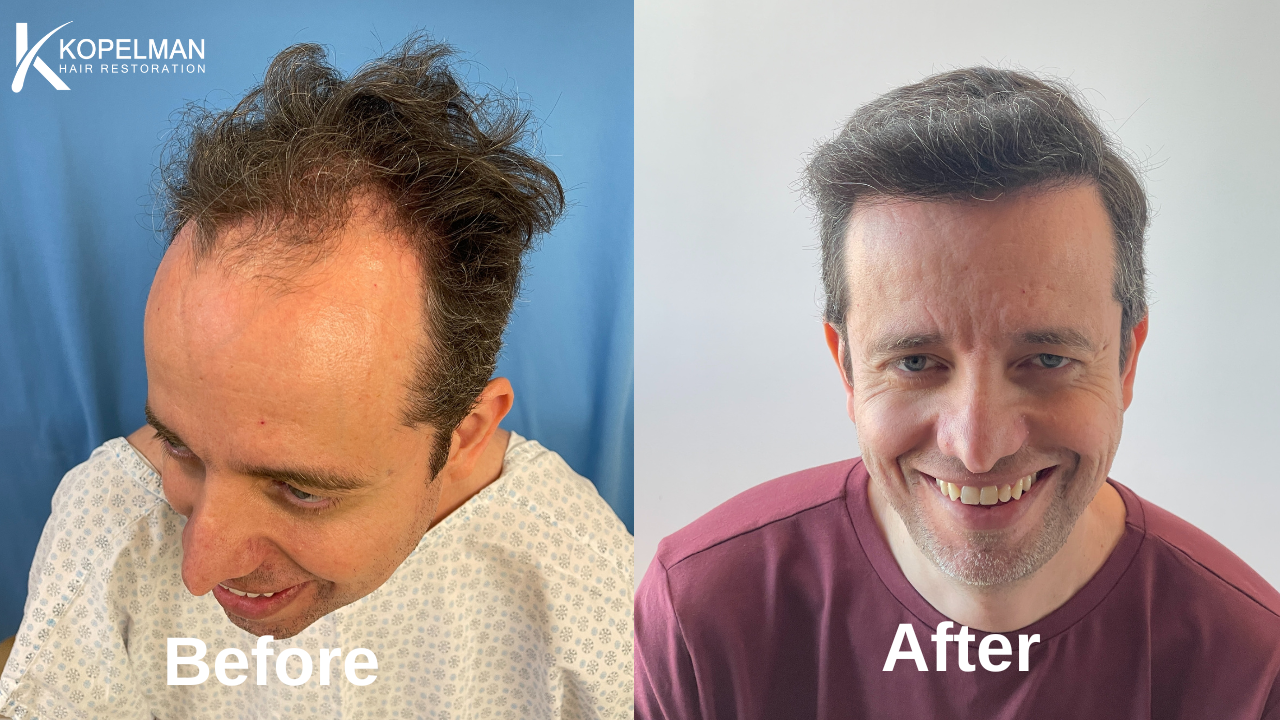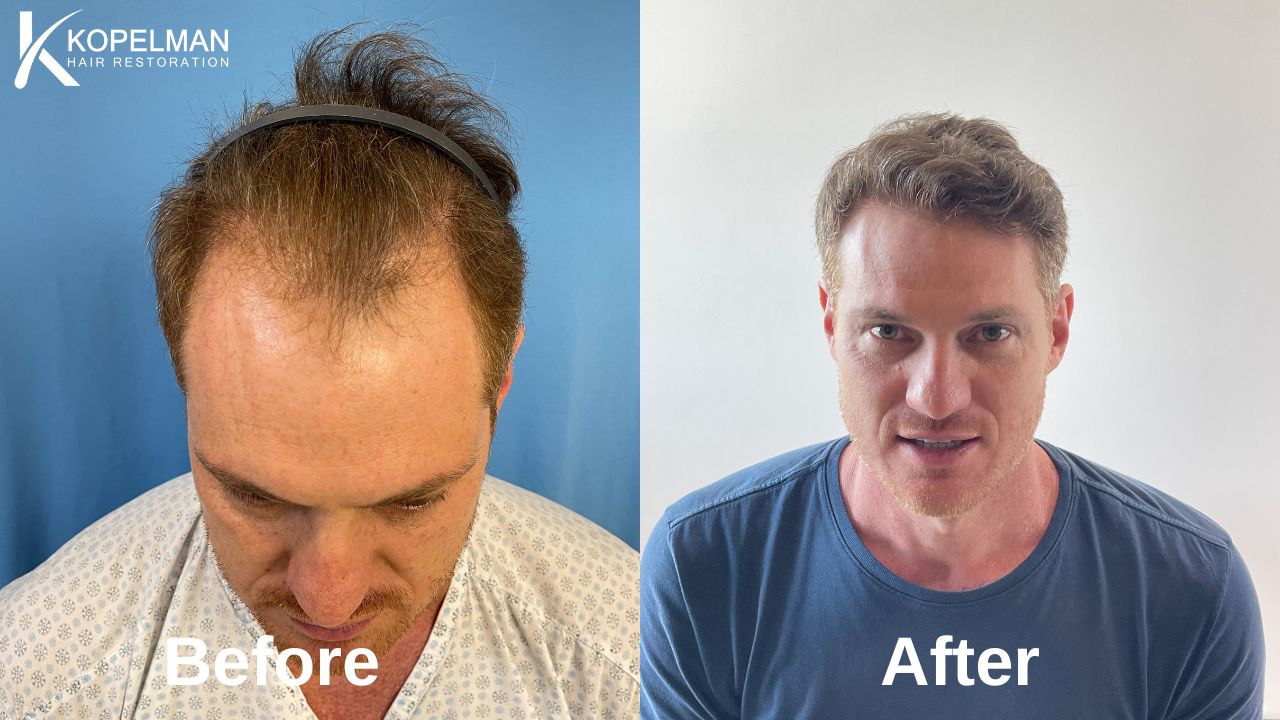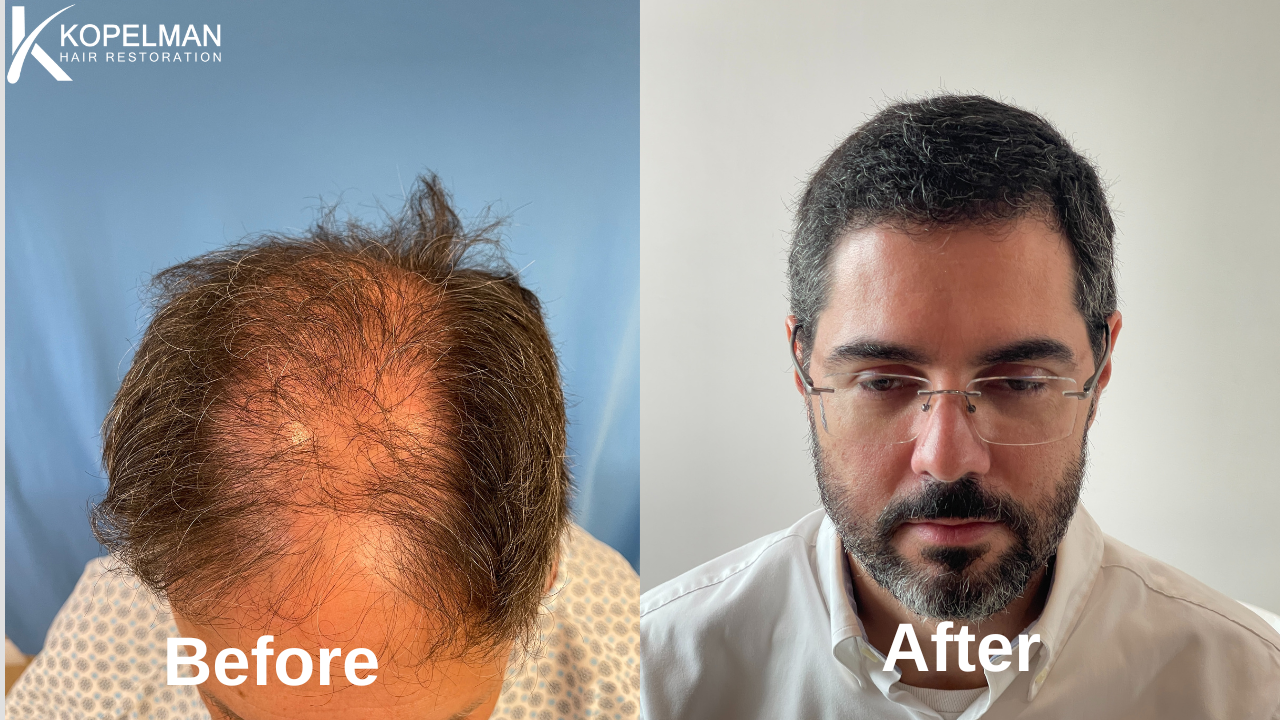

At Kopelman Hair, we help patients recognize the early signs of hair thinning and guide them toward effective solutions. The earliest changes often appear gradually, but noticing them early makes a difference in treatment success.
Key Takeaways
- Early signs of diffuse thinning include a wider part, reduced volume, and more visible scalp.
- Different types of hair shedding include genetic thinning, hormonal changes, and medical conditions such as alopecia areata.
- Men often develop male pattern baldness, while women typically notice diffuse thinning or a receding hairline.
- Treatment options such as minoxidil, finasteride, PRP, and ketoconazole shampoo can improve hair growth and prevent further hair loss.
- Scheduling a consultation with Dr. Kopelman early helps address excessive hair loss before it progresses.
Early Stages of Thinning Hair
How Do I Know if My Hair Is Thinning?
You may notice gradual changes rather than sudden loss. Hair can feel lighter, less dense, or more difficult to style. Many people report seeing more strands during daily routines like brushing or washing.
Key indicators include:
- Thinner individual strands
- Less volume overall
- Increased shedding during routine care
- Scalp becoming visible under light
These changes often develop slowly, which is why they can go unnoticed at first.
How to Check Hair Thinning at Home
Simple checks can help confirm early thinning:
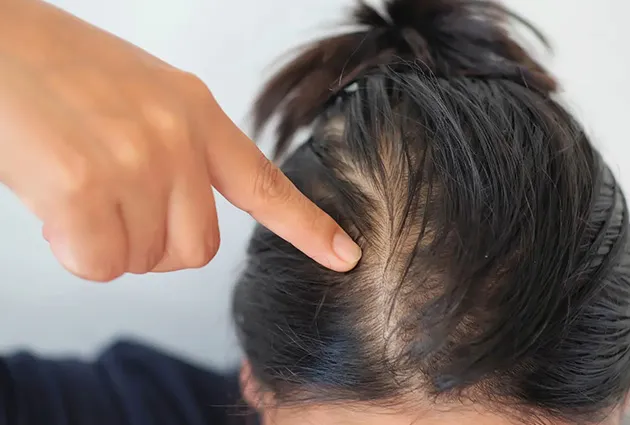
- Look at your part under bright lighting to see if it appears wider than before
- Compare current photos with older ones to track density changes
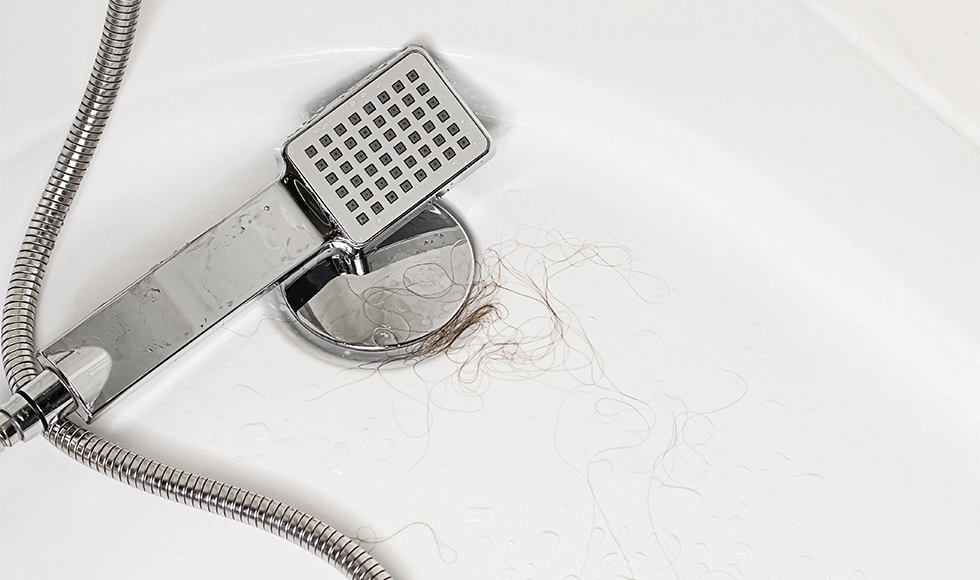
- Check your pillow or shower drain for consistent shedding patterns
- Tie your hair back and assess if your ponytail feels thinner
- Use a second mirror to inspect the crown area
Tracking these signs over time helps identify whether thinning is progressing.
Widening Part or Reduced Volume
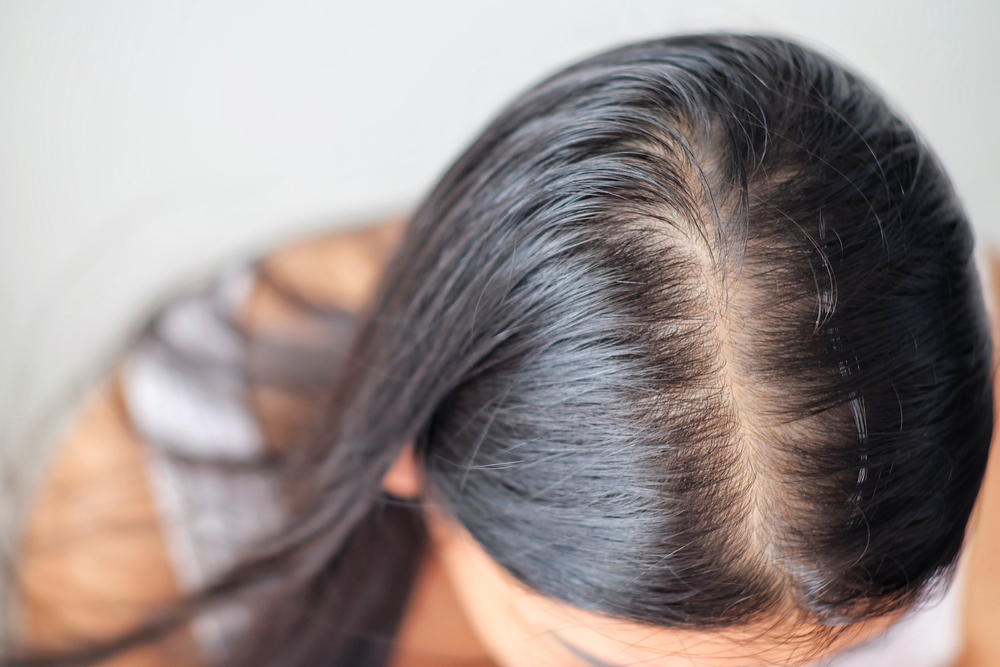
A widening part is one of the earliest visible signs of gradual thinning, especially in women. It reflects reduced density rather than active shedding.
Similarly, a smaller ponytail often indicates fewer active hair follicles producing strong strands. This change tends to happen gradually and may be mistaken for normal variation.
Extra Hair on Pillow or in Shower
Seeing hair in these areas is normal to some extent. Most people shed between 50 and 100 hairs daily.
A noticeable increase beyond your usual baseline may suggest a disruption in the hair growth cycle. If this continues for several weeks, it may point to early thinning rather than temporary shedding.
Signs Noticed During Styling
Thinner ponytails, bald patches near the crown, or more scalp showing in hairstyles are early warning signs of alopecia.
Signs of Diffuse Thinning in Women
Women typically experience diffuse thinning across the scalp rather than distinct bald spots. The center part may widen, and overall density decreases.
Hair may also feel flatter, making it harder to style or maintain volume. These changes often become more noticeable under bright lighting or when hair is pulled back.
Signs of Weak Hair in Men
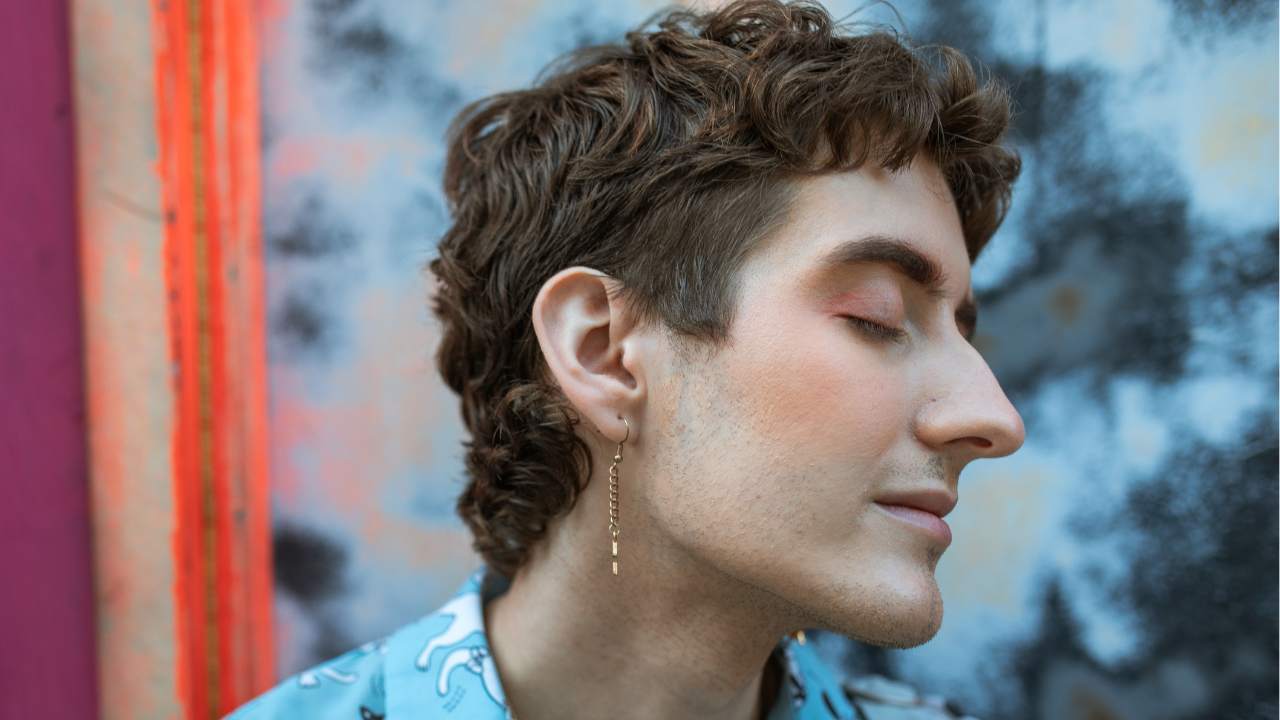
Men often notice thinning at the temples or crown. This pattern may begin with slight recession or reduced density in specific areas.
Over time, these areas can expand, forming more defined thinning zones. This progression is commonly associated with male pattern baldness.
Causes of Thinning Hair
Genetics and Aging
Genetic predisposition is the most common cause of thinning hair. Over time, hair follicles shrink, producing shorter, finer strands in a process known as miniaturization.
Hormonal Changes
Hormonal fluctuations can disrupt the hair growth cycle. Pregnancy, menopause, and thyroid disorders are common triggers. In men, DHT plays a key role in follicle shrinkage.
Lifestyle Factors
Stress, poor diet, and certain medications can accelerate thinning. Nutritional deficiencies, especially low iron or protein intake, may weaken hair structure.
Other Medical Causes of Fragile Hair
Some conditions affect the immune system. Alopecia areata causes sudden hair loss when follicles are attacked. Chemotherapy and radiation can also damage hair follicles, causing temporary or excessive hair fall.
In some cases, hair thinning affects facial areas such as the eyebrows, and patients exploring eyebrow hair restoration in NYC often seek permanent solutions when regrowth does not occur naturally.
- Thyroid disorders affecting metabolism and hair cycles
- Iron deficiency anemia reducing oxygen supply to follicles
- Autoimmune conditions such as alopecia areata
- Hormonal imbalances like PCOS
- Medication-related hair loss
Identifying these causes early helps guide effective treatment.
Types of Alopecia and How They Look
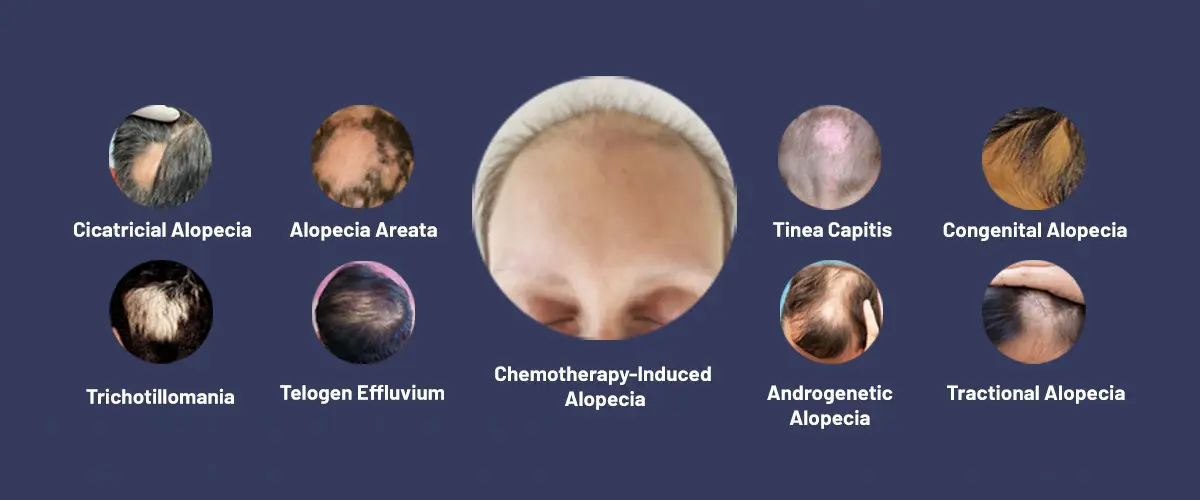
Different types of hair loss present in distinct ways:
- Androgenetic alopecia → gradual thinning at the crown or temples
- Telogen effluvium → sudden, diffuse shedding across the scalp
- Alopecia areata → round or patchy areas of balding
- Traction alopecia → thinning along the hairline from tension
Recognizing the pattern helps determine the underlying cause.
Self-Check: Early Signs at Home
You can often confirm thinning with a few checks:
- Notice if your part looks wider.
- Check if your ponytail feels thinner.
- Look for bald patches or more scalp under bright light.
- Track hair falling on your pillow or shower drain.
Thinning vs Shedding: Key Differences
Hair shedding is part of the natural growth cycle and usually temporary. It often occurs after stress, illness, or hormonal changes.
Thinning, on the other hand, involves a gradual reduction in follicle activity. This leads to finer strands and decreased density over time.
How Hair Thinning Progresses Over Time
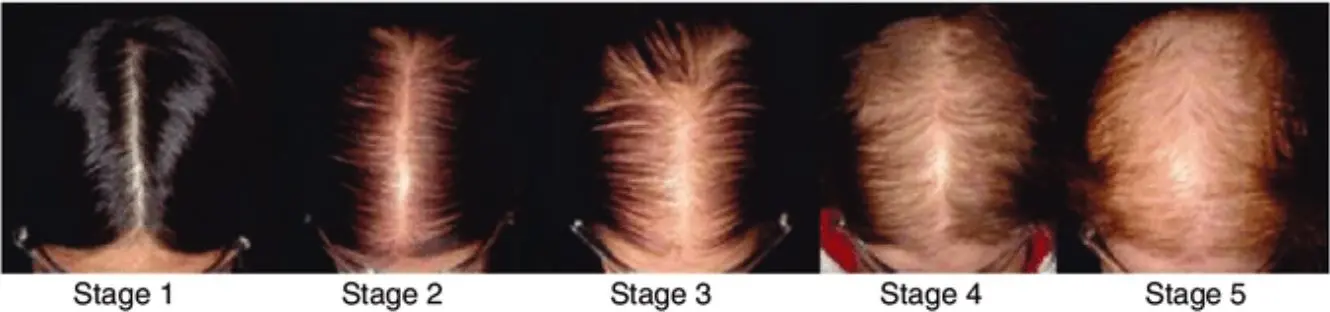
Hair thinning usually develops in stages, progressing from subtle changes to more advanced follicle damage:
- Stage 1 → increased shedding
You notice more hair falling than usual, but density still looks relatively normal. - Stage 2 → reduced density
Hair begins to feel lighter, with less volume when styling or tying it back. - Stage 3 → visible scalp
The scalp becomes noticeable under light, especially at the part or crown. - Stage 4 → follicle miniaturization
Hair strands become finer and shorter as follicles shrink and produce weaker hair. - Stage 5 → advanced thinning (Sinclair scale)
There is a clear widening of the central part with significant scalp visibility. Hair density is visibly reduced across the top of the scalp, and regrowth becomes limited without medical treatment. At this stage, thinning is typically progressive and may require long-term or advanced interventions to stabilize hair loss.
Can Hair Grow Back After Thinning?
Hair regrowth depends on follicle health. If follicles remain active, treatments can stimulate growth and improve density.
In advanced cases where follicles are no longer active, regrowth may be limited and require medical or procedural options.
What to Do if You Notice Thinning
Track changes with photos if gradual. If sudden hair loss or bald patches occur, seek care immediately to prevent further hair loss.
Taking early action can slow progression:
- Track changes using photos over time
- Monitor shedding patterns and triggers
- Improve nutrition and reduce stress
- Seek professional evaluation if thinning continues
Treatment and Prevention Options
At-Home Care and Products
Balanced nutrition, stress control, and gentle care can reduce hair falling and support hair follicles.
- Maintain a balanced diet with adequate protein and iron
- Avoid excessive heat or tension on the hair
- Use gentle hair care products
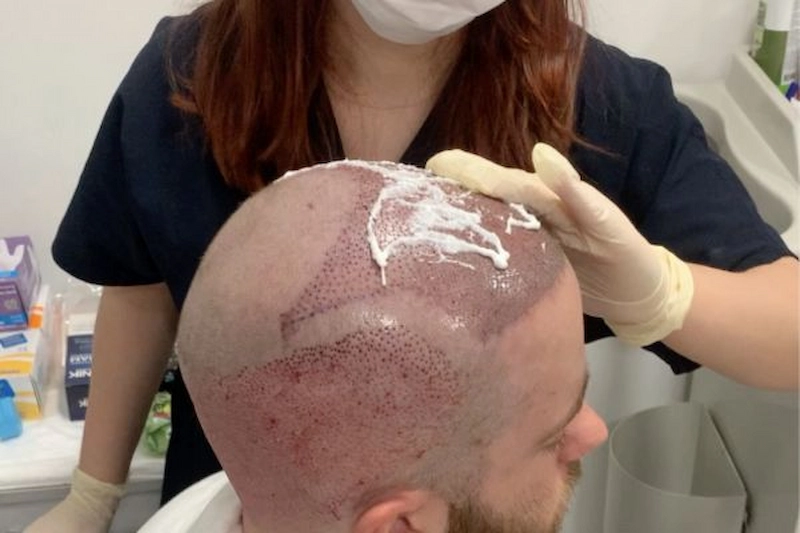
Medical and Professional Treatments
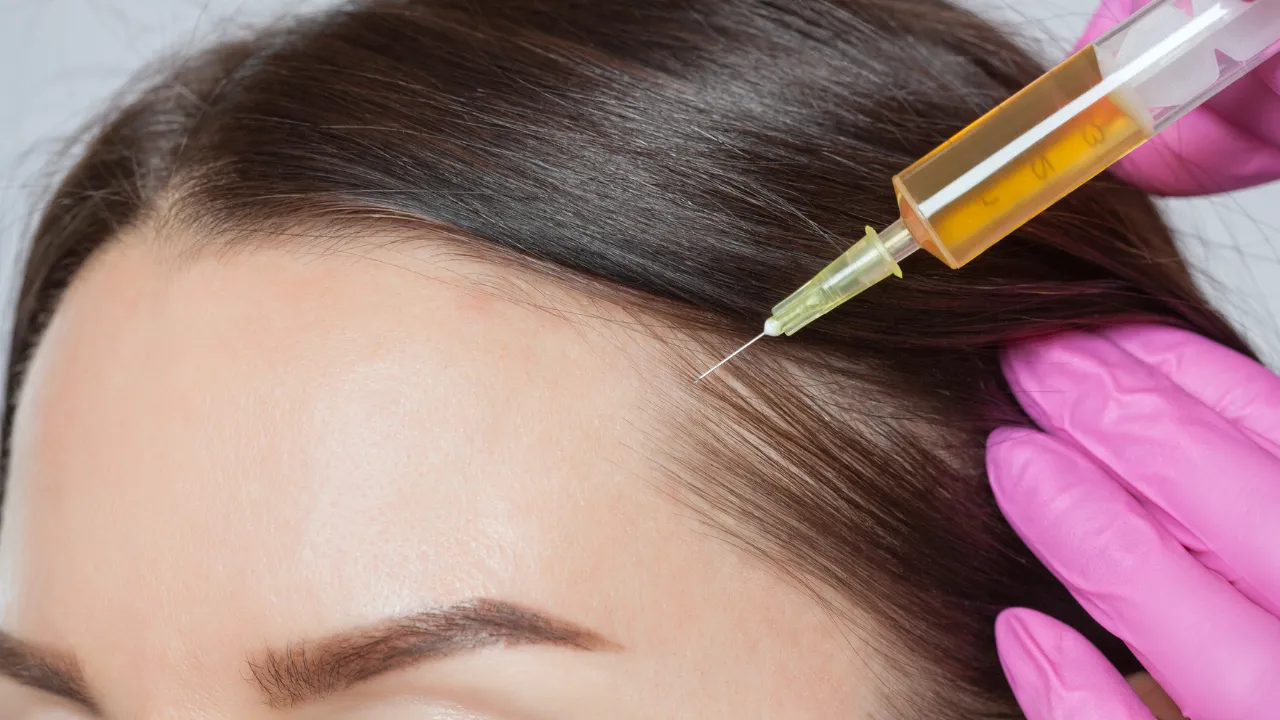
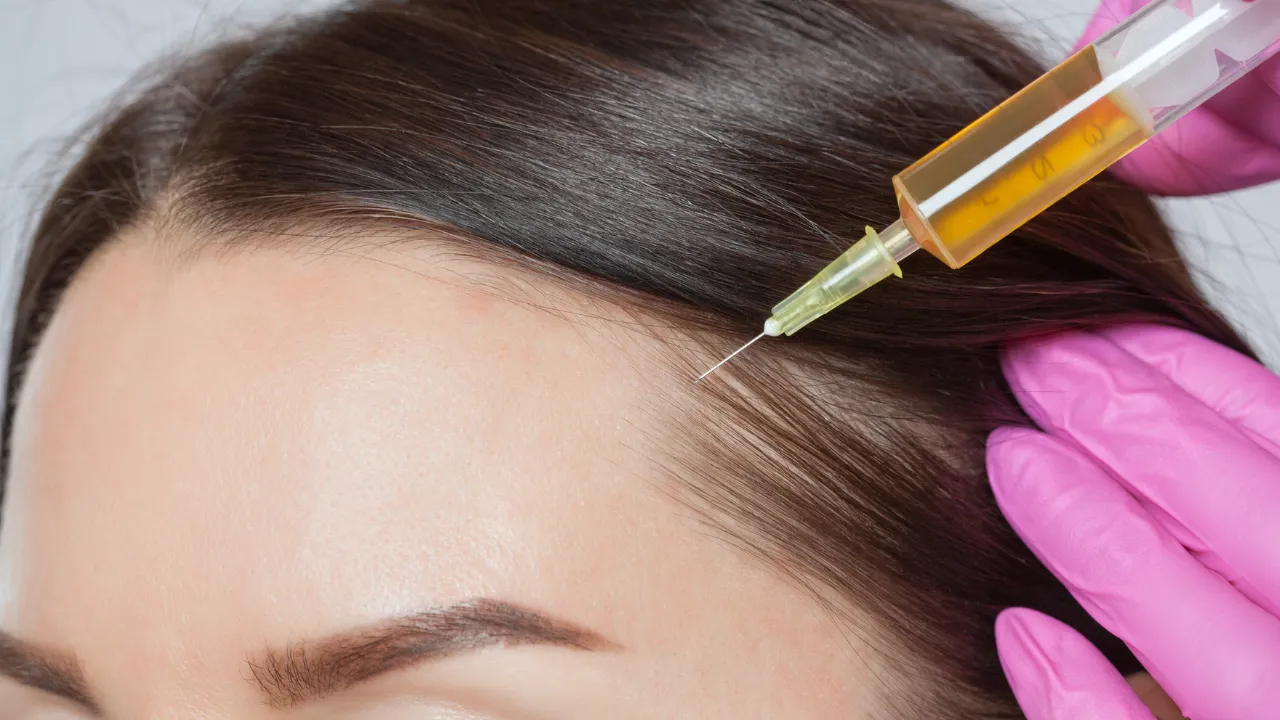
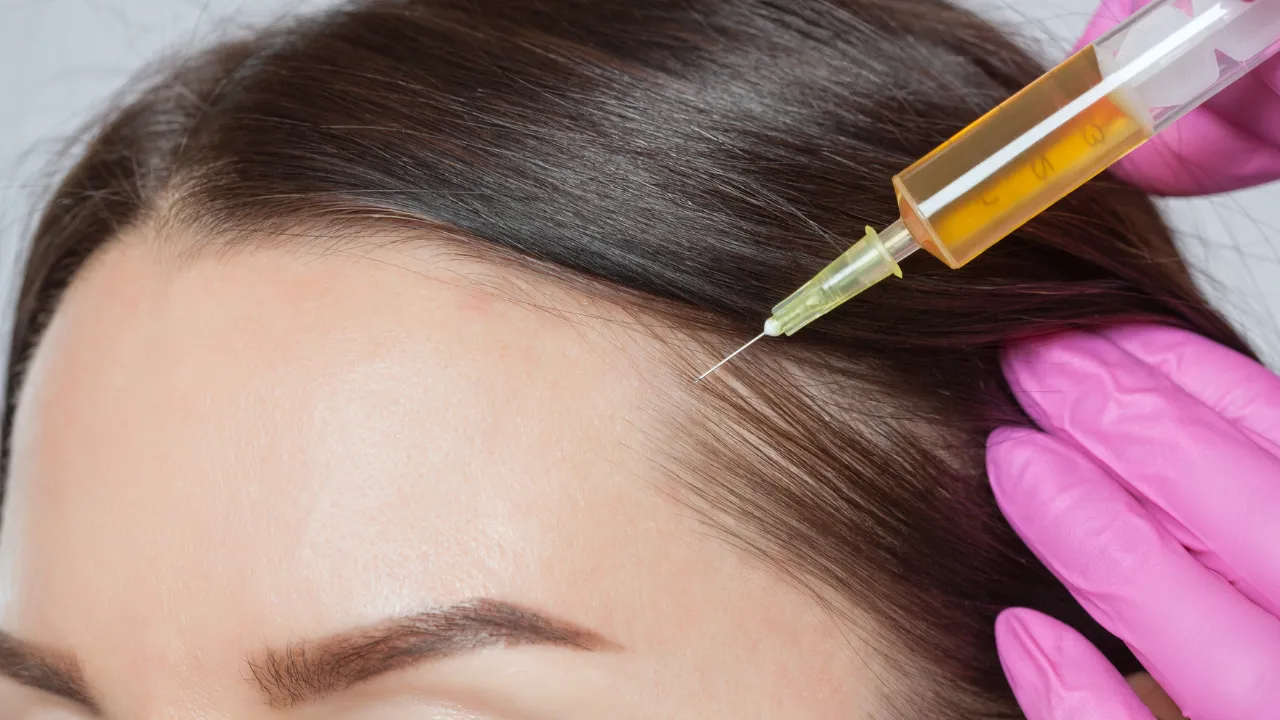
FDA-approved medications like minoxidil and finasteride are effective hair loss treatment options. PRP therapy and laser devices are additional medical treatments that stimulate hair growth.
- Minoxidil to stimulate hair growth
- Finasteride to address hormonal causes
- PRP therapy to support follicle activity
- Ketoconazole shampoo for scalp health
What Are the Big 3 for Thinning Hair?
The “big 3” are minoxidil, finasteride, and ketoconazole shampoo.
How Long Do Treatments Take to Work?
Most treatments take 3 to 6 months before visible improvement. PRP requires multiple sessions, and laser therapy also works gradually.
Evidence-Based Treatments
Minoxidil and finasteride are FDA-approved. Ketoconazole shampoo has been researched for scalp health and follicle support.
Risks and Side Effects to Consider
Some treatments may cause irritation or hormonal changes. Professional evaluation ensures safe care.
When to See a Hair Specialist
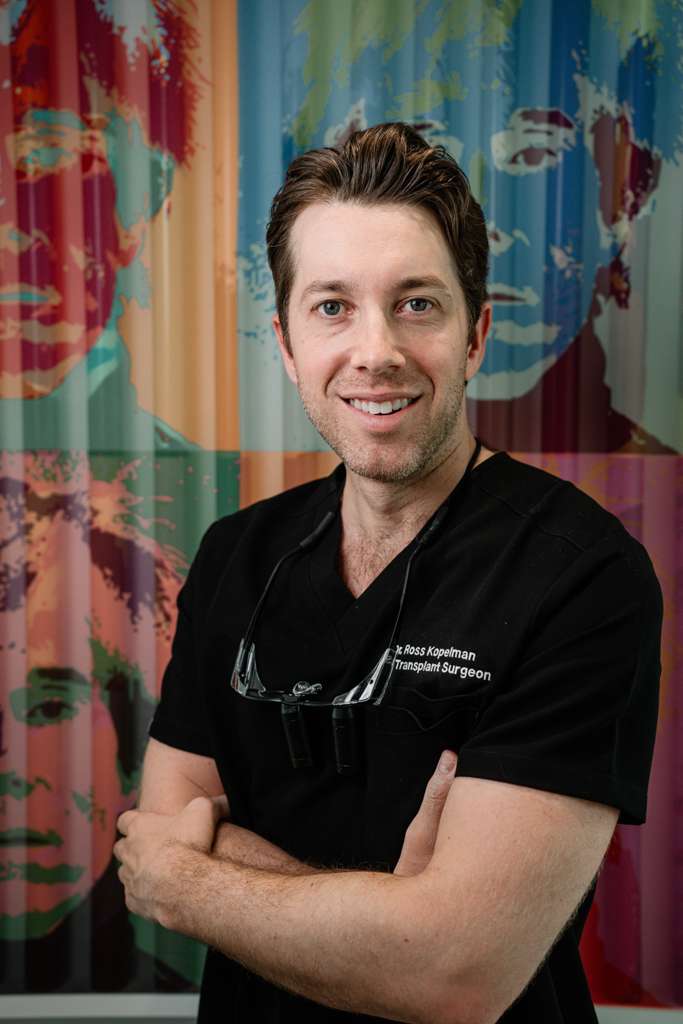
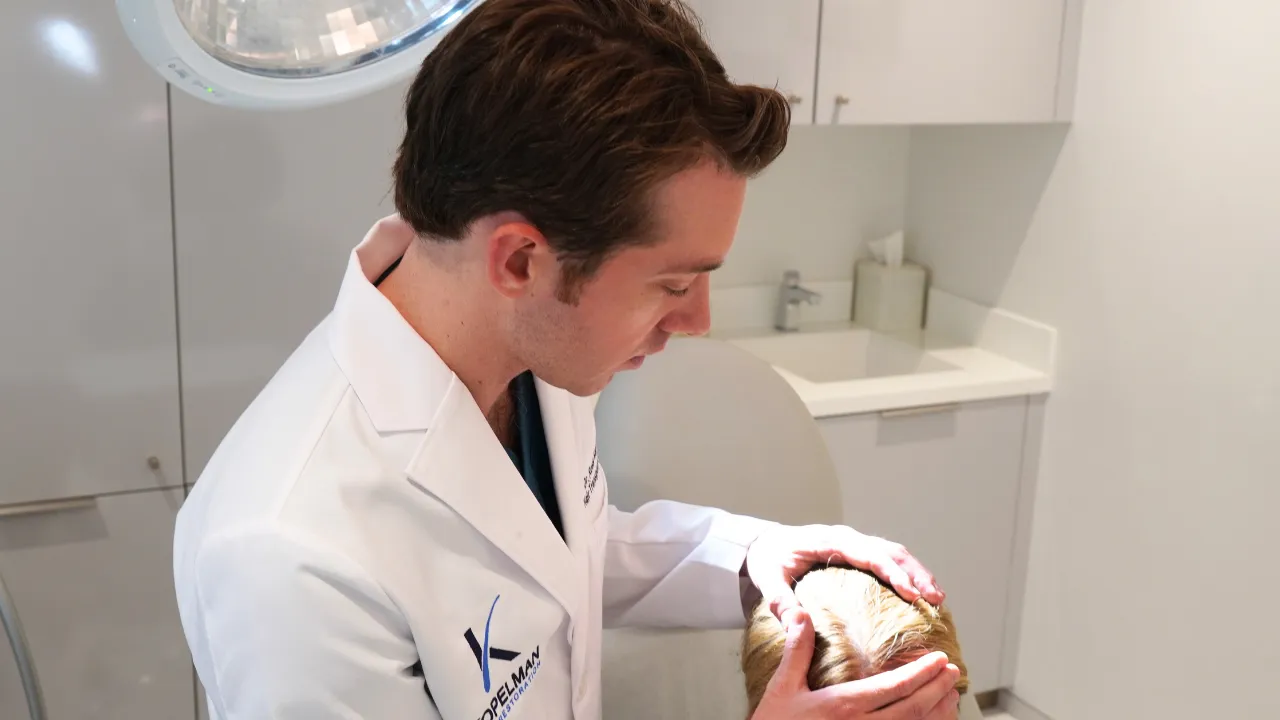
If thinning continues for months, meet our doctors. Dr. Kopelman and the team at Kopelman Hair provide expert evaluation and advanced treatment options.
Delaying evaluation may limit medical treatments and leave advanced procedures as the only choice.