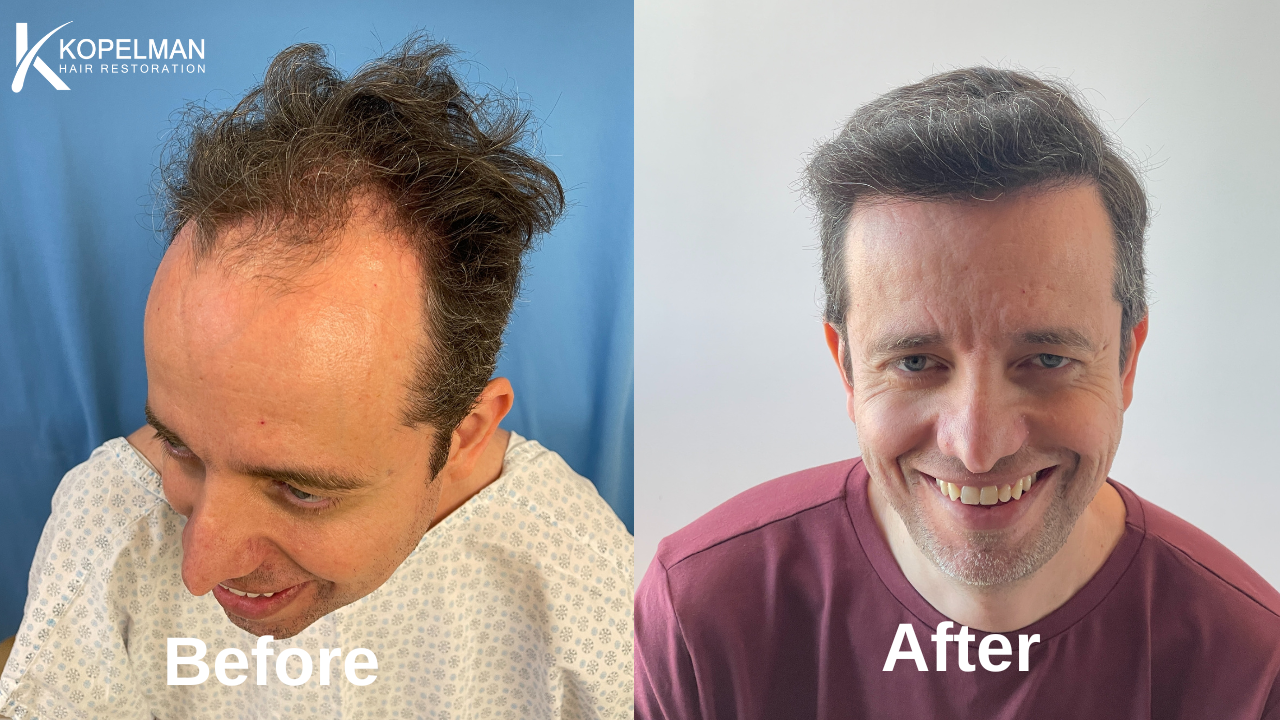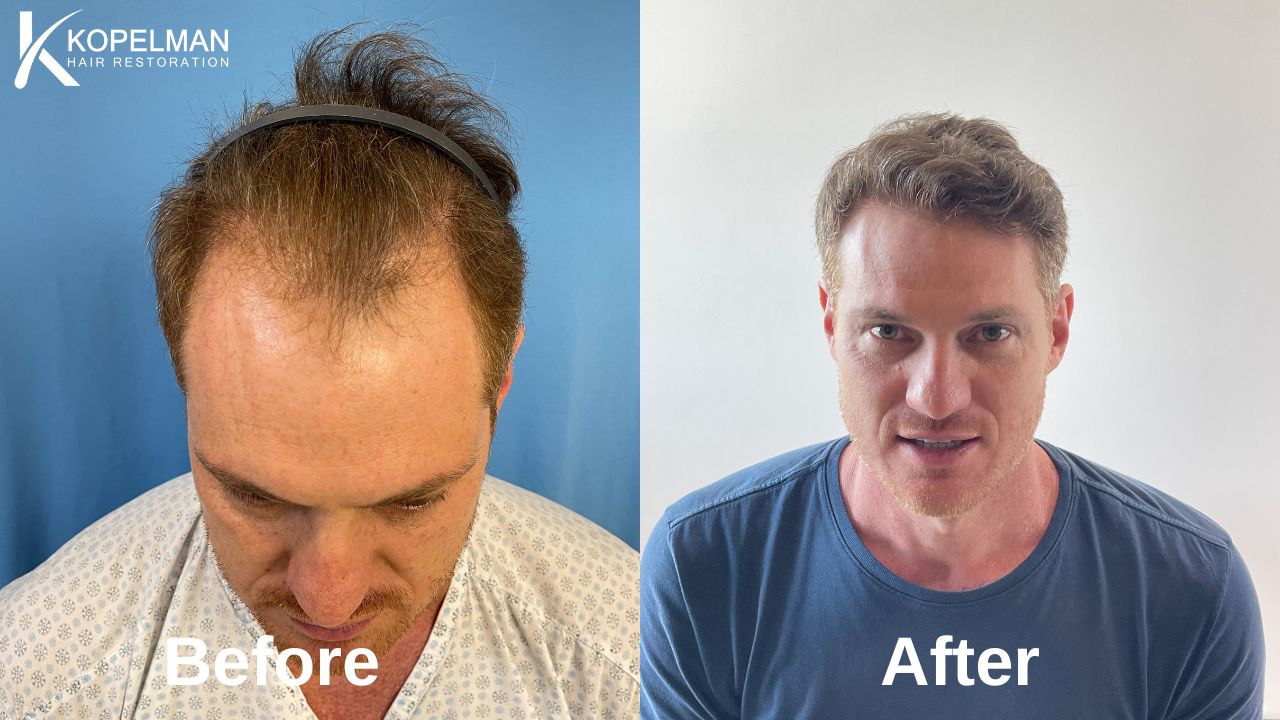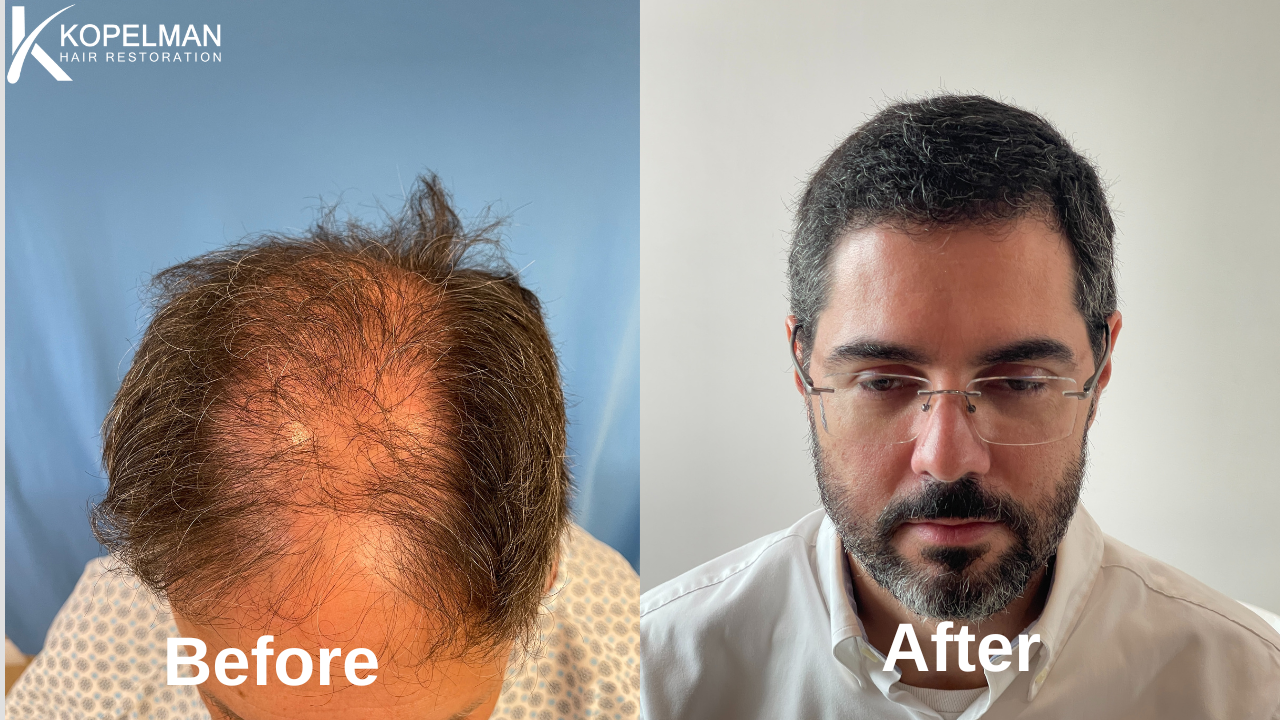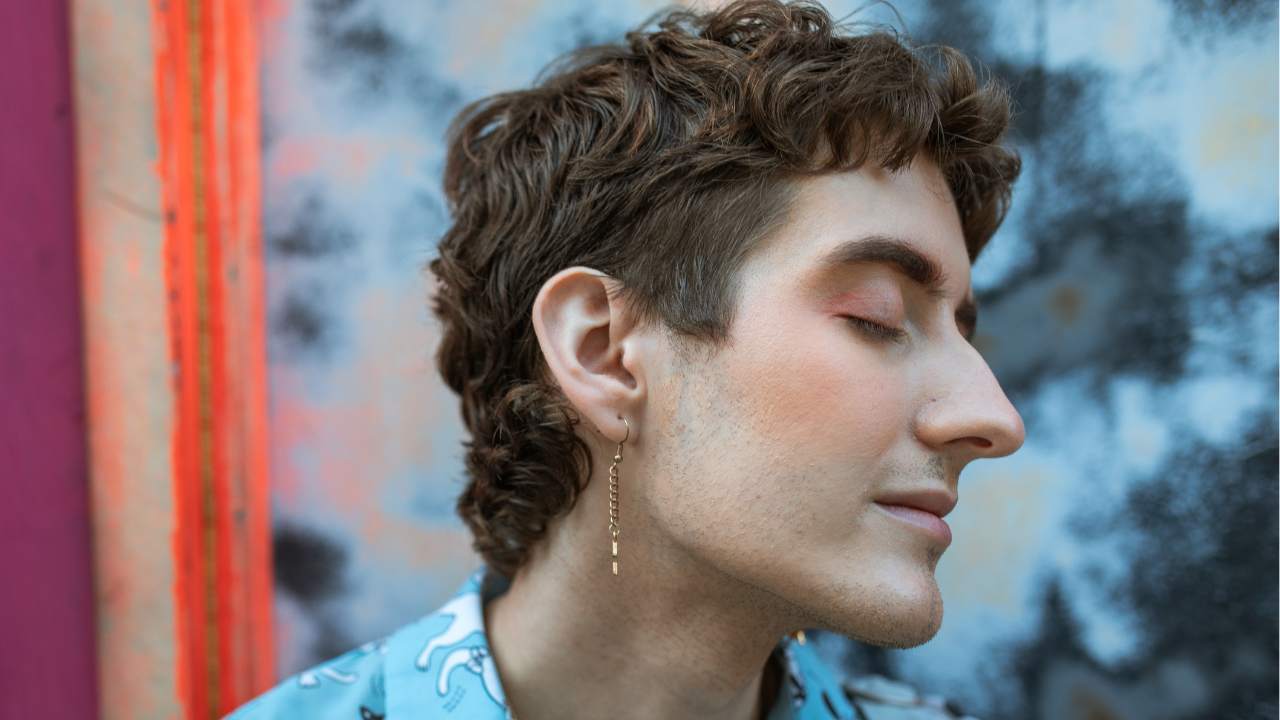

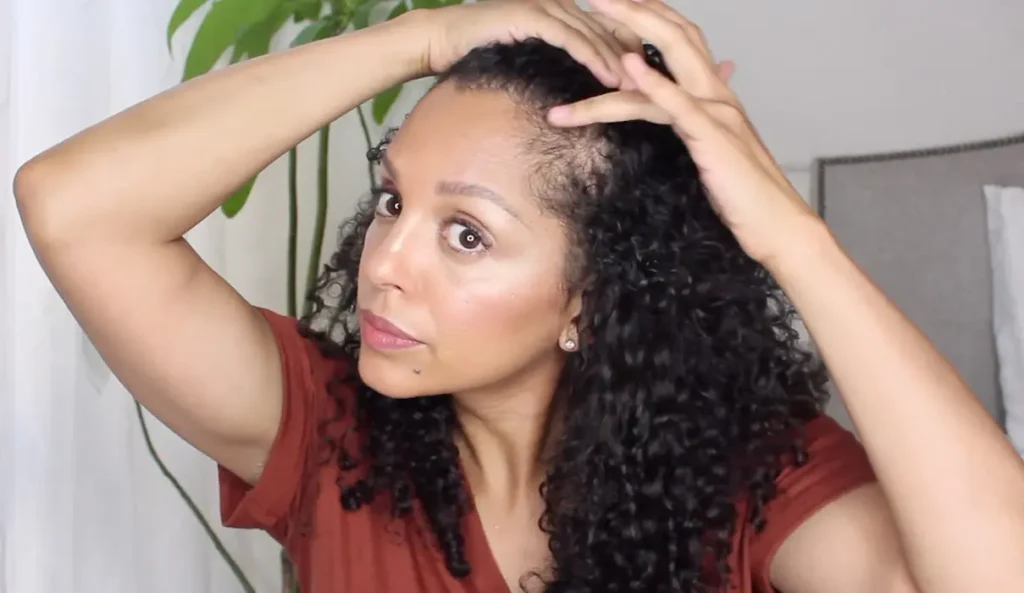
Safe protective hairstyles for alopecia should feel comfortable from the start. Avoid tight hairstyles, heat styling, and any look that feels tightly pulled, especially around the hairline. Low manipulation, low-tension styling can help protect the scalp, support hair health, and lower the risk of further damage.
Key Takeaways
- Protective hairstyles for alopecia should reduce tension on the scalp and avoid stress on the hair follicles to prevent further hair loss.
- Low manipulation styles such as loose twists, short natural hair, wigs, and knotless braids help protect the hair and support overall hair health.
- Tight hairstyles, heavy extensions, and slick styles can worsen traction alopecia and increase thinning over time.
- Consistent scalp care and early changes in styling habits can help promote hair growth and improve the chances of recovery.
What Hairstyle Is Best for Alopecia?
The best hairstyles for alopecia are styles that reduce tension and protect fragile hair from more stress. Loose twists, short natural styles, wigs, and soft braid options are often safer than tight or heavy looks.
A safe style should not cause pain, scalp soreness, or tightness at the hairline. If a hairstyle feels uncomfortable during or after styling, it may place too much strain on the hair root and hair follicles.
These styles are especially useful for people with thinning hair or conditions like alopecia areata and certain types of alopecia.
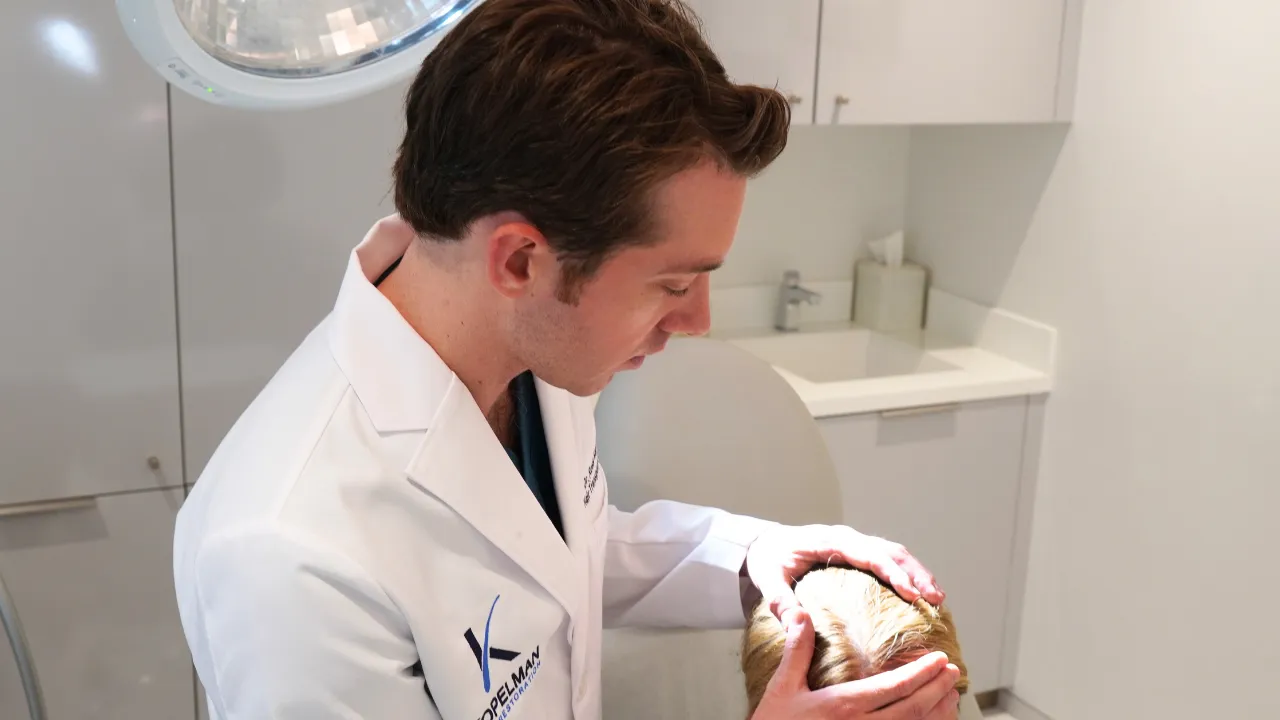
Dr. Kopelman explains that comfort is one of the clearest signs of a safer style. A good protective style should feel comfortable from the start, use no heavy added hair, and come down easily without causing breakage. .
Best Protective Hairstyles for Alopecia
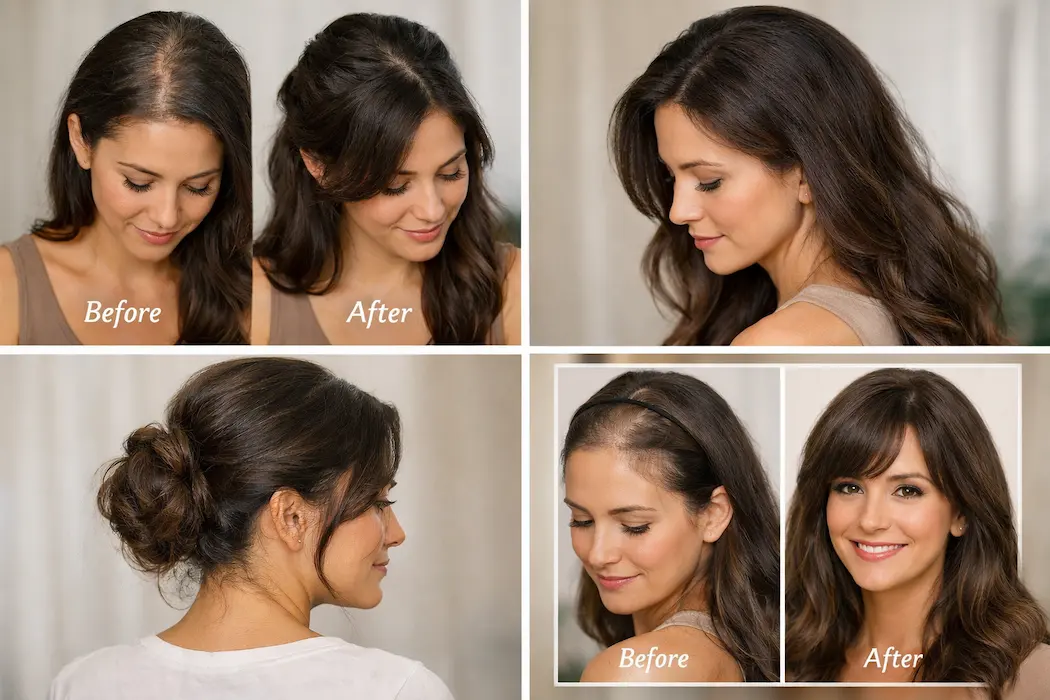
The best protective hairstyles for alopecia limit repeated pulling, reduce friction, and help protect thinning areas. They should keep styling simple while giving the scalp time to recover.
These styles can help reduce breakage and protect fragile hair during recovery, including for people already dealing with hair loss due to hormones.
Effective options include:
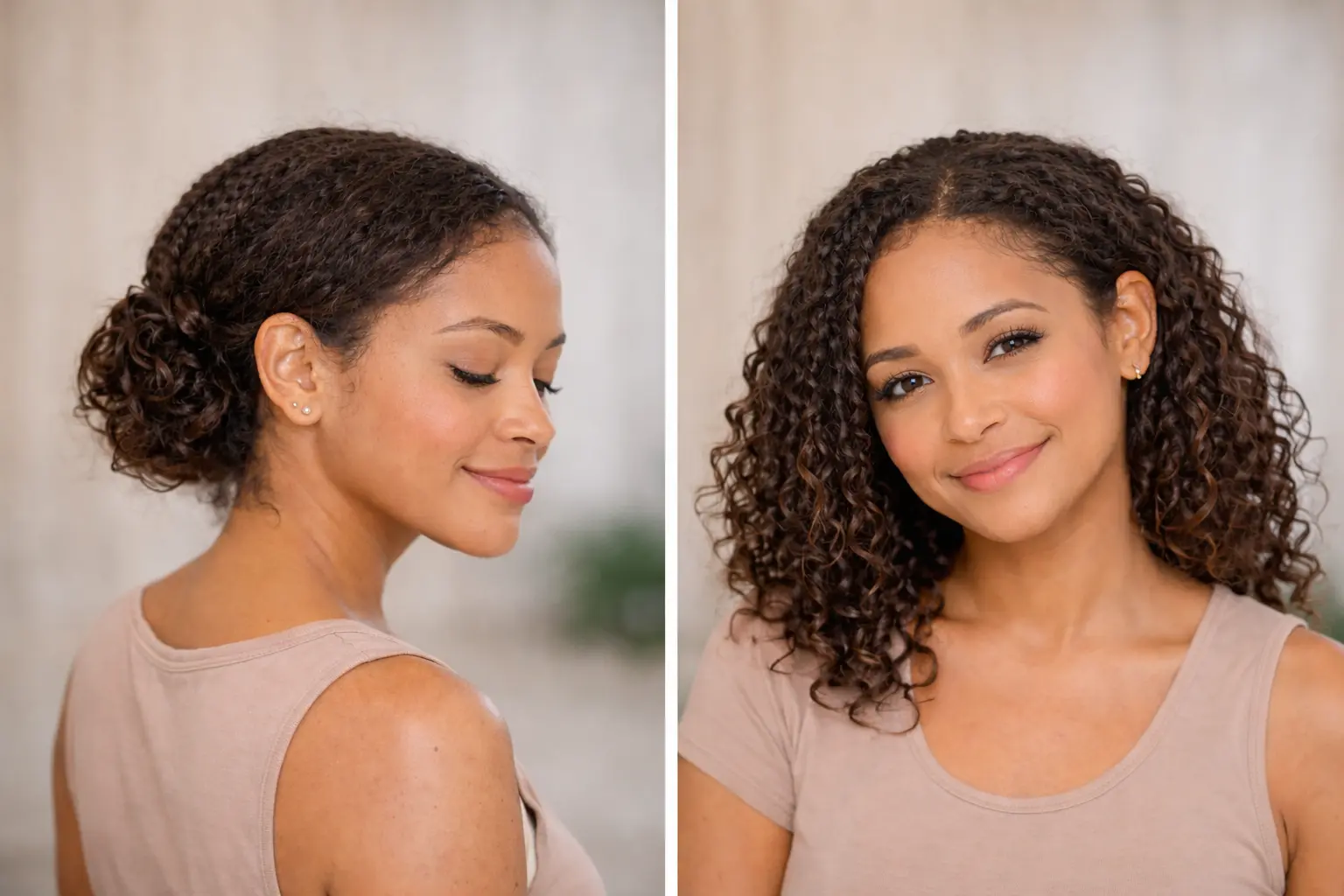
- Loose twists that do not pull on the scalp
- Short natural styles that reduce weight and daily manipulation
- Wigs that protect natural hair during recovery
- Knotless braids installed loosely and without tension
- Styles that avoid heat styling and chemical stress
These choices can help reduce breakage and support a healthier environment for the scalp and hair. They also make it easier to protect fragile strands while recovery is still possible.
Braids and Protective Styles for Alopecia
Braids can be part of protective hairstyles for traction alopecia, but only when they are installed with very little tension. Alopecia hairstyles, braids should feel loose, lightweight, and comfortable from the first day.
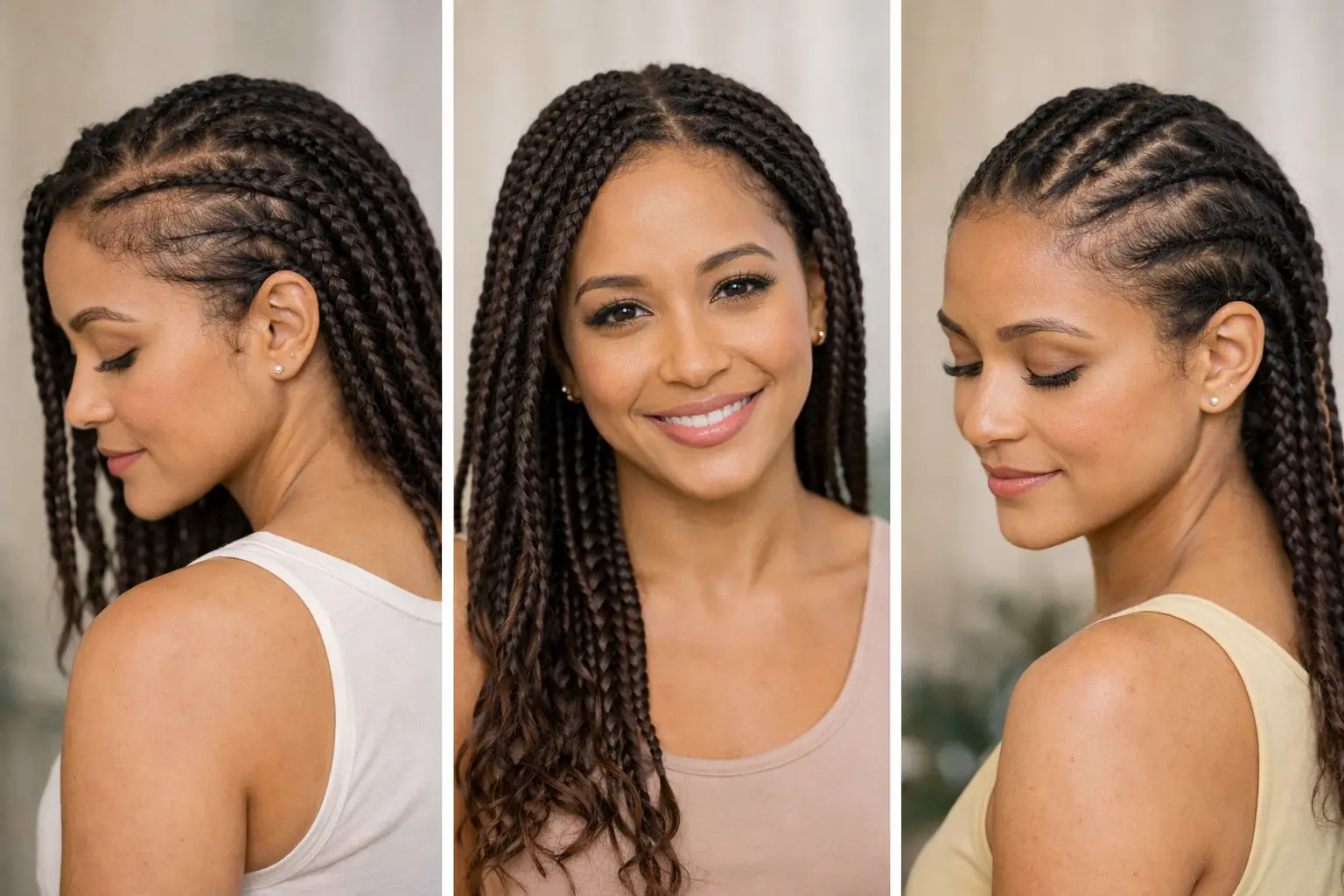
Knotless braids are often suggested because they reduce tension at the base compared with tight braids. Even knotless styles should not be tightly pulled, as repeated tension can still lead to thinning and breakage over time, much like the damage discussed in pulling hair baldness. Avoid hairstyles that pull, especially near the temples and edges.
Avoid hairstyles that pull, especially around the hairline. These areas are more sensitive and prone to thinning hair. Choosing gentle braiding techniques helps protect long-term hair health.
Protective Hairstyles for Traction Alopecia
The best protective hairstyles for traction alopecia are styles that remove constant pulling from the scalp and hairline. Since traction alopecia is caused by repeated tension, changing styling habits is one of the most important steps.
Tight hairstyles weaken the hair root and disrupt the normal function of hair follicles. This can lead to permanent loss if not corrected early. Dr. Kopelman highlights that early intervention is critical to prevent long-term damage.
To reduce scalp tension:
- Avoid tightly pulled styles
- Limit tight braids, extensions, and slick looks
- Choose low-tension protective styles
- Remove any style that causes pain or scalp soreness
- Give the scalp breaks between installs
Early action matters. When tension is reduced soon enough, some people may see improvement before the damage becomes permanent.
Hairstyles for Black Women with Alopecia
Hair texture plays a major role in selecting safe styles. For many Black women, protective styles are part of a regular hair care routine, so the goal is to choose options that protect natural hair without causing excessive tension.
Loose twists, soft braids, and short natural styles are often effective. Alopecia hairstyles for black female hair should allow flexibility and avoid stress on the edges, which is especially important for women dealing with autoimmune hair loss in women. A gentle approach supports healthy hair and long-term results.
Avoid tight hairstyles that require frequent adjustments. These can weaken the scalp and increase the risk of breakage. A gentle approach supports healthy hair and long-term results.
Do Hairstyles Cause Hair Loss?
Yes, certain hairstyles can cause hair loss when they repeatedly pull on the scalp and hair follicles. This is most often linked to traction alopecia, which develops after ongoing tension from tight hairstyles.
Styles such as tight buns, tight braids, heavy extensions, and slick ponytails can strain the hair root over time. Repeated pressure can disrupt normal growth and lead to thinning hair, breakage, and scalp discomfort.
Understanding this connection helps prevent further damage, especially when combined with factors like inflammation and hair loss.
Signs of traction-related damage include thinning edges, breakage, and scalp discomfort. Early changes in styling habits can stop progression and protect hair.
How to Protect Hair and Support Growth
Protecting hair requires consistent care and smart styling. The goal is to create conditions that support healthy hair and reduce stress on the scalp.
Dr. Kopelman recommends focusing on steady, gentle habits such as:
- Choosing protective hairstyles that do not pull
- Keeping styles loose around the hairline
- Avoiding heavily added hair
- Limiting heat styling
- Maintaining a clean scalp and hair
- Reducing frequent restyling
- Taking down styles early if there is pain or tension
These actions support hair health and create an environment where hair can grow. Healthy scalp conditions improve the chances of recovery and reduce further damage.
Can Hair Grow Back After Alopecia?
Hair can grow back in some cases, especially when traction alopecia is identified early, and tension is removed. Regrowth depends on the cause of hair loss, how long it has been happening, and whether the hair follicles have been badly damaged.
In traction alopecia, recovery is more likely when styling habits change early. In long-standing cases, or when scarring has developed, regrowth may be limited.
Alopecia areata works differently because it is not caused by tight hairstyles. Gentle styles may help protect the hair and scalp, but a medical evaluation is still important when hair loss continues or worsens.
Worst Hairstyles for Alopecia
The worst hairstyles for alopecia are styles that create repeated tension, friction, or heat damage. These include tight braids, heavy extensions, slick buns, tight ponytails, and any style that feels tightly pulled.
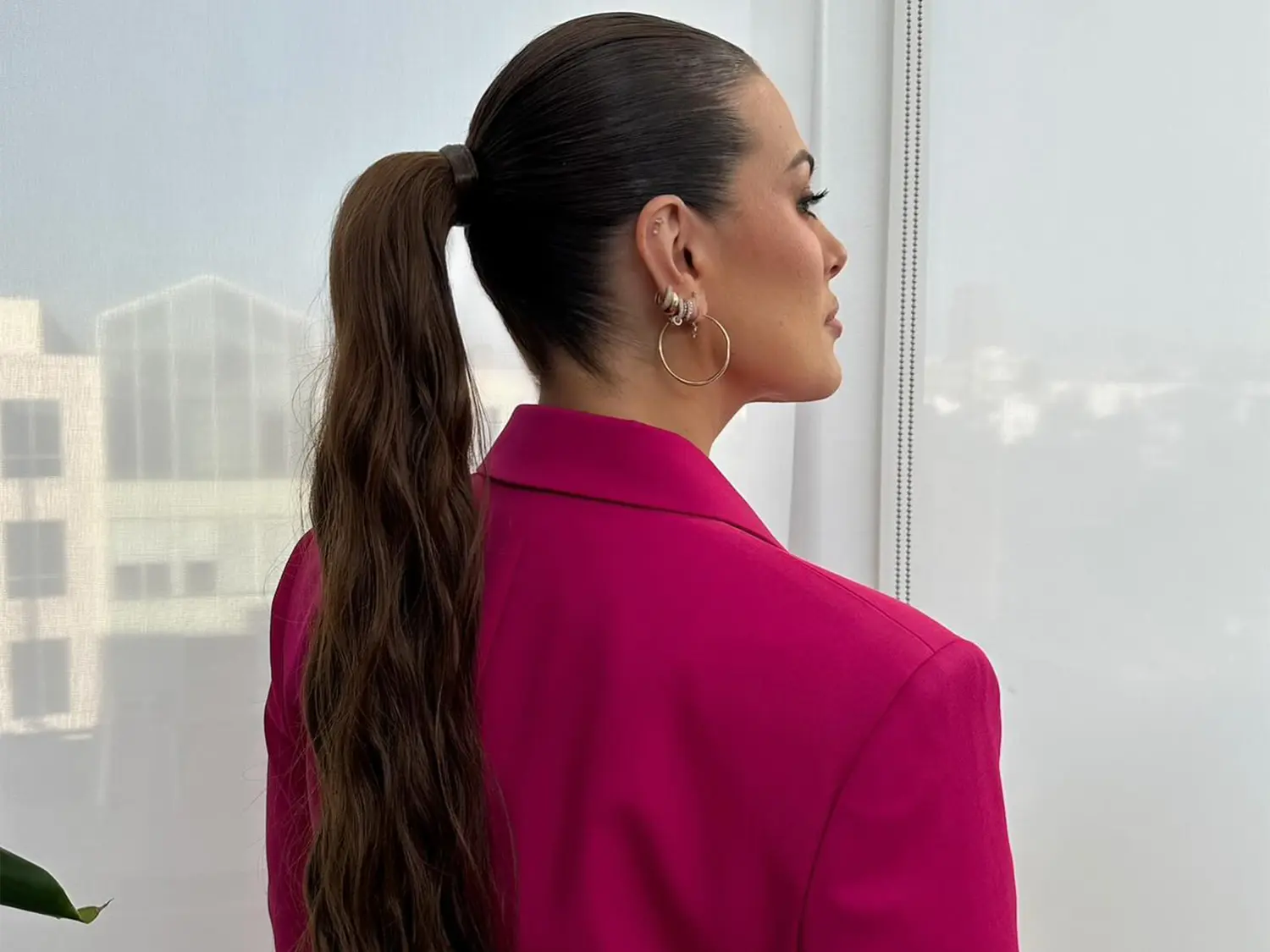
Frequent heat styling and harsh chemical treatments can also weaken fragile strands and make breakage worse. When hair is already thinning, these habits can increase stress on the scalp and reduce overall hair strength.
Avoiding damaging styles is just as important as choosing protective styles. A safer approach helps protect the scalp, preserve existing hair, and reduce the risk of long-term loss.
If you are unsure which hairstyles are safe for your condition or want to prevent further hair loss, the team at Kopelman Hair can help you choose the right approach.
A personalized evaluation will guide you toward styles and treatments that protect your hair and support long-term recovery.