

This article explains how medical classification, approval rules, and timing affect the options available to military personnel, with medical context from Dr. Kopelman.
Can Active-Duty Military Members Get an Eyebrow Transplant?
Active-duty military personnel face strict limits on cosmetic procedures. An eyebrow transplant is usually considered cosmetic, not medically required. Because of this, approval during active duty is rare under current medical standards.
Approval depends on medical need and command authorization. Most requests do not meet military medical standards unless a qualifying medical condition is involved. Recovery time and potential impact on duty are common reasons for denial.
Military policy requires that all elective procedures undergo a formal review. This review is handled through the military medical service and evaluates medical risk, recovery time, and time away from duty. Paying out of pocket or seeing a civilian provider does not exempt you from approval.
Why Eyebrow Transplants Are Considered Cosmetic
Eyebrow transplants restore appearance, not body function. They do not treat disease, injury, or functional loss in most cases. This places them in the cosmetic category under military medical standards.
In rare situations, eyebrow loss caused by trauma, burns, an eyebrow scar, or another documented medical condition may be reviewed differently. Even then, approval depends on restoring function rather than appearance. Cosmetic reasons alone are not enough under the armed forces policy.
Approval, Readiness, and Deployment Requirements
Medical staff and command leaders review all surgery requests. Procedures that affect training, deployment, or readiness are often denied. These rules apply across all branches of the armed forces.
Common reasons for denial include:
- Cosmetic classification
- Recovery time that limits duty
- Possible impact on deployment
- No functional impairment
Military Rules on Cosmetic Surgery
Department of Defense policy limits cosmetic surgery during active duty. These limits protect readiness and reduce medical risk. Non-essential procedures are usually delayed until service ends.
Approval follows set medical standards, not personal choice or cost. Military personnel are held to different rules than their civilian counterparts. These policies guide every branch of the armed forces.
Insurance Coverage for Eyebrow Transplants
Most insurance plans treat eyebrow transplants as elective. Military health programs follow the same approach. Coverage is limited to care considered medically necessary.
Is Hair Transplant Covered by TRICARE?
TRICARE, the United States Department of Defense’s health care program, does not cover cosmetic hair or eyebrow transplants. It only covers treatment that addresses a qualifying medical condition. Cosmetic restoration is excluded.
Does the VA Cover Hair Loss Treatment?
The VA (U.S. Department of Veterans Affairs) may cover hair loss treatment in limited medical cases. Cosmetic eyebrow transplants are not usually covered. Veterans often pay out of pocket.
How Much Does an Eyebrow Transplant Cost in the US?
In the United States, an eyebrow transplant usually costs $10,000 to $16,000. The final price depends on the number of grafts needed and the complexity of the procedure.
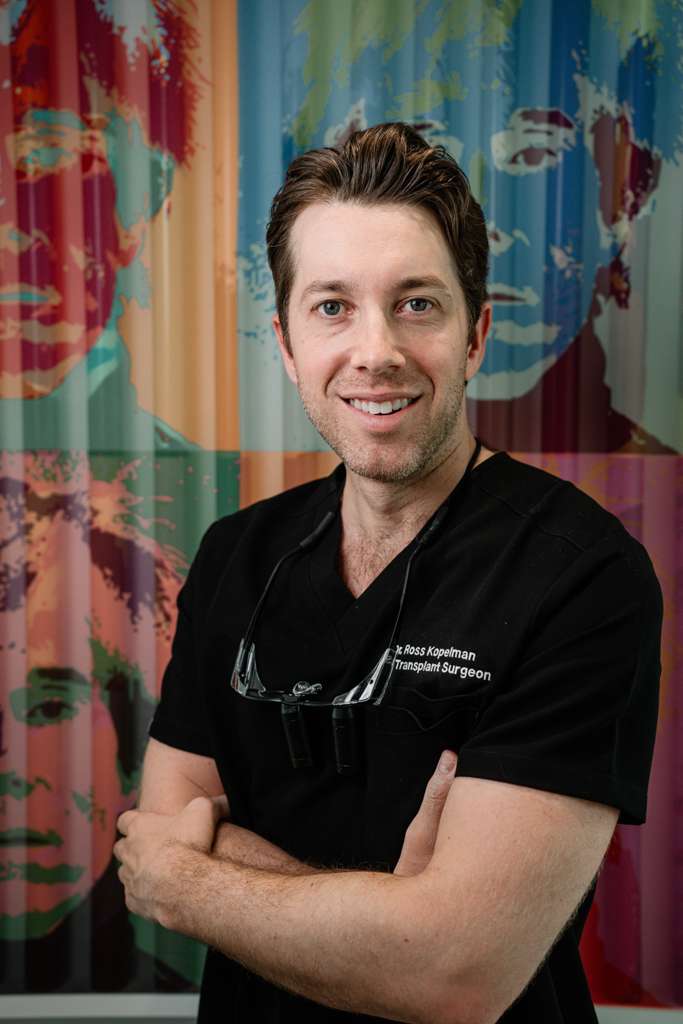
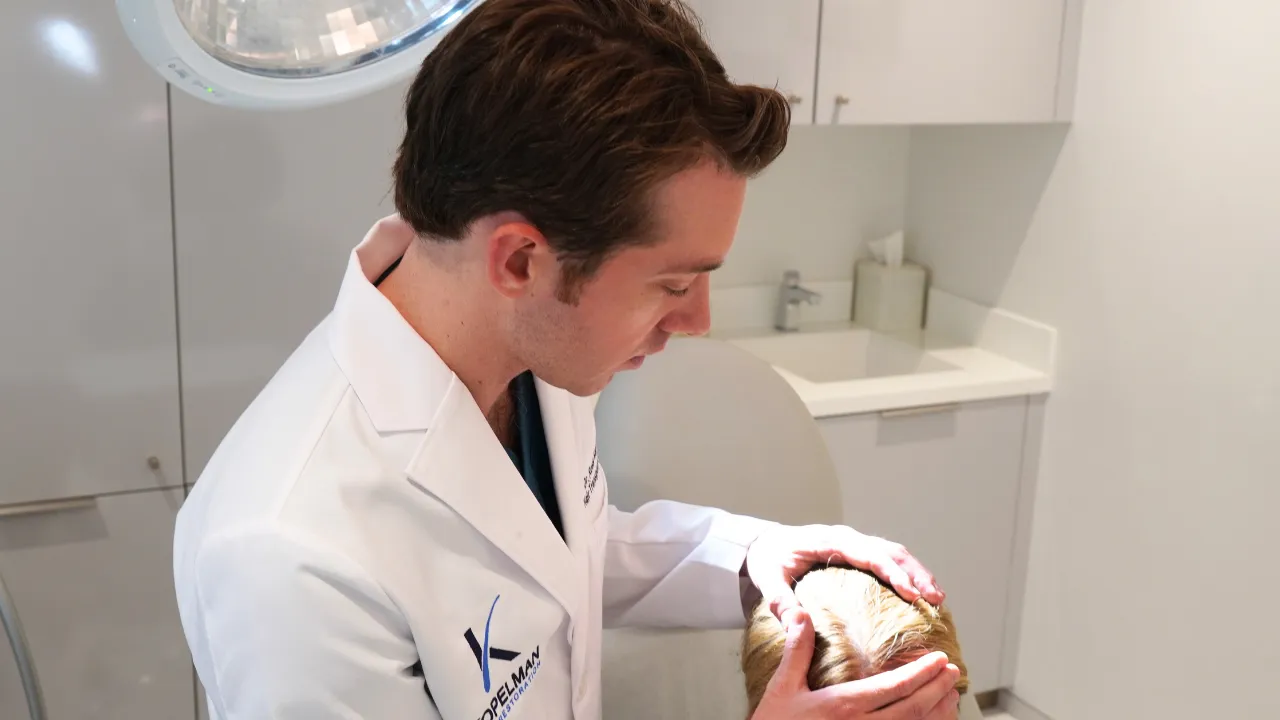
Dr. Kopelman explains that eyebrow work requires careful planning and precision. A qualified plastic surgeon or hair restoration physician must consider hair angle, density, and facial balance. This level of detail affects the overall price.

Do They Make You Go Bald in the Air Force?
This is a myth; the Air Force does not require shaving the scalp, nor does it have policies that make hair fall out. Grooming rules only set limits on hair length and appearance.
Eyebrow Transplants After Military Service
After active duty, military limits no longer apply. Veterans can choose cosmetic procedures without command approval. Their options become similar to those of their civilian counterparts. At that stage, reviewing eyebrow transplant options in New York City can help veterans compare care outside military restrictions.
Dr. Kopelman often notes that expectations should match individual anatomy and goals. A medical consult with an experienced provider helps plan safely after service ends.
If you want to review your options based on your situation, you can schedule a consultation with Dr. Kopelman.