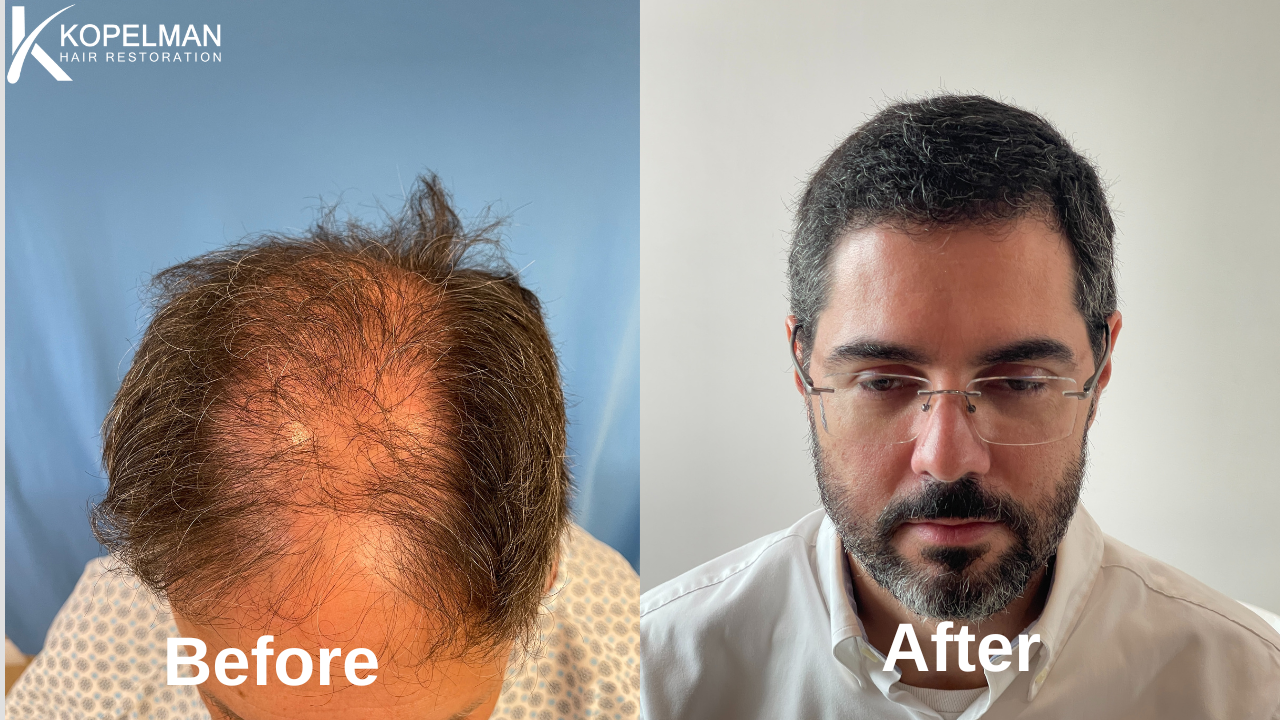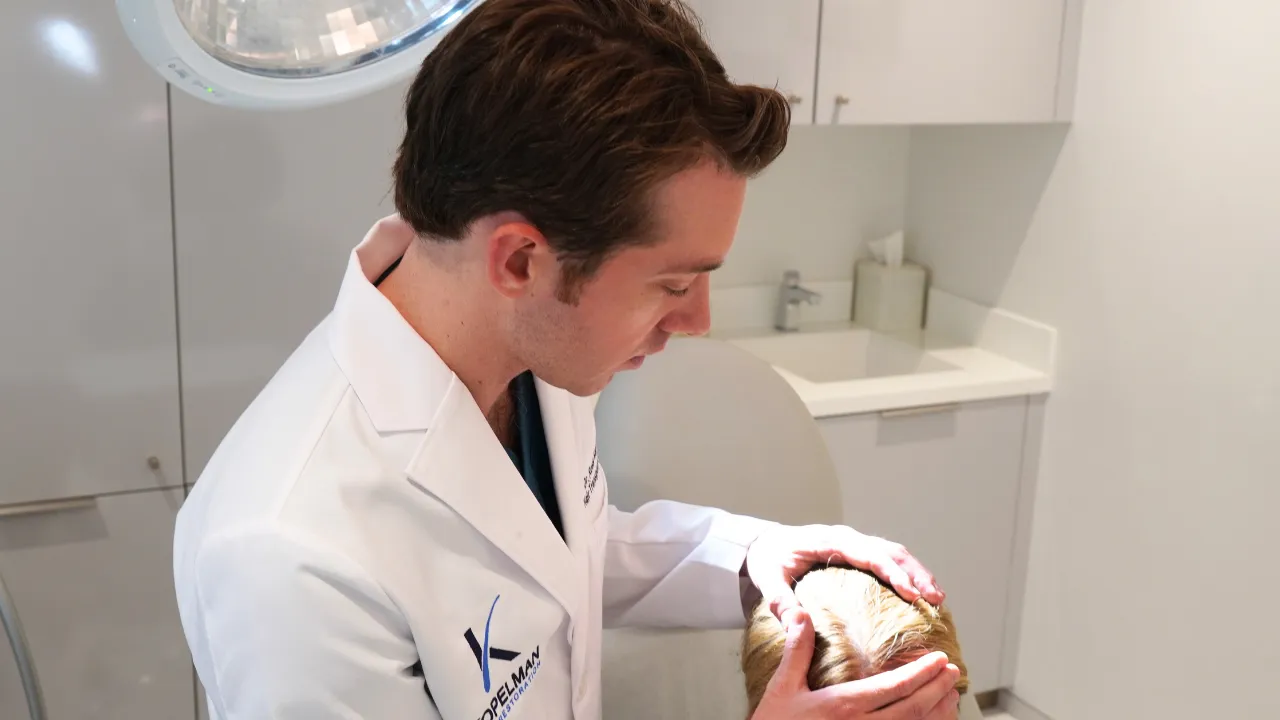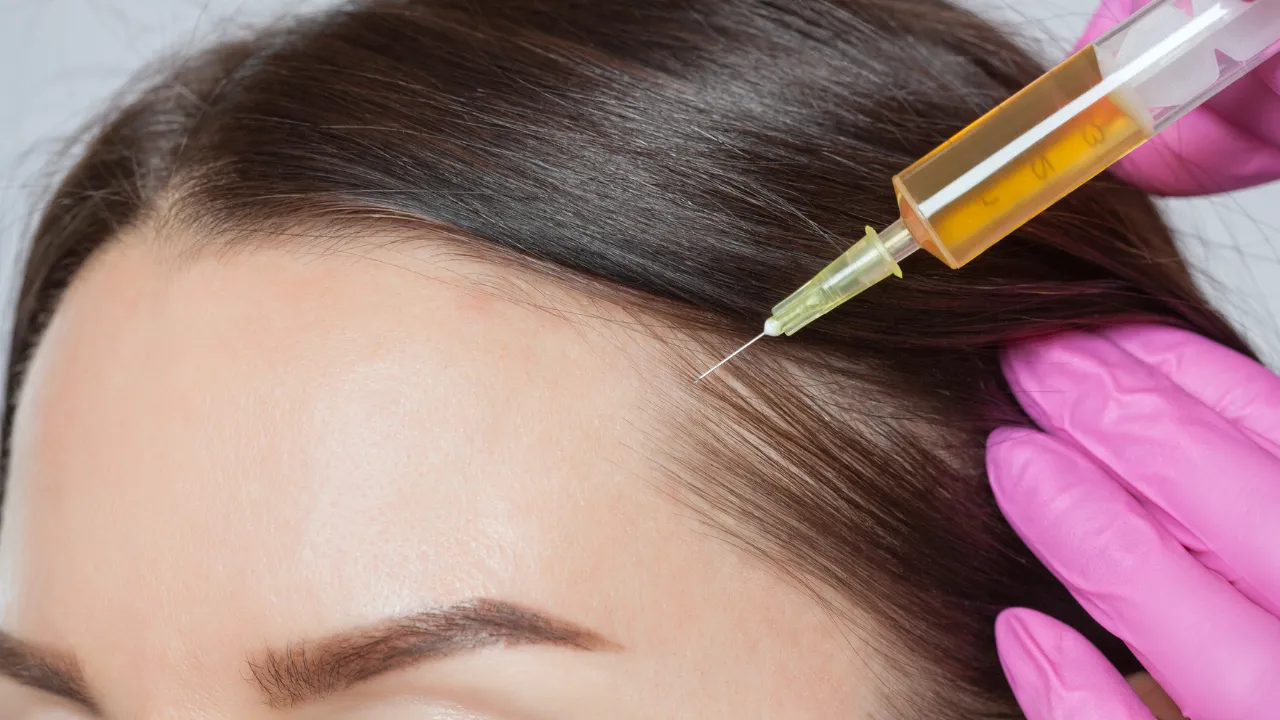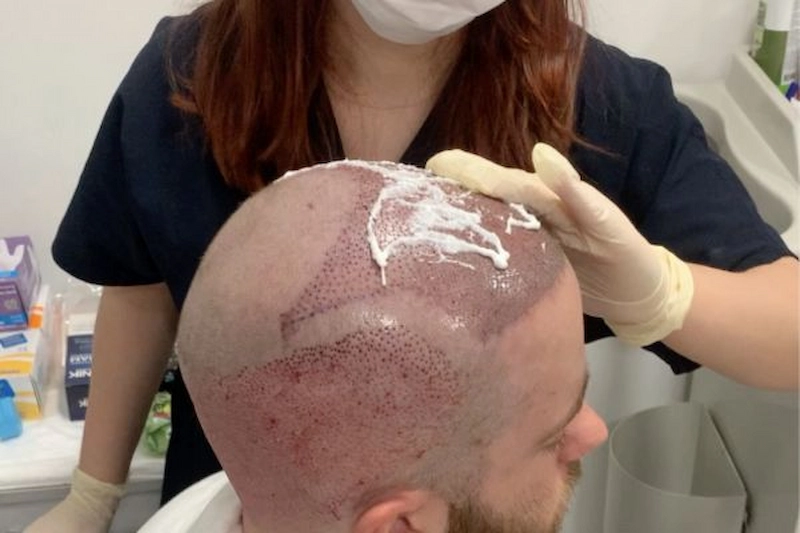

At Kopelman Hair, eyebrow restoration is part of the broader field of hair restoration, which addresses hair loss in areas such as the scalp and eyebrow area. An eyebrow hair transplant uses hair grafts taken from a donor area and places them into the eyebrow area to restore natural hair.
Key Takeaways
- Training eyebrows after transplant should begin only after new hair growth starts, usually around three to four months.
- Shedding in the first month is normal and does not indicate that the hair grafts or hair follicles have failed.
- Transplanted hairs come from the donor area, so they grow longer than natural hair and need trimming every one to two weeks.
- Brushing and trimming improve appearance, but cannot change the angle set during surgery.
When Can You Start Training Eyebrows After Transplant?
Training eyebrows after transplant should begin only after the hair grafts are secure. Touching or trimming too early can disturb healing hair follicles in the eyebrow area. Following eyebrow transplant aftercare guidelines protects the grafts during the healing process.
The First 24 Hours After Surgery
The first 24 hours are critical for graft stability. Patients should avoid touching or pressing on the eyebrow area. Maintaining a clean, protected environment supports the early stages of the healing process.
Most surgeons provide postoperative instructions that explain how to care for the surgical site on the first day. These include guidance on sleeping position and avoiding friction. Following these steps helps protect transplanted hair follicles.
The First 14 Days After Surgery
The first two weeks focus on healing and graft stability. Patients should avoid shaping or trimming the eyebrow area. Small crusts may form around each of the hair grafts and usually fall off within 7 to 10 days.
During this time, it is important to wash your face gently. Avoid rubbing the eyebrow area. Gentle cleansing supports the healing process without disturbing hair grafts.
Mild swelling may occur in the first few days. Avoid heavy exercise, sweating, and direct sun exposure. Excess sun exposure can increase inflammation and slow healing of hair follicles placed during hair transplants.
Shedding often occurs between weeks two and four. This is a normal stage of hair growth after an eyebrow hair transplant. It does not mean the procedure failed or that eyebrows due to hair loss are returning.
When Trimming and Brushing Are Safe
Light trimming can begin once new hair growth appears, and the skin feels normal. This usually happens after three to four months. Brushing should be gentle.
Use clean tools and trim in small increments. Do not pull or force hairs into place. A careful approach protects healing hair follicles during recovery from eyebrow transplantation.
How to Tame and Train Transplanted Eyebrows
Taming transplanted brows means guiding the hairs into a natural shape. This takes steady care and patience. Training eyebrows after a transplant depends on consistent grooming.
Step-by-Step Daily Routine
Follow this routine:
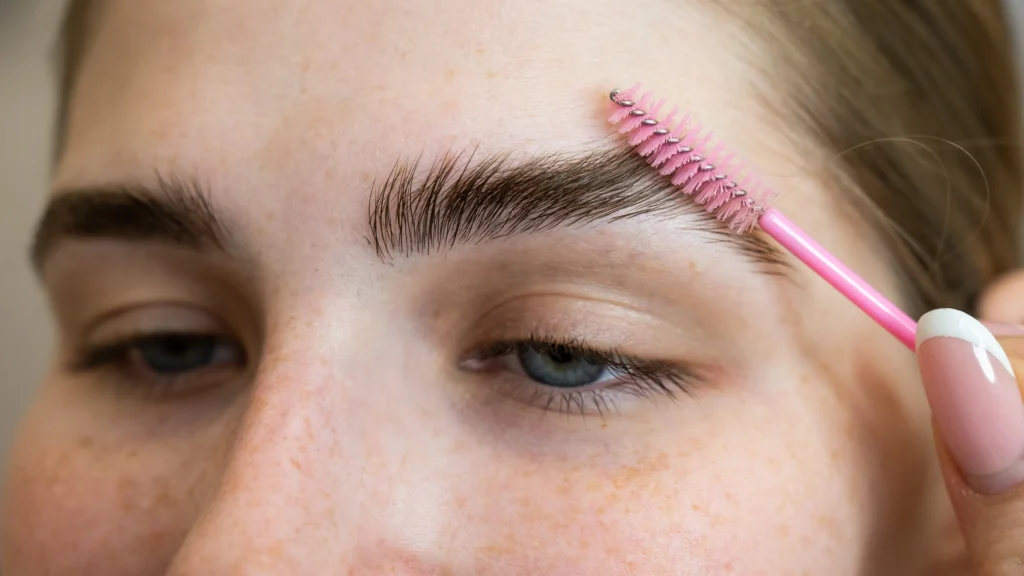
- Use a clean spoolie brush.
- Brush hairs gently in the direction you want them to sit.
- Trim only the hairs that grow past the brow line.
This routine takes a few minutes each day. Regular care helps control longer strands in the eyebrow area.
Safe Trimming and Styling
Transplanted hairs grow longer than natural hair because they come from the donor area. The moved hair follicles keep their original growth cycle after hair restoration. Use small scissors for control.
Avoid heavy gels or waxes during early eyebrow transplant recovery. Strong products can irritate the skin and affect the healing process. A light, clear gel is often enough once healing is complete.
Why Transplanted Eyebrows Grow Differently
Transplanted hairs retain the traits of scalp hair. They grow longer and stay in the active hair growth phase longer than natural hair. This explains the need for regular trimming.
Hair restoration in the eyebrow area does not change how hair follicles function. The follicles continue to follow their original cycle from the donor area. Understanding this helps set realistic expectations after hair transplants.
Implantation Angle and Hair Direction
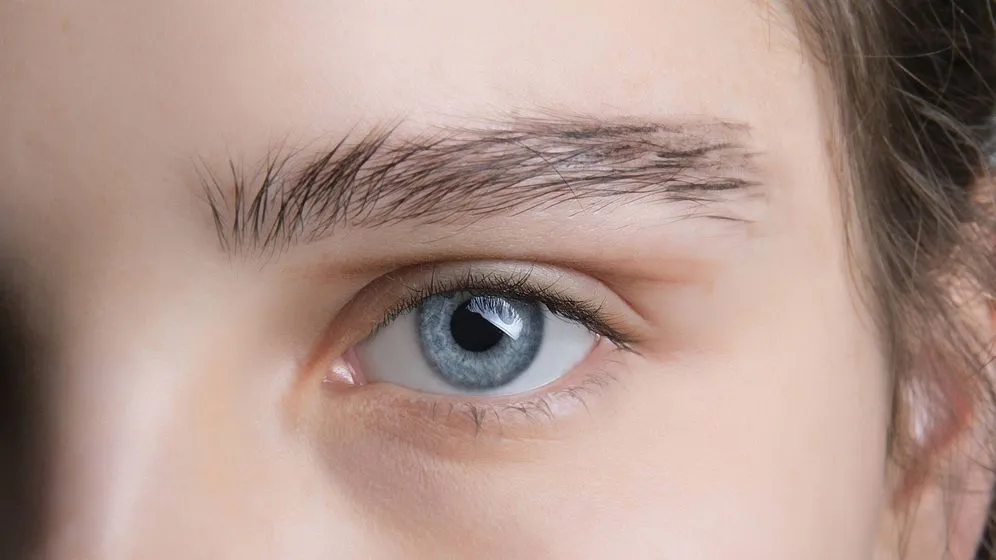
During surgery, each hair graft is placed at a specific angle to match the natural brow pattern. Some hairs may grow slightly upward at first. This is common and does not indicate that the eyebrow hair transplant was performed incorrectly.
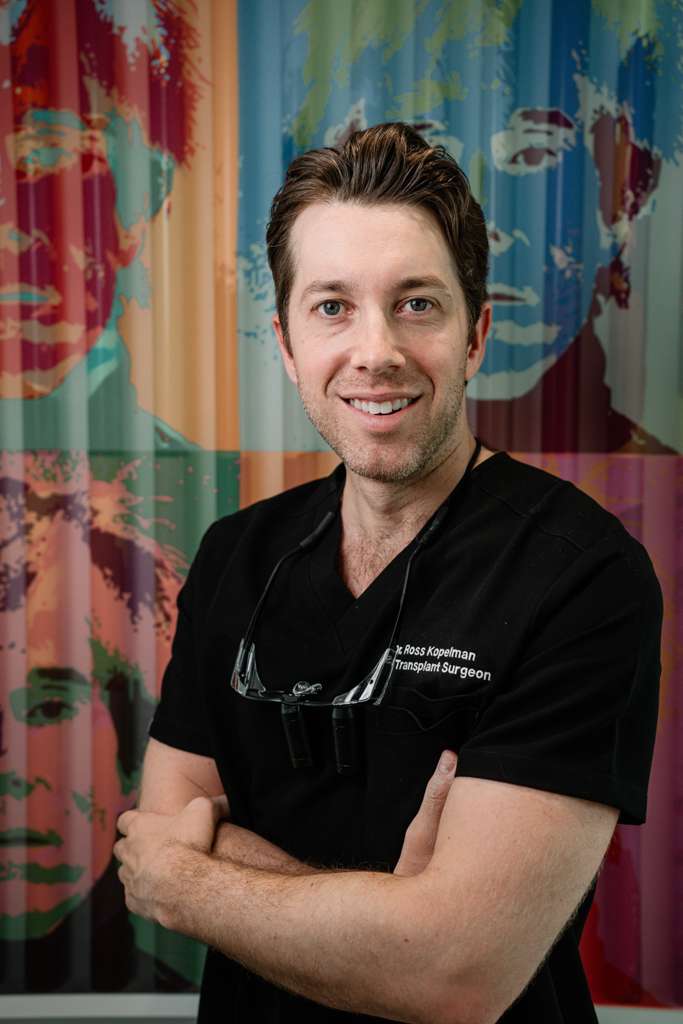
Dr. Kopelman, a board-certified physician in hair restoration, explains that hair shafts soften over time as they move through new hair growth cycles. Brushing improves surface alignment but cannot change root direction. Only surgery can change the implanted angle of hair follicles.
Growth Cycles and Long-Term Trimming
Scalp hair remains in the growth phase longer than natural hair in the brows. Transplanted hairs will continue to grow and require trimming. Most patients trim every one to two weeks.
Trimming does not harm hair follicles or affect the donor area. It simply shortens visible strands. Routine grooming becomes part of care after hair transplants are performed for hair loss.
Mistakes to Avoid During Recovery
Avoiding mistakes protects healing hair grafts. The early weeks should focus on recovery. Careful behavior supports stable results.
Trimming Too Early
Cutting hair too soon can disturb healing tissue and affect hair follicles. Wait until steady hair growth appears before trimming. If unsure, consult your surgeon.
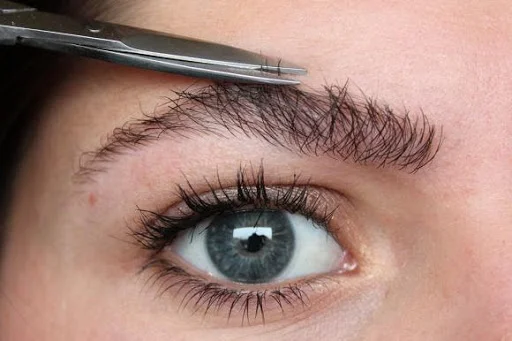
Forcing Hair Direction
Do not force hair sharply into a new shape. This can stress hair follicles and irritate the eyebrow area. Gentle brushing works better over time.
Long-Term Maintenance and When to See Your Surgeon
Once hair growth is steady, trimming becomes routine care. Most people trim every one to two weeks. Good lighting and small scissors help maintain shape.
Call your surgeon if you notice:
- Redness lasting more than two weeks
- Pain that worsens
- Swelling that increases after several days
- Unusual discharge from the eyebrow area
Dr. Kopelman evaluates concerns through a clinical exam. Early review helps protect graft health and long-term results after an eyebrow hair transplant.
Training eyebrows after transplant takes time and patience. Gentle brushing and regular trimming help maintain shape. Understanding how hair follicles behave during the healing process improves the predictability of outcomes for patients undergoing eyebrow restoration after hair loss.
If you have questions about training eyebrows after a transplant or your eyebrow transplant recovery, schedule a consultation with Dr. Kopelman. A clinical exam can assess hair growth and healing in the eyebrow area.