
A botched eyebrow transplant happens when eyebrow hair is placed or grows incorrectly, leading to unnatural direction, uneven density, or visible scarring after healing. The most common causes include poor graft angle, improper placement, and a lack of eyebrow-specific experience, while fixes may involve graft removal, corrective transplantation, or careful revision tailored to individual limitations.
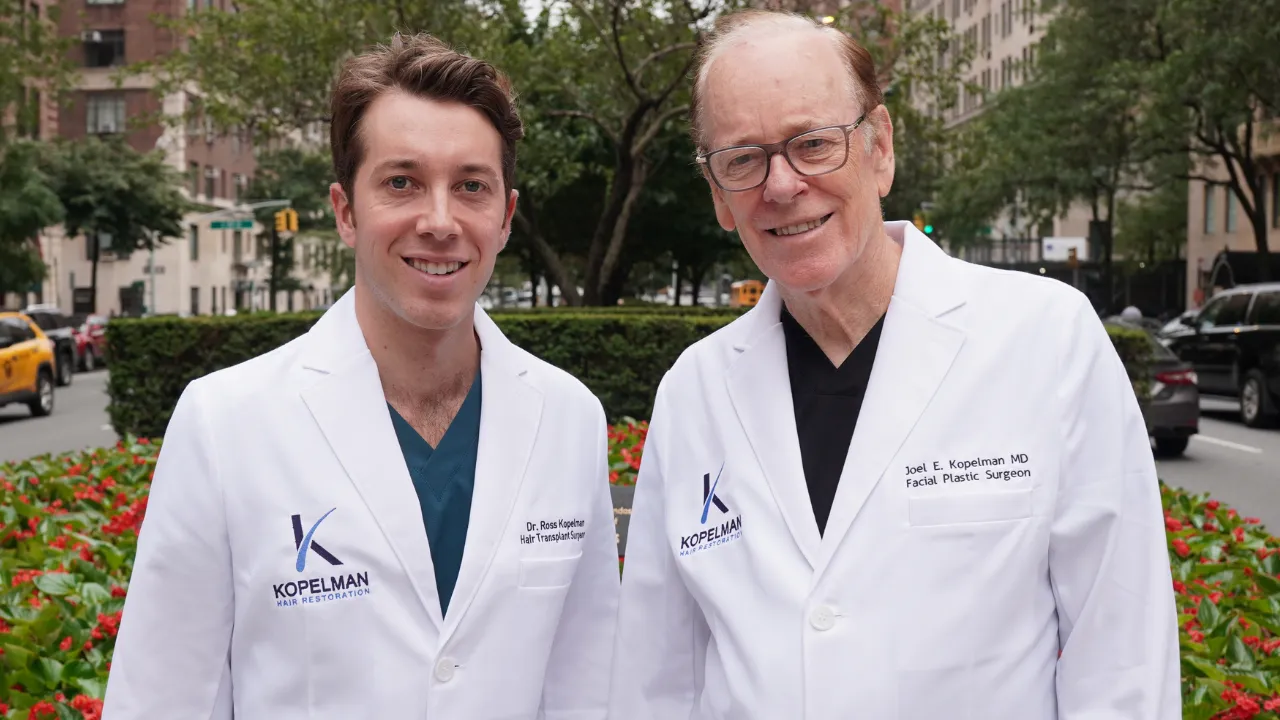
This article explains how doctors evaluate these cases, the available repair options, and the realistic results that can be expected, including factors often linked to eyebrow transplant regret, based on clinical experience at Kopelman Hair, a specialized eyebrow transplant clinic in NYC.
Key Takeaways
- A botched eyebrow transplant can lead to lasting problems, such as poor hair direction, uneven density, or scarring, that persist after full healing, not temporary changes seen early on.
- Some eyebrow transplant concerns improve within the first few months, so proper timing and medical review matter before calling the result a failure.
- Doctors assess eyebrow transplants by examining the angle, density, skin condition, and growth stage of the eyebrows rather than relying solely on photos.
- Repair options depend on the extent of the issue, and expert evaluation by a hair transplant surgeon helps set realistic expectations for improvement.
What a Botched Eyebrow Transplant Means
A botched eyebrow transplant happens when the final result does not look natural after healing. Eyebrow hair may grow in the wrong direction, appear uneven, or fail to follow the natural brow shape. These issues often become clear once new hair starts to grow.
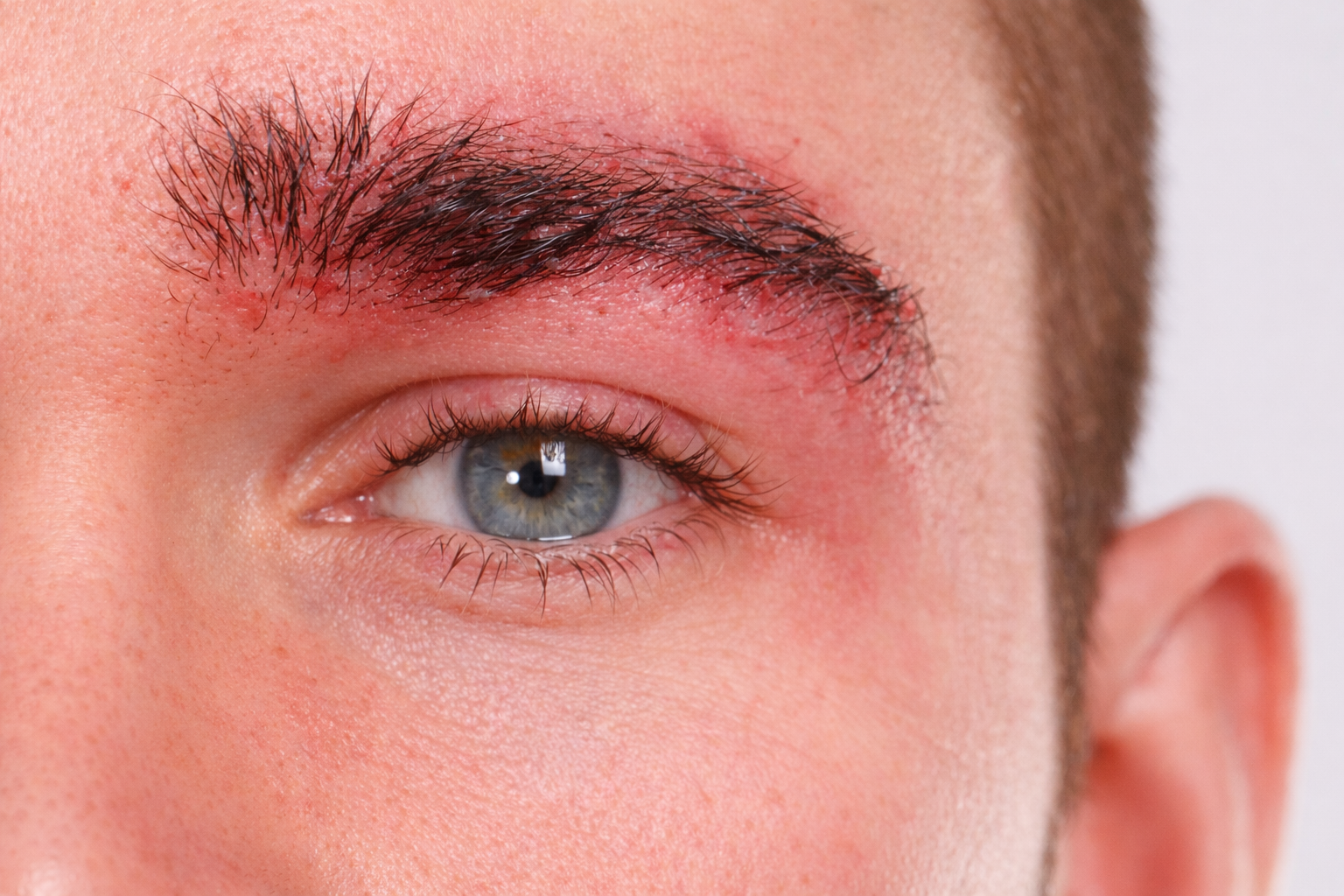
Early changes do not always mean failure. Swelling and hair shedding are common after surgery. Final results should be judged only after growth stabilizes.
Normal Healing vs a True Failed Eyebrow Transplant
Normal healing after an eyebrow transplant often includes redness, swelling, and temporary shedding of eyebrow hairs. This short-term hair loss usually occurs within the first weeks and improves as new growth begins. During this phase, eyebrows may look uneven, but the pattern is not final.
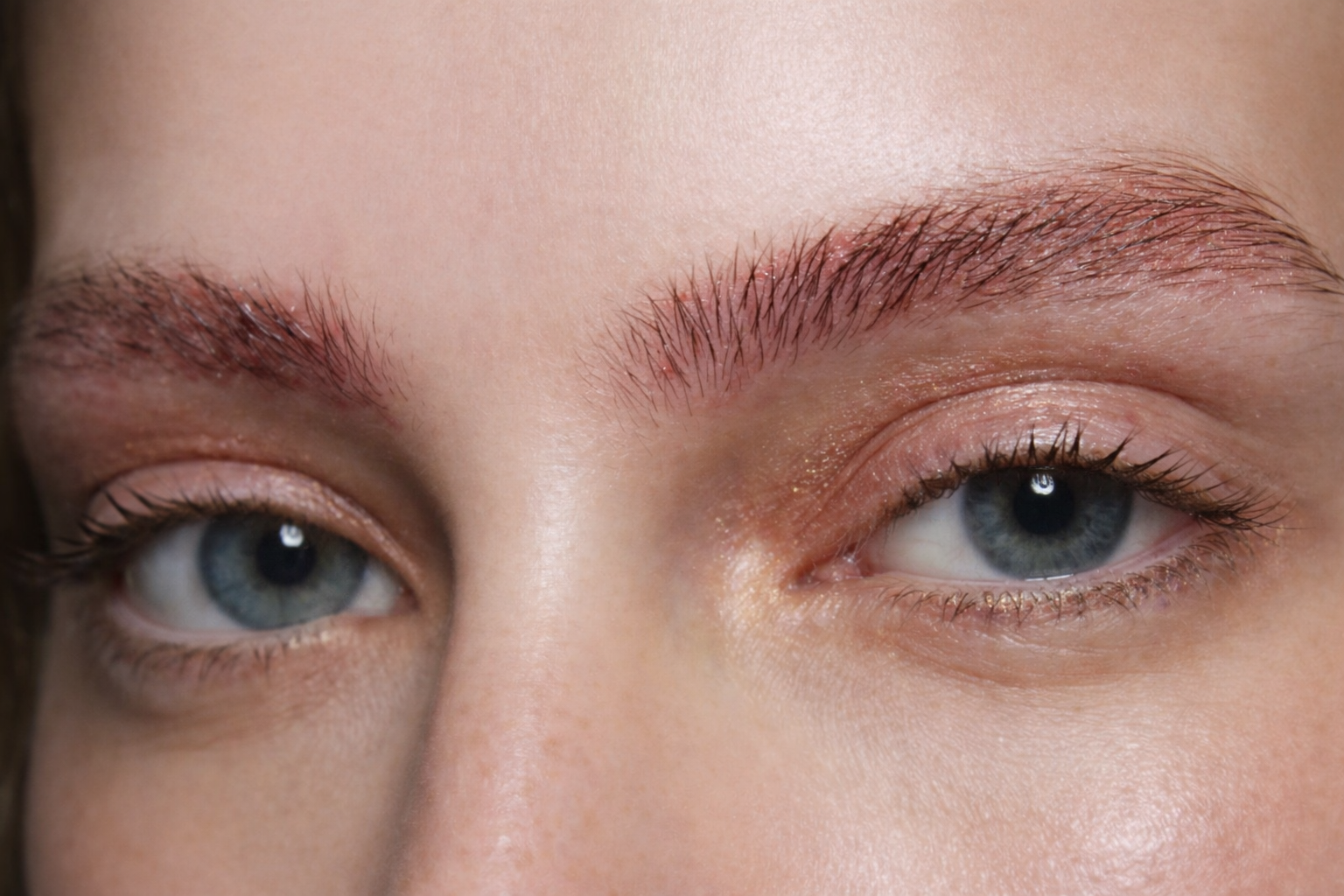
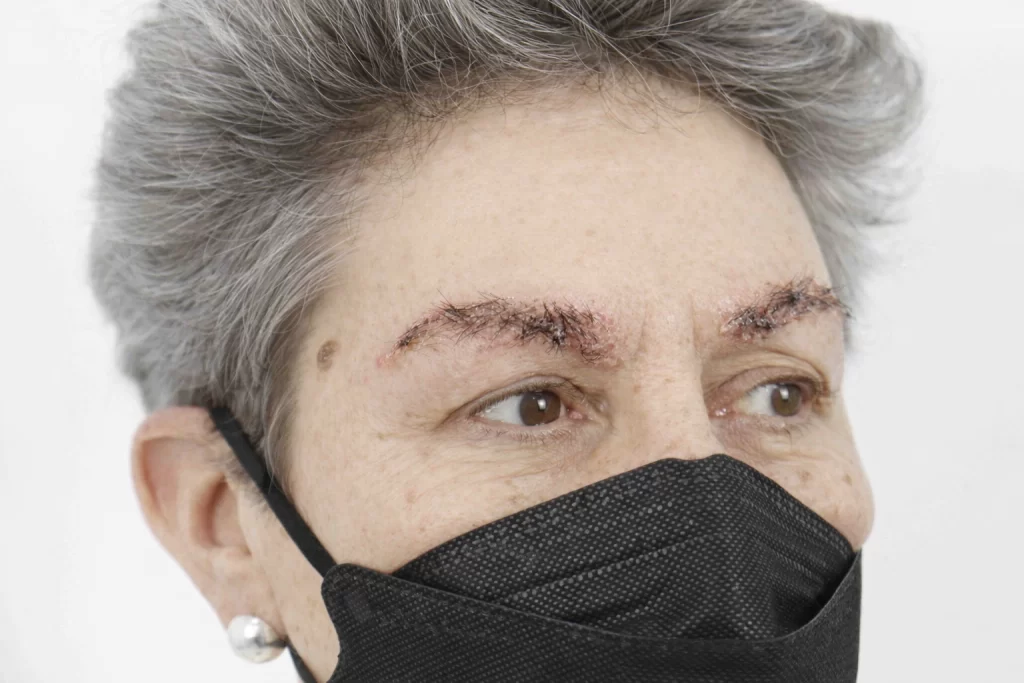
A true failure shows ongoing problems after healing is complete. Signs include eyebrow hair growing in the wrong direction, lasting gaps, or scarring that does not improve, which may indicate a bad eyebrow transplant. When hair loss or abnormal growth persists months later, the result is more likely a botched eyebrow transplant than a normal recovery.
Why Eyebrow Transplants Go Wrong
Most eyebrow transplant problems come from technique rather than healing. Eyebrows need careful control of angle, spacing, and depth. Small mistakes can change the final look.
Common causes include poor hair direction, uneven planning, and limited eyebrow experience. Dr. Kopelman explains that eyebrow procedures are less forgiving than other hair transplants because the area is highly visible.
Signs of a Botched Eyebrow Transplant
Signs include eyebrow hair growing straight out, crossing patterns, or sharp edges. Patchy areas or visible eyebrow scars may also appear. These problems often persist after early healing has ended. A medical exam at a qualified hair transplant clinic is still required.
How Doctors Evaluate a Suspected Botched Eyebrow Transplant
Doctors look beyond appearance when reviewing eyebrow transplant results. They assess hair growth, skin condition, and the time elapsed since surgery.
Assessment often includes:
- Eyebrow hair angle compared to natural growth
- Balance and spacing across the brow
- Signs of scarring or skin damage
Dr. Kopelman advises waiting until the full growth cycle is complete before deciding on correction, as premature treatment can worsen results.
How to Fix Botched Eyebrows
Fixing botched eyebrows depends on the exact problem and the extent of healing. When eyebrow hair grows in the wrong direction or appears uneven, doctors first assess whether the follicles can be redirected or must be removed. This decision is based on hair angle, density, and skin condition.
In some cases, poorly placed hairs are removed manually or with a laser before any repair is attempted. Once the area stabilizes, a corrective eyebrow transplant may be performed to restore a more natural shape and flow. This step requires careful planning to avoid repeating the same errors that caused the original bad eyebrow transplant.
When to See a Corrective Specialist
Persistent asymmetry, poor hair direction, or scarring after healing should be reviewed by a specialist. An experienced hair transplant surgeon can determine whether an eyebrow transplant gone wrong can be improved and what level of correction is realistic. Early evaluation supports safer planning and clearer decisions.
If you are concerned about a botched eyebrow transplant or want clarity on next steps, scheduling a professional evaluation can help. A qualified specialist can assess healing, explain realistic options, and determine whether hair restoration or corrective treatment is appropriate for your situation.