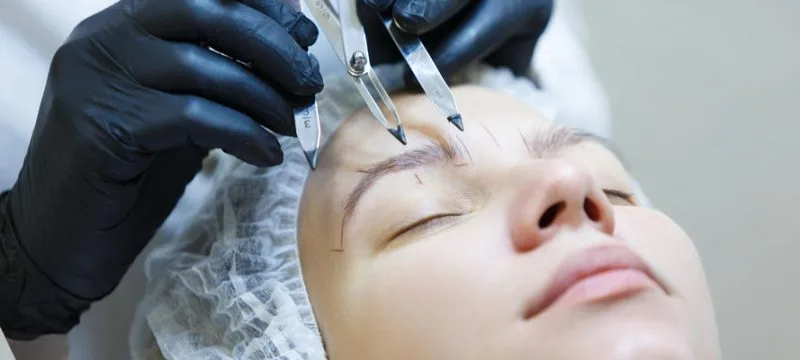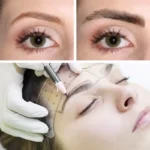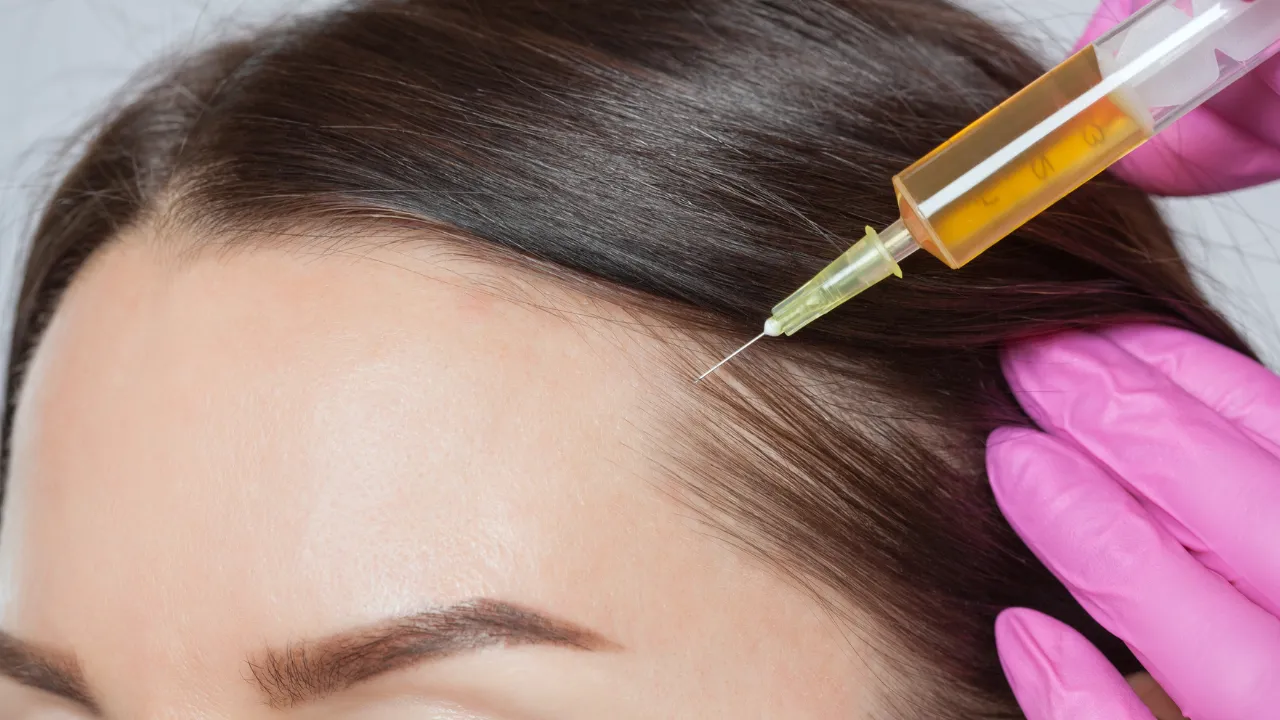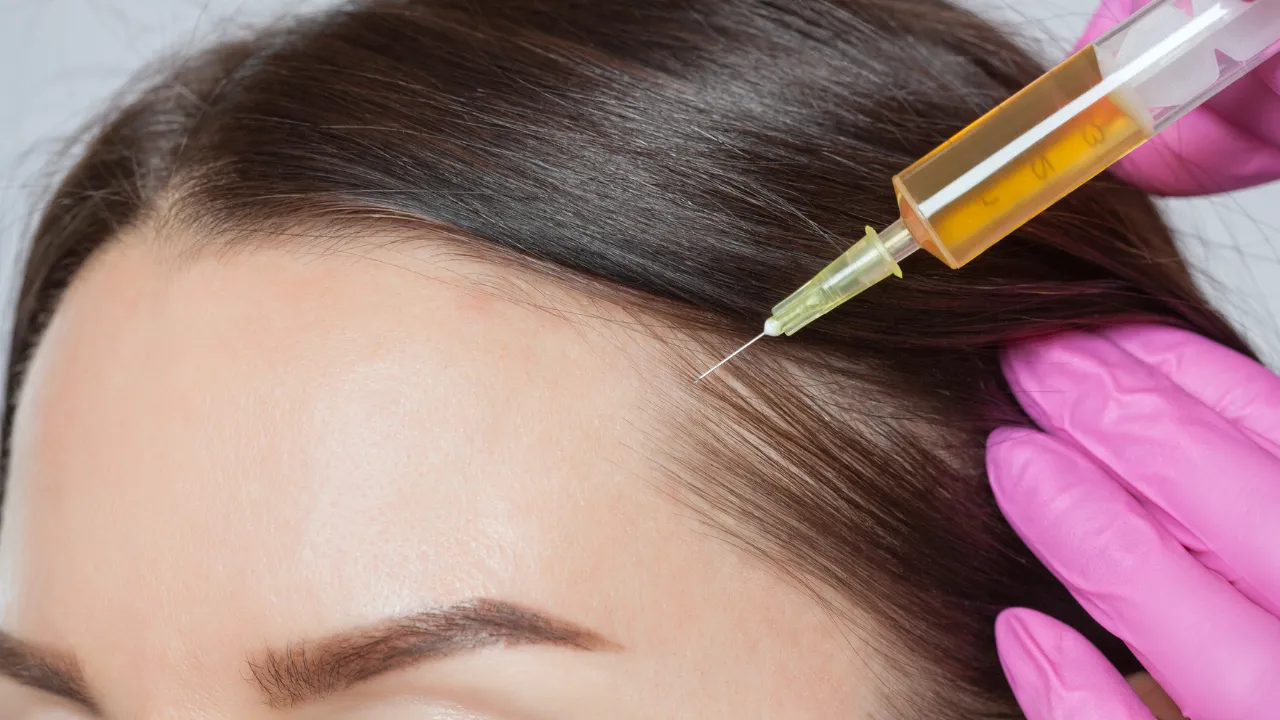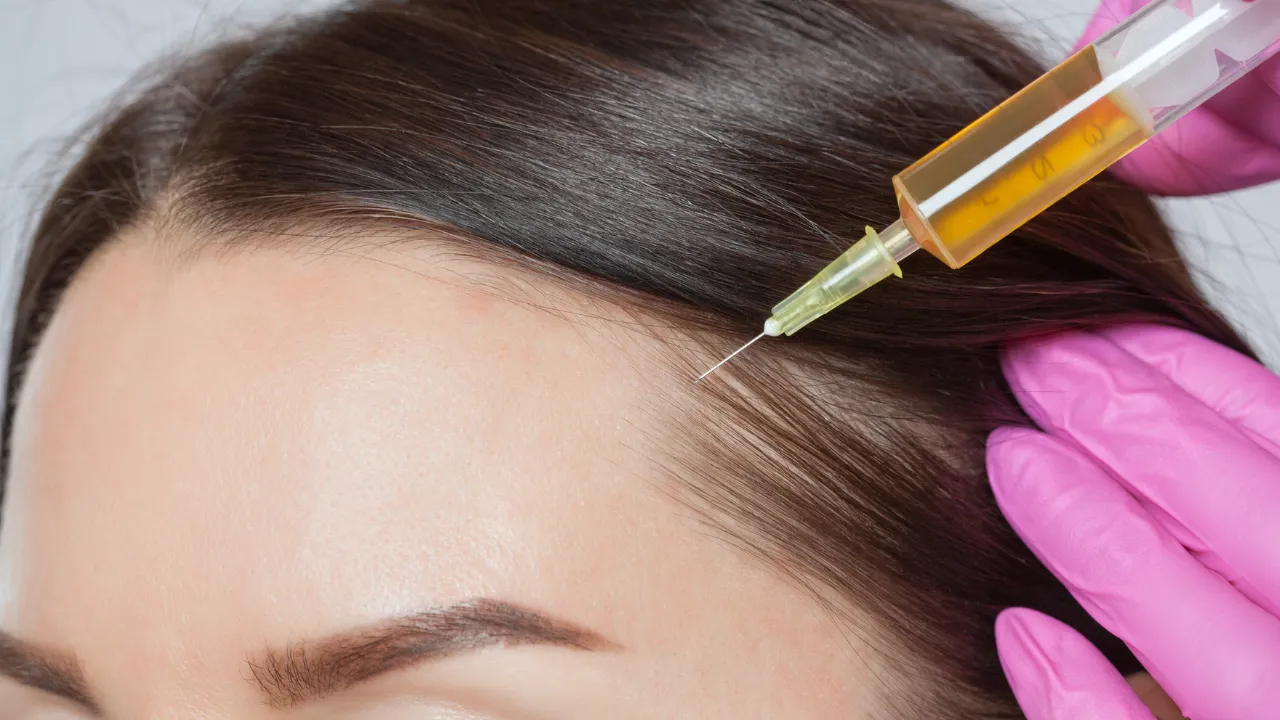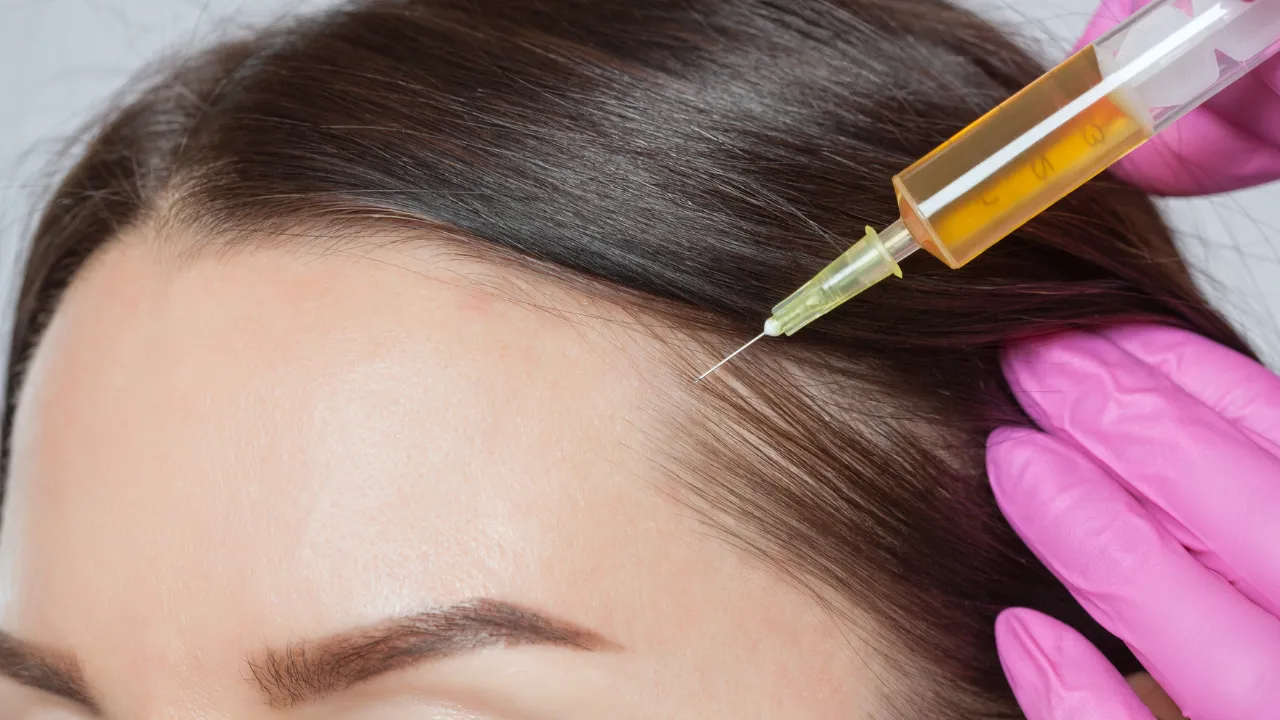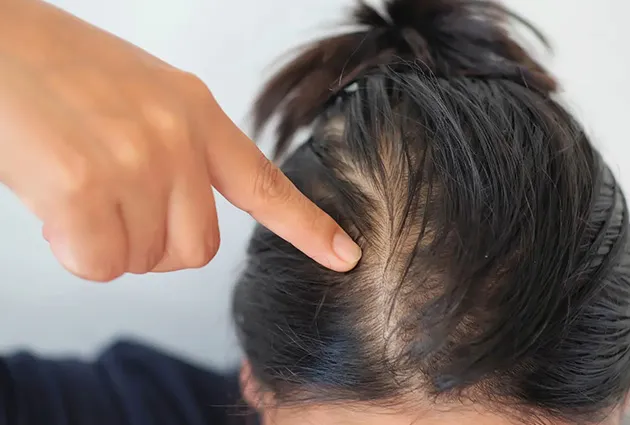

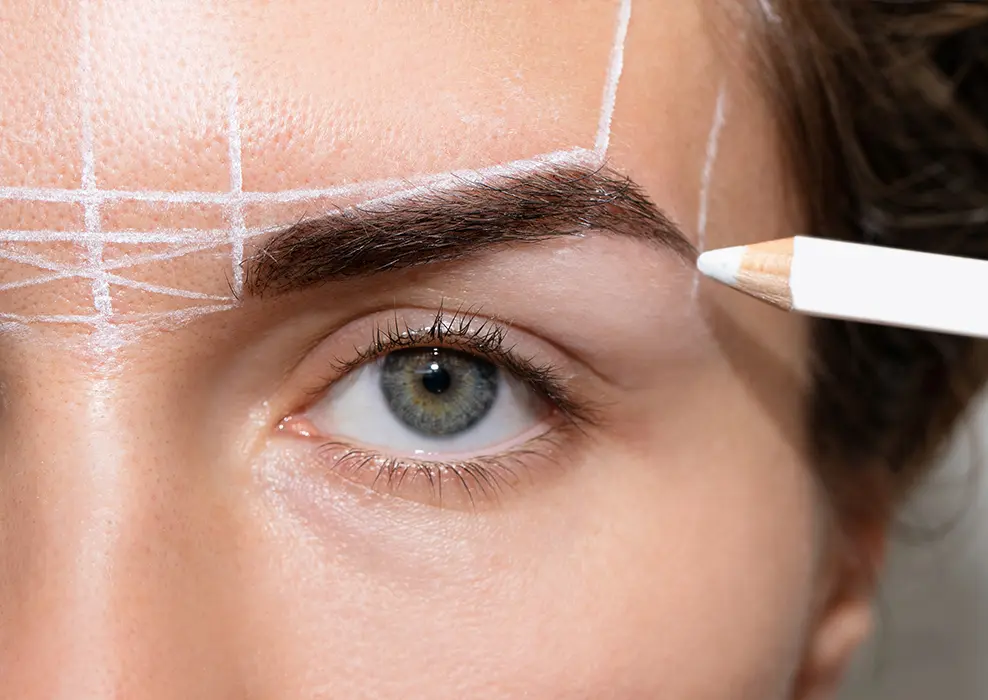
A DHI eyebrow transplant is a hair transplant procedure that restores eyebrow density caused by factors such as eyebrow scars by implanting scalp hair follicles into the eyebrow area using the DHI technique.
DHI stands for direct hair implantation, a method that places follicles into the skin one by one without pre-incising, allowing precise control of depth, angle, and direction.
The procedure typically costs $10,000 to $16,000, produces gradual, natural-looking results over several months, and involves a mild recovery, with visible healing in the first 7 to 10 days and full results developing by 9 to 12 months.
This article explains how a DHI eyebrow transplant works, what it can realistically achieve, and what patients should consider before treatment.
Key Takeaways
- A DHI eyebrow transplant restores eyebrow density by placing hair follicles from the scalp directly into the brows with controlled angle and depth.
- The DHI technique, also known as direct hair implantation, follows a step-by-step approach that supports natural eyebrow hair growth.
- Results develop gradually and are considered permanent, though regular trimming is usually needed.
- Cost, recovery, risks, and alternatives should be evaluated through a medical assessment before treatment.
What Is an Eyebrow Hair Transplant?
An eyebrow hair transplant is a hair transplant procedure that restores eyebrow density by transferring hair grafts from a donor area to the brows. The donor area is usually the scalp, where healthy hair growth is stable and predictable. Each graft is chosen to match eyebrow hair texture and growth behavior.
Eyebrow transplants aim to improve shape and fullness while maintaining facial balance. Hair angle and spacing are essential for a natural appearance. Outcomes depend on planning and the individual’s healing response.
How an Eyebrow Transplant With DHI Works
An eyebrow transplant with DHI uses a technique to place hair follicles directly into the skin without creating incisions in advance. This allows control over depth and angle, which is essential because eyebrow hairs grow flatter than scalp hair. Precision is critical for a natural appearance.
The eyebrow transplant procedure follows a step-by-step approach focused on accuracy. Each phase of the hair transplant procedure aims to protect graft viability and support consistent healing. This helps reduce unnecessary trauma.
Hair Extraction and Implantation
Hair grafts are extracted one by one using a fine punch. Each graft contains a complete hair follicle and is implanted immediately into the eyebrow area. This supports accurate alignment and preservation of healthy hair growth.
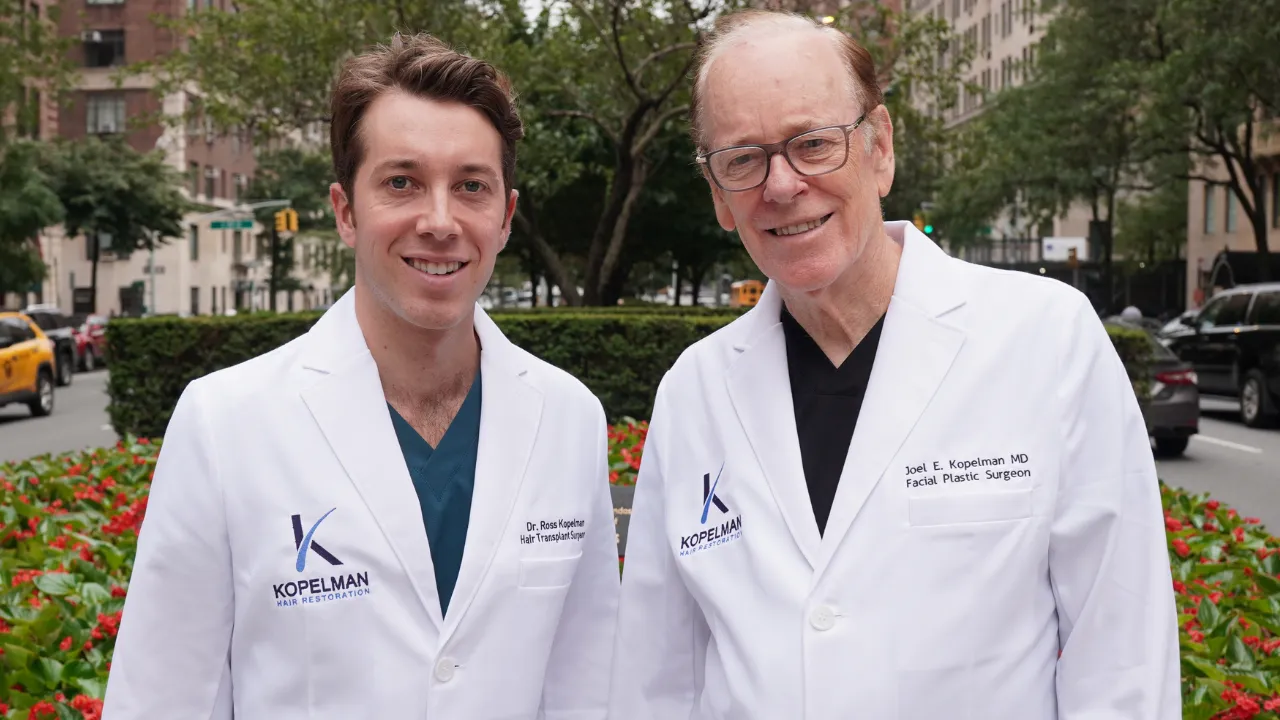
Dr. Kopelman explains that eyebrow hair grows in layered patterns across the brow. Slight differences in angle or depth can affect how natural the eyebrows appear. Careful planning and experience are essential.
DHI Eyebrow Transplant Before and After Results
Before-and-after results vary based on anatomy, donor hair quality, and technique. Transplanted hairs often shed within the first few weeks, which is normal. This shedding does not indicate failure.

New growth usually begins several months later. Hair follicles mature over time, and density improves gradually. Final results develop step by step.
Expected Results vs Realistic Outcomes
Many patients expect immediate or perfect symmetry, which is unrealistic. A DHI eyebrow transplant can improve fullness, but outcomes vary between individuals. Skin type and donor hair quality influence results.
Transplanted hairs behave like scalp hair and continue to grow. Regular trimming is often needed. Clear expectations help avoid disappointment.
Is an Eyebrow Transplant Permanent?
An eyebrow transplant is considered permanent because transplanted hair follicles retain their original growth traits. Once established, the hairs continue to grow long-term. This differs from temporary cosmetic options.
Permanence does not remove maintenance needs. Trimming and shaping remain necessary. Long-term results depend on healing.
DHI Eyebrow Transplant Cost: Is It Worth It?
The cost of a DHI eyebrow transplant typically ranges from $10,000 to $16,000, depending on the number of hair grafts, the complexity of placement, and the physician’s experience. Eyebrow restoration often costs more than scalp procedures because it requires precise control of angle and direction. Clinic location and procedural time also influence pricing.
Whether it is worth it depends on individual goals and budget. Some patients value permanent healthy hair growth and long-term results. Others may prefer non-surgical or temporary alternatives.
DHI vs Other Eyebrow Restoration Methods
DHI allows for direct, controlled implantation, unlike traditional methods that use pre-made incisions. Control is essential for eyebrow hair direction, which is why DHI is often chosen for brows.
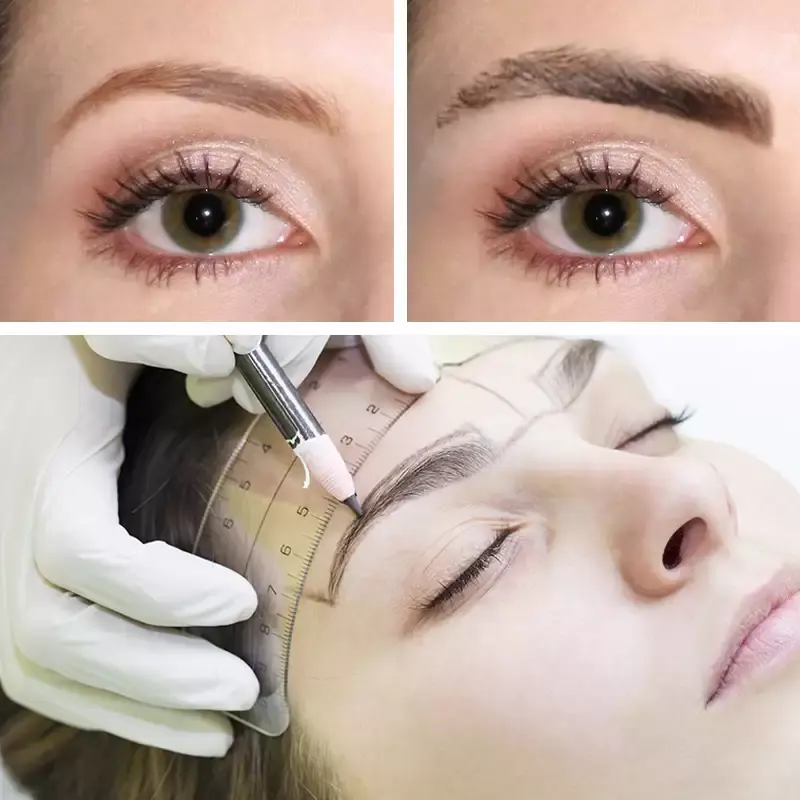
Non-surgical options like microblading do not create real hair and fade over time. Some patients consider eyebrow transplants in Turkey due to lower costs, though standards and follow-up care vary. Medical evaluation helps guide choice.
Who Is a Good Candidate?
Good candidates have stable donor hair and localized eyebrow thinning. Overall health and realistic expectations matter.
Active skin conditions such as eczema, psoriasis, active dermatitis, or ongoing infections in the eyebrow area may delay treatment.
Not every patient qualifies for the procedure. Proper screening improves safety and supports better healing outcomes.
Recovery, Healing, and Aftercare
Recovery is usually mild. Redness, swelling, and small scabs commonly appear during the first 5 to 7 days, and most patients return to normal activities within 2 to 3 days. Scabs typically fall off within 7 to 10 days.
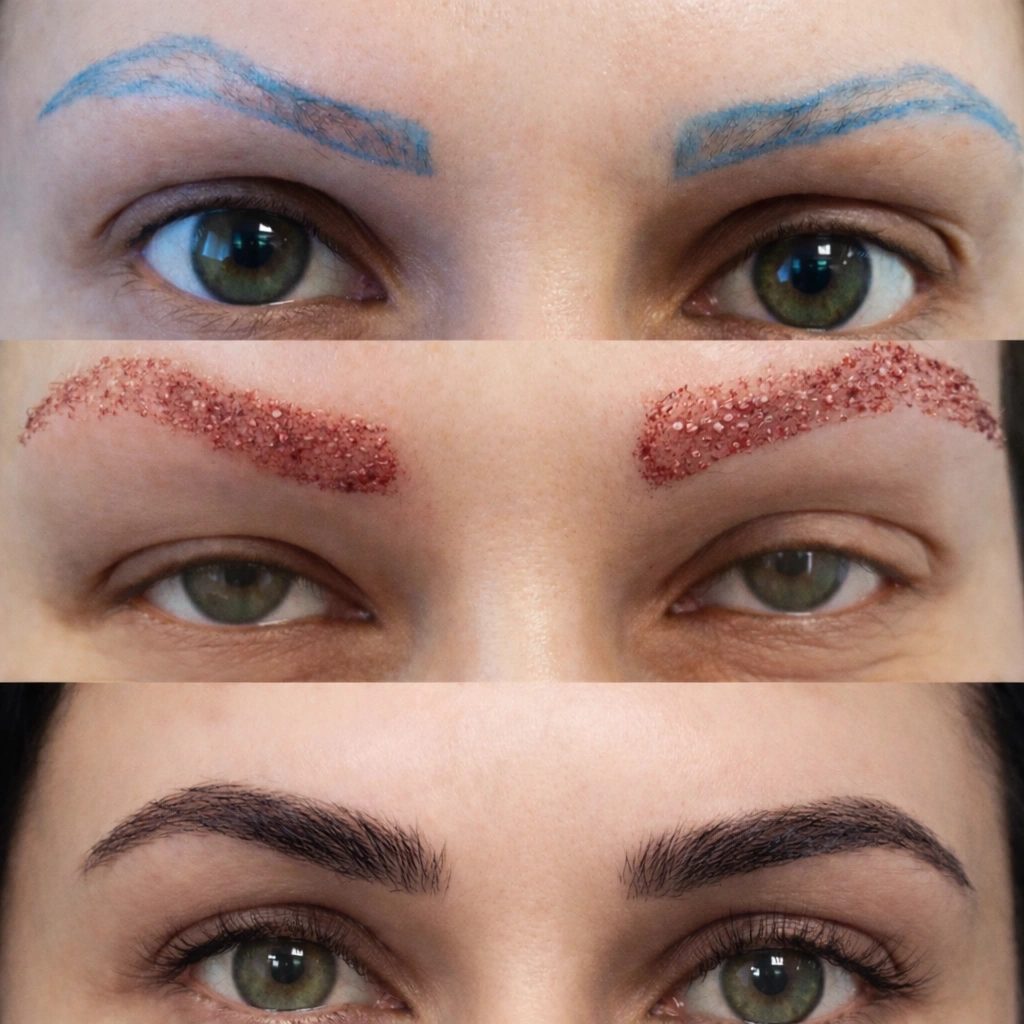
Aftercare, such as gentle cleansing and avoiding pressure on the brows, supports proper healing and long-term eyebrow transplant recovery. Transplanted hairs shed before regrowth begins. Following instructions supports recovery.
Choosing the Right Clinic for DHI Eyebrow Transplant
When researching options such as an eyebrow transplant in NYC, choosing a clinic involves reviewing medical credentials and experience. A qualified physician should clearly explain the DHI technique, its risks, and its limitations. Transparency supports patient safety.
Clinics that focus on individualized planning and evidence-based care help patients make informed choices about an eyebrow transplant with DHI.
Scheduling an evaluation allows a physician to review your goals and answer procedure-specific questions.