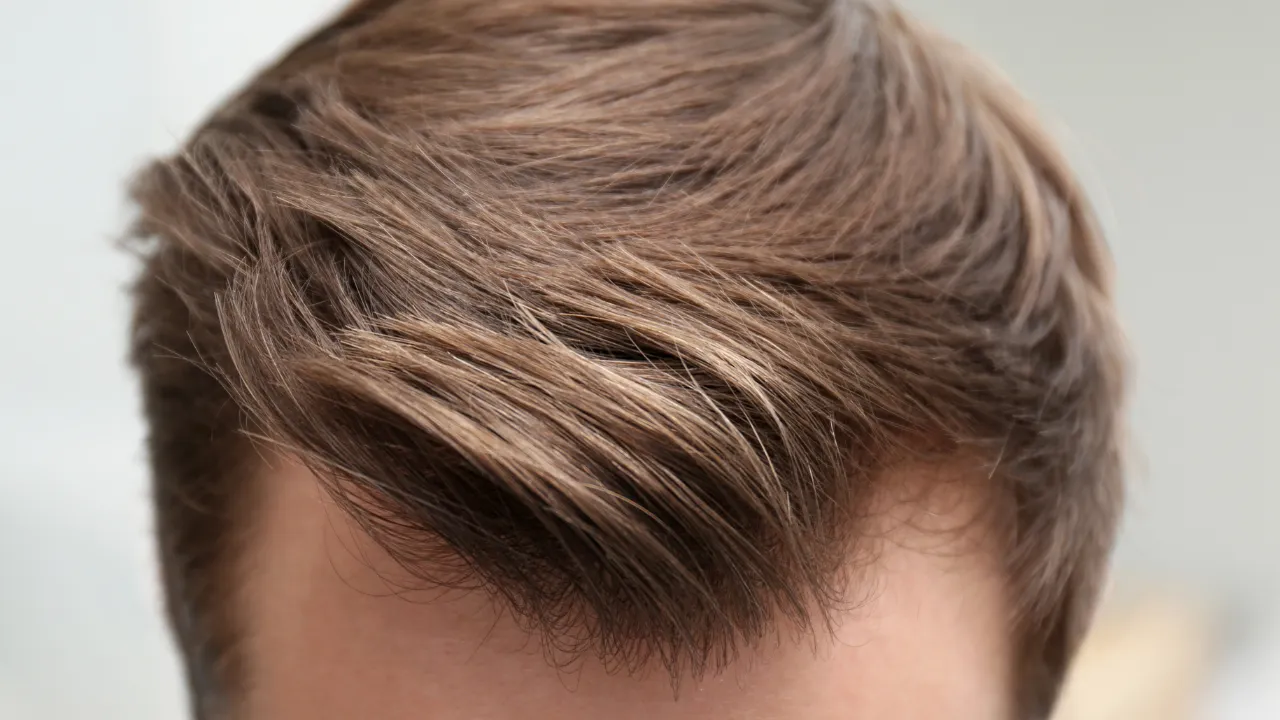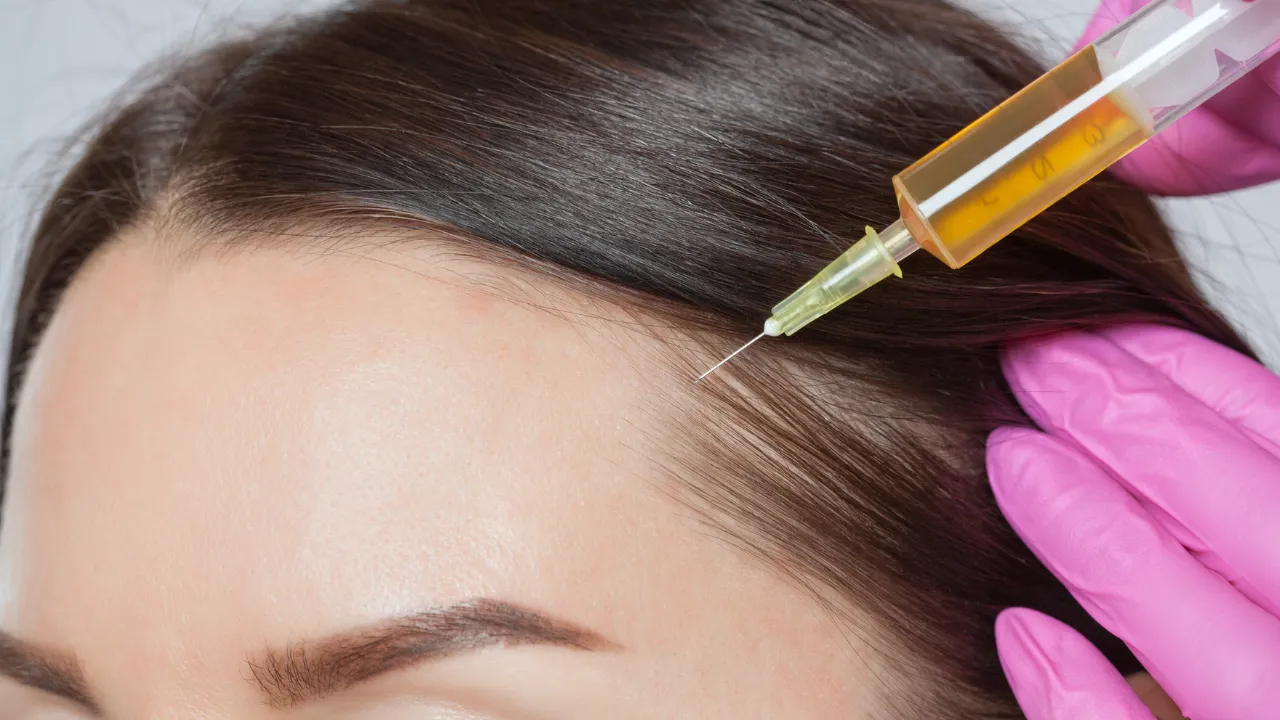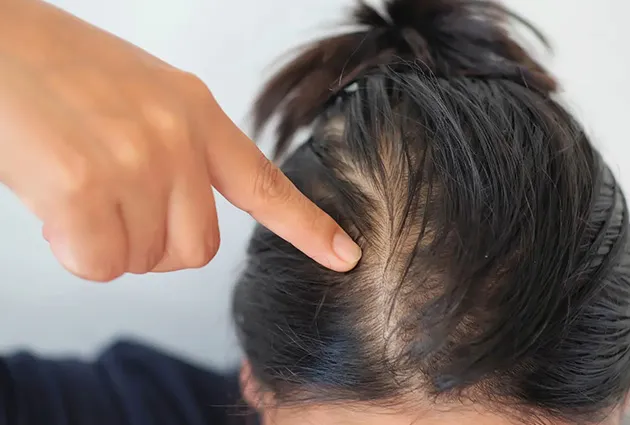


Do eyebrow transplants keep growing? Yes, it keeps growing because the transplanted hairs usually come from the scalp, which has a longer growth cycle than natural eyebrow hair.
This article explains why transplanted eyebrow hair continues to grow, how that growth changes over time, and what patients should realistically expect in the long term.
The information is presented for educational purposes and draws on the clinical standards followed by the Kopelman Hair team, eyebrow transplant specialists in NYC, and similar medical practices.
Key Takeaways
- ●Transplanted eyebrow hair can continue to grow because it is usually taken from the scalp, which has a longer growth cycle than natural brow hairs.
- ●Growth typically stabilizes within the first year, and ongoing length changes are managed through routine trimming rather than medical treatment.
- ●Early shedding and uneven growth are common during the healing process and do not indicate a problem with the eyebrow transplant procedure.
- ●Eyebrow transplant results are long-lasting and often considered a permanent solution for eyebrow hair loss, though maintenance is expected.
Do Eyebrow Transplants Keep Growing Over Time?
The short answer is yes, transplanted hair can continue to grow because it usually comes from the scalp.
For patients experiencing eyebrow hair loss or naturally thin eyebrows, this growth behavior is expected. Over time, the pattern becomes predictable and responds well to grooming. Understanding this early helps set realistic expectations.
Safety and Medical Considerations
From a medical standpoint, eyebrow transplantation is considered a low-risk form of hair restoration when performed correctly. Temporary redness, swelling, or scabbing can occur in the brow area during early healing. These effects usually resolve within a few weeks as part of the normal healing process.
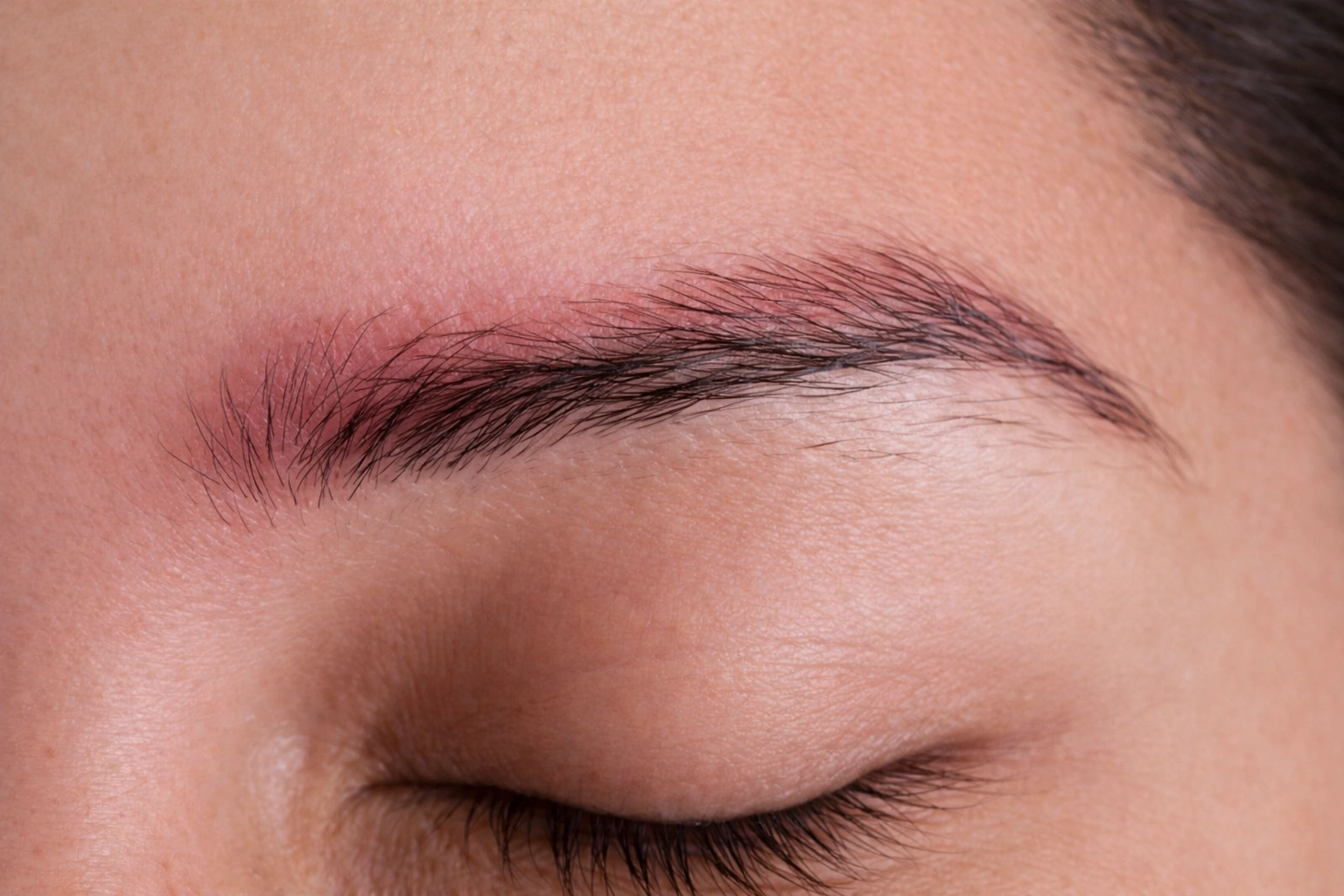
Uneven early growth is common and does not signal a complication. Transplanted hair follicles often enter a resting phase before new growth begins. This response is expected even when multiple hair grafts are used.
Do Eyebrow Transplants Keep Growing After a Year?
After the first year, growth usually stabilizes. Hair does not stop growing entirely, but it follows a consistent cycle. Most patients learn how often trimming is needed during this period.
Changes after one year are typically minor. Ongoing growth relates more to maintenance than to new biological changes in the brow area.
Do Eyebrows Ever Stop Growing?
Natural brow hairs grow for a short phase and then rest. Transplanted hairs retain characteristics from the donor area, which is why they may grow longer. This difference explains the need for grooming.
Growth does not continue without limits. Hair sheds and regrows in cycles and is not usually related to an underlying medical condition.
How Medical Judgment Shapes Eyebrow Transplant Planning
Not every patient is an ideal candidate for eyebrow transplantation. Surgeons assess donor hair quality, skin health, and growth expectations before recommending the eyebrow transplant procedure. This evaluation helps prevent outcomes that require excessive maintenance.
Dr. Kopelman explains that growth behavior plays a role in candidate selection. Patients with naturally thin brows or those who prefer minimal grooming may need additional counseling. Clear medical judgment supports predictable results.
How Long Does It Take for Eyebrow Transplant to Grow?
Growth follows a predictable timeline. Initial shedding often occurs within the first few weeks. New growth usually begins around three to four months.
Most patients see mature growth between nine and twelve months. Early inconsistency does not affect long-term outcomes or the survival of transplanted hair follicles.
How Long Eyebrow Transplant Results Last?
Eyebrow transplant results are expected to last for decades. Once follicles establish a blood supply, they continue producing hair as they did in the donor area. This makes the procedure a permanent solution for many cases of eyebrow hair loss.
Longevity depends on technique and patient factors. When eyebrow transplant surgery is planned properly, results remain consistent for many years.
Are Eyebrow Transplant Results Permanent?
The transplanted eyebrow follicles are permanent, as they continue to produce hair. They are not temporary implants. This permanence refers to follicle survival, not the absence of grooming.
Maintenance remains part of long-term care. Understanding this distinction helps patients view eyebrow restoration realistically.
Maintenance When Eyebrow Transplant Hair Keeps Growing
Most patients find maintenance straightforward once a routine is established. Most patients trim transplanted eyebrow hair about every 1 to 2 weeks, depending on growth speed.
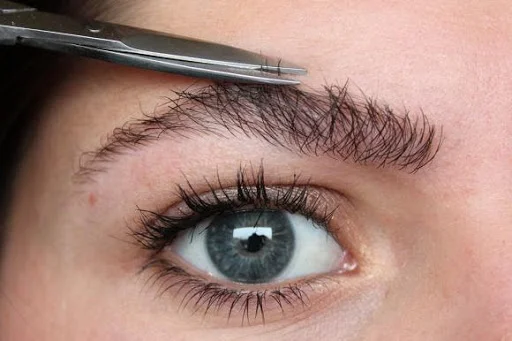
Over time, this routine becomes predictable and manageable. Frequency depends on individual growth speed and hair texture.
What Is Considered Normal After an Eyebrow Transplant
Normal experiences include:
- ●Continued hair growth that requires trimming
- ●Minor differences in length during early cycles
- ●Gradual improvement in density over several months
Persistent pain, redness, or sudden hair loss after healing is uncommon and may warrant evaluation for an unrelated medical condition.
How Surgeons Control Long-Term Growth
Surgeons manage growth behavior through careful planning. Hair is selected for texture and placed at precise angles during the eyebrow transplant procedure. These steps reduce the appearance of excess length.
According to Dr. Kopelman, understanding donor hair characteristics is essential for predictable outcomes. Proper planning limits long-term concerns.
Who Is a Good Candidate for Eyebrow Transplant
Good candidates have stable donor hair and realistic expectations. Medical history, including conditions that affect hair growth, such as significant eyebrow scarring, also matters. A clinical evaluation helps determine suitability.
This process protects patient safety and the quality of patient outcomes. Not every case of eyebrow hair loss or naturally thin eyebrows requires surgical treatment.
If you have questions about eyebrow transplants, scheduling a consultation can help clarify whether this option is appropriate for you. A clinical evaluation allows expectations and next steps to be discussed. You can schedule an appointment with Kopelman Hair for further guidance.