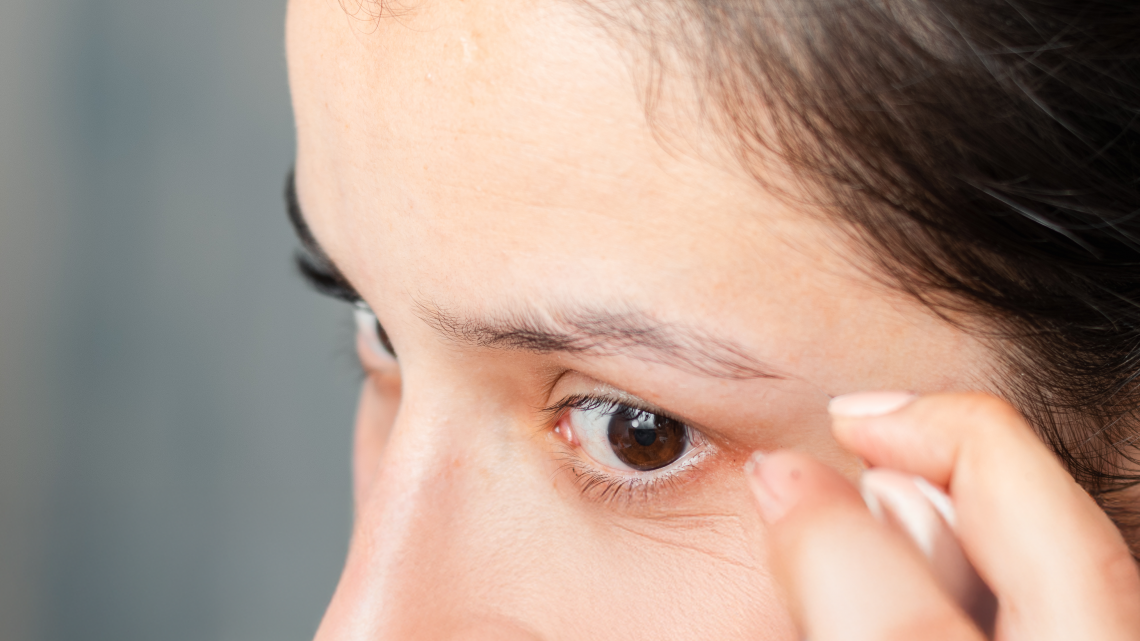

Does an eyebrow transplant hurt? In most cases, it does not cause significant discomfort because local anesthesia is used during eyebrow transplant surgery. Patients may feel brief stinging from the numbing injections and mild pressure during the procedure, but sharp pain is uncommon.
Afterward, soreness is usually mild and temporary. The information reflects common medical practices at Kopelman Hair and similar clinics and is intended for educational purposes.
Key Takeaways
- Eyebrow transplant pain is usually mild, with numbing medication limiting discomfort during the procedure and most soreness occurring early in recovery.
- After surgery, temporary swelling, tenderness, or tightness may occur and often improve within one to two weeks.
- Pain varies between individuals due to technique, skin sensitivity, and health history, which explains differences in recovery.
- Worsening pain, spreading redness, or fever are not typical and may require medical evaluation.
How Painful Is An Eyebrow Transplant?
Most patients describe eyebrow hair transplants as mildly uncomfortable rather than painful. When people ask does an eyebrow transplant hurt, the answer depends on timing, technique, and personal sensitivity. In general, discomfort is manageable for most men and women.
Local anesthesia is used to reduce pain during treatment. Because of this, most patients feel little to no pain while hair grafts are placed into the eyebrow area. Any soreness afterward is usually short-lived.
Clinical observations show that pain levels are low for most patients. Discomfort tends to improve quickly with proper care. These patterns are common across modern hair transplant procedures.
Pain During The Eyebrow Transplant Procedure
Local Anesthesia And Comfort
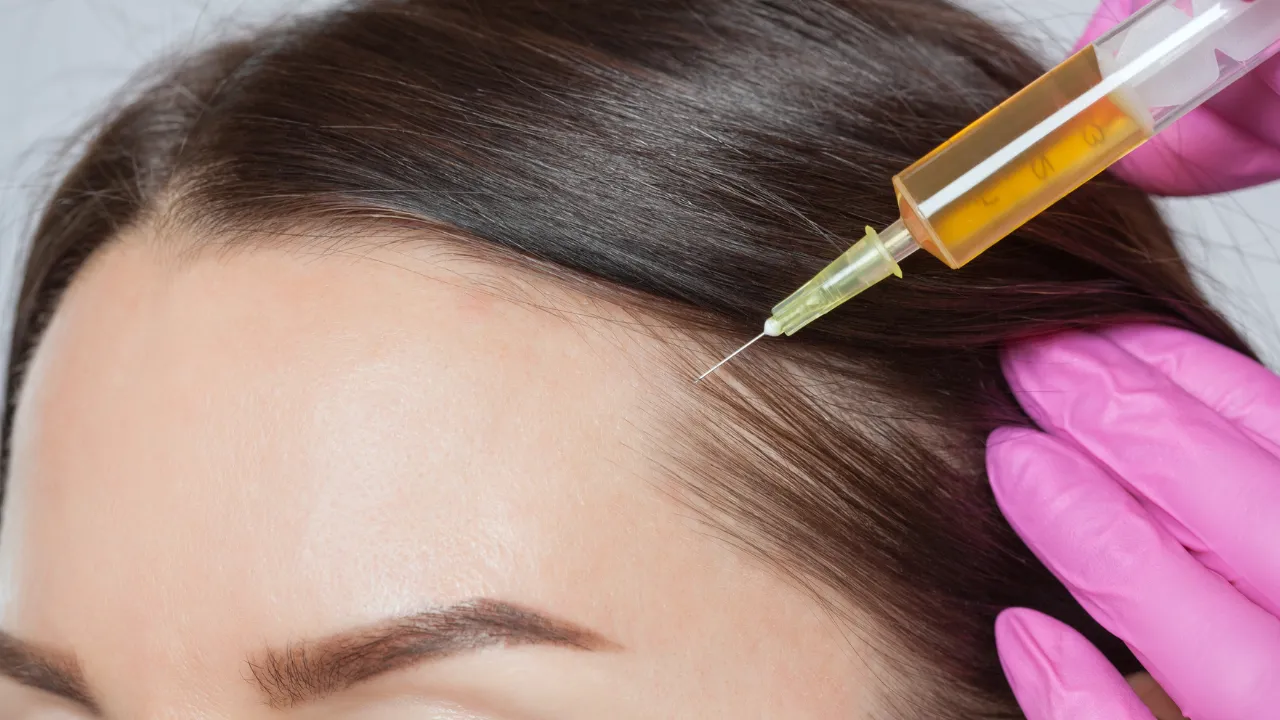
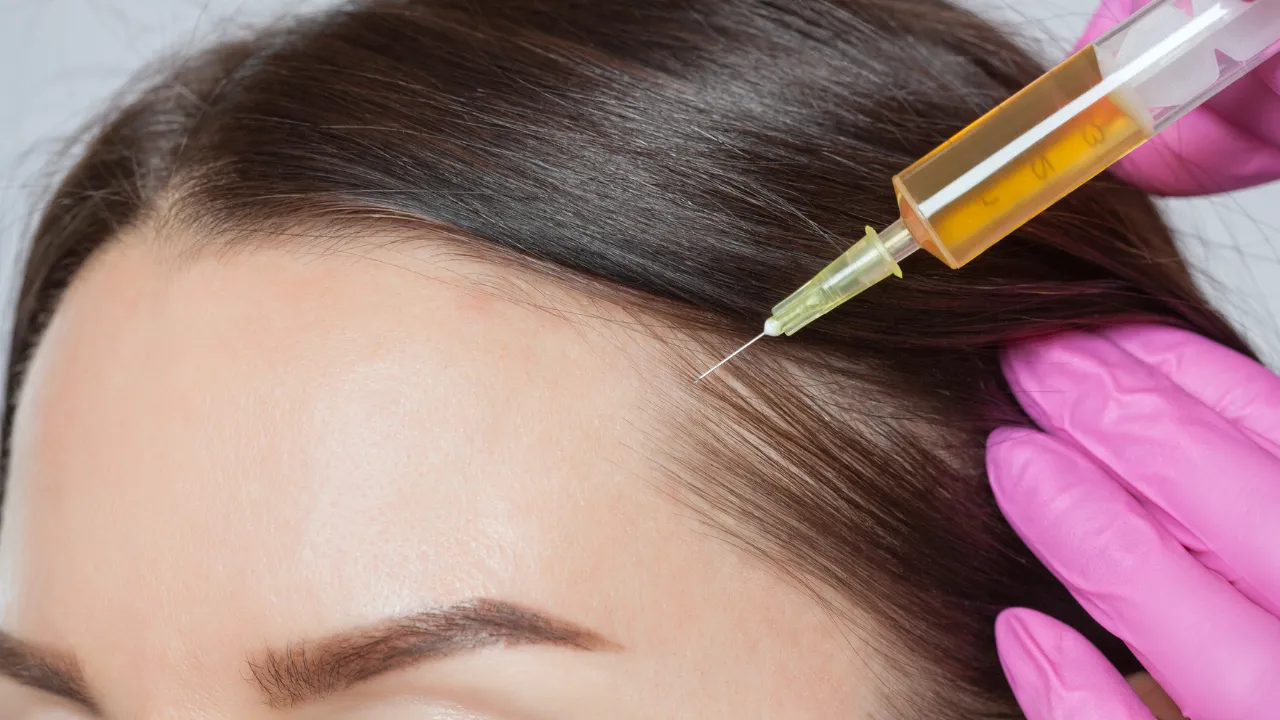
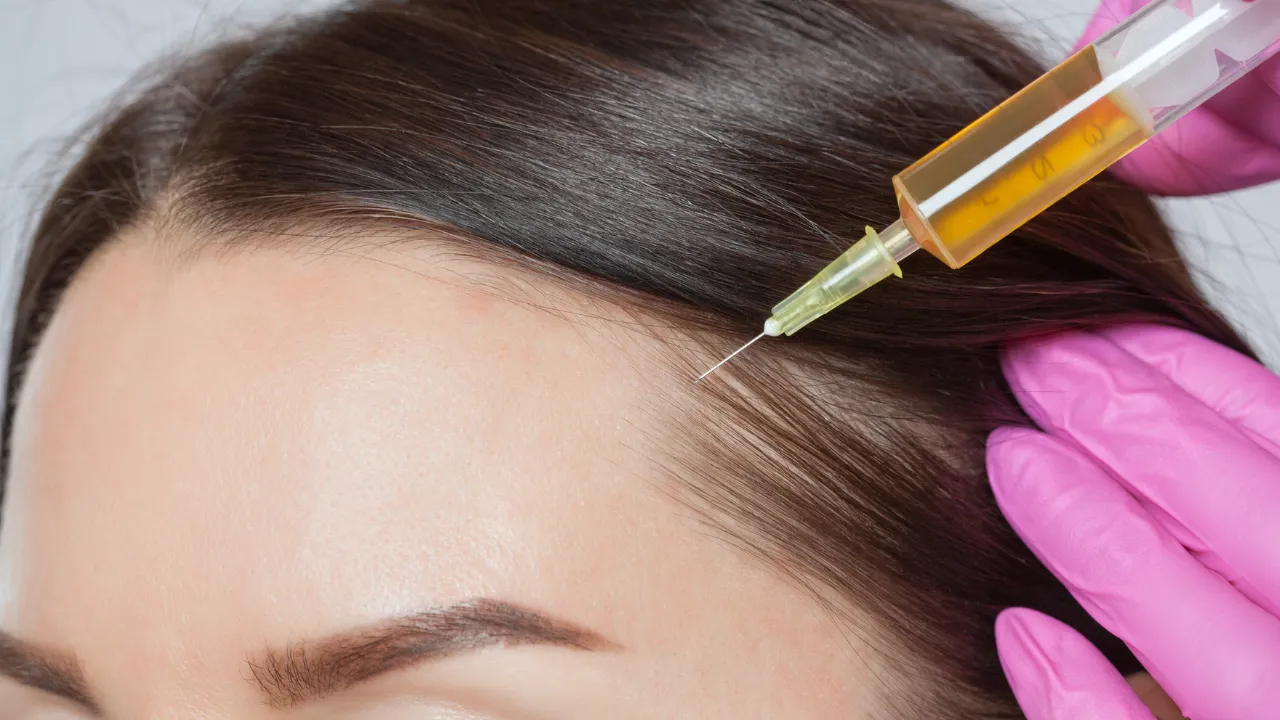
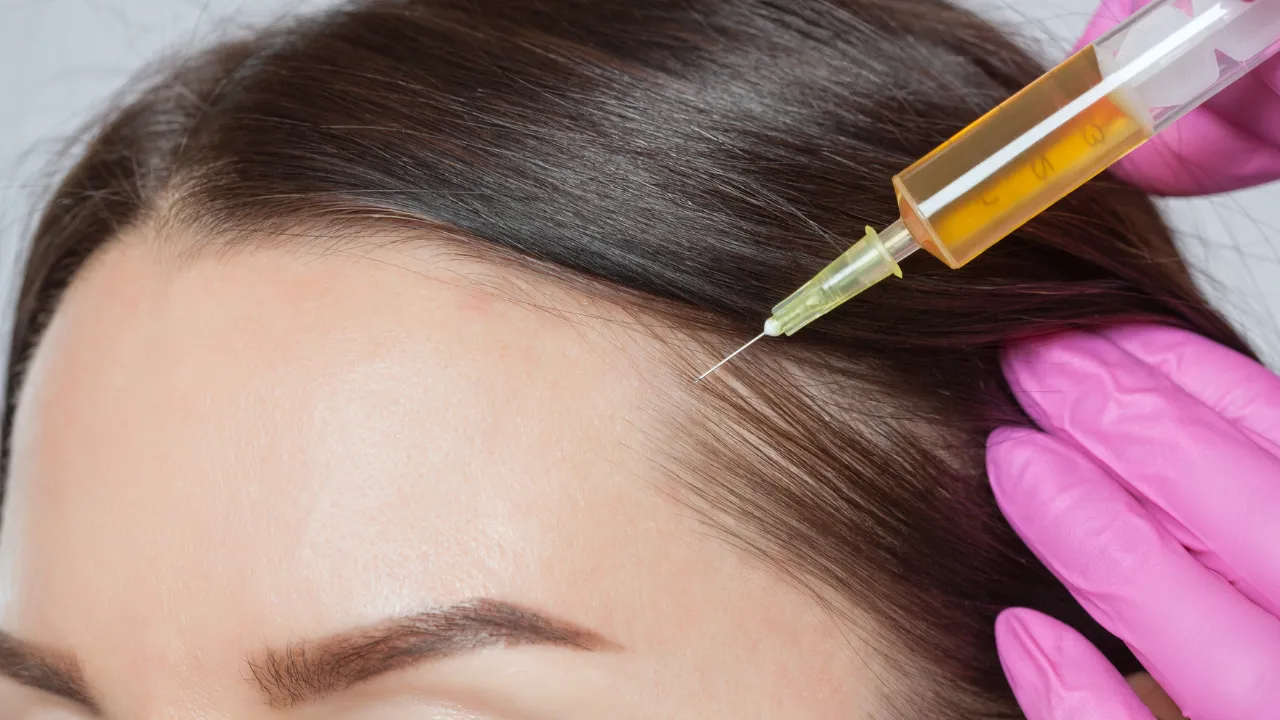
Doctors use local anesthesia to numb both the donor area and the eyebrows. In many cases, follicles are harvested using Follicular Unit Extraction (FUE), which reduces tissue stress. Once anesthesia takes effect, sharp pain is not expected.
Brief stinging can occur during numbing injections. This sensation fades quickly as the area becomes numb. Ongoing pain during the procedure is uncommon.

Sensations Patients Feel
Some sensations may still be noticed during treatment. Patients often feel pressure or a light pull as hair grafts are placed among existing eyebrow hairs. These sensations are usually not painful.
Experiences vary between individuals. Some notice mild movement, while others feel very little. These sensations are considered normal during eyebrow transplant surgery.
Pain After An Eyebrow Transplant
First 48 Hours
Mild soreness or tenderness is common during the first two days. Swelling may create a feeling of pressure around the brows. Pain is usually managed with basic aftercare.
Most discomfort follows a predictable pattern and improves each day. Symptoms outside this pattern are uncommon. Knowing this helps patients understand recovery.
First Week Of Recovery
As healing continues, soreness usually fades. Mild itching or tightness may occur as transplanted hairs settle into place. These sensations are temporary and expected.
During this stage, early healing supports future hair growth. Visible hair grows later, but this phase is important for long-term stability.
When Discomfort Should Fully Resolve
Most discomfort resolves within one to two weeks after hair transplant surgery. Long-term pain is uncommon once hair follicles have settled in the recipient area. When patients ask whether an eyebrow transplant causes long-term pain, the answer is usually no.
Some symptoms should be checked by a doctor:
- Pain that increases after a few days
- Redness that spreads beyond the treated area
- Fever or signs of infection
These signs are atypical and require medical review, regardless of the type of hair transplant used.
Eyebrow Transplant Side Effects Related To Pain
Swelling And Tenderness
Swelling around the eyebrows or eyelids is common early on. This can increase sensitivity in the recipient area where hair follicles were placed. Swelling usually peaks quickly and then decreases.
Tenderness follows a similar pattern. It improves as swelling goes down. These effects are part of normal healing after hair restoration and other hair transplant procedures.
When Pain May Be Abnormal
Severe pain, warmth, or worsening redness may signal a problem, including eyebrow scarring. These signs are not expected during normal recovery from eyebrow transplant surgery. Medical review is important if they appear.
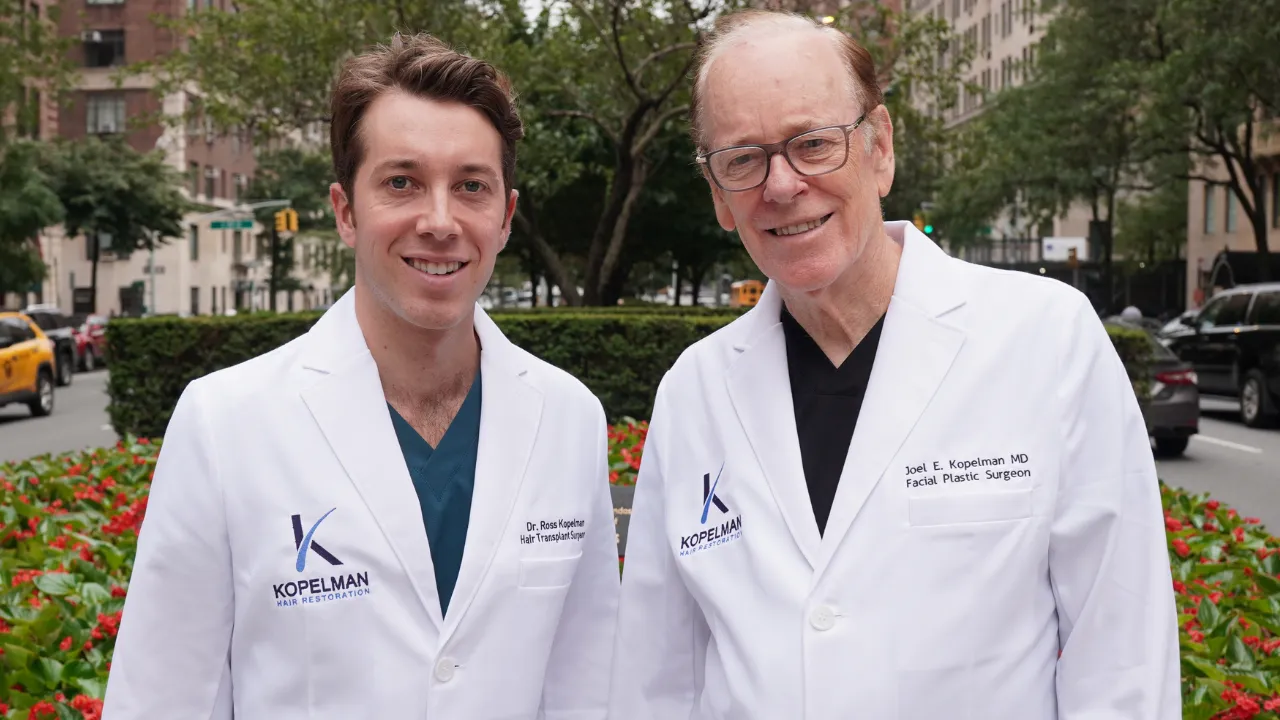
Dr. Kopelman explains that unusual pain should not be ignored, as it may suggest irritation or infection near the transplanted hair follicles. Early assessment supports safe healing.
Pain patterns described here apply to routine cases. While complications are rare, no medical procedure is risk-free, especially when an underlying medical condition is present. Monitoring symptoms helps reduce avoidable issues.
What Affects Eyebrow Transplant Pain
Surgical Technique
The way hair grafts and hair follicles are placed affects comfort. Careful handling reduces tissue stress in the recipient area. This helps limit swelling and soreness.
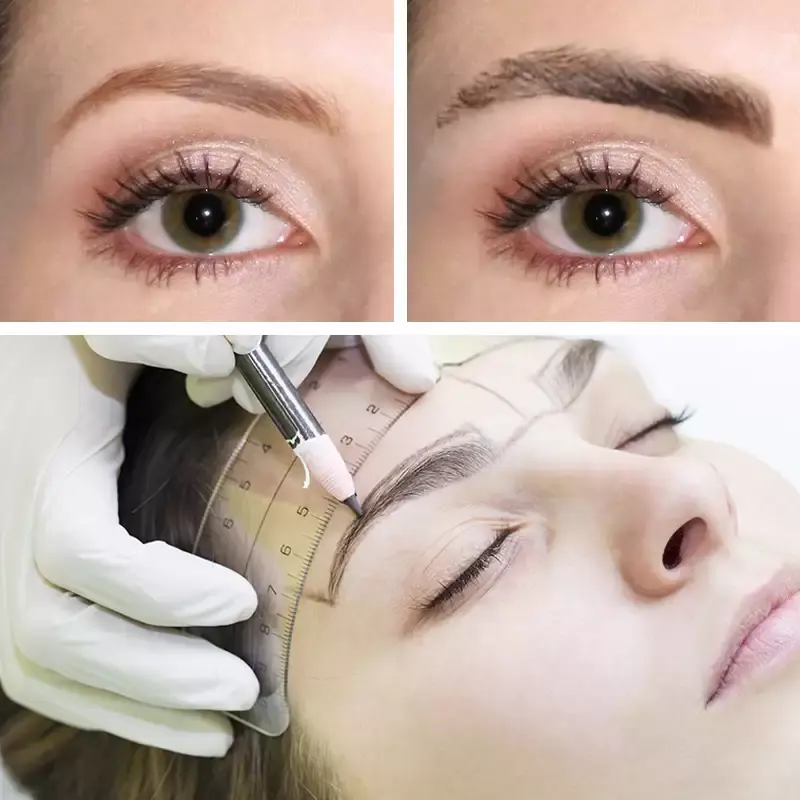
Precise placement allows transplanted hairs to blend with existing eyebrows and existing eyebrow hair. This careful approach supports smoother healing and a natural look, regardless of the hair transplant method used.
Individual Sensitivity
Pain tolerance differs between people. Skin sensitivity and stress levels can affect how discomfort feels. This explains why recovery experiences vary.
Additional Considerations For Eyebrow Transplants
Eyebrow transplant costs and the number of grafts needed vary by patient, but the total cost typically ranges from $10,000 to $16,000. The number of grafts depends on existing eyebrows, eyebrow shape, and the desired density in the recipient area. These factors are reviewed during consultation to determine the appropriate treatment plan.
For many patients, eyebrow hair transplants offer a long-term solution. As hair grows and hair grows into place, focus often shifts from discomfort to appearance. Over time, transplanted hairs can support fuller eyebrows that blend with existing eyebrow hair.
How Pain Is Managed Before And After Surgery
Pain control begins before surgery with planning and anesthesia, following clinical protocols used for eyebrow transplant surgery in NYC. After surgery, cold compresses and prescribed medication usually help protect the recipient area. Strong pain medication is rarely needed.
Clear aftercare instructions support comfort and healing. Following them reduces irritation around the area as hair grows into place. Dr. Kopelman notes that proper aftercare plays a key role in comfort and recovery.
You can schedule a consultation to discuss whether eyebrow transplant surgery is right for you and review your options in a clinical setting.