
An eyebrow hair loss home remedy can help in some cases, but its effectiveness depends on the cause of the hair loss and whether the hair follicles are still active. Most home remedies work by conditioning the skin and protecting existing hairs rather than restoring lost follicles or guaranteeing regrowth.
Kopelman Hair evaluates eyebrow hair loss as a common concern with multiple causes, ranging from irritation to medical conditions, and notes that there is no single universal solution. This article explains what eyebrow hair loss is, why it happens, which home remedies people search for most, and when medical guidance is needed.
Key Takeaways
- Eyebrow hair regrowth depends on whether hair follicles remain active, and results vary based on the cause of hair loss; not all cases respond to home care.
- Most eyebrow hair loss home remedies focus on conditioning the skin and protecting existing hairs, but they do not create new follicles or guarantee regrowth.
- Common causes include thinning eyebrows from irritation, hair thinning related to nutrient deficiencies, skin conditions, hormonal changes, and autoimmune disorders such as alopecia areata.
- Visible improvement usually takes weeks to months, and claims that a product can stimulate hair growth within days are biologically unrealistic.
- Home remedies have clear limits, and persistent or long-standing eyebrow loss may require medical evaluation or cosmetic procedures such as eyebrow transplants.
Can You Regrow Lost Eyebrow Hair?
You can regrow eyebrow hair in some cases, but results depend on the cause of loss. Hair follicles that remain healthy can often resume growth once irritation or stress is reduced. If follicles are damaged or scarred, regrowth becomes unlikely without medical care.
Eyebrow hair grows in cycles and at a slower rate than scalp hair. Improvement usually takes several weeks rather than days. Setting realistic expectations helps prevent misuse of topical products.
How to Tell If Eyebrow Follicles Are Still Active
Eyebrow regrowth depends on whether follicles remain active beneath the skin. Some visible signs suggest potential regrowth, while others point to permanent loss. Recognizing this difference helps guide next steps.
Signs that follicles may still be active include:
- Fine or light hairs are still present
- Uneven thinning of eyebrows rather than smooth skin
- Hair loss that began recently
Shiny, eyebrow scar, or completely smooth skin often suggests follicle damage. Long-term overplucking or injury increases the chance that regrowth will be limited.
Why Eyebrow Hair Loss Happens
Nutrient deficiencies and health causes
Low levels of iron, zinc, or specific vitamins can affect eyebrow hair growth. A balanced diet that includes protein, iron, and omega-3 fatty acids supports normal follicle function. These nutrients affect hair growth by supporting the hair cycle and reducing excessive shedding.
Autoimmune conditions such as alopecia areata can also cause sudden eyebrow hair loss. In these cases, the immune system targets hair follicles, leading to patchy or complete loss. A home remedy for eyebrow hair loss cannot treat autoimmune activity.
Overplucking, rubbing, and irritation
Repeated plucking, waxing, or frequent rubbing can weaken follicles over time. Mechanical stress often leads to inflammation and hair thinning in the eyebrow area. Reducing irritation allows gradual regrowth in many cases.
This type of loss is often reversible if follicles remain intact. Consistent, gentle care matters more than aggressive treatments.
Skin and hormonal factors
Skin conditions like eczema or seborrheic dermatitis can disrupt eyebrow growth. Hormonal shifts during pregnancy, menopause, or chronic stress may also affect hair cycles. These internal changes affect hair growth in ways topical care cannot entirely correct.
Sudden or patchy eyebrow loss, especially with redness or itching, should be evaluated by a medical professional before relying on home care.
Eyebrow Hair Loss Natural Remedies
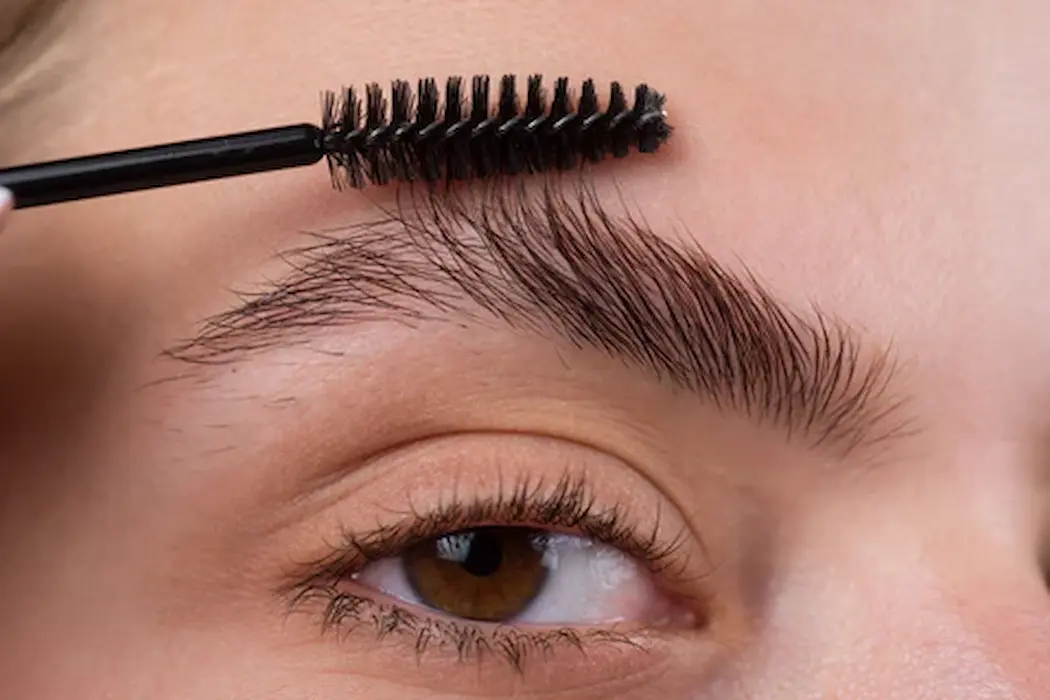
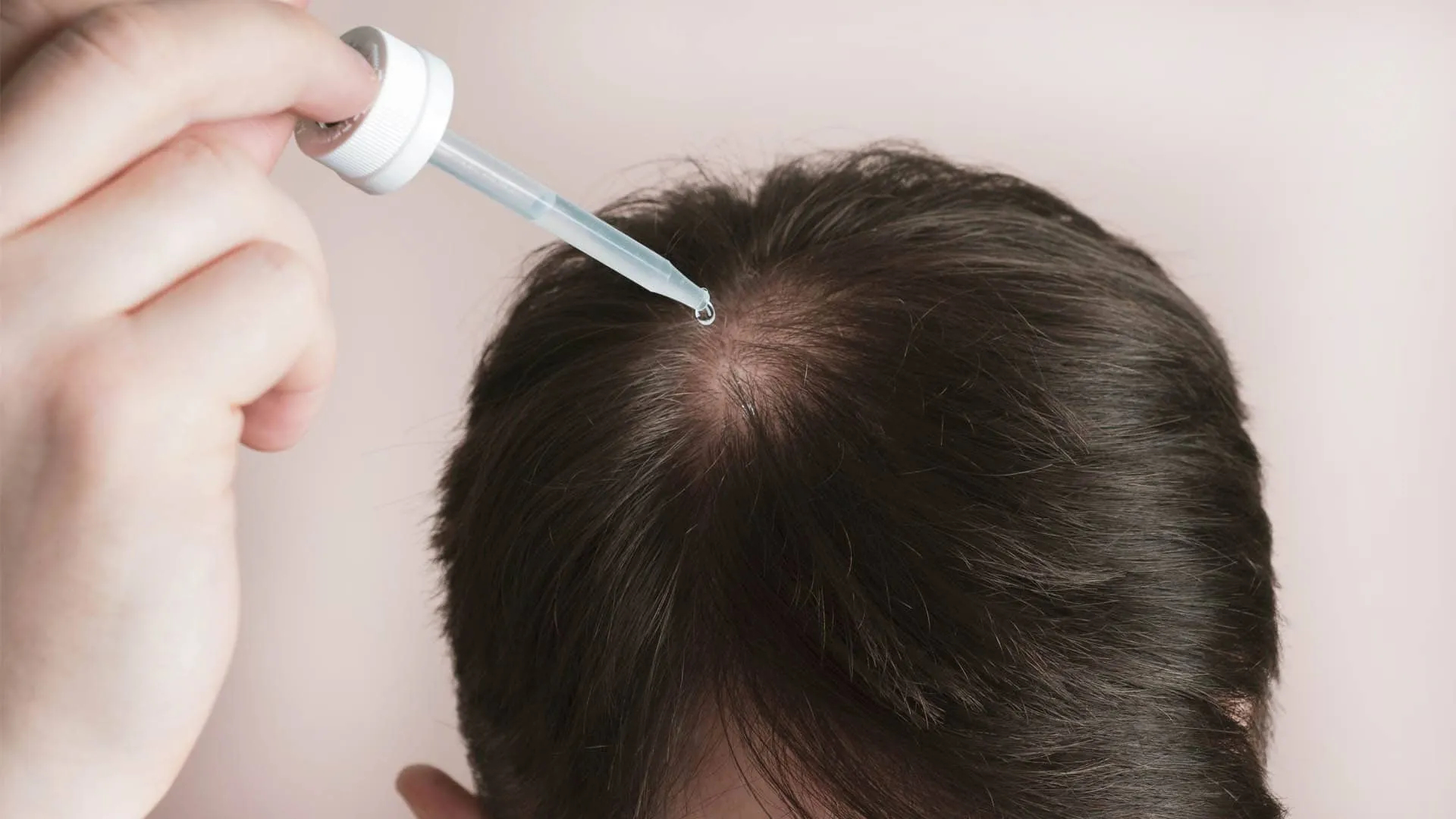
An eyebrow hair loss home remedy usually involves oils or soothing topical products. These methods aim to protect existing hairs and support skin health. They do not create new follicles or reliably stimulate hair growth.
Castor oil for eyebrows
Castor oil is commonly used to moisturize eyebrow hairs and reduce breakage. It coats the hair shaft and surrounding skin, which may improve appearance and relieve dryness.
There is limited evidence that castor oil increases hair growth. Benefits mainly reflect conditioning rather than follicle activation. Patch testing helps reduce irritation risk.
Coconut oil and olive oil
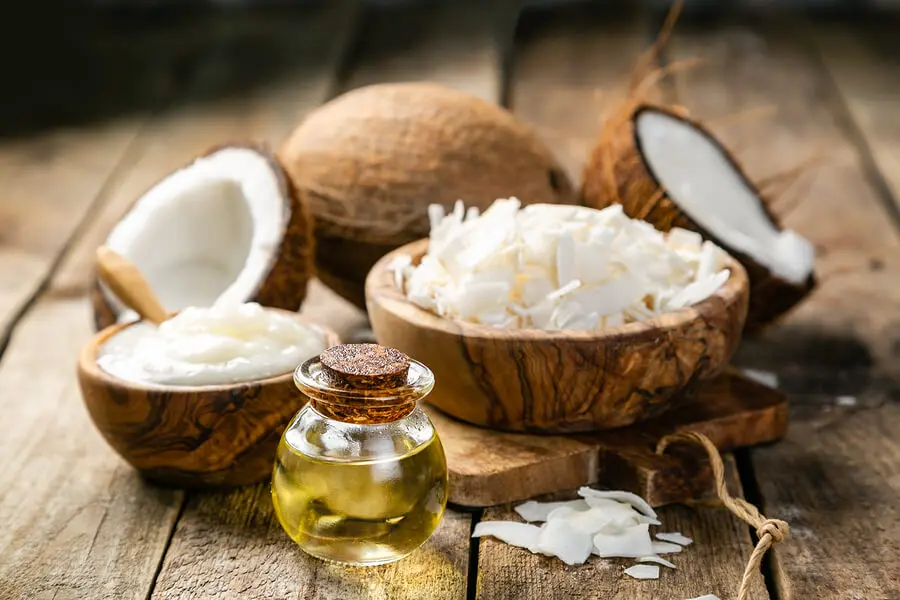
Coconut and olive oil help reduce moisture loss and improve hair flexibility. They support the skin barrier and may reduce breakage that contributes to thinning eyebrows. These oils do not alter hair growth cycles.
Their effects are cosmetic rather than biological. Any visible change usually relates to texture, not new hair formation.
What Is the Best Remedy for Eyebrow Growth?
Online advice about eyebrow regrowth often conflicts and can be misleading. Many sources confuse conditioning effects with actual regrowth or claim that products stimulate hair growth without evidence. Understanding this difference helps manage expectations.
No single option works best for everyone. The most helpful approach depends on the cause of eyebrow loss, overall health, and skin tolerance. Supportive care is most effective when follicles remain intact.
A home remedy for eyebrow hair loss focuses on protecting existing hairs. It does not replace nutrition, immune regulation, or medical treatment.
How Fast Eyebrows Can Grow Back
Eyebrow hair grows slowly, often about one millimeter per month. Visible improvement usually appears after six to twelve weeks. This reflects normal hair cycling rather than product performance.
How to grow eyebrows in 3 days: realistic expectations
Claims of eyebrow regrowth in three days are unrealistic. Short time frames may improve appearance through conditioning or makeup, not new hair growth. Biology does not support actual regrowth that quickly.
How to Use a Home Remedy Safely
Apply a small amount to clean skin once daily and monitor for irritation. Redness or itching signals the need to stop. Avoid combining multiple products at once.
A typical routine involves evening application, with reassessment after 6 to 8 weeks. Consistency matters more than quantity.
When Home Remedies Are Not Enough
Home care may fail when follicles are damaged, affected by autoimmune disease, or inactive for long periods. Long-standing eyebrow loss often responds poorly to topical products. These patterns suggest limited follicle activity.
Dr. Joel Kopelman notes that persistent eyebrow thinning often requires evaluation beyond cosmetic care. Identifying the cause helps guide appropriate treatment.
Medical Options for Eyebrow Hair Restoration
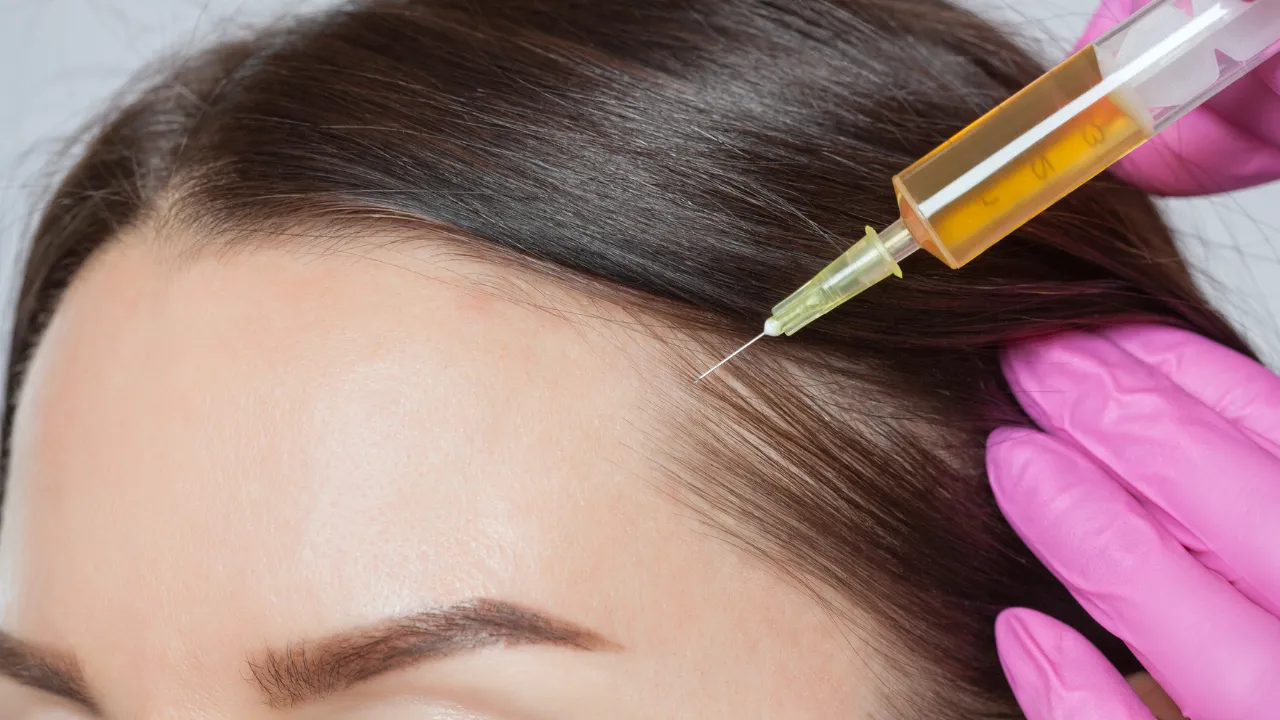
Medical options depend on diagnosis and severity. These may include managing autoimmune conditions, correcting nutritional deficiencies, or addressing hormonal imbalances. Each approach targets a specific cause.
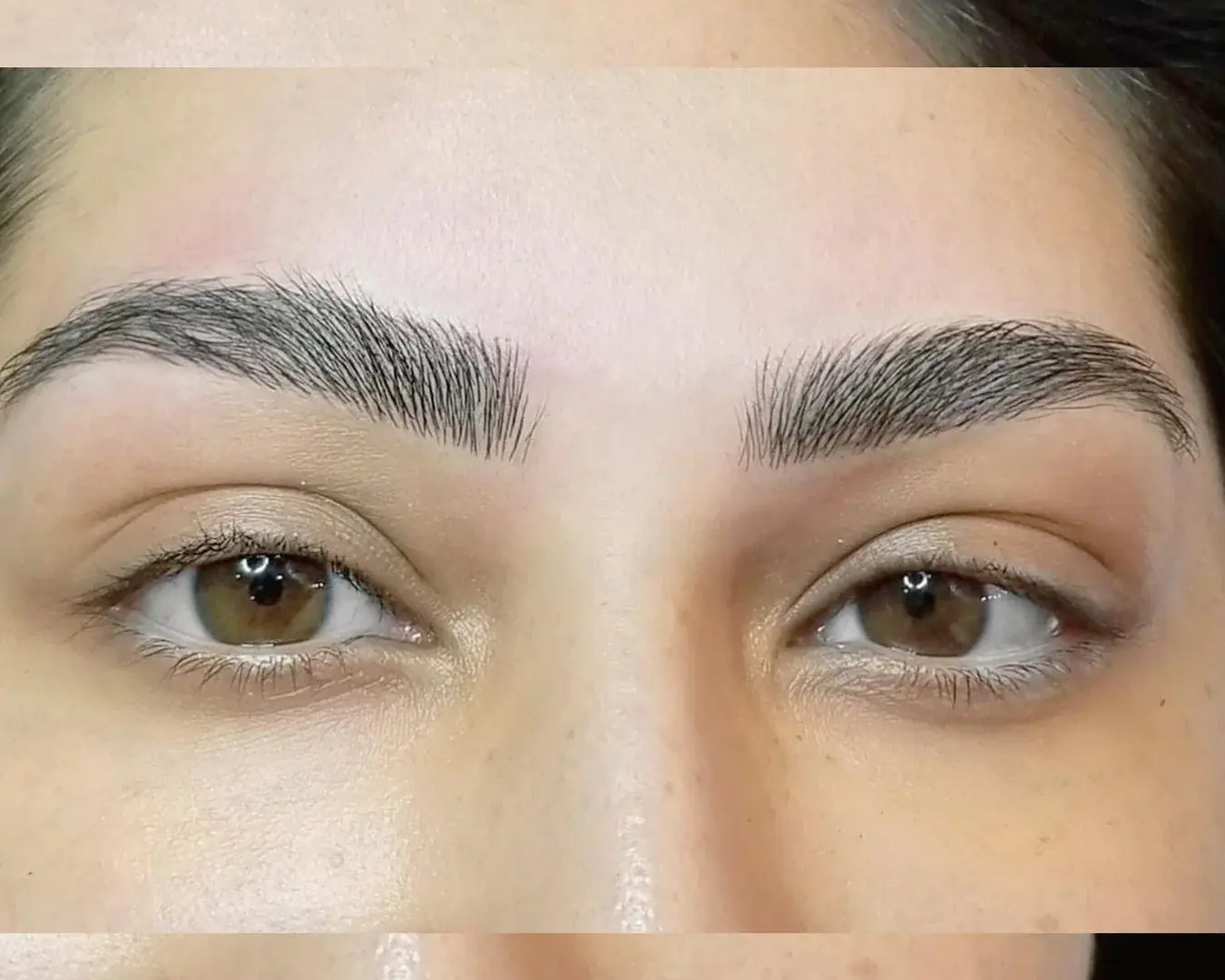
In cases of permanent loss, an eyebrow transplant in NYC can restore fuller eyebrows by relocating healthy follicles to the brow area. These cosmetic procedures require careful evaluation to determine candidacy and set realistic expectations.
If eyebrow hair loss continues despite home care, scheduling a consultation can help identify the cause and discuss appropriate next steps.