
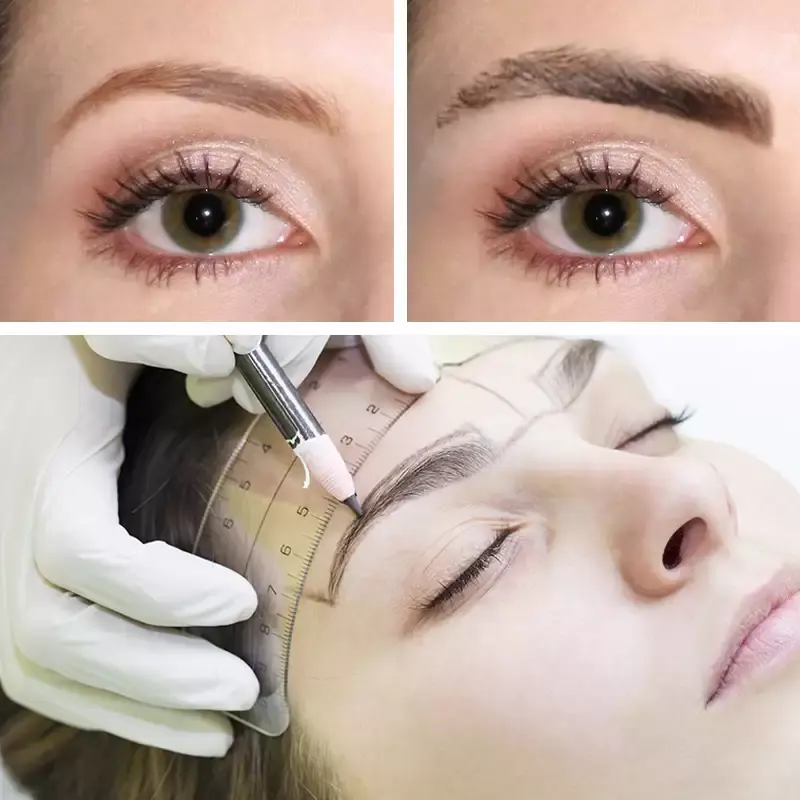
For most patients, FUE is the best option for eyebrow restoration. It allows precise placement of individual hair follicles. It also avoids a linear scar at the donor site.
In the comparison of eyebrow transplant FUE vs FUT, FUE offers better control of hair angle and density. These factors are key for natural-looking results.
FUT can be effective in large scalp procedures, but it is rarely preferred for delicate eyebrow work. The choice depends on donor quality and surgical skill. In most modern cases, FUE offers better precision and cosmetic results.
Key Takeaways
- FUE is typically the preferred method for eyebrow transplantation because it allows selective harvesting of individual hair follicles and avoids a linear scar at the donor site.
- In the comparison of eyebrow transplant FUE vs FUT, precision and angle control are more important than graft volume, making FUE better suited for natural looking eyebrow design.
- Recovery after an eyebrow transplant procedure is usually manageable, with mild swelling and shedding followed by new growth beginning around three to four months.
- Cost varies based on the number of grafts, donor site characteristics, and surgical expertise, but long-term results depend primarily on technique and careful placement.
Which Transplant Is Better, FUE or FUT?
When evaluating eyebrow transplant fue vs fut, FUE is typically the preferred approach for eyebrow cases. Follicular unit extraction FUE allows the surgeon to harvest individual hair follicles without removing a strip of scalp.
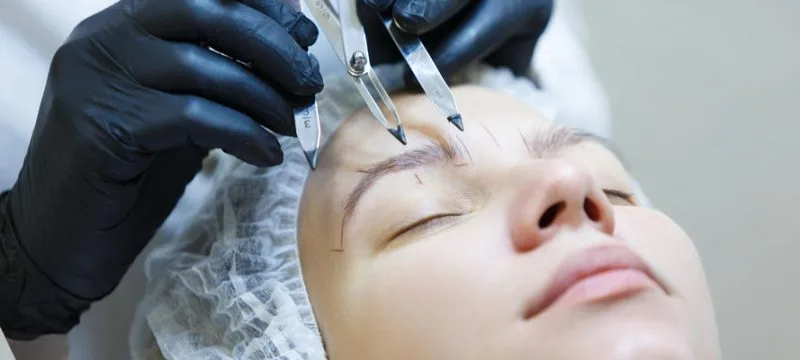
This supports minimal invasiveness and avoids a linear scar.
The fut procedure, also known as follicular unit transplant fut, removes a strip of tissue from the donor site. Although effective for larger scalp sessions, it is rarely ideal for delicate eyebrow transplantation.
Precision and angle control are more important than graft volume in this area.
In most modern eyebrow transplant procedure cases, the fue technique offers greater control, reduced scarring, and a smoother healing process.
Eyebrow Transplant FUE vs FUT: Key Differences
Technique and Follicle Extraction
The fue procedure extracts individual hair follicles directly from the donor site using specialized micro-punch instruments.
This allows selective harvesting of finer hairs that better match eyebrow texture. Fine selection is critical in eyebrow transplantation.
The fut procedure removes a strip of scalp and then divides it into grafts. This method can generate a large number of grafts, but eyebrow cases rarely require that volume. Instead, they require precision.
Key technical differences include:
- FUE removes grafts individually
- FUT removes a strip of tissue
- FUE allows selective follicle choice
- FUT may require sutures at the donor site
Scar and Donor Site Healing
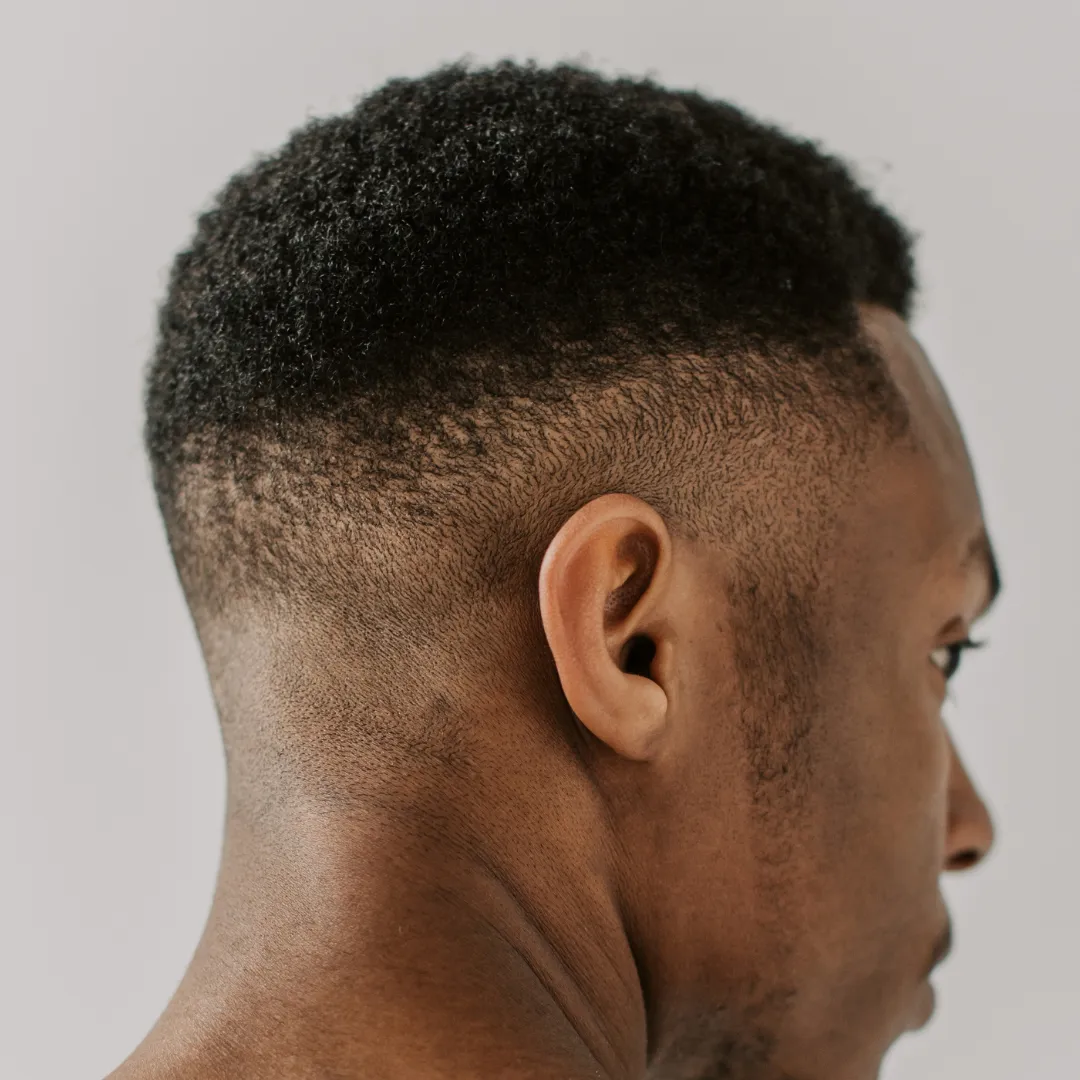
Scarring is a major consideration in the eyebrow transplant FUE vs FUT discussion. FUE leaves small dot scars that are typically difficult to detect. FUT leaves a linear scar across the donor site.
For patients who wear short hairstyles, avoiding a visible linear scar is often important. Healing tends to be faster with follicular unit extraction FUE because incisions are smaller and less tension is placed on the skin.
Donor site differences:
- FUE: small circular extraction points
- FUT: stitched incision line
- FUE: no strip removal
- FUT: longer healing time in some cases
Precision and Number of Grafts
Eyebrows require careful angle control and refined placement. The number of grafts needed is lower than in most scalp transplants offering full-density coverage. However, every graft must be positioned with accuracy.
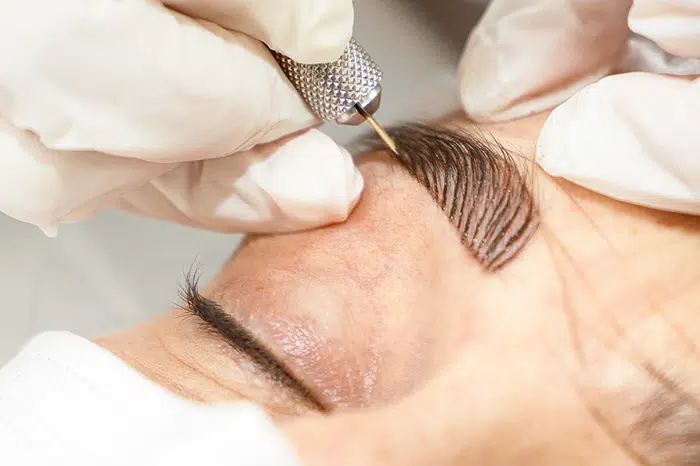
FUE allows the surgeon to choose single-hair grafts that create natural looking results. FUT can provide grafts, but it does not allow the same level of individualized follicle selection.
For eyebrow cases, precision outweighs volume. Patients often ask about graft requirements, which are explained in detail in how many grafts for eyebrow transplant.
Results and Success Rate
Graft Survival and Growth Timeline
The fue vs fut success rate for eyebrows depends on technique and surgeon experience. When performed correctly, both methods can support viable grafts. However, FUE often provides better handling of delicate individual hair follicles.
After an eyebrow transplant procedure, the typical growth pattern follows predictable stages:
- Initial healing within 7 to 10 days
- Temporary shedding within 2 to 4 weeks
- New growth beginning around 3 to 4 months
- Full maturation between 8 and 12 months
Natural hair growth depends on proper placement and blood supply. Careful handling during the procedure directly affects long-term results.
Natural-Looking Eyebrow Design
Natural looking results depend on three primary elements:
- Hair angle and direction
- Graft density
- Symmetry with facial structure
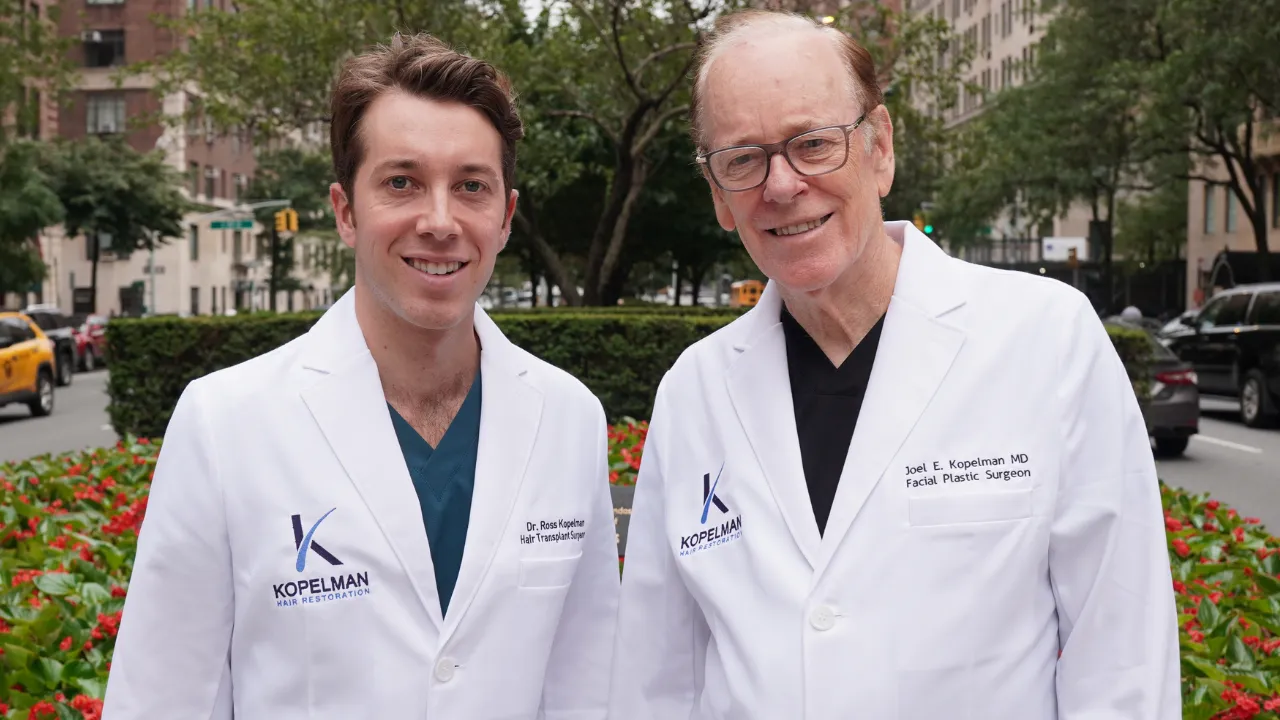
Eyebrow hairs grow at a very low angle and shift direction across the brow. Dr. Kopelman emphasizes that eyebrow transplantation requires artistic planning and precise control.
It is not simply a smaller version of a scalp hair transplant procedure. Patients concerned about aesthetics often review examples of eyebrow transplants that look natural before making a decision.
Cost of Eyebrow Transplant FUE vs FUT
FUE Eyebrow Transplant Cost
The eyebrow transplant fue vs fut cost varies based on graft count, case complexity, and surgeon expertise. In most cases, FUE is used for eyebrows, so pricing reflects the time required for precise extraction and placement.
Although eyebrow transplantation uses fewer grafts than large scalp procedures, the level of detail is higher. Each graft must be carefully oriented to match natural patterns.
What Influences Pricing
Cost is influenced by several factors:
- Number of grafts required
- Donor site characteristics
- Surgical expertise
- Geographic location
- Facility standards
Patients should prioritize quality and long-term stability rather than selecting based solely on price.
Pain, Recovery, and Aftercare
Many patients ask how painful an eyebrow transplant is. The procedure is performed under local anesthesia, which limits discomfort during surgery. Most patients describe the experience as manageable.
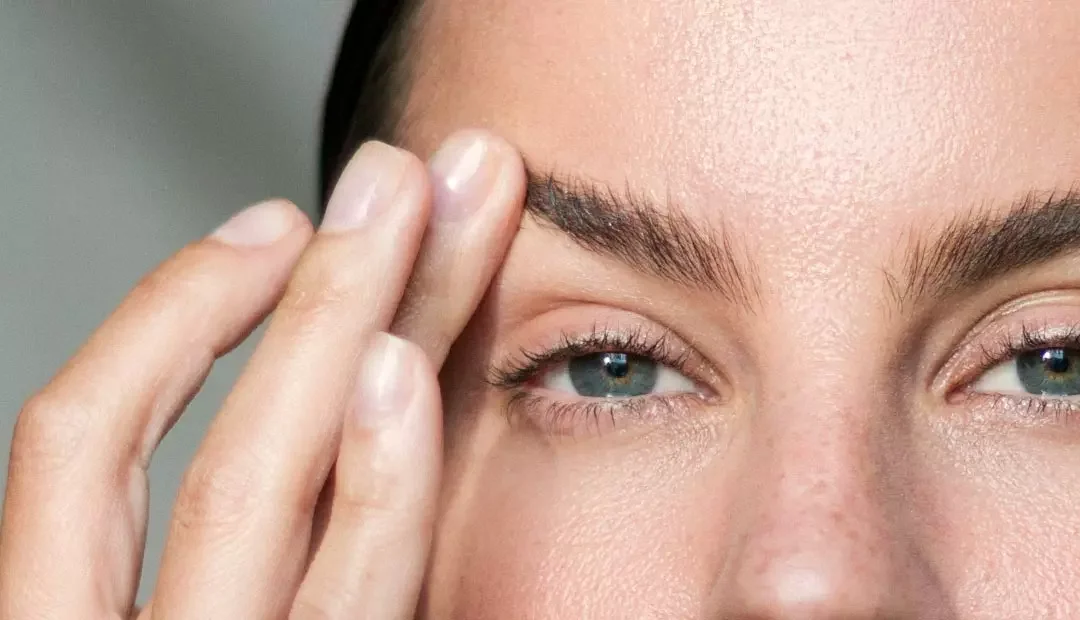
Post-operative symptoms may include mild swelling or redness. The donor site typically heals within one to two weeks, especially with follicular unit extraction fue.
Aftercare recommendations often include:
- Avoid touching or rubbing the area
- Follow prescribed cleansing instructions
- Sleep with the head elevated
- Avoid strenuous activity for several days
Adhering to aftercare guidelines supports stable natural hair growth and long-term graft survival. A full recovery timeline can be found in eyebrow hair transplant recovery.
Who Is a Good Candidate?
Ideal candidates for eyebrow transplantation include individuals with thinning brows caused by overplucking, genetics, trauma, or scarring. A stable donor site with healthy hair is essential.
Candidates should meet the following criteria:
- Realistic expectations
- Adequate donor density
- No active skin infection
- Good overall health
During consultation, Dr. Kopelman evaluates facial proportions, donor characteristics, and long-term goals. This assessment ensures that the chosen technique aligns with the patient’s needs.
Why Kopelman Hair Recommends Eyebrow FUE
At Kopelman Hair, the preferred method for most eyebrow cases is eyebrow transplant fue. The fue hair transplantation approach provides refined graft selection and avoids the linear scar associated with follicular unit transplant FUT.
The clinic’s experience with both fut and fue allows for objective evaluation. For eyebrow transplantation, minimal invasiveness and precision are critical.
Dr. Kopelman’s approach emphasizes:
- Careful graft selection
- Natural hairline design
- Controlled placement angle
- Conservative density planning
This method supports natural looking results and long-term patient satisfaction.