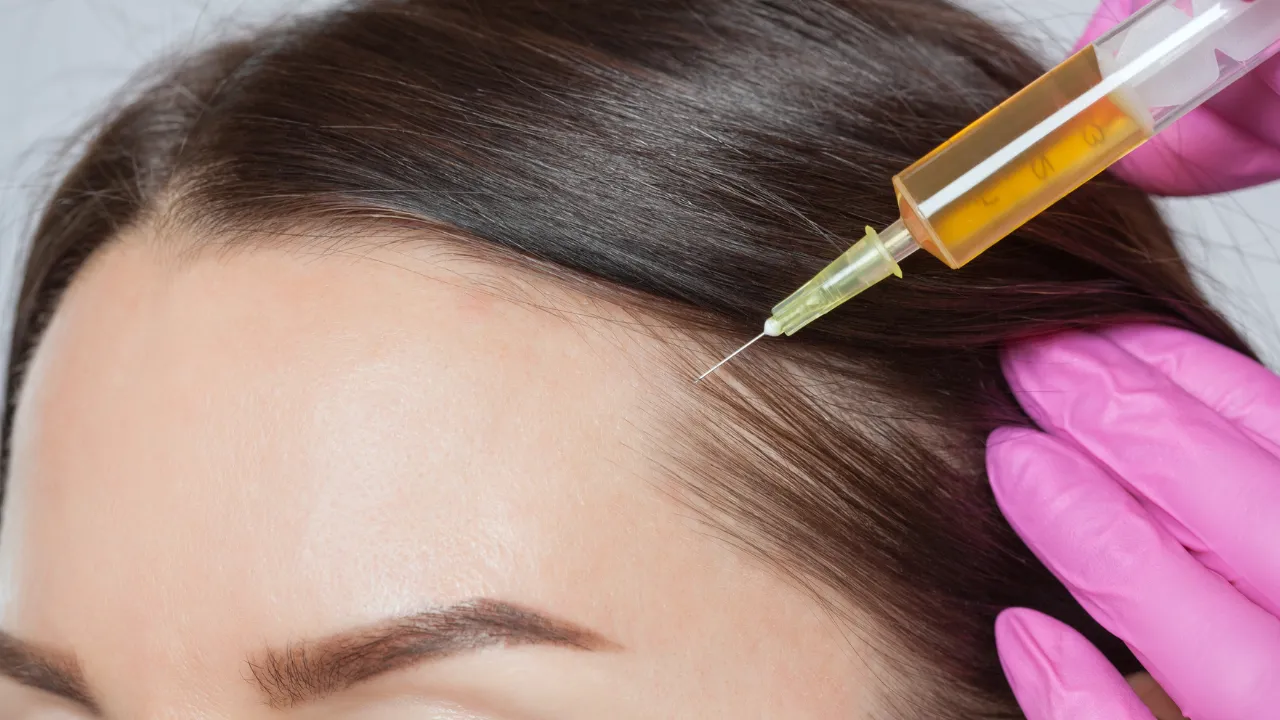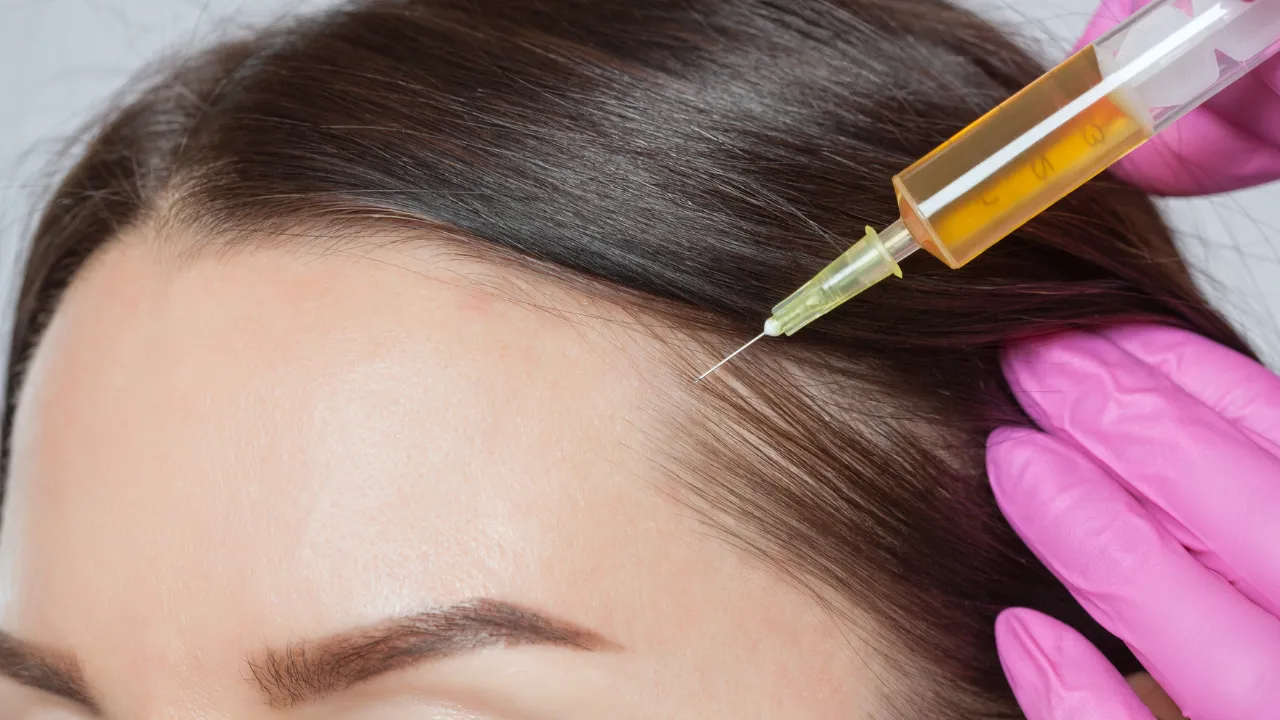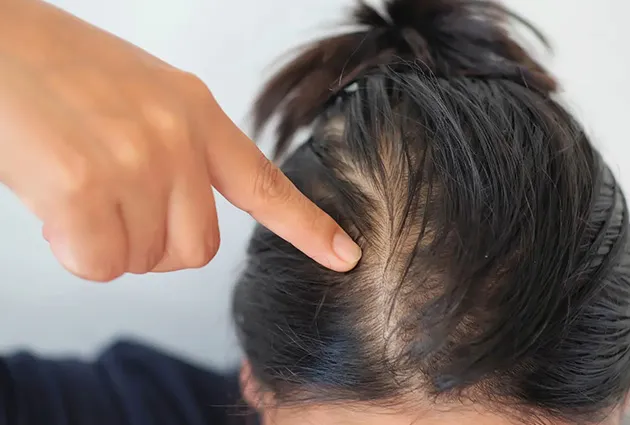

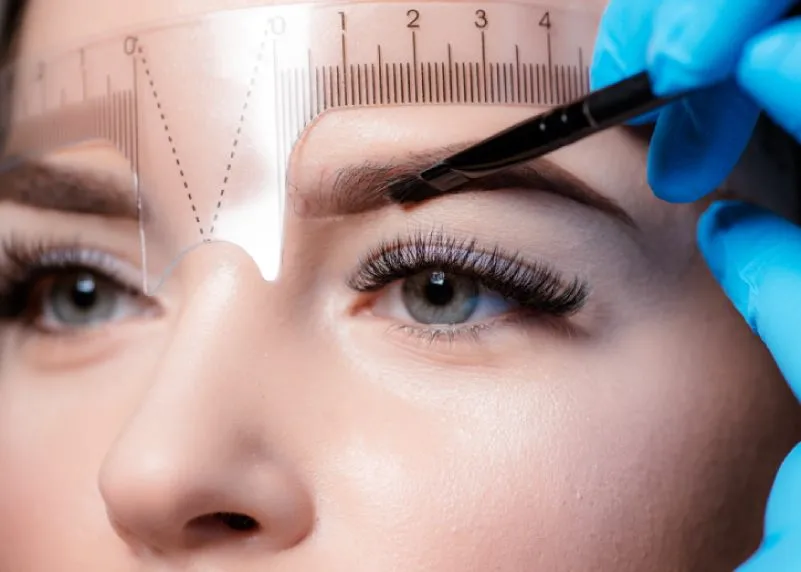
In an eyebrow transplant, hair usually comes from the back of the scalp. Eyebrow follicles cannot be safely harvested or reused without causing visible loss, which is why donor hair is taken from other areas of the body, following the same principles used in hair restoration procedures.
This article explains where donor hair comes from in an eyebrow transplant, how surgeons select it, and what to expect during hair growth and long-term maintenance within the broader context of hair transplants in NYC.
Key Takeaways
- Hair used in eyebrow transplants comes from other parts of the body, most often the scalp, because eyebrow follicles cannot be safely harvested without causing visible loss.
- Scalp hair is preferred due to its predictable hair growth pattern, while alternative donor sites are used only in select cases.
- Donor hair keeps the characteristics of its original location, meaning transplanted eyebrow hair continues to grow and requires trimming.
- Eyebrow restoration relies on precise donor selection and placement technique to achieve a natural and lasting result.
Where Does Hair Come From in an Eyebrow Transplant?
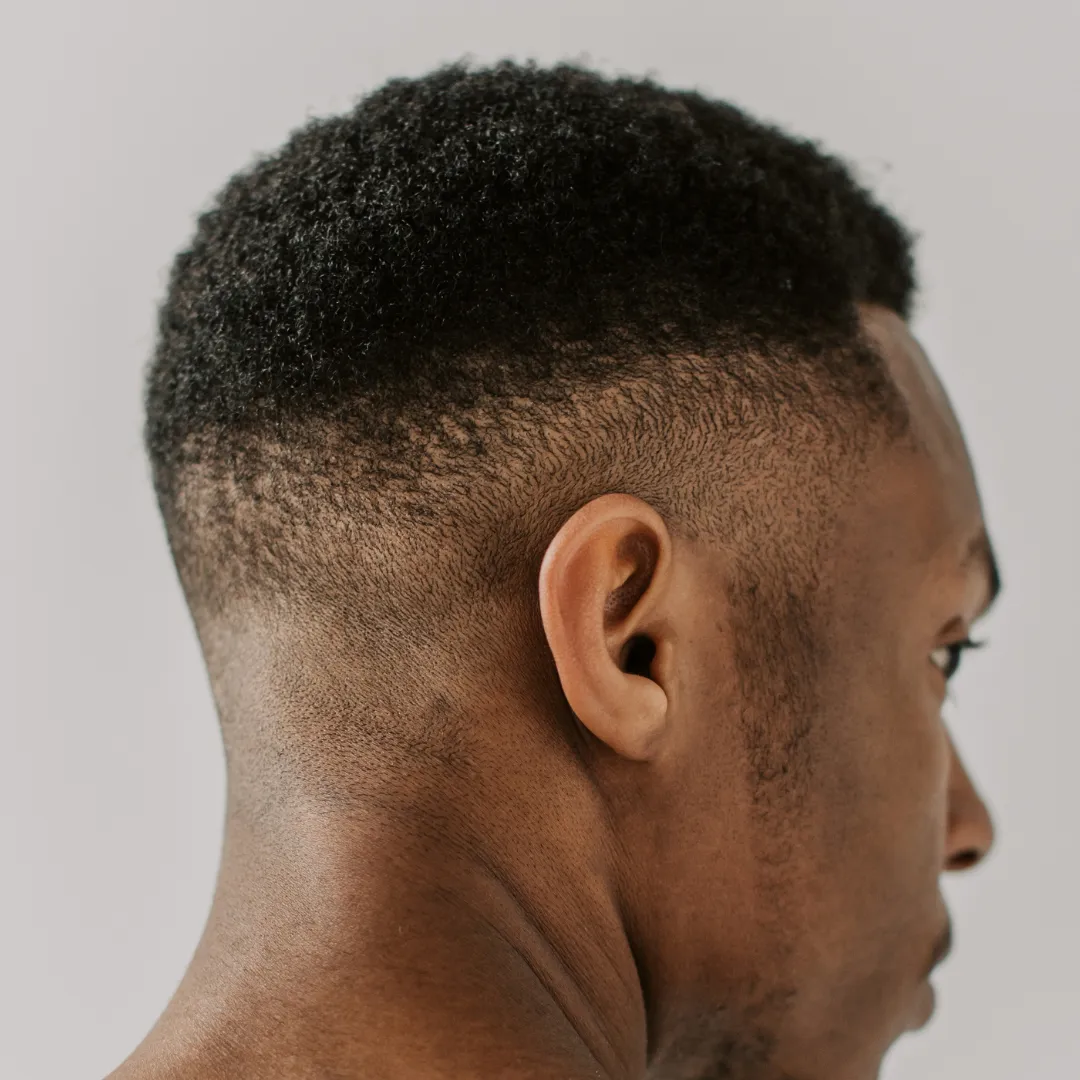
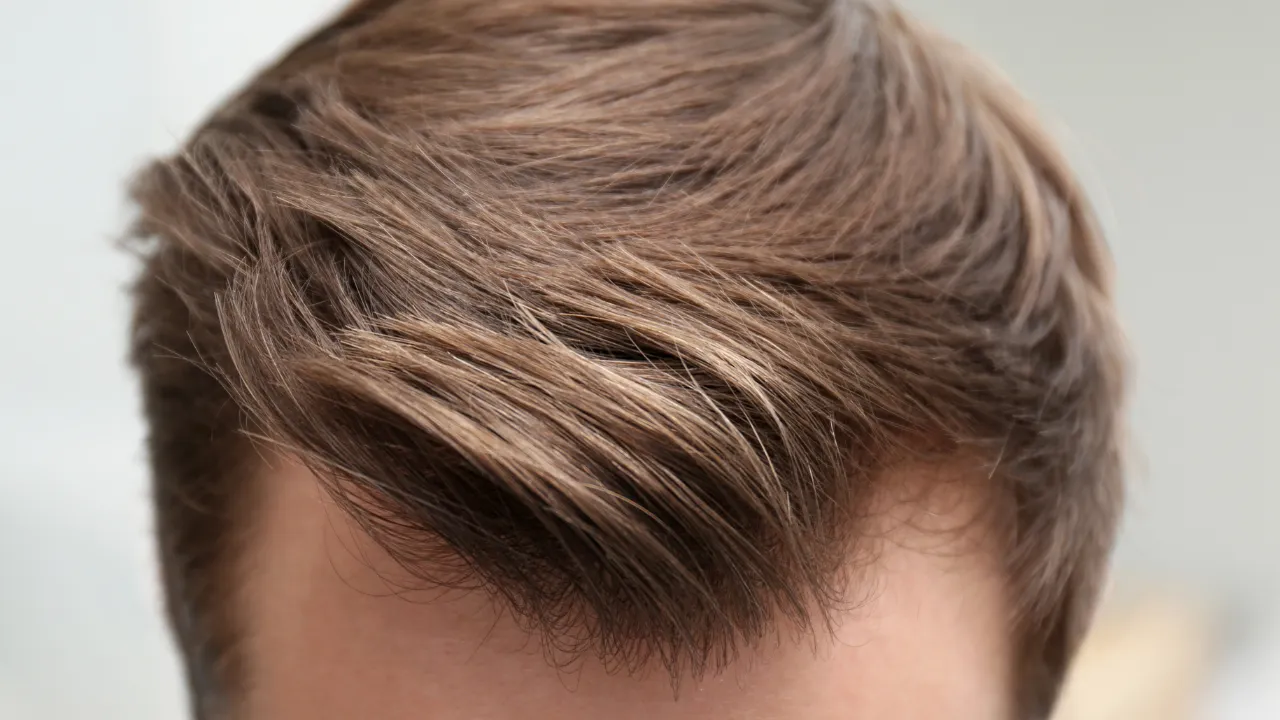
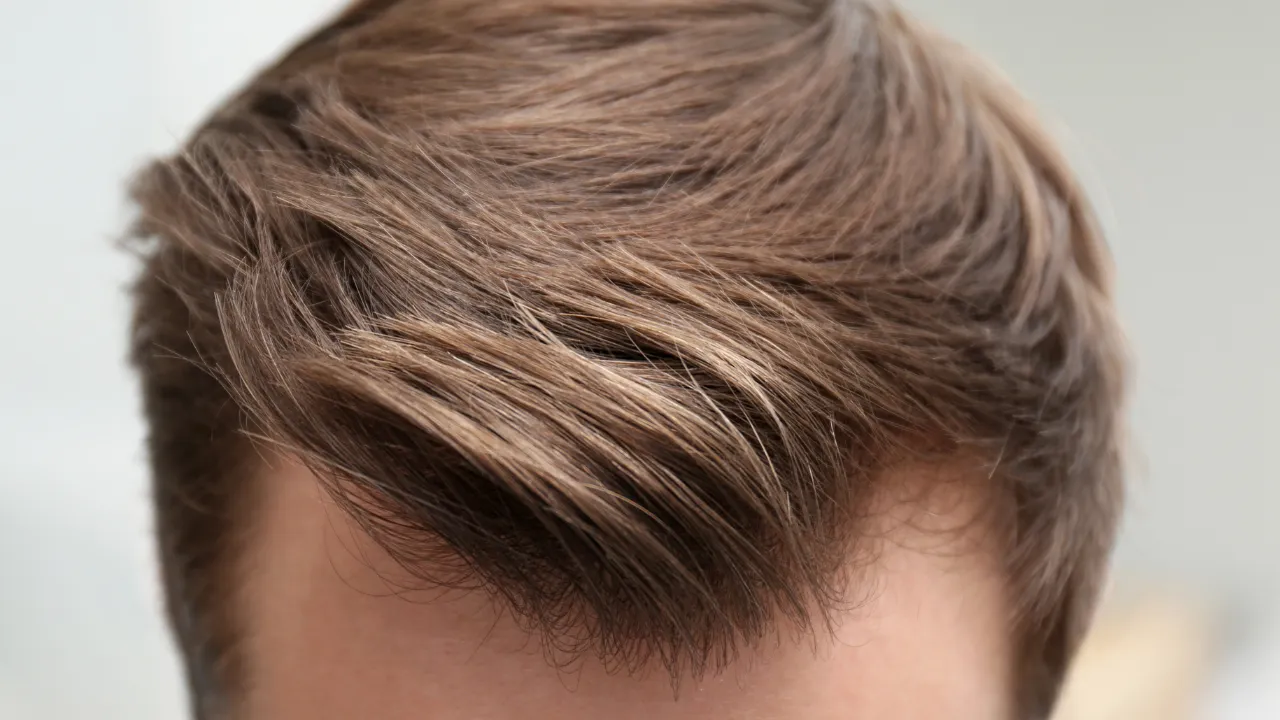
Scalp hair, especially from the back of the head, is the most common donor source for eyebrow transplants. The exact donor area depends on hair characteristics and surgical planning. This area supports stable hair growth and sufficient density, allowing surgeons to harvest follicles without noticeable thinning.
When finer scalp hairs are selected, they can blend well with existing eyebrow hair, support long-term eyebrow restoration, and help patients maintain realistic expectations about growth and maintenance.
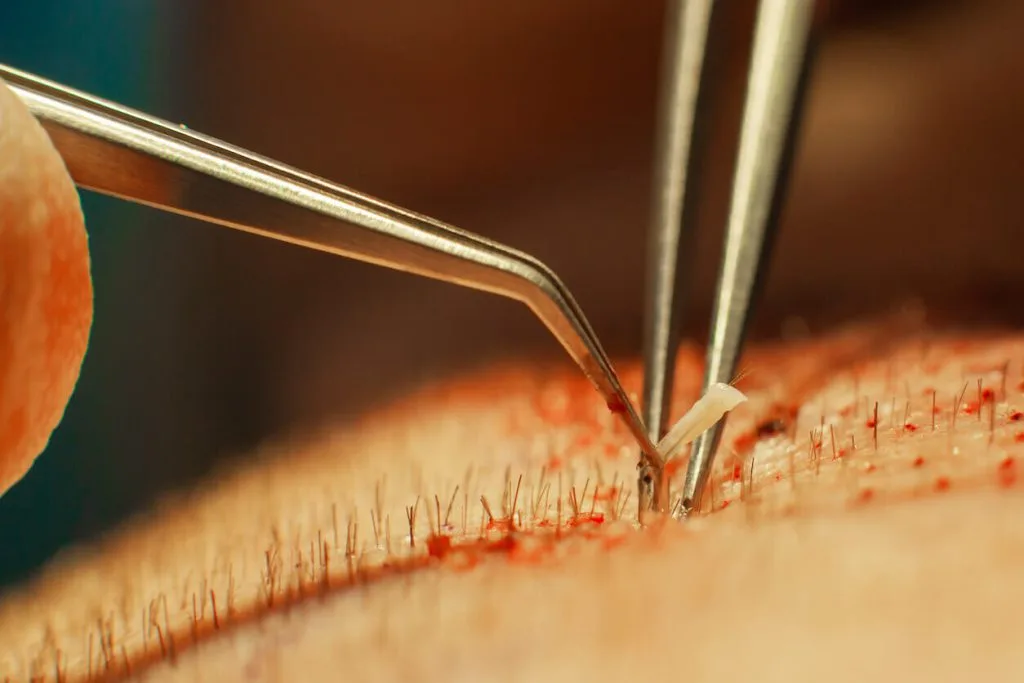
Donor Hair Sources For Eyebrow Transplants
Several donor areas can be used depending on hair quality and availability. Each option has advantages and limitations that surgeons evaluate during consultation.
Scalp Hair and Why It’s Preferred
The back of the scalp is the most common donor site for eyebrow transplants. Hair in this area tends to be resistant to hair loss and provides reliable follicle survival. Surgeons select individual hairs that best match eyebrow texture.
Scalp donor hair continues to grow. Patients should expect routine trimming as part of long-term eyebrow restoration.
Nape or Beard Hair in Select Cases
Hair from the nape or behind the ears may be used when a finer texture is required. Availability is limited, so these areas are not suitable for every patient. Beard hair may be considered in rare cases, mainly in male patients.
Beard hair is thicker and requires careful placement. Its use is limited because texture differences can affect appearance.
Can Pubic Hair Be Used for Eyebrow Transplant?
Pubic hair is generally not recommended for eyebrow transplantation. Its growth cycle and texture differ significantly from eyebrow hair. These differences increase the risk of unintended consequences and maintenance difficulties.
How Surgeons Decide the Best Donor Hair Source
Donor selection is based on clinical judgment rather than a fixed rule. Surgeons evaluate hair thickness, curl pattern, and the hair’s expected post-transplant behavior. The objective is predictability and natural appearance.
Medical history also plays a role. Prior hair loss, eyebrow scarring, trauma, or certain medical conditions may limit donor options or affect healing. Based on Dr. Kopelman’s clinical experience, long-term behavior is often prioritized over the number of hair grafts used.
Why Donor Hair Choice Affects Results
Donor hair characteristics directly influence how natural the eyebrows look after healing. Hair that is too thick or curly may appear noticeable once implanted. Proper donor selection reduces visual irregularities.
Growth Rate and Maintenance Needs
Transplanted eyebrow hair grows at the same rate as scalp hair, which averages 0.8 to 1.2 centimeters per month. Natural eyebrow hair, by contrast, grows much more slowly and has a shorter growth cycle. This difference means transplanted hairs can exceed normal eyebrow length within a few weeks.
Because of this growth rate, most patients require trimming of transplanted eyebrow hair every 2 to 4 weeks to maintain a natural shape. This maintenance requirement is long-term, as the transplanted follicles permanently retain the growth characteristics of their donor site.
How the Eyebrow Transplant Procedure Works
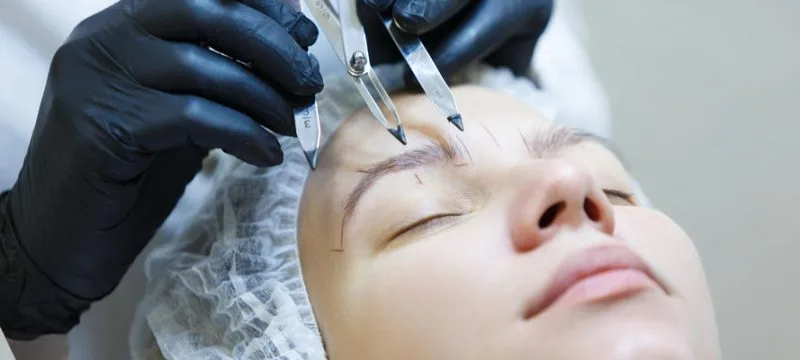
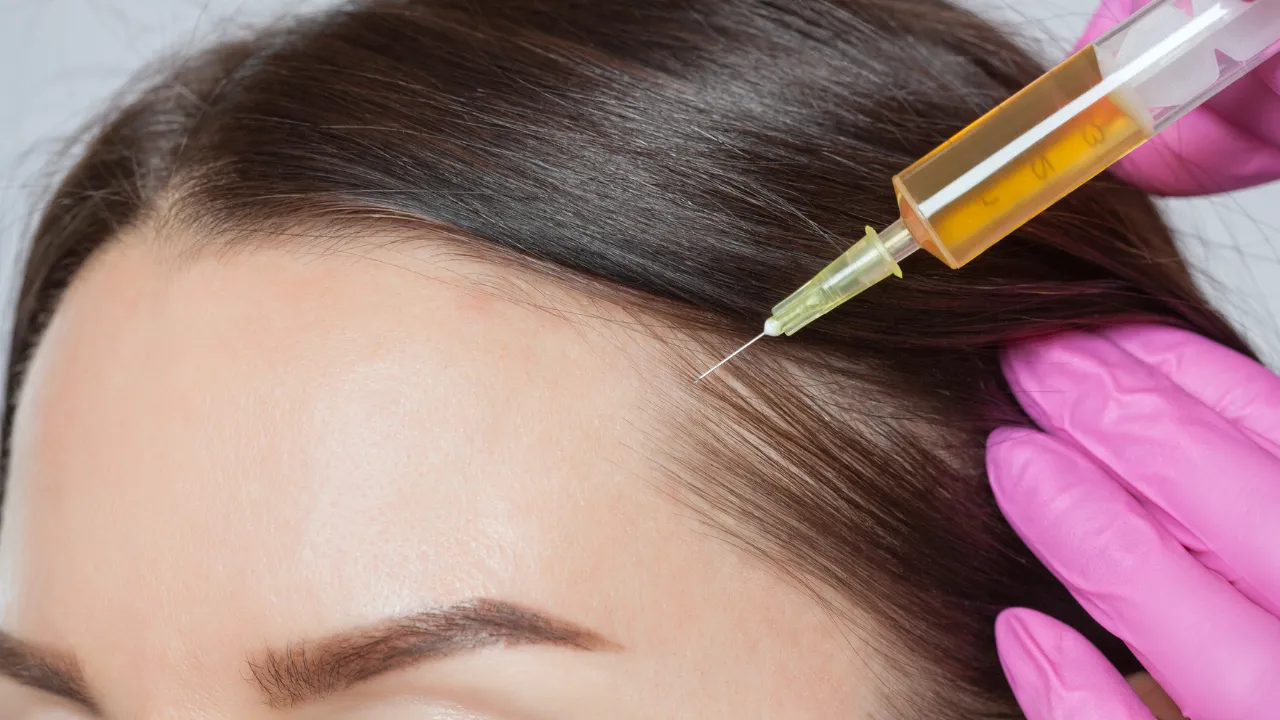
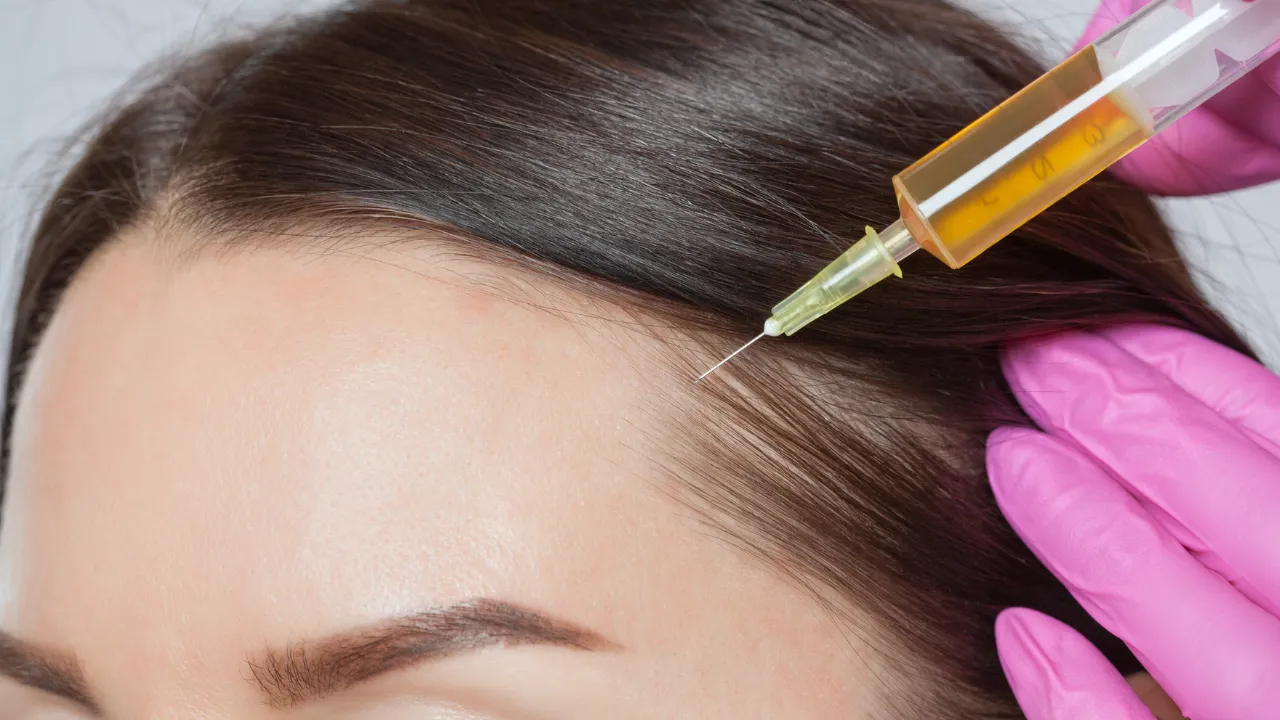
Eyebrow transplantation is typically performed under local anesthesia and is considered a minimally invasive procedure. It involves careful planning and precise placement to support natural eyebrow shape and long-term results, making it a permanent solution for suitable candidates.
Hair follicles are extracted individually using Follicular Unit Extraction (FUE) techniques. These hair grafts are implanted at shallow angles to follow the natural direction of the eyebrows. Dr. Kopelman has noted that careful placement helps support natural appearance and graft survival.
Results, Growth, and Long-Term Care
After an eyebrow transplant, transplanted hairs typically shed within the first 2 to 4 weeks, which is a normal part of the follicle cycle and not a sign of graft failure.
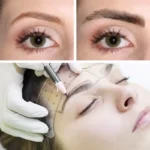
New hair growth usually begins around 3 to 4 months, as the follicles enter the active growth phase. The visible improvement becomes more pronounced between 6 and 9 months. Final results are often assessed at 12 months, consistent with findings from comparisons of eyebrow hair transplant success rates.
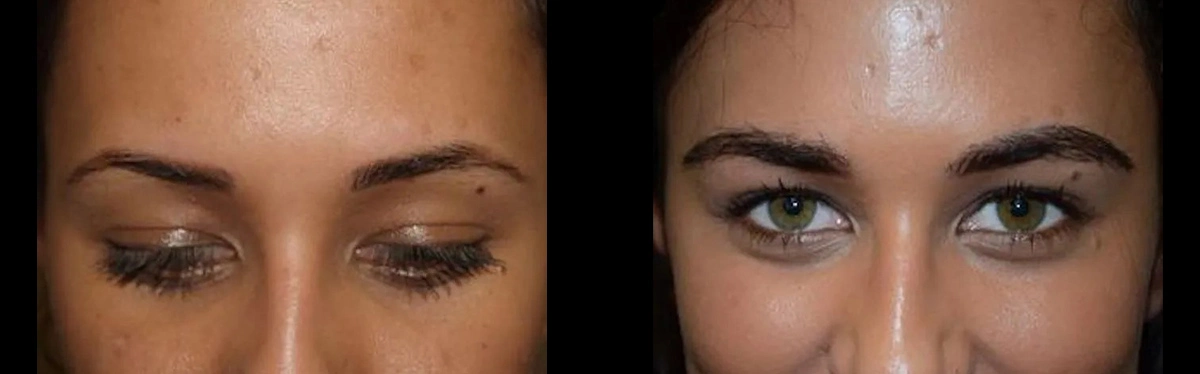
Long-term care involves regular grooming rather than medical treatment. Because transplanted hair retains scalp-like behavior, ongoing trimming and occasional shaping are required to maintain a natural eyebrow appearance.
This long-term pattern is stable, and no additional procedures are typically needed once growth is established, provided donor selection and placement were appropriate.
Who is a Good Candidate for an Eyebrow Transplant
Not all patients are suitable candidates for eyebrow transplantation. Donor hair quality, skin condition, and the cause of eyebrow hair loss influence outcomes.
Patients with limited donor supply, advanced thinning eyebrows, or certain medical conditions may not achieve the desired density. In such cases, surgeons may recommend alternative approaches or adjusted expectations.
If you are considering eyebrow transplantation and want to understand whether it is appropriate for your situation, a medical consultation can help clarify your options.
During an evaluation, a specialist can review donor hair availability, skin condition, and overall suitability. You may schedule a consultation with Kopelman Hair to receive personalized, medically informed guidance.