
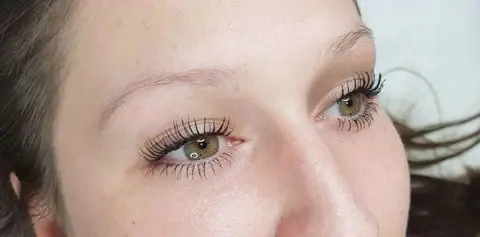
Eyebrow thinning during pregnancy is often due to hormone changes. These changes can disrupt the hair growth cycle and cause temporary shedding. It is often linked to telogen effluvium or low nutrient levels. In most cases, this condition is not permanent, and hair regrowth begins after hormone levels stabilize postpartum.
However, eyebrows thinning during pregnancy can sometimes be associated with medical conditions such as thyroid imbalance, autoimmune disorders, or skin conditions that require evaluation.
Treatment focuses on identifying the underlying cause, maintaining proper nutrition, and using safe care practices during pregnancy.
If thinning persists or appears in patches, a specialist can help determine the cause and recommend appropriate solutions.
Key Takeaways
- Eyebrow thinning during pregnancy is usually caused by hormonal changes and telogen effluvium, which shift hair follicles into a resting phase and lead to temporary shedding.
- Most cases are not permanent, and hair regrowth typically begins after hormone levels stabilize postpartum.
- Underlying medical conditions such as thyroid disorders, alopecia areata, or skin conditions should be considered if thinning is severe, patchy, or persistent.
- Proper nutrition, gentle care, and early evaluation by a specialist can help protect hair follicles and improve the chances of full regrowth.
Why Are My Eyebrows Thinning During Pregnancy
Hormone Levels and Hair Growth Cycle
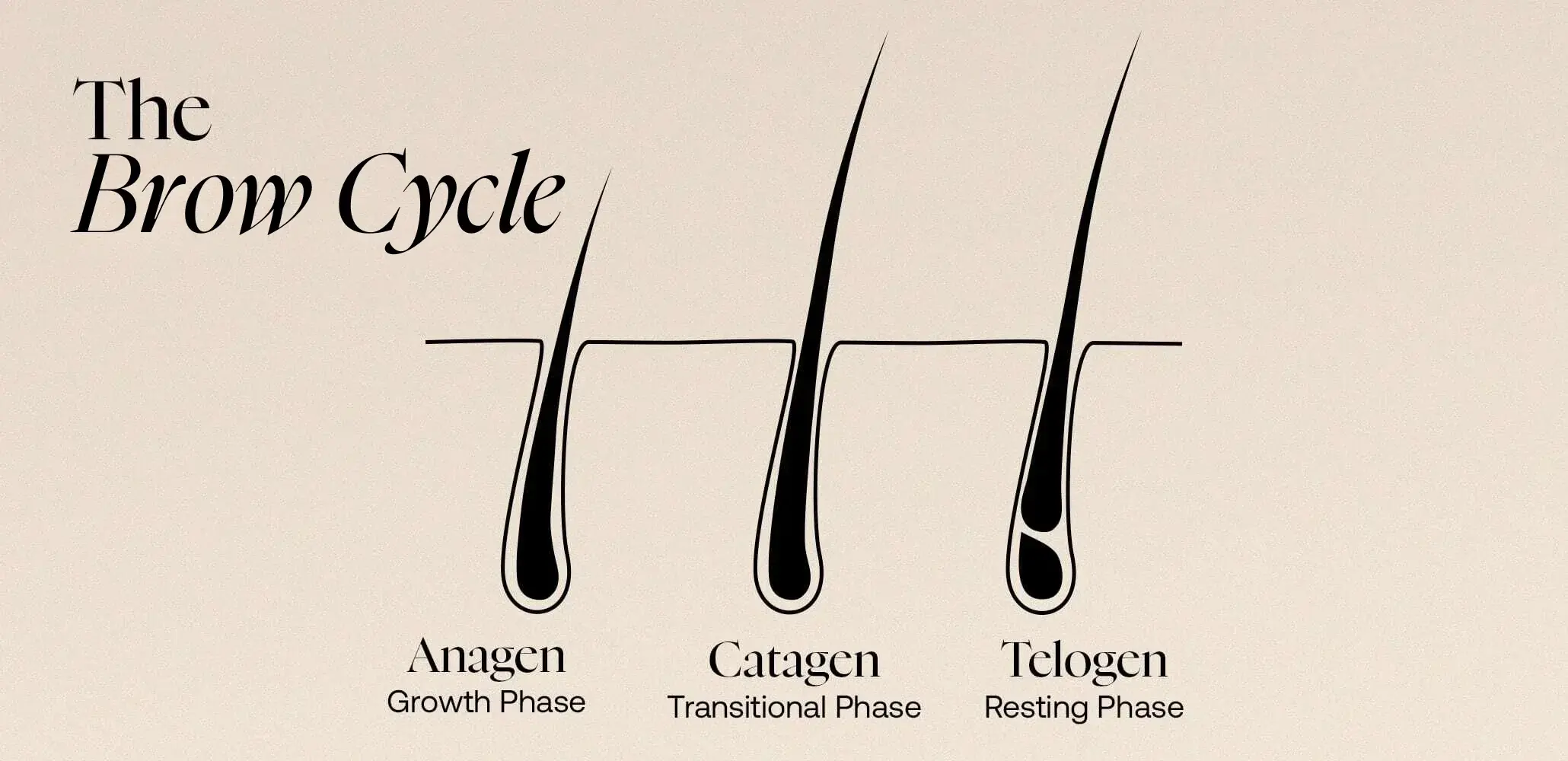
During pregnancy, hormone levels shift quickly and affect the hair growth cycle. Estrogen can prolong the growth phase, but sudden changes may push hair follicles into a resting phase.
This disruption often leads to eyebrow thinning and uneven density. Hair grows in cycles, and when more hairs enter the shedding phase at the same time, visible thinning occurs.
This pattern explains why some women experience hair loss including changes in the brows. In most cases, this process is temporary and linked to hormonal balance.
Telogen Effluvium and Pregnancy Hair Loss
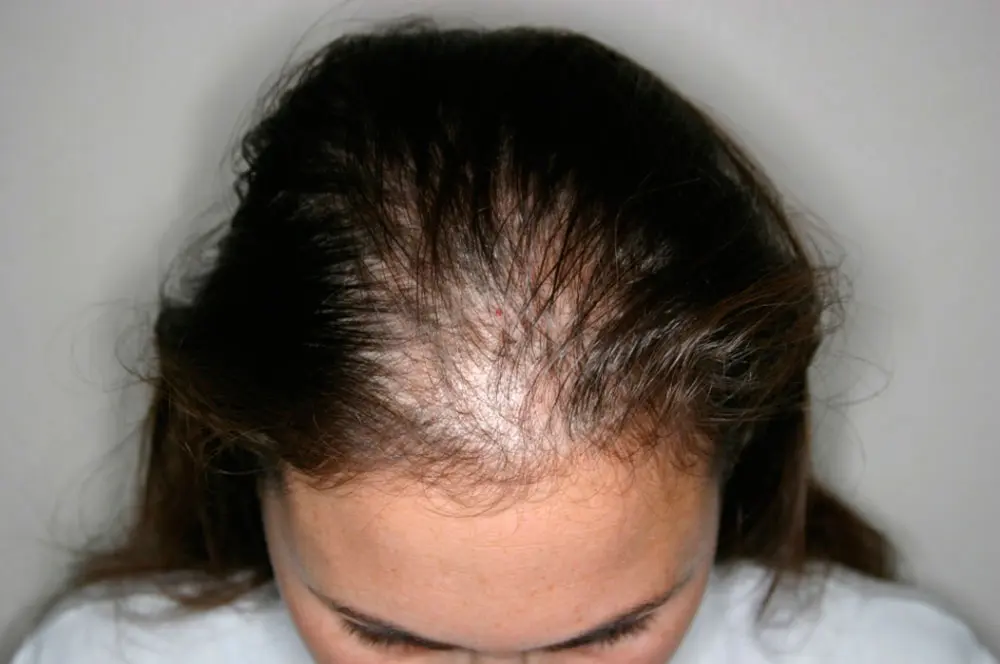
Telogen effluvium is a common cause of thinning eyebrows during pregnancy. It happens when stress on the body shifts hair follicles into the resting phase. After a few weeks or months, shedding becomes noticeable.
This condition often affects scalp hair but can also lead to eyebrow hair loss. The good news is that it usually resolves once the body stabilizes. Dr. Kopelman often explains that this type of shedding does not damage the follicle permanently.
If you want to understand this process deeper, it is similar to what is explained in pictures of telogen effluvium.
Nutrient Deficiencies and Hair Loss
Pregnancy increases the body’s nutritional demands, which can lead to nutrient deficiencies. Low iron, protein, or vitamins can weaken hair follicles and slow growth.
This can result in thinning eyebrows women may notice during early or late pregnancy.
To support hair health, focus on a balanced diet that includes essential nutrients. Common gaps that affect hair loss include:
- Iron deficiency
- Low protein intake
- Vitamin deficiencies
Correcting these factors helps improve hair strength and reduce shedding.
Immune System and Alopecia Areata
In some cases, immune system attacks can target hair follicles. Alopecia areata is an autoimmune condition that causes patchy hair loss, including the eyebrows. This differs from hormonal shedding because it creates defined areas of loss.
To better understand this condition, you can compare it with types of alopecia that affect different areas of the body.
While less common, it is important to recognize these signs early. If patches appear suddenly, a medical evaluation is needed to confirm the cause.
Skin Conditions and Dermatitis
Several skin conditions can contribute to eyebrow thinning. Inflammation around the follicles can disrupt normal growth and lead to shedding. Conditions that may affect the brows include:
- Seborrheic dermatitis
- Contact dermatitis
- Atopic dermatitis
- Tinea capitis ringworm
These conditions can cause irritation, redness, and flaking. Treating the underlying issue often helps restore normal hair growth.
Is Eyebrow Loss During Pregnancy Normal
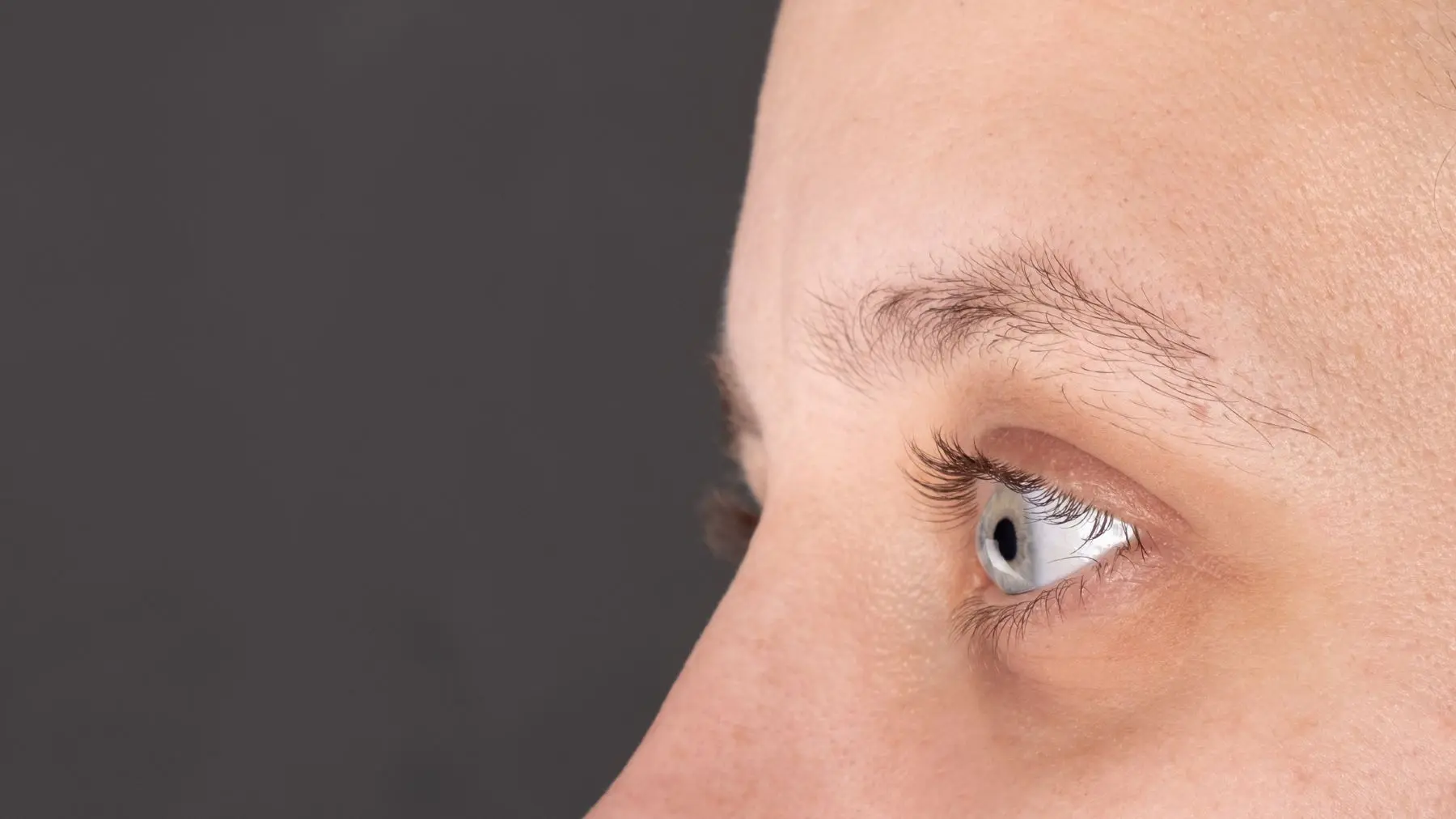
Eyebrows Thinning During Pregnancy First Trimester
Eyebrows thinning during pregnancy in the first trimester can happen as hormone levels begin to change. Some women notice early shedding, while others see changes later in pregnancy.
The timing depends on how the body responds to hormonal shifts.
This stage often involves subtle changes rather than dramatic loss. Monitoring progression helps determine if the pattern is typical or requires attention.
Normal Shedding vs Warning Signs
Some degree of eyebrow thinning during pregnancy is normal. However, certain signs may indicate underlying medical conditions. It is important to distinguish between temporary shedding and more serious concerns.
Watch for the following warning signs:
- Sudden patchy loss
- Persistent thinning beyond several months
- Associated symptoms like fatigue or skin irritation
These may point to issues such as thyroid gland imbalance or autoimmune conditions.
How Doctors Diagnose Eyebrow Thinning
Medical Conditions to Rule Out
A proper diagnosis focuses on identifying underlying causes. Doctors evaluate medical conditions that may contribute to hair loss. Common conditions reviewed include thyroid disorders, frontal fibrosing alopecia, and autoimmune diseases.
Dr. Kopelman emphasizes the importance of a detailed history and physical exam. This helps determine whether the cause is hormonal, nutritional, or medical.
When Testing Is Needed
In some cases, testing is required to confirm a diagnosis. Blood tests may assess hormone levels, iron levels, and thyroid function. These results help guide treatment decisions.
If skin conditions are suspected, a closer examination of the scalp and brows may be performed. Early diagnosis improves outcomes and prevents further hair loss.
Can Eyebrow Thinning Be Reversed
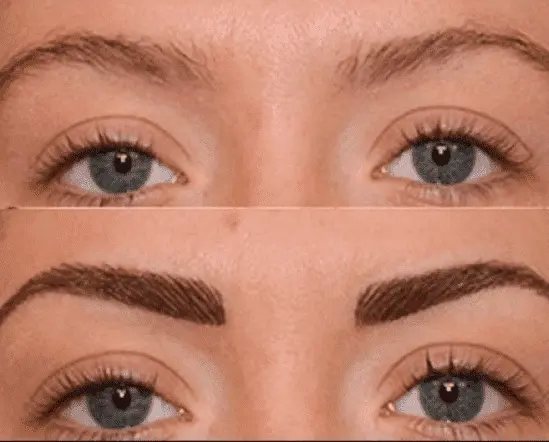
Postpartum Hair Recovery Timeline
Most cases of eyebrow thinning improve after pregnancy. As hormone levels stabilize, the hair growth cycle returns to normal. Regrowth usually begins within a few months after delivery.
This recovery phase varies from person to person. Consistent care and proper nutrition support faster improvement.
Factors That Affect Regrowth
Several factors influence how quickly hair returns. These include overall health, nutrition, and the condition of the hair follicles. If follicles remain healthy, regrowth is more likely.
However, chronic inflammation or untreated conditions may delay recovery. Identifying the cause early improves the chances of full regrowth.
Treatment Options for Eyebrow Thinning
Safe Treatments During Pregnancy
Treatment during pregnancy focuses on safety and prevention. Gentle care and proper nutrition are key strategies. Avoid harsh products that may irritate the skin or damage follicles.
Helpful approaches include:
- Maintaining a balanced diet
- Managing stress levels
- Using mild skincare products
These steps help protect hair during this sensitive period.
Postpartum and Long-Term Solutions
After pregnancy, more treatment options become available. These may include topical therapies or advanced procedures if needed. At Kopelman Hair, personalized plans are designed based on the cause of eyebrow thinning.
In cases where hair does not return, treatments similar to eyebrow hair transplant may help restore natural density.Dr. Kopelman evaluates each patient to recommend the most appropriate approach.
When to See a Hair Specialist
Signs of Underlying Medical Conditions
You should seek professional care if symptoms persist or worsen. Certain signs suggest a deeper issue that requires evaluation. These include ongoing hair loss including eyebrows, patchy thinning, or associated health symptoms.
Early intervention helps prevent long-term damage to the follicles. It also ensures that any medical conditions are treated promptly.
Eyebrow Restoration Options
When eyebrow thinning becomes permanent, restoration may be considered. Modern techniques allow for natural-looking results that match your facial features. These procedures focus on restoring density and shape.
At Kopelman Hair, treatment plans are tailored to each patient’s needs. With the right approach, it is possible to regain fuller, natural-looking eyebrows and improve overall confidence.