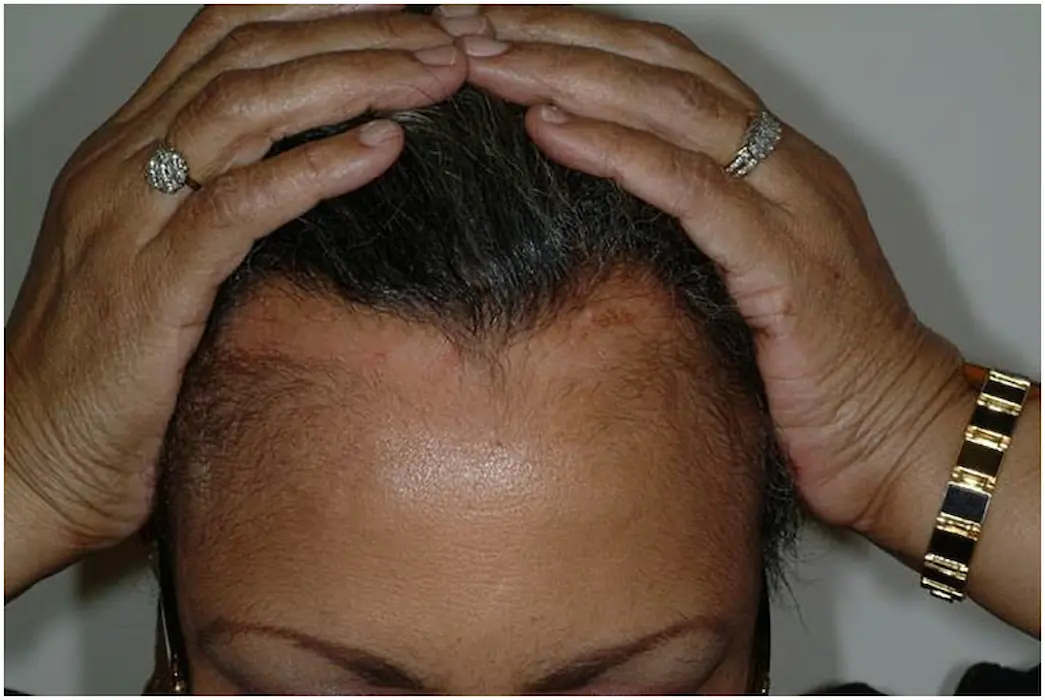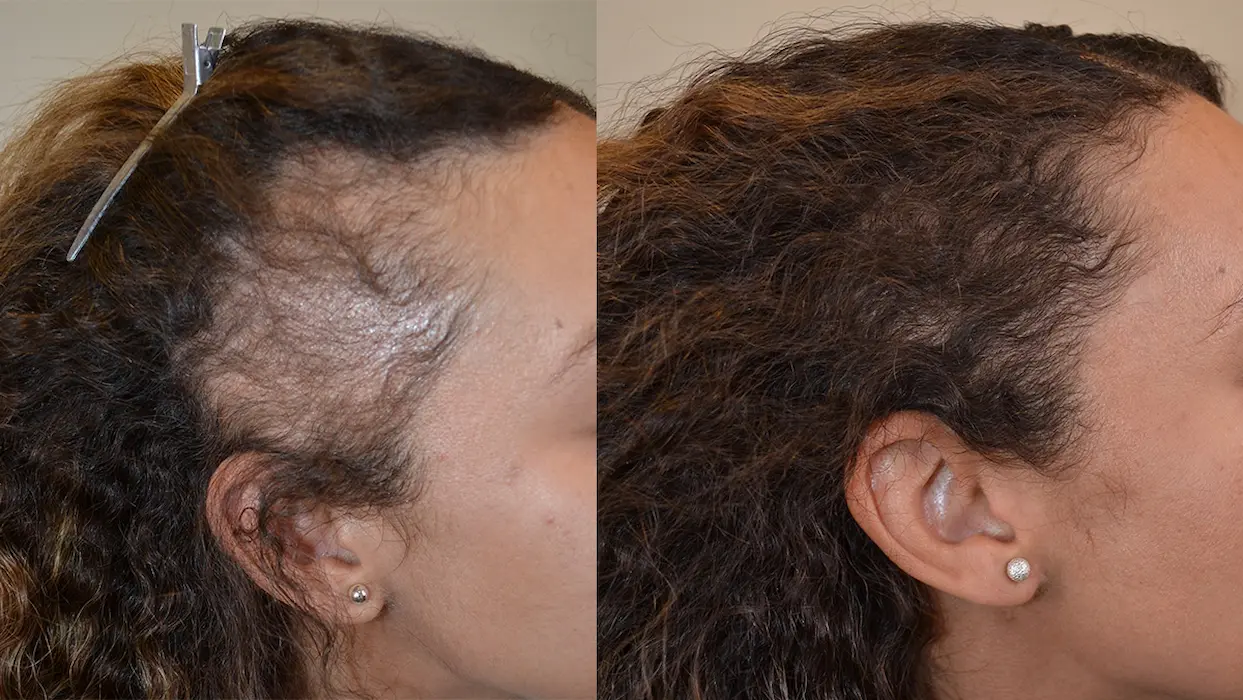


Alopecia is not usually classified as a disability, but it can qualify in certain cases. The answer to whether alopecia is a disability depends on how severe it is. It also depends on how much it affects daily life or work.
Most people with alopecia do not qualify for disability benefits because it does not limit physical function. However, more severe forms, especially those linked to mental health impact or complete hair loss, may be evaluated differently.
Each case is reviewed based on medical evidence and real-life limitations.
Key Takeaways
- Alopecia is not usually considered a disability, but severe cases may qualify if they affect a person’s life and limit work or daily function.
- Eligibility for disability benefits depends on strong medical evidence, including mental health impact and a clear medical history.
- Different types of alopecia, such as alopecia areata, totalis, and universalis, vary in severity and may influence how the condition is evaluated.
- Alopecia affects more than appearance, as it can impact mental health, quality of life, and social interactions over time.
Does Alopecia Count as a Disability?
The question is alopecia a disability? does not have one clear answer. In most cases, it is not seen as a disability. It is a medical condition that affects hair, not physical ability.
Still, some cases are different. If alopecia affects daily life in a serious way, it may be reviewed under disability rules, especially in more advanced forms like alopecia areata universalis.
When it may qualify

Alopecia may qualify in the United States if it causes strong limits in daily life. This often relates to mental health or the ability to work.
Some examples include:
- Severe stress or anxiety that affects work
- Documented mental health issues
- Cases with complete baldness like alopecia universalis
These cases need clear medical proof and are sometimes associated with broader conditions such as autoimmune hair loss in women.
When it does not
Most cases of alopecia do not qualify as a disability under legal standards. Hair loss on its own, even if visible, is not enough to receive disability benefits unless it clearly affects daily function or the ability to work.
For example, it usually does not qualify when:
- Hair loss is mild or moderate and does not interfere with work
- There is no documented impact on mental health
- Daily tasks and social interaction remain unchanged
In these situations, alopecia is considered a medical condition but not a disabling one, similar to early-stage conditions explained in signs of hair thinning.
Can You Claim Disability for Alopecia?
Who may qualify for benefits
If you ask can you claim disability for alopecia, the answer depends on your situation. Not all patients qualify.
You may qualify if:
- Alopecia affects your quality of life
- You have mental health challenges
- You cannot work as before
Each case is different.
Required medical evidence
You need strong proof to apply for disability benefits. Medical records must show how the condition affects you.
This may include:
- A clear diagnosis
- Records of symptoms of alopecia
- Mental health reports
- Full medical history
Without this, claims are often denied.
How claims are evaluated
Authorities look at function, not just appearance. They check how much the condition limits your daily life.
They review:
- Level of hair loss
- Presence of autoimmune diseases
- Emotional impact
- Medical records
Each factor matters.
Is Alopecia a Disease?
Autoimmune disorder explained
Alopecia is often an autoimmune disorder. This means the body attacks its own hair follicles.
It is part of a group called autoimmune diseases. These conditions affect the immune system, often overlapping with issues like inflammation and hair loss.
Is alopecia hereditary
Genes can play a role. If family members have alopecia, your risk may be higher.
Still, genes are not the only cause. Environmental factors can also affect it.
Is alopecia contagious
Alopecia is not contagious. You cannot get it from another person.
This helps clear up common myths.
Types and Severity of Alopecia
When people ask if alopecia areata is a disability, the answer is usually no. This type often causes small patches of hair loss.
In more severe cases, it may be reviewed differently, especially when patterns resemble diffuse alopecia.
Alopecia totalis and universalis
Some types are more severe:
- Alopecia totalis causes full scalp hair loss
- Alopecia universalis causes loss of all body hair
These forms can affect quality of life more deeply.
Scarring alopecia and body hair loss
Scarring alopecia damages hair follicles. This can lead to permanent loss.
Some patients also lose body hair. This may show a more complex condition.
Is Baldness a Disability?
Baldness vs alopecia
Baldness is not the same as alopecia. Common baldness is not a disability.
Alopecia is a medical condition. It has different causes and effects, unlike gradual changes seen in hair thinning vs balding.
Why the distinction matters
This difference is important. Not all hair loss qualifies for disability benefits.
Legal reviews focus on impact, not just looks.
How Alopecia Affects Daily Life
Mental health and quality of life
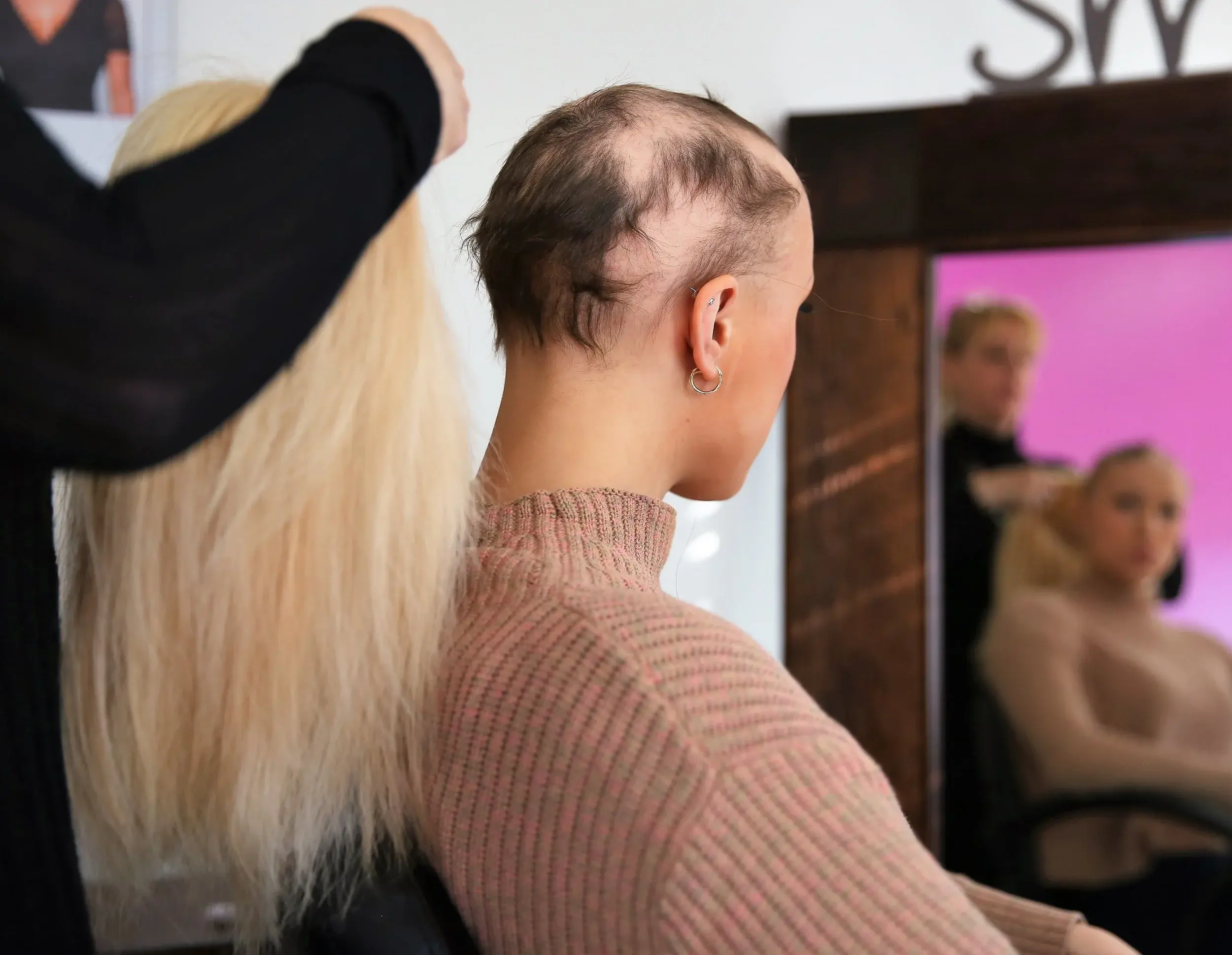
Alopecia affects more than hair. It can impact mental health.
People may feel:
- Anxiety
- Low confidence
- Social stress
This can lower quality of life.
How alopecia affects work and social life
Alopecia affects how people interact with others. It can also affect work.
Examples include:
- Stress in public jobs
- Changes in self-image
- Avoiding social events
These factors matter in evaluations.
Impact on family members
Alopecia can affect family members too. Support from others is important.
It helps patients cope with changes and stress.
Diagnosis and Long-Term Outlook
What is the blood test for alopecia
There is no single test for alopecia. Doctors use tests to find causes.
These may include:
- Thyroid checks
- Vitamin levels
- Immune system markers
These help guide diagnosis.
Symptoms of alopecia
Common symptoms of alopecia include:
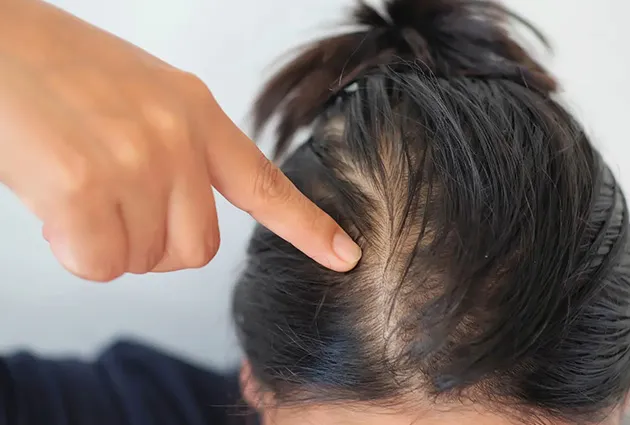
- Hair loss in patches
- Thinning hair
- Loss of scalp or body hair
Each type shows different signs.
Is alopecia lifelong
Some cases are short-term. Others may last longer.
For example:
- Alopecia areata may improve
- Severe cases may continue
Each case is different.
What Patients Should Know
When to see a specialist
See a specialist if you notice sudden hair loss. Early care helps improve outcomes.
Dr.Kopelman often stresses early diagnosis to manage hair loss better.
Treatment and management options
Treatment depends on the type. Options may include:
- Medication
- Immune therapy
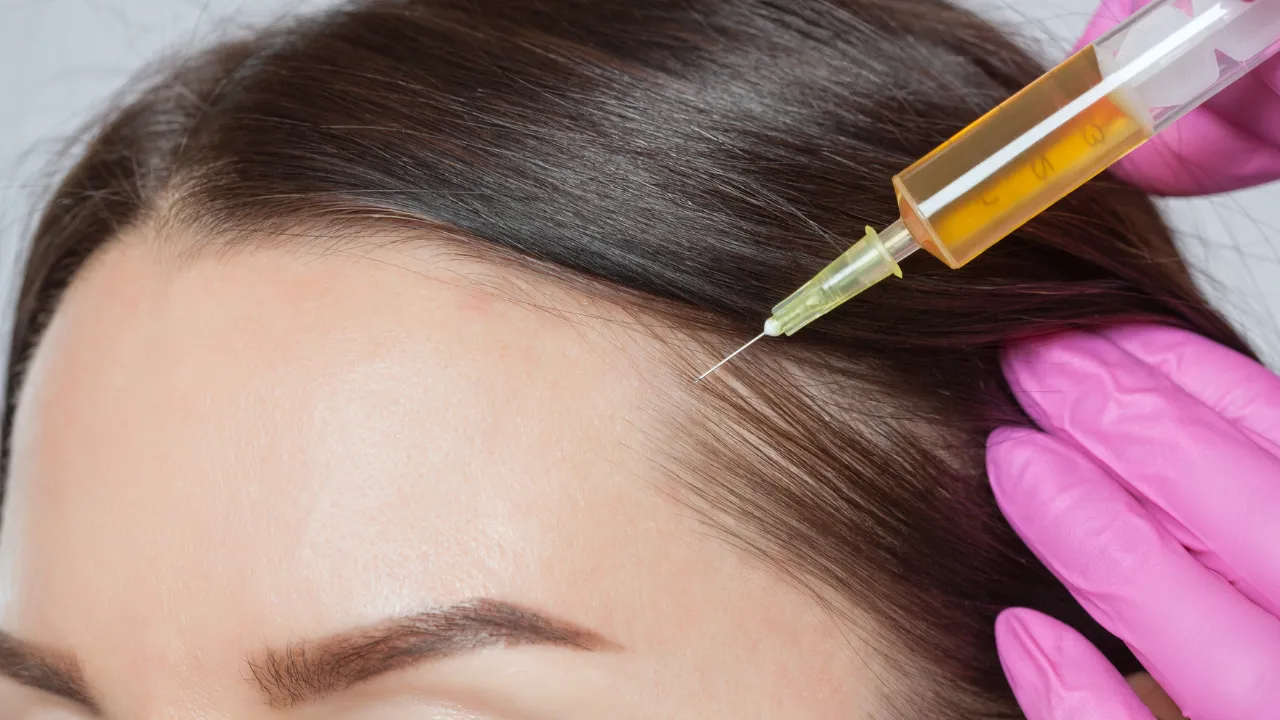
- Hair restoration procedures
At Kopelman Hair, care is tailored to each patient.
Questions to ask about next steps
Ask your doctor:
- What type of alopecia do I have?
- What are my options?
- How will this affect my life?
Clear answers help you move forward with confidence.
If you are dealing with alopecia and want clarity on your diagnosis or treatment options, the team at Kopelman Hair can help you take the next step.
Our specialists provide personalized evaluations to understand the cause of your hair loss and guide you toward the most effective solutions based on your condition.