

Table of Contents
ToggleWhat Is a 1 Graft Hair Transplant?
A 1 graft hair transplant refers to the transplantation of a single follicular unit containing one to four hairs, carefully extracted from a donor area and placed into thinning or bald zones. This precision-based process helps create natural density and realistic hairline definition.
The number of grafts required depends on the extent of hair loss and desired coverage, with each graft contributing to long-term, natural regrowth. At Kopelman Hair, advanced techniques maximize graft survival, restore balance, and achieve seamless, lasting results.
Key Takeaways
- A single hair graft contains 1–4 hairs and is the core unit of a hair transplant procedure.
- The total grafts required depend on the extent of hair loss and desired density.
- Both FUE and FUT methods can achieve natural results when performed by an experienced surgeon.
- Graft quality and precision placement determine long-term growth success.
- Combining hair transplants with non-surgical therapies enhances healing and coverage.
How Many Hairs Are in One Graft?
On average, one graft contains two to three hairs, depending on genetics, hair texture, and donor density. Some grafts have only a single hair, often used for the hairline, while others contain multiple follicles for added density in the crown or mid-scalp.
Approximate hair coverage examples:
- 1,000 grafts = 2,000–3,000 hairs
- 2,500 grafts = 5,000–7,500 hairs
- 3,000 grafts = up to 9,000 hairs
These estimates help patients visualize results, though natural variation in follicle groupings affects final density.
How Grafts Are Collected and Transplanted
In an FUE (Follicular Unit Extraction) procedure, Dr. Ross Kopelman removes individual follicular units from the donor area; typically the back or sides of the scalp, where hair is genetically resistant to thinning. Each graft is extracted using a fine punch tool and prepared under magnification to protect follicle structure.
Once ready, the grafts are implanted into tiny recipient sites that match the natural direction and angle of existing hair. This ensures even density and avoids an artificial look. At Kopelman Hair, precise placement and sterile technique minimize scarring and recovery time.
How Many Grafts Are Needed for a Hair Transplant?
The number of grafts depends on the type and stage of hair loss, scalp size, and aesthetic goals:
- Early recession: 1,000–1,500 grafts
- Moderate thinning: 2,000–3,000 grafts
- Advanced baldness: 4,000+ grafts
Each patient’s case is unique, and an in-person evaluation helps determine the most effective graft count.
Understanding the Hair Transplant 1 Graft Price
The hair transplant 1 graft price varies depending on location, surgeon expertise, and chosen method. In top-tier clinics, prices typically range from $3 to $8 per graft.
Main Factors That Influence Cost
- Technique used (FUE often costs more than FUT)
- Surgeon experience and precision level
- Clinic technology and reputation
- Total number of grafts needed for full coverage
At Kopelman Hair, each graft is carefully handled to ensure quality and natural appearance rather than focusing solely on volume-based pricing.
Why Graft Quality Matters More Than Quantity
While graft count is important, graft health ultimately determines success. Well-preserved follicles have a higher survival rate, leading to stronger and denser regrowth.
Poor extraction methods or rushed surgeries can damage grafts, reducing their viability and producing uneven results. Dr. Ross Kopelman and his team emphasize quality control throughout harvesting and placement to ensure every graft thrives after surgery.
FUE vs. FUT: Which Method Is Best?
Both FUE and FUT achieve strong outcomes, but the ideal technique depends on patient goals and donor characteristics.
FUE (Follicular Unit Extraction)
- Removes individual grafts directly from the scalp.
- Leaves small circular marks that heal quickly.
- Best for minimal downtime and discreet recovery.
FUT (Follicular Unit Transplantation)
- Removes a thin strip of scalp and divides it into grafts.
- Allows more grafts in one session but may leave a linear scar.
Dr. Ross Kopelman helps each patient choose the method best suited to their scalp elasticity, donor density, and desired coverage.
How Long Does It Take to See Results?
After surgery, patients experience a normal shedding phase within the first few weeks. Regrowth begins around 3–4 months, with visible improvement by month six and full results between 12–18 months.
Growth happens gradually as transplanted follicles establish blood flow and enter a new growth cycle. With proper nutrition and aftercare, patients enjoy thicker, long-lasting results.
What to Expect After a 1 Graft Hair Transplant
Mild redness or tenderness is normal and fades within a few days. Dr. Ross Kopelman provides detailed instructions to protect new grafts and promote fast healing.
Post-Procedure Care Tips
- Avoid scratching or rubbing the scalp.
- Keep the area clean and dry for several days.
- Avoid exercise, heat, or sunlight for two weeks.
- Follow all prescribed medication and washing routines.
Following these steps supports graft survival and ensures smooth recovery.
Common Combination Treatments
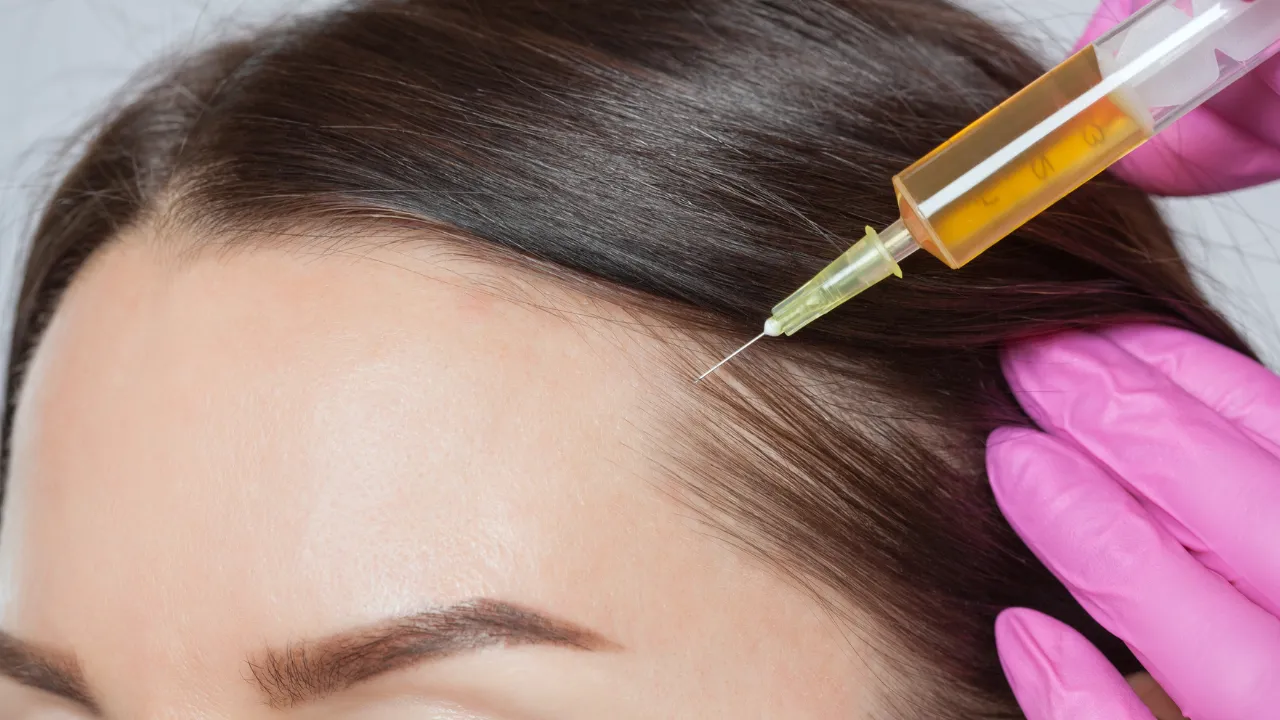
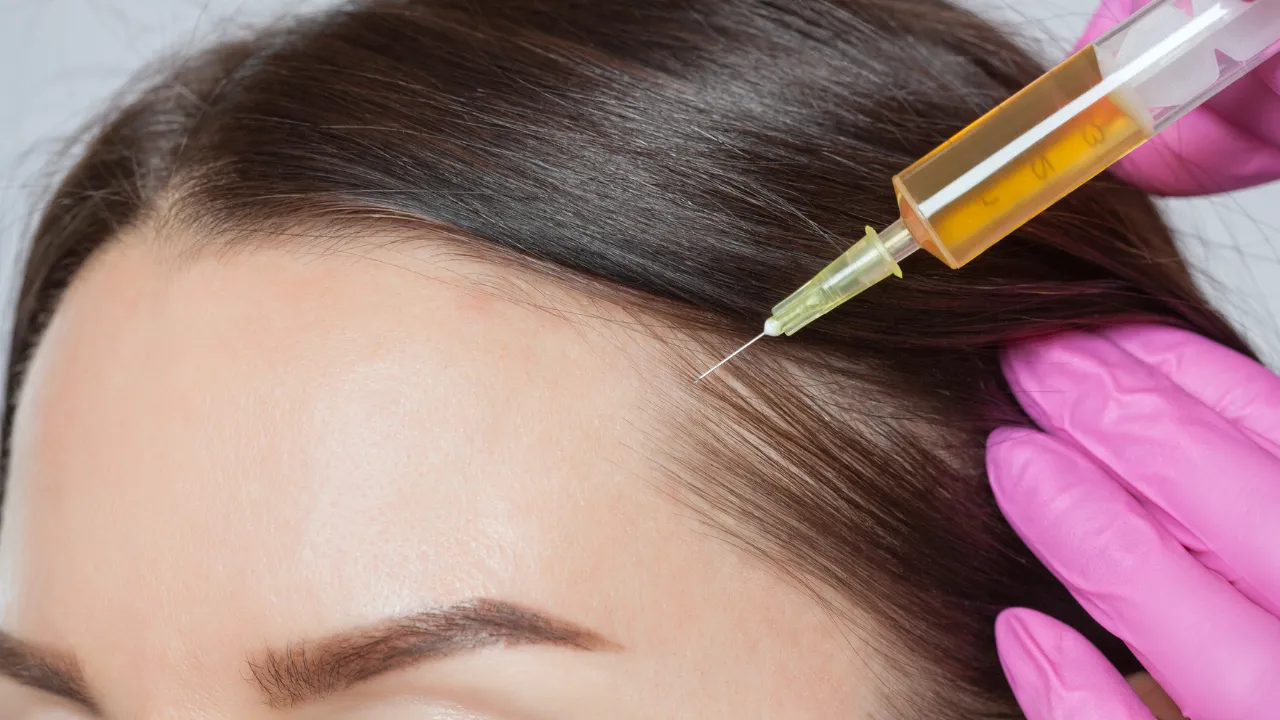
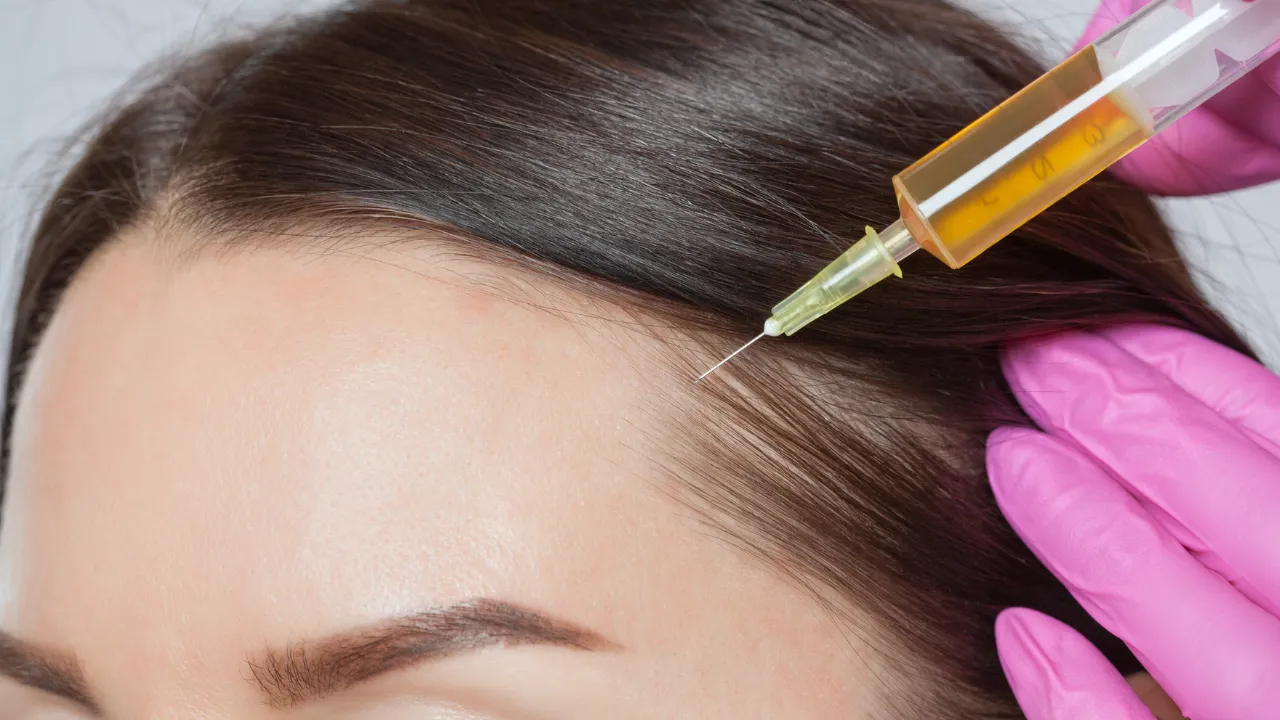
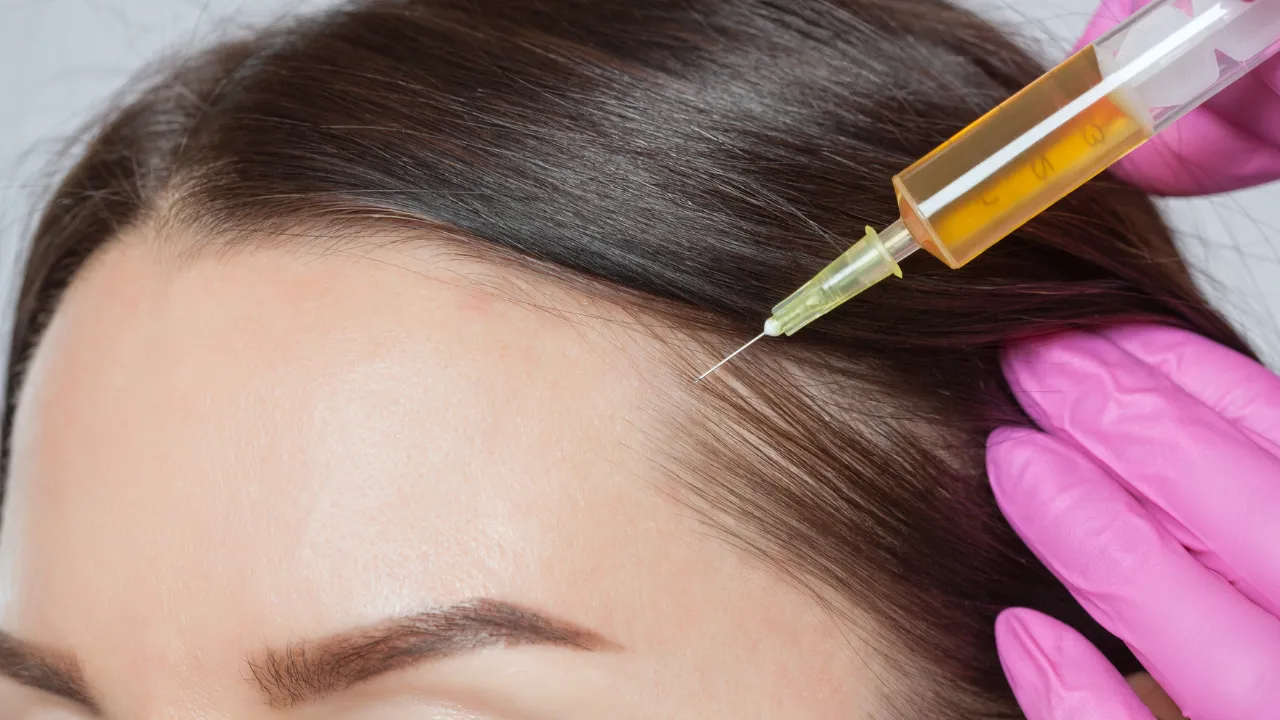
- PRP Therapy: Uses platelet-rich plasma to strengthen follicles.
- Low-Level Laser Therapy (LLLT): Boosts circulation and scalp repair.
- Medications: Finasteride or minoxidil help maintain thickness and prevent new shedding.
When to Consider a Hair Transplant
Ideal candidates have healthy donor hair, stable health, and realistic expectations. Hair transplants are best for those whose type of hair loss has stabilized.
You May Be a Good Candidate If You Have:
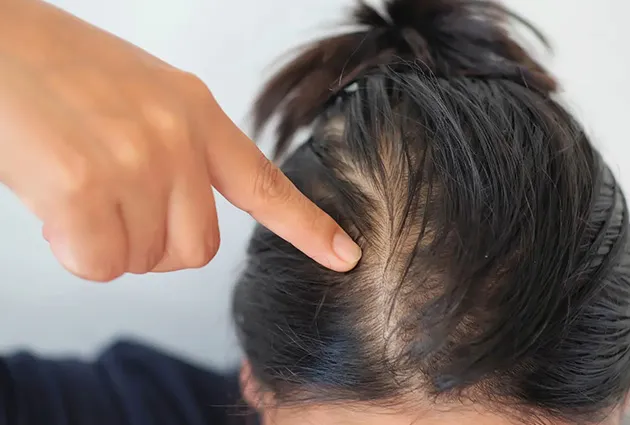
- Noticeable thinning at the hairline or crown
- Limited improvement from medications or topical treatments
- Permanent bald spots from injury or prior surgery
Each patient receives a customized plan designed to match their scalp condition, donor strength, and lifestyle.
The Role of Expert Evaluation
Before surgery, Kopelman Hair conducts full scalp mapping and density analysis to measure donor strength. This ensures the right number of grafts are transplanted for natural, balanced coverage.
A reputable hair transplant clinic prioritizes patient safety, transparency, and long-term results through careful preoperative planning and realistic expectations.
Restoring Confidence Through Precision Care
Each 1 graft hair transplant contributes to one goal, restoring confidence through precise, natural artistry. Whether treating small patches or full restoration, success depends on skill, design, and patient-centered care.
At Kopelman Hair, decades of experience, advanced technology, and a focus on detail ensure natural-looking, lasting results that bring patients renewed confidence and satisfaction.