
Table of Contents
ToggleAt Kopelman Hair, we often hear patients ask about the link between head pain and hair loss. While these symptoms may seem unrelated, they can share common causes. Understanding this connection is key to finding effective solutions and protecting both your comfort and hair health.
Key Takeaways
- Head pain and hair loss can occur together due to stress, inflammation, autoimmune conditions, or hormonal shifts.
- Tracking patterns like scalp sensitivity before shedding or hair loss after migraines can help identify the underlying cause.
- Medical evaluation may include tension assessment, scalp examination, and blood tests to diagnose conditions such as alopecia or thyroid disorders.
- Treatment options depend on the cause and may involve stress management, medicated shampoos, or specialist-led therapies.
What Causes Headaches and Hair Loss?
Headaches and hair loss can happen at the same time due to shared triggers like stress, hormonal changes, or scalp inflammation. These issues can disrupt both scalp comfort and hair follicle function.
Stress, Hormones, and Lifestyle Factors
Stress is a common cause of tension headaches and sudden hair shedding. It raises cortisol levels, affects sleep, and can push hair into a resting phase. This leads to telogen effluvium, a form of temporary hair loss.
Hormonal shifts during postpartum, menopause, or thyroid dysfunction may also lead to both symptoms. A healthy lifestyle can help reduce flare-ups.
Factors that contribute include:
- Poor sleep
- Nutritional deficiencies
- Dehydration
- Overuse of caffeine or stimulants
Stress management and routine changes may ease discomfort and support recovery.
Scalp Pain and Inflammation
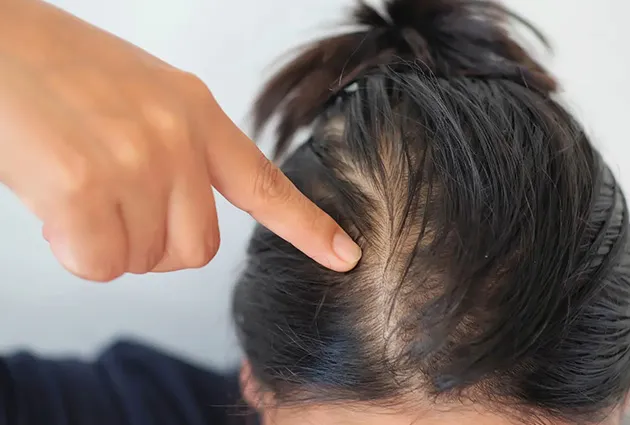
Conditions like folliculitis or seborrheic dermatitis can cause localized scalp pain and hair loss. These are often tied to inflammation that weakens hair follicles.
Symptoms include:
- Scalp tenderness
- Flaking or redness
- Itching followed by hair shedding
Irritation from tight hairstyles or harsh products can worsen these effects. If discomfort includes tension and shedding, treatment may be needed.
Can Brain Problems Cause Hair Loss?
Brain-related conditions don’t directly cause hair loss, but they may lead to head pain that worsens stress-related shedding. Migraines and tension-type headaches can trigger scalp sensitivity and tightness.
In some cases, medications for neurological conditions may include hair thinning as a side effect. Always consult a specialist if you’re unsure.
People often ask whether having a headache with hair fall could signal a deeper issue. While not always serious, it’s worth tracking if both symptoms persist or worsen together.
Autoimmune Disorders That Affect Hair and Head
Some autoimmune diseases affect both the scalp and the nervous system function. These conditions may fall under the broader category of hair loss alopecia.
Examples include:
- Lupus: Triggers chronic headaches and patchy hair loss
- Alopecia areata: Causes sudden bald patches
- Hashimoto’s thyroiditis: Can lead to migraines and thinning
- Multiple sclerosis: May cause ongoing pain and hair shedding
These conditions are often linked to problems within the immune system, which can mistakenly attack healthy tissues like hair follicles.
Managing autoimmune symptoms often improves both head pain and hair loss with headaches.
How to Tell If Headaches Are Causing Hair Loss
Tracking symptom patterns can reveal a link between head pain and hair loss. You might notice:
- Shedding increases after headaches
- Painful scalp becomes sensitive to touch
- Hair falls more from the area experiencing pressure
Some people specifically report experiencing headaches and hair loss after stressful events or migraines. These clues help determine if the symptoms are connected.
What Is Cephalgia Alopecia?
Cephalgia alopecia refers to cases where chronic head pain is paired with progressive hair loss. While not a clinical diagnosis, it helps describe the symptom overlap.
Common signs include:
- Migraine or tension headaches
- Diffuse hair thinning
- Scalp soreness in affected areas
These cases often include tension in the scalp that leads to localized inflammation and follicle weakening.
When to Seek Medical Advice
Consult a specialist if you experience:
- Unusual or sudden hair loss
- Ongoing headaches affecting daily life
- Scalp tenderness or inflammation
- Symptoms worsening over time
Brief episodes tied to stress may resolve, but repeated symptoms should be evaluated. Your doctor may examine the scalp to check for irritation or sensitivity.
When both loss and headache appear repeatedly or interfere with your quality of life, early assessment may prevent long-term damage.
What Dr. Kopelman Looks For During Evaluation
At Kopelman Hair, Dr. Kopelman checks:
- Where the pain occurs and how often
- Patterns of hair shedding
- Scalp condition and medical history
Diagnostic tests may include:
- Bloodwork for thyroid and hormone levels
- Autoimmune screening
- Scalp analysis and stress evaluations
This helps pinpoint the exact cause and create a tailored treatment plan.
Comparing Symptoms by Cause
Recognizing patterns helps you and your provider take targeted steps early.
Common Myths About Head Pain and Hair Loss
Misinformation can lead to unnecessary worry. Here are a few common myths:
Focus on credible symptoms and seek medical input when in doubt.
Treatment Options for Headache and Hair Loss
The right treatment depends on what’s causing your symptoms.
For stress-related issues:
- Develop better routines
- Prioritize rest and hydration
- Try relaxation to relieve tension
Effective stress management can promote hair growth and ease discomfort.
For scalp conditions:
- Use antifungal or medicated shampoos
- Treat infections early
- Avoid tight hair styling
For autoimmune or hormonal causes:
- Manage hormones through medical care
- Consider corticosteroids for hair loss alopecia
- Use supplements only under supervision
Understanding the common types of hair loss helps determine when a medical solution is needed or when simple changes may be enough.
If you’re experiencing persistent head pain or unexplained hair loss, don’t wait to find answers. Schedule a consultation with Dr. Kopelman at Kopelman Hair to receive a personalized evaluation and expert care tailored to your needs.