
Most patients need between 100 and 400 grafts per eyebrow, depending on hair loss severity, eyebrow shape, and existing hair, which answers the question of how many grafts for an eyebrow transplant in practical terms.
This article explains why graft numbers vary, how they are medically determined, and what patients can realistically expect from hair restoration, including eyebrow restoration as a cosmetic procedure.
Key Takeaways
- Eyebrow transplant graft counts are calculated per eyebrow, not as a combined total, and most patients require between 100 and 400 grafts, depending on hair loss and design goals.
- The number of grafts needed varies based on eyebrow shape, existing hair, donor hair quality, skin characteristics, and the condition of the donor site.
- Medical factors, such as skin thickness and blood supply, limit how densely grafts can be placed, making precise placement more important than increasing the number of hair grafts.
- Surgeons rely on facial analysis and clinical judgment to determine safe graft numbers rather than fixed formulas.
How Many Grafts Are Needed For An Eyebrow Transplant?
There’s no single answer to this question. Most patients fall within a general range of 100-400 grafts per eyebrow, but anatomy, existing eyebrow hair, and design goals all influence the final number. Understanding these variables helps set realistic expectations before an eyebrow transplant procedure.
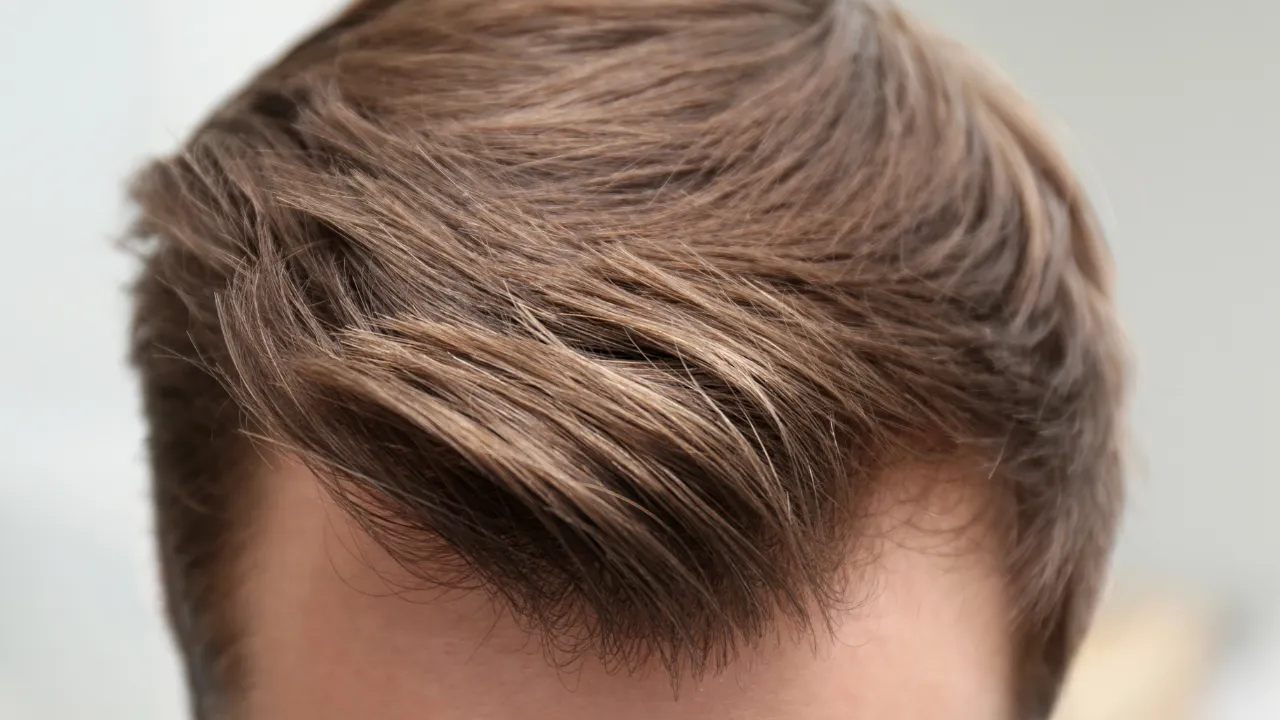
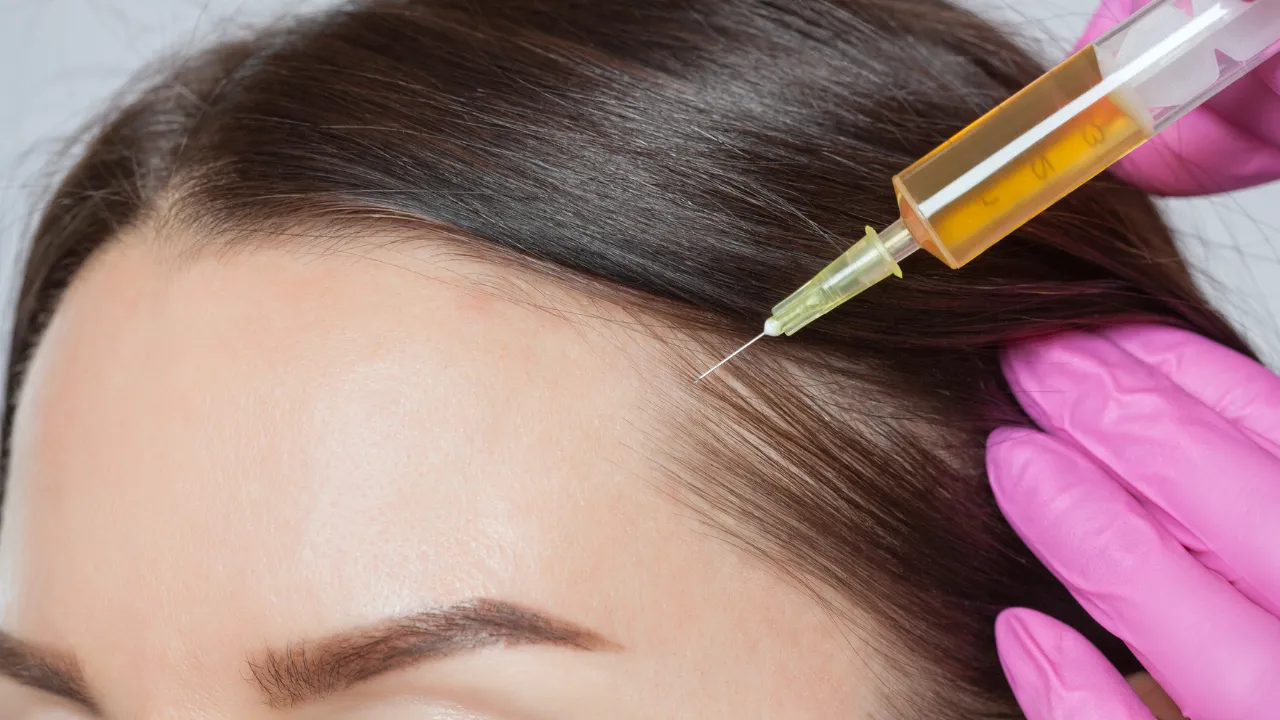
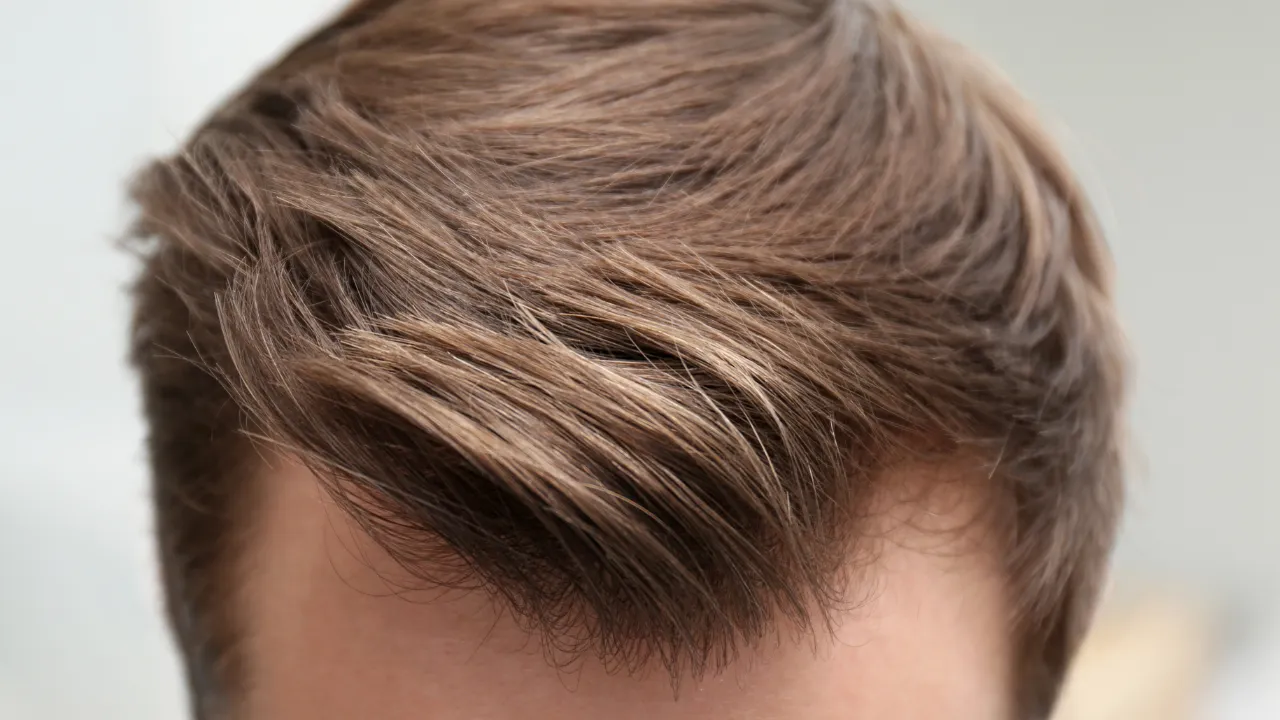
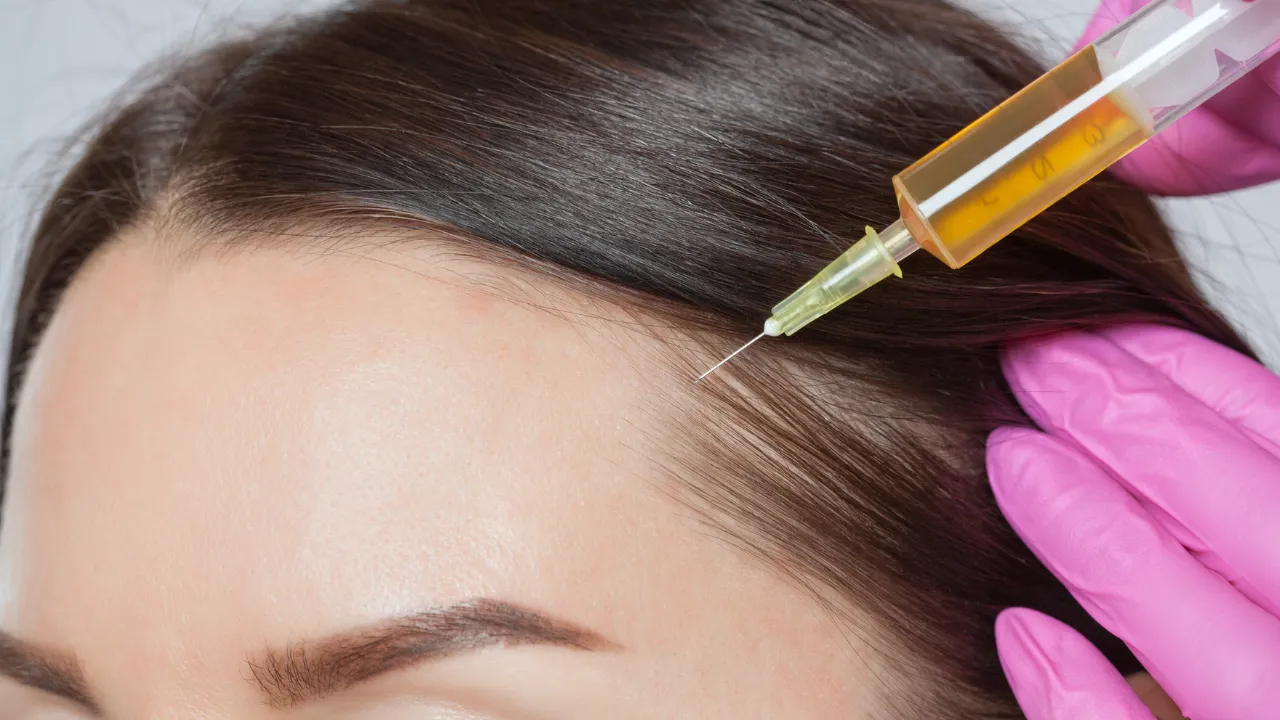
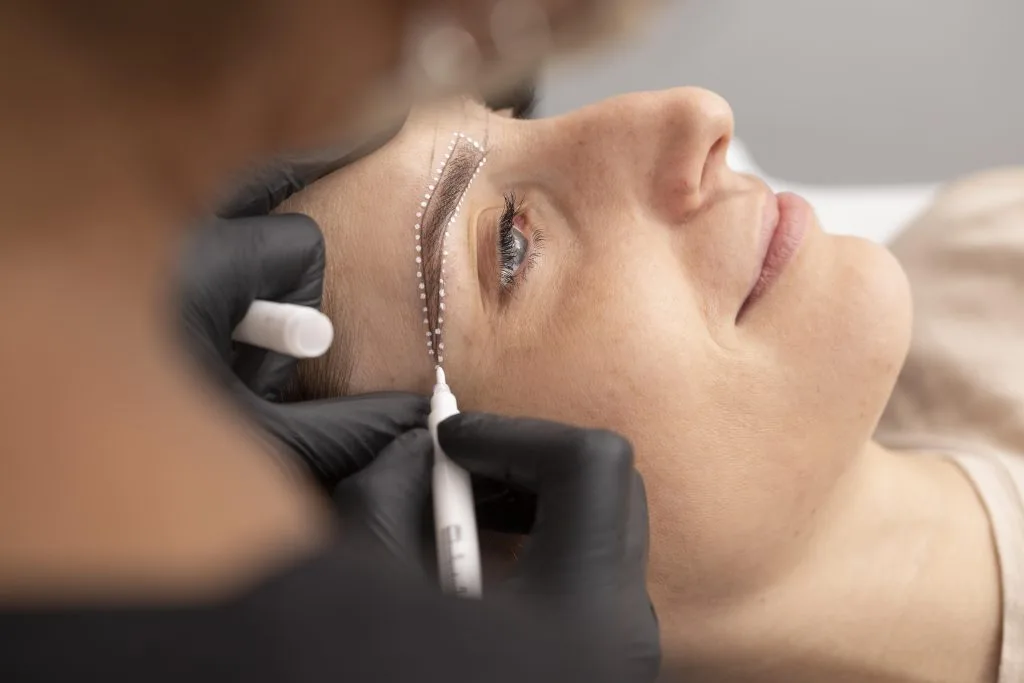
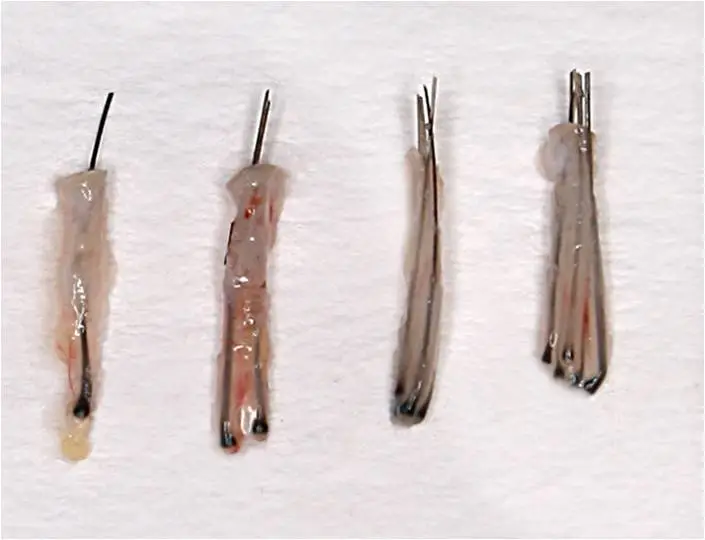
Eyebrow transplants use individual hair follicles placed at specific angles, following established eyebrow transplant procedure steps. These follicles are usually harvested from scalp hair, which closely matches eyebrow texture when selected carefully. Because eyebrows require precise spacing, small differences in graft count can change the appearance of transplanted eyebrows.
Graft counts are calculated per eyebrow, not as a combined total. For example, a recommendation of 200 grafts usually refers to one eyebrow unless stated otherwise. This distinction helps patients better interpret the number of hair grafts.
Typical Eyebrow Graft Ranges
Common graft ranges include:
- Mild thinning or gaps, 50 to 150 grafts per eyebrow
- Moderate loss or reshaping, 150 to 250 grafts per eyebrow
- Full reconstruction, 250 to 400 grafts per eyebrow
These ranges are general guidelines. Individual anatomy may shift the final recommendation.
What Affects The Number Of Eyebrow Grafts
Several factors influence the number of grafts appropriate for an eyebrow transplant. Patients with similar concerns may receive different recommendations based on medical evaluation. Surgeons assess all variables together before confirming a plan.
Eyebrow Shape And Existing Hair
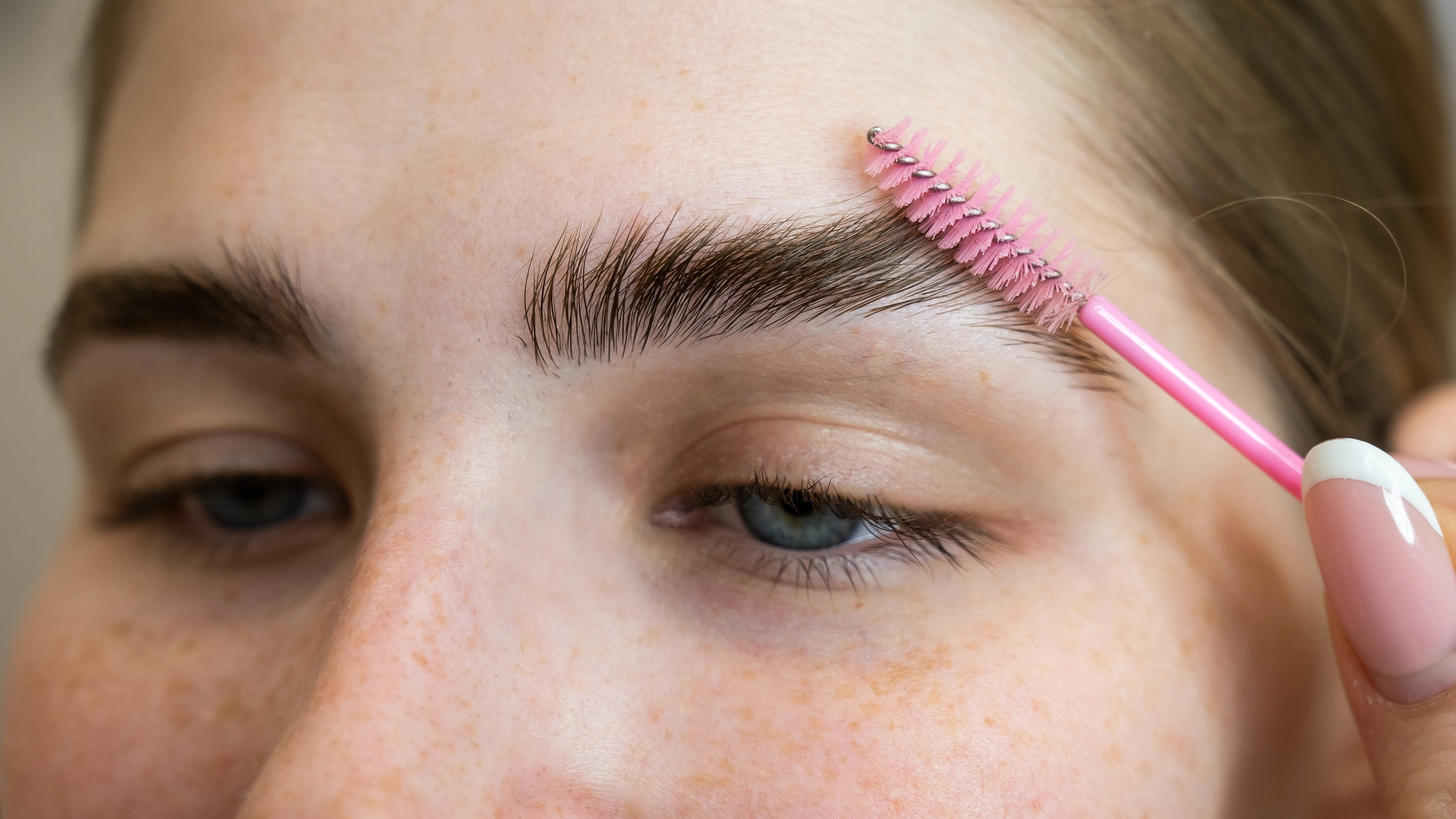
Larger or more defined eyebrow shapes usually require more grafts. Patients with remaining eyebrow hair often need fewer grafts because existing hairs provide baseline density. Filling gaps typically requires fewer grafts than rebuilding the entire brow.
The natural direction of eyebrow hair also affects placement. Complex shapes may require additional grafts to maintain a natural appearance.
Donor Hair Quality And Skin Limits
Donor hair is typically taken from the scalp donor area, often from the back or sides of the head. Hair thickness, curl pattern, and growth direction at the donor site influence how well grafts blend with eyebrow hair transplant results.
The eyebrow area has thinner skin and a more limited blood supply than the scalp. These factors limit the density of grafts that can be placed in a single session and affect long-term survival.
How Surgeons Determine Graft Count
Graft estimation is based on clinical evaluation rather than fixed formulas. Surgeons assess facial proportions, eyebrow position, donor hair availability, and skin characteristics. This process helps balance appearance with safety.
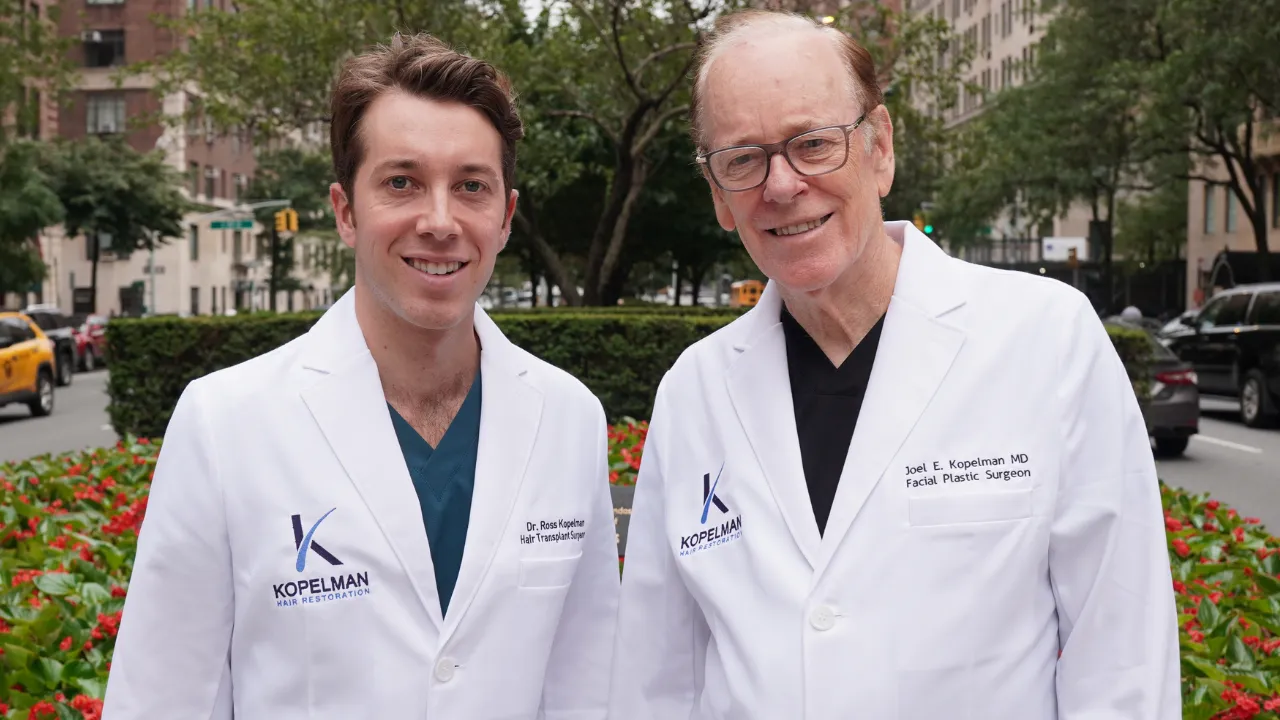
Dr. Kopelman, a physician recognized by the American Board in his specialty, applies evidence-based principles when determining graft numbers. His approach prioritizes long-term eyebrow health rather than aggressive density.
Surgeons may recommend fewer grafts than a patient expects. This recommendation often reflects skin limitations, blood supply, and the condition of the donor area rather than cosmetic preference.
Eyebrow Transplant Before And After Results
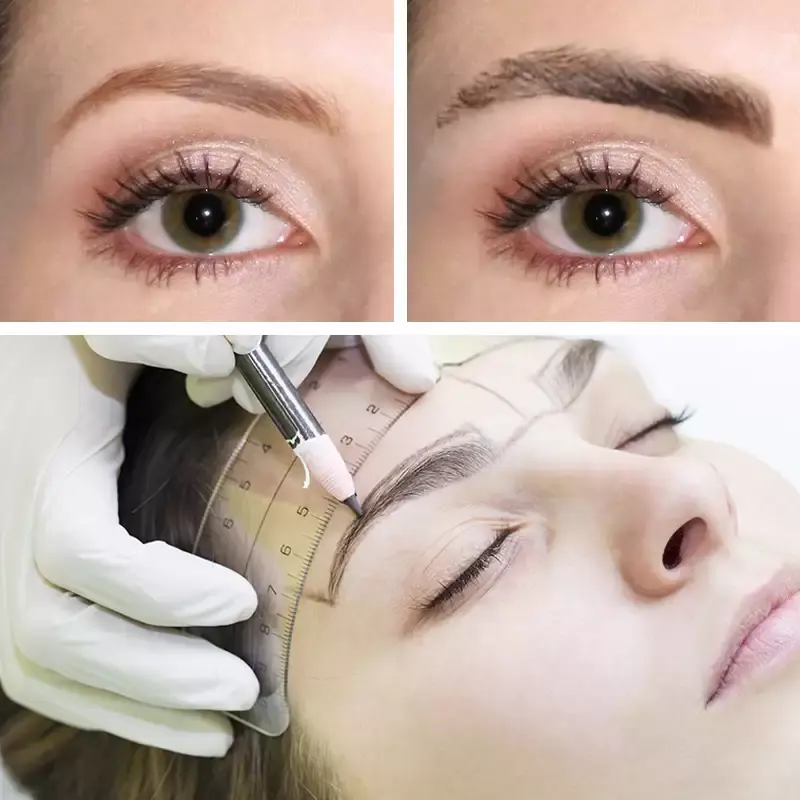
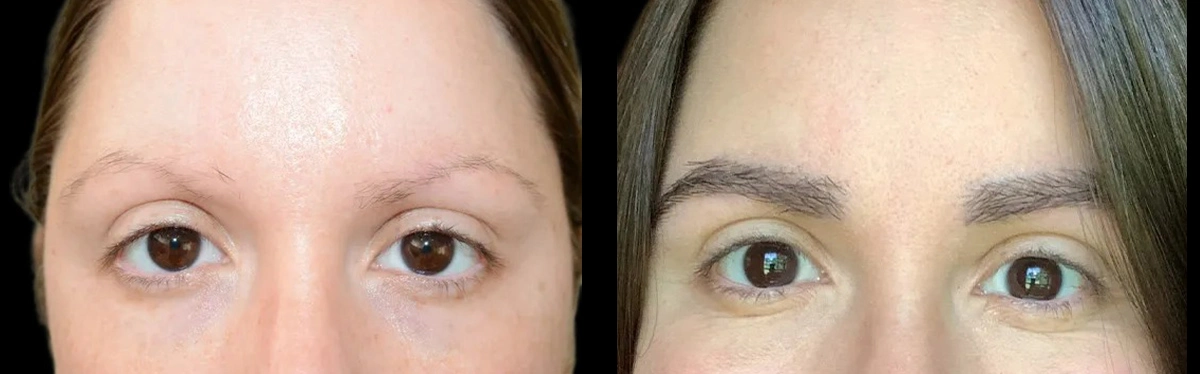
Before-and-after comparisons illustrate how graft count affects eyebrow density. Changes develop gradually as transplanted hair follows its natural growth cycle. Proper placement and healing influence final results.
Higher graft counts generally increase fullness, while lower graft counts produce a softer appearance. Natural outcomes depend on balance rather than maximum density.
Recovery And Long-Term Results
Recovery plays an important role in how grafts settle and grow. During the post-op period, mild redness, swelling, or scabbing may occur and typically resolve within 1 to 2 weeks as part of normal eyebrow hair transplant recovery. Transplanted hairs often shed within the first month, which is a normal part of the healing process.
New eyebrow hair growth usually begins around three to four months. Transplanted eyebrows continue to grow and require routine trimming, as scalp hair does. Final results often become visible between nine and twelve months as hair cycles stabilize.
If you are considering eyebrow restoration and want a personalized graft assessment based on your anatomy and goals, scheduling a consultation can help clarify what is medically appropriate for you. A qualified eyebrow transplant specialist in NYC can evaluate your eyebrows, donor area, and overall suitability for the procedure.