
If you are wondering how to fix a bald spot on the eyebrow, the first step is to identify the cause and check whether the hair follicles are still active. Many cases improve with treatment for issues such as inflammation, thyroid imbalance, autoimmune diseases, or telogen effluvium.
If the follicles are permanently damaged by scarring, a hair transplant may be needed to restore structure. At Kopelman Hair, eyebrow hair loss is evaluated from a medical standpoint before treatment options are discussed.
Key Takeaways
- Bald spots in the eyebrows can be temporary or permanent, so it is important to know if the hair follicles are still healthy before choosing treatment.
- Common causes include autoimmune disorders, autoimmune diseases, thyroid imbalance, overplucking, skin problems such as seborrheic dermatitis and contact dermatitis, stress, telogen effluvium, and low nutrient levels.
- If the follicles are still active, medical care and correction of underlying health issues may allow regrowth within a few months.
- Makeup and cosmetic options improve appearance but do not restore follicle function, while a hair transplant may restore structure when follicles are permanently damaged.
Can You Fix Bald Spots in the Eyebrows?
In many cases, bald spots in the eyebrows can improve. The key factor is whether the hair follicles are still alive. If they are healthy, hair may return with time or treatment. If they are destroyed, hair will not grow back without a procedure such as a hair transplant.
Hair loss in the brows may be due to a minor issue or a more serious medical condition.A clear diagnosis helps guide the right plan. Early evaluation can prevent further eyebrow thinning and help doctors properly treat eyebrow loss.
Do Eyebrow Bald Spots Grow Back?
Yes, eyebrow bald spots can grow back if the hair follicles are still healthy. When hair loss is caused by stress, telogen effluvium, overplucking, or mild inflammation, regrowth is often possible within a few months.
However, if the follicles are permanently damaged by eyebrow scarring conditions or long-term inflammation, the hair will not grow back on its own. In those cases, medical treatment or a hair transplant may be needed to restore density.
Temporary vs Permanent Hair Loss
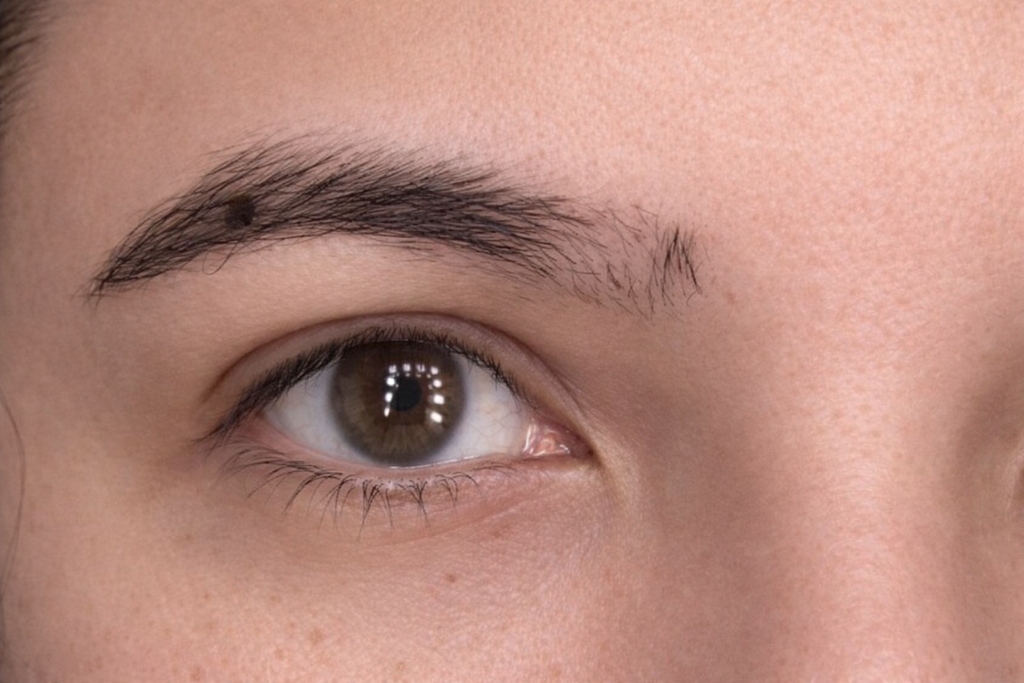
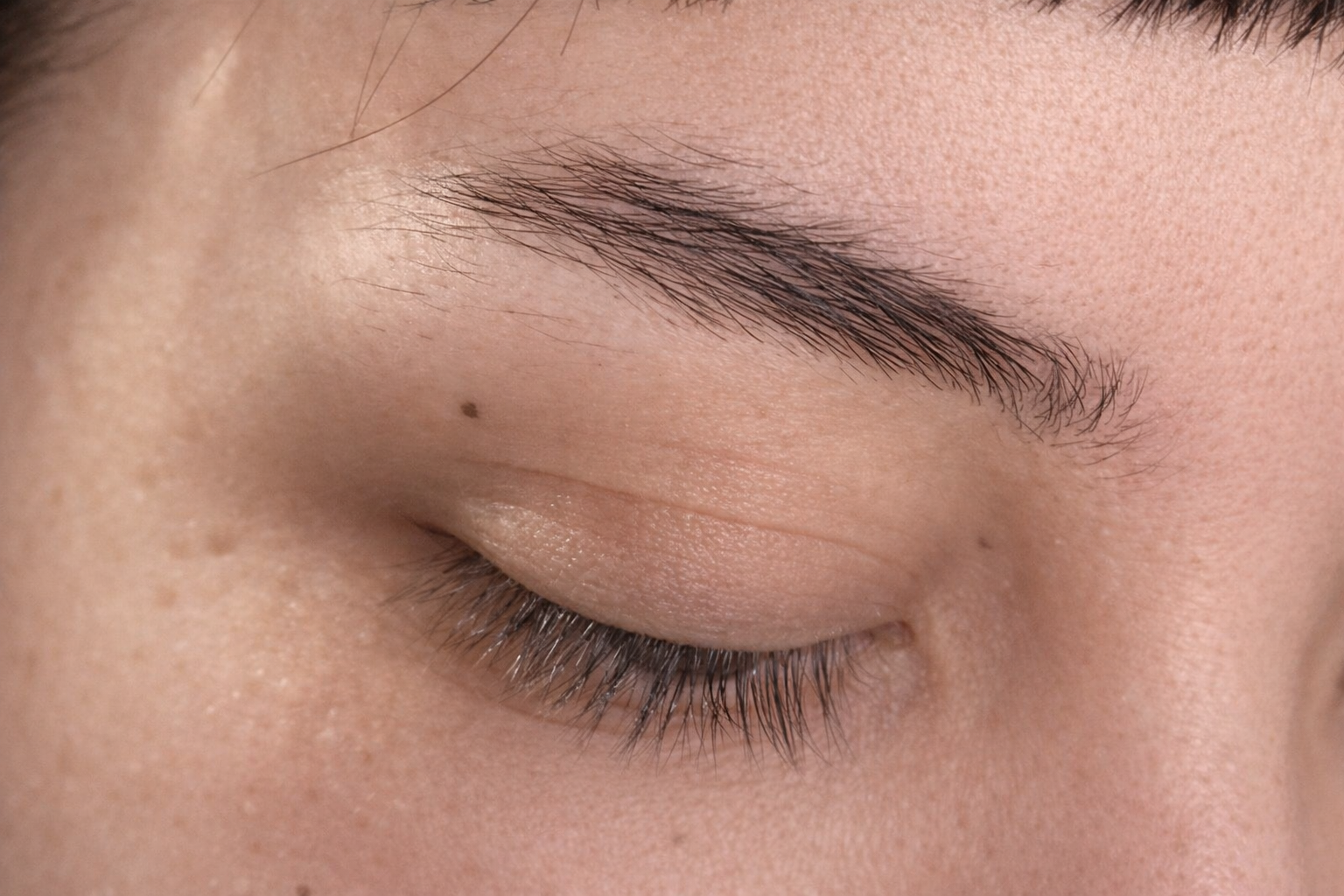
Temporary hair loss often looks like patchy thinning with normal skin. You may see small fine hairs as regrowth begins. Common causes of eyebrow thinning include overplucking, rubbing, stress-related telogen effluvium, and short-term hormone changes.
Permanent hair loss may leave smooth areas or scar tissue. Some autoimmune disorders can damage follicles beyond repair. A medical exam helps tell the difference between temporary eyebrow thinning and lasting bald eyebrows.
Medical Treatments for Regrowth
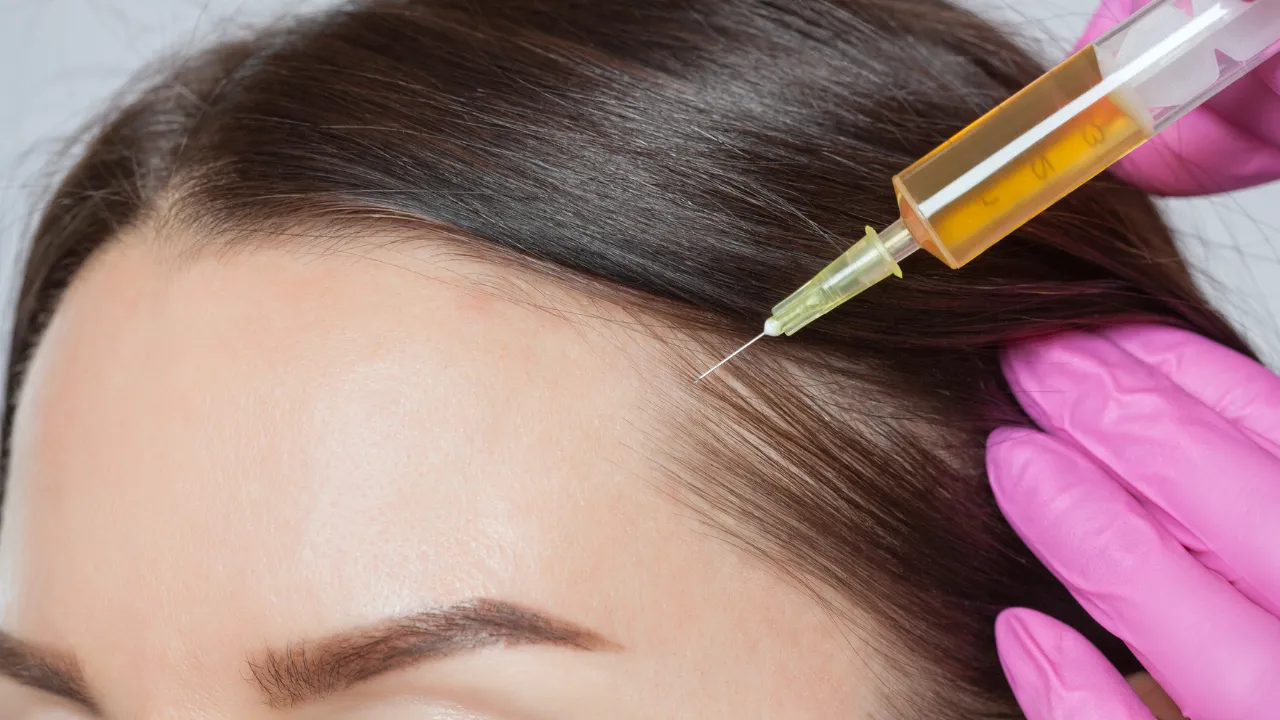
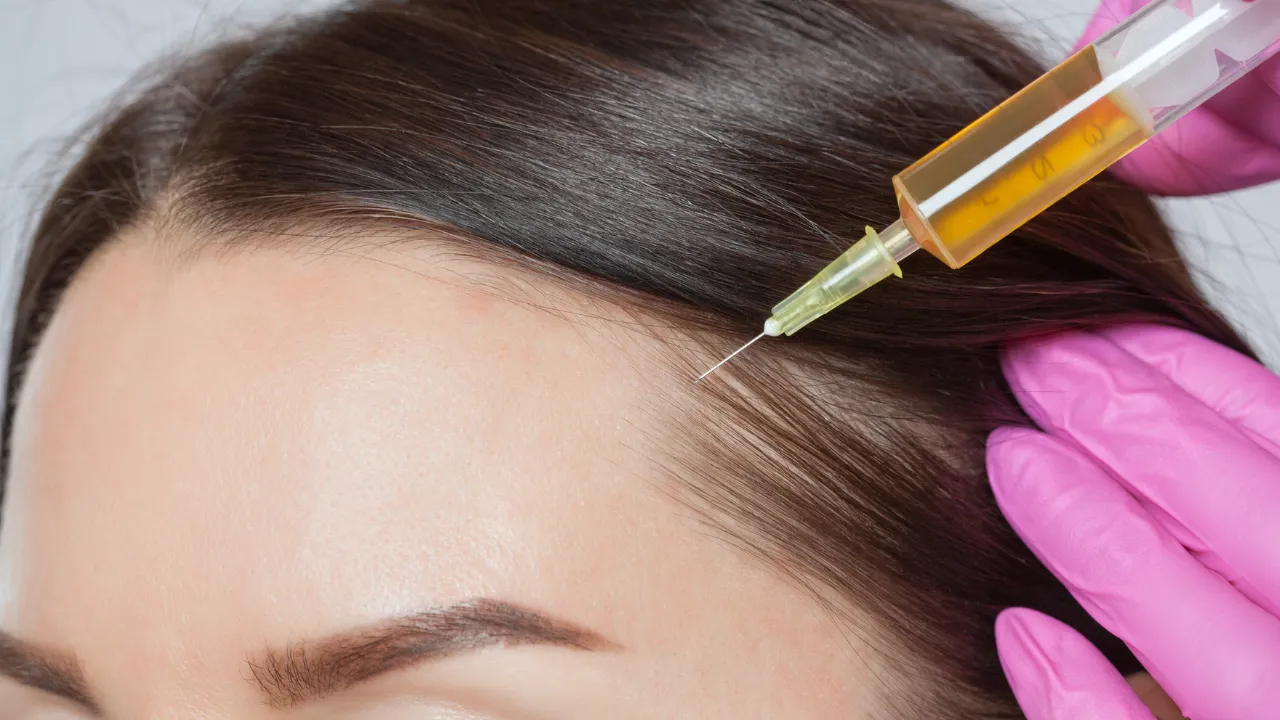
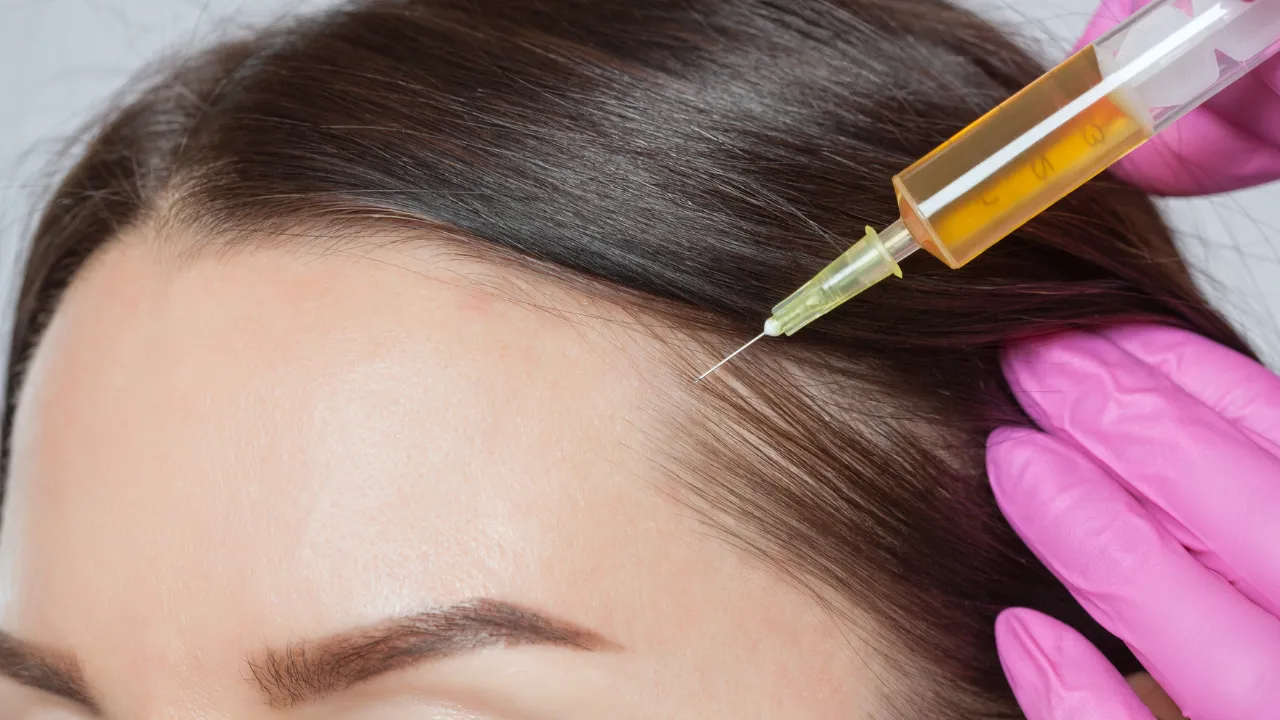
Treatment depends on the cause. Doctors may use steroid creams or injections for conditions such as alopecia areata, which belongs to a group of autoimmune diseases. These treatments aim to calm inflammation and restart growth.
If bald eyebrows are linked to hormone imbalance, blood tests help guide care. Treating thyroid disease or low iron levels can support regrowth. Dr. Kopelman stresses the need to find the medical condition before focusing on cosmetic changes.
Some medications can also cause hair loss as a side effect. Reviewing recent prescriptions is important when sudden shedding appears. Identifying drug-related side effects can prevent unnecessary treatments.
Eyebrow Hair Loss Home Remedies
Home care should protect the skin and hair. Wash gently and avoid rubbing or scratching. If hair loss is from overplucking, stopping the habit often allows recovery.
Home remedies should not delay medical care if hair loss spreads or worsens. Signs of more serious causes of loss include rapid shedding, scalp involvement, or ongoing eyebrow thinning. Early assessment supports safe treatment.
How to Fill in Eyebrows With No Hair
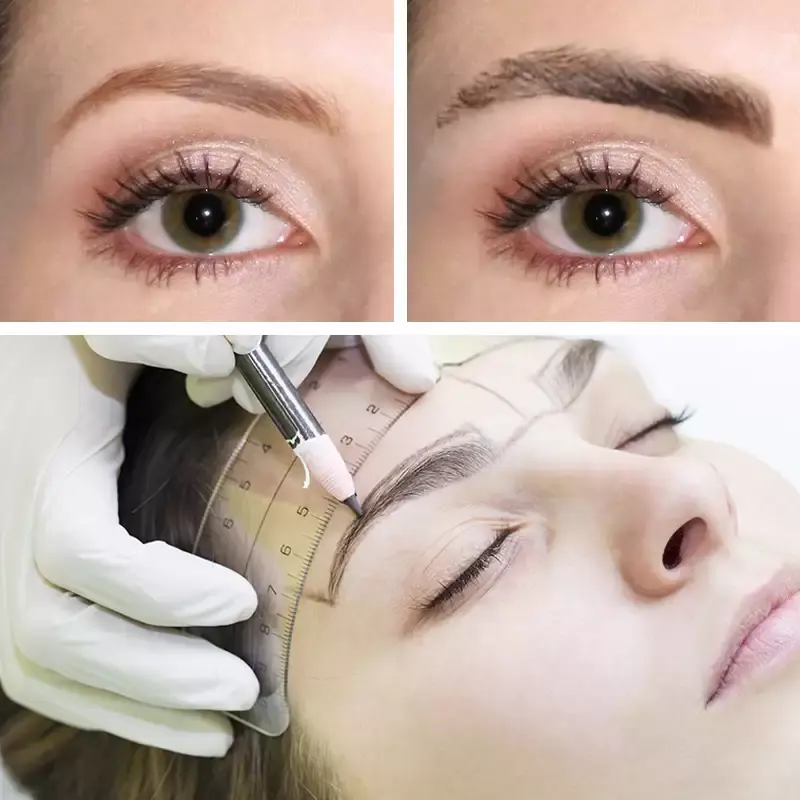
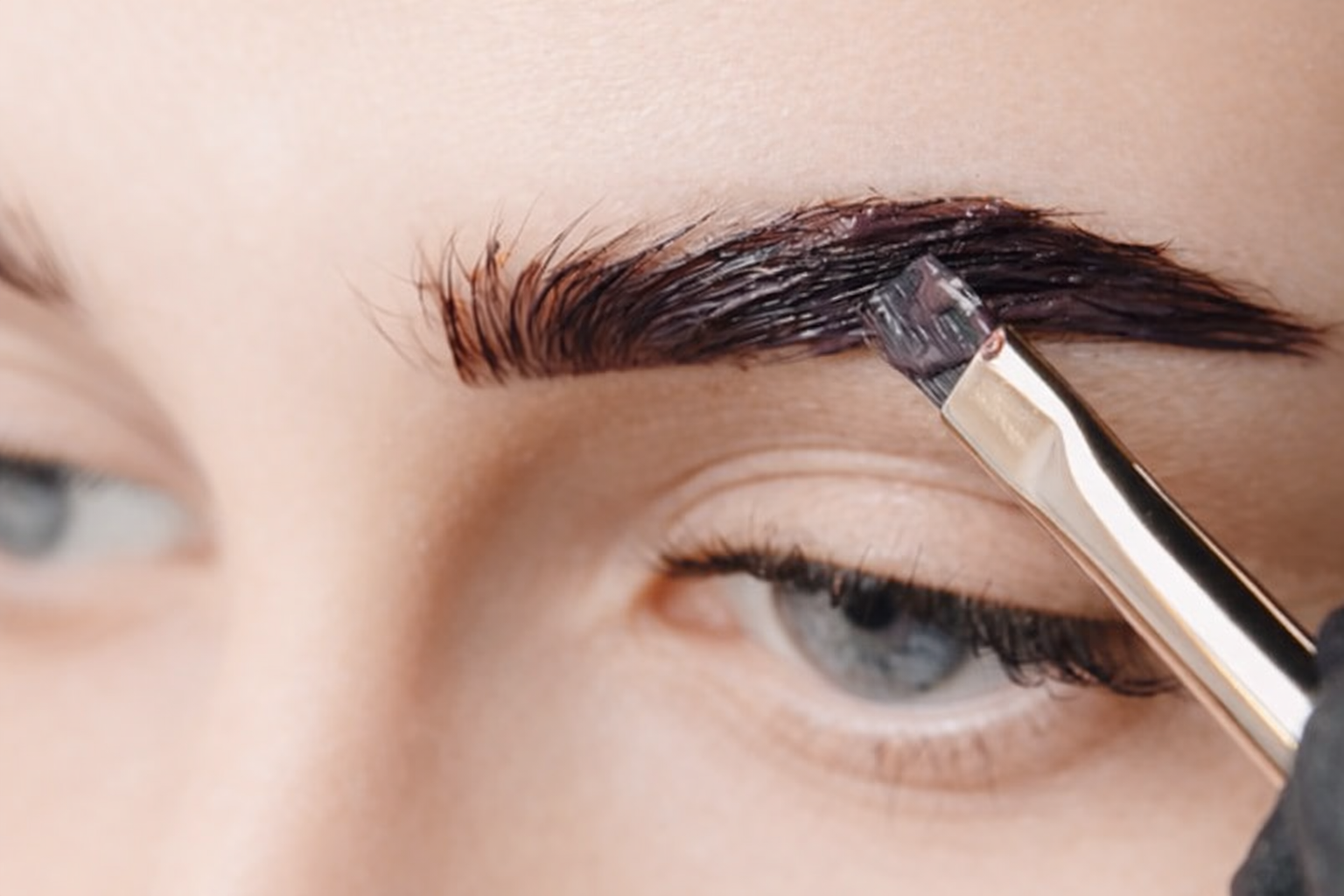
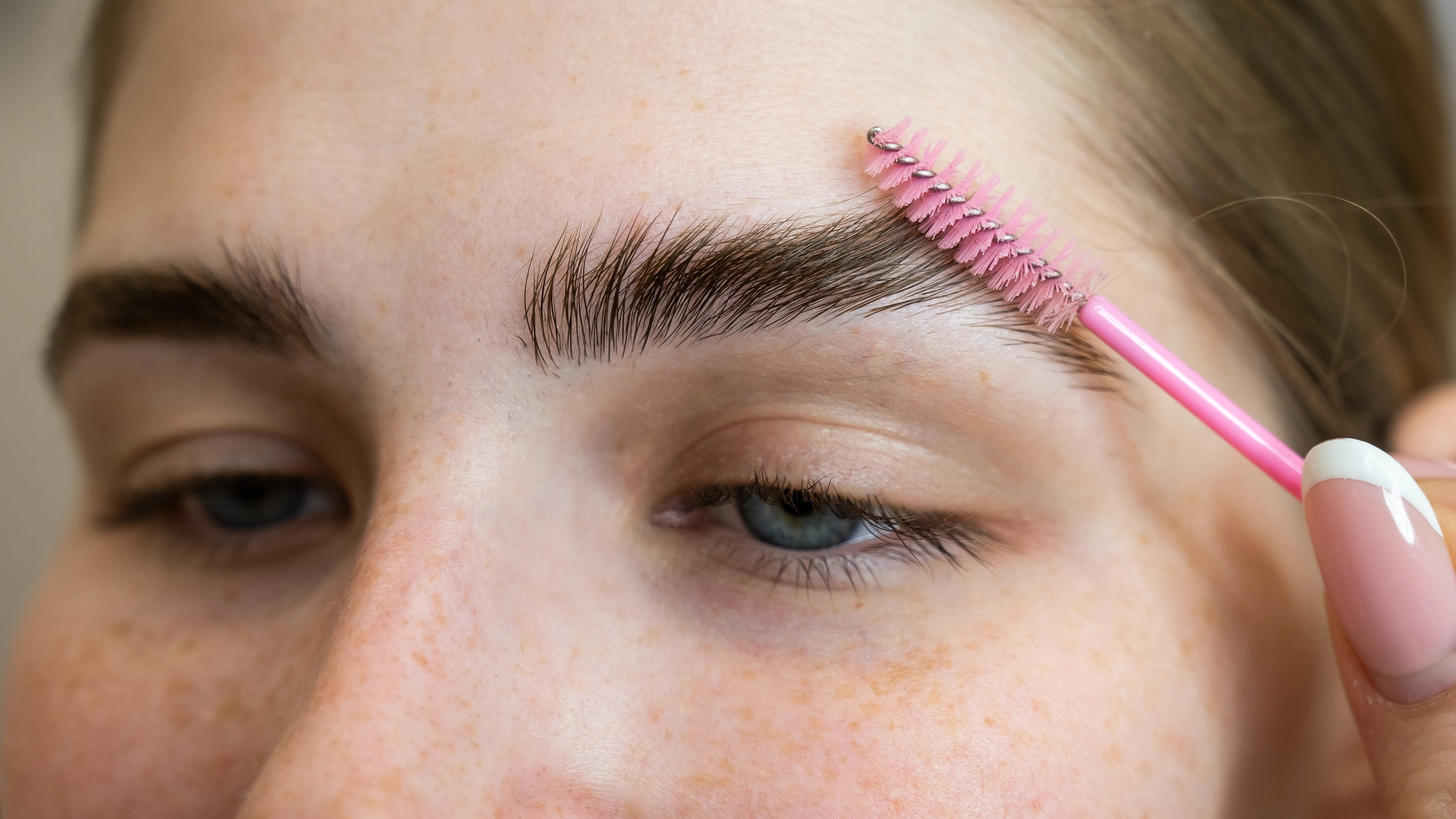
Makeup can create the look of fuller brows. Pencils, powders, and gels add color and shape. Microblading offers a longer-lasting option for stable hair loss.
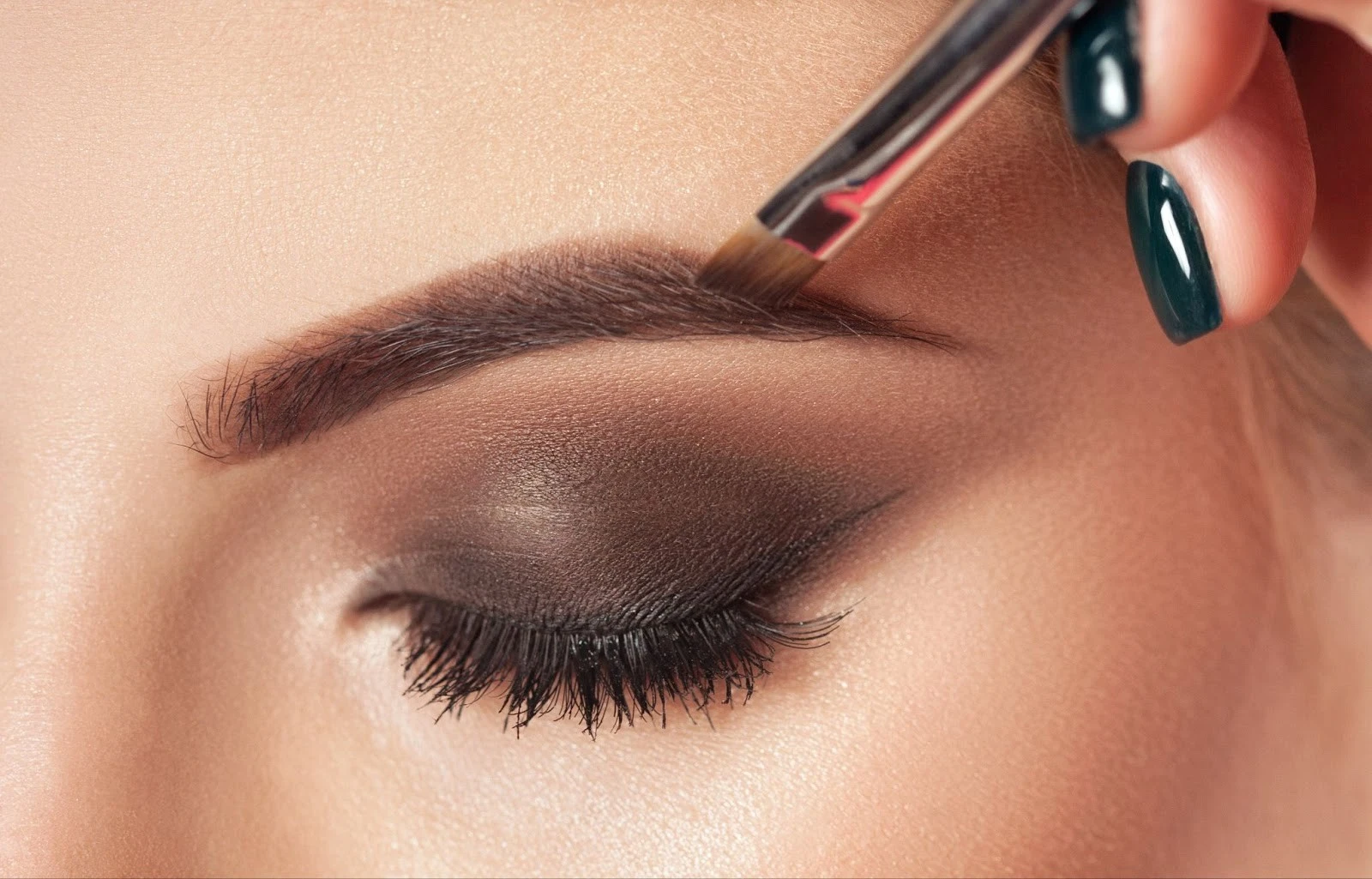
These methods improve the appearance of the brows but do not change how hair grows. Cosmetic care does not repair damaged follicles. It only improves appearance while doctors work to treat eyebrow loss at its source.
Why Do My Eyebrows Fall Out When I Rub Them?
Rubbing the eyebrows causes repeated friction. This stress can weaken the hair shaft and irritate the follicle. Over time, this can lead to hair loss, thinning, and visible bald spots in the eyebrows.
If itching leads to rubbing, the skin condition should be treated. Seborrheic dermatitis and contact dermatitis are common causes of irritation in the brow area. Reducing inflammation helps protect remaining hairs and prevent further hair loss, including ongoing shedding.
Thyroid and Hormonal Imbalances
Hormones control the hair growth cycle. Thyroid problems can cause thinning, especially in the outer third of the brow. This pattern is often linked to low thyroid function.
Blood tests help confirm a hormone imbalance. Treating the thyroid disorder may stabilize hair growth. Regrowth can take several months once levels are corrected.
Skin and Scarring Conditions
Skin problems can directly affect follicle health. Seborrheic dermatitis may cause redness, flaking, and irritation that disrupts normal growth. Contact dermatitis from cosmetics or skincare products can also trigger shedding.
Some scarring conditions cause permanent loss. Frontal fibrosing alopecia is one example that can affect the brows along with the hairline. In these cases, early diagnosis is important to limit progression.
Nutritional Deficiencies and Stress
Low iron or other nutrient shortages can slow hair production. Lab tests help identify these issues. Correcting deficiencies supports recovery over time.
Physical or emotional stress can trigger telogen effluvium. This condition pushes more hairs into the resting phase at once. Hair often returns after the body stabilizes.
When to See a Specialist
Some signs suggest that hair loss may be part of a larger medical condition. A small patch from overplucking is different from rapid or spreading loss.
Seek medical care if you notice:
- Sudden widespread hair loss
- Hair loss on the scalp or eyelashes
- Fatigue or weight changes
- Redness, pain, or scaling
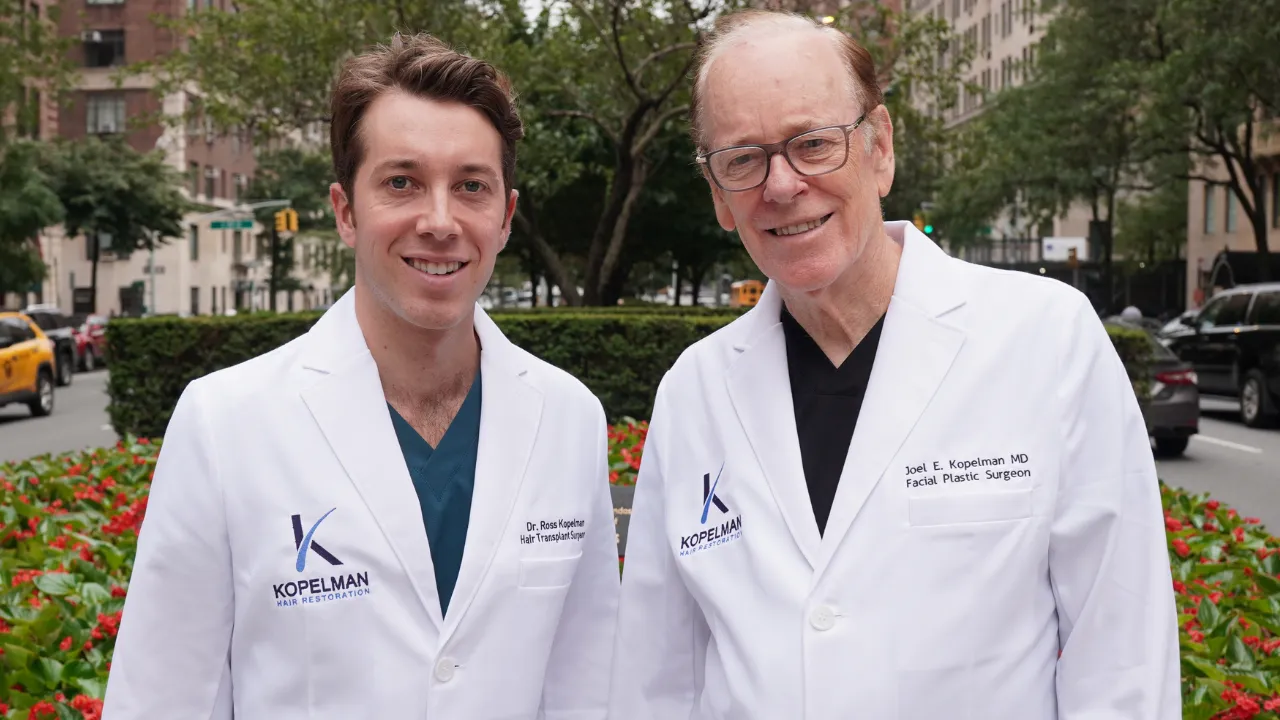
If hair loss continues despite home care, a medical visit can clarify the cause. Dr. Kopelman examines the skin, hair pattern, and health history to guide safe next steps.
Permanent Solutions for Bald Eyebrows
If follicles are permanently damaged, hair will not grow back on its own. In these cases, a structural solution may be needed.
Is an Eyebrow Transplant Right for You?
An eyebrow transplant in NYC is a type of hair transplant that moves healthy follicles from another area to the brow. This restores density where follicles no longer work. Candidates should have stable hair loss and enough donor hair.
Dr. Kopelman places each graft carefully to match the natural direction and angle. Proper placement helps create a natural result.
What to Expect From Treatment
The procedure uses local anesthesia. Individual follicular units are placed into the brow area.
Transplanted hairs shed at first, then begin a new growth phase. Visible regrowth appears slowly over several months. For people with permanent bald eyebrows, a hair transplant offers a long-term structural option.
If you are experiencing persistent eyebrow thinning or bald spots, a medical evaluation can help clarify the cause and outline appropriate treatment options.
Dr. Kopelman assesses eyebrow hair loss with a focus on diagnosis and long-term planning. To learn more about your specific situation, you may schedule a consultation for a detailed evaluation.