
Table of Contents
ToggleAn M-shaped hairline is one of the most common early signs of male pattern baldness. It starts when the hair thins at the temples while the middle of the hairline stays thicker, forming an “M.” At Kopelman Hair, specialists use advanced restoration methods to rebuild a natural, balanced look. Led by Dr. Ross Kopelman, the team provides personalized care to help patients stop shedding and stimulate hair growth safely.
Key Takeaways
- An M-shaped hairline is one of the earliest signs of androgenetic alopecia, often caused by genetics and sensitivity to the hormone DHT.
- Early diagnosis allows patients to begin treatment before permanent bald spots form, improving the chances of restoring natural hair density.
- Both non-surgical options like PRP and medications, and surgical methods like FUE, can effectively treat M shape hair loss depending on its stage.
- Lifestyle choices such as balanced nutrition, stress control, and gentle hair care play an important role in maintaining long-term results.
- Under expert guidance, patients can stop shedding, stimulate new growth, and restore a balanced, natural-looking hairline.
What Is an M-Shaped Hairline?
How to Recognize the M-Shape Pattern
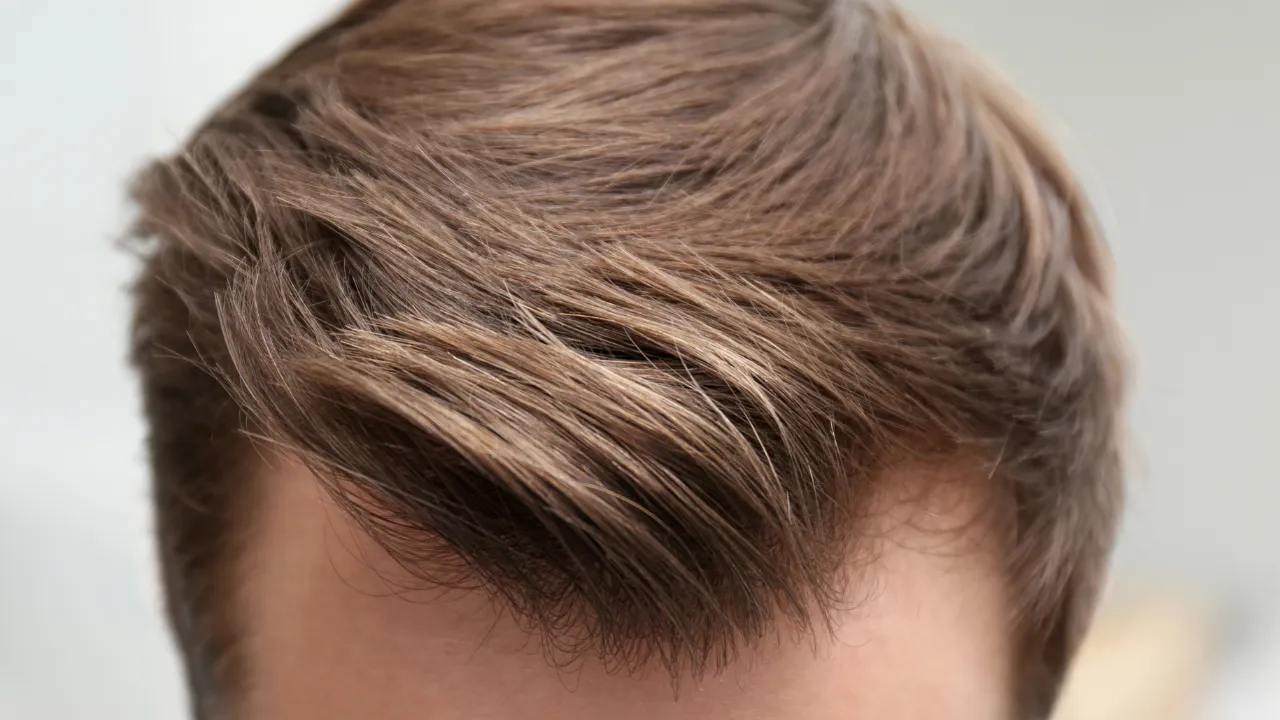
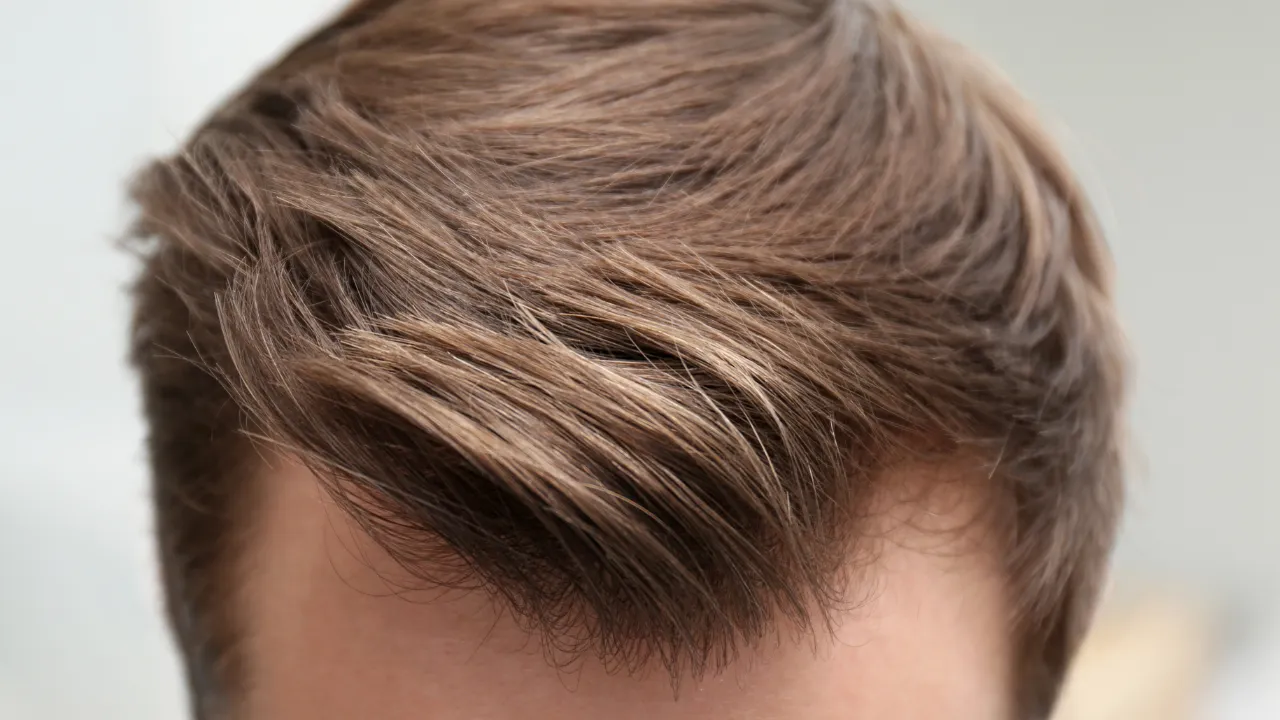
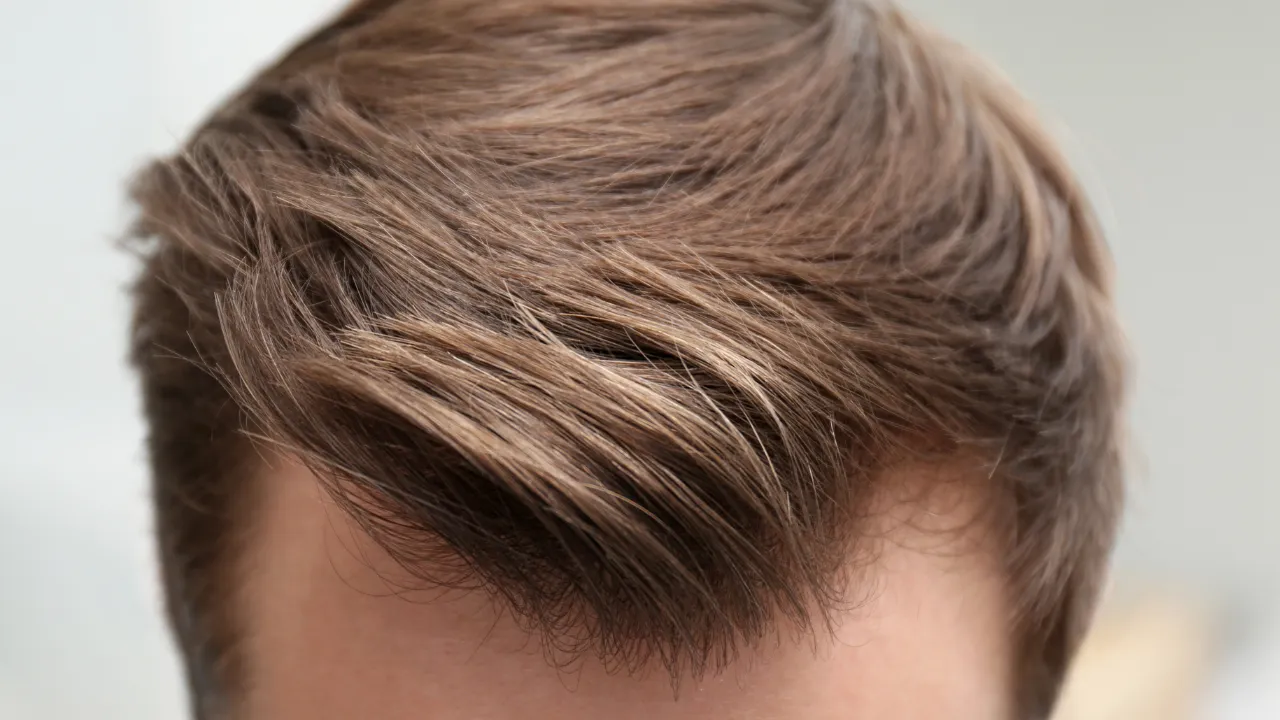
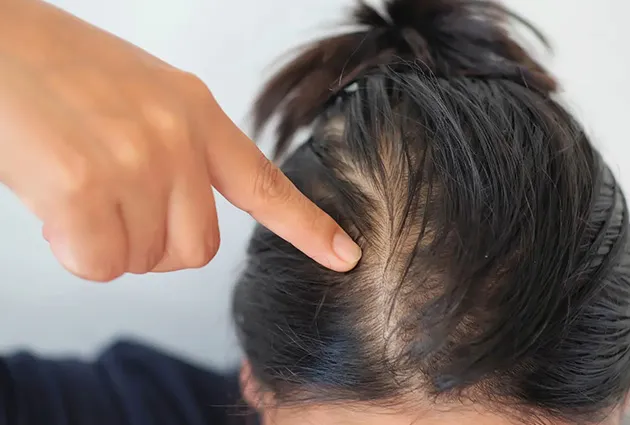
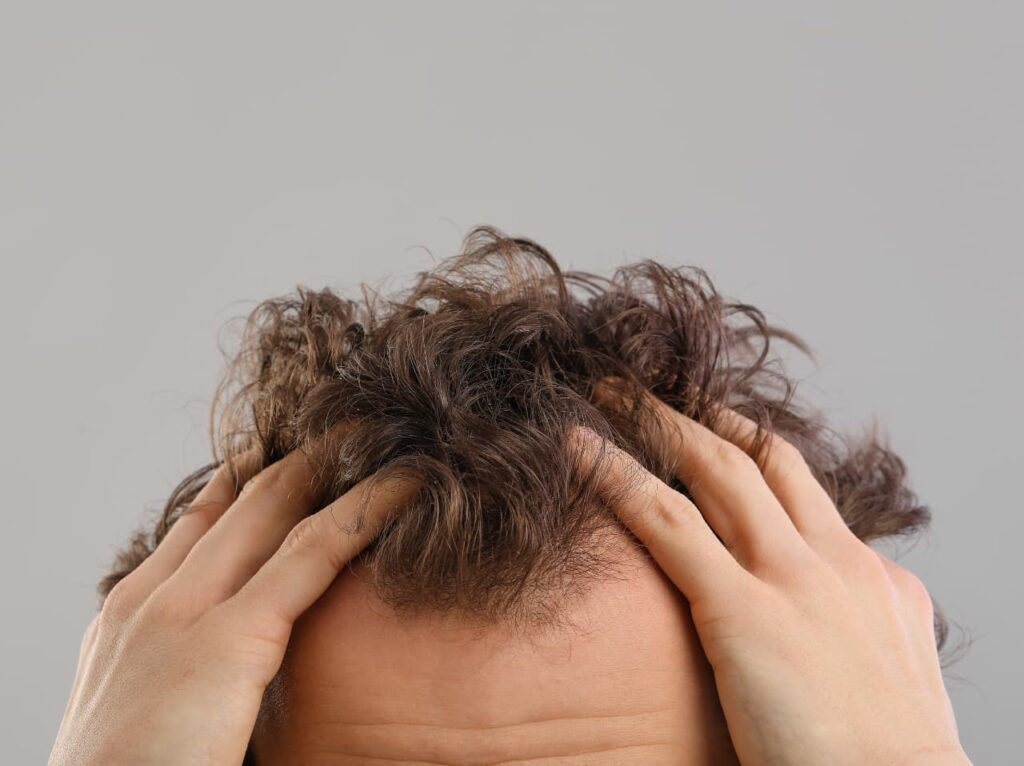
An M-shaped hairline appears when recession occurs on both sides of the forehead, leaving a point in the center. This type of hair loss is often caused by androgenetic alopecia, also known as male pattern baldness.
Unlike a normal maturing hairline, an M-shape shows deeper thinning at the temples. Recognizing this early allows patients to start hair loss treatment before permanent bald spots form.
Maturing Hairline vs. True Hair Loss
A maturing hairline moves back slightly and evenly with age, which is normal. M shape hair loss is different, showing deeper and uneven thinning at the temples.
If the hairline keeps receding or the scalp becomes more visible, androgenetic alopecia may be developing. Early diagnosis improves success rates for hair restoration and helps prevent advanced bald spots.
What Causes M Shape Hair Loss?
The Role of Genetics and DHT
Genetics is the main cause. Men who inherit sensitivity to the hormone dihydrotestosterone (DHT) often experience thinning at the temples. DHT shortens the growth cycle and weakens follicles over time.
Lifestyle and Health Factors That Contribute
Other factors such as stress, poor diet, or inflammation can also lead to hair loss. At Kopelman Hair, doctors evaluate scalp health and medical history to identify the specific type of hair loss before recommending treatment options.
Main Causes of an M-Shaped Hairline
Several factors can contribute to this pattern of loss:
- Genetics: Family history increases risk.
- Hormones: DHT causes follicles to shrink and weaken.
- Age: Hair growth slows naturally over time.
- Lifestyle: Stress, tight hairstyles, and poor nutrition harm follicles.
- Medical conditions: Thyroid issues or certain medications may contribute.
Dr. Ross Kopelman evaluates each factor to design precise, individualized treatment plans.
How to Spot Early M Shape Hair Loss
Early Signs to Watch For
Early detection gives patients more treatment options and better results. Look for:
- Thinning at the temples or forehead corners
- A widening hairline or deeper recession
- Excess shedding on the pillow or in the shower
- Fine, weak strands replacing thicker ones
Specialists can determine whether these signs indicate normal aging or early-stage androgenetic alopecia.
How Androgenetic Alopecia Creates the M Shape
Androgenetic alopecia gradually shrinks follicles in areas sensitive to DHT, such as the temples and crown. As follicles shrink, they produce finer hairs until growth stops.
Treating DHT sensitivity and improving circulation can stimulate hair growth. Dr. Ross Kopelman uses diagnostic imaging to locate active follicles and preserve them before they become inactive.
How Fast Does the Hairline Recede?
The rate of recession varies from person to person. Some men notice visible thinning within a few years, while others experience slow, gradual loss.
Advanced imaging helps monitor follicle density and measure the rate of hairline change, allowing for more accurate and targeted hair loss treatment.
Treatment Options for M Shape Hair Loss
Non-Surgical Treatments to Stimulate Hair Growth
When follicles remain active, non-surgical therapies can stimulate hair growth and strengthen thinning areas. Common treatment options include:
- Medications: Finasteride and minoxidil slow loss and promote regrowth.
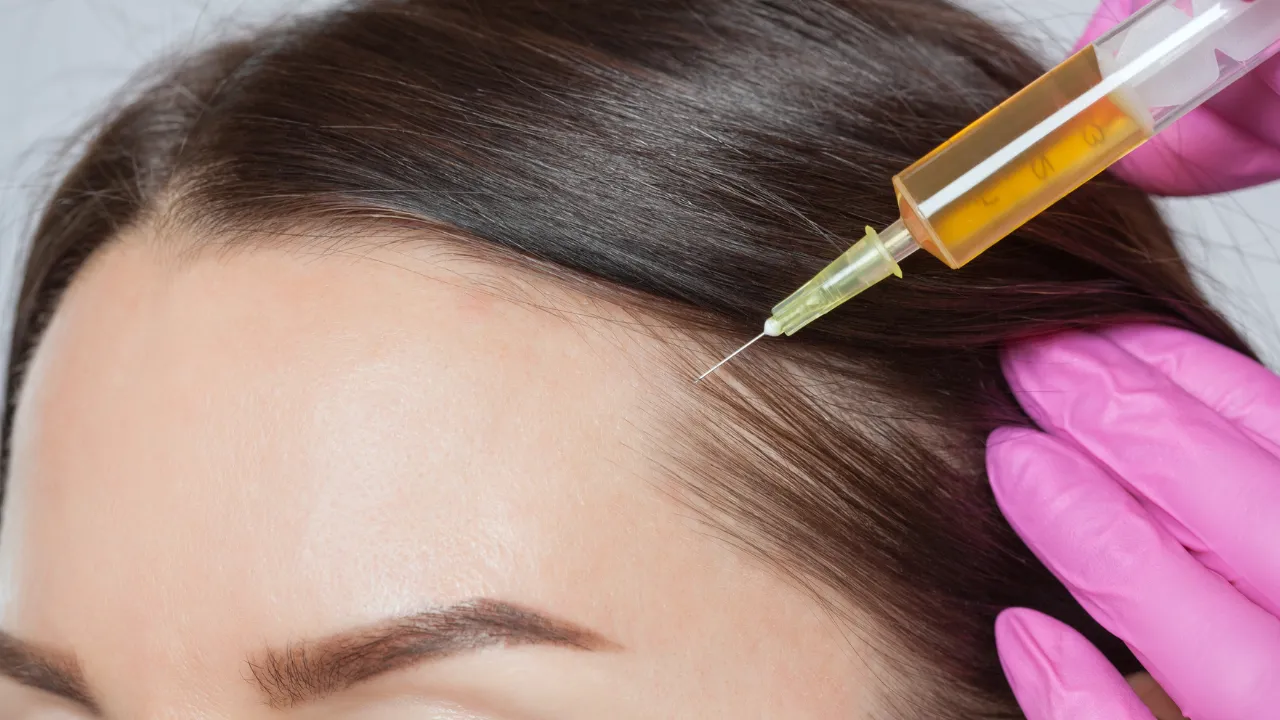
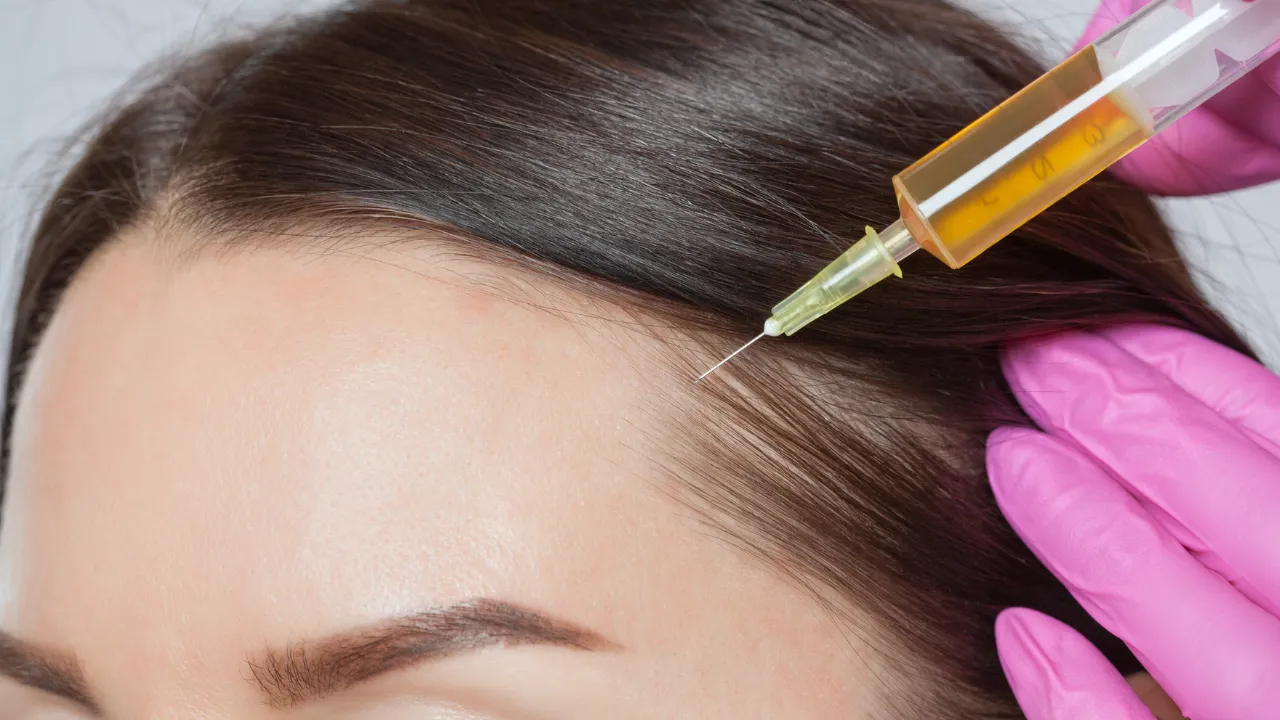
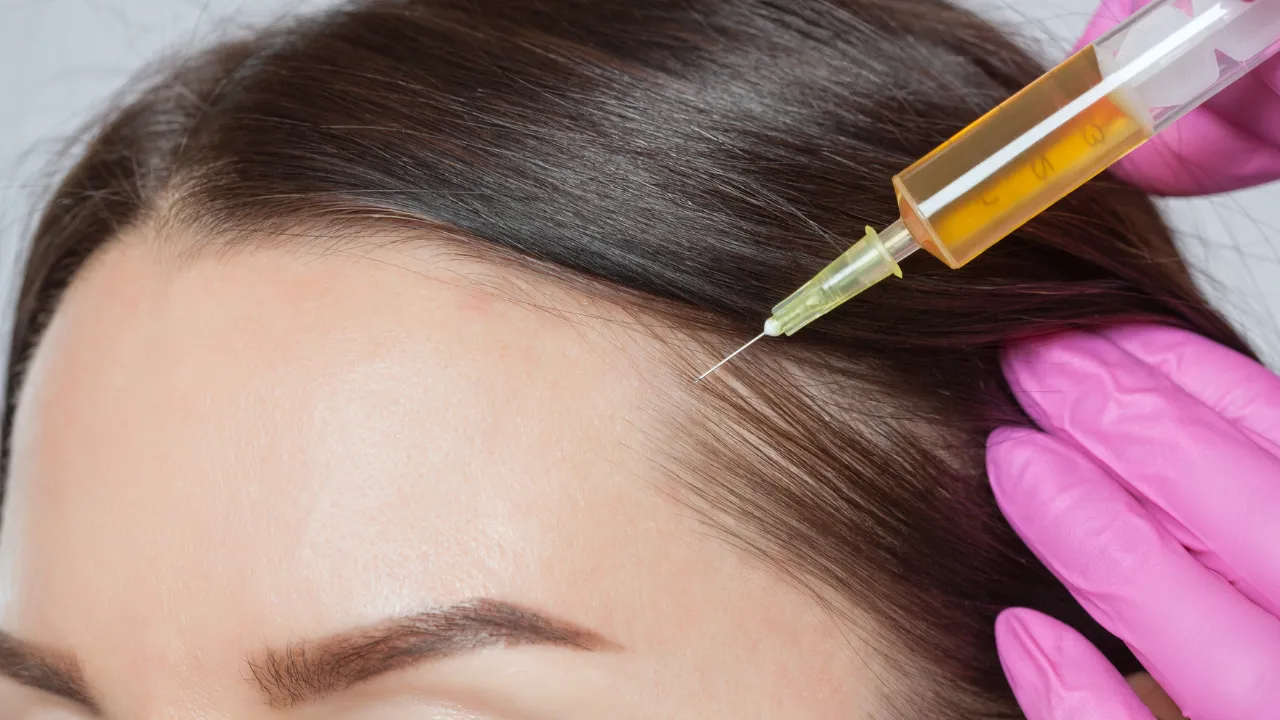
- PRP Therapy: Platelet-rich plasma from the patient’s blood strengthens follicles.
- Low-Level Laser Therapy (LLLT): Boosts blood circulation in the scalp.
- Nutritional Support: Vitamins for hair growth and mineral-rich diets improve scalp health.
These therapies are often combined for stronger results. Every plan is personalized to match each patient’s pattern and stage of hair loss.
Surgical Hair Restoration Using FUE or FUT
When hair loss advances or bald spots form, surgery offers a lasting solution. The Follicular Unit Extraction (FUE) method is preferred because it leaves minimal scarring and produces natural growth patterns.
During FUE, surgeons transplant healthy follicles from dense areas to thinning regions. Each graft is placed carefully to match natural direction and density for seamless results.
FUE vs. FUT: Which Procedure Is Better?
Both procedures restore the hairline effectively, but they differ in technique:
Preventing Further Hair Loss
Daily Habits That Protect Hair Health
Preventing future thinning helps maintain long-term results. You can protect your hair by:
- Eating a diet rich in protein, iron, and omega-3s
- Managing stress with regular exercise and rest
- Avoiding tight hairstyles and harsh chemical products
- Scheduling routine scalp checkups
Nutritional and Lifestyle Tips to Support Growth
These habits keep follicles strong and improve the effects of hair restoration. Consistent care, healthy nutrition, and good sleep promote stronger regrowth and prevent further hairline recession.
Emotional and Psychological Impact
How Hair Loss Affects Confidence
Changes in your hairline can affect self-image and confidence. Many patients feel anxious as their appearance changes.
A compassionate medical team can guide you through both the physical and emotional sides of treatment, ensuring support at every stage of recovery.
Support and Counseling During Hair Restoration
Some patients benefit from counseling or peer support during treatment. Emotional care is an essential part of achieving lasting confidence along with physical improvement.
Expert Hair Restoration Process
How Specialists Diagnose and Plan Treatment
The process begins with a detailed scalp evaluation. Using digital imaging, the surgeon measures follicle health, scalp condition, and DHT sensitivity.
A custom plan may include medical therapy, PRP, or surgery depending on the patient’s needs. The goal remains consistent — stop loss, stimulate hair growth, and restore a natural shape.
Timeline for Visible Results
Visible improvement takes time but is achievable with consistent care:
- Medical and PRP treatments: Noticeable improvement within 3–6 months.
- Surgical hair restoration: Full results within 9–12 months.
Regular follow-ups help track progress and fine-tune the treatment plan as needed.
Expert Insight from Dr. Ross Kopelman
With over 40 years of combined family experience, Dr. Ross Kopelman has treated nearly every type of hair loss, from mild thinning to advanced bald spots. He emphasizes that early treatment offers the best chance for long-term success.
His approach blends medical precision, artistry, and individualized care to deliver safe, natural results that rebuild confidence.
Restoring Confidence Through Expert Hair Care
If you notice temple thinning or an uneven hairline, expert evaluation can make all the difference. At Kopelman Hair, patients receive precise diagnosis and effective hair loss treatment guided by years of experience.
Whether through medication, non-surgical therapy, or advanced hair restoration, the clinic helps patients regain confidence and achieve fuller, natural-looking results.