
If you want a non-medicated starting point, check out our guide on beard growth cream and how it compares to topical treatments.
How Minoxidil Works for Beard Growth
Topical Minoxidil activates dormant follicles, prolongs the anagen (active growth) phase, and converts fine vellus hairs into thicker terminal hairs. A randomized, double-masked, placebo-controlled study found that 3% minoxidil applied twice daily produced a statistically significant increase in facial hair count within 16 weeks.
Response varies by individual; genetics, age, and baseline follicle activity all influence outcomes, but most users who stay consistent for six or more months report visible improvement.
Does Minoxidil Affect Beard Growth?
How Minoxidil Stimulates Facial Hair Follicles
Minoxidil’s primary active metabolite is minoxidil sulfate, produced through the sulfotransferase enzyme. Its vasodilatory properties increase blood flow to follicles, delivering the nutrients needed to transform fine vellus hairs into thicker, pigmented terminal hairs. Over time, this leads to denser and darker coverage.
Minoxidil for Beard Growth: Evidence and Results
The strongest published evidence comes from a randomized, double-masked, placebo-controlled trial of 48 men aged 20 to 60, which confirmed a statistically significant increase in hair count after 16 weeks of twice-daily use. A peer-reviewed case study of identical twins, one using 5% topical minoxidil foam daily for over a year and the other abstaining, showed clear differences in density and coverage by month 16, with the treated twin developing noticeably fuller results across both the beard and mustache areas.
Before-and-after outcomes consistently highlight increased coverage in previously patchy areas. For many users, early visual progress is what sustains the routine through the slower initial months.
Rogaine Beard Before and After: What to Expect
Rogaine, a brand name for minoxidil, produces consistent results when applied regularly. The typical progression unfolds as follows:
Minoxidil Beard Transformation: Timeline and Expectations
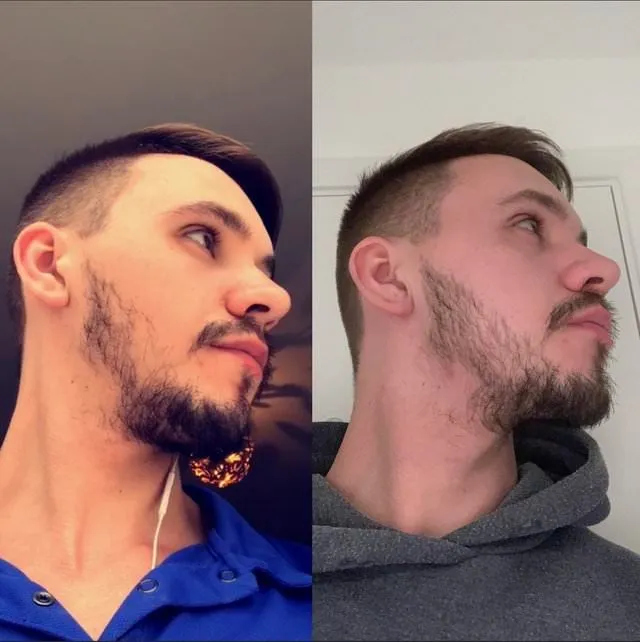
1–2 Months: Early signs of growth, with light vellus hairs becoming visible.
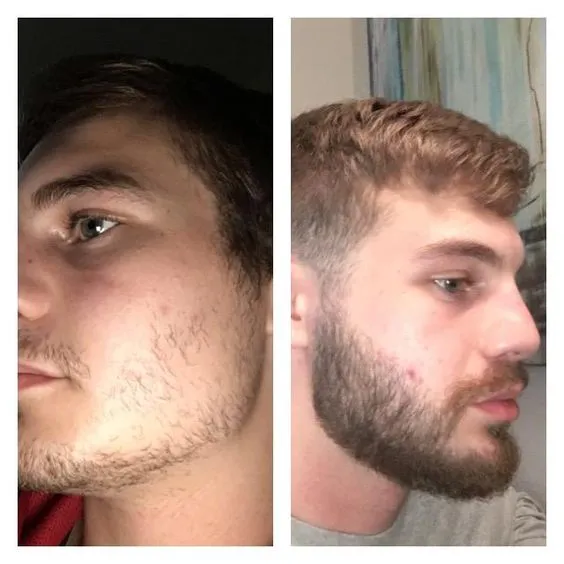
3–6 Months: Density improves and hairs begin to darken and coarsen. Some users experience a temporary shedding phase around month 3, representing follicles exiting the telogen phase before re-entering active growth; this is normal and resolves on its own. Clinical data and patient outcomes show noticeable minoxidil results after three to six months of regular use.
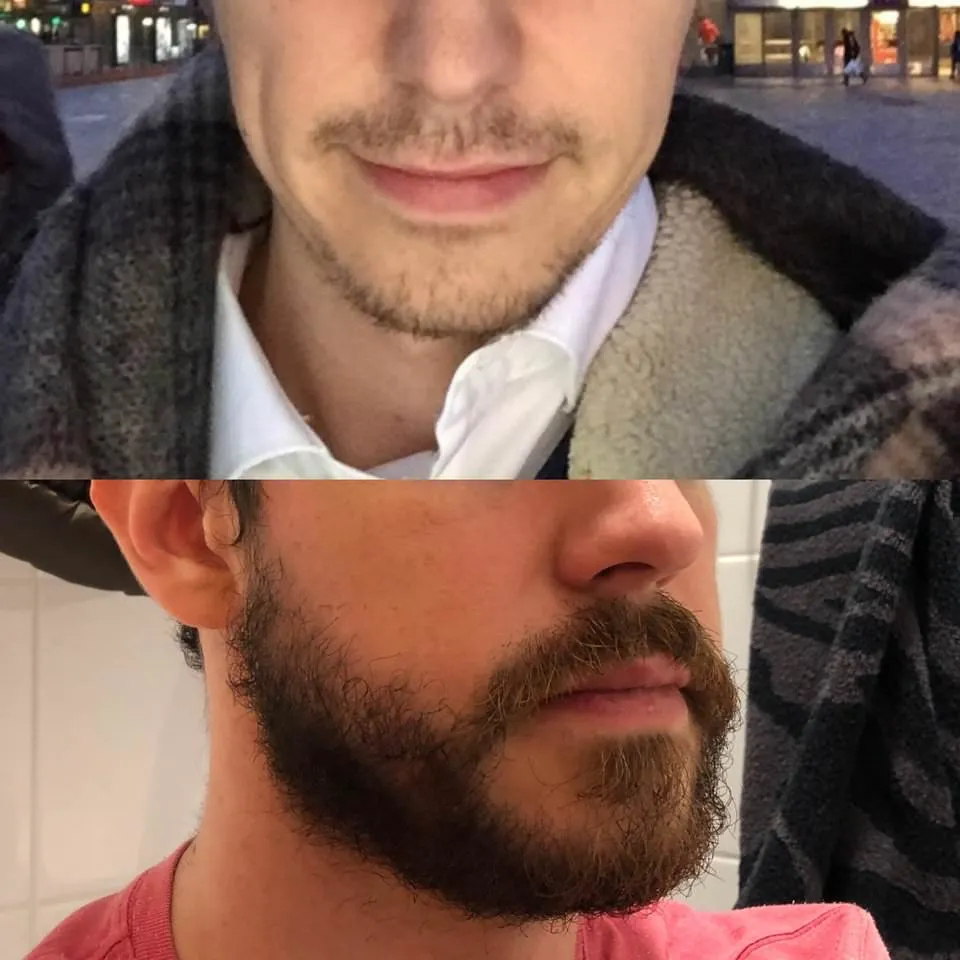
6–12 Months: More uniform coverage, with fuller, terminal-quality hair in previously sparse areas.
Results depend on genetics, age, and consistency. Once your beard starts filling in, you can experiment with various beard styles for men to match your new look.
Using Minoxidil for a Fuller Beard
Proper application is the single most controllable factor in your outcome. Consistency and technique make all the difference.
How to Apply Minoxidil for Beard Growth
- Clean Your Face: Wash and dry thoroughly to remove oil and product buildup.
- Measure the Dose: 1 mL for liquid formulation, or half a cap for foam.
- Apply to Target Areas: Spread evenly over thin or patchy areas.
- Massage Gently: Work the solution into the skin so it reaches the follicle level.
- Let It Absorb: Allow 2 to 4 hours before touching or washing your face.
Apply twice daily for optimal results. Foam formulations tend to cause less skin dryness than liquid solution and dry more rapidly, making them the preferred option for most users.
Minoxidil for Beard Growth: Effectiveness and Side Effects
Effectiveness: Most users see visible improvement within 4 to 6 months of consistent twice-daily use. Response rates vary; some individuals experience substantial change within weeks, while others report minimal progress after two or more years. The concentration of sulfotransferase enzymes in your follicles largely determines how efficiently your body converts minoxidil into its active form, which is why response differs so significantly between individuals.
Side Effects: The most commonly reported include:
- Skin dryness, redness, or itching at the application site
- Mild flaking as skin adjusts to the product
- Hypertrichosis, meaning hair appearing in unintended areas such as the ears, forehead, or body
- Palpitations or rapid heartbeat in rare cases; users with cardiovascular conditions should consult a physician before starting
Perform a patch test before beginning and consult a healthcare provider if side effects persist.
Combining Minoxidil with Other Treatments
For users who respond slowly or want to accelerate their timeline, pairing minoxidil with complementary treatments can meaningfully improve outcomes:
- Tretinoin: Upregulates follicular sulfotransferase enzyme expression, allowing more minoxidil sulfate, the active metabolite, to form. This is particularly useful for non-responders and should be applied alongside minoxidil under medical guidance.
- Microneedling / Derma Roller: Increases absorption and directly stimulates follicles. Combined use has shown greater hair count improvement than either treatment alone. Some men incorporate a derma roller for beard growth as a regular part of their routine.
- Hair Growth Oil: Hydrates skin and supports follicle health between applications.
- Supplements: Nutrients like biotin and vitamin D can support results when paired with minoxidil.
- Non-Hormonal Topicals: Procapil, Capixyl, or Redensyl offer additional support without hormonal side effects.
Discuss any combination protocol with a professional before starting. Curious about how hormones influence facial hair? Read our full guide on does testosterone affect beard growth to understand how testosterone and DHT factor into development.
What If Minoxidil Doesn’t Work?
Not everyone responds equally, and that doesn’t mean the approach is wrong; it may mean the protocol needs adjustment. If you’ve applied minoxidil consistently for six months with minimal change, consider these options before stopping:
- Add tretinoin: It boosts the conversion of minoxidil to its active form and can shift a non-responder into the responding group.
- Increase concentration: 5% foam is the most widely used formulation; some clinicians work with higher concentrations for low responders.
- Incorporate microneedling: Enhances absorption independently of sulfotransferase activity and directly stimulates follicle function.
- Consider a surgical option: For those seeking a permanent solution, a facial hair transplant in NYC can provide lasting density that doesn’t depend on daily medication.
Alternatives to Minoxidil for Beard Growth
If minoxidil isn’t a suitable option, the main alternatives are:
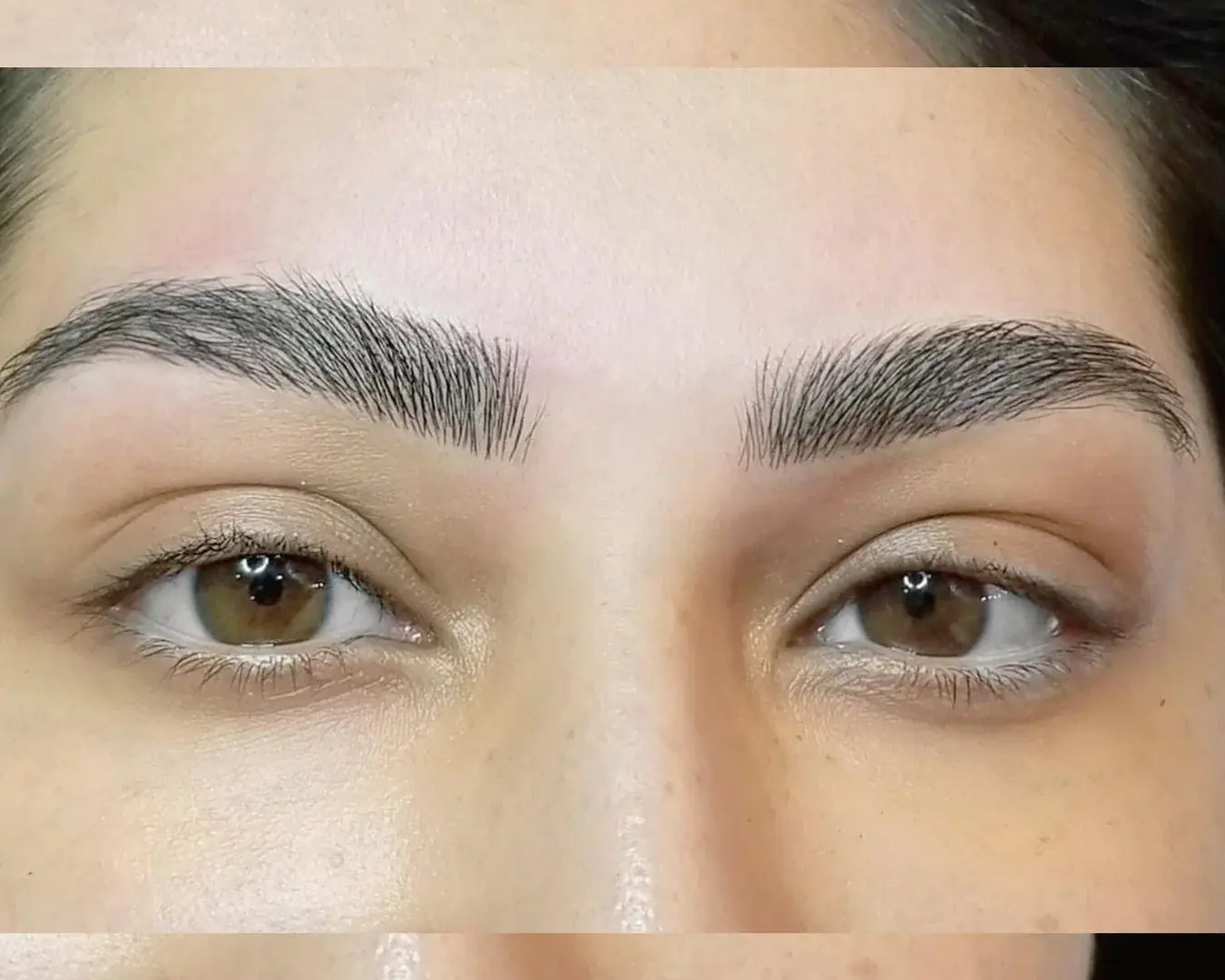
- Beard Transplants: Surgical and permanent. Men seeking lasting facial hair solutions sometimes also explore eyebrow hair restoration in NYC when topical treatments alone don’t deliver the density they want.
- Natural Remedies: Oils like castor or peppermint provide modest conditioning benefits, though they work better for maintenance than stimulation.
- Lifestyle Changes: A balanced diet, adequate sleep, and stress reduction all support natural follicle function.
- Diet: Certain beard growth vitamins like biotin and vitamin D can accelerate results even without topical treatment.
Considering Finasteride for beard growth? Don’t. Please read our article: Finasteride for Beard Growth: Does It Really Work?
FAQs About Minoxidil and Beard Growth
Is Minoxidil Beard Gain Permanent?
Terminal hairs gained during treatment may persist after stopping, while vellus hairs typically do not. The androgen paradox, where androgens behave differently depending on body site, may explain why beard follicles sometimes retain their progress after discontinuation, unlike scalp follicles. No clinical studies have confirmed permanence, so stopping prematurely carries a risk of reversal. Consistency is essential to lock in results.
What Are the Side Effects of Minoxidil for Beard Use?
Common side effects include skin dryness, redness, or itching at the application site, along with mild flaking as skin adjusts. Hypertrichosis, meaning hair appearing on the ears, forehead, or body, is also frequently reported. Rare systemic effects include dizziness or rapid heartbeat. Perform a patch test before beginning and consult a healthcare provider if any side effects persist.
Can You Really Grow a Beard with Minoxidil?
Yes. By stimulating dormant follicles and improving blood flow, topical minoxidil supports fuller facial hair development. A randomized controlled trial confirmed statistically significant hair count increases within 16 weeks. Results vary by individual, but consistent use over 6 to 12 months produces visible change for most users.
Should You Rub Minoxidil In?
Yes. Gently massaging the solution into the skin helps it reach the follicle level. Avoid vigorous rubbing, which can cause irritation. Clean, dry skin and even coverage are essential for effective absorption.
Best Time of Day to Apply Minoxidil
Consistency matters more than exact timing. A reliable routine:
- Morning: Apply after washing your face for a clean base.
- Evening: Apply before bed to let the product work overnight.
Allow at least 4 hours of absorption after each application before washing your face or applying other products.
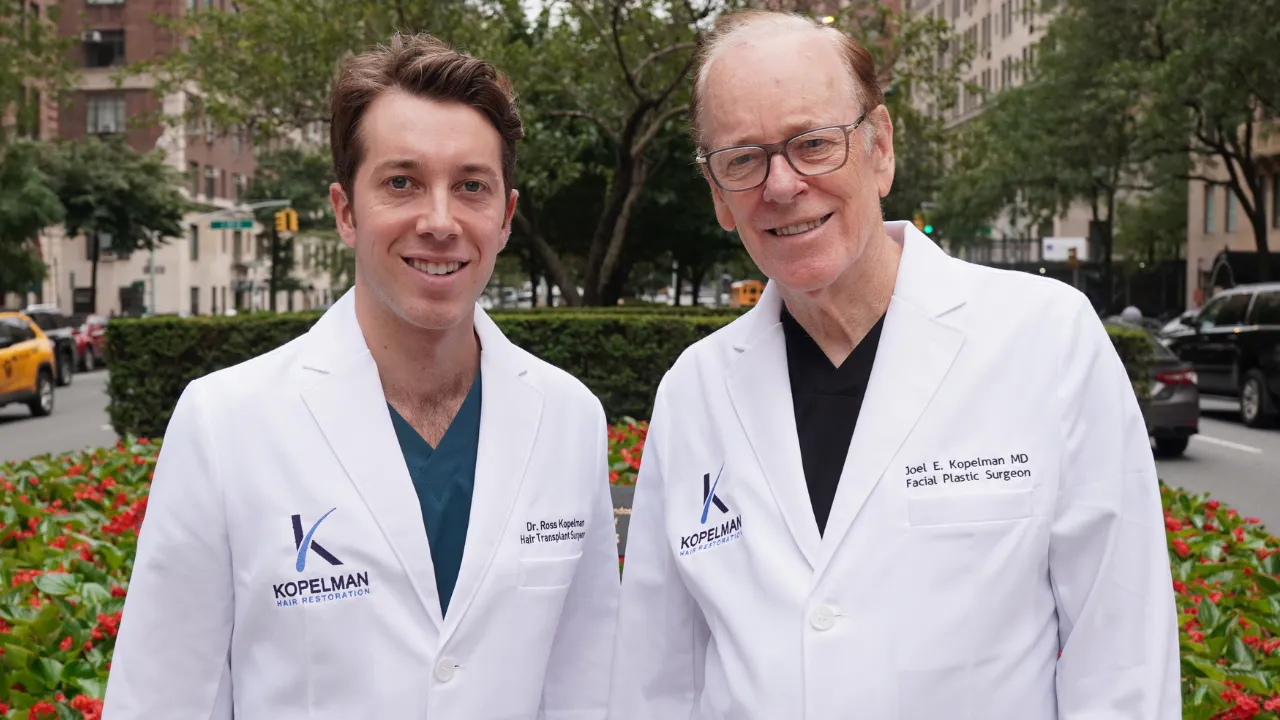
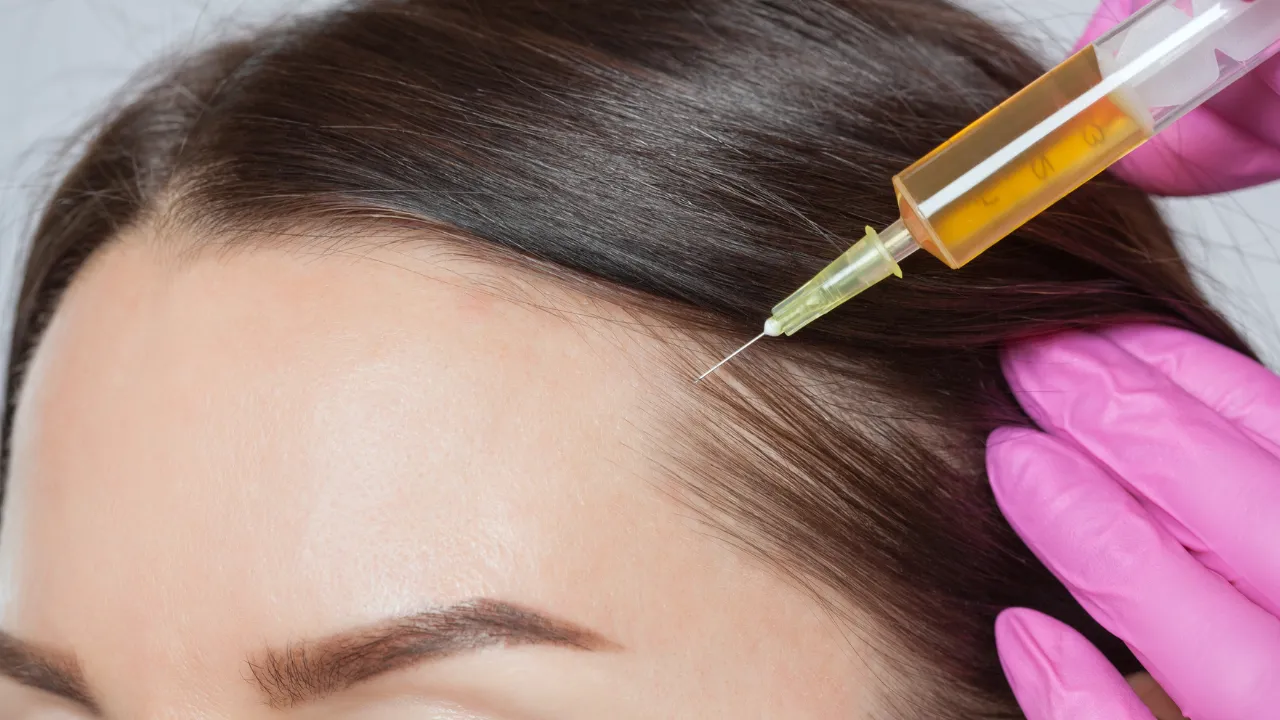
For those dealing with hair thinning or similar concerns, consider speaking with Dr. Kopelman. This father-son team has more than 35 years of experience in hair restoration, with a focus on personalized treatment for every patient. Schedule a consultation today to explore your options and take the first step toward your hair goals.