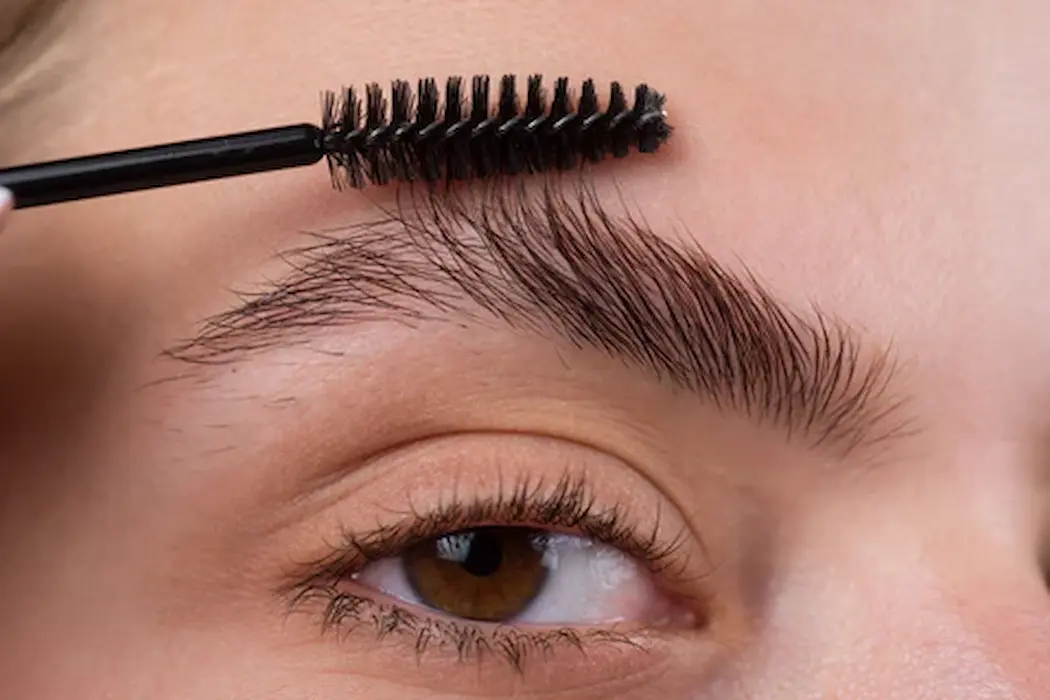

Pubic hair for eyebrow transplant can be used in select cases, but only after careful evaluation of texture, curl pattern, and donor compatibility.
At Kopelman Hair, this topic is reviewed from a medical and surgical point of view to determine whether hair from the pubic area is appropriate for a natural eyebrow restoration.
This article explains when pubic hair may be considered, how doctors assess donor areas, and what patients should expect during and after the transplant procedure.
Key Takeaways
- Pubic hair can be used for an eyebrow transplant in some cases, but the hair must match the natural eyebrow as closely as possible.
- Natural results depend on properly orienting each graft.
- Transplanted hair is permanent in place, but pubic hair keeps many of its original traits and may need trimming.
- Healing and growth vary from person to person based on skin and blood supply.
- A full medical review helps confirm candidacy and set realistic expectations for the final result.
Can You Use Pubic Hair for Eyebrow Transplant?
Yes, pubic hair can be used in certain situations. It is not usually the first donor choice. Hair from the nape of the neck or behind the ear often matches eyebrow hairs more closely in texture and thickness, as explained in this overview of where donor hair comes from in eyebrow transplant.
Pubic hair comes from the pubic area and often has a thicker, curlier texture. It also has a shorter growth cycle than scalp hair. These traits can affect how transplanted hair appears over time.
In some patients, eyebrow transplant using pubic hair may be considered when scalp donor hair is limited. Doctors examine hair follicles from the donor site and compare different donor areas to assess thickness, curl, and growth direction. The goal is to support a natural eyebrow shape without a visible mismatch.
Donor Hair Comparison Overview
Different donor areas provide hair with distinct characteristics that influence the outcome.
- Nape hair – softer and finer
- Postauricular scalp hair – straight with moderate thickness
- Pubic hair from the pubic area – often coarser with a shorter growth cycle
Selecting the appropriate donor site among available donor areas improves blending with existing eyebrow hairs and supports a balanced final result.
Surgical Technique and Placement Precision
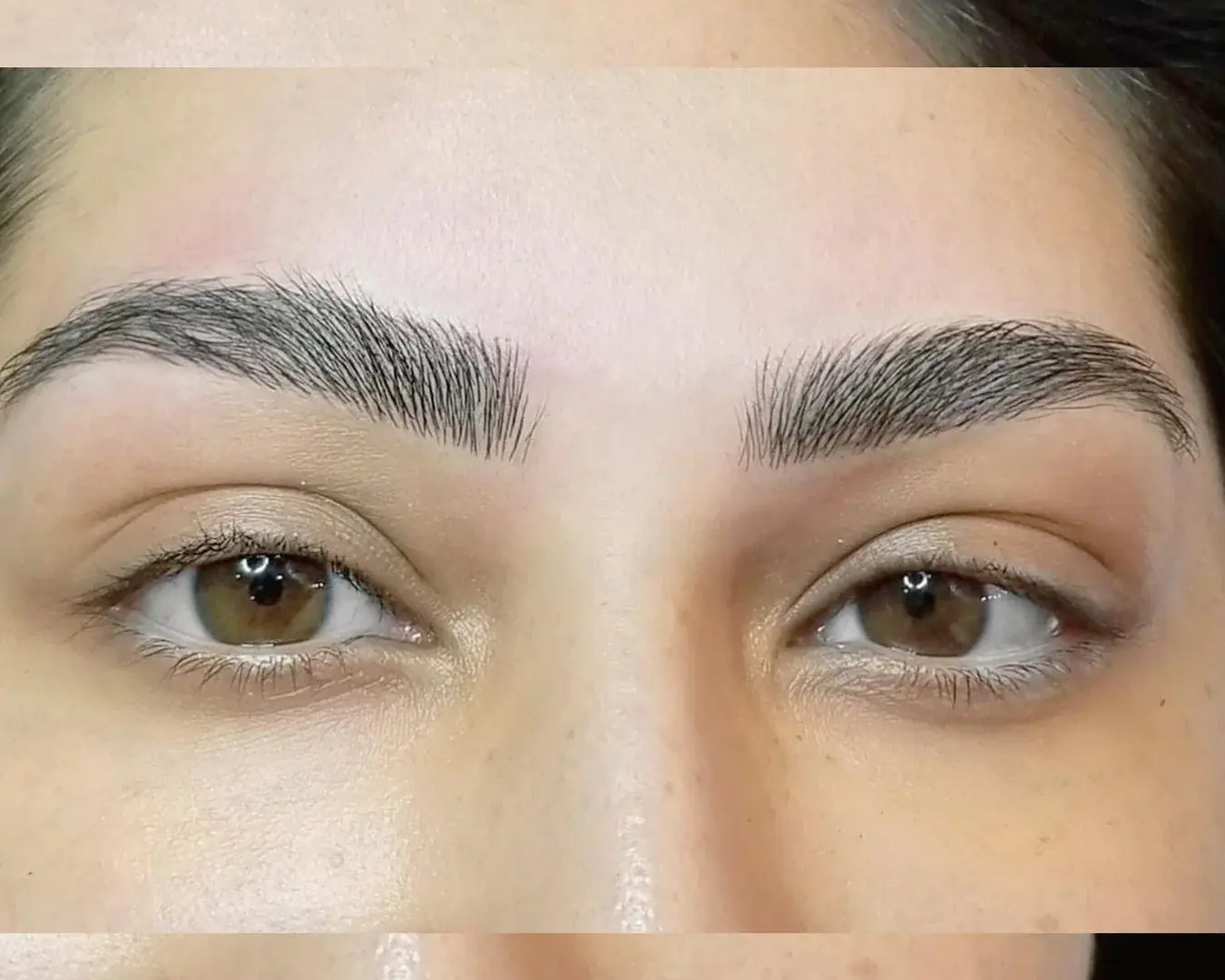
An eyebrow transplant requires careful planning and execution. During the transplant procedure, each hair graft must be placed at a very low angle to mimic the direction of natural eyebrow hairs.If the angle is incorrect, the hair may grow upward rather than lie flat.
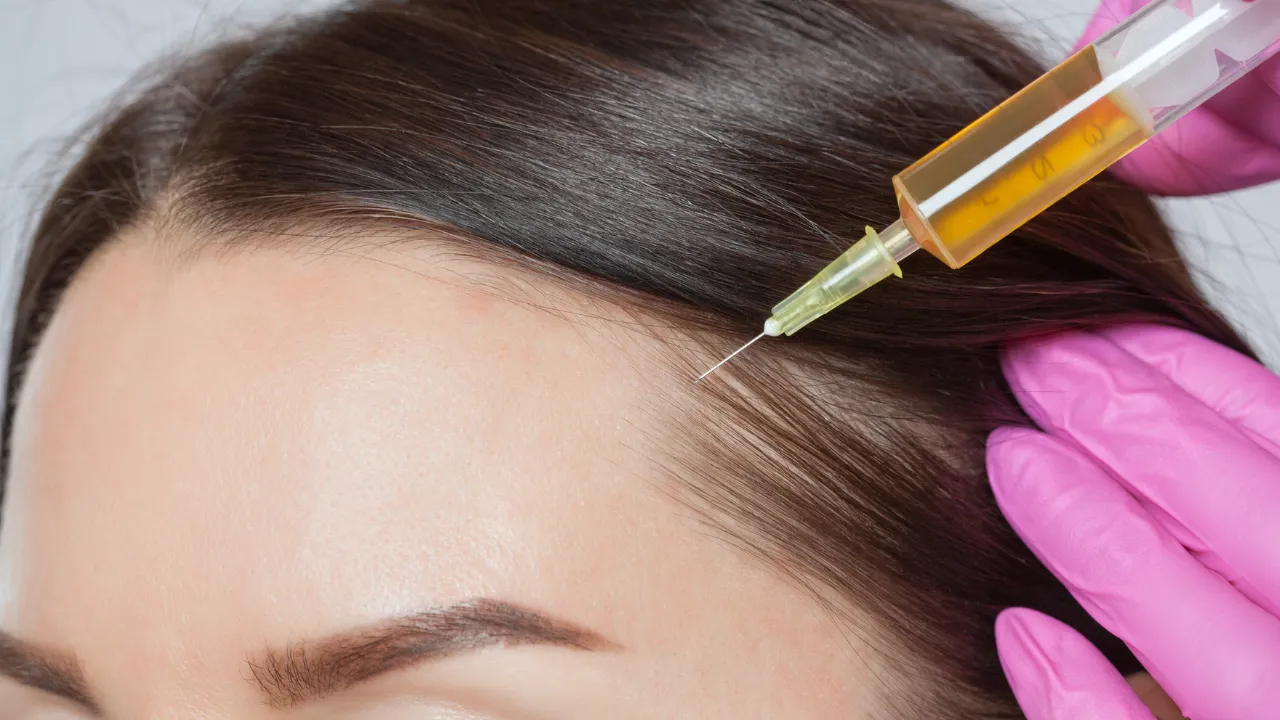
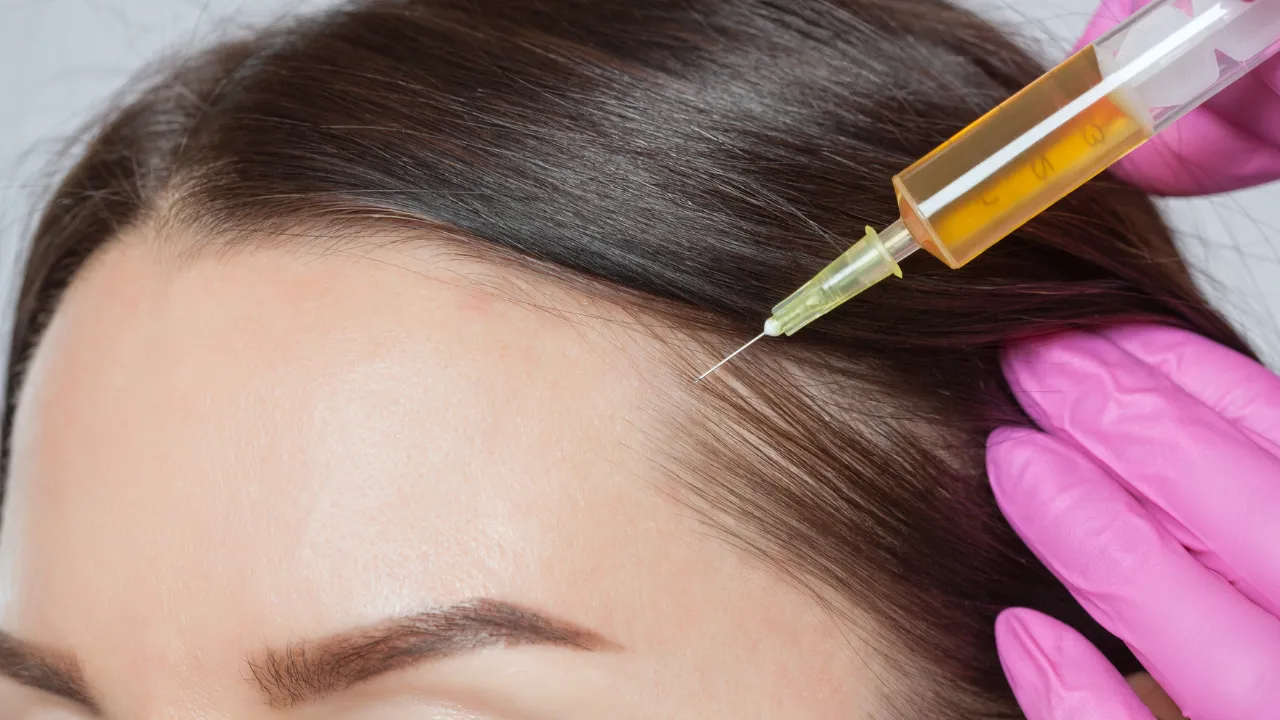
Doctors commonly use Follicular Unit Extraction (FUE) to remove individual hair follicles from the donor site. This technique allows precise harvesting from selected donor areas with minimal disruption to surrounding tissue. Each hair graft typically contains a single follicle to recreate the fine structure of a natural eyebrow.
The number of grafts needed depends on brow density, symmetry, and the condition of existing hair. Accurate placement depth and alignment influence how transplanted hair grows and how closely it matches surrounding eyebrow hairs in the final result.
Who Is a Candidate for Pubic Hair as a Donor?
Pubic hair may be considered when scalp donor areas do not provide hair that matches the natural eyebrow in thickness or shape. This is more common in patients with limited donor density behind the ear or after prior procedures that reduced available grafts. The decision is based on measurable hair characteristics rather than preference.
Doctors evaluate the donor site for shaft diameter, curl pattern, and follicular unit size. Pubic hair from the pubic area is more appropriate when existing eyebrow hairs are thicker or slightly curved. Patients must also understand that transplanted hair may require regular trimming to maintain a natural final result.
Will It Look Natural Long Term?
Natural appearance depends on how closely the donor hair matches existing eyebrow hairs. Pubic hair often has more curl and a shorter growth phase than scalp hair. If these differences are significant, the result may appear coarse.
Transplanted hair retains many characteristics of its original site. It may grow at a different rate than natural eyebrow hairs. Regular trimming may be needed to maintain a balanced appearance and support the desired final result.
Is Transplanted Pubic Hair Permanent?
Transplanted hair is permanent in its new location because hair follicles retain their genetic programming. However, permanence refers to survival, not identical behavior. Hair from the pubic area continues to reflect many of its original characteristics even after transfer.
Maintenance may still be required to maintain a natural eyebrow appearance. Curl, thickness, and growth speed may differ from surrounding eyebrow hairs. Understanding this distinction helps patients set realistic expectations about the final result.
Clinical Evidence and Biological Variability
Research on body hair transplantation indicates that graft survival varies with the donor site and surgical handling. Many hair grafts survive well when hair follicles are carefully extracted and implanted. Pubic hair may adapt somewhat to its new environment, but it does not fully change its structure.
Each patient heals differently. Blood supply, skin quality, and tissue health affect the growth of transplanted hair. These biological differences explain why results can vary even when the same transplant procedure is performed.
Healing Timeline
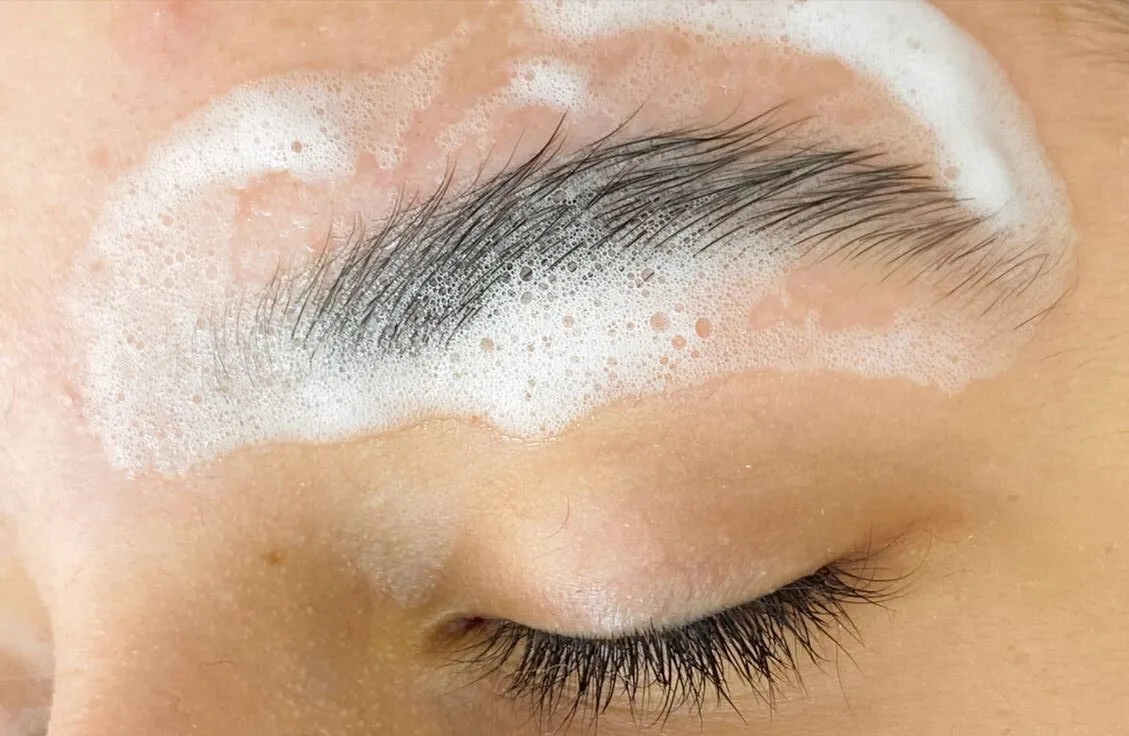
Mild swelling and small crusts are common during the first week after the transplant procedure, which is discussed in more detail in this guide on eyebrow hair transplant recovery. Patients are advised to avoid rubbing the brows and to cleanse the area gently to protect the implanted hair follicles. Strenuous activity is usually limited for several days to support graft stability.
Temporary shedding may occur within a few weeks and is part of the normal hair cycle. New growth often begins around three to four months. The final result typically becomes clearer between nine and twelve months.
Pubic Hair Eyebrow Transplant Cost
The cost of an eyebrow transplant typically ranges from $20,000 to $25,000. The exact price depends on the number of grafts required, surgical complexity, and the time required for precise placement. Eyebrow restoration uses fewer grafts than scalp procedures, but each hair graft requires detailed angulation and control.
Why Choose Kopelman Hair
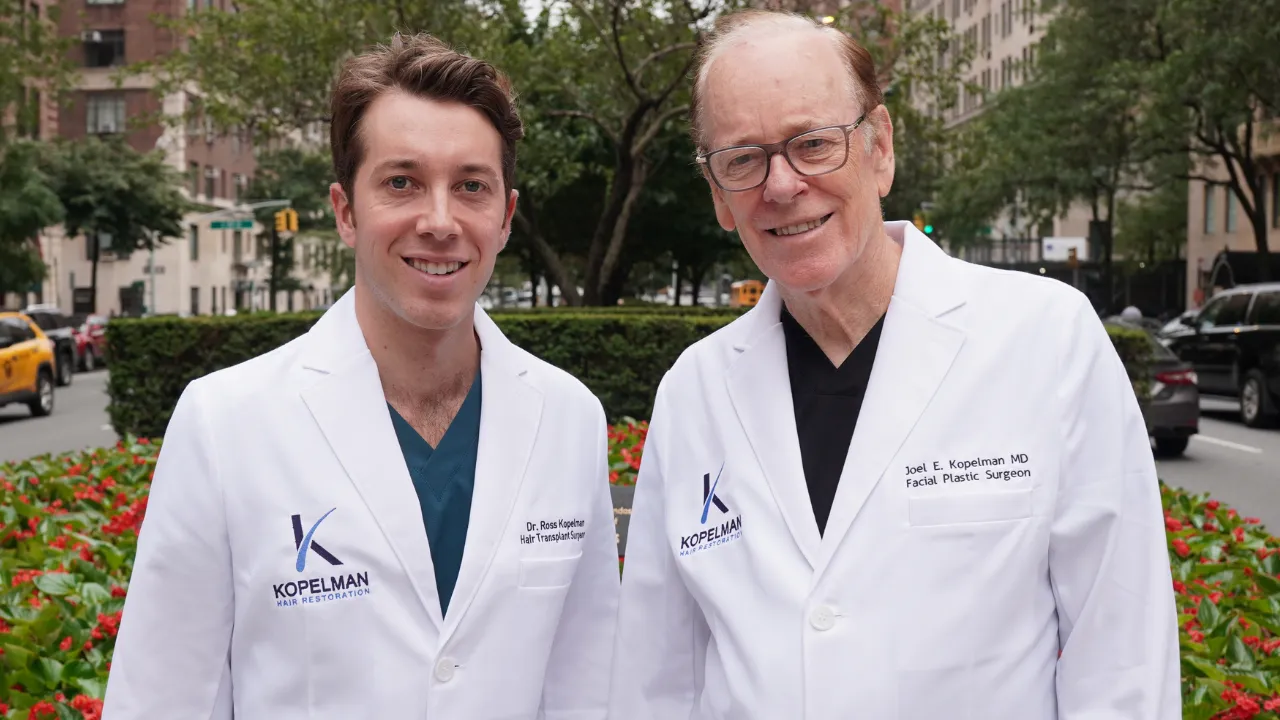
Kopelman Hair is led by a father-son surgical team with over 40 years of combined experience in hair restoration. Dr. Kopelman approaches each eyebrow transplant with attention to hair follicles, donor site selection, and detailed brow mapping. Every transplant procedure involves precisely placing hair grafts to match natural eyebrow hairs.
Procedures are performed in a medical setting with physician oversight. Evaluation determines whether pubic hair is appropriate for eyebrow transplantation or whether another body site offers a better donor site among available donor areas. Education focuses on safety, biological limits, and long-term care rather than guarantees.
If you are considering pubic hair for eyebrow transplant in NYC, scheduling a consultation can help determine whether this option is appropriate for you.