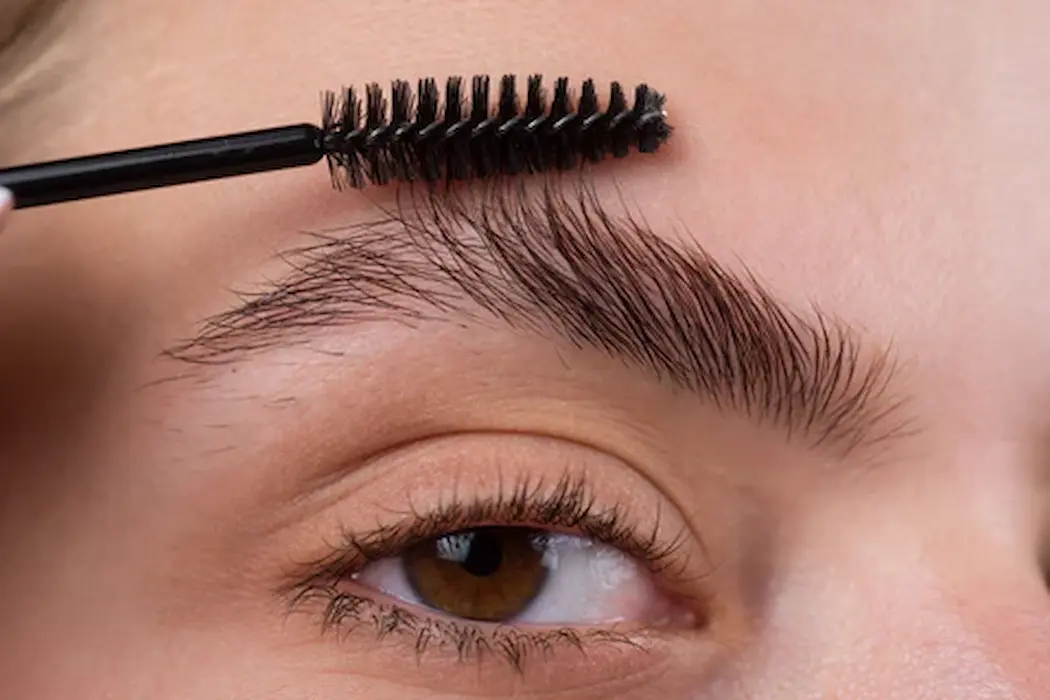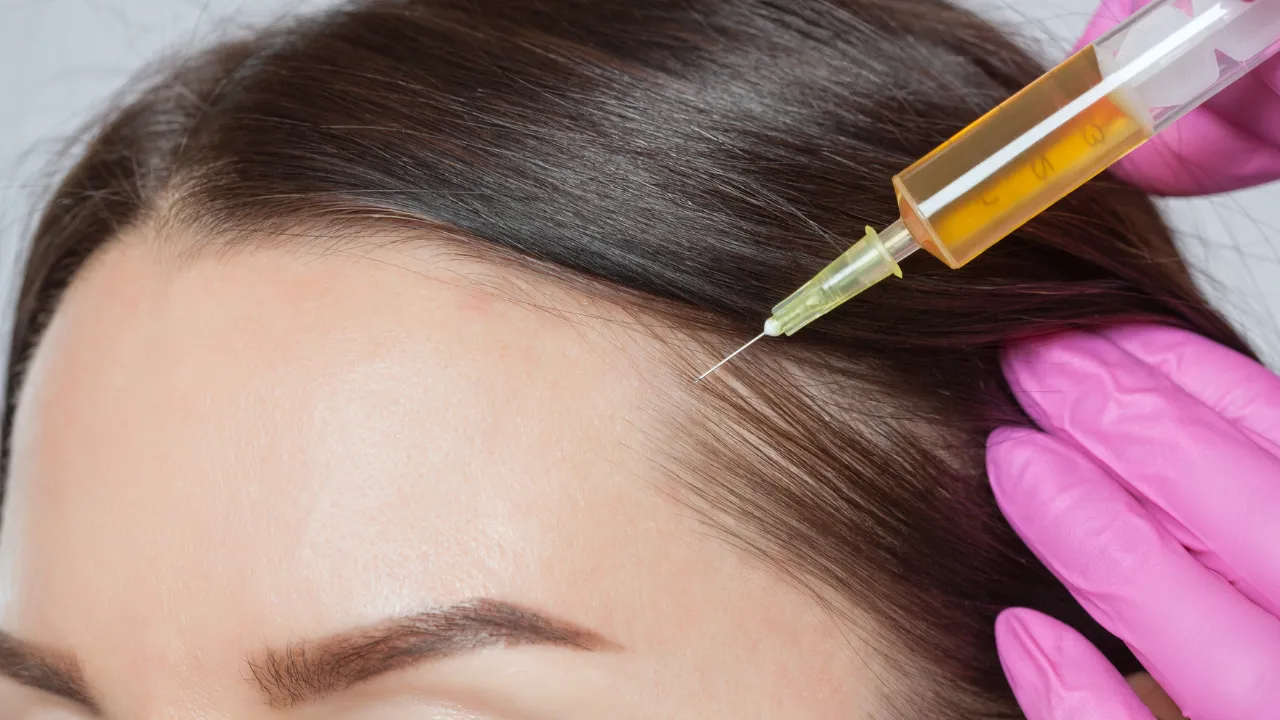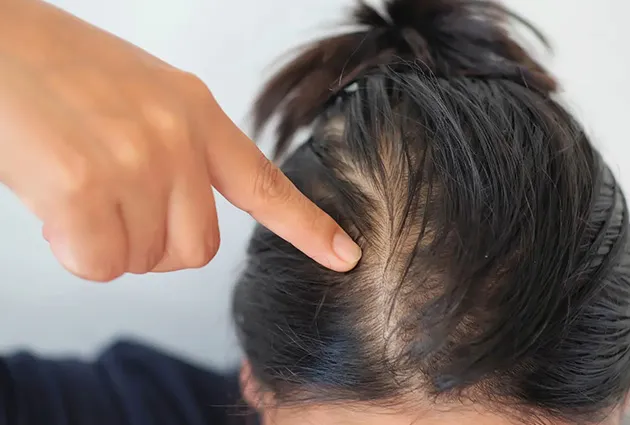

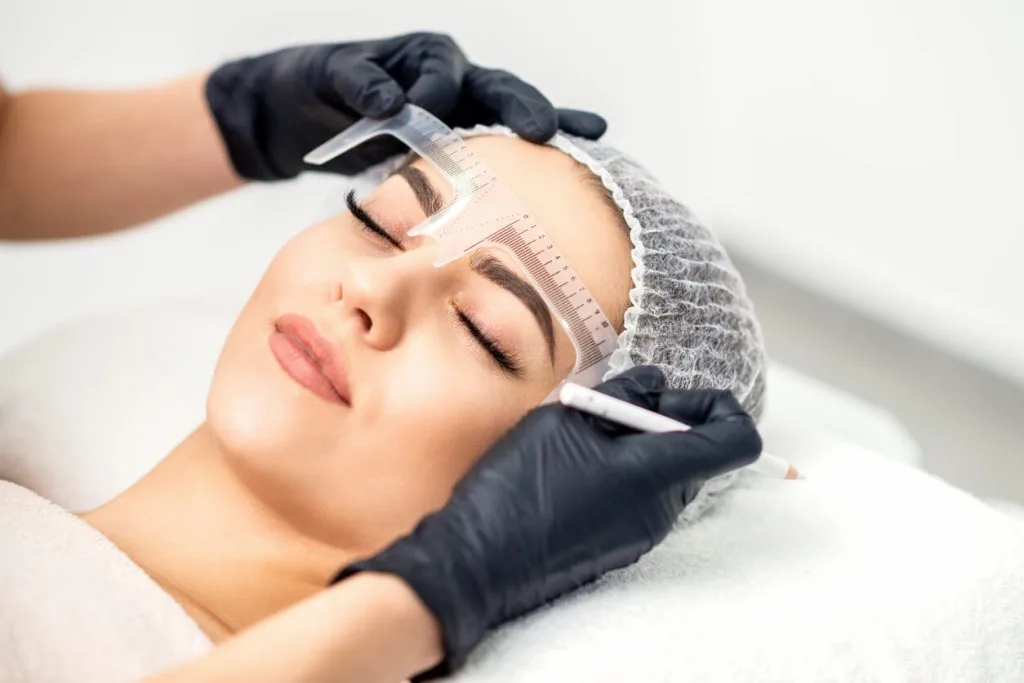
When patients ask which doctors specialize in eyebrow transplant surgery, the answer is board-certified hair transplant surgeons who focus on surgical hair restoration. These physicians are trained in Follicular Unit Extraction (FUE) and precise graft placement for eyebrow hair transplants.
Kopelman Hair is a physician-led practice that evaluates patients through a medical exam and a structured treatment plan. This article explains training, safety, risks, and what to expect from this hair restoration procedure.
Key Takeaways
- Most eyebrow hair transplants are performed by board-certified hair transplant surgeons who understand graft placement and hair direction.
- Patients researching eyebrow transplant surgery should confirm training, case volume, and eyebrow-specific experience.
- The number of grafts depends on brow shape and density, and transplanted hairs usually shed before new growth begins.
- For stable hair loss, eyebrow transplantation can be a permanent solution, but careful screening is still required.
- A clear treatment plan and proper aftercare instructions help lower the risk of complications or regret.
Doctors Specializing in Eyebrow Transplant Surgery in the USA
In the United States, these procedures are usually performed by board-certified surgeons who specialize in hair restoration. Their training includes FUE and careful graft placement at very shallow angles to match natural brow growth.
Patients should confirm that the surgeon regularly performs eyebrow hair transplants. Consistent experience helps reduce risks such as poor growth or incorrect hair direction.
Hair Restoration vs. Plastic Surgeons
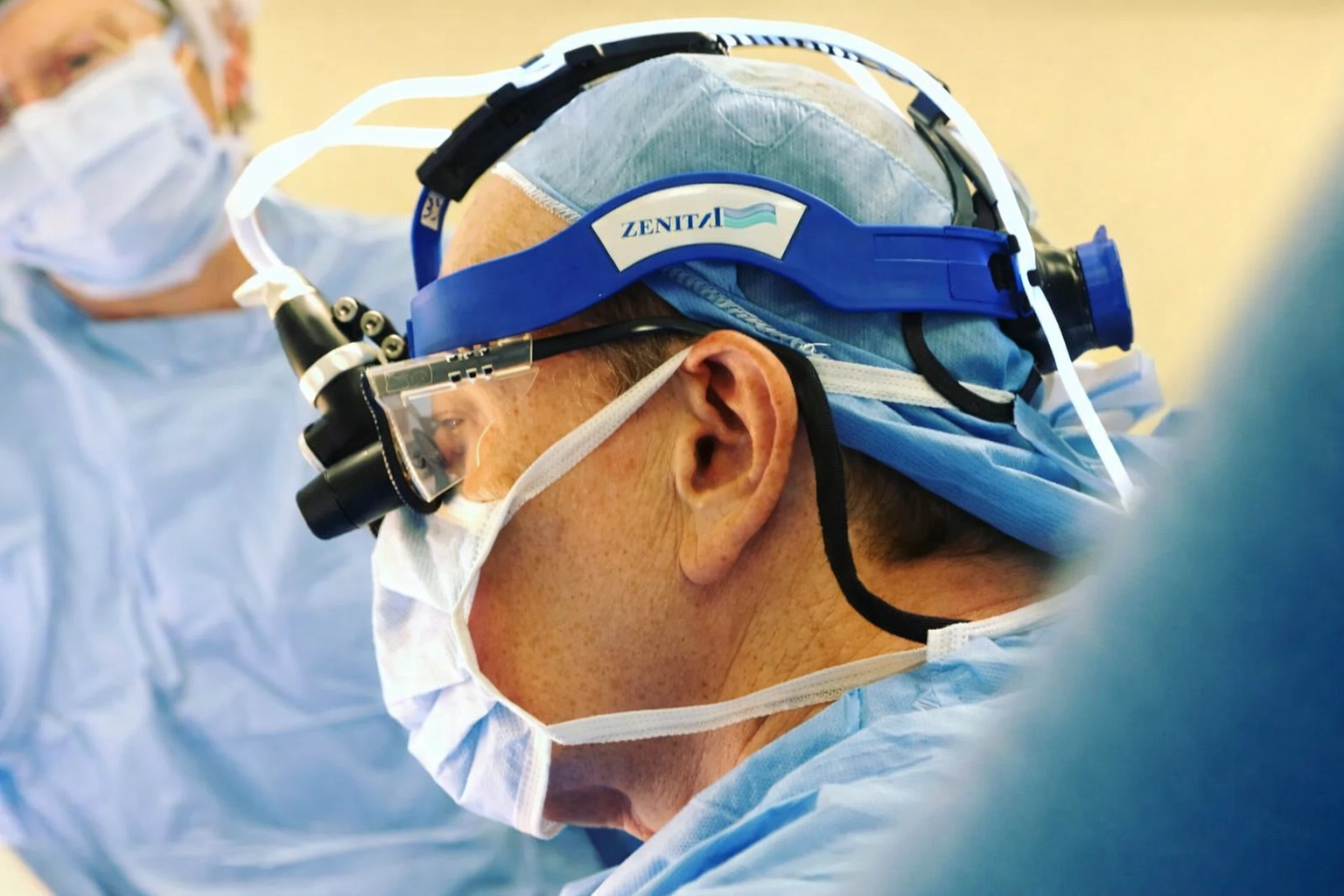
Plastic surgeons have broad training and may perform many cosmetic procedures. Some also perform hair transplants after completing additional training. However, not all plastic surgeons focus on hair restoration.
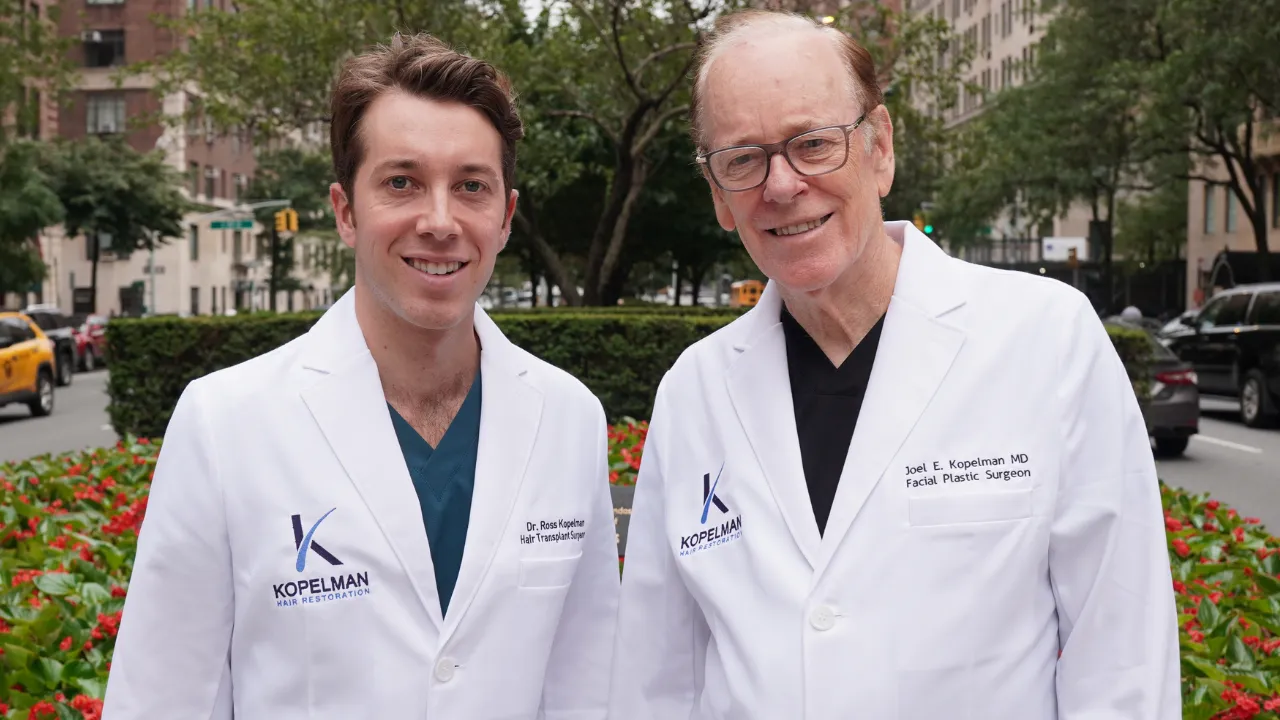
Hair transplant surgeons often perform graft removal and placement. Dr. Kopelman has explained that eyebrow hairs grow almost flat against the skin. This requires careful angle control. Surgeons without regular experience in this hair restoration procedure may not consistently achieve the desired direction.
Medical Indications and Candidacy
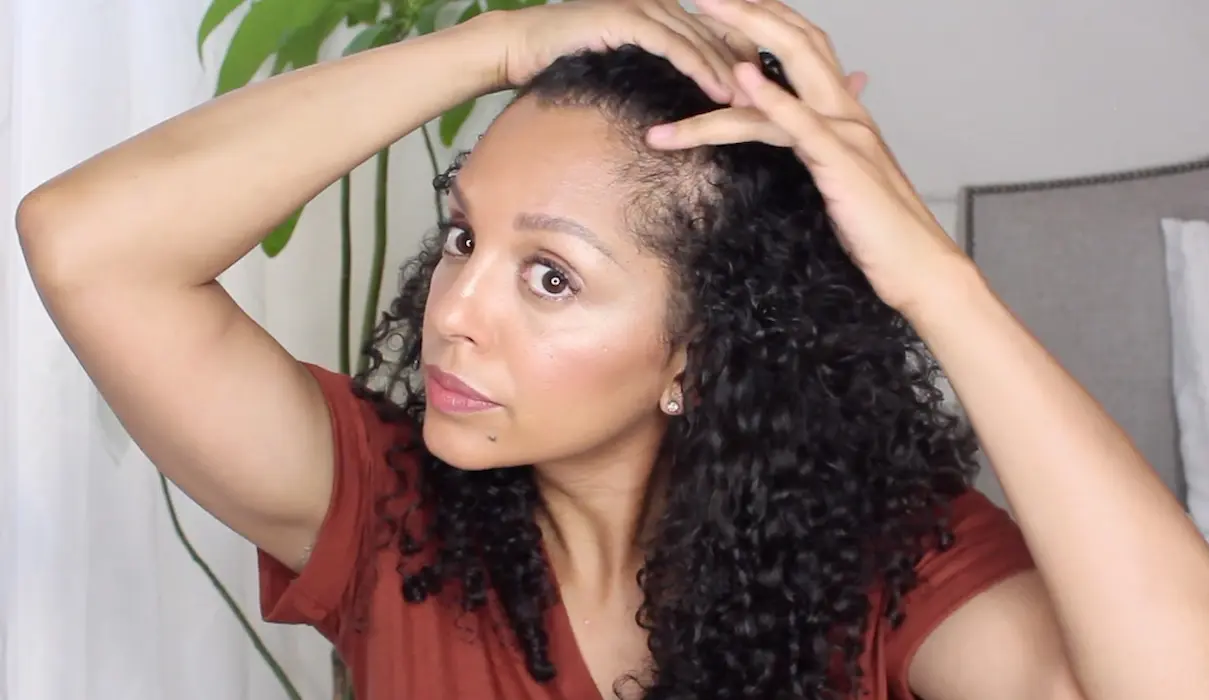
Eyebrow restoration may help patients with stable hair loss from overplucking, injury, or scarring. In these cases, transplanted follicles can restore hair growth. A medical exam confirms that the hair loss is stable.
Patients with active autoimmune hair loss need careful review. Ongoing inflammation can affect graft survival. Doctors check donor density and overall health before recommending surgery.
Not every patient qualifies. A limited donor area may reduce the number of grafts available. A careful evaluation helps create a safe and realistic treatment plan.
Best Eyebrow Transplant Doctor: How to Evaluate Credentials
To evaluate the best eyebrow transplant doctor, focus on surgical training, experience with eyebrow hair transplants, and documented case results. The surgeon should be board-certified and regularly perform this hair restoration procedure. Because the eyebrows are a key facial feature, specialized experience in eyebrow restoration is more important than general cosmetic experience.
During consultation, the doctor should review your medical history and examine the donor hair quality. The surgeon should explain how the number of grafts is calculated and how the treatment plan is designed to achieve the desired density and shape. Reviewing consistent before-and-after photos and discussing risks helps confirm that the procedure is planned safely and appropriately.
Eyebrow Transplant Procedure Overview
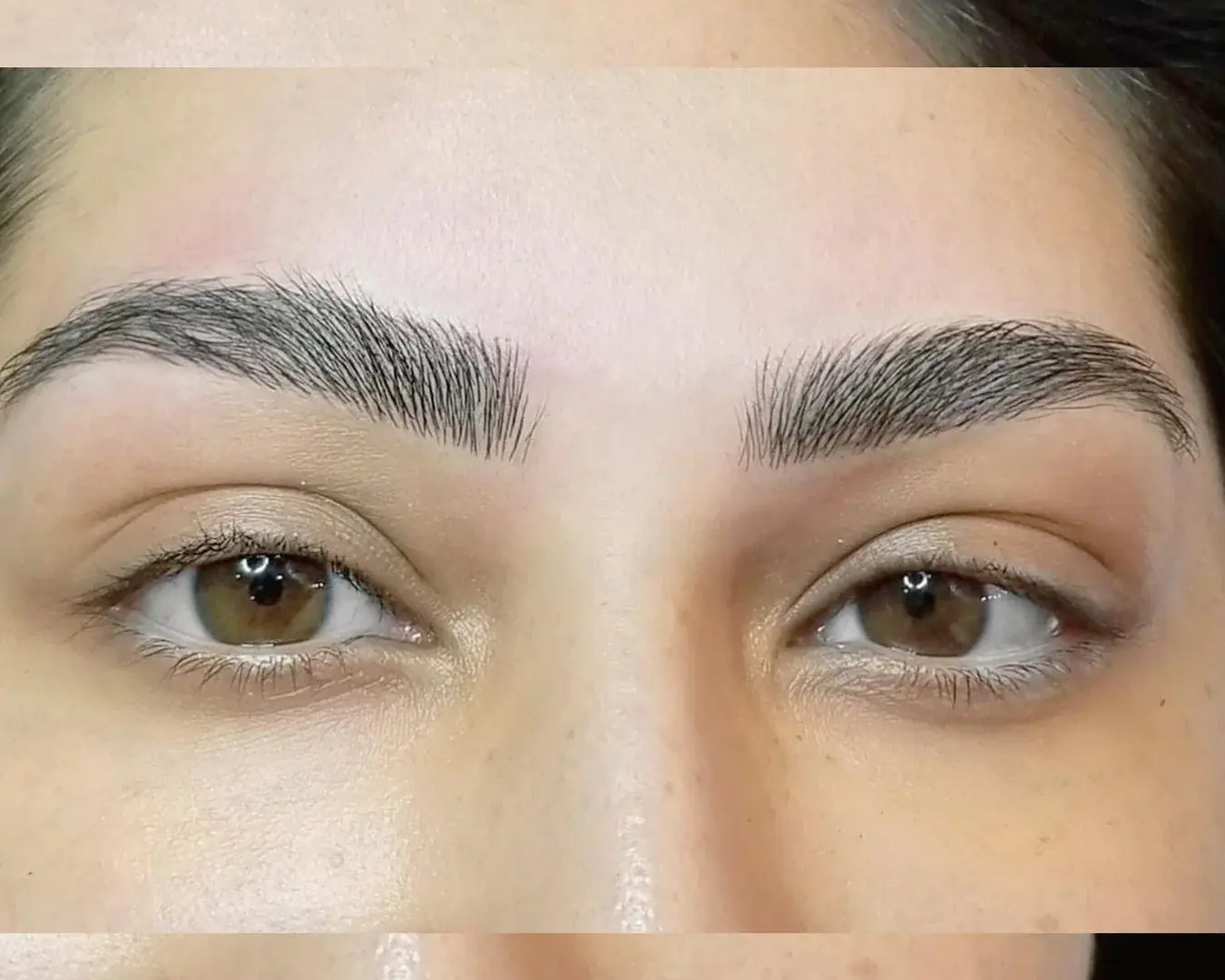
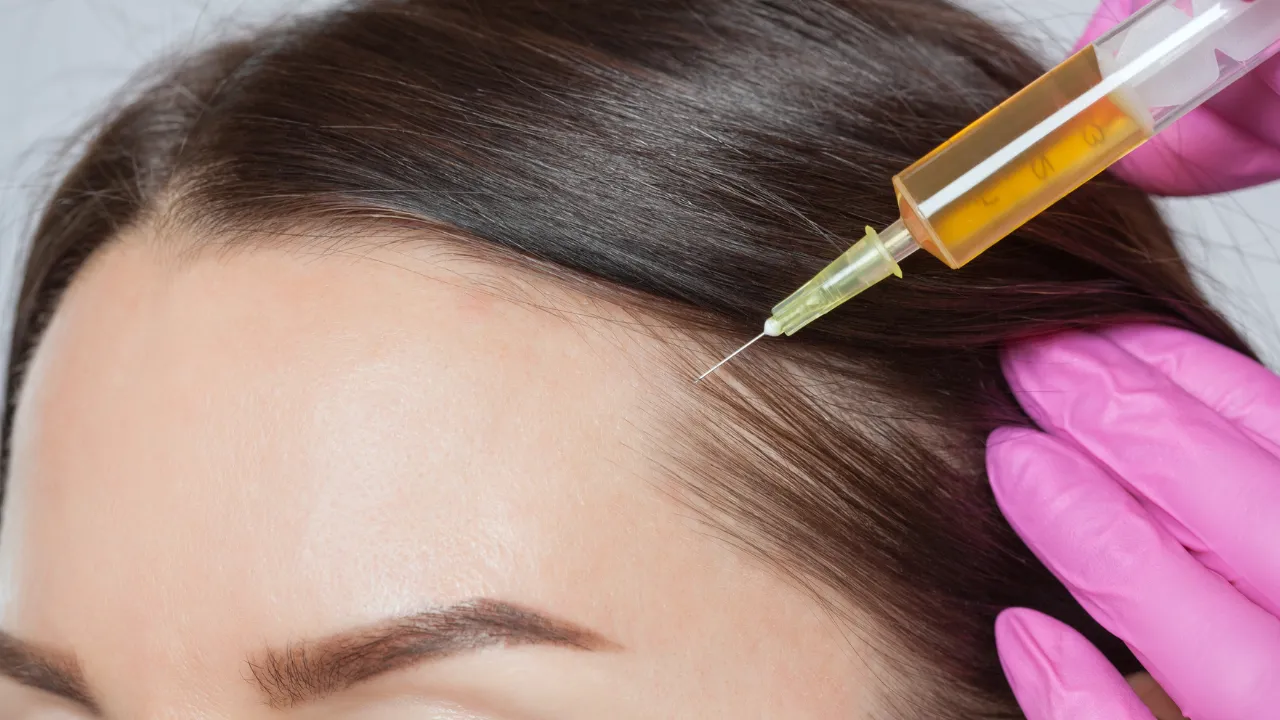
An eyebrow transplant is a hair restoration procedure that moves hair follicles from the scalp to the brow. The most common method is Follicular Unit Extraction (FUE). The surgeon removes individual grafts and places them carefully in the brow.
The number of grafts depends on the patient’s current brow density and goals. Growth happens slowly. Transplanted hairs often shed within a few weeks before new growth begins.
FUE Technique and Graft Placement
FUE removes single follicular units using small tools. For eyebrow hair transplants, surgeons usually choose single-hair grafts. This helps create a soft and natural look.
The surgeon creates tiny openings that match the natural direction of the hair. Even small angle changes can affect how the hair grows. Careful placement helps achieve the desired shape.
FUE leaves small marks in the donor area. These usually heal with little visible change. Proper spacing protects overall scalp density.
Are You Awake During Surgery?
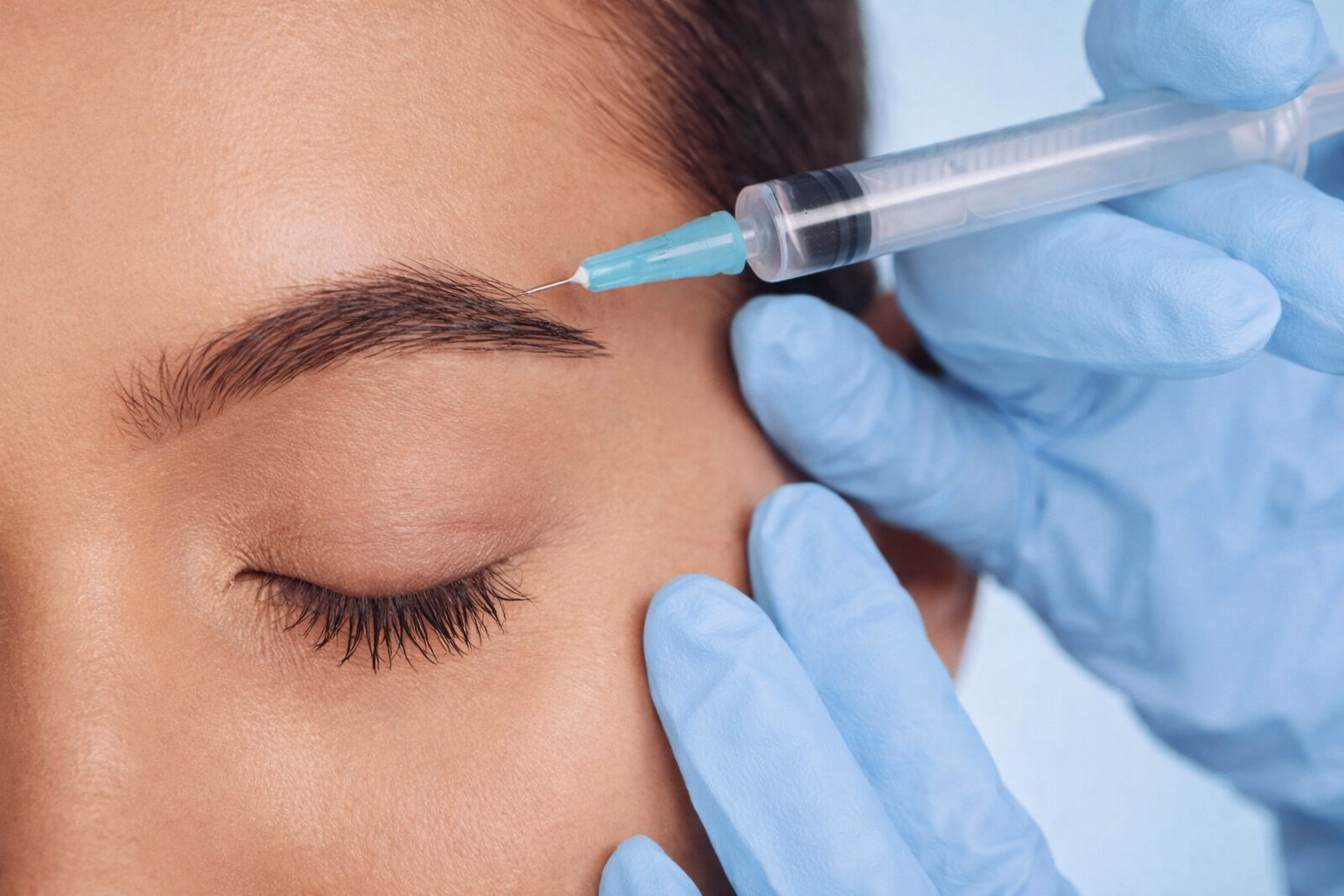
Patients stay awake during the procedure. The surgeon uses local anesthesia to numb the area. This keeps the patient comfortable.
General anesthesia is not usually needed. The medical team monitors comfort throughout surgery.
Are Eyebrow Transplants Painful?
Most patients feel mild discomfort during the numbing injection. After that, pain during graft placement is minimal. Some redness or swelling may occur for a few days.
Doctors provide clear aftercare instructions to protect the grafts. Following these steps helps with healing. Understanding the process helps reduce early worry.
Cost and Location Considerations
Cost depends on the number of grafts, the surgeon’s experience, and the location. A consultation provides a custom estimate based on the treatment plan. Lower cost does not always mean equal skill.
What Is the Average Cost of an Eyebrow Transplant?
In the United States, an eyebrow transplant usually costs between $20,000 and $25,000, and patients can review detailed pricing information in this guide on eyebrow transplant cost. A consultation determines the exact number of grafts and outlines the full treatment plan. Pricing may also vary based on location and facility standards. Clear cost discussion helps patients understand what is included before moving forward.
Which Country Is Best for an Eyebrow Transplant?
For most patients considering eyebrow transplant NYC, the United States is the safest choice due to strict medical standards and board certification requirements. While other countries may offer lower prices, surgeon training and follow-up care can vary. Since eyebrow restoration affects a visible facial feature, safety and experience should guide the decision.
Risks and Complications
All surgery involves risks. Common short-term risks of eyebrow hair transplants include swelling, redness, bruising, temporary numbness, and mild discomfort. Early shedding of transplanted hairs is also expected before new growth begins.
Less common complications can include infection, poor graft survival, visible donor scarring, cyst formation, or hair growing at the wrong angle. Overharvesting may thin the donor area, and uneven placement can affect this facial feature. In some cases, revision surgery may be needed to improve density or direction.
Careful surgical planning, an individualized treatment plan, and strict follow-up with aftercare instructions help reduce both risks and complications. Choosing experienced doctors specializing in eyebrow transplant surgery further lowers these concerns.
Revision and Correction Options
If results are uneven, revision surgery can increase density by adding more grafts or adjusting hair direction through targeted graft placement. In cases of incorrect angulation, selective graft removal or redistribution may improve symmetry. Minor irregularities may also be managed with trimming techniques or shape refinement.
Revision requires additional healing time and cost. Setting realistic expectations during the first consultation reduces the need for correction.
If you are considering eyebrow hair transplants, scheduling a consultation is the next step. A medical exam allows the surgeon to review your medical history, assess donor hair, and create a clear treatment plan before you decide.