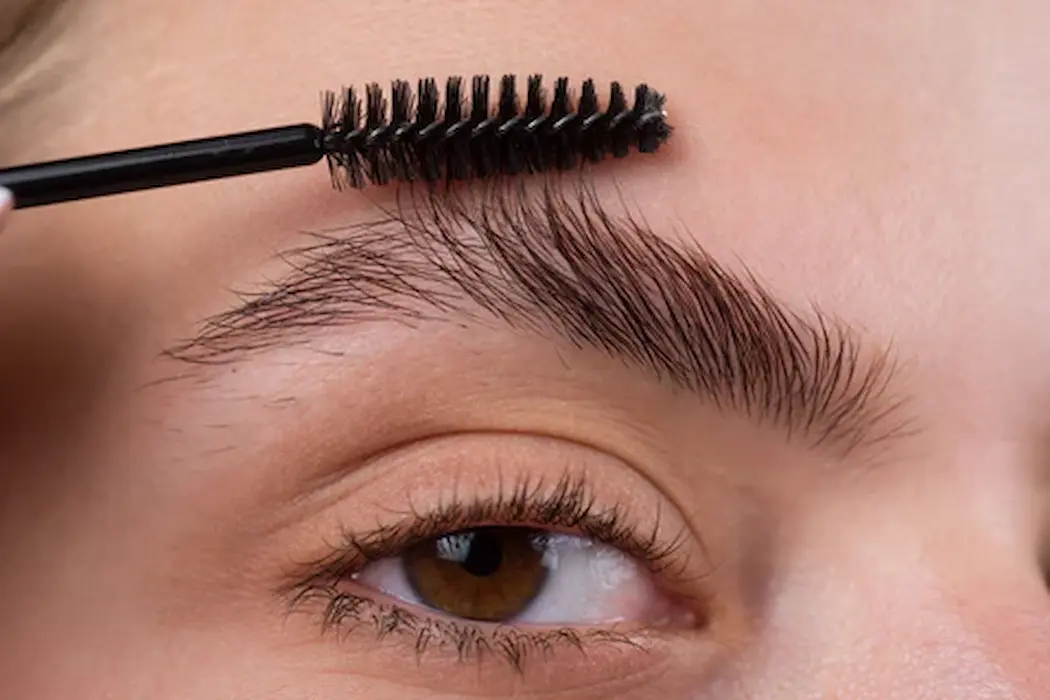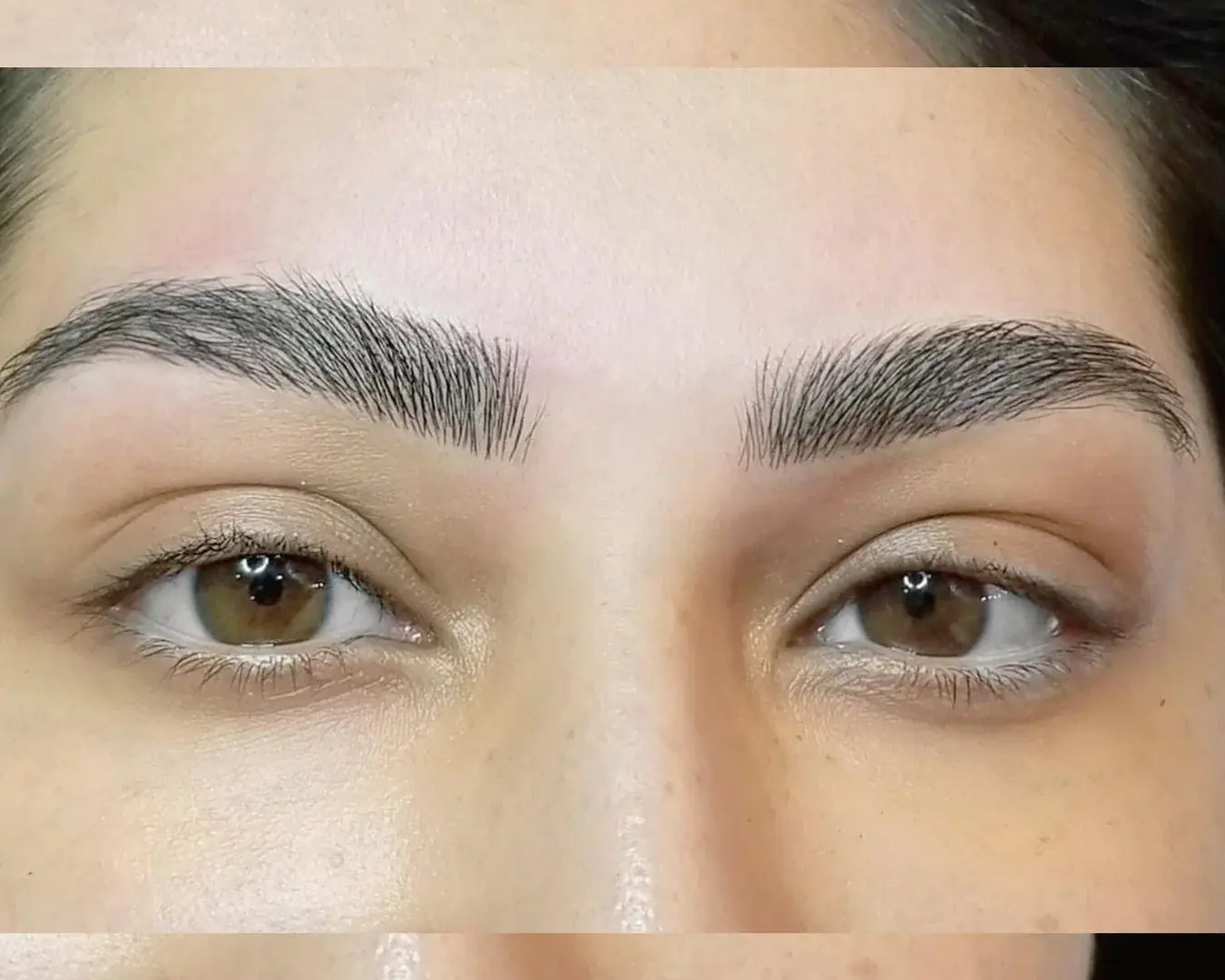

Why does my eyebrow hair grow so fast? is a common question, and in most cases, it happens because eyebrow follicles are sensitive to hormones and because eyebrow hairs are thick and easy to see as they grow. Many people notice this when trimming becomes more frequent.
At Kopelman Hair, this question is examined through hair biology, hormone activity, and normal growth patterns to explain why this change happens and when it is considered typical.
Key Takeaways
- Eyebrow hair may seem to grow fast due to genetics, hormonal responses, and thicker hair strands, rather than a true increase in daily growth rate.
- Hormones such as testosterone and DHT affect eyebrow hair differently than scalp hair, which explains why eyebrows may thicken while scalp hair thins.
- Fast eyebrow growth is usually normal, but sudden changes with other symptoms may require medical evaluation.
- Threading, shaving, and waxing do not change the hair growth cycle or make hair grow faster.
- Most people manage fast eyebrow growth with regular grooming, while unusual changes should be checked by a medical professional.
Why Do My Eyebrows Grow So Fast?
Eyebrow hair grows in a natural cycle. The answer usually involves genetics and hormone response. Eyebrow follicles react differently to hormones than scalp follicles do.
Eyebrow follicles contain androgen receptors that respond to hormones in the blood. The number of these receptors varies by body area. Studies show that hormone sensitivity differs by follicle location, which affects how hair looks and feels.
When receptors are more sensitive, hair may grow thicker. This does not always mean it grows faster each day. In many cases, thicker hair simply makes regrowth easier to see.
What Makes Eyebrow Hair Grow Faster?
Eyebrow hair may seem to grow faster when follicles are more sensitive to androgens such as testosterone and DHT. These hormones attach to receptors inside the follicle and influence the thickness and strength of each strand. When the strand is thicker, even small growth becomes easier to see.
Genetics also plays a major role. If your family members have dense or coarse eyebrows, you are more likely to have the same pattern. In these cases, the growth speed is normal, but the visibility makes it feel faster.
Another factor is the length of the resting phase in the eyebrow growth cycle. Some people return to the growth phase from the resting phase more quickly. This brief gap between shedding and regrowth can make eyebrow hair appear to grow back rapidly after trimming.
The Eyebrow Growth Cycle
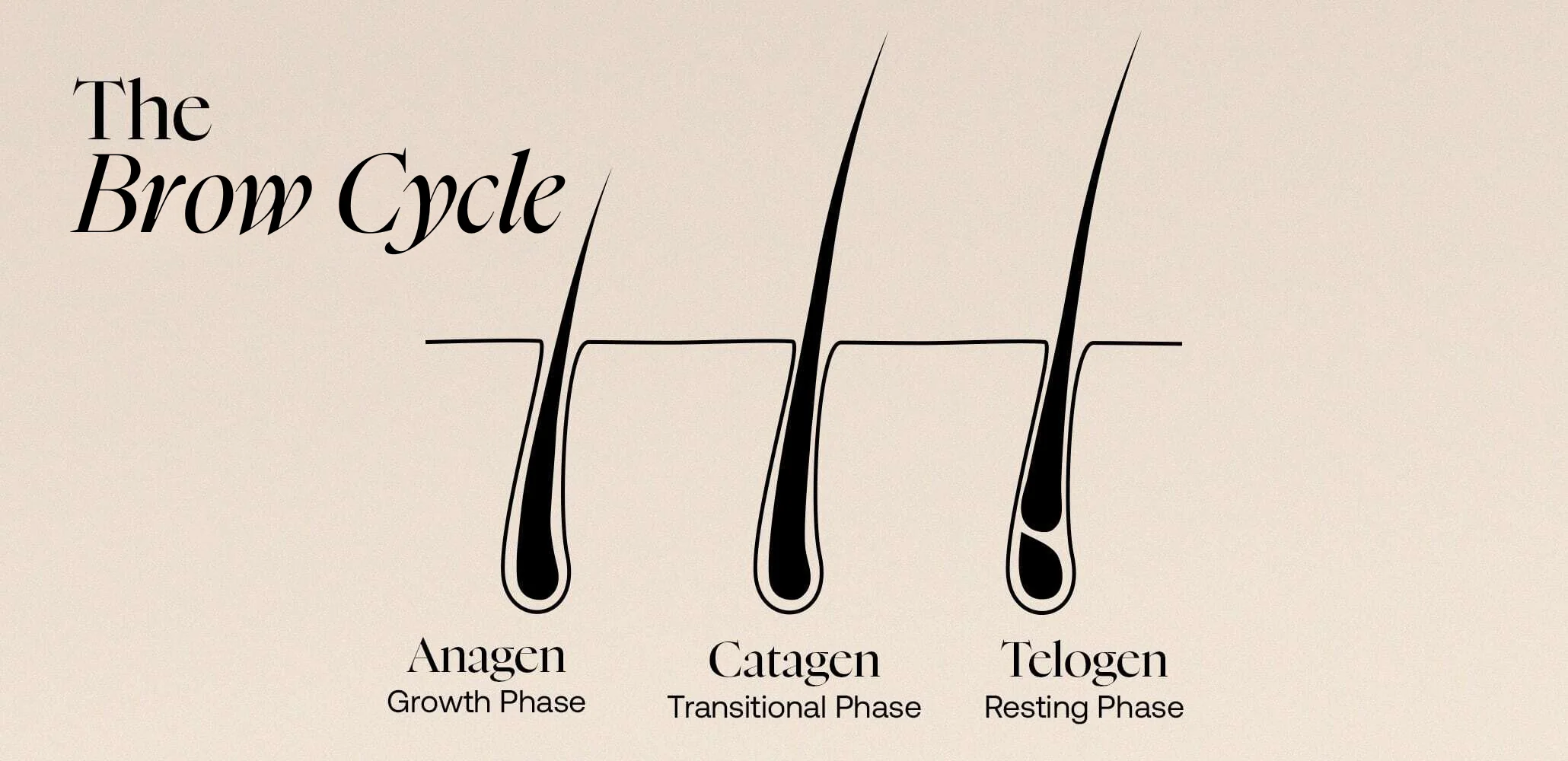
Eyebrow hair grows in three clear stages: anagen, catagen, and telogen. The anagen phase is the active growth stage and usually lasts about 4 to 8 weeks for eyebrows. During this time, the hair shaft forms and pushes upward through the skin.
The catagen phase is short, lasting about 2 to 3 weeks. In this stage, growth stops, and the follicle begins to shrink slightly. This prepares the hair to enter the resting phase.
The telogen phase is the resting stage and may last several months. After this phase, the old hair sheds, and a new hair begins to grow. Because the eyebrow growth phase is shorter than scalp hair’s, hairs reach full length quickly, making regrowth easier to notice.
Why Eyebrows Differ From Scalp Hair?
Eyebrow follicles are built for short growth. They protect the eyes by limiting hair length. This is why eyebrow hair does not grow very long.
Scalp follicles react to hormones differently. Some people lose scalp hair as they age, while their eyebrow hair stays thick or becomes coarser.
Is It Normal for Eyebrows to Grow Fast?
Yes, in most cases it is normal. Genetics and hair thickness play large roles in how often you trim your brows. People with thick or dark hair notice regrowth sooner, while others may experience eyebrow thinning due to hormonal or genetic factors.
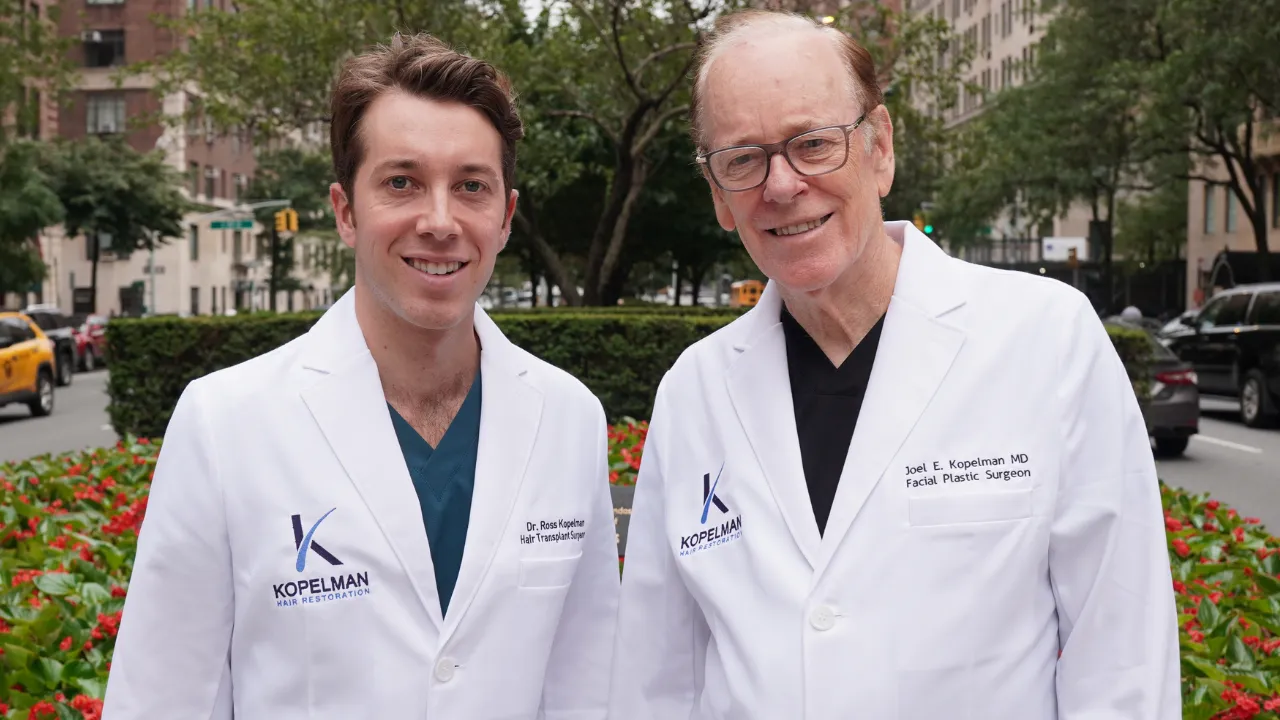
Dr. Kopelman explains that visible growth does not always mean faster growth. Thick strands make hair easier to see. If there are no other symptoms, frequent trimming alone is not a health issue.
How Age and Hormones Affect Growth
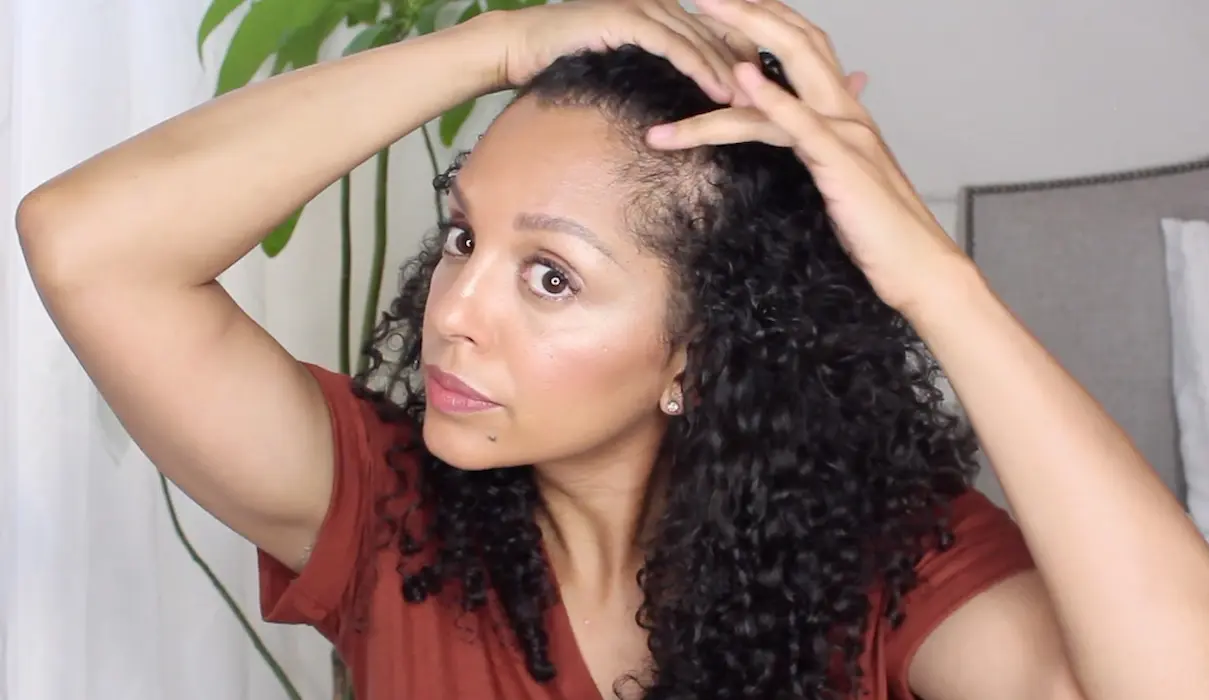
Hair patterns often change with age. Many people notice their scalp hair thinning and their eyebrow hair thickening over time. This happens because follicles respond differently to hormones as we age.
Many people first notice stronger eyebrow growth in midlife. Grooming may become more frequent. The change feels sudden, but it develops slowly over time.
Testosterone and DHT
Testosterone changes into DHT (dihydrotestosterone) through an enzyme in the body. DHT attaches to receptors in hair follicles. This affects how hair grows.
On the scalp, DHT may shrink follicles in people who are prone to hair loss. In eyebrows, the same hormone may keep hair thick. This difference is normal.
Dr. Kopelman notes that each body area responds differently. The hormone level may stay the same, but follicle response can vary.
Fast Eyebrow Growth in Females
In women, changes in estrogen and androgen levels can affect facial hair growth. After menopause, lower estrogen may allow androgens to have stronger effects.
Conditions such as polycystic ovary syndrome can also increase facial hair. If eyebrow growth is accompanied by other symptoms, medical advice is helpful.
Fast Eyebrow Growth in Males
Men have higher testosterone levels throughout life. As they age, follicle sensitivity may change. This can lead to thicker eyebrow hair.
Family history often explains this pattern. Strong eyebrow growth is usually genetic rather than medical.
Hair Between the Eyebrows
Some people have thicker hair between the eyebrows. This area may have higher follicle density. Dark hair in this spot becomes visible quickly after removal.
Why Does the Hair Between My Eyebrows Grow So Fast?
The hair between the eyebrows may seem to grow faster because this area can have a higher follicle density. Thicker, darker strands become visible quickly, even when the daily growth rate is normal. This is a matter of visibility, not biology.
Why Do My Eyebrows Grow Back So Fast After Threading?
Threading removes hair from the root, and understanding different eyebrow hair-removal methods can help set realistic expectations for regrowth. It does not change how fast hair grows. The follicle cycle continues as normal.

The Regrowth Timeline
Most eyebrow hair becomes visible within one to two weeks. Thick hair may appear sooner.
Typical pattern:
- Day 3-5 – Light stubble appears.
- Week 1-2 – Clear regrowth is visible.
- Week 3-4 – Most hairs are back in the growth phase.
These stages reflect normal hair cycling.
How to Reduce Eyebrow Growth
Managing fast eyebrow growth usually means regular grooming. Trimming controls the length without changing the follicle. Threading and waxing remove hair temporarily but do not affect growth speed, and in cases of uneven or sparse brows, options such as an eyebrow transplant in NYC may be discussed with a specialist.
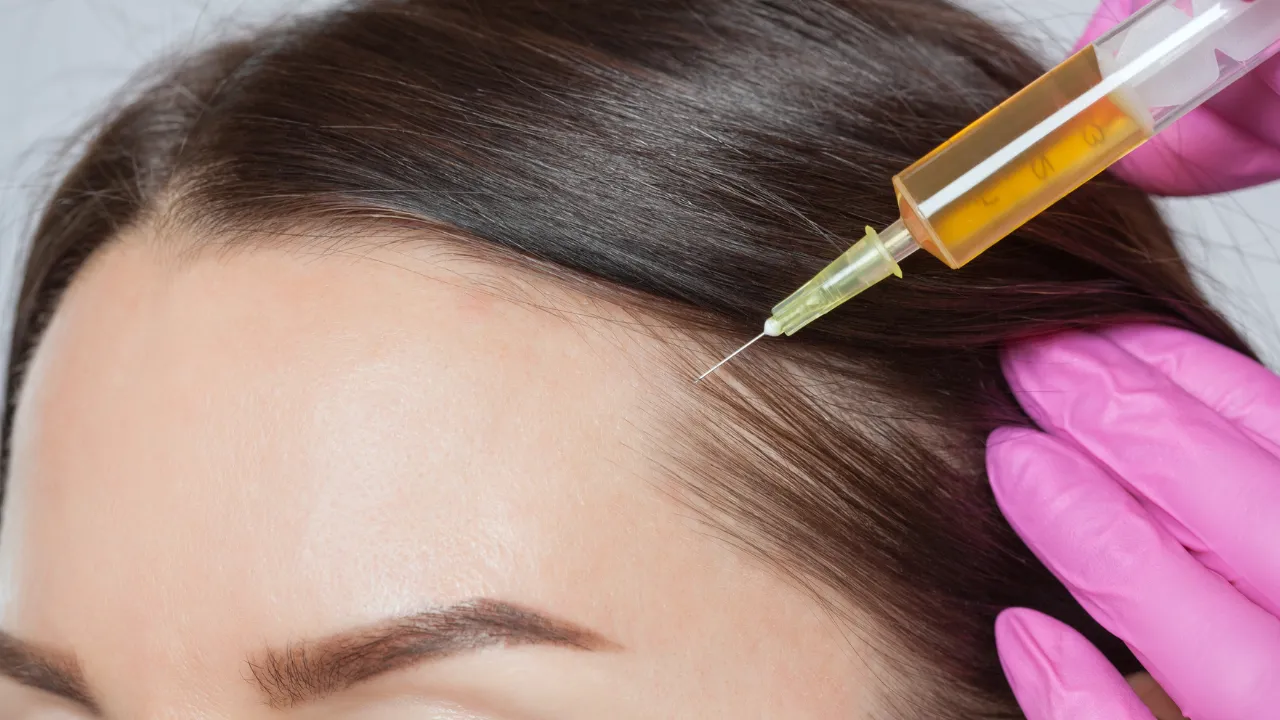
If eyebrow changes happen suddenly or with other symptoms, medical review is wise. Dr. Kopelman evaluates hair concerns by looking at both hormone levels and follicle behavior. In most cases, fast eyebrow growth is a normal genetic trait. Contact Kopelman Hair to schedule a consultation.