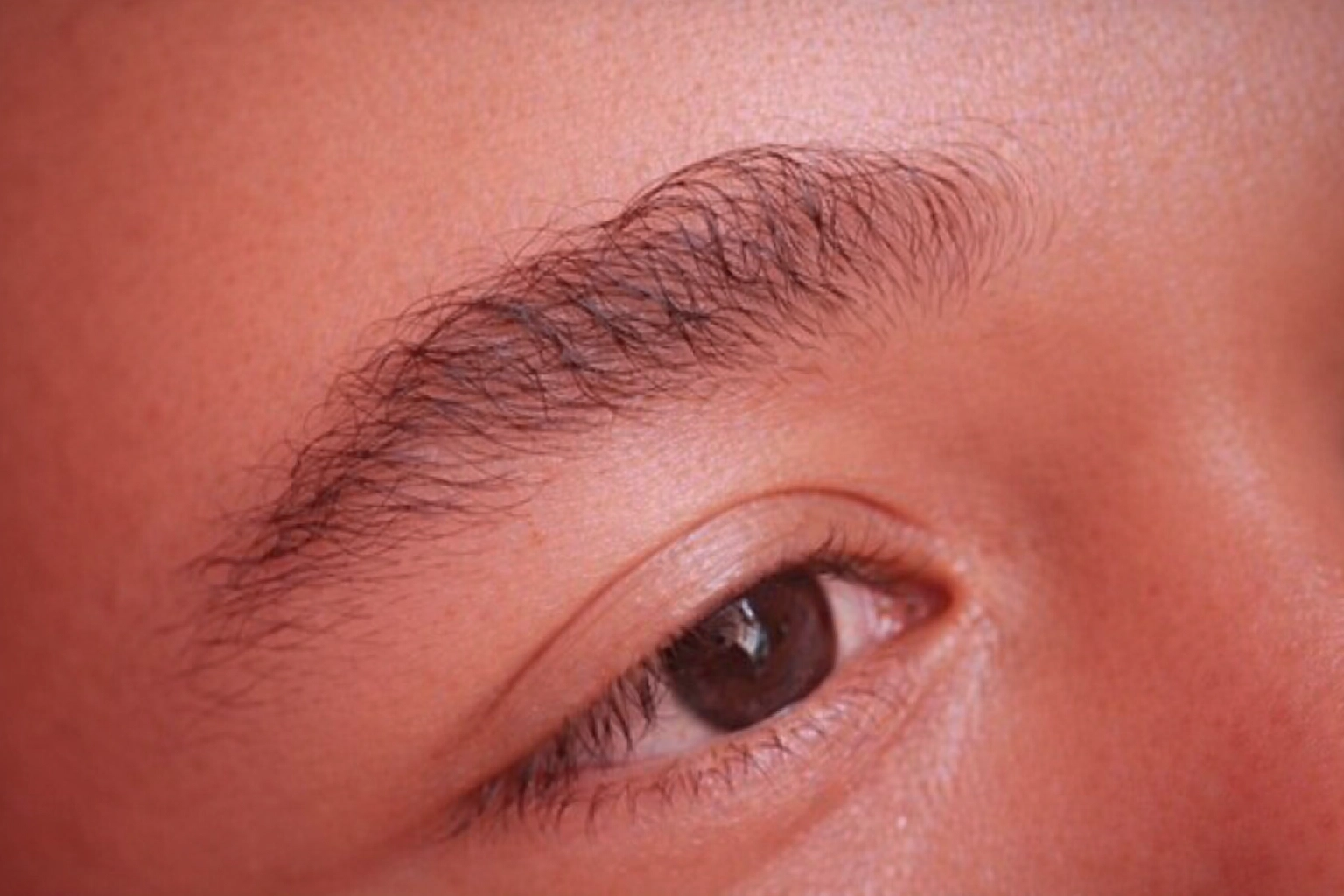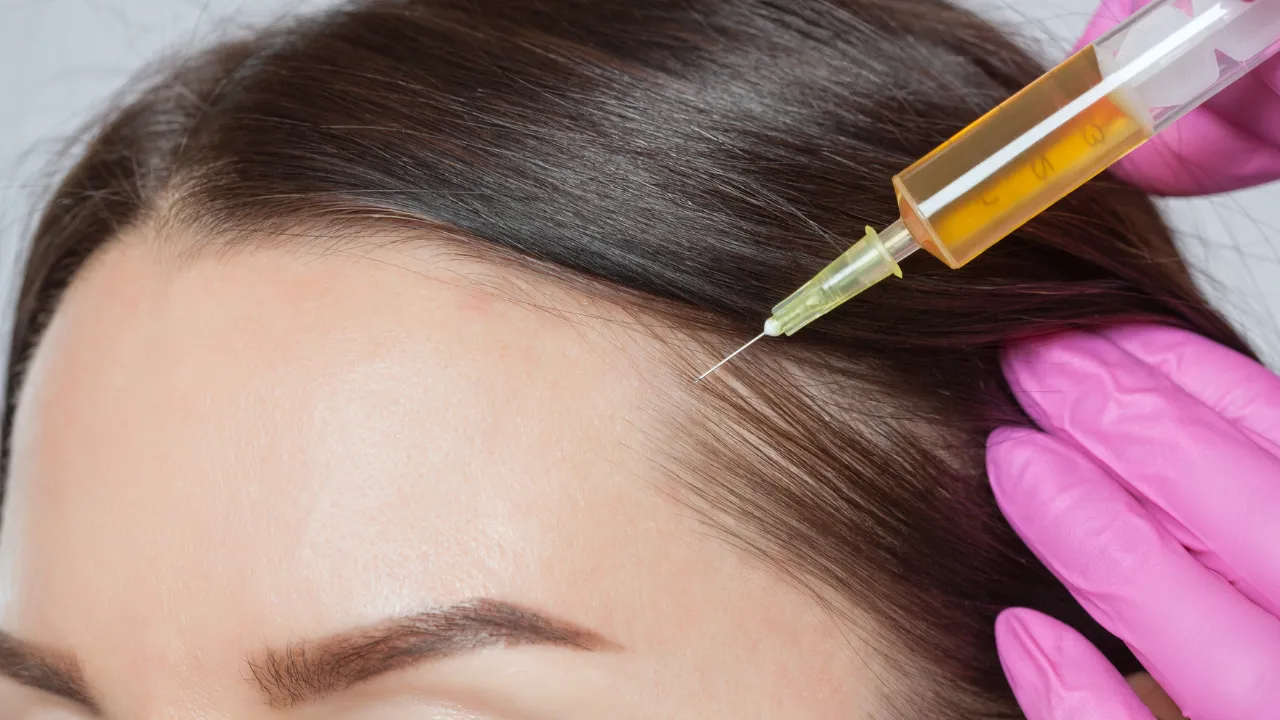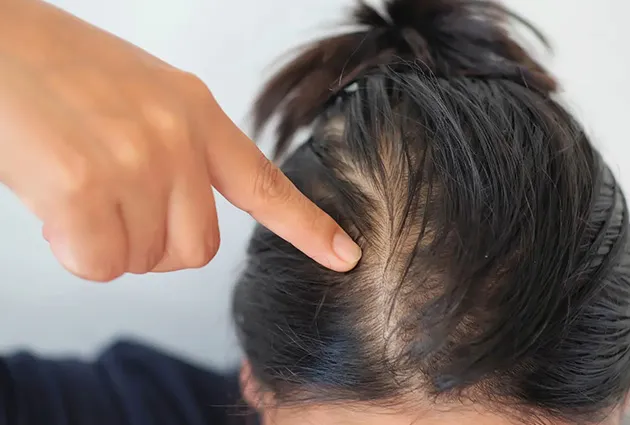

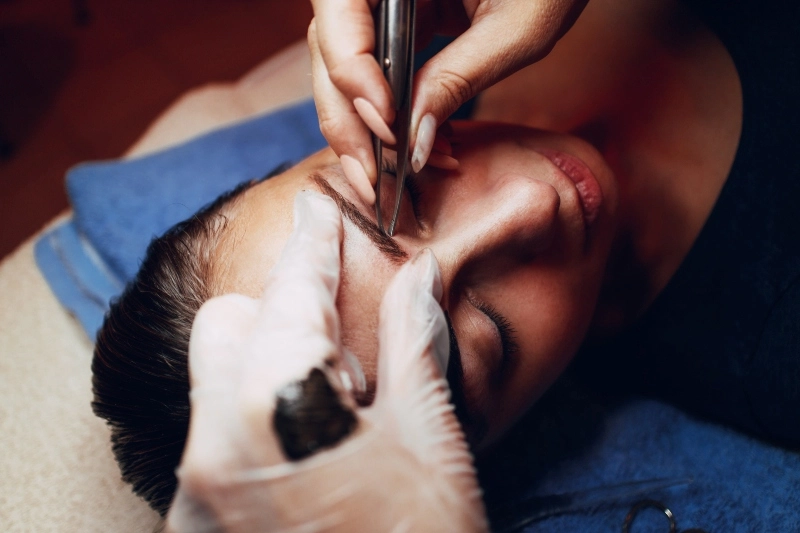
Can you use facial hair for an eyebrow transplant? Yes, facial hair can be used for an eyebrow transplant in select cases, but it is not the standard donor choice and requires careful medical evaluation. This article explains when facial hair is appropriate for eyebrow restoration, how doctors assess donor hair, and the limitations that may apply.
Drawing on clinical practice and current medical standards, Kopelman Hair presents this topic to help readers understand donor hair selection, safety considerations, and realistic expectations for eyebrow hair transplantation and facial hair restoration.
Key Takeaways
- Facial hair can be used for an eyebrow transplant in select cases, but it is typically considered only when scalp donor hair is limited or unsuitable.
- Beard hair is the most common facial donor source, yet it grows faster and may feel coarser than eyebrow hair, which can affect grooming and long-term balance with facial features.
- Surgeons evaluate donor areas based on growth cycle, texture, and predictability, all of which contribute to long-term consistency.
- Transplanted facial hair retains most of its original traits, meaning it does not fully adapt to eyebrow hair behavior and may require regular trimming.
Can Beard Hair Be Used For Eyebrow Transplant?
Beard hair is the most common facial donor source when facial hair is considered. In this context, the approach resembles a beard hair transplant, where each follicular unit is harvested and placed individually. Beard hair is durable and often available in sufficient quantity within facial donor areas.
Each transplanted hair follicle behaves similarly to how it did in the donor site. Because beard growth is typically faster than eyebrow growth, trimming may be needed more often after surgery. This does not affect safety but influences long-term maintenance and grooming habits, including hair play.
When Facial Hair Is A Good Option
Facial hair may be considered when scalp donor supply is limited due to eyebrow hair loss from alopecia or prior hair restoration procedures. It can also be used in cases of significant eyebrow thinning or eyebrow scarring. The decision is based on medical evaluation rather than personal preference.
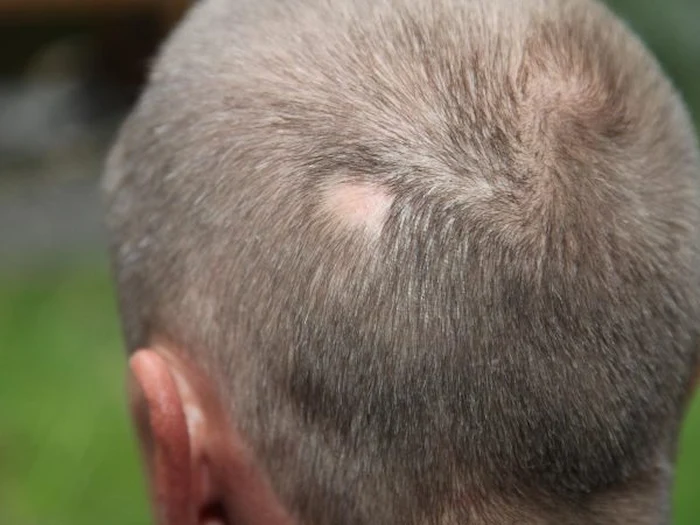
Facial hair is not appropriate for every patient. Certain characteristics may increase maintenance needs or affect visual consistency.
Facial hair may be ruled out when patients have:
- Very coarse beard hair
- Irregular facial hair growth
- Noticeable color mismatch
- Limited willingness for ongoing trimming
What Hair Is Used For Eyebrow Transplant Surgery?
Most eyebrow hair transplantation relies on fine scalp hair taken from the back of the head. This area often provides hair that blends well with eyebrow texture and direction. Proper donor selection supports long-term consistency.
Facial hair restoration techniques allow surgeons to use non-scalp donor areas when needed. Facial hair for eyebrow transplant procedures is considered secondary to scalp hair and is selected only when its traits meet functional and aesthetic requirements within the chosen hair transplant technique.
Surgeons use a structured process to decide whether facial hair is appropriate. The goal is predictability rather than donor availability, with each follicular unit assessed for long-term behavior.
Common factors evaluated include:
- Hair thickness and curl
- Growth speed relative to eyebrow hair
- Color match
- Skin characteristics at the recipient site
Scalp Hair Vs Facial Hair
Scalp hair usually grows more slowly and feels softer than facial hair. Facial hair grows faster and may appear firmer. These differences influence grooming and long-term appearance.
Facial hair also has a different biological growth cycle. Beard hair often remains in an active growth phase longer, which explains why trimming is often needed. Understanding these differences helps clarify donor selection decisions across hair restoration procedures.
How Surgeons Select Donor Hair
Donor selection considers hair diameter, growth behavior, and how each hair follicle may change after transplantation. Surgeons also assess how transplanted hair may evolve over time. Dr. Kopelman notes that matching growth patterns plays a central role in determining balanced outcomes.
Facial Hair Eyebrow Transplant Results And Limitations
Transplanted facial hair retains its original biological traits after surgery. While some softening may occur, the hair does not fully behave like native eyebrow hair. Growth speed and texture remain closer to facial hair.

It can offer a permanent solution for eyebrow density, but outcomes vary by donor type and skin characteristics. Facial hair can improve coverage, yet texture differences may remain noticeable. Expectations should focus on improvement rather than exact replication.
Limitations relate mainly to appearance and upkeep rather than medical risk. Facial hair may feel firmer and grow beyond the eyebrow line if left untrimmed. These trade-offs should be understood in advance.
Recovery, Aftercare, And Side Effects
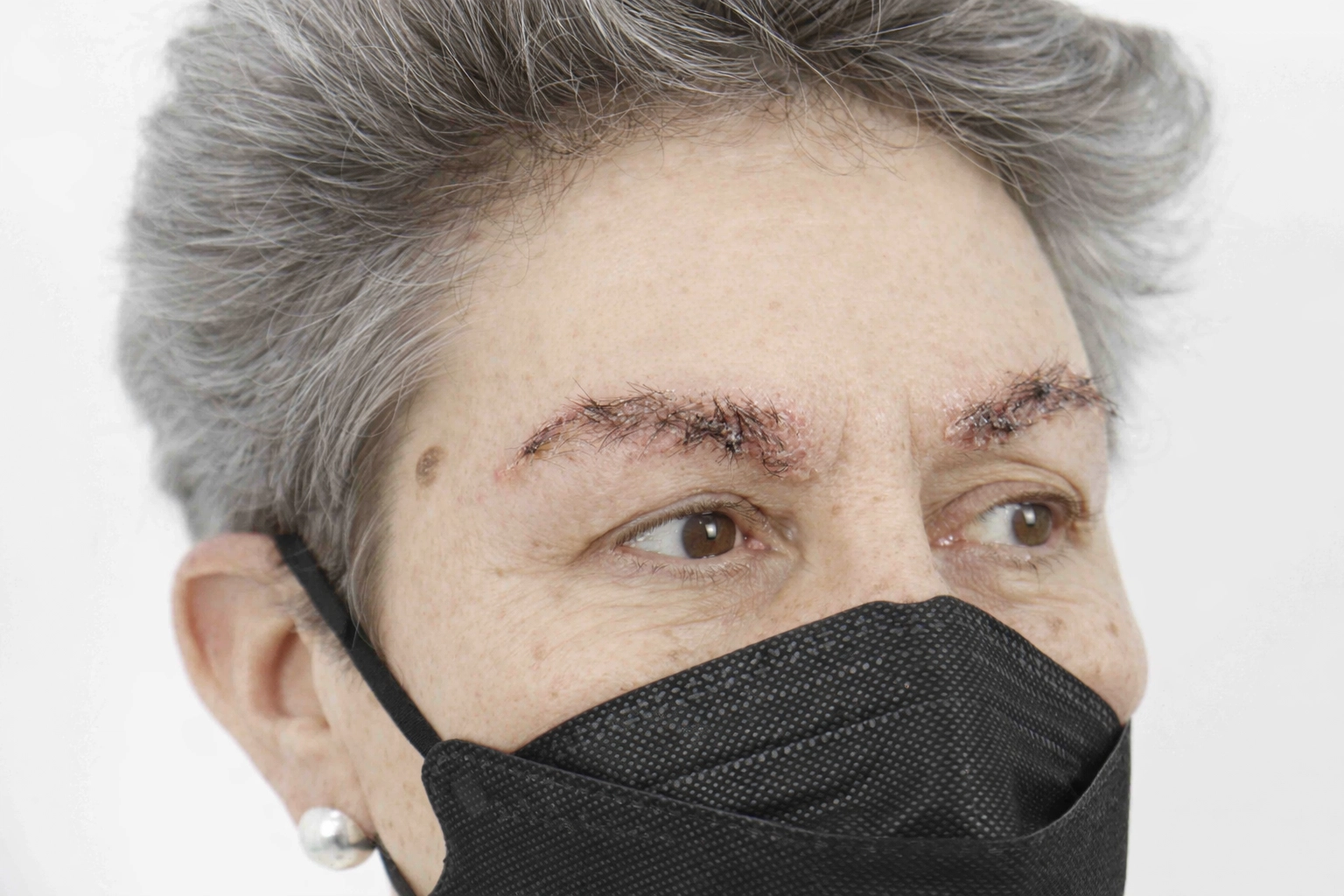
Recovery after eyebrow transplant is usually manageable with proper care. Swelling and redness are common early effects and typically resolve within weeks. Following aftercare instructions helps protect grafts during healing.
Initial healing occurs in the first two weeks, followed by a shedding phase. New growth usually begins within three to four months. Facial hair on the eyebrows often requires trimming every 2 to 4 weeks to maintain balance and an aesthetically pleasing shape.
If you are considering an eyebrow transplant in NYC or eyebrow restoration, scheduling a consultation can help determine whether this approach is appropriate for your case.