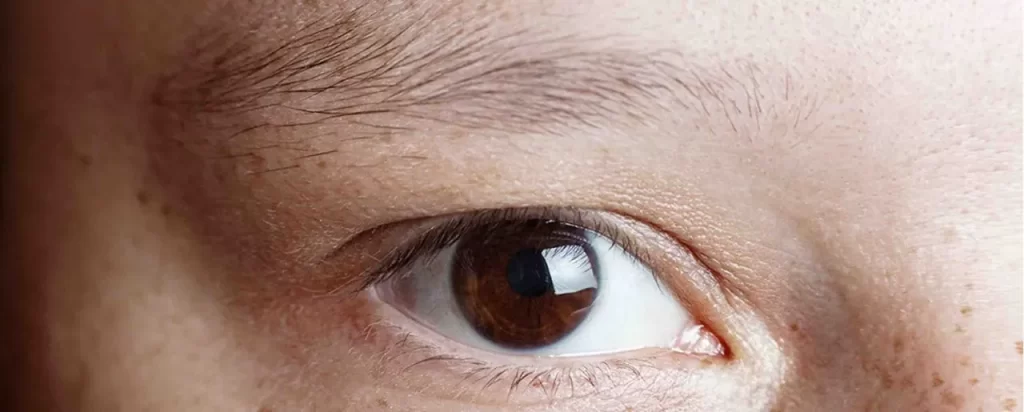
If you’ve noticed your eyebrows thinning or becoming patchy, this detailed guide on why your eyebrows are thinning explains the common causes and regrowth options. Whether due to an autoimmune disease, skin conditions, or hormonal changes, many individuals experience brow thinning and even total loss in the brow area.
Below, we explain the causes, how the condition is diagnosed, the treatments that work, what regrowth realistically looks like, and how to prevent further loss.
Why Do I Have Bald Spots in My Eyebrows?
Loss of brow hair, also known as madarosis, can result from various medical conditions and factors, such as:
- Alopecia Areata: One of the most common causes of eyebrow alopecia is this autoimmune condition, in which the immune system attacks its own hair follicles, leading to patchy shedding, including in the brow area. This can also cause bald eyebrows.
- Many patients wonder, “Does alopecia affect eyebrows?” The answer is yes. In alopecia areata, eyebrows and hair often fall out suddenly in small patches, sometimes affecting one or both brows. According to a peer-reviewed clinical review in the American Journal of Clinical Dermatology, brow involvement in alopecia areata is typically bilateral and patchy.
- Androgenetic Alopecia: Also known as male or female pattern baldness, androgenetic alopecia is a genetically determined disorder that causes thinning hair due to an excessive response to androgens, hormones that contribute to growth and reproduction. Regularly associated with shedding on the scalp, it can also extend to the eyebrows, leading to gradual thinning and patterned loss in both men and women.
- Telogen Effluvium: This condition causes temporary shedding due to stress, illness, or hormonal changes, disrupting the hair growth cycle. In some cases, it may cause a noticeable bald spot on the eyebrow and brow thinning.
- Hormonal Imbalances: Changes in hormones, especially during pregnancy or menopause, can lead to brow thinning. Hormones play a major role in regulating growth cycles and regrowth, making this a frequent factor in eyebrow hair loss, as female patients often report.
- Thyroid Disorders: Hypothyroidism classically thins the outer third of the brow, a pattern clinicians call the Hertoghe or Queen Anne sign. The clinical literature notes this is a recognized, though nonspecific, sign of low thyroid function.
- Nutritional deficiencies: The body requires various nutrients to grow brows properly, including vitamins A, B, C, D, and E, as well as iron. Therefore, it’s vital to maintain a healthy diet filled with fish, nuts, seeds, and leafy vegetables to minimize loss. Research also shows that deficiencies in fatty acids like omega-3 and omega-6, biotin, and zinc contribute to shedding, especially if paired with other stressors or underlying health conditions.
- Skin Conditions: Brows grow directly from follicles located in the skin, and certain skin conditions can interfere with this process. These conditions can cause inflammation, itching, and flaking, disrupting follicle health. The most common skin issues affecting brow growth include:
- Atopic Dermatitis (Eczema): This condition is characterized by inflammation, irritation, and intense itching. Over time, it can weaken the follicles, making it difficult for new strands to grow and leading to brow thinning or loss.
- Contact Dermatitis: Triggered by exposure to irritants or allergens, this condition causes inflammation and itching near the brows. This skin irritation can block normal growth and contribute to loss in the affected areas.
- Psoriasis: an autoimmune disorder that accelerates skin cell production, leading to thick, scaly patches. These scales can cover the follicles, blocking growth and resulting in brow loss. In all of these cases, treating the underlying skin condition is essential for restoring normal eyebrow growth.
- Frontal Fibrosing Alopecia (FFA): This scarring condition often begins on the lateral brow before scalp changes appear. Because it can permanently damage follicles, early evaluation matters; a published review reports brow involvement in up to 96 percent of FFA patients.
How Is Eyebrow Alopecia Diagnosed?
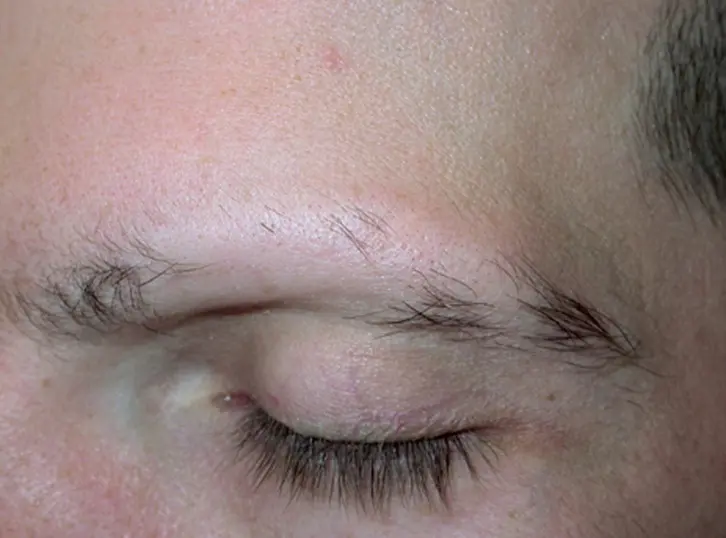
Appearance alone cannot confirm the cause, so a dermatologist will look closely before recommending any treatment. Getting the diagnosis right is what separates a temporary, reversible problem from a scarring one that needs urgent care.
A specialist typically starts with a clinical exam of the scalp, brows, and lashes, checking the pattern and the condition of the surrounding skin. They may use a dermatoscope, a magnifying tool, to look for telltale signs such as “exclamation point” hairs, yellow dots, or hairs growing in different directions.
Blood tests are often followed to check thyroid function, iron levels, and other markers, since lab results help confirm or rule out an underlying medical condition. In uncertain cases, a small skin biopsy of the brow can confirm whether autoimmune inflammation or scarring is present.
This step matters because non-scarring loss means the follicles are still alive and regrowth is realistic, while scarring loss means the follicles have been destroyed. Knowing which one you have sets honest expectations for what treatment can achieve.
| Treatment | How It Works | Best Suited For | What to Expect |
|---|---|---|---|
| Topical Minoxidil | Stimulates follicles to encourage regrowth. | Early-stage or temporary brow thinning. | Fine regrowth over several months with consistent use. |
| Corticosteroid Injections | Reduce the inflammation behind autoimmune loss. | Alopecia areata affecting the brows. | Repeated sessions; regrowth depends on follicle health. |
| JAK Inhibitors (baricitinib, tofacitinib) | Block the immune pathways that drive alopecia areata. | Moderate to severe alopecia areata. | Meaningful brow regrowth in roughly 35% on 4 mg baricitinib in trials, versus under 5% on placebo. |
| Bimatoprost (Latisse) | Prescription solution that supports brow and lash growth. | Select cases, often alongside other therapy. | Gradual improvement; results vary by individual. |
| Eyebrow Transplant (FUE) | Relocates healthy follicles into the brow area. | Permanent loss in stable, non-active cases. | Fuller, natural brows lasting years; full effect takes several months. |
| Microblading / Cosmetic Tattooing | Deposits pigment to mimic the look of fuller brows. | Cosmetic camouflage without surgery. | Semi-permanent; needs periodic reapplication. |
Treatment Options for Alopecia Eyebrows
There are several ways to manage eyebrow alopecia depending on the underlying cause:
- Topical Treatments: Minoxidil, commonly used for scalp thinning, can also be applied to brows to stimulate regrowth after temporary loss. This treatment can be effective in early-stage thinning.
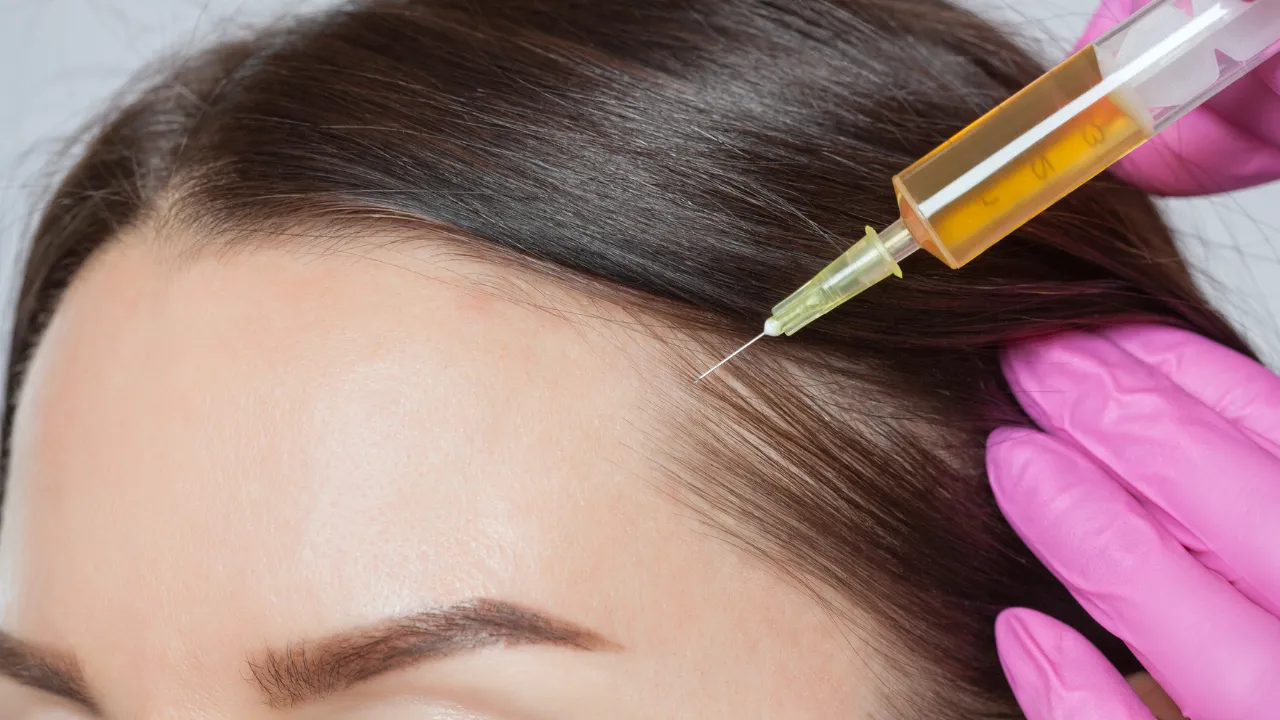
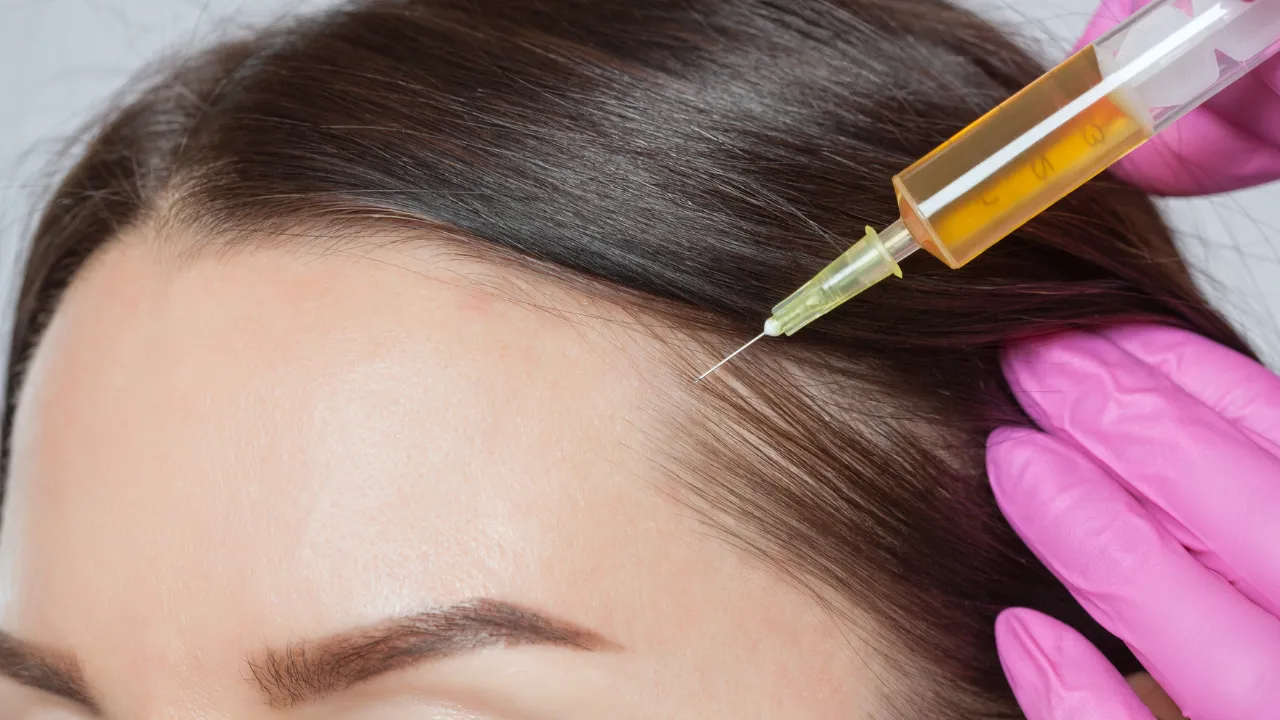
- Steroid Injections: For individuals with autoimmune conditions such as alopecia areata, corticosteroid injections may help reduce inflammation and promote regrowth. Intralesional triamcinolone is a commonly reported approach for the brow area.
- JAK Inhibitors: Oral medications such as baricitinib and tofacitinib block the immune pathways that drive alopecia areata. Baricitinib is FDA-approved for the condition, and clinical trials reported meaningful brow regrowth in roughly 35 percent of patients on the 4 mg dose, compared with under 5 percent on placebo, according to an AJCD review.
- Bimatoprost (Latisse): This prescription solution, used for lash growth, can also support brow regrowth in some cases.
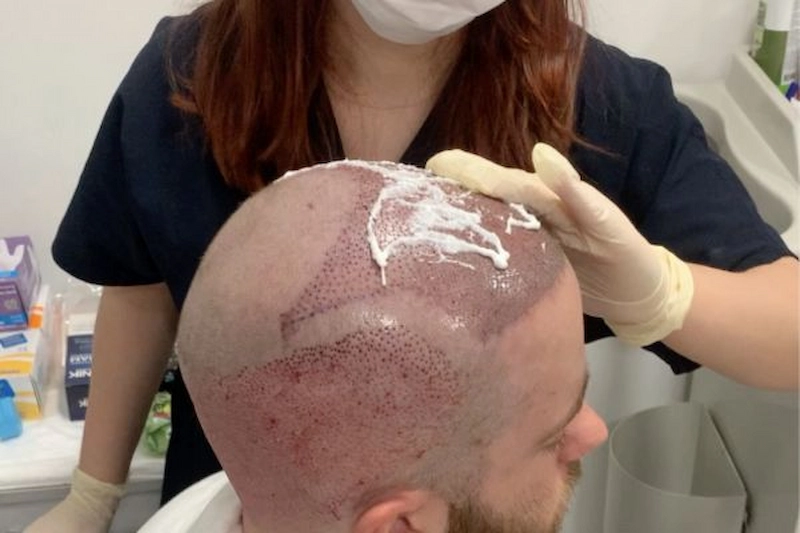
- Hair Transplants: For permanent loss, an eyebrow transplant may be a long-term solution. This involves techniques such as Follicular Unit Extraction (FUE), in which follicles are taken from a donor area, such as the scalp, and implanted in the brow area. The results often provide fuller, natural-looking brows for many years. Many patients prefer eyebrow transplants in NYC due to easier follow-up visits, in-person evaluations, and access to experienced restoration teams.
- Managing Skin Conditions: If loss is due to conditions such as seborrheic or atopic dermatitis, treating the underlying issues can help prevent further shedding. Working with a dermatologist to manage these conditions is key to restoring and maintaining healthy brows.
- Microblading and Cosmetic Tattooing: Non-surgical options like microblading offer a cosmetic fix for bald patches in the eyebrow area, creating the illusion of fuller brows without surgery. These options are often preferred for individuals asking, “Can you have eyebrows with alopecia and still look natural?” The answer is yes, with the right approach.
When Will My Eyebrows Grow Back?
Whether brows return depends almost entirely on the health of the follicles. Temporary triggers such as stress, telogen effluvium, or nutritional gaps often improve once the underlying issue is corrected, and growth resumes on its own.
For autoimmune cases treated with topical anti-inflammatory medication, dermatologists generally hope to see fine regrowth within three to six months of starting therapy. Timelines vary with the severity of the condition and the treatment plan.
Scarring conditions are different. With diseases like frontal fibrosing alopecia, medical therapy may slow progression, but cannot revive follicles that have already been destroyed, which is why early treatment is so important.
Cycles of loss and regrowth can also recur in alopecia areata, so consistency with treatment and follow-up matters. Realistic expectations, set with your dermatologist, are part of a successful plan.
Preventing Eyebrow Hair Loss
In addition to treatments, preventive measures can help maintain healthy brow growth:
- Avoid Over-Plucking: Frequent plucking or waxing can permanently damage the follicles, making it difficult for new strands to grow. Limit grooming to avoid worsening the problem.
- Address Hormonal Imbalances: Seek medical advice if you suspect hormonal shifts are contributing to your brow thinning. Addressing these issues can prevent further loss and promote regrowth.
- Manage Autoimmune Diseases: Conditions like alopecia areata can cause recurring episodes of bald patches in the eyebrows. Early treatment can minimize loss and reduce the frequency of flare-ups.
- Protect the Brow Area: Because brows shield the eyes from sweat and debris, gentle care and sun protection over the brow area support recovery while follicles heal.
Side Effects of Eyebrow Transplants
While an eyebrow transplant is a permanent solution for many, it’s important to be aware of potential side effects. These include temporary swelling, redness, or discomfort in the brow area following the surgical procedure. Additionally, it may take several months to see the full effect as the growth cycle progresses.
Candidacy also matters. Active or unstable alopecia areata is not always suitable for surgery, so a thorough evaluation comes first. For those seeking a lasting solution for alopecia brows, transplants can be a reliable option in the right cases.
Your Restoration Journey
Alopecia of the eyebrows can result from medical conditions, skin problems, or hormonal changes. With the right approach, it can be managed and treated. Treatments like creams, steroid shots, or eyebrow transplant surgery can offer lasting help for people dealing with brow loss.
By addressing the underlying cause and considering long-term options such as transplants, individuals can restore eyebrow density and regain fuller, natural-looking brows. If you’re dealing with bald patches in your eyebrows, seeking professional advice is the first step toward finding the most effective treatment plan for your unique needs.
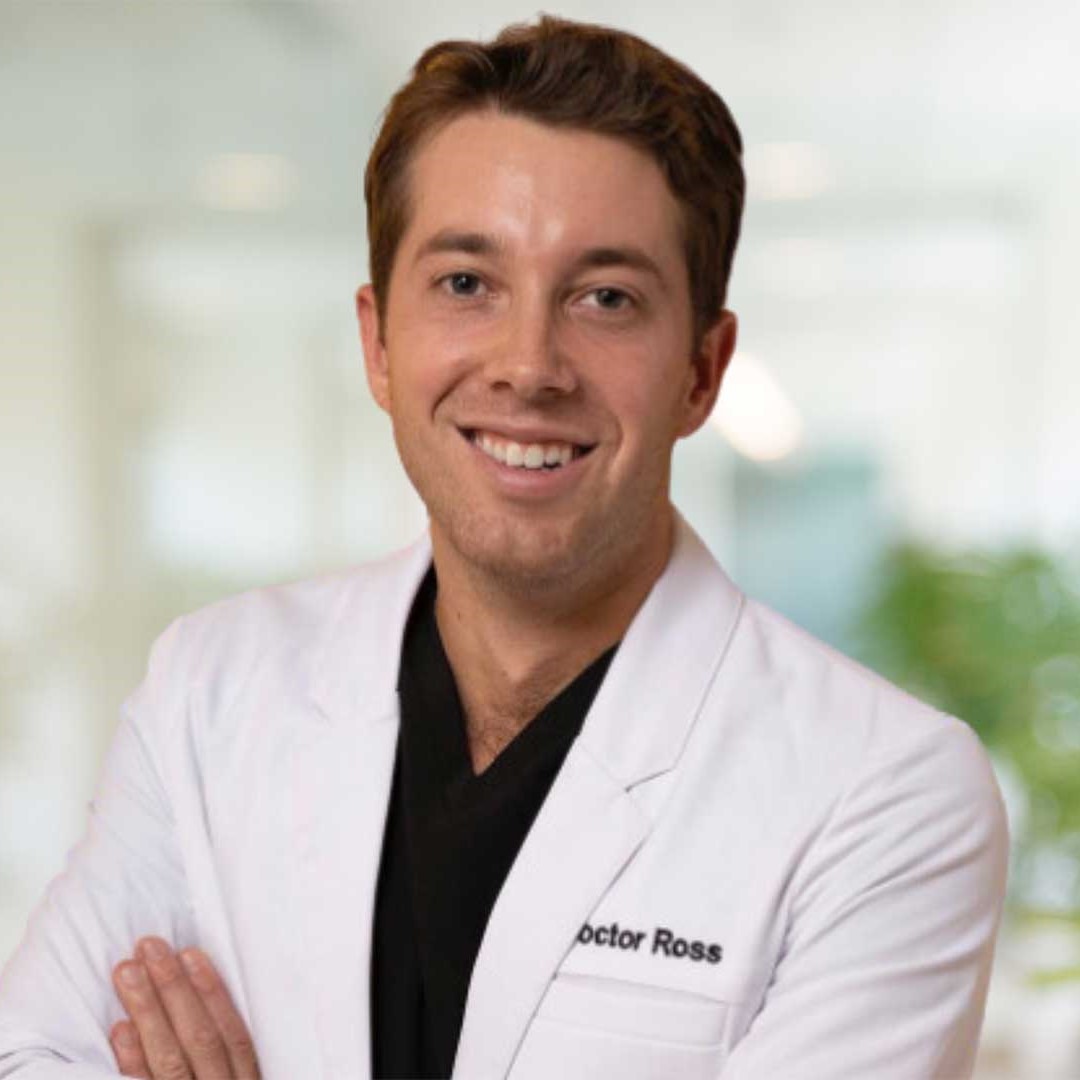
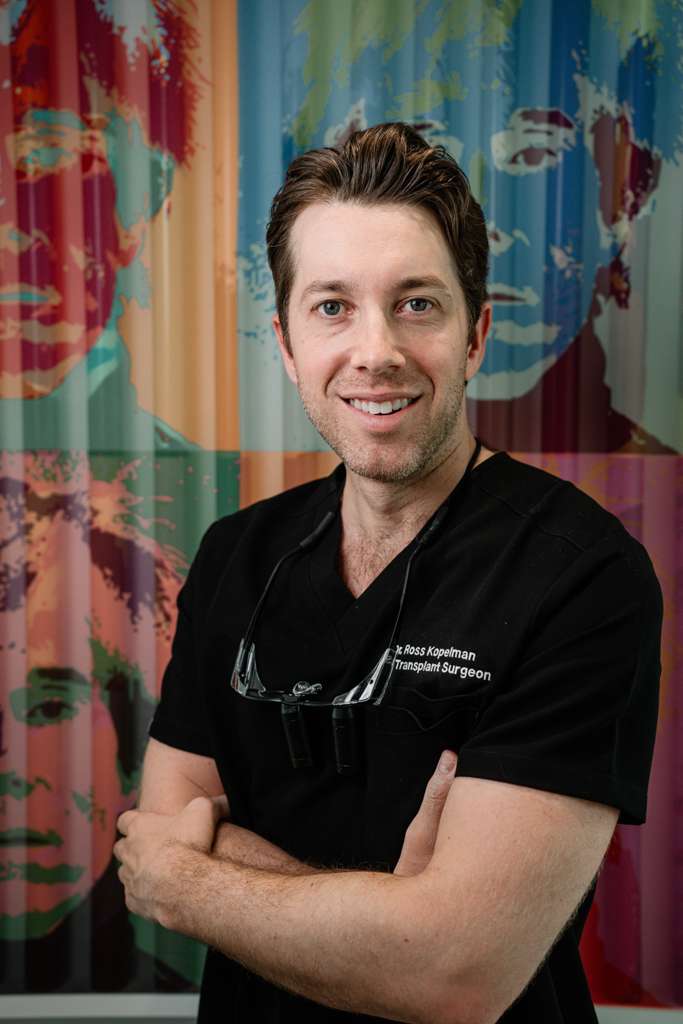
Dr. Joel and Ross Kopelman, a father-son duo of transplant surgeons with a combined 35+ years of experience, specialize in personalized treatments that address your unique needs. Whether you’re dealing with a receding hairline, thinning eyebrows, or balding patches, or would like a full beard, schedule a consultation with Dr. Kopelman, who can help you explore your options and find the best solution.