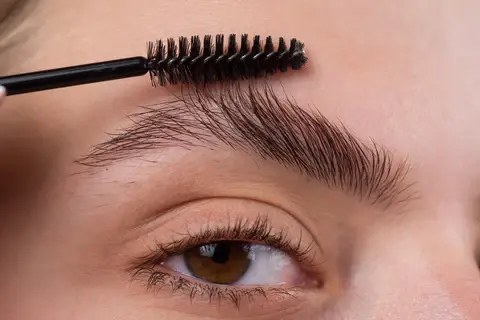

Many people want fuller eyebrows but are unsure which technique will create natural results, especially if they are dealing with eyebrow thinning. Understanding hair stroke eyebrows vs microblading helps patients choose a method that matches their goals and skin type.
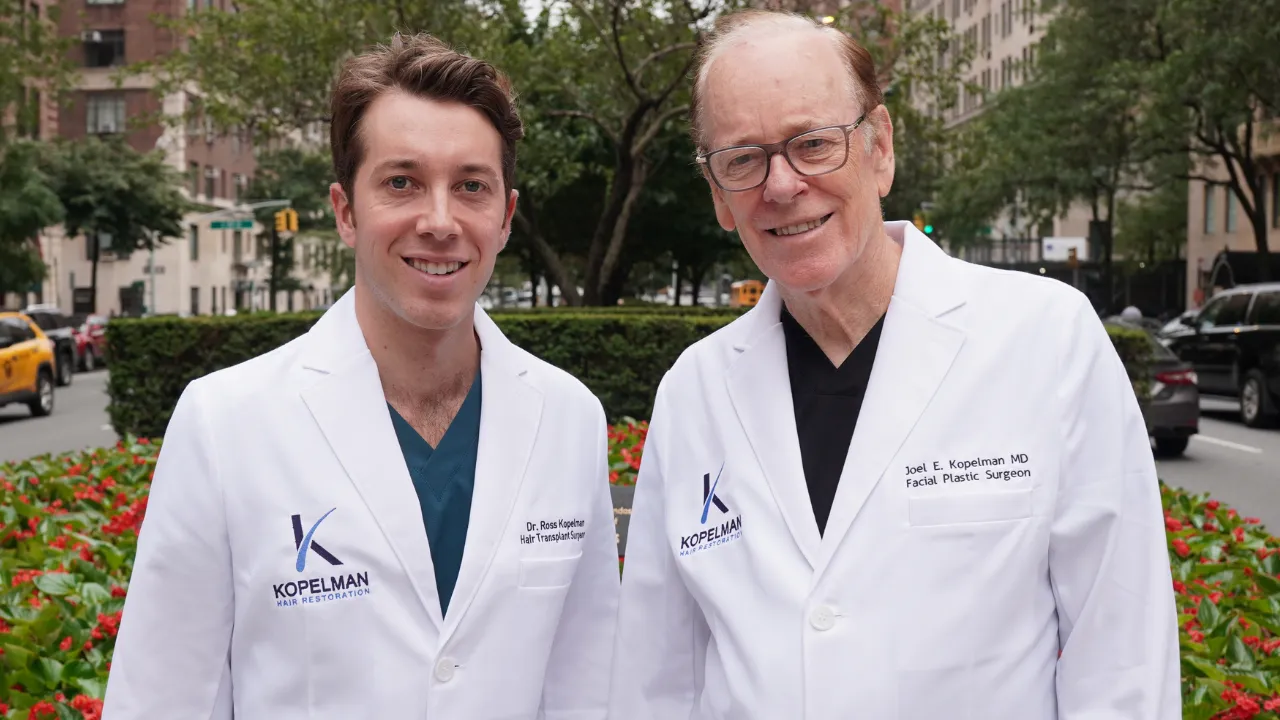
At Kopelman Hair, Dr. Kopelman and his team guide patients through cosmetic and surgical options. These options support a natural brow appearance.
Both procedures belong to semi permanent makeup, yet they use different tools and techniques to mimic eyebrow hair. Some methods work better depending on skin type, brow density, and personal goals.
Key Takeaways
- Hair stroke eyebrows and microblading are forms of semi permanent makeup that create brow strokes by placing pigment in the upper layers of the skin to mimic natural eyebrow hairs.
- Hair stroke techniques use a machine with a fine needle to create soft strokes that resemble natural hair, while microblading hairstrokes use a handheld blade with needles to create small channels that hold pigment.
- Results, healing time, and longevity vary depending on skin type, pigment placement, and aftercare, with oily skin often causing faster fading than dry skin.
- Choosing an experienced specialist is important because proper pigment placement, technique, and consultation help achieve natural looking brows and stable long term results.
Hair Stroke Eyebrows vs Microblading: Key Differences
The comparison between hair stroke eyebrows vs microblading begins with how each method creates realistic strokes. Both procedures aim to replicate natural eyebrow hairs, but the tools and techniques differ.
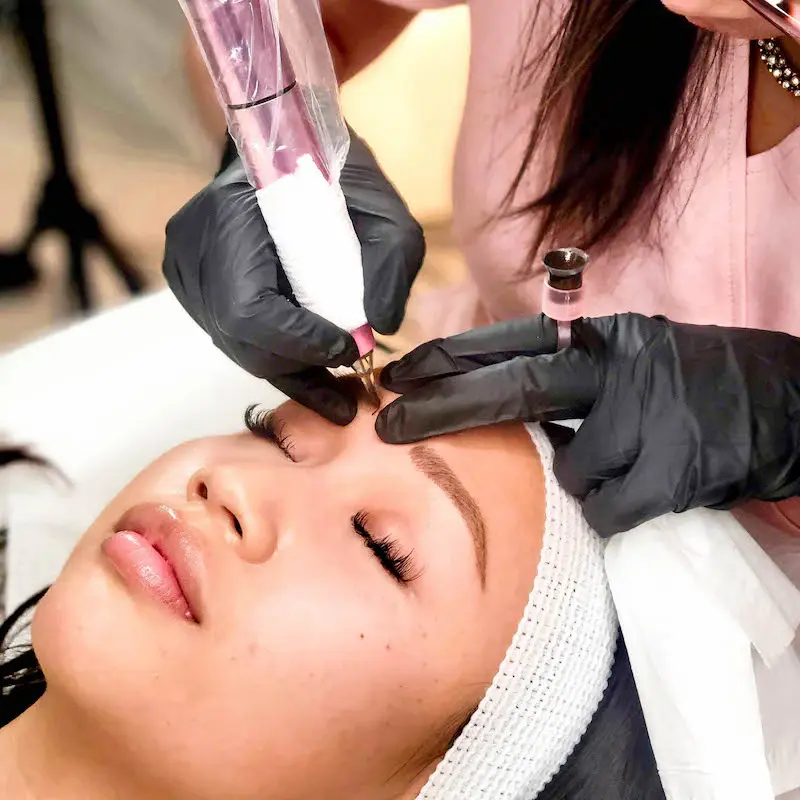
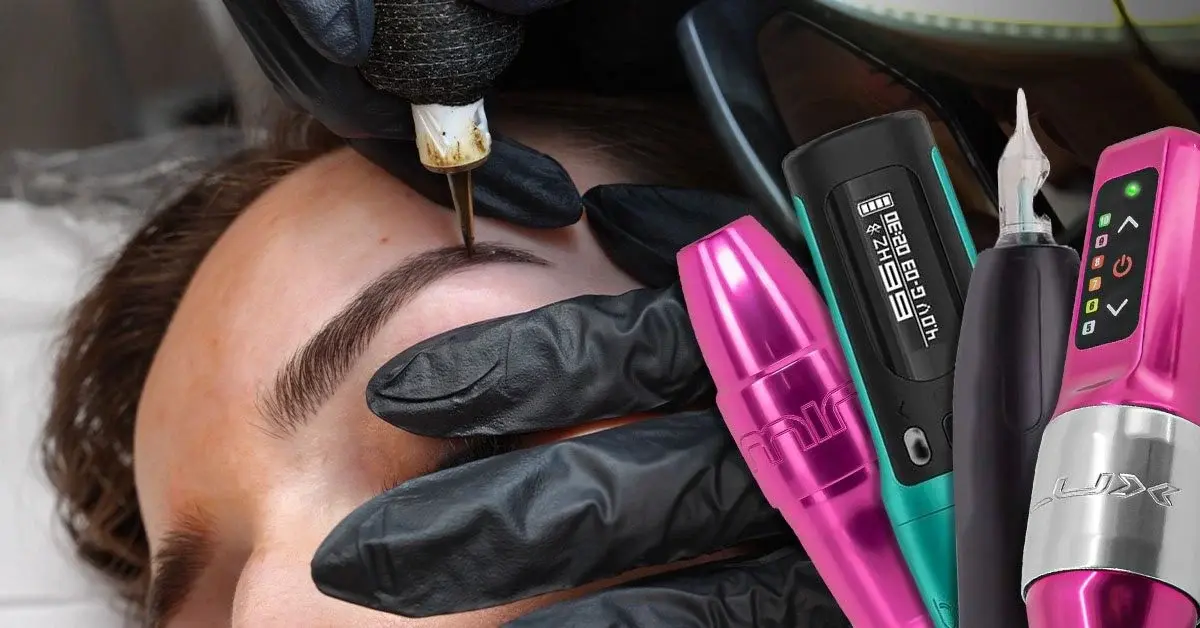
Hair stroke procedures use a machine device with a fine needle to create precise strokes. Microblading uses a handheld blade with several needles to create small channels where pigment settles.
Both methods deposit pigment in the upper layers of the skin. Proper pigment placement helps strokes appear natural and stable during healing.
Tools Used in Each Technique
Microblading relies on a manual blade composed of tiny needles. The artist uses this blade to place pigment by making controlled strokes in the skin.
Hair stroke procedures use a digital pen device that allows greater control. Many artists prefer this method because it produces consistent strokes that resemble natural hair.
These devices can also create extremely fine strokes that imitate individual hairs.
Pigment Placement in Skin Layers
Both techniques place pigment in the superficial layers of the skin. This shallow depth helps maintain clear strokes while avoiding deep tattoo pigment.
In microblading, the blade forms tiny cuts where pigment settles. Hairstroke machines gently deposit pigment through controlled motion.
Accurate pigment placement becomes important because depth changes depending on skin type.
Hair Stroke vs Microblading Results
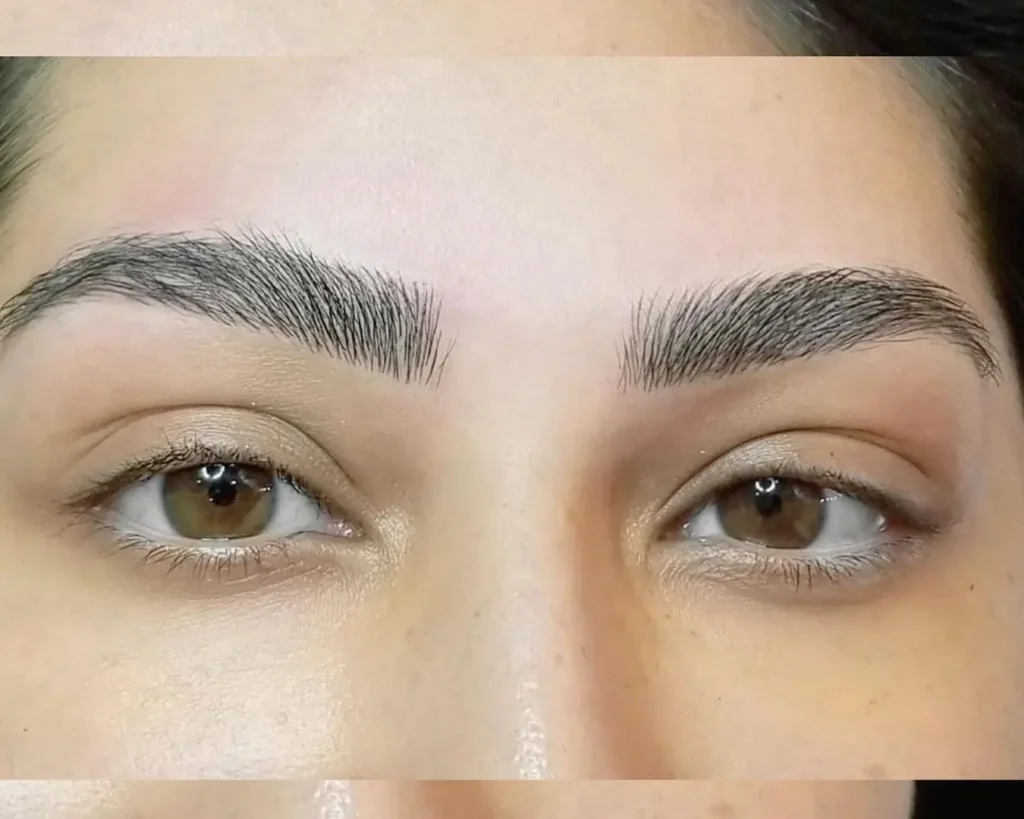
The final appearance depends on brow density and skin condition, which may also change in people experiencing alopecia eyebrows. Hairstroke methods often create softer strokes that resemble natural brow hairs.
Microblading may produce sharper strokes immediately after treatment. Over time, the pigment softens as healing occurs.
Both approaches aim to create a real eyebrow appearance that blends with existing hair.
Which Is Better: Hair Stroke or Microblading?
The best option depends on personal preference and skin condition. Hairstroke methods often work well for a range of skin types and may adapt to a wider range of skin conditions.
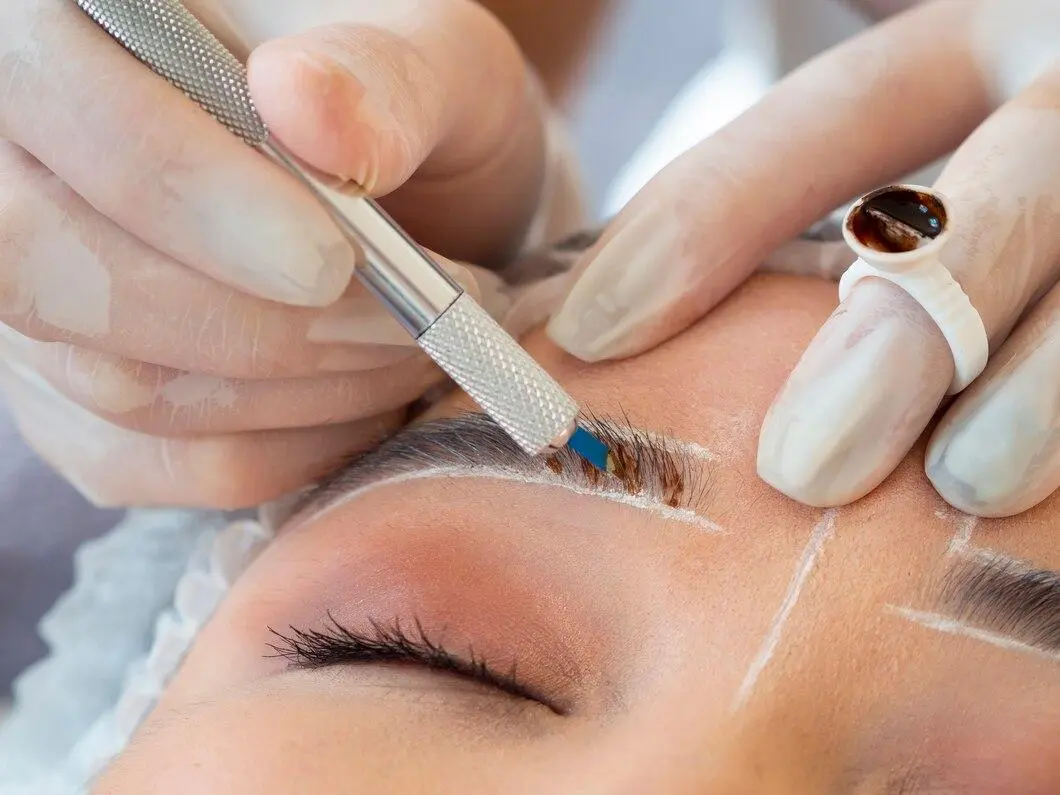
Microblading can shape sparse brows quickly. However, results vary depending on skin type and aftercare.
Consultation with a qualified provider helps determine the best approach.
Pros and Cons of Each Technique
Both treatments offer benefits.
Hair stroke brows
- Blend with natural eyebrow hairs
- Work across a range of skin types
- Often produce softer strokes
Microblading
- Creates defined strokes quickly
- Helps shape sparse brows
- Requires touch ups over time
Which Method Looks More Natural
Many patients want brows that match existing hair. Hairstroke methods often blend smoothly with natural brow hairs.
Microblading strokes may appear more structured. After healing, both techniques can resemble individual hairs.
Results depend on artist skill and skin condition.
Hair Stroke Eyebrows Healing Process and Results
Healing usually takes two to four weeks. During this time, pigment settles and strokes soften.
The healing phase affects how long the pigment remains visible. Skin that produces more oil may cause strokes to fade faster.
Following aftercare instructions helps protect the final result.
Typical Healing Timeline
The first days may include redness and darker pigment. After about a week, mild flaking may occur as the skin heals.
Over time the pigment settles in the layers of the skin. Final results appear once healing completes.
Healing speed may vary for skin types, especially oily.
Hair Stroke Eyebrows vs Microblading Before and After
Immediately after treatment, strokes appear darker than the final result. As healing occurs, pigment softens and blends with existing hair.
Before and after results often show fuller brows and improved symmetry. Hairstrokes usually produce softer transitions between strokes and skin.
How Long Do Hairstroke Brows Last
Most hairstroke brows last between one and two years. Longevity depends on skin condition, aftercare, and lifestyle.
Results may last longer for patients with dry skin. Oily skin may cause pigment to fade faster.
Periodic touch ups maintain color and shape.
Average Longevity
Many patients maintain results for twelve to eighteen months. Regular touch ups help refresh strokes and pigment color.
Sun exposure and skincare products may also affect fading.
Factors That Affect Pigment Retention
Several factors influence longevity:
- skin type
- sun exposure
- pigment depth
- aftercare routine
These elements affect how pigment heals and fades.
What Are Hair Stroke Eyebrows
Hair stroke brows use machine devices to imitate eyebrow hair growth. The technique produces strokes that resemble natural eyebrow hairs.
Artists customize stroke direction to match existing hair patterns. This approach creates subtle brow enhancement.
Hairline Stroke Eyebrows Explained
Hairline stroke eyebrows focus on placing fine strokes along the brow structure. These strokes mimic the growth pattern of real hair.
The technique blends strokes with existing hair to create realistic brows.
Machine and Nano Hair Stroke Techniques
Machine devices produce strokes using very fine needles. Some practitioners create nano hair strokes for extra precision.
These methods can work across a wider range of skin conditions. Modern nano brows represent an evolution of hairstroke technology.
What Is Microblading
Microblading uses a handheld blade to create strokes in the skin. The artist then deposit pigment into those channels.
This technique helps shape brows and create the appearance of hair growth. Proper technique keeps pigment within the superficial skin layers.
How Microblading Hairstrokes Are Created
The blade contains several tiny needles that form thin strokes. These strokes imitate individual hairs and follow the brow pattern.
Precise placement allows the strokes to resemble natural eyebrow hairs.
How Microblading Deposits Pigment
After strokes are formed, pigment is applied to the skin. The pigment settles as the skin heals.
Controlled pigment placement helps maintain clear strokes while preventing pigment spread.
Best Skin Types for Each Technique
Skin condition plays an important role in how strokes heal and may relate to broader patterns seen in types of alopecia. Some techniques work better across a range of skin types.
Hairstrokes often adapt well to multiple skin conditions. Microblading may work best when skin texture is stable.
Dry Skin vs Oily Skin
Clients with dry skin often see longer lasting strokes. Oily skin may cause strokes to blur or fade faster.
Artists may adjust technique for skin types, especially oily.
Range of Suitable Skin Types
Many hairstroke techniques are suitable for all skin types. Machine devices allow controlled pigment depth.
Microblading may work best for certain skin conditions depending on oil production.
Risks and Safety Considerations
Cosmetic tattoo procedures carry potential risks, particularly for patients with underlying conditions linked to inflammation and hair loss. Minor redness or irritation may occur during healing.
Choosing experienced professionals reduces complications. Careful technique protects proper pigment placement.
Possible Skin Reactions
Some patients experience temporary redness or sensitivity. These symptoms usually resolve during healing.
Uneven pigment may occur if the procedure is performed incorrectly.
Importance of Experienced Artists
Experience improves both safety and results. Skilled artists understand how to adapt technique depending on skin type.
Patients should review certifications and portfolios before treatment.
Finding Machine Hair Stroke Brows Near Me
Many patients search for experienced hairstroke providers. Training and experience should guide the decision.
At Kopelman Hair, Dr. Kopelman evaluates patient goals and provides guidance on aesthetic options.
How to Choose a Qualified Specialist
Important factors when selecting a provider include:
- training and certification
- experience with hairstroke procedures
- hygiene standards
- before and after results
These factors help ensure consistent outcomes.
What to Look for in a Clinic
A reputable clinic offers consultation and realistic expectations. Providers should explain technique differences depending on skin type.
Clear communication and aftercare guidance help patients feel confident.
Alternatives to Microblading
Some patients explore other brow procedures when dealing with eyebrow hair loss on one side. Modern cosmetic treatments provide multiple options.
These approaches create different effects ranging from shading to permanent hair restoration.
Nano Brows
Nano brows use machine devices to create extremely thin strokes. The technique produces softer strokes than traditional microblading.
Precision needles allow artists to control stroke depth carefully.
Powder Brows
Powder brows create a shaded effect similar to brow makeup. Instead of strokes, the technique builds soft color density.
This method works well for patients who prefer fuller brows.
Eyebrow Transplant Options
For patients seeking permanent results, eyebrow transplantation may be considered. This surgical procedure moves hair follicles to the brow area.
At Kopelman Hair, Dr. Kopelman evaluates candidates carefully before recommending surgical treatment.