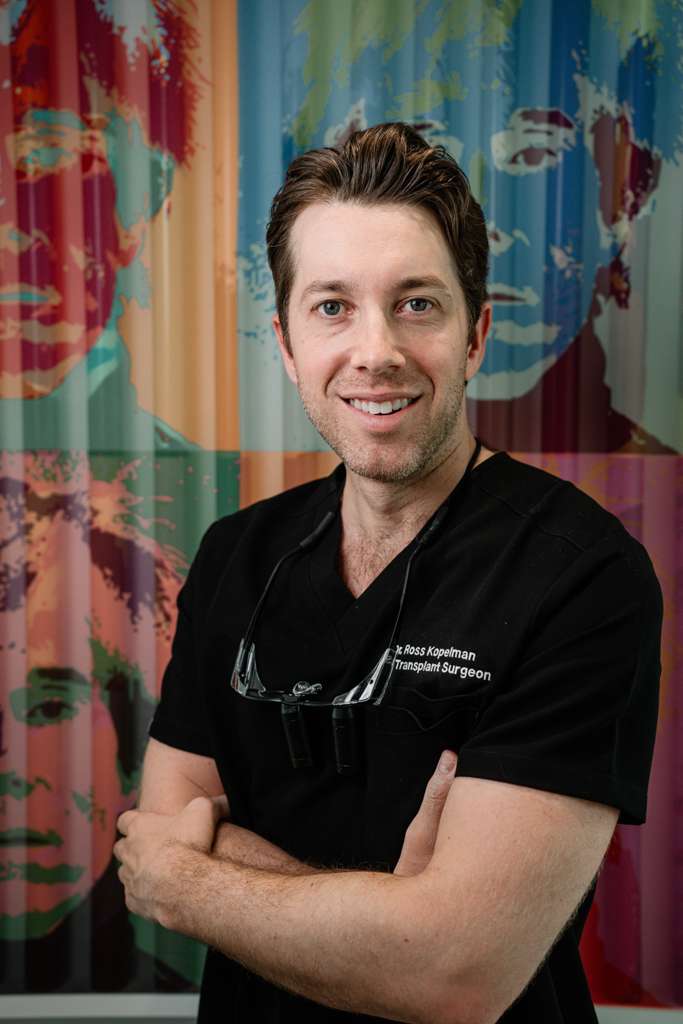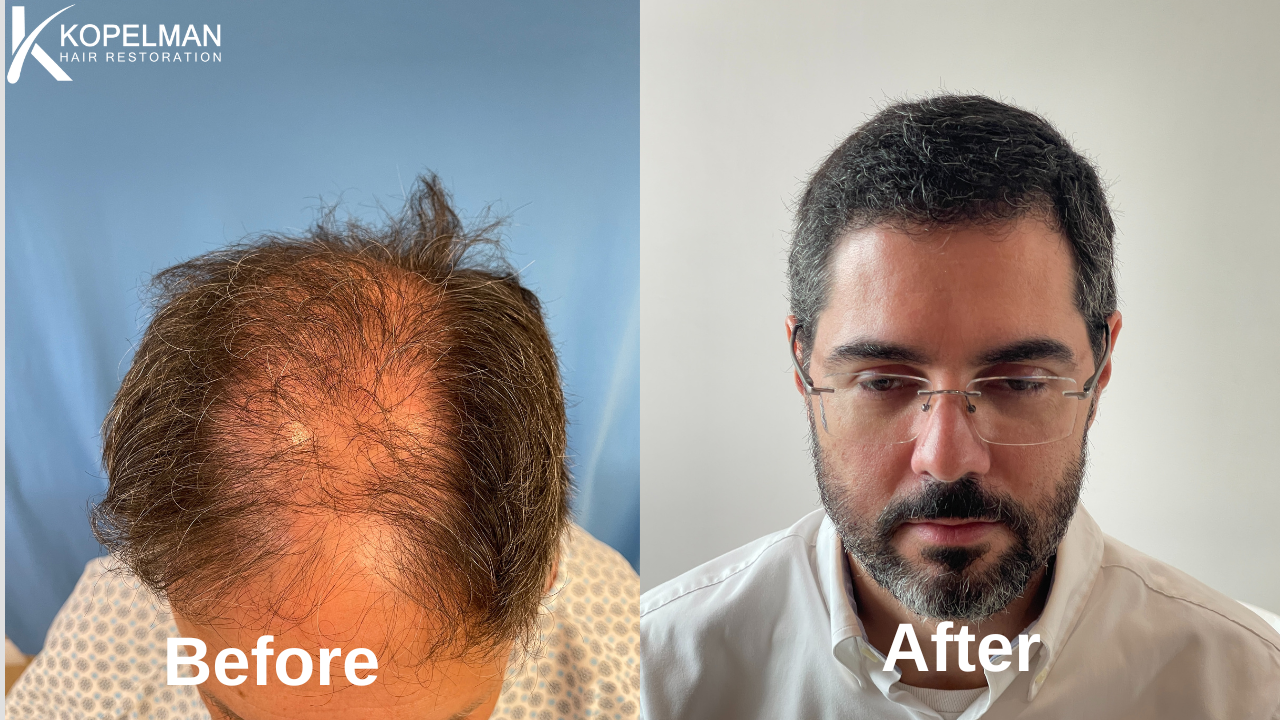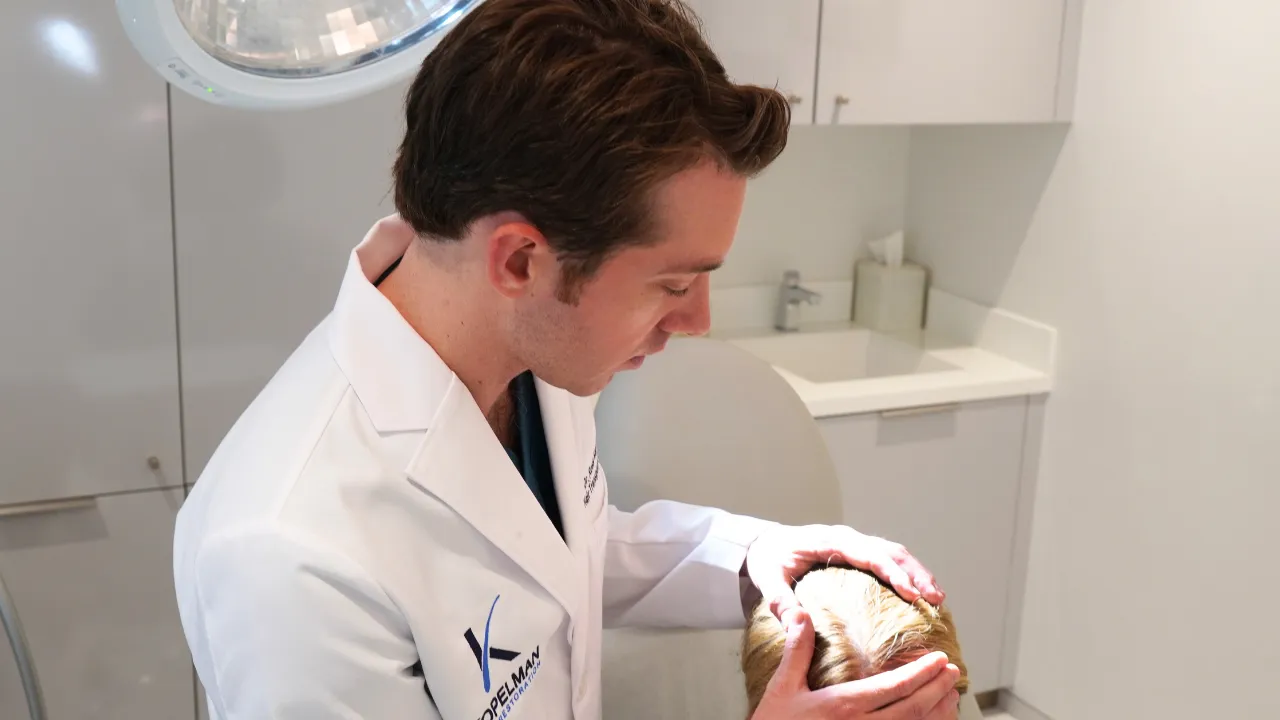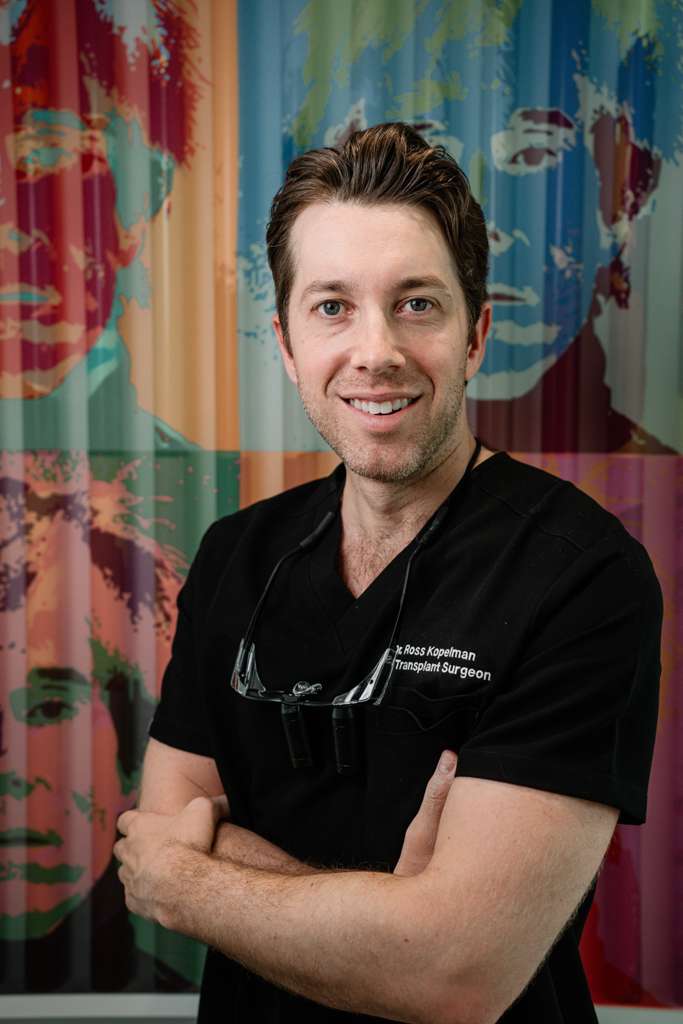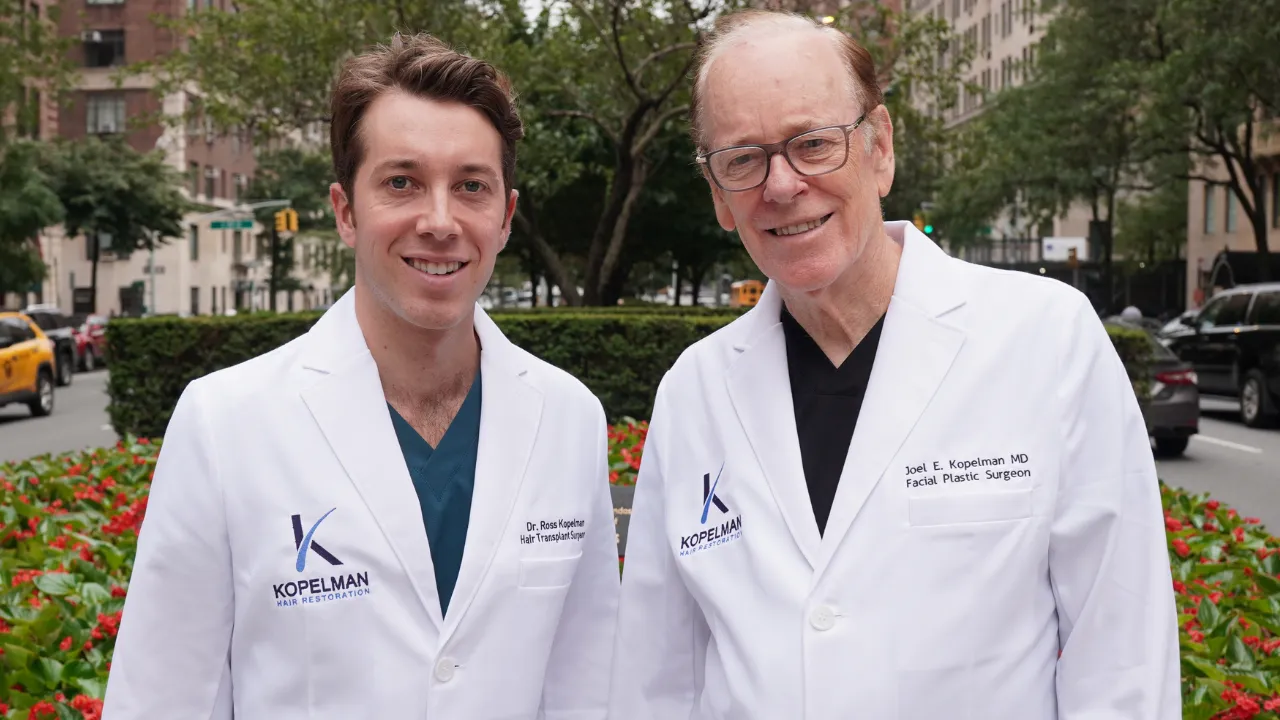


Dr. Kopelman’s perspective as a medical expert fits this educational framework, in which safe practice depends on diagnosis, planning, anatomy, technique, and follow-up rather than on surgery alone.
Key Takeaways
- A complete hair transplant course should teach diagnosis, patient selection, donor planning, surgical technique, graft handling, complications, aftercare, and long-term care.
- Strong training should cover both FUE and FUT, including when each method may fit a patient’s anatomy, goals, donor supply, and future hair loss pattern.
- Hairline design requires more than drawing a frontal line. Physicians must consider facial proportions, age, sex, ethnicity, donor limits, and long-term planning.
- Graft survival depends on careful extraction, storage, microscopy, placement, team workflow, and quality control during each surgical step.
- Complete education should include medical therapy, postoperative management, patient communication, and ethical practice systems, not surgery alone.
Module 1: Foundations of Hair Restoration
The masterclass begins with the history of hair restoration and the evolution from FUT to FUE. This context helps physicians understand why methods changed and why technique selection still depends on the patient. It also helps students compare strip surgery, follicular unit extraction, and combined approaches without treating one method as right for every case.
This module covers core medical and anatomical topics, including:
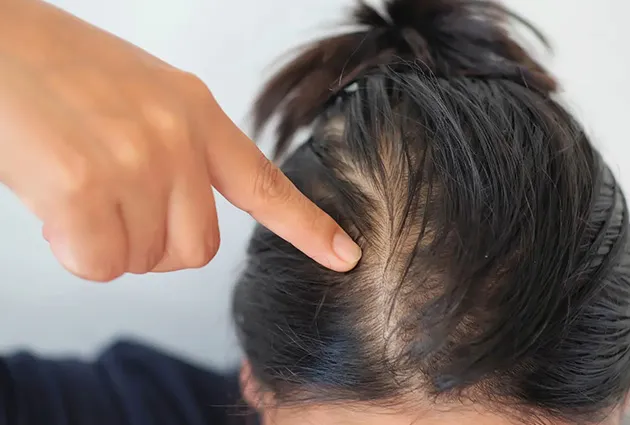
- Androgenetic alopecia
- Hair growth cycles
- Donor dominance theory
- Scalp anatomy
- Blood supply and nerve anatomy
- Ethnic characteristics
- Male and female pattern loss
- Scarring alopecias
- Non-surgical treatment options
The module includes anatomy diagrams, classification charts, recorded lectures, recommended readings, and case examples. These materials help students connect terms with clinical decisions. The course does not teach procedures in isolation, because each technique depends on diagnosis, anatomy, and long-term planning.
Module 2: Patient Consultation & Surgical Planning
This module trains students in consultation, diagnosis, and treatment planning. The evaluation process includes medical history, diagnosis, donor review, miniaturization analysis, microscopic evaluation, and prediction of future loss. It also covers the Norwood Scale, Ludwig Scale, and Sinclair Scale, enabling physicians to classify patterns using a shared clinical language.
The course explains who qualifies for surgery and who may need medical management first. Surgical candidacy depends on donor supply, pattern stability, age, expectations, scalp health, and the likely progression of loss. Strong consultation training helps physicians match the plan to the patient.
Practical exercises include:
- Reviewing consultations
- Designing treatment plans
- Calculating donor density
- Comparing surgical and non-surgical options
- Identifying patients who may not be ready for surgery
Students review 100 consultations to gain repeated exposure to real planning decisions. This matters because the first decision is often not where to place grafts, but whether surgery makes sense at all. The exercise also shows how diagnosis, expectations, and donor limits shape the final plan.
Module 3: Hairline Design & Aesthetics
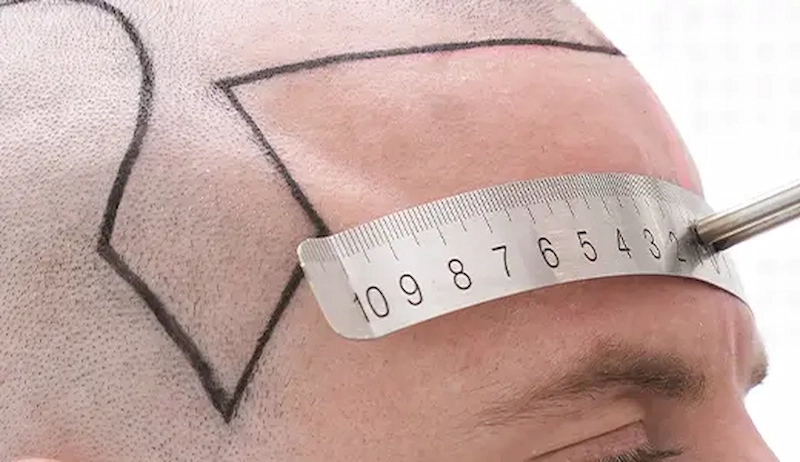
This module teaches physicians how to design a natural frame for the face. Students study male and female design principles, temporal points, temple angles, facial proportions, age-appropriate placement, and ethnic variation. The goal is not to create a standard line, but to design a pattern that fits the patient’s anatomy and future needs.
Key design topics include:
- Natural frontal shape
- Temporal point placement
- Temple angle control
- Facial proportion analysis
- Age-appropriate placement
- Ethnic design differences
- Fine irregularity at the front edge
The module also addresses design limitations. Some patients request low or dense frontal designs that may not match donor supply or future loss. The course teaches physicians to protect long-term options rather than use too many grafts too early.
Module 4: Donor Area Management
This unit teaches physicians how to protect the limited supply of permanent follicles. Students learn about the safe donor zone, density calculations, preventing overharvesting, extraction patterns, strip planning, scar care, and signs of donor depletion. These topics help physicians support the current session while preserving options for future care.
Practical labs include:
- Density mapping
- Extraction pattern planning
- Donor preservation exercises
- Donor depletion review
- Scar assessment
The course treats the donor area as a long-term resource. The number of grafts removed matters, but the pattern of removal matters too. Physicians learn how to balance coverage goals with donor preservation.
Module 5: FUE Surgery Fundamentals
This module covers punch selection, punch size, sharp and blunt tools, motorized systems, manual extraction, scoring, and extraction angles. Students also learn how curl, skin thickness, and follicle direction affect the difficulty of removal. Curly, Afro-textured, and body sources require specific technique adjustments because the follicle path may not match the visible shaft direction.
Hands-on education includes:
- Synthetic skin models
- Cadaver scalp practice
- Animal tissue practice
- Live surgery observation
- Supervised extraction practice
The training course teaches when to stop, slow down, or change technique if transection rates rise. FUE is not just a device-based method, because physician judgment, angle control, tissue feel, and donor planning matter. Students learn why each movement affects graft quality and donor appearance.
Module 6: Advanced FUE
This module covers long-hair FUE, non-shaven sessions, female cases, repairs, scar extraction, eyebrow restoration, beard restoration, and SMP-combined cases. These cases often require more planning because the margin for error can be smaller. They also require clear communication about limits, especially when previous surgery has changed the donor or recipient area.
Advanced cases include:
- Long-hair FUE
- Non-shaven FUE
- Female FUE
- Repair surgery
- Scar FUE
- Eyebrow restoration
- Beard restoration
- SMP-combined planning
Repair surgery receives special attention. A patient with poor growth, unnatural angulation, scarring, or depleted donor supply may need a staged plan rather than one corrective session. Case reviews show why advanced training must include decision-making, not only surgical steps.
Module 7: FUT Surgery
This unit covers strip planning, trichophytic closure, harvesting, tension control, closure methods, and scar revision. Even when a physician focuses on FUE, understanding FUT helps them compare methods and counsel patients with more accuracy. Some cases may require a strip approach, a combined plan, or scar correction after earlier surgery.
Practical training includes:
- Suturing labs
- Strip harvest simulations
- Closure technique review
- Scar revision planning
- Tension management exercises
FUT is taught as one option within a wider surgical plan. The right choice depends on donor characteristics, goals, hairstyle, prior surgery, and future needs. This helps trainees avoid treating any single method as a default choice.
Module 8: Recipient Site Creation
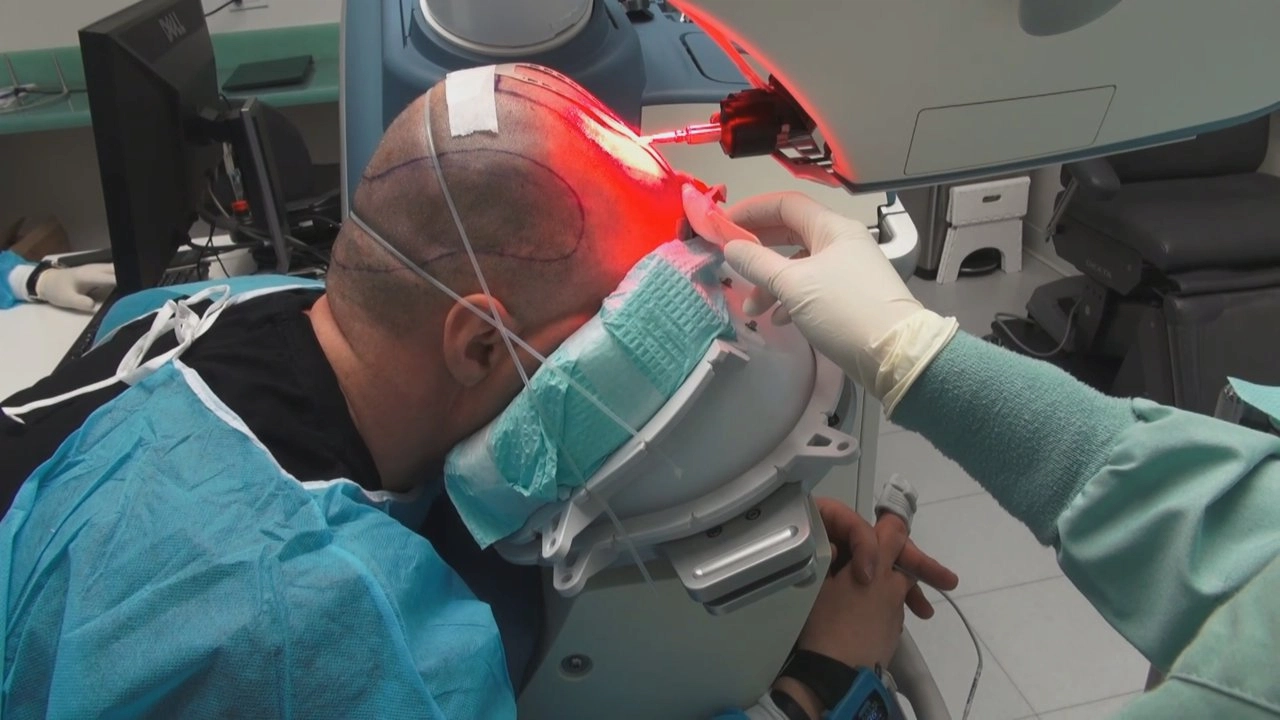
This module teaches how recipient sites determine angle, direction, density, and pattern. Students learn blade and needle selection, density planning, coronal and sagittal sites, crown patterns, frontal refinement, and dense packing. This part of the surgery requires strong anatomy knowledge and a clear design plan.
Hands-on labs include:
- Site creation models
- Magnification practice
- Angle control exercises
- Crown pattern review
- Live surgery participation
The curriculum explains how the site’s angle affects the direction of natural growth. A flat angle may help frontal work look natural, while crown reconstruction requires a different pattern. Poor site direction can make even healthy grafts look unnatural after growth.
Module 9: Graft Handling & Microscopy
This learning block teaches graft anatomy, follicular units, hydration, chilling, microscopic dissection, transection avoidance, and quality control. A graft can suffer damage outside the body if it dries, warms, or is handled roughly. The curriculum explains how each step affects tissue survival.
Microscopy training helps teams identify:
- Single-hair follicular units
- Two-hair follicular units
- Three-hair follicular units
- Larger graft groupings
- Damaged or transected grafts
- Grafts that need trimming
Quality control becomes part of the workflow, not a final check. Teams track graft condition, storage time, hydration, and handling errors during surgery. This helps reduce preventable damage and supports more consistent surgical procedures.
Module 10: Implantation Techniques
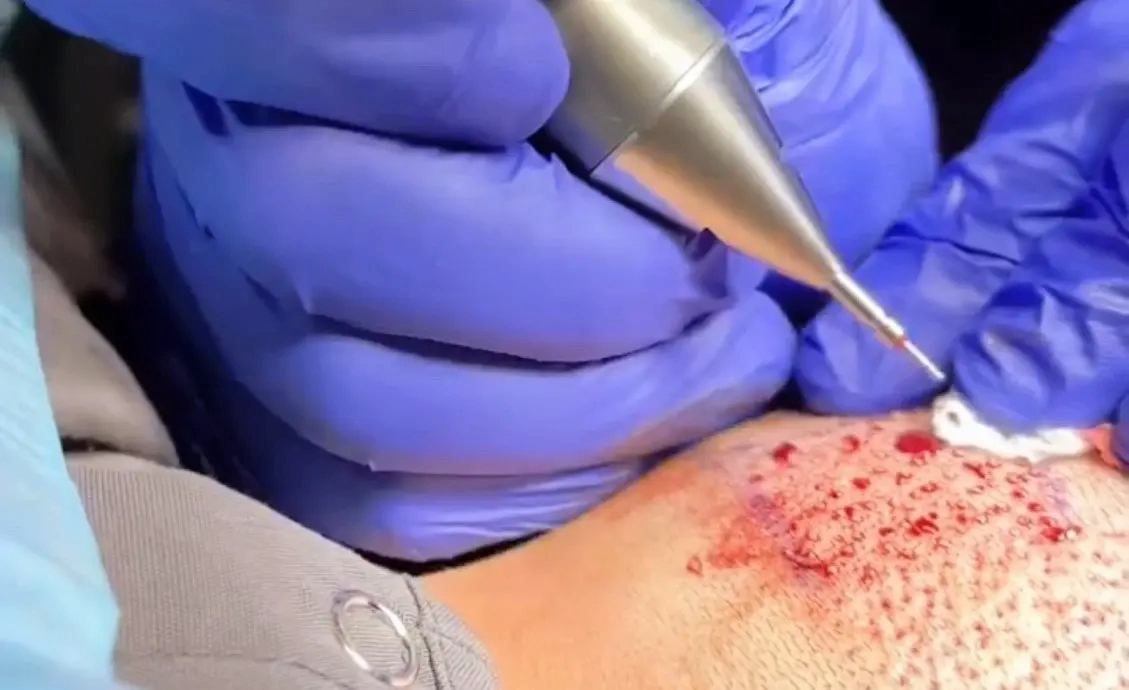
This module covers forceps placement, implanters, pen systems, Choi implanters, Lion implanters, dense packing, graft sequence, and team workflows. Each method has benefits and limitations, so students learn the mechanics rather than memorizing a single preferred tool. Placement must protect the graft and match the site plan.
Practical exercises include:
- Graft placement repetitions
- Depth control practice
- Direction control practice
- Sequencing drills
- Live surgery implantation
Team coordination also plays a central role during implantation. Assistants, technicians, and physicians follow a shared sequence, so grafts move from storage to placement without confusion. Clear roles reduce delays and help maintain graft quality.
Module 11: Surgical Team Building
This learning section covers technician recruitment, technician education, OR workflow, quality checks, sterile protocols, and leadership in the operating room. Restoration surgery depends on team performance because many steps occur simultaneously. A physician must know how to lead the room and maintain standards.
Helpful team resources include:
- SOP manuals
- Training checklists
- Competency tests
- Sterility protocols
- Graft handling workflows
- Role-based operating room checklists
The course explains why team systems affect patient safety. Sterility, labeling, hydration, graft counts, and communication all require structure. Good systems help reduce avoidable errors during procedures performed in a busy clinical setting.
Module 12: Complications & Troubleshooting
This module covers folliculitis, shock loss, necrosis, infection, overharvesting, poor growth, cobblestoning, pitting, wide FUT scars, and patient dissatisfaction. Students learn how these problems happen, how to reduce risk, and when a patient needs medical review. The course treats complications as part of surgical education, not a topic to avoid.
Common issues reviewed include:
- Folliculitis
- Shock loss
- Necrosis
- Infection
- Overharvesting
- Poor growth
- Cobblestoning
- Pitting
- Wide FUT scars
- Patient dissatisfaction
Troubleshooting focuses on causes and next steps. Poor growth may relate to diagnosis, graft handling, vascular supply, smoking, infection, scarring, or postoperative behavior. Physicians learn to evaluate the full chain before recommending another surgery.
Module 13: Postoperative Management
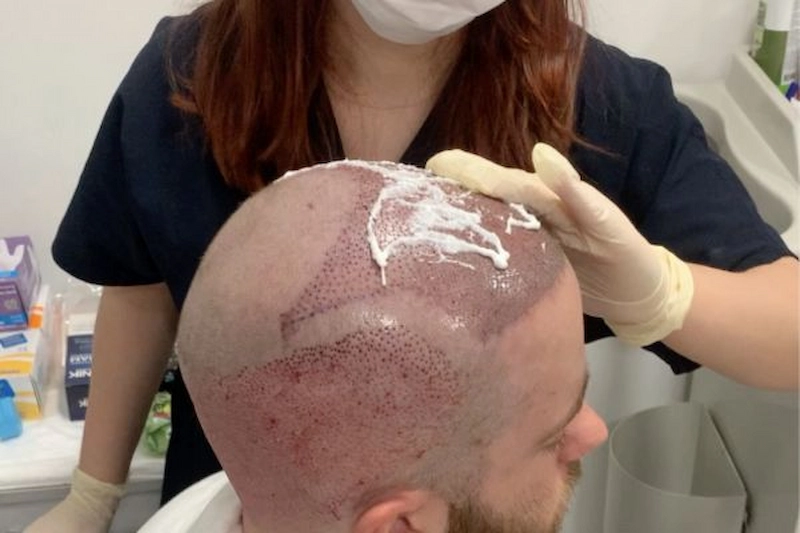
This module covers immediate instructions, washing protocols, medication use, swelling control, growth timeline, follow-up schedules, and long-term maintenance. Patients need clear instructions because early care can affect comfort, healing, and graft protection. The course also explains normal shedding, delayed growth, and the difference between expected healing and signs that require review.
Postoperative resources include:
- Aftercare handouts
- Washing instructions
- Medication guidance
- Follow-up templates
- Growth timeline explanations
- Warning sign checklists
Long-term follow-up also addresses ongoing loss. Surgery moves follicles, but it does not stop all future thinning. Patients may need medical therapy, staged planning, or ongoing monitoring.
Module 14: Hair Loss Medicine for Surgeons
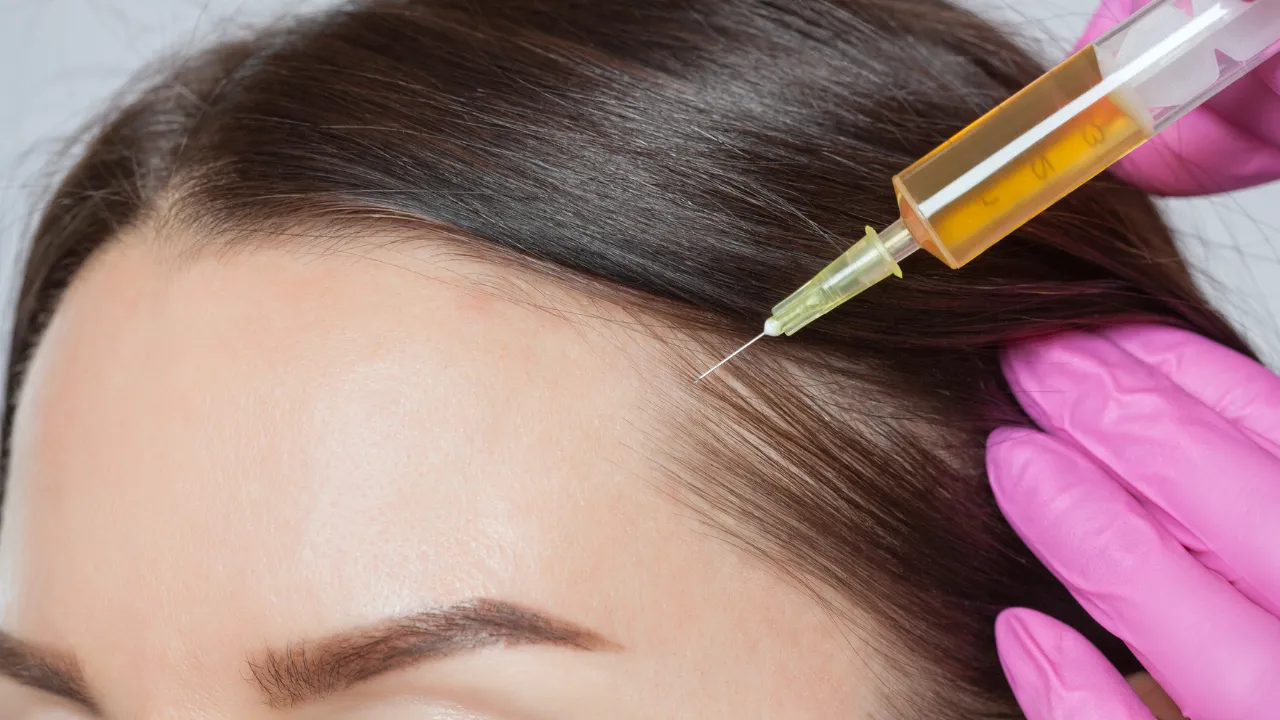
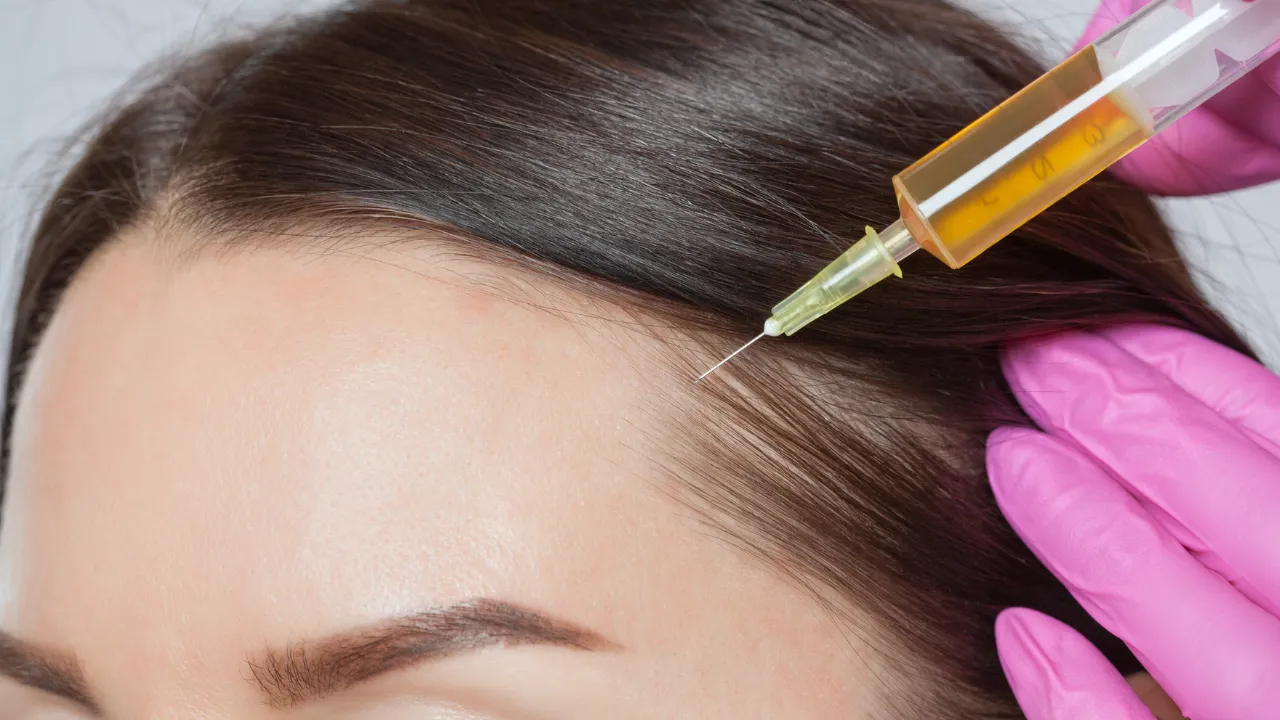
This unit covers finasteride, dutasteride, oral minoxidil, topical therapies, PRP, exosomes, mesotherapy, and red light therapy. Students learn mechanisms, indications, risks, and limits for each option. This helps physicians guide patients before and after surgery.
Medical topics include:
- Finasteride
- Dutasteride
- Oral minoxidil
- Topical therapies
- PRP
- Exosomes
- Mesotherapy
- Red light therapy
This section also teaches evidence quality. Some therapies have stronger clinical support than others, and patients need clear explanations. A physician should discuss benefits, limits, and uncertainty without promising a specific result.
Module 15: Practice Building & Marketing
This unit covers brand development, consultation conversion, photography, content creation, reputation management, pricing, hiring, and patient financing. These topics focus on ethics, documentation, and patient understanding. A strong practice does not depend only on marketing; it depends on clear systems and responsible communication.
This part of the curriculum includes:
- Brand development
- Consultation communication
- Clinical photography
- Social media standards
- Content creation
- Reputation management
- Pricing strategy
- Team hiring
- Patient financing
A strong track record comes from consistent care, clear records, and appropriate follow-up. If a physician or clinic uses a phrase such as “25 years of experience,” readers should look for context, including relevant education, case exposure, board status, and the type of work performed.
Experience matters most when it is coupled with sound judgment, patient selection, and careful planning.
Why Complete Education Matters
Complete education matters because surgical technique alone does not prepare a physician to plan and perform restorative work. A full curriculum connects diagnosis, aesthetics, donor protection, FUE, FUT, recipient sites, graft care, team systems, complications, aftercare, and medical therapy. Each topic affects the next, so poor planning can create problems even when the technical work looks correct.
A serious program teaches physicians how to:
- Evaluate patients
- Diagnose patterns
- Plan long-term care
- Protect donor supply
- Choose the right technique
- Manage graft quality
- Lead the surgical team
- Handle complications
- Guide recovery
- Support maintenance care
Patients also need realistic guidance. Surgery may improve coverage in selected cases, but it cannot create an unlimited donor supply or stop all future loss. A responsible physician explains what is possible, what is limited, and what may require staged care.
The goal of this masterclass is to form physicians who understand the whole process. They learn to evaluate the patient, select the appropriate method, protect donor resources, guide the team, manage recovery, and support long-term care. This is what separates a complete curriculum from a narrow technical workshop.
To learn more about physician-led education in restoration surgery, contact Kopelman Hair to review available training options and course details.