
At Kopelman Hair, we understand how challenging it can be for a bald woman to find answers. Hair loss in women happens more often than people think. It can be emotional and frustrating.
You need medical care and support. This guide explains why women experience hair loss, how to treat it, and how to maintain confidence.
Why Hair Loss in Women Is More Common Than You Think
If you notice your hair thinning or falling out in patches, you’re not alone. Many women face this issue. It may start slowly, but the impact is often strong. People think baldness only happens to men, but many women deal with it too.
Their needs are different and deserve serious care. More women who are bald are speaking out and seeking help, showing this is not a rare issue.
Key Takeaways
- Hair loss in women can be caused by stress, hormonal changes, genetics, or underlying illnesses. Knowing the type is crucial for effective treatment.
- Dr. Kopelman can diagnose early and guide a personal treatment plan.
- Treatment can include creams, pills, or FUE hair transplant surgery.
- Bald female celebrities and styling tips can help you feel strong and look great.
- Mindset, support, and stories from other women build confidence.
Why Women Go Bald
Types of Female Hair Loss
Not all female hair loss is the same. Knowing the type helps you choose the right treatment.
- Androgenetic alopecia: This is female pattern baldness. Hair thins at the crown over time. It runs in families.
- Telogen effluvium: Sudden hair loss after stress, illness, or hormones. Often temporary.
- Alopecia areata: Patches of hair fall out due to autoimmune problems.
- Traction alopecia: Hair loss from tight ponytails, braids, or buns.
Each type looks different. Early testing helps you act fast and prevent more losses.
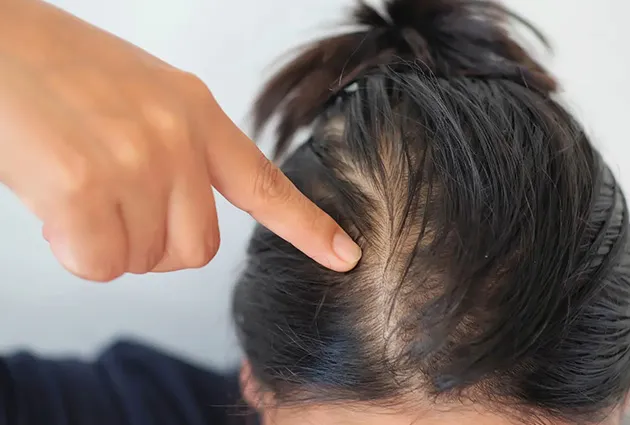
Hormones, aging, and some health treatments can cause hair to fall out. Female pattern hair loss, also known as androgenetic alopecia, is the most common type. It causes thinning near the top of the head. It often progresses slowly and may appear similar to male pattern baldness, although it follows a distinct pattern.
Some women experience sudden hair loss. This can happen after childbirth, surgery, or stress. It’s usually called telogen effluvium and lasts a few months. Still, it’s advisable to see a doctor if the condition persists.
Other women experience hair loss as they age or due to genetic factors. Full baldness is rare in women, but you may see scalp or patchy areas. These cases don’t always require treatment, but regular check-ups are beneficial.
What is female balding called?
It’s called androgenetic alopecia, or female pattern baldness. Hair thins slowly at the crown, but the front hairline often stays. Knowing the term helps you ask for the right care.
Why am I suddenly balding as a female?
Sudden hair loss can occur after experiencing stress, hormonal changes, or illness. Sometimes, it’s due to medicine. These cases are often temporary, but they feel scary. Quick action helps you recover faster.
Is Baldness Permanent in Women?
In many cases, female baldness is not permanent. Some types, such as telogen effluvium, often resolve within months. Others, like androgenetic alopecia, may be long-term and need ongoing treatment.
A doctor can determine whether your hair loss is likely to stop or continue progressing. Early action improves your chances of recovery. Treatments such as minoxidil and FUE surgery offer genuine hope for lasting results.
Can females naturally go bald?
Yes. Some women experience hair loss over time due to factors such as age, hormonal changes, or a family history of hair loss. Full baldness is rare, but thinning or scalp exposure is common.
Myths About Female Baldness
Many people believe only men go bald or that women can’t treat hair loss. These are myths. Hair loss affects millions of women, and numerous effective solutions are available.
Other myths include:
- Only old women lose hair — false, it can happen at any age.
- Wearing hats causes baldness — not true.
- Hair loss is always permanent, depending on the cause.
Understanding the truth helps reduce shame and encourages individuals to take action.
How Baldness Is Diagnosed
Doctors start by asking about your health, diet, and stress levels. They also examine your scalp for signs of redness, scars, or bald spots. You may need blood tests to check your iron or thyroid levels.
Specialists, such as Dr. Kopelman, use tools like the Ludwig or Sinclair scale. These indicate the severity of your hair loss. Women lose hair in a different way than men. You may keep your hairline but lose volume at the crown.
Getting the right diagnosis is key. Causes can include stress, tight hairstyles, or immune conditions like alopecia areata. Knowing the reason helps choose the best care.
Signs doctors look for
- The pattern of hair loss
- Red or itchy scalp
- Broken hairs or patchy spots
- How much hair you shed daily
Hair loss stages and patterns
Doctors use the Ludwig scale to measure hair thinning in women. It shows stages from light thinning to large bald areas. Knowing your stage helps pick the best solution.
When to See a Specialist for Female Balding
Hair loss that lasts or worsens needs expert care. If you have bald patches, itching, or redness, see a doctor. These may be signs of alopecia areata or a more serious condition.
You should see a hair loss expert if:
- Your scalp is easy to see
- Drugstore treatments didn’t help
- Your hairline has changed or receded
Dr. Kopelman can conduct tests and tailor a treatment specifically for you.
How to Fix Female Balding
The best treatment depends on the cause of the hair loss. Many options can help, especially when used early.
Medical Treatments
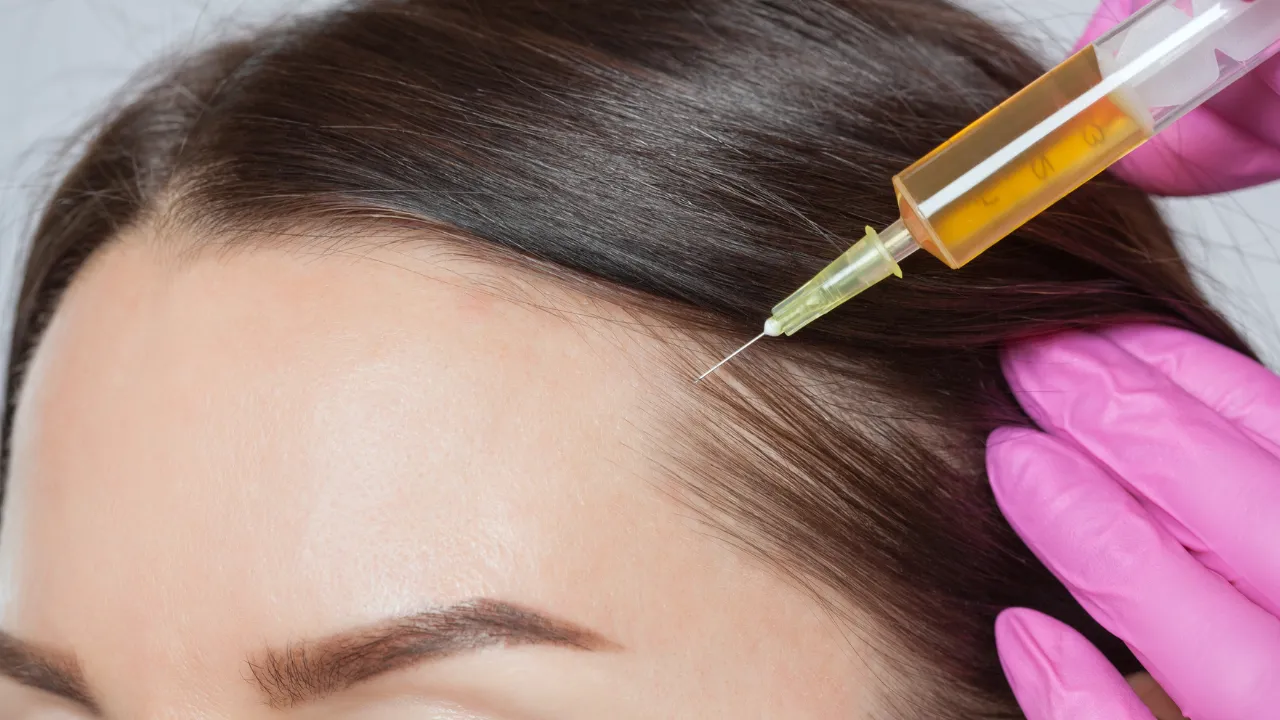
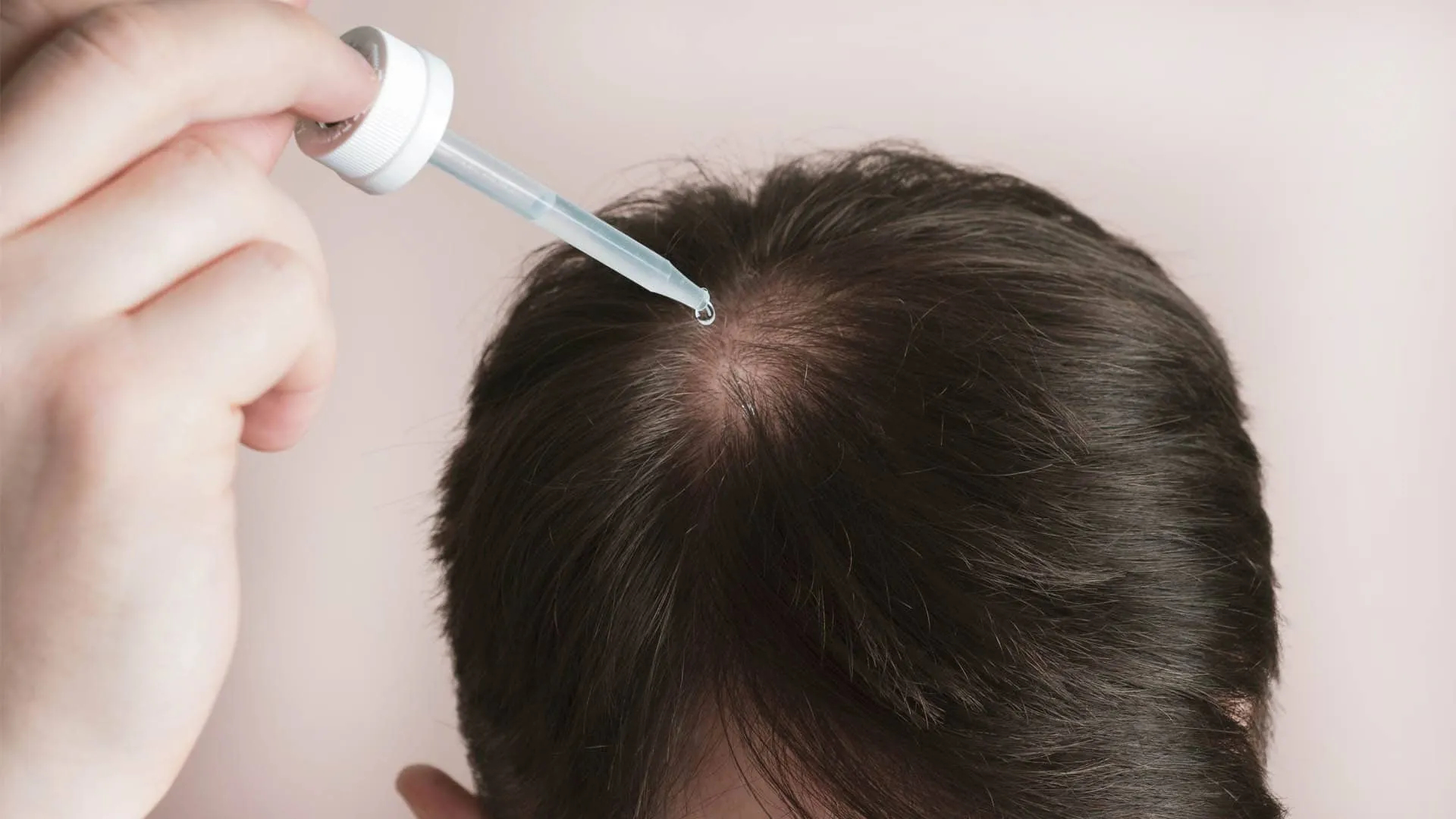
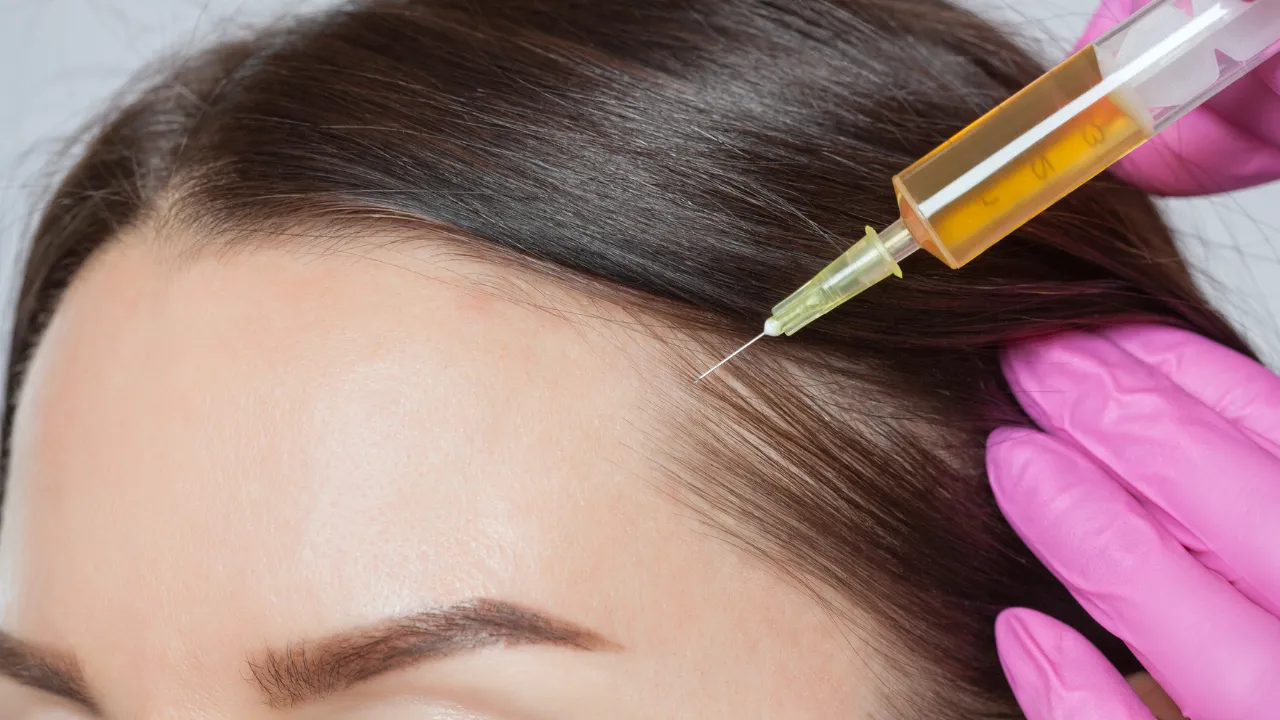
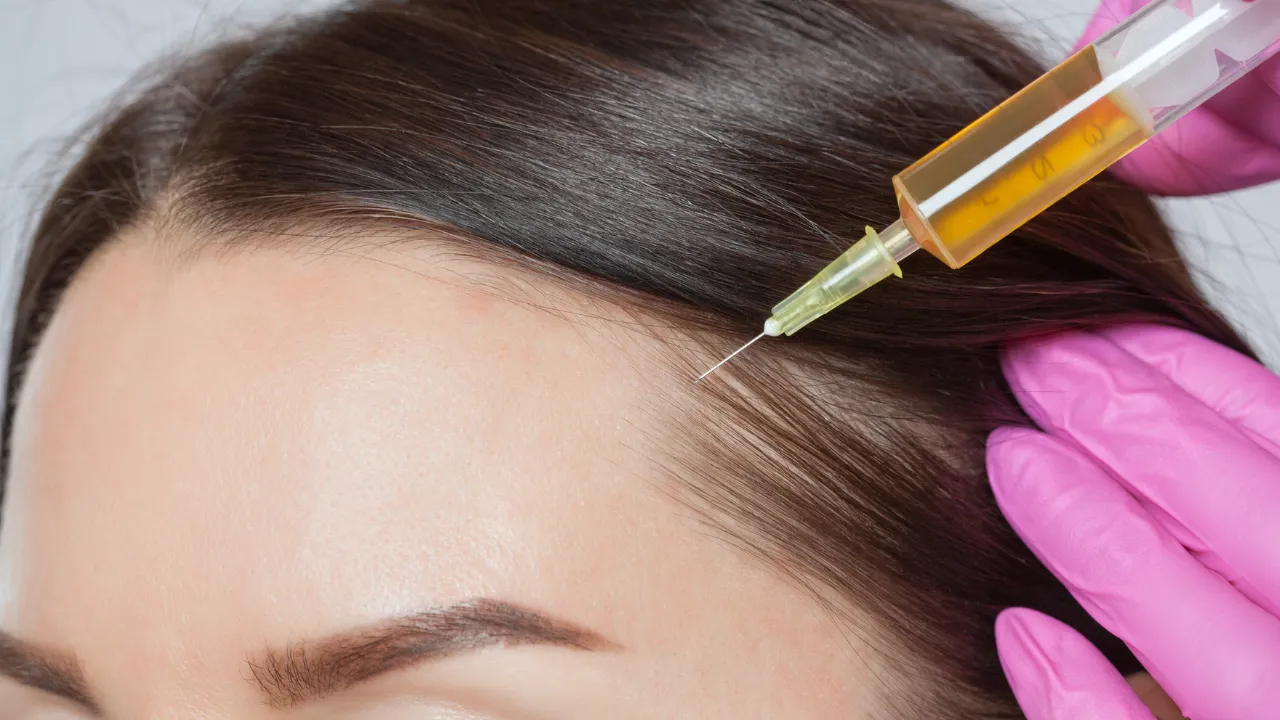
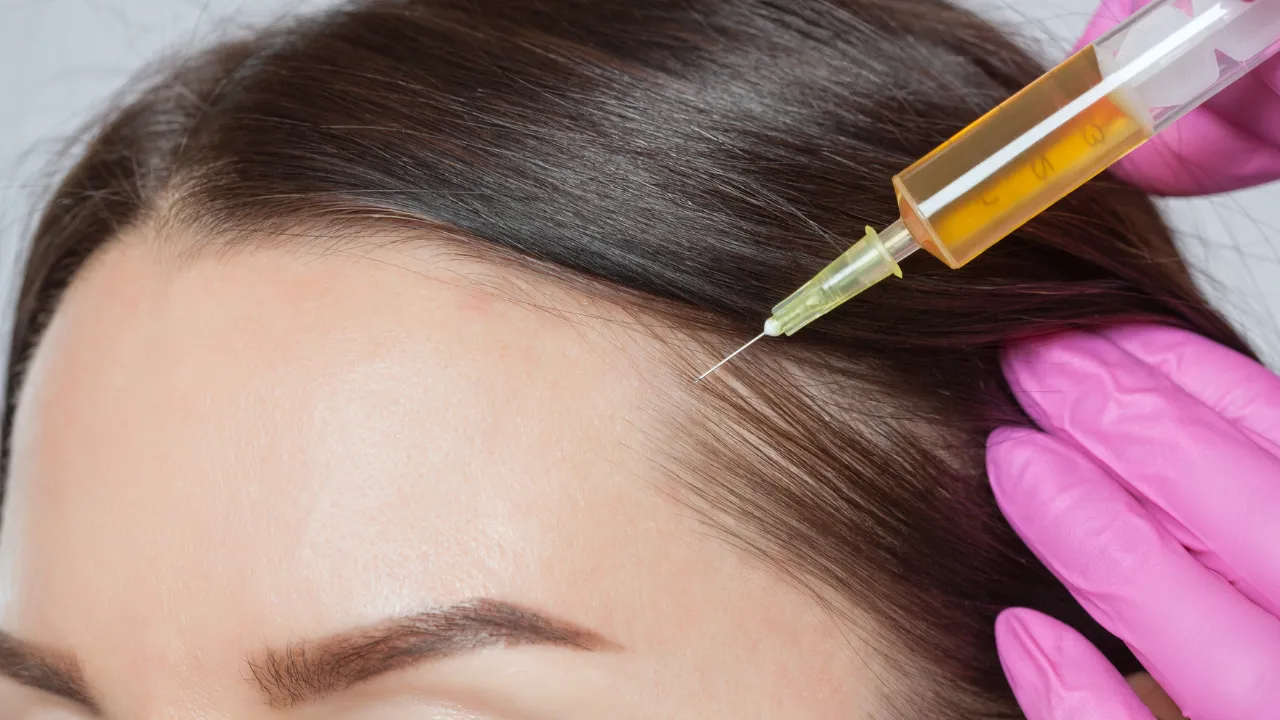
- Minoxidil: A liquid or foam you put on your scalp. It’s FDA-approved and boosts growth.
- Anti-androgens: These block certain hormones. Good for women with PCOS.
- Vitamins and supplements: Iron, biotin, and zinc support growth when levels are low.
- Corticosteroids: Treat autoimmune hair loss like alopecia areata.
Hair loss in women is often associated with hormonal changes. High levels of DHT (dihydrotestosterone) can shrink hair follicles. Hormonal issues like menopause or PCOS often cause thinning, too.
Can Women with PCOS Go Bald?
Yes, women with PCOS are at higher risk of hair thinning or baldness. PCOS increases androgen levels, including DHT, which can cause hair follicles to shrink.
This type of loss is called androgenic alopecia and may get worse without treatment. Anti-androgen medications, diet changes, and stress management can all help. A specialist like Dr. Kopelman can guide the right approach.
Doctors might suggest anti-androgens to block DHT. These slow down hair loss. Always check with a specialist like Dr. Kopelman before using hormone therapy.
Hair Restoration Surgery
If hair loss is advanced, surgery might help. FUE (Follicular Unit Extraction) is a top choice. It takes healthy hair and moves it to thin areas.
At Kopelman Hair, we use methods designed for women. Dr. Kopelman works one-on-one to plan each case safely.
Medical and Non-Surgical Options
In early stages, creams, pills, and vitamins may be enough. These help with stress-related or mild hair loss.
Hair Transplant: Before and After Results
Surgery gives long-term results. Women often see thicker crowns and part lines. Many find that a transplant boosts their self-esteem.
Real Patient Experience: Taking Control Again
Sara, 42, shared her experience: “Losing my hair felt like losing myself. I tried to hide it with scarves. But after seeing Dr. Kopelman and starting treatment, I felt in control again.”
Her story echoes what many women feel—shock, grief, and then strength. Seeing results, whether from treatment or style changes, helps rebuild confidence.
Style and Beauty as a Bald Female
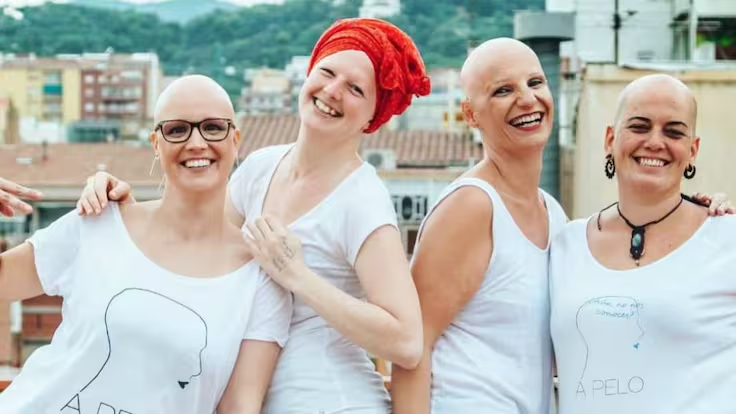
Many bald women embrace short cuts or a fully shaved head. These looks are clean and bold. They can also bring out your facial features. Choosing to rock a bald head isn’t about trends—it’s about owning your look and feeling strong.
Others choose soft styles that help hide thin spots. Here are some options:
- Buzz cuts or fades: Easy to keep and stylish
- Layered pixie cuts: Create the look of more volume
- Bangs or side parts: Help frame your face and shift attention
Looking good as a bald female isn’t about hiding. It’s about showing who you are. Women in their 50s and beyond often say they feel more elegant with a simple style. Confidence shines through at any age.
Bald Female Haircut Ideas
Short styles make care easier and let your personality stand out:
- Buzz cuts are clean and modern
- Fades can shape your look
- Pixie cuts are playful and light
- Shaved designs show creativity
Expressing Confidence Through Style
You don’t need hair to look great. Use fashion and body language to show your power.
- Wear bold earrings or headscarves
- Define your eyebrows or try bright lipstick
- Stand tall and smile. Confidence is eye-catching
One woman said, “People stopped asking if I was sick. They started saying I looked amazing.” That kind of shift can change how you feel about yourself.
How to Look Good Bald at Any Age
Beauty doesn’t have an age limit. Whether you’re 25 or 65, you can rock a bald look:
- Add accessories like glasses or hats
- Keep your scalp clean and moisturized
- Use sunscreen to protect your skin
- Dress in ways that show your style
Looking good bald is about feeling good first.
Inspiring Bald Women in Media
Famous bald female celebrities have helped break beauty rules. They prove that bald can be beautiful.
- Demi Moore shaved her hair in G.I. Jane. Her strength inspired many. In fact, when Moore shaved her head, it became one of the most iconic moments in film history.

- Karen Gillan shaved her hair for Guardians of the Galaxy
- Charlize Theron went bald in Mad Max: Fury Road

- Tilda Swinton embraced bold looks in many films, like Doctor Strange
These actresses shaved their heads for a role and redefined power and femininity on screen. Taking on bald heads for a role shows confidence and total dedication.
Bald Female Celebrities
- Sinead O’Connor
- Amber Rose
- Lupita Nyong’o

They challenge norms and appear powerful in the process.
Famous Bald Female Singer
- Jessie J and Sinead O’Connor shaved their heads
- They used their image to send messages of strength and honesty
Bald Female Characters
- Eleven in Stranger Things

- Furiosa in Mad Max
- Nebula in Guardians of the Galaxy
These roles made baldness bold, not weak.
Bald Female Models
- Amber Rose
- Diandra Forrest
- Cara Delevingne (for Life in a Year)

They proved that fashion includes all looks.
Real-World Stories: Bald and Beautiful
Many women share their bald stories online. One woman with alopecia said, “At first I felt lost, but shaving my head gave me control.” These stories build community. They show you’re not alone. They help others feel proud and strong.
Some women become speakers or artists. Others mentor or blog. They use their baldness as a way to help others feel seen.
Additional Context: Black Panther
The film Black Panther showed bald women as strong and proud. The Dora Milaje warriors had shaved heads and looked powerful.
Danai Gurira as Okoye became a global icon. Her look helped change how bald female characters are shown in movies.
Confidence and Self-Image
Hair loss can hurt self-esteem. But identity isn’t tied to hair. You can feel good again with the right mindset. Hearing stories from other women helps. Some say they found freedom. Others found purpose. Support changes everything.
Stories of Beautiful Bald Women
Many women post online about their bald journey. Some start afraid. Later, they share photos, tips, and strength. Their voices matter.
Support and Mindset for Bald Ladies
- Join support groups or talk to a counselor
- Follow other bald women online
- Focus on your worth, not your hair
Living Proud as a Pretty Bald Woman
Being pretty and bald isn’t about rules. It’s about owning your style. At Kopelman Hair, we see many women take control and shine.
Whether you choose a treatment or embrace the bald look, the power is yours.