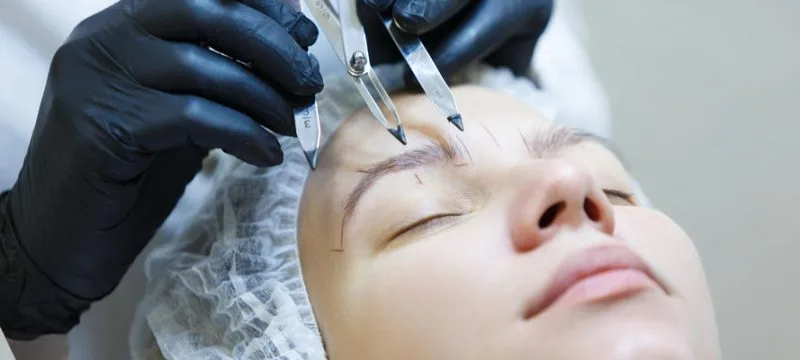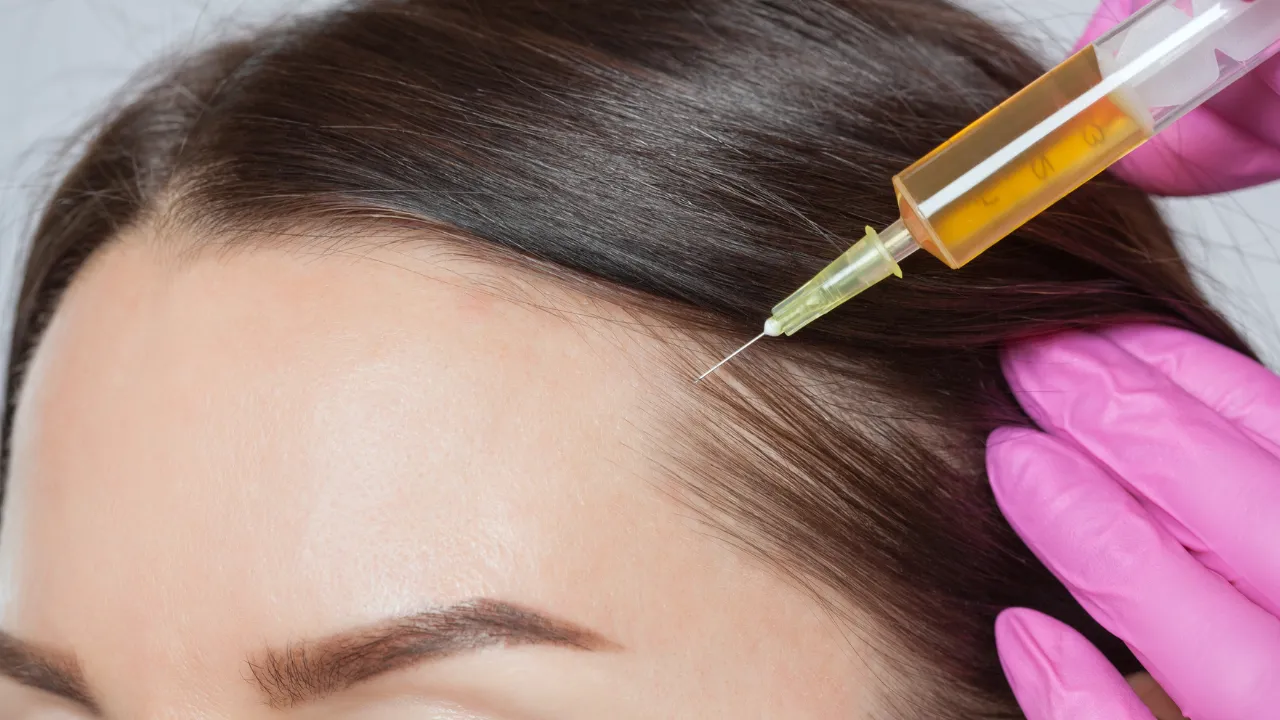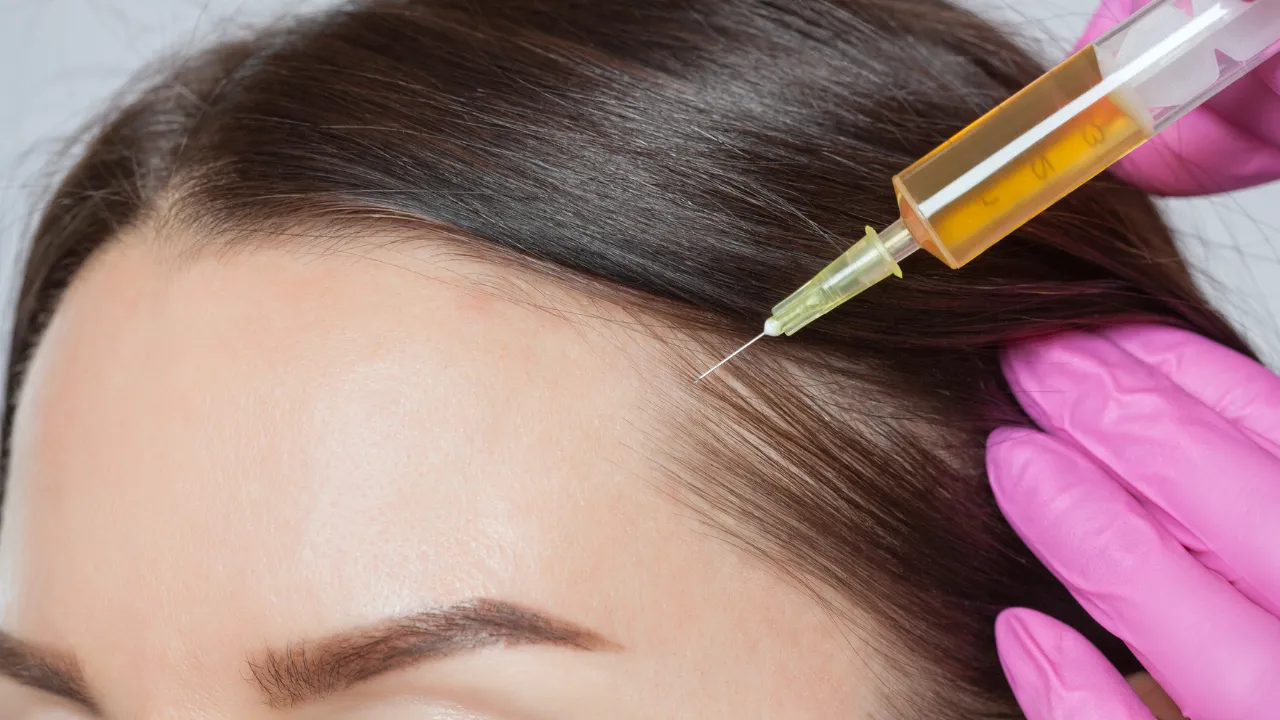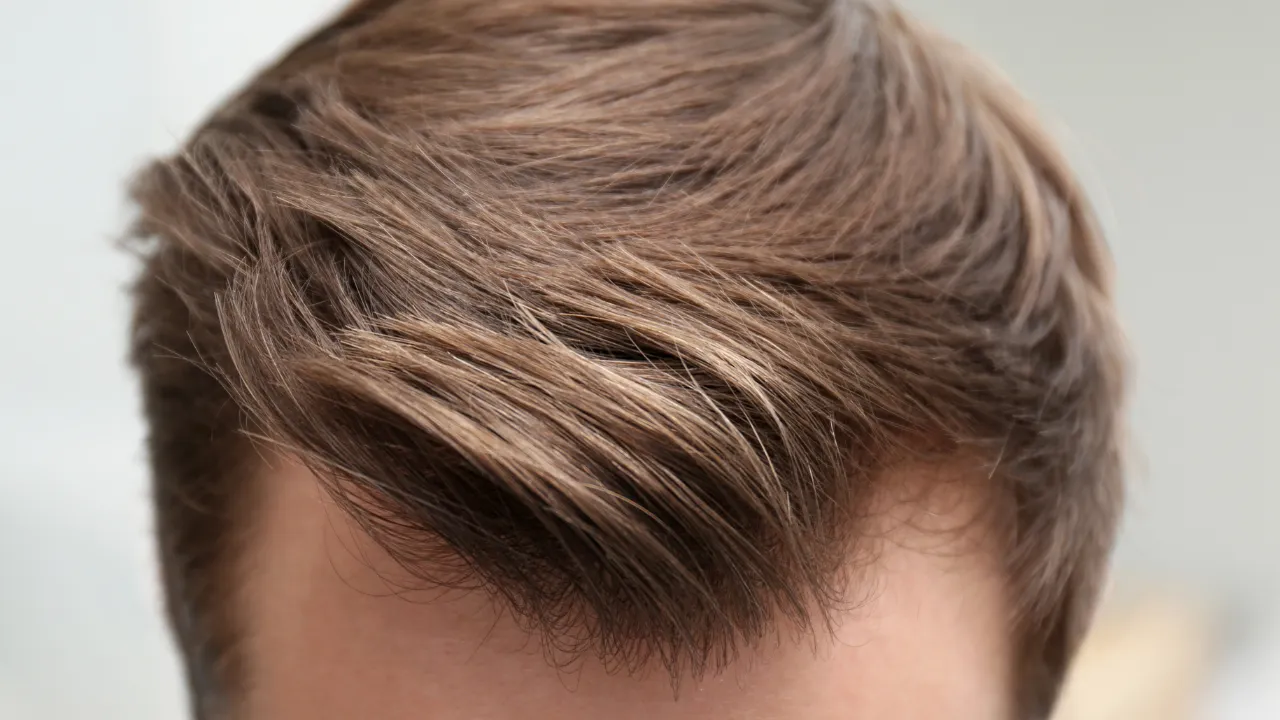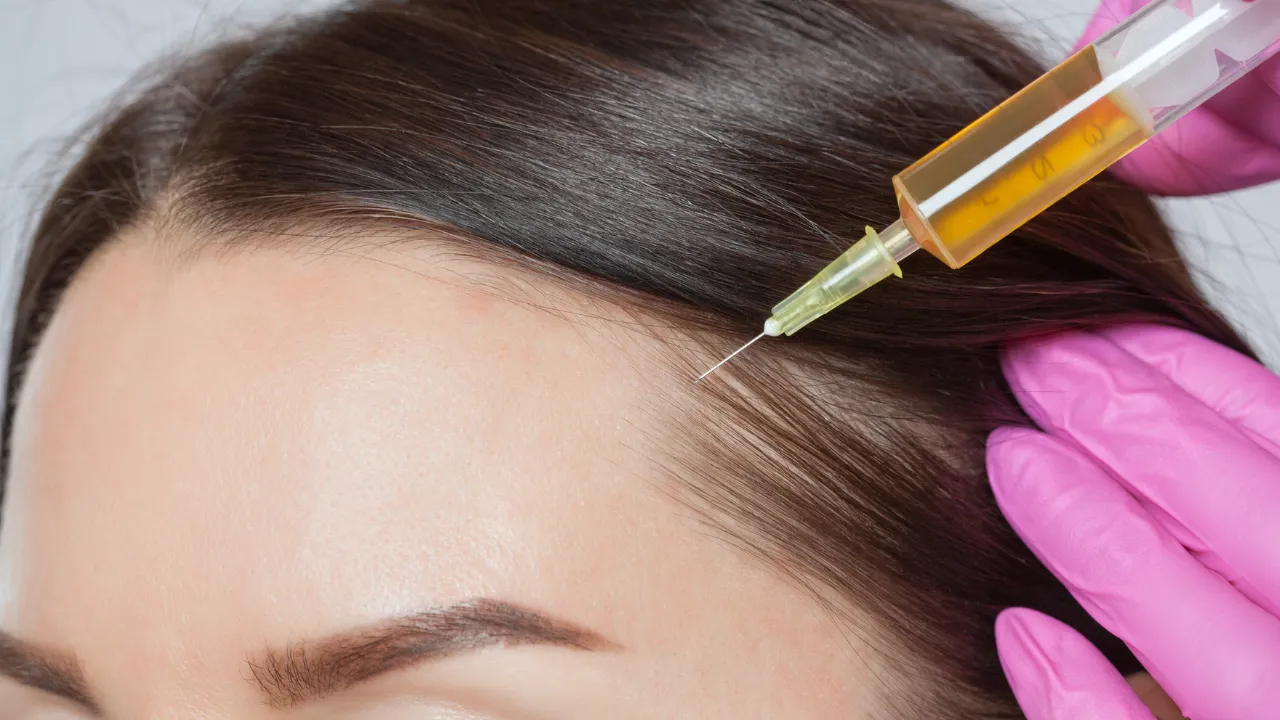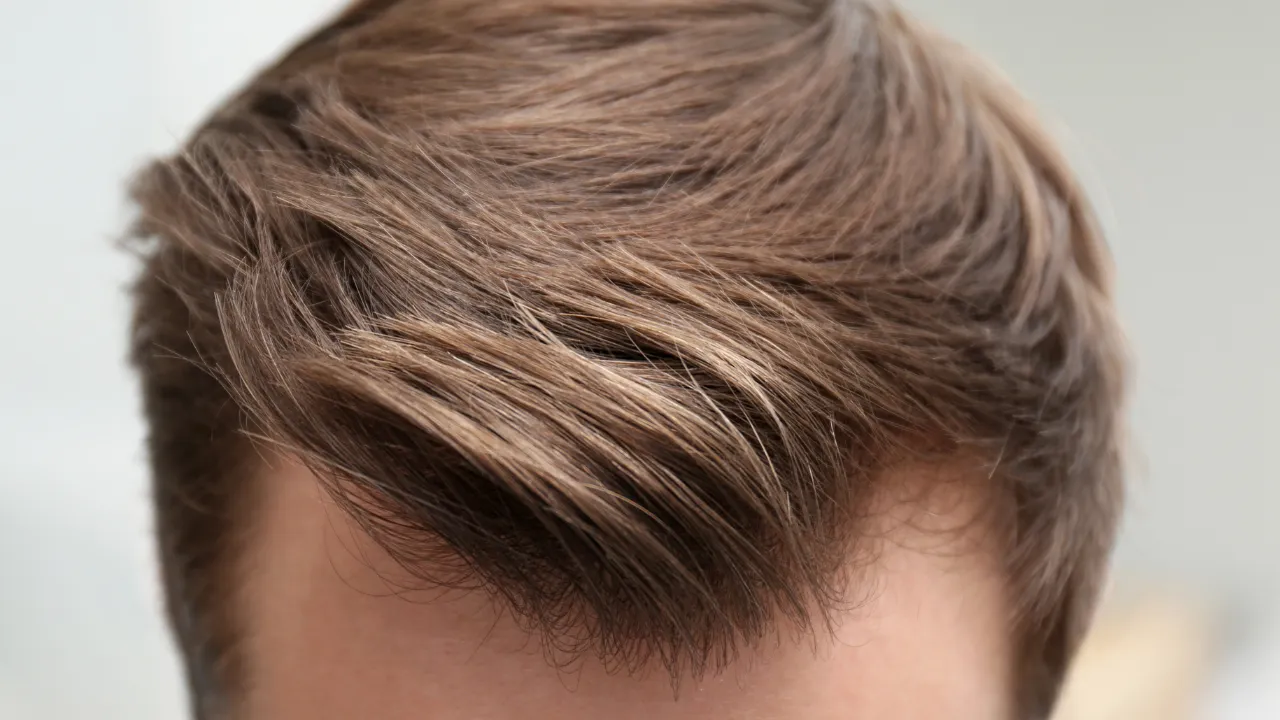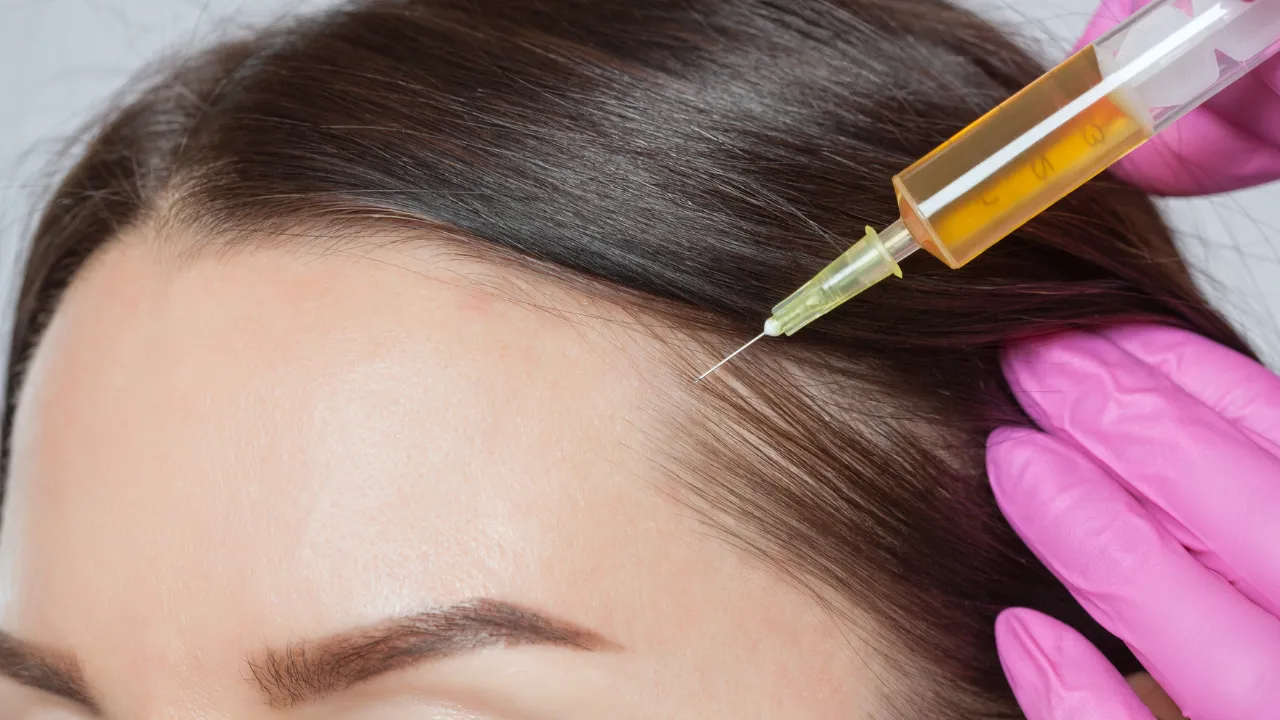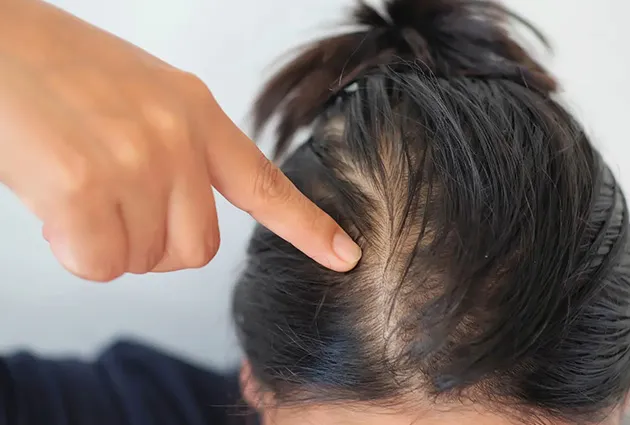

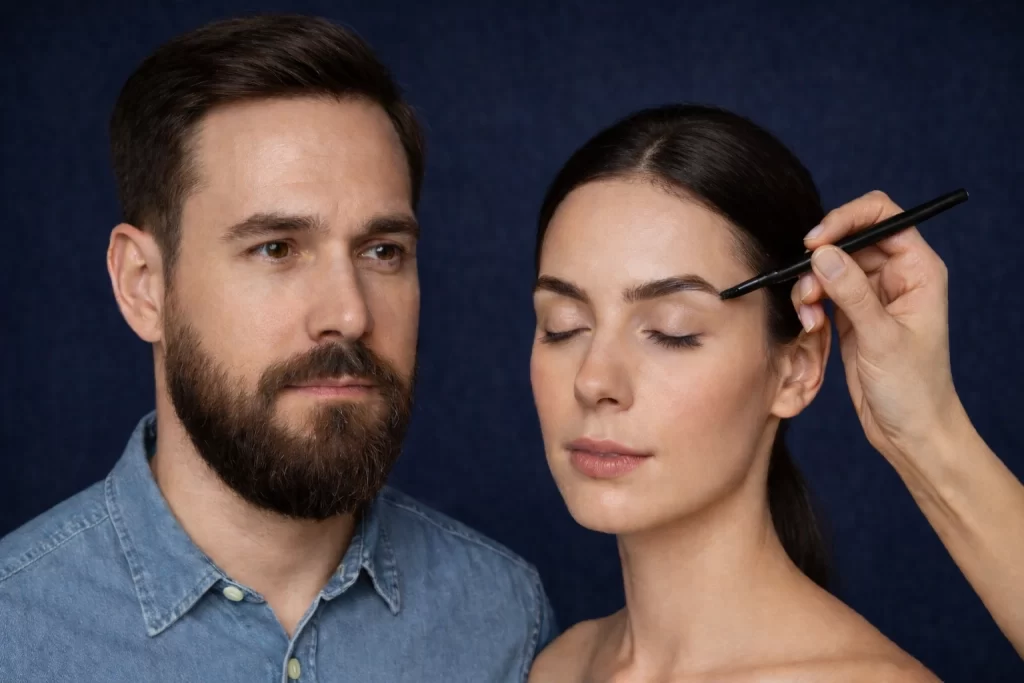
A beard and eyebrow transplant is a medical procedure that restores facial hair by transferring hair follicles, most often from the scalp, to areas of thinning, patchiness, or scarring on the face.
Kopelman Hair is a medical practice focused on hair restoration procedures for hair loss across the face and scalp. This guide explains how beard and eyebrow transplants work, who may qualify, and what limitations to consider.
Key Takeaways
- Beard and eyebrow transplants relocate hair follicles, usually from the scalp, as part of facial hair restoration designed to enhance facial hair in areas affected by thinning, patchiness, or scarring.
- Not all patients are ideal candidates, as donor hair quality, skin health, and medical factors influence safety, healing, and long-term outcomes.
- Facial hair transplantation follows a structured medical process that includes evaluation, donor extraction, precise graft placement, and gradual regrowth, with early shedding considered normal.
- Results vary by hair texture, skin type, and healing response, and procedures aim to improve coverage and symmetry rather than replicate natural hair exactly.
What a Beard and Eyebrow Transplant Is
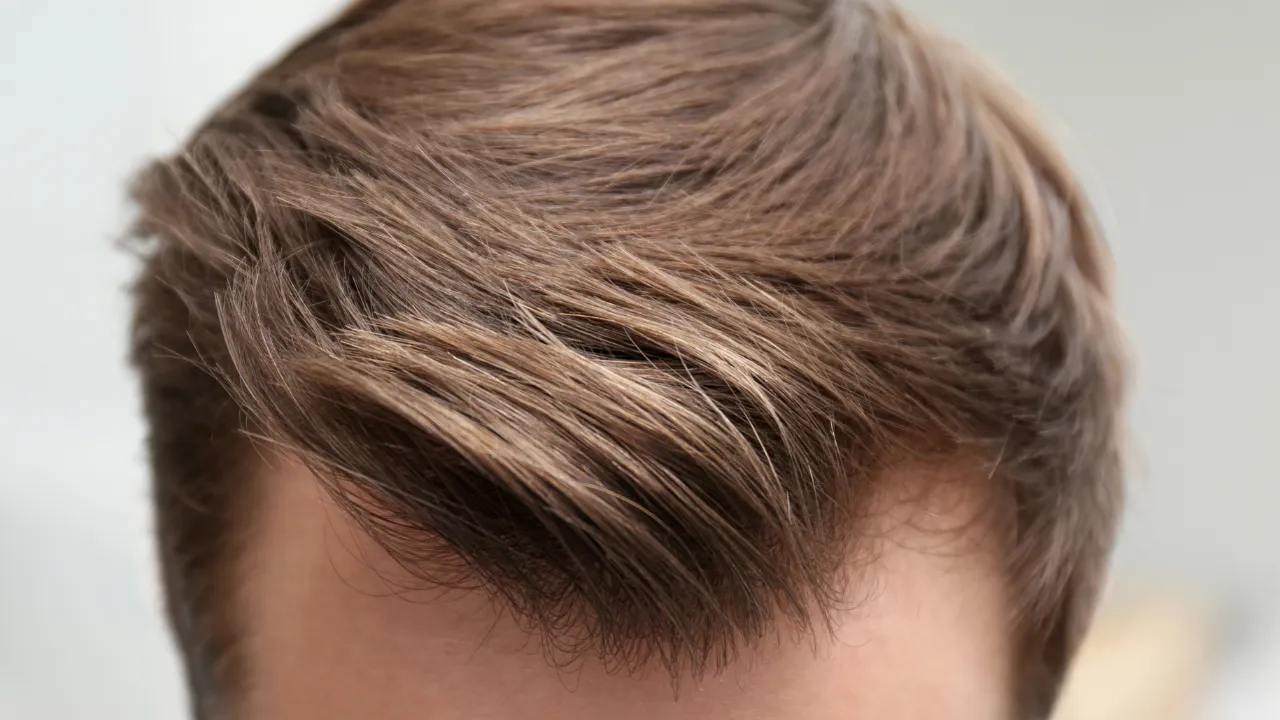
A beard and eyebrow transplant is a medical procedure that moves hair follicles from one area of the body to the face, a treatment available through practices specializing in eyebrow transplants in NYC. Donor hair is commonly taken from the back of the scalp because these follicles tend to remain stable over time. The goal is to restore hair in areas with thinning, patchy growth, or scarring.
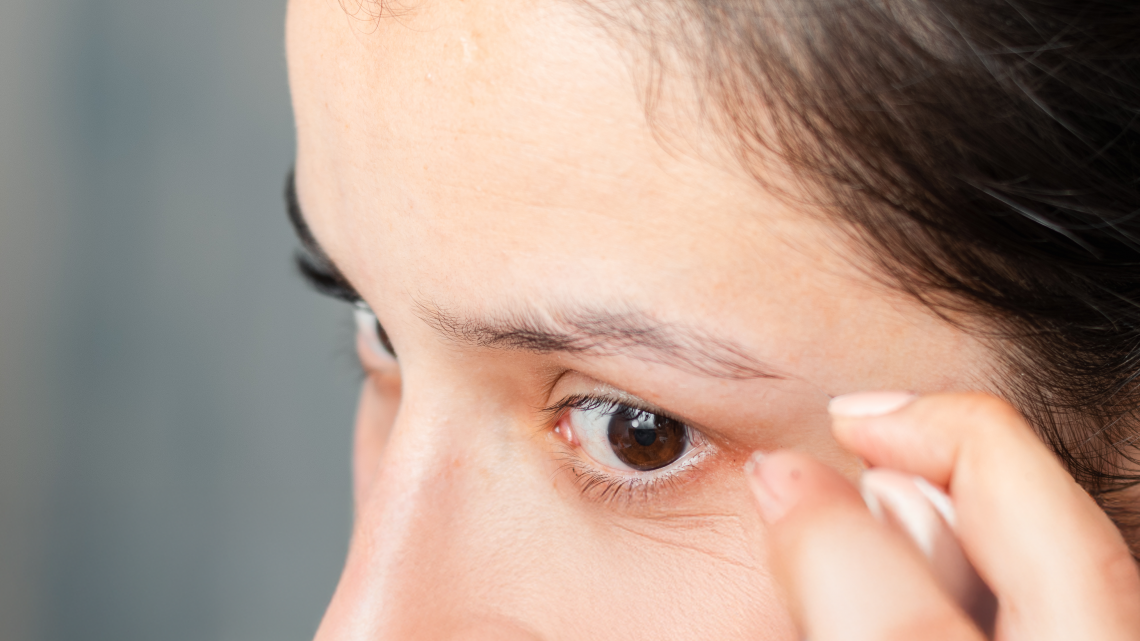
This approach is often chosen by individuals with a patchy beard or uneven eyebrow density. When focused on the beard, the procedure may be described as a beard hair transplant, while combined cases are sometimes referred to as beard hair and eyebrow transplantation. Hair angle, curl, and direction are especially important in the recipient area to maintain a natural appearance.
Who Is a Good Candidate
Not everyone is a good candidate for facial hair transplantation. Ideal candidates have stable donor hair and realistic expectations about density, beard growth, and overall coverage. Hair loss caused by genetics, trauma, or burns may respond differently to treatment.
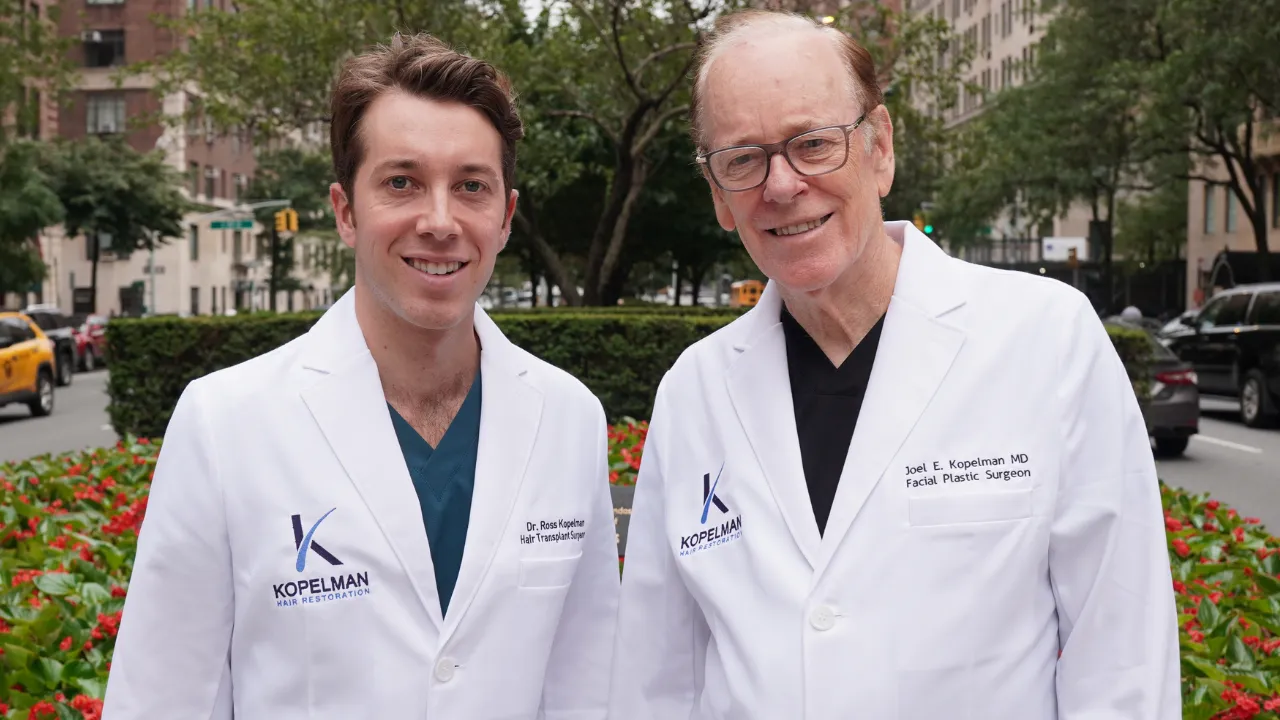
Medical evaluation is essential before proceeding. Dr. Kopelman notes that underlying skin conditions or hormonal factors should be addressed first. Proper assessment helps reduce unnecessary risks and supports consistent facial hair growth.
How Beard and Eyebrow Transplants Work
Facial hair transplantation follows a defined medical sequence that supports graft survival and predictable healing. Understanding this process helps patients know what to expect. Rushing placement or skipping steps can affect outcomes.
Doctors typically follow these stages:
- Medical evaluation and planning
- Donor hair extraction
- Graft placement based on facial anatomy
- Early healing
- Gradual regrowth over several months
This structured approach reflects established hair transplantation techniques used in modern practice. It helps control density, direction, and long-term growth patterns within the recipient area.
Donor hair selection
Doctors select donor hair based on thickness, texture, and growth pattern. Although scalp hair is commonly used, not all scalp hair behaves the same once transplanted to the face. Careful selection helps reduce visible contrast after healing.
Most facial procedures rely on follicular unit extraction (FUE), a minimally invasive method that removes individual follicles with precision. This technique preserves surrounding tissue and supports faster recovery.
Graft placement and angles
Placement is one of the most technical steps in facial hair transplantation. Each graft must follow the natural angle and direction of existing hair. Improper depth or orientation can limit blood supply during early healing.
Facial skin differs from scalp skin in thickness and movement. Doctors account for these differences to support natural facial hair growth and alignment. Small adjustments can influence whether the final result appears soft or overly structured.
Why Transplanted Facial Hair Behaves Differently
Transplanted facial hair retains traits from the donor area. When scalp hair is placed in the beard or eyebrows, it continues to follow scalp growth cycles. This explains why transplanted hairs may grow longer than native facial hair.
Early shedding is part of the normal growth cycle. Hair follicles enter a resting phase before producing new growth. This process does not indicate graft failure.
Beard vs Eyebrow Transplants
Beard and eyebrow transplants differ in technique and outcome. Beard hair may grow longer after transplantation and require trimming. Eyebrow hair stays shorter but grows continuously.
Eyebrows require finer spacing and tighter directional control. Beards allow higher density and varied angles, which can help create a more defined beard. Understanding these differences helps set realistic expectations.
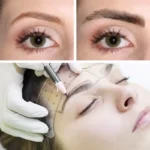
Beard and Eyebrow Transplant Before and After
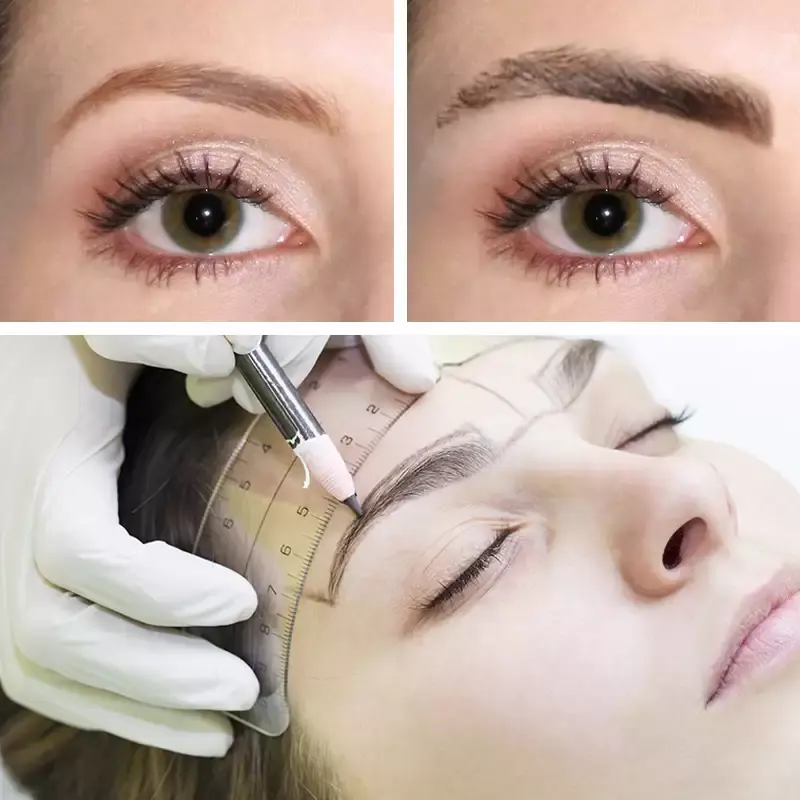
Before-and-after comparisons help explain what changes are possible. These images show improvement in coverage and structure rather than perfection. Results depend on donor quality, skin type, and healing response.
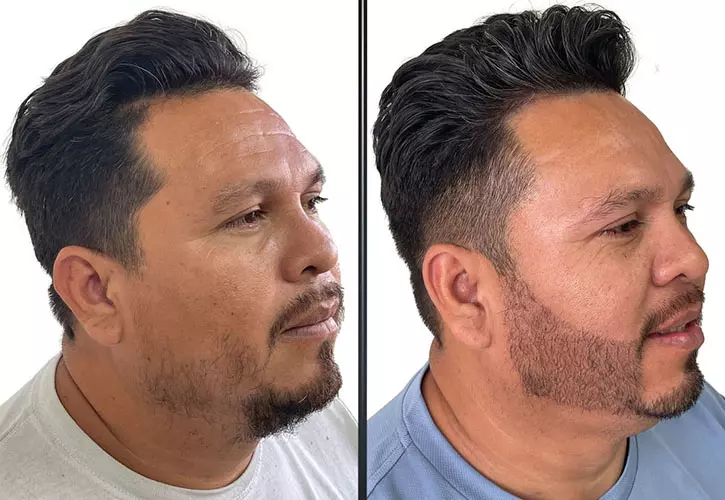
Many patients pursue these procedures to achieve natural facial hair rather than a dramatic change. Images should be viewed as examples, not guarantees of permanent results.

Recovery and Risks
Recovery after a beard and eyebrow transplant usually includes mild swelling, redness, and small scabs in the donor and recipient area during the first 7 to 10 days, as explained in this guide on beard transplant recovery after 10 days.
Most patients return to daily activities within a few days, while early shedding of transplanted hairs is expected.
Risks include uneven growth, temporary numbness, follicle loss, or minor scarring.
Beard transplants may carry a higher risk of visible irregularities if graft angles are not properly matched to natural beard growth, while eyebrow procedures require extreme precision due to the finer hair pattern.
Outcomes depend on graft handling, blood supply, skin health, and adherence to aftercare instructions.
How long do eyebrow hair transplants last?
Eyebrow hair transplants are generally long-lasting because the transplanted follicles come from donor areas resistant to hair loss. Once these follicles establish a blood supply, they continue to produce hair for many years.
Longevity depends on proper placement, healing, and long-term skin health rather than the procedure alone.
What is the downside of an eyebrow transplant?
Potential downsides include uneven growth, temporary shedding, or minor eyebrow scarring. Eyebrows are sensitive areas, so precision is critical.
Beard and Eyebrow Transplant Cost
The cost of a beard and eyebrow transplant varies based on graft count, procedural complexity, and the level of medical involvement required. Facial procedures often take longer per graft than scalp procedures because of the greater precision required in the recipient area.
An eyebrow hair transplant typically ranges from $10,000 to $16,000, reflecting the fine spacing and shallow angles required for natural-looking results. A beard hair transplant usually ranges from $10,000 to $18,000, depending on the area treated and the desired density.
A 2000-graft beard transplant may cost more than a similar scalp procedure. Eyebrow transplants usually require fewer grafts but higher precision. Accurate estimates require medical evaluation.
Results and Growth Expectations
New hair growth begins several months after the procedure. Early shedding is expected and temporary. Full results often take up to a year.
Dr. Kopelman explains that patience is essential during this phase. While the procedure is designed to provide lasting hair growth, final outcomes still depend on the healing response and long-term care.
If you are considering a beard or eyebrow transplant, scheduling an evaluation allows a physician to review your donor hair and discuss realistic options.