
A facial hair restoration procedure can meaningfully increase density and rebuild confidence for anyone dealing with patchy or sparse growth. Dr. Kopelman, a leading expert in hair restoration, has helped countless patients achieve natural-looking beard transplant results through advanced techniques.
If you’re also weighing restoration for a specific hair type, see our detailed guide on the Asian Beard Transplant: For Fuller Facial Hair.
This guide walks through what to expect ten days out, how to manage aftercare, and when to anticipate full facial hair growth. We also cover the long-term results of the procedure and share practical tips for keeping your new growth healthy afterward.
Beard Transplant Day by Day: Your Healing Timeline
In the first week and a half, the grafted follicles are still in their earliest stage of healing. Here is a day-by-day breakdown of what most patients experience:
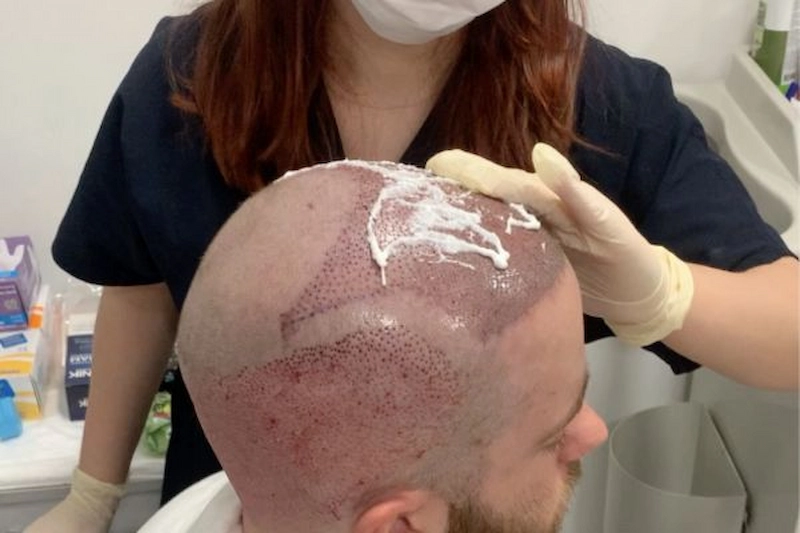
- Days 1–3: Redness, mild swelling, and slight tenderness in the recipient zone. Avoid touching the treated area to prevent irritation.
- Days 4–7: Small scabs form over each graft, and minor itching may set in. New facial hairs can start to appear underneath the scabs.
- Days 8–10: Scabs gradually flake away, revealing early signs of growth.
- Beyond Day 10: The donor site keeps healing, and some shock loss may follow as a normal part of the cycle before permanent growth takes hold.
These early milestones are the opening stretch of a longer beard transplant healing timeline that spans several months.
Beard Transplant After 1 Week (Days 4–7)
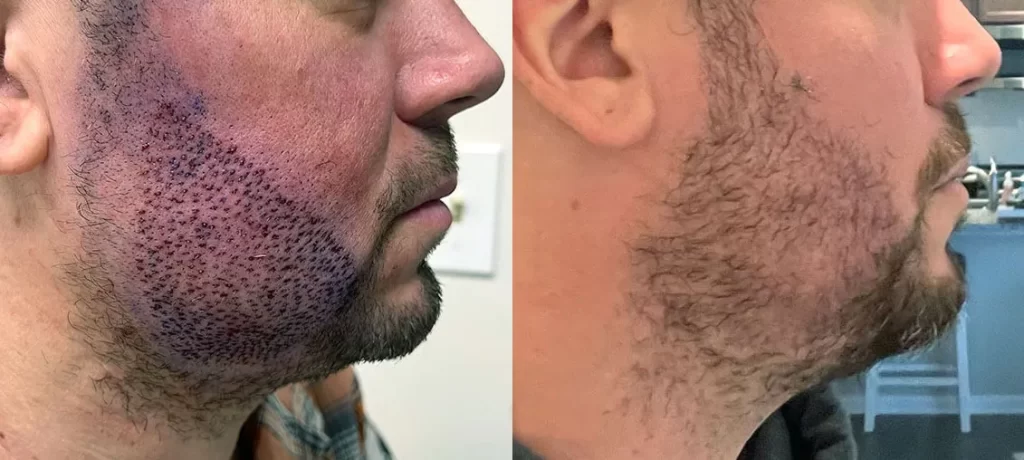
The first seven days are mostly about protection and patience. By the end of week one, swelling has usually peaked and started to fade, and the scabs around each graft are set but not yet ready to come off on their own.
At this stage, most patients can return to a desk job or remote work while the treated zone stays a little pink. It is still too early for aggressive washing, shaving, or heavy sweating, so light routines are best.
What to Expect on Day 10
By the tenth day:
- Scabs begin to fall away naturally.
- Most redness and swelling subside.
- Grafts start to settle firmly into place.
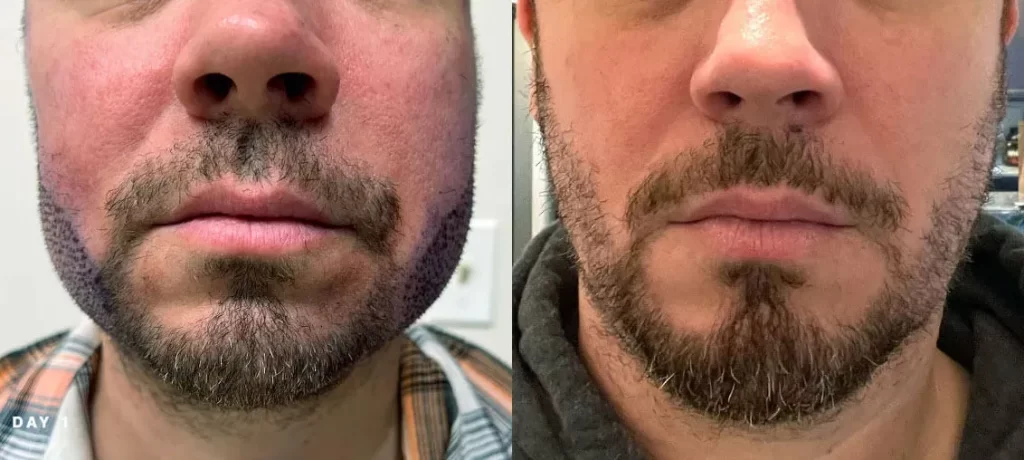
This is an encouraging checkpoint that shows early progress, but it is not the moment to judge the final outcome. A day 0 versus day 10 comparison usually shows a more even skin tone, the disappearance of most scabbing, and a calmer, less irritated donor site.
Day 0 vs 10 Days after a Beard Transplant
You should keep washing gently, avoid shaving the recipient zone, and watch for any signs of irritation. Follow your surgeon’s aftercare instructions closely for the best outcome.
You can also read our guide on the best beard dandruff shampoo to choose products that keep your new growth clean and flake-free without drying the skin.
10 Days Later: Symptoms, Graft Security & Side Effects
Common Symptoms at This Stage
By day 10, healing is well underway. Patients may still notice:
- Minor redness or a pinkish tone in the treated zone, which fades gradually.
- Light flaking or peeling as the follicles adjust to their new location.
- Mild itching, which is a sign of a healthy recovery. Resist scratching, and a doctor-recommended moisturizer can ease dryness.
- Some early shedding of transplanted hairs, which is normal and part of the natural growth cycle.
If these symptoms persist well beyond this window, checking in with a specialist like Dr. Kopelman helps confirm that healing is on track.
Are the Grafts Secure After 10 Days?
By the tenth day, most relocated follicles are firmly anchored. The risk of dislodging them drops sharply, though the area still deserves careful handling. Gentle washing is fine, but avoid excessive rubbing or pressure on the face.
Side Effects: What’s Normal vs. What’s Not
Most procedures go smoothly, but it helps to know the difference. Learn more about potential beard transplant side effects and how to avoid common pitfalls. Typical, expected effects include:
- Temporary swelling around the cheeks and jawline.
- Mild scabbing in both the donor and recipient zones.
- Shock loss, where some grafted hairs shed before regrowing.
Excessive redness, pain, pus, or prolonged inflammation are not part of normal healing and may point to infection, so they should be addressed right away.
Beard Transplant Stages After Day 10: The Full Healing Timeline
Day 10 is only the start. The most meaningful changes unfold over the following months as the follicles cycle through shedding, dormancy, and regrowth. Understanding these beard transplant stages sets realistic expectations and takes the anxiety out of the slower phases.
| Stage | What's Happening | What You'll Notice | What To Do |
|---|---|---|---|
| Days 1–3 | Grafts settling; swelling peaks | Redness, mild swelling, tenderness | Avoid touching; sleep elevated |
| Days 4–7 | Scabs form and set | Scabbing, minor itching, fading swelling | No shaving; gentle care only |
| Days 8–10 | Scabs release naturally | Cleaner skin tone, calmer donor site | Resume gentle washing |
| Weeks 3–4 | Shock loss / dormant phase | Transplanted hairs shed; patchy look | Stay patient; follicles remain intact |
| Months 3–4 | Active regrowth begins | Fine new hairs emerge | Careful trimming only |
| Months 6–12 | Density builds and blends | Roughly half to two-thirds of final coverage | Style as it fills in |
| 12–18 Months | Final maturation | Full, natural density; no linear scar | Normal grooming and shaving |
Weeks 3–4: Shedding and the Dormant Phase
Sometime between the second and fourth week, many patients notice the transplanted hairs falling out. This is shock loss, and while it can look alarming, it is completely expected. The visible shaft sheds, but the follicle stays alive beneath the skin, resetting before it enters a new growth cycle.
Peer-reviewed research on facial follicle grafting reports strong long-term survival rates, so this shedding is a reset rather than a failure. One study documented high graft survival at nine months post-procedure. Not every hair sheds on the same schedule, so the area may look patchy for a while, which is normal.
Months 3–4: Regrowth Begins
This is when the real transformation starts. Around the three-month mark, fine new hairs begin to sprout. They are soft and thin at first, but they signal that the follicles have entered their active growth phase.
Facial skin’s rich blood supply means grafts here sometimes show new growth slightly faster than the scalp. Around this stage, a few patients notice small pimples or ingrown hairs as the new shafts push through, which usually resolves on its own.
Months 6–12: Density Fills In
By month six, most patients see meaningful coverage, roughly half to two-thirds of the final result. From there, the growth continues to thicken, patchy spots fill in, and the new hairs blend into the surrounding facial hair.
This is typically when patients start to feel confident in social and professional settings again. The look keeps maturing steadily through the rest of the first year.
12–18 Months: Final Results
Full, final results become apparent between 12 and 18 months, once every follicle has completed its first full growth cycle. Texture and density keep refining across this window.
The endpoint is a natural, dense result with no linear scarring from the FUE method. Some patients continue to see modest thickening up to around 14 to 15 months, and younger patients often reach this stage a little faster.
What Can I Do 10 Days After the Procedure?
Day 10 Wash: Cleaning the Treated Area
By day 10, patients can gently cleanse the treated zone with a mild, fragrance-free shampoo. Lukewarm water and soft patting motions work best to avoid irritation.
Cleaning and Hygiene Practices
- Pat the area dry rather than rubbing it.
- Avoid alcohol-based products, which can dry the skin and slow healing.
- Use antibiotic ointment only if your specialist recommends it to prevent infection.
Activities to Avoid
- Strenuous exercise and heavy workouts that trigger excessive sweating.
- Direct sun exposure without proper UV protection.
- Smoking and alcohol, which slow healing by reducing blood flow.
- Harsh skincare products that can irritate the recipient zone.
Planning Around Work and Social Events
Because the face is always on display, timing matters more here than with a scalp procedure. Most desk-based or remote workers feel comfortable returning within a few days, while anyone in a client-facing or public role usually prefers to wait until around day 10, when scabs have cleared and redness has faded.
If you have a wedding, a major presentation, or travel coming up, schedule the procedure at least three to four weeks ahead so you pass the early shedding phase looking your best. Physical labor, contact sports, and swimming are best postponed for three to four weeks or more.
How to Minimize Side Effects
- Keep the skin moisturized with doctor-recommended products.
- Sleep with your head elevated to reduce swelling.
- Follow all post-op instructions from Dr. Kopelman to support proper healing.
If you’re still exploring your options or haven’t had the procedure yet, learn more about finding the best beard transplant near me to understand costs, clinics, and what to expect.
Beard Transplant Results: What Comes Next?
Cost is a key factor for many patients. Get a detailed breakdown of the beard transplant cost in NYC and what influences pricing.
After 1 Month: Growth & Density
One month out, shedding slows, and fresh growth starts to become visible. Patients can begin trimming carefully, avoiding aggressive shaving until healing is further along. Curious about real outcomes? See these beard transplant before and after photos to view the transformation at different stages.
How Many mm Does Facial Hair Grow in 10 Days?
Native facial hair grows on average about 0.3 mm per day, which works out to roughly 2 to 3 mm over ten days. Keep in mind that the newly transplanted hairs typically shed during this early window rather than lengthening, so most visible growth in the first ten days comes from surrounding existing hair.
When Will You See Full Results?
Final results generally take 6 to 12 months, with the most noticeable density appearing around months 3 to 4. By the six-month mark, most patients enjoy a fuller, natural look, and maximum density is usually reached by 12 to 18 months.
Final Thoughts
If you are considering facial hair restoration, choosing the right procedure and surgeon matters. Learn more about the benefits of an FUE hair transplant in NYC and how it delivers natural results with minimal scarring.
Patients researching facial restoration often explore related procedures, including eyebrow transplants in New York, especially when aiming for balanced facial harmony. Demand for facial restoration has risen sharply worldwide in recent years, reflecting how reliable modern outcomes have become. <a href=”https://ishrs.org/beard-mustache-transplant/” rel=”nofollow noopener”>Industry data from the ISHRS documents this growth</a>.
Schedule a consultation with Dr. Kopelman today to discuss your options and achieve the beard you’ve always wanted. The process takes patience, but the results are permanent and well worth it. Understanding the recovery timeline, following proper aftercare, and consulting an expert like Dr. Kopelman can significantly improve the overall experience.
By taking the right steps through each stage of healing, patients can enjoy long-lasting, natural growth that boosts confidence and appearance for years to come.
Book Your Consultation