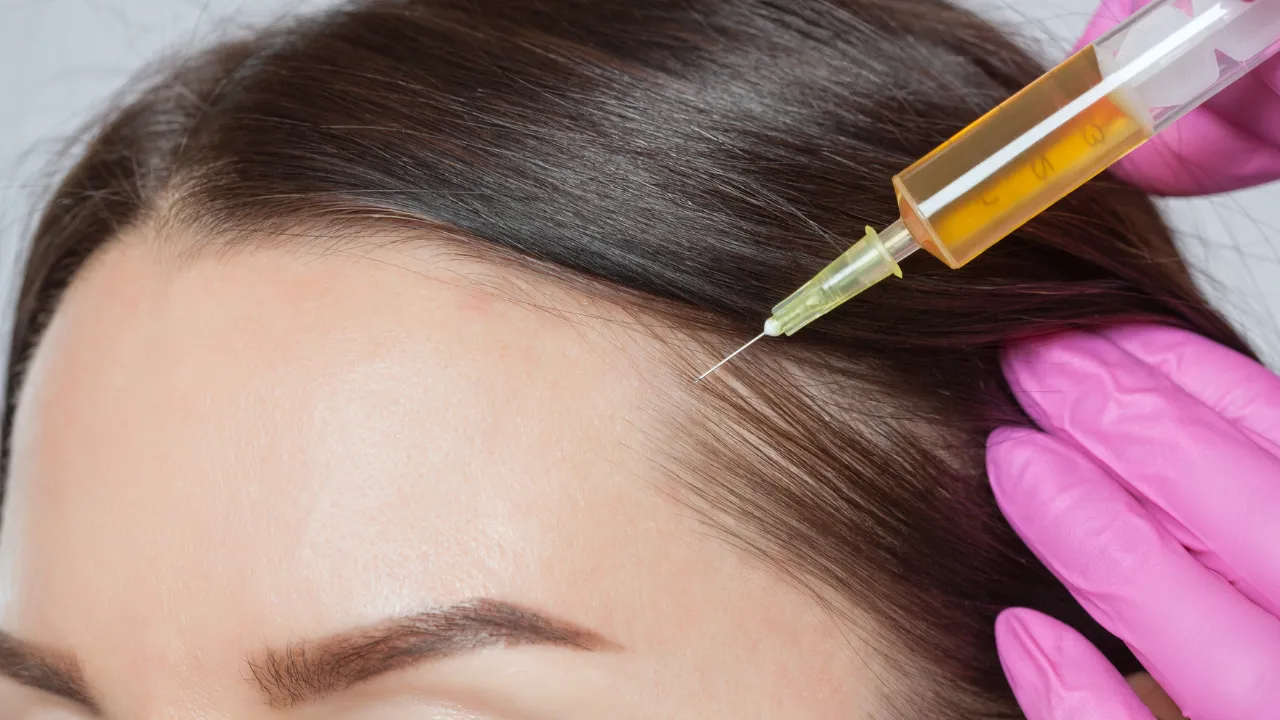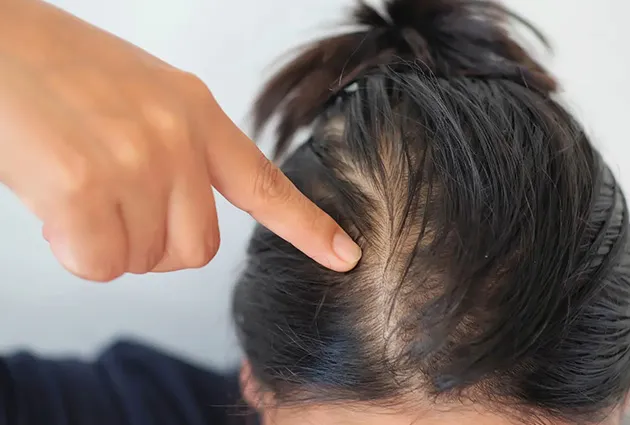

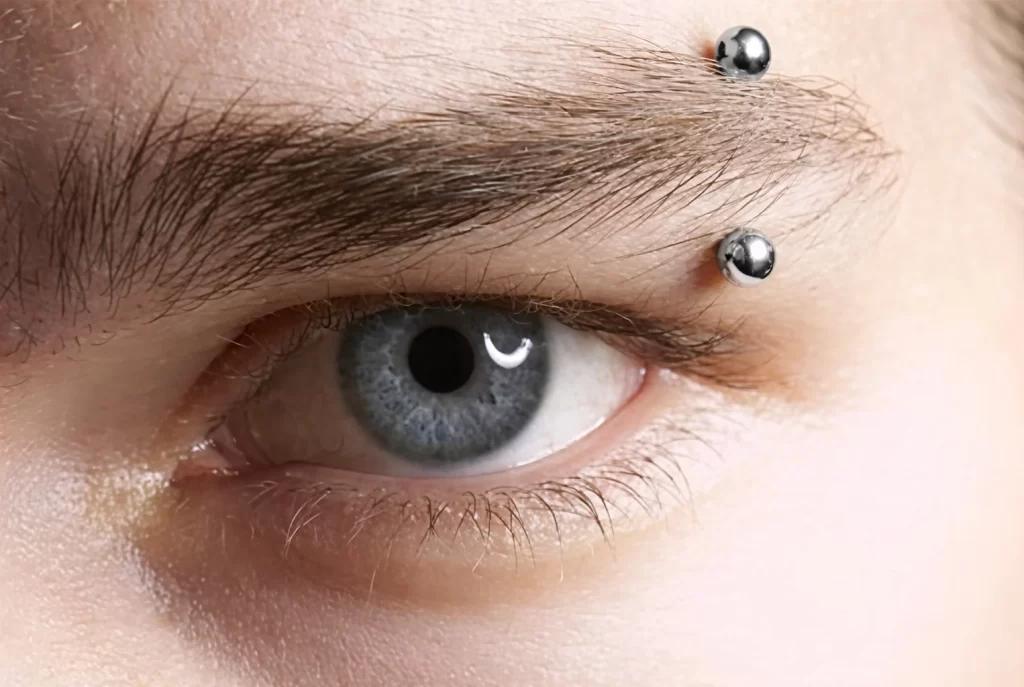
Do eyebrow piercings cause hair loss? In some cases, yes, but it is usually localized and not permanent. Hair changes are most often linked to inflammation, irritation, or scarring near the piercing rather than the jewelry itself.
The information in this article is educational and based on skin and hair principles used in practices such as Kopelman Hair.
Key Takeaways
- Eyebrow piercings can cause localized hair loss in some cases, usually due to inflammation, repeated irritation, or scarring near hair follicles.
- Hair shedding after a piercing is often temporary and may improve during the healing process if follicles are not permanently damaged.
- A scar from eyebrow piercing or a piercing scar can block regrowth when normal follicle tissue is replaced.
- Most eyebrow hair loss is unrelated to piercings and is more often linked to hormones, health conditions, or grooming habits.
Can an Eyebrow Piercing Cause Hair Loss
An eyebrow piercing can lead to hair loss in some cases, but it does not affect everyone. Changes usually depend on how the piercing interacts with the skin and nearby follicles. The jewelry itself is rarely the main cause.
Eyebrow follicles sit close to the skin surface and are sensitive to injury. Pressure, swelling, or repeated irritation at the piercing site during the healing process can disrupt hair growth. This explains why some people notice thinning.
What This Does Not Mean
Eyebrow piercings do not cause complete eyebrow baldness. When hair loss occurs, it is limited to the area around the piercing. The rest of the eyebrow is not affected.
Piercing-related hair loss is not a sign of body-wide hair problems. It does not indicate hormonal imbalance or general shedding. This distinction helps reduce unnecessary concern.
Eyebrow Hair Falling Out After Piercing
Some people notice eyebrow hair falling out after piercing in the first few weeks. This often happens while the skin is swollen and adjusting. The shedding is usually associated with local irritation at the piercing site.
In many cases, the hair grows back. Follicles may pause growth during the healing process and restart once the skin settles. Healthy follicles can recover.
Temporary vs Permanent Hair Loss
Temporary hair loss is more common than permanent loss after eyebrow piercing. Irritated follicles can resume growth once healing is complete. This may take several months.
Permanent loss is less common and is usually associated with scarring. When a piercing scar replaces normal skin, follicles may stop working. This helps explain why eyebrow piercings can cause lasting hair loss.
Scar From Eyebrow Piercing and Hair Growth
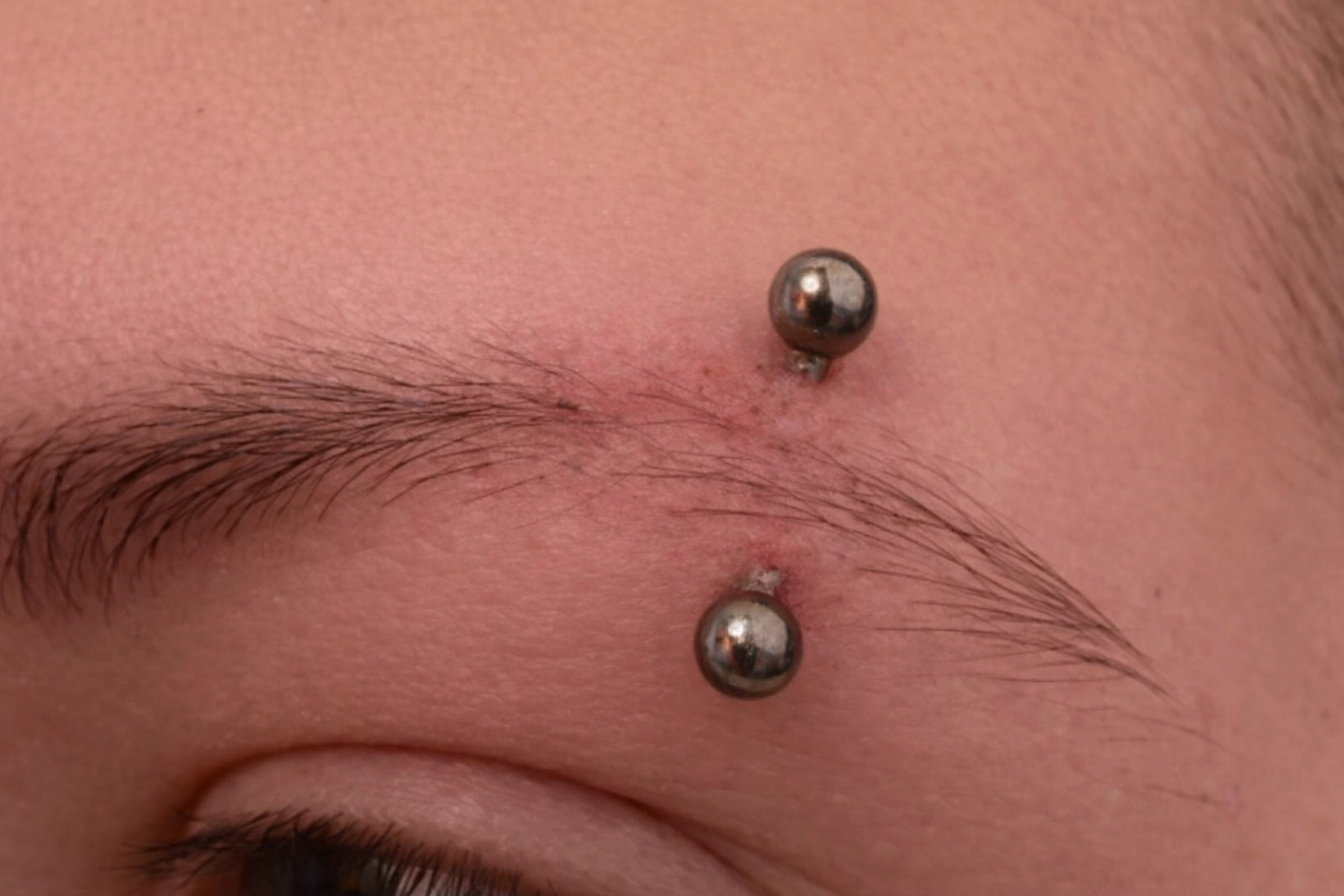
A scar from eyebrow piercing can affect hair growth if the follicle structure is disrupted. Scar tissue may block hair from growing through the skin. Deeper scars increase this risk.
Scarring depends on placement, movement, and skin response. Some people form thicker scars than others. A visible piercing scar near the eyebrow often explains localized hair loss.
How Scarring Damages Hair Follicles
Scarring occurs when dense tissue replaces normal skin after injury. If this tissue covers a follicle opening, hair growth can stop. The follicle may become inactive.
Repeated swelling or friction raises this risk. Jewelry that presses on the piercing site can worsen scar formation. Over time, small gaps in eyebrow hair may appear.
When Eyebrow Hair May Not Grow Back
Eyebrow hair may not grow back if scar tissue fully replaces the follicle. This is more likely after infection or repeated trauma. Hair loss remains localized.
Based on clinical observations from specialists such as Dr. Joel Kopelman, scarring-related loss is usually limited to the affected area.
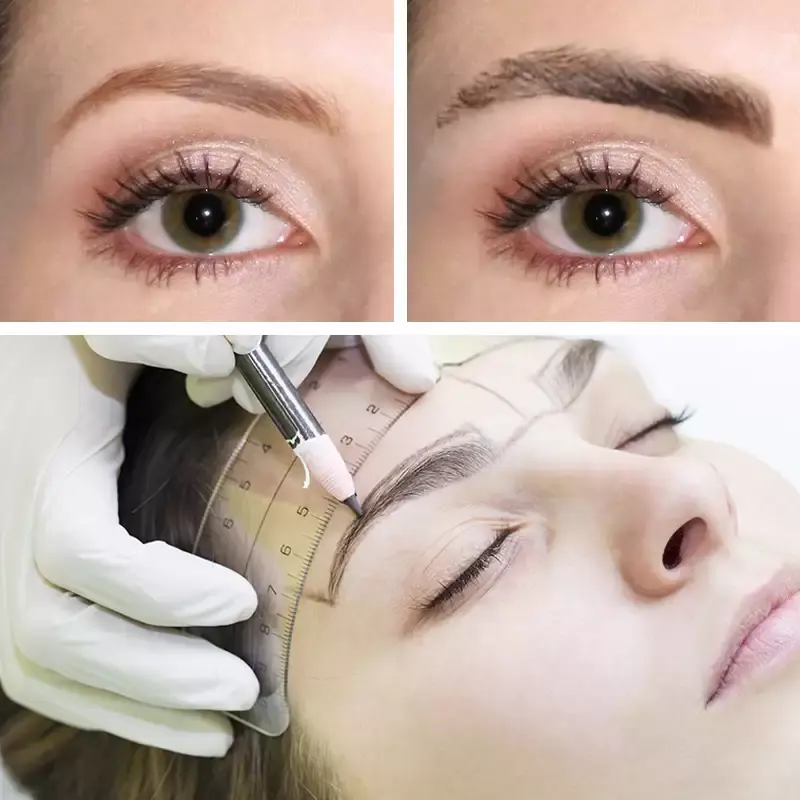
In cases where scarring prevents regrowth, options such as an eyebrow transplant in NYC procedure may be discussed after a proper medical evaluation. Early evaluation helps clarify regrowth potential.
Side Effects of Eyebrow Piercings
Eyebrow piercings can cause side effects beyond hair changes. These depend on hygiene, technique, and skin type. Early awareness helps reduce complications.
Some effects are mild and short-lived. Others may last longer or need care. Understanding risks supports informed decisions.
Normal vs Abnormal Changes After an Eyebrow Piercing
Mild redness, tenderness, and swelling are normal during early healing. These usually improve within weeks. Temporary sensitivity near eyebrow hairs can occur.
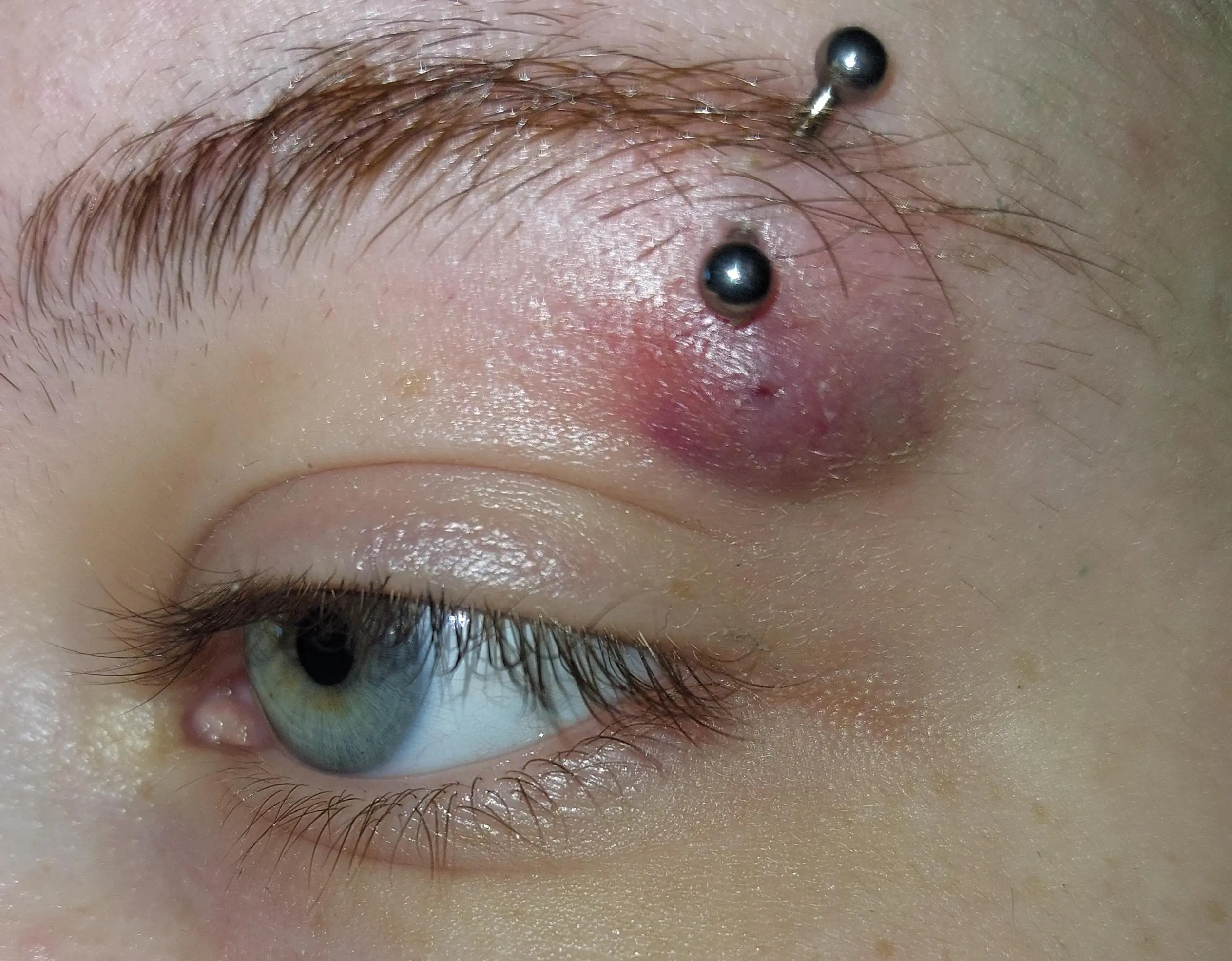
Abnormal signs include worsening pain, spreading redness, thick discharge, or skin breakdown. Ongoing inflammation can disrupt the healing process and increase the risk of scarring. These signs need evaluation.
Infection, Irritation, and Swelling
Infection can occur if bacteria enter the piercing site. Redness, pain, warmth, and discharge are common signs. Swelling should slowly improve.
Long-lasting swelling may reduce blood flow to follicles. This can slow regrowth. Properly cleaning the piercing site and avoiding manipulation helps lower the risk.
The eyebrow sits close to the eye, where infections spread more easily. Prolonged inflammation in this area can also affect nearby follicles.
Migration and Repeated Follicle Trauma
Migration occurs when jewelry moves toward the skin surface. This causes repeated injury and increases the risk of scarring. Nearby follicles may be damaged over time.
Repeated trauma increases the chance of a visible scar from eyebrow piercing. Hair loss may appear gradually. Shallow piercings migrate more often.
What Is the Most Common Cause of Eyebrow Hair Loss
Piercings are not the most common cause of eyebrow hair loss. Many cases involve medical, hormonal, or cosmetic factors, such as eyebrow alopecia, rather than body jewelry. Separating causes prevents false assumptions.
A piercing may highlight hair loss that was already present. Multiple factors often overlap.
Hormonal and Medical Causes
Hormonal changes can affect eyebrow hair growth, including cases of hormone-related hair loss. Thyroid conditions, immune disorders, and nutrient deficiencies are common causes. These usually affect both eyebrows.
Hair loss often continues regardless of the piercing location. Medical evaluation matters when thinning spreads.
Overplucking And Cosmetic Damage
Overplucking is a leading cause of eyebrow thinning. Repeated removals damage follicles and limit regrowth. Waxing and threading can have similar effects.
Long-term grooming weakens follicles. Combined with piercing stress, regrowth may slow further.
How to Protect Eyebrow Hair During Healing
Protecting eyebrow hair during healing lowers the risk of lasting changes. Simple care supports skin repair and follicle health. These steps matter throughout the healing process.
Healing takes patience. Limiting stress and avoiding touching the area unless cleaning allows recovery.
Safe Aftercare Steps
Basic aftercare focuses on keeping the area clean and calm:
- Clean the piercing site with sterile saline
- Avoid touching or twisting the jewelry
- Keep makeup away
These steps reduce swelling and the risk of infection. Lower irritation supports better hair recovery.
When To See a Specialist
A specialist should be seen if hair loss persists after healing or if scarring becomes apparent. Pain, discharge, or rapid migration also need attention. Early evaluation guides next steps.
In clinical practice, Dr. Kopelman notes that early assessment helps determine whether hair can regrow or if loss is permanent. Precise evaluation supports informed decisions.
If you have concerns about eyebrow hair loss or scarring, a professional evaluation can help clarify the cause. You can schedule a consultation with Kopelman Hair to review your situation and discuss appropriate next steps.