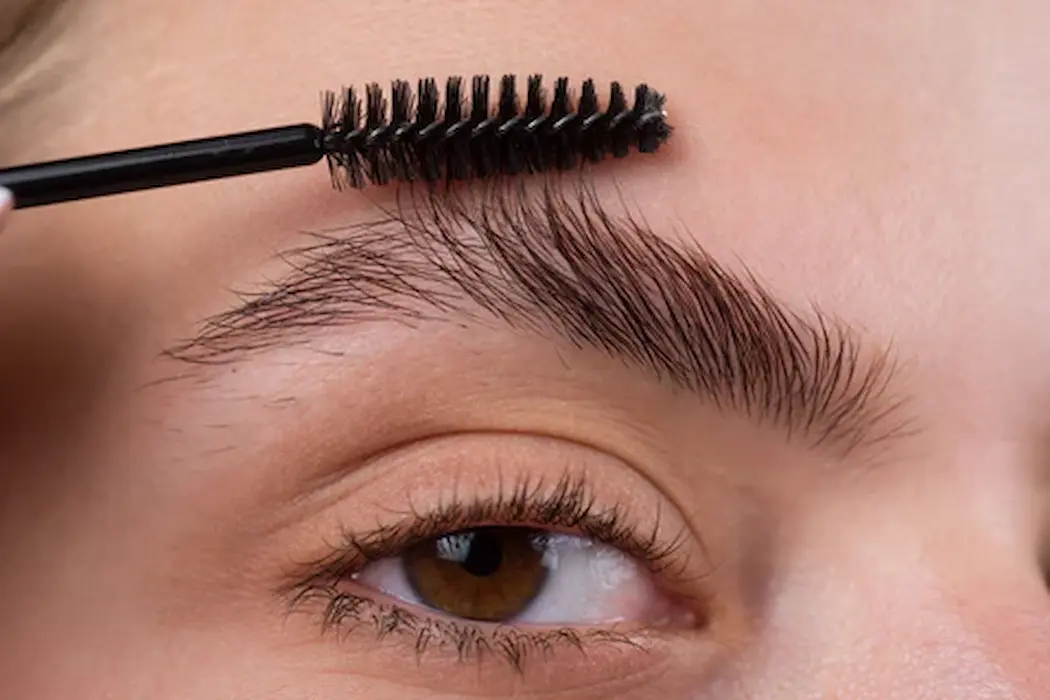

Eyebrow hair loss happens when the normal hair cycle is disrupted by a medical condition, hormone changes, stress, a skin condition, or repeated grooming. In many cases, the cause involves inflammation, immune system activity, thyroid imbalance, or nutrient deficiencies that affect the hair follicles.
This article explains the causes of eyebrow loss, how doctors test for it, and which treatments may help.
Key Takeaways
- Eyebrow hair loss may be linked to thyroid problems, autoimmune disease, a skin condition, nutritional deficiency, nutrient deficiencies, or repeated grooming.
- The way the hair thins helps show if the loss is short-term or permanent.
- Blood tests are often needed because appearance alone cannot confirm a medical condition.
- Hair regrowth depends on whether the hair follicles are still healthy.
- Treatment focuses on the underlying cause, and surgical options are reserved for stable cases.
Why Are My Eyebrows Falling Out
Common causes of eyebrow hair loss include:
- Thyroid hormone imbalance
- Autoimmune conditions
- Hormonal changes in women
- Chronic skin condition
- Nutritional deficiency
- Nutrient deficiencies
- Repeated cosmetic trauma
The answer depends on what disrupts the hair cycle. Eyebrow hair grows, rests, and then sheds. When illness, stress, or injury interrupts this cycle, it can lead to thinning eyebrows.
Some health conditions affect both eyebrow hair and scalp hair. When eyebrow thinning appears with scalp hair loss, a broader medical condition may be present. In many cases, the problem begins at the hair follicles.
Is Eyebrow Hair Loss a Sign of Thyroid Disease?
Thyroid disease is a known cause of eyebrow hair loss. Low thyroid levels can slow growth and shorten the active phase. This can lead to thinning eyebrows, often near the outer edge.
Eyebrow thinning alone does not confirm thyroid disease. A blood test is needed to check hormone levels. Doctors review the full picture of health before making a diagnosis.
Alopecia Areata and Autoimmune Causes
Alopecia areata is a disease in which the immune system attacks hair follicles. This immune system response can cause smooth, round patches of hair loss. It may affect the scalp, eyebrows, or both.
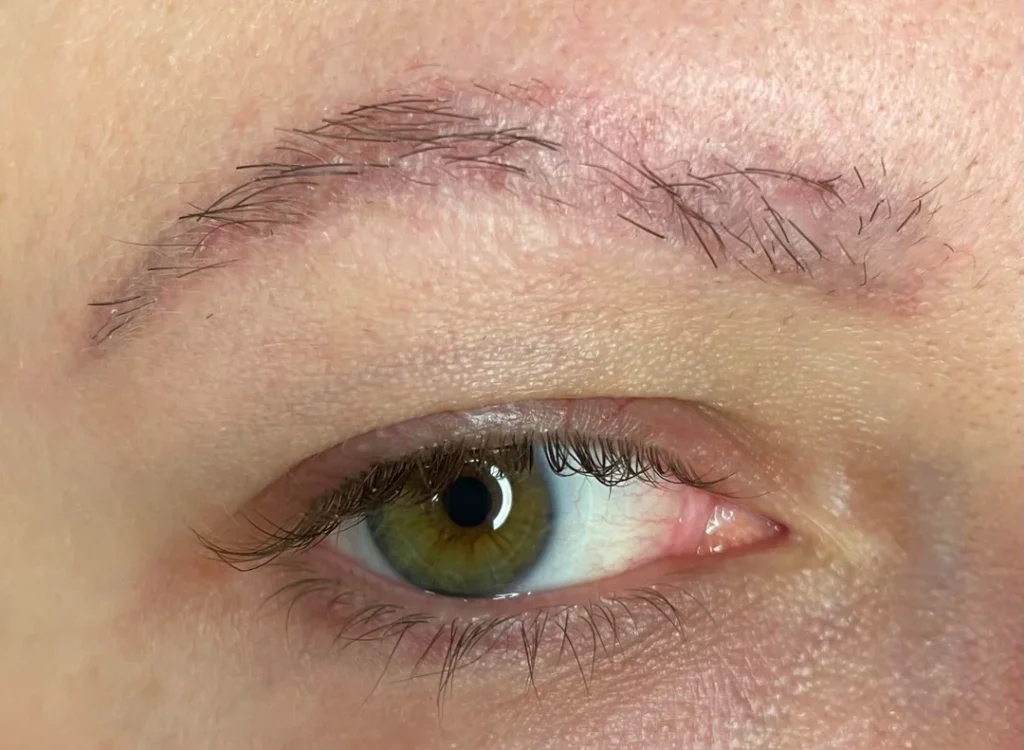
In some cases, the loss involves both eyebrows and eyelashes. The skin usually looks smooth without redness. This pattern helps doctors tell it apart from grooming damage.
Frontal Fibrosing Alopecia
Frontal fibrosing alopecia is a scarring medical condition. It affects the hairline and can also involve the eyebrows. It is linked to immune system activity and causes damage to hair follicles over time.
This disease can lead to thinning eyebrows that do not grow back. Because it is scarring, early care is important. Once hair follicles are destroyed, hair regrowth is unlikely.
Hormonal Changes and Eyebrow Hair Loss in Women
Hormone shifts can affect eyebrow hair loss in women. This may happen after pregnancy or during menopause. Lower estrogen levels can shorten the growth phase.
Over time, this can lead to thinning eyebrows. A doctor may review hormone levels to see if the change is part of a medical condition. In some cases, hormone levels stabilize and improve.
Can Stress Cause Eyebrow Hair Loss?
Stress can cause a type of shedding called telogen effluvium. More hairs move into the shedding phase at once. This often affects scalp hair loss but may also involve the brows.
Hair regrowth often begins once stress improves. If thinning continues, other health conditions should be checked. Stress is not the only cause of eyebrow hair loss.
Skin Conditions and Inflammation
A skin condition such as eczema or seborrheic dermatitis can damage hair follicles. Redness, itching, or flaking may appear around the brows. Long-term inflammation weakens follicles.
If untreated, inflammation may lead to thinning eyebrows. Treating seborrheic dermatitis or another skin condition can help protect remaining hair follicles. Early care supports better hair regrowth.
Nutritional Deficiency and Systemic Causes
A nutritional deficiency or broader nutrient deficiencies can slow hair growth. Low iron, low protein intake, or poor diet may play a role. These factors affect hair follicle health.
Blood tests can confirm a nutritional deficiency. Correcting diet may support hair regrowth. However, diet alone will not repair scarring.
Mechanical and Cosmetic Damage
Frequent plucking, waxing, or threading can harm hair follicles. Chemical treatments may also weaken hair roots. Over time, this may lead to thinning eyebrows.
If thinning follows heavy grooming and no other symptoms are present, the cause is often mechanical. Stopping the trigger may allow slow hair regrowth. Protecting the brows helps prevent further loss.

When to Worry About Eyebrow Hair Loss
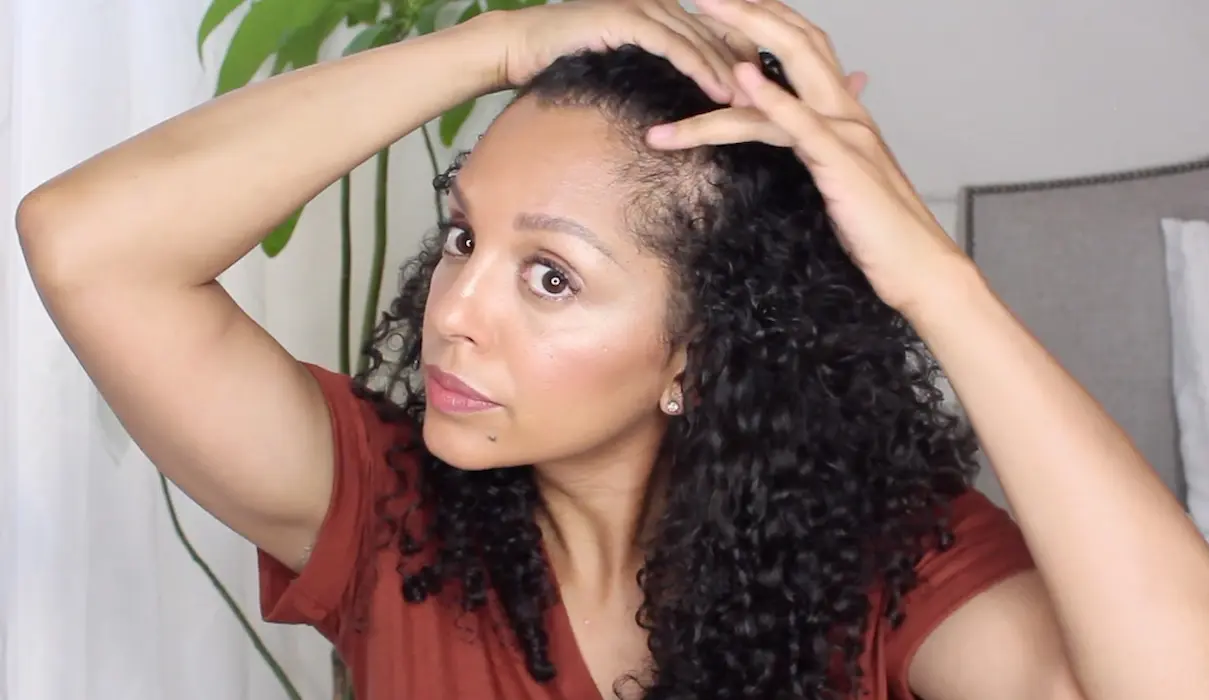
Slow, thinning hair without other symptoms may be related to age or grooming habits. Sudden or patchy eyebrow hair loss may signal a medical condition. Losing hair on my eyebrows, along with scalp hair loss, needs medical review.
If eyebrows and eyelashes thin together, autoimmune disease may be involved. Early checks help find the cause. Prompt care may slow progression.
How Eyebrow Hair Loss Is Diagnosed
Doctors begin with a health history and skin exam. They examine the pattern of thinning and assess the condition of the hair follicles. Dr. Kopelman explains that diagnosis must come before treatment.
Scarring vs Non-Scarring Eyebrow Hair Loss
Scarring eyebrow hair loss means inflammation has destroyed the hair follicles. In these cases, hair regrowth is not likely. Non-scarring loss means the follicles are still present.
This difference is important. It guides treatment and sets clear expectations.
Blood Tests and Thyroid Screening
Blood tests may check thyroid function, iron levels, and other markers. These tests help confirm or rule out a medical condition. Appearance alone cannot confirm the cause.
Lab results guide safe treatment. They also help explain eyebrow thinning when scalp hair loss is present.
Can Eyebrow Hair Loss Grow Back?
Whether eyebrow hair loss grows back depends on the health of the roots. Temporary causes such as stress or nutritional deficiency often improve with care. Scarring diseases such as frontal fibrosing alopecia reduce the likelihood of hair regrowth.
Hair grows slowly. Visible change may take months. Follow-up visits help track progress.
Eyebrow Hair Loss Treatment Options
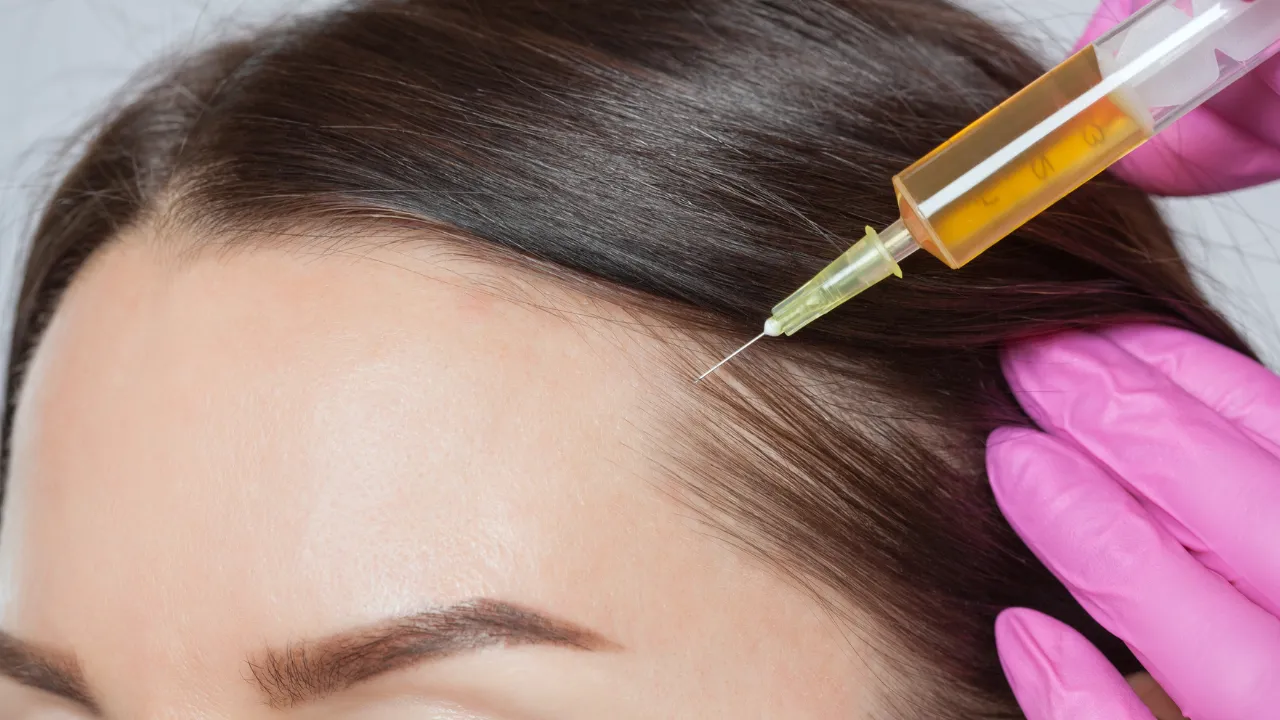
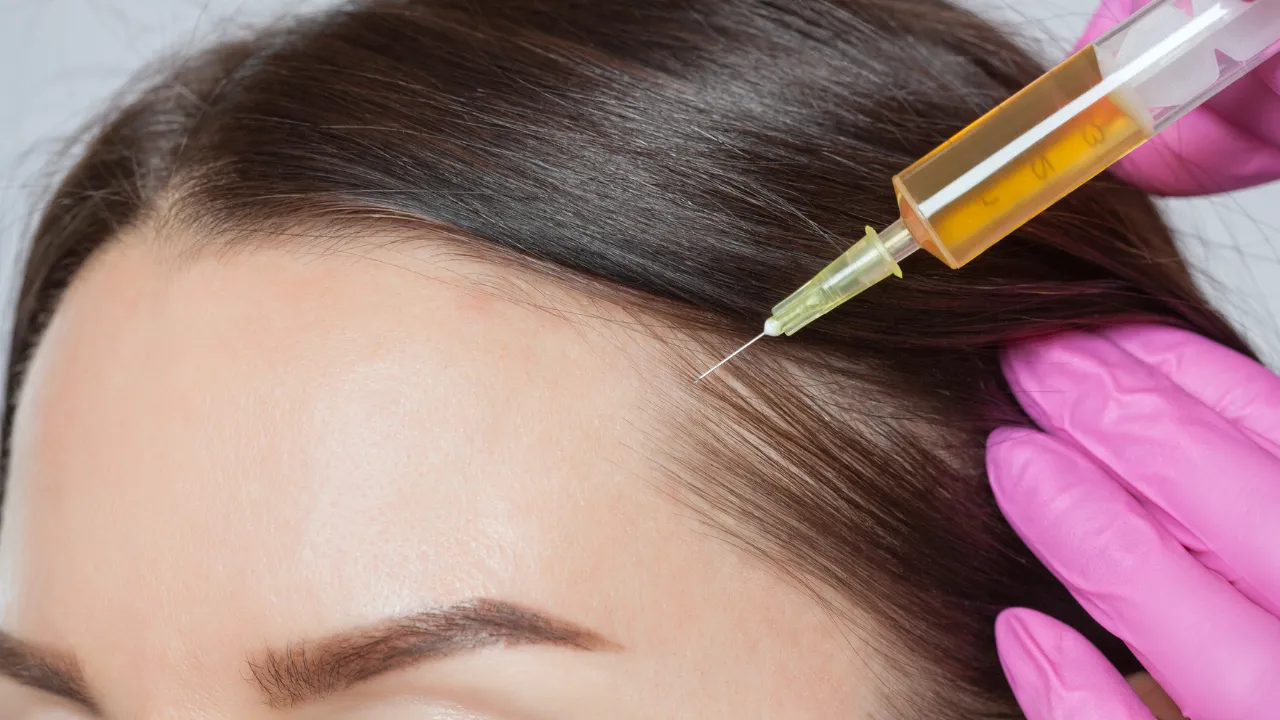
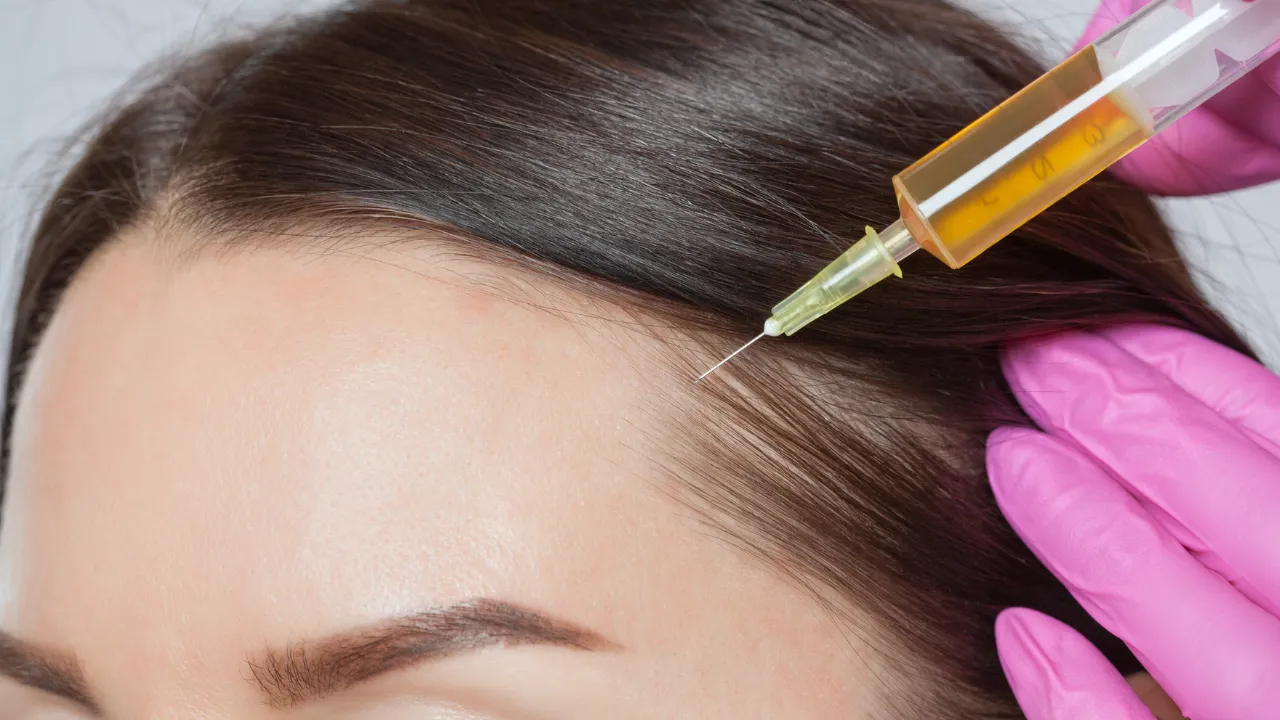
Treatment depends on the cause and the condition of the hair follicles. Options may include thyroid medication for hormone imbalance, corticosteroid injections for autoimmune eyebrow hair loss, or medicated creams for a skin condition such as seborrheic dermatitis.
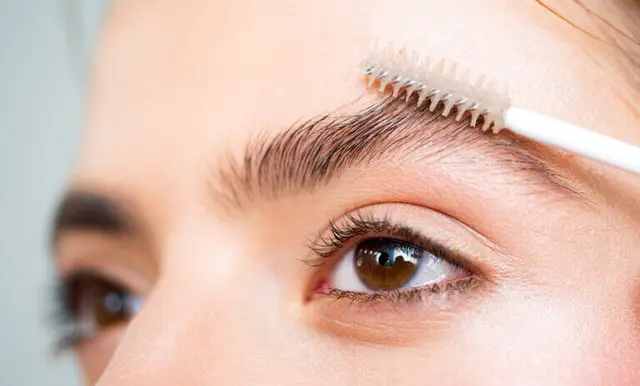
If nutrient deficiencies or a nutritional deficiency are identified, iron or dietary correction may support hair regrowth. For permanent loss caused by scarring conditions like frontal fibrosing alopecia, medical therapy may slow progression, but cannot restore destroyed follicles.
In stable cases, a hair transplant or eyebrow transplant may be considered to rebuild density.
Eyebrow Hair Loss Home Remedy Options
Some people try eyebrow hair loss home remedies such as increasing protein intake, correcting iron deficiency, reducing harsh grooming, and stopping chemical treatments.
Gentle skin care and managing a skin condition such as seborrheic dermatitis may also help reduce irritation around hair follicles. These steps may support hair regrowth when the follicles are still healthy.
Home remedies cannot reverse scarring conditions such as frontal fibrosing alopecia. If eyebrow hair loss continues or worsens, a medical evaluation is necessary to identify the underlying medical condition.
Eyebrow Transplant for Permanent Restoration
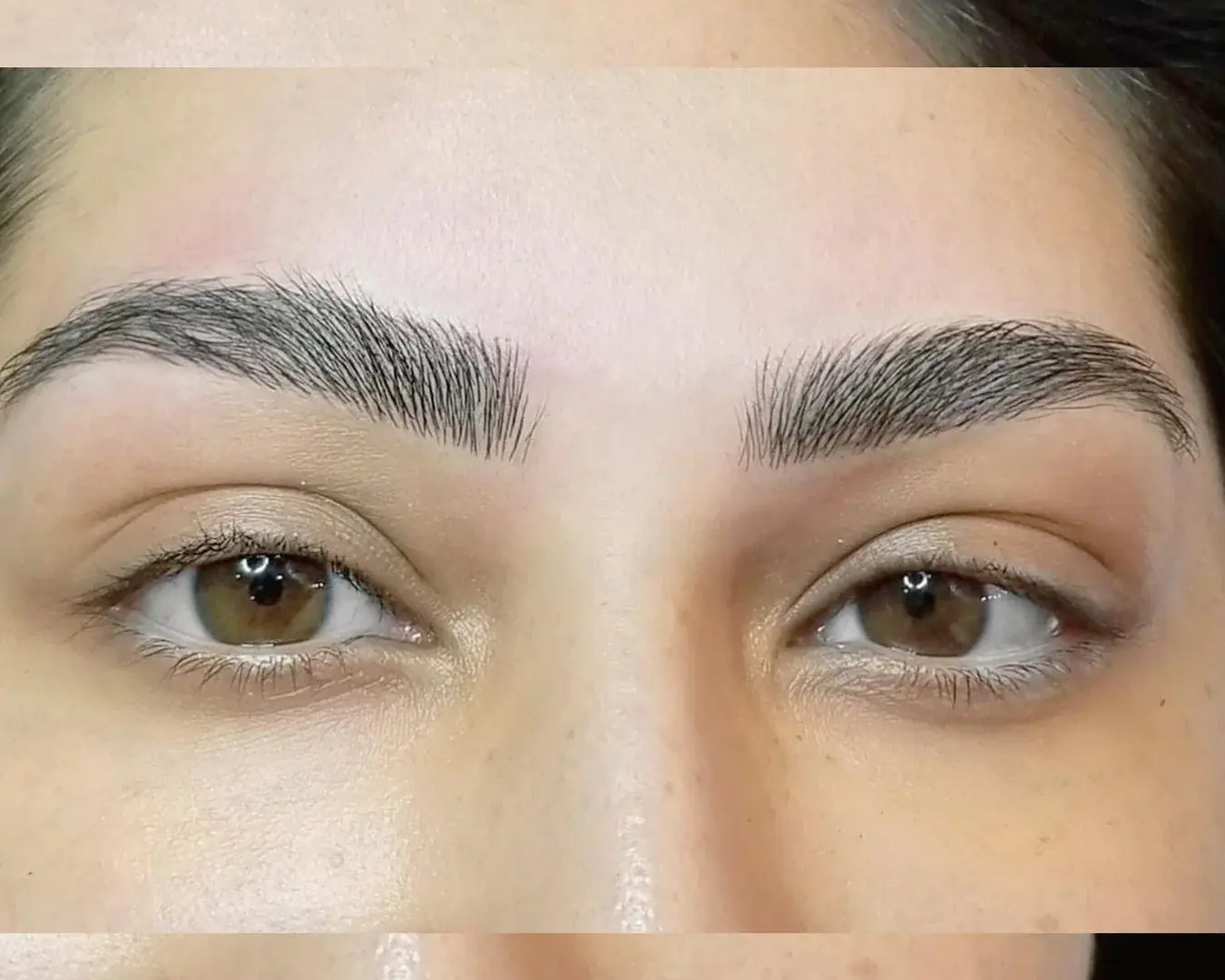
If hair follicles are permanently lost, a hair transplant may be an option. In this case, it is called an eyebrow transplant. Healthy hair follicles are moved into thin areas.
Dr. Kopelman reviews follicle health before surgery. Eyebrow transplant procedures in NYC are used only for stable, non-reversible eyebrow hair loss.
If eyebrow hair loss continues or worsens, or occurs with scalp hair loss or other health conditions, schedule a medical evaluation to determine the underlying cause. A structured consultation allows for accurate diagnosis and discussion of appropriate treatment options.